REVIEW · ROME
Rome: City Highlights Moonlight Walking Tour
Book on GetYourGuide →Operated by Carpe Diem Tours · Bookable on GetYourGuide
Moonlight turns Rome into a stage. This guided night walk strings together the Eternal City’s biggest landmarks—Trevi Fountain, the Pantheon, and the Colosseum—while you get the stories that connect them.
I really like the leisurely pace and how the guide builds a clear narrative instead of doing a speed-run of photo stops. I also love that Trevi Fountain and the central piazzas come when the light is softer and the crowds feel more manageable than daytime.
One thing to plan for: entry tickets aren’t included, so you’ll mostly enjoy stops from the outside and in public areas, with guiding and context rather than paid access to major sites.
In This Review
- Key takeaways before you go
- Finding your rhythm: meeting points and the walk’s vibe
- Piazza Navona: ancient stadium energy and Bernini’s Four Rivers
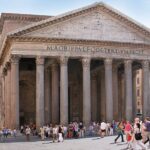
- The Pantheon stop: one of Rome’s best-preserved mysteries
- Sant’Ignazio di Loyola and Galleria Sciarra: quieter Rome with a guide
- Trevi Fountain under moonlight: when the symbols matter
- Piazza Venezia and Via dei Fori Imperiali: Rome’s ceremonial spine
- Colosseum at night: finishing outside with the right payoff
- Price and value: is $28 worth it for a night walk?
- Who this moonlight tour suits best
- What to bring (so the night stays fun)
- Should you book this Rome night highlights tour?
- FAQ
- How long is the Rome: City Highlights Moonlight Walking Tour?
- What does the tour cost?
- Where do I meet the guide?
- Are tickets or entry fees included?
- What languages are offered?
- Can I cancel for a refund?
- Is a private group available?
Key takeaways before you go
- Trevi Fountain at night: timed for quieter photos and symbolic explanations, plus the classic coin toss moment.
- Piazza Navona’s ancient layer: you’re walking above an old Roman athletics site, with Bernini’s Four Rivers as the centerpiece.
- Pantheon without rushing: you get time to appreciate one of Rome’s best-preserved monuments and its dome construction mystery.
- Church + galleria stops: you’ll pause at Sant’Ignazio di Loyola and Galleria Sciarra for guided looks at details you’d likely miss alone.
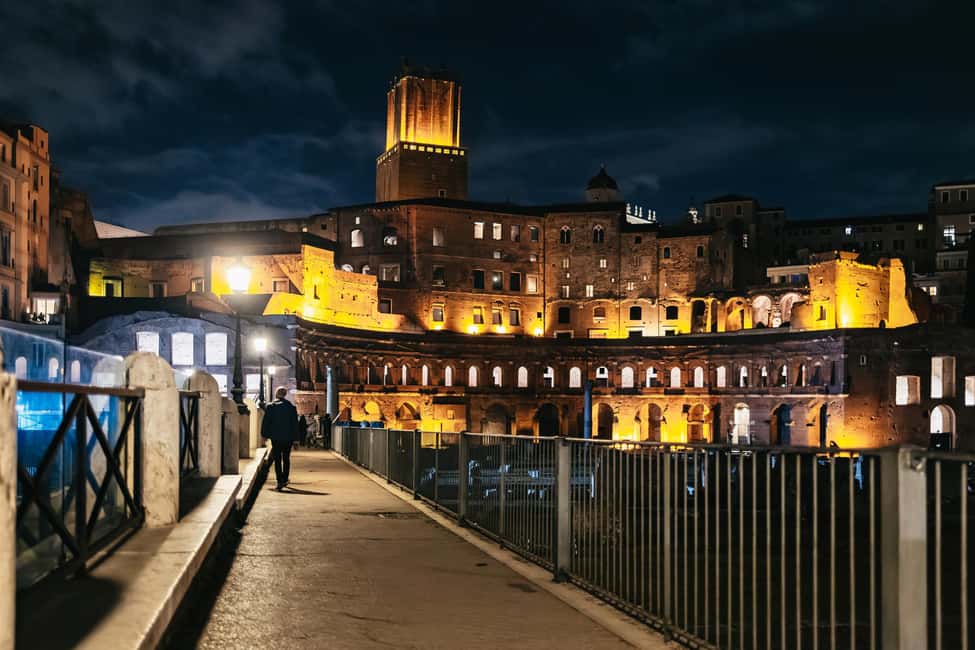
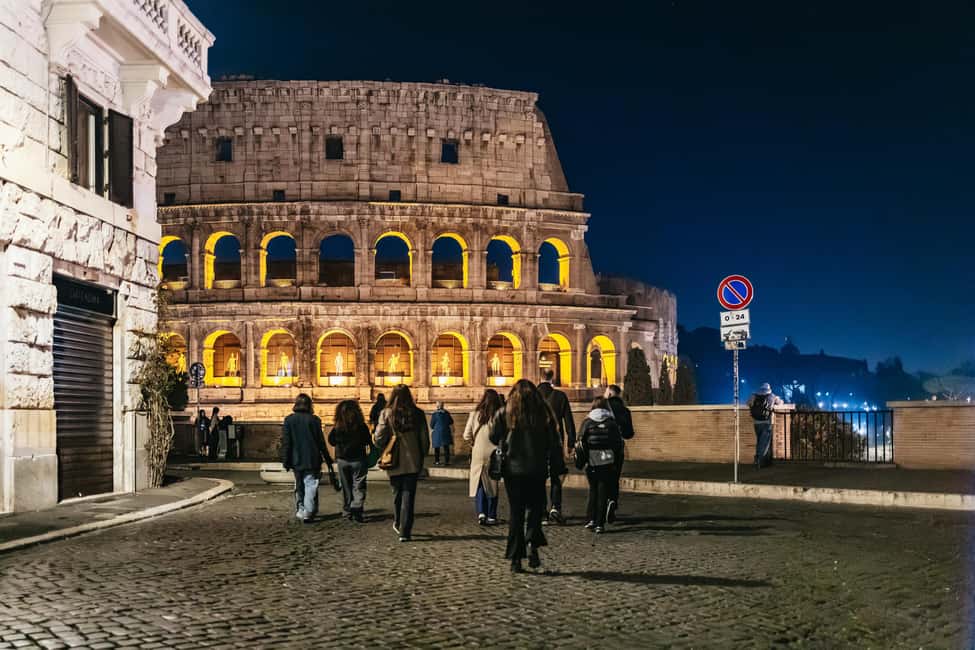
- Colosseum illumination: you finish with the iconic view outside the monument, framed by the glow of Via dei Fori Imperiali.
- Guide energy matters: names like Pauline/Paulina, Domenica, Vladimir, Sila, and Alina show up as examples of the kind of engaging guides this tour attracts.
Finding your rhythm: meeting points and the walk’s vibe
This is a night walk, not a bus tour. That’s the whole point. You’ll meet at a starting location that can vary by booking, with options at Piazza d’Aracoeli or Piazza di Pasquino. From there, the route threads through Rome’s historic core at a comfortable walking pace.
The best part is how the tour works for orientation. You’re not just ticking off famous sites. You’re learning how Rome’s modern streets sit on top of older stages—ancient athletic grounds, imperial boulevards, and ceremonial spaces. It’s a smart way to start (or reset) your trip, especially if you only have a few days and want your bearings fast.
Still, you should be realistic about what a 2 to 2.5 hour walk means: you’ll be on your feet. Wear comfortable shoes and dress for a cool evening. Also note that this is a guided walking experience, so you’re there to listen as you stroll.
You can also read our reviews of more tours and experiences in Rome.

Piazza Navona: ancient stadium energy and Bernini’s Four Rivers
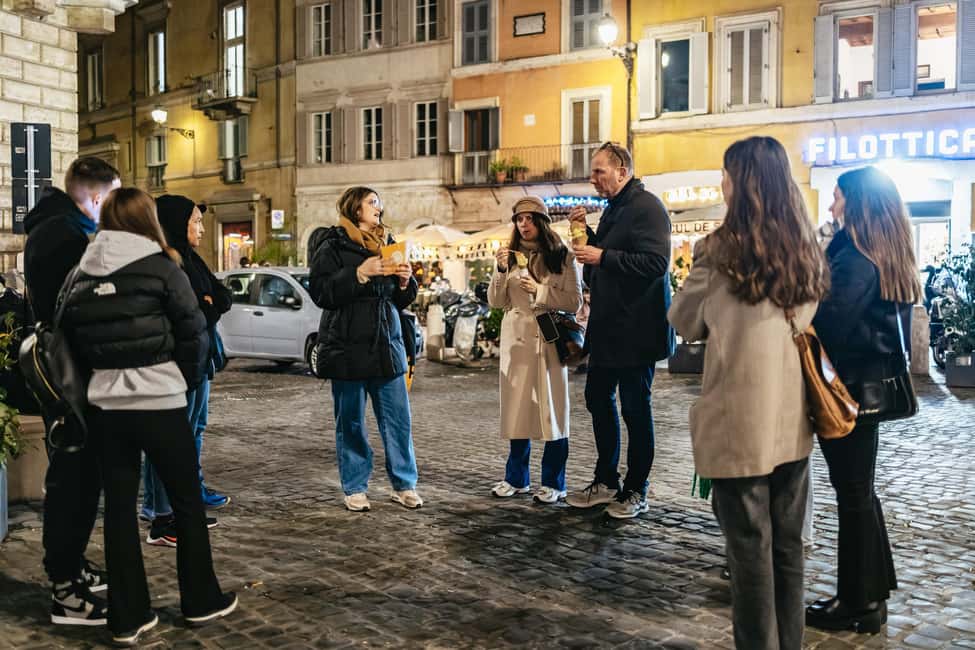
Your first major guided moment lands at Piazza Navona, a square that feels like it was designed for nighttime. In the middle ages it became a stage for events, and long before that, the ancient Romans used the site for athletic contests. The geometry of the piazza even echoes that older stadium shape—so when your guide points it out, you start seeing the city in layers.
This is also where Bernini’s Fountain of the Four Rivers anchors the scene. The fountain isn’t just pretty in the lights—it’s an interpretive key. With a guide, you’ll understand what you’re looking at: the symbolic meaning behind the figures and why this kind of art mattered in Rome’s public spaces.
A practical perk: you begin with a big, open landmark where it’s easier to settle in. If you’re new to Rome, this stop helps you stop feeling lost and start feeling connected.
The Pantheon stop: one of Rome’s best-preserved mysteries
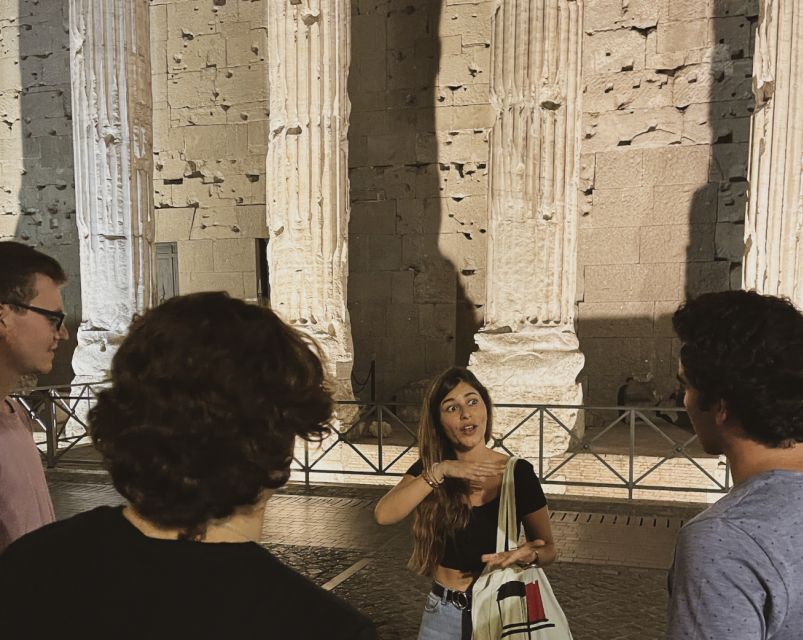
From Piazza Navona, you’ll reach the Pantheon area quickly—close enough that the walk feels effortless. The guide’s job here is to help you slow down for one of the Roman Empire’s most enduring masterpieces.
You’ll appreciate that it’s one of the best-preserved monuments from antiquity, and you’ll also hear the famous engineering puzzle tied to the building’s massive dome. Even people who study architecture often find themselves scratching their heads about how it holds together without the modern reinforcements you might expect.
Because this tour doesn’t include paid entry, think of the Pantheon moment as a high-value exterior-and-close-up experience. You’ll get the stories and the visual details that make it stick in your memory—plus time for photos without the daytime crush.
If you’re the type who wants to spend hours inside monuments, pair this with a separate ticketed visit later. But if you want the headline version with context, this stop hits the sweet spot.
Sant’Ignazio di Loyola and Galleria Sciarra: quieter Rome with a guide
After the marquee names, the tour adds texture. You’ll have guided stops at Sant’Ignazio di Loyola and Galleria Sciarra—places that don’t usually grab you from far away, but reward you when someone explains what you’re seeing.
Sant’Ignazio di Loyola gives you a chance to notice church architecture and artistic details up close. The guided element matters here because churches can look similar at first glance. A good guide helps you read the facade and the setting, so you don’t just pass through—you understand what it’s doing in the neighborhood.
Then there’s Galleria Sciarra, which feels like a pocket of Rome tucked between streets. At night, it’s the kind of stop where lighting makes the space feel almost cinematic. Again, since this is a guided walking tour without included attraction entry, your value comes from the explanation and the chance to pause.
This duo of stops is also a nice break from the constant camera-lens rhythm. They’re a reminder that Rome isn’t only colonnades and arches. It’s also the side spaces that shape how the city feels.
Trevi Fountain under moonlight: when the symbols matter
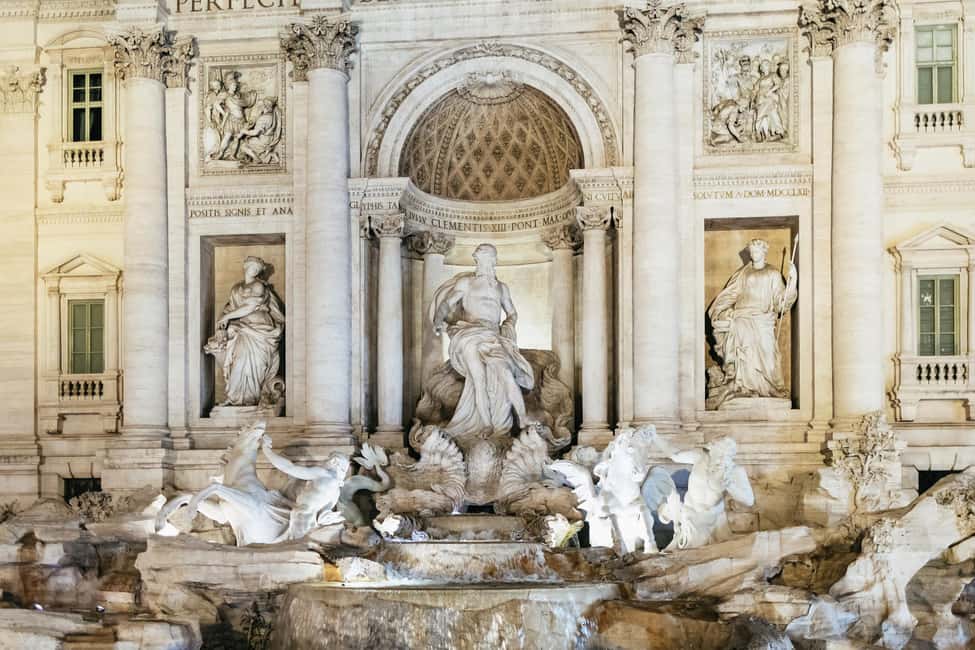
Now for the star. You’ll visit Trevi Fountain at a time described as the quietest of day. That timing changes everything: photos look cleaner, and the fountain isn’t fighting the loud chaos of daytime lines.
You’ll get guided time here—enough to see the structure in full, listen to how the fountain’s symbolism has been interpreted, and understand why this monument became the global magnet it is today. The guide helps you look beyond the postcard surface.
And yes, you’ll do the classic moment: you toss a coin over your shoulder as part of the ritual for return to Rome. It’s one of those things that can feel cheesy in daylight. At night, with the fountain lit like it’s meant for stories, it lands much better.
One practical tip: hold your phone camera steady and try a couple angles from different spots. The fountain looks different depending on where you’re standing, and that’s especially true once the lighting shifts.


Piazza Venezia and Via dei Fori Imperiali: Rome’s ceremonial spine
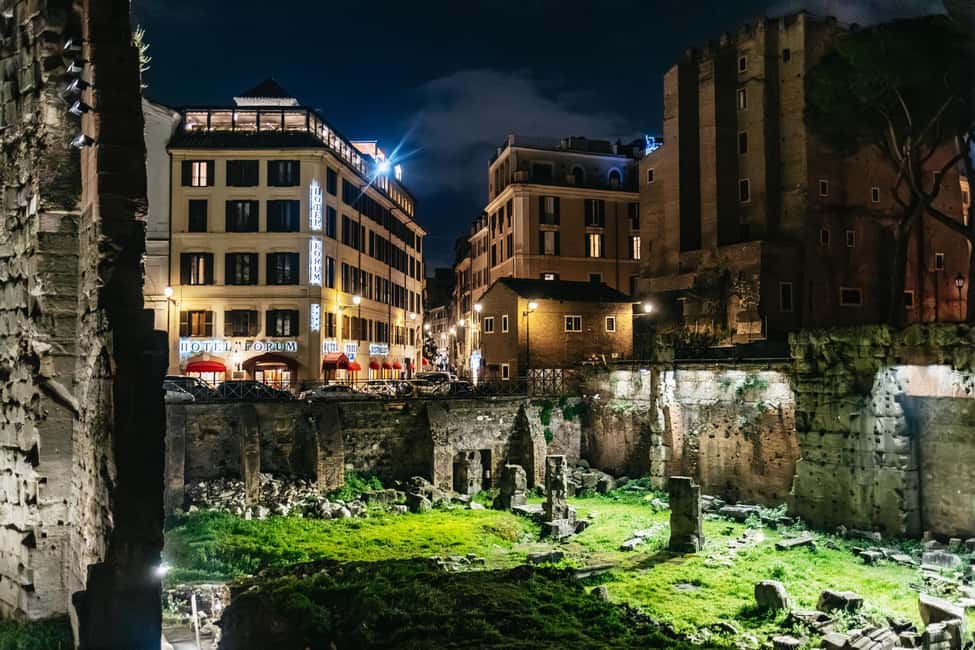
From Trevi, the walk keeps building energy, moving you toward Piazza Venezia at the foot of the Capitoline Hill. This is a powerful area because it sits at the crossroads of eras—where you can feel Rome’s political and monumental identity without needing an explanation.
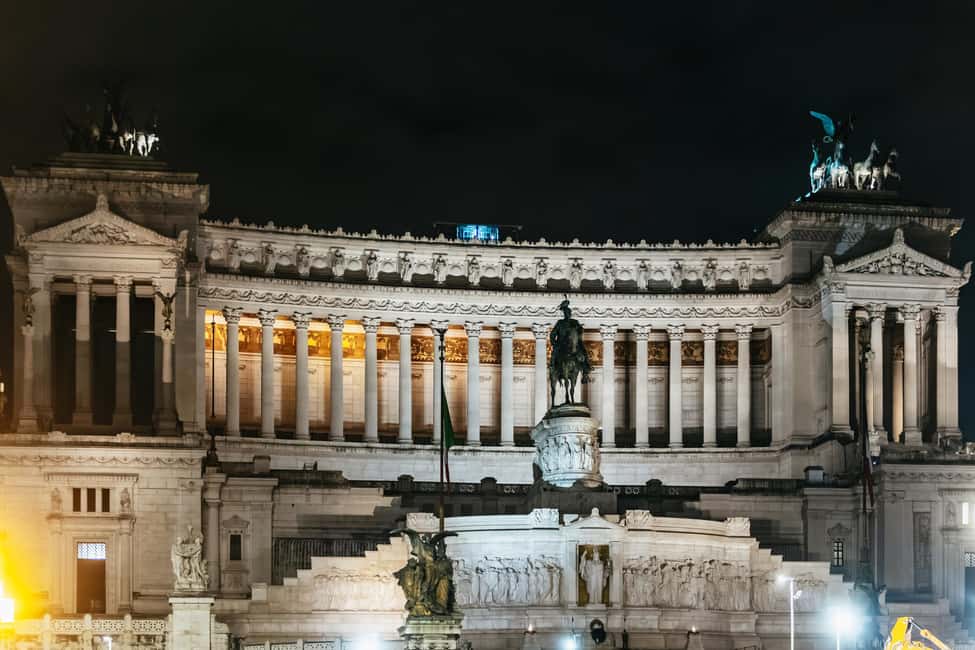
You’ll be guided through the area from the base of the hill toward the Altar of the Fatherland. Even if you’ve seen photos before, nighttime lighting makes the surfaces read differently. Details show up in shadows that you would miss in harsh midday sun.
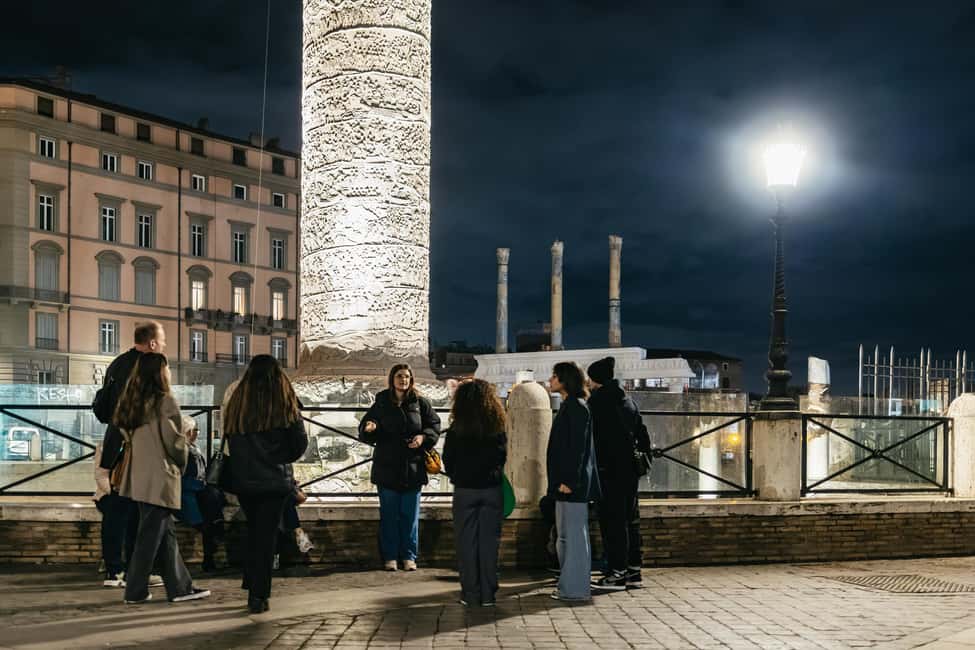
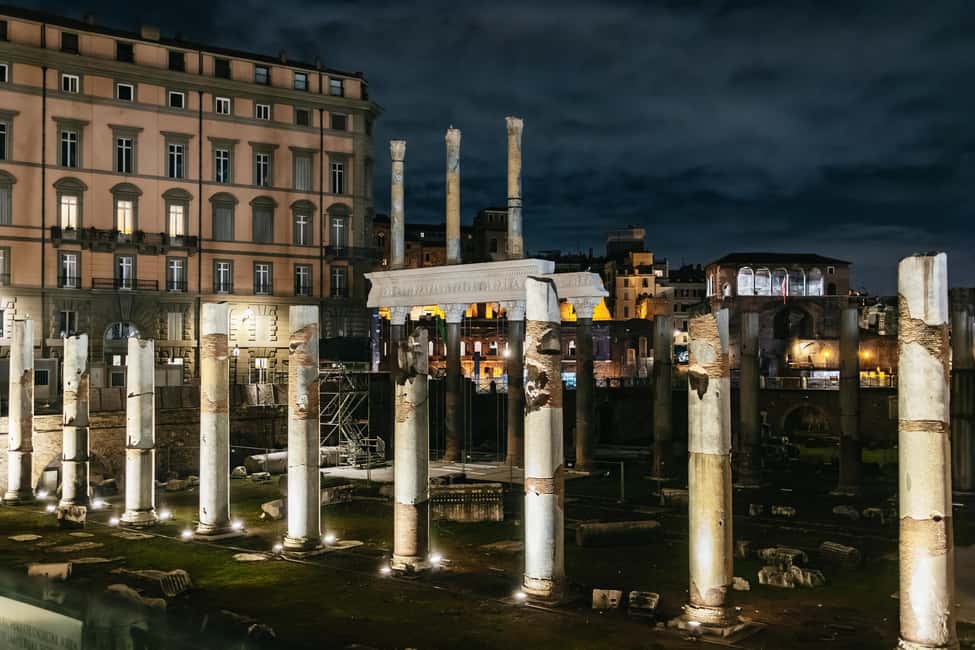
Next comes one of the most dramatic stretches: Via dei Fori Imperiali. This boulevard cuts through the remains of ancient Rome, and it’s basically the city’s imperial “spine” in walkable form. You’ll pass reminders of the empire’s big projects and learn how the spaces relate to each other.
Expect guided context around Trajan’s Column, and you’ll also hear about the forums connected to Trajan, Augustus, and Nerva. Even without entering museums or ticketed areas, this kind of guided passage does something important: it turns scattered ruins into a coherent story of power, planning, and public life.
If you’re the type who gets bored by long explanations, don’t worry—this segment works because you’re moving. The guide can keep the story tight while you’re physically stepping through the geography.
Colosseum at night: finishing outside with the right payoff
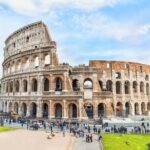
The tour concludes outside the most famous monument of all: the Colosseum. You won’t be paying for entry as part of this experience, but you’ll still get the key payoff—seeing the structure illuminated.
This matters because the Colosseum in photographs can feel flat. At night, the lighting adds depth and scale. You feel how big it is, and how it dominates the skyline even when you’re standing a respectful distance away.
The ending also gives you options for where to step out, with drop-offs listed around Piazza del Colosseo and the Colosseum area. In many tours like this, the general idea is to keep you close to transit and your next plan rather than forcing you back into the starting neighborhood.
If you want to go inside later, this walk can serve as the perfect warm-up. You’ll already know what you’re looking at and why it mattered.
Price and value: is $28 worth it for a night walk?
At $28 per person, this tour is priced like an efficient experience. You’re not paying for entry tickets, and you’re not stuck on a bus. Instead, you’re paying for two things that are hard to replicate on your own: timing and guidance.
Timing is a big deal here. Trevi Fountain and the central piazzas look better at night, and the crowd rhythm is usually less intense than daytime. Guidance is the other major value driver. You’re getting explanations at Piazza Navona, the Pantheon area, Sant’Ignazio di Loyola, Galleria Sciarra, Trevi Fountain, and throughout the walk toward Piazza Venezia and the Colosseum area.
The duration—2 to 2.5 hours—also matters. It’s short enough to fit on almost any evening, but long enough to connect the dots rather than just sprint between monuments.
If you want a cheap way to see a lot of Rome in a limited time window, this is a strong candidate. If you’re hoping for museum-grade time inside major monuments, you’ll likely want to add separate, ticketed visits.
Who this moonlight tour suits best
This tour is ideal if you want a guided way to see Rome’s top hits without spending the entire day in crowds. It’s also a smart early-trip choice because it helps you learn the city’s layout and the big historical themes in a single outing.
You’ll especially like it if:
- You like walking and photo stops, but you don’t want to plan every connection.
- You enjoy stories that link ancient and modern Rome.
- You want a calmer pace that still covers major sites.
It may be less ideal if:
- You strongly prefer ticketed entry experiences as the main event.
- You hate uneven walking surfaces or standing around during landmark photo moments.
What to bring (so the night stays fun)
This one’s simple. Bring comfortable shoes and comfortable clothes you can move in. Nights in Rome can feel cooler than you expect, especially in open squares, so it’s smart to dress in layers.
Also, consider bringing a small light layer and a charged phone for photos. The illuminated Colosseum and the Trevi Fountain night lighting are the kind of moments you’ll want ready-to-shoot.
Should you book this Rome night highlights tour?
Yes, if your goal is to see the big Rome icons with context and a calmer nighttime feel, this is a great booking. The price is reasonable for a guided walk that hits major stops like Piazza Navona, the Pantheon area, Trevi Fountain, Piazza Venezia, and the Colosseum area within about two and a half hours.
I’d skip or adjust expectations if you only care about paid interior access, because this experience does not include entry tickets. But if you want a guided “Rome connections” evening—stories, illuminated monuments, and a smooth pace—this is one of the more practical ways to get real value out of limited time.
FAQ
How long is the Rome: City Highlights Moonlight Walking Tour?
The tour runs about 2 to 2.5 hours. Starting times can vary, so check availability for the specific slot you want.
What does the tour cost?
The price is $28 per person.
Where do I meet the guide?
Your meeting point can vary based on the option booked, with starting locations listed at Piazza d’Aracoeli or Piazza di Pasquino. The tour ends near the meeting point, and the provider also lists drop-off options around Piazza del Colosseo and the Colosseum area.
Are tickets or entry fees included?
No. Entry to attractions is not included, and the tour does not include food and drinks.
What languages are offered?
The live tour guide is available in English and Spanish.
Can I cancel for a refund?
Yes. Free cancellation is offered up to 24 hours in advance for a full refund.
Is a private group available?
Yes. Private group options are available.