REVIEW · CATANIA
Noto, Modica and Ragusa: The Baroque Tour from Catania
Book on GetYourGuide →Operated by Sicily Grand Tour · Bookable on GetYourGuide
Noto, Modica, and Ragusa feel like Sicily showing off its best costume. After the 1693 earthquake wrecked much of eastern Sicily, these towns rose again as late Baroque showpieces—and this tour strings them together in one efficient day.
I especially like two things. First, you get guided time inside the big monuments, then breathing room to wander on your own. Second, the day is run by capable drivers and guides like Carmelo, Alessio, and Rustian, and that matters when you’re hopping between hills, viewpoints, and tight historic lanes.
One thing to consider: this is a packed itinerary. If you crave long, slow museum-style exploration, you may feel the time can be tight in each town—especially on rainy days when people move a bit faster.
In This Review
- Key highlights worth your attention
- Baroque Sicily in one day: why these three towns belong together
- Price and value: what $124.61 really buys you
- Pickup in Catania territory: the comfort factor that makes the day work
- Noto (Stop 3): Meti Hill and the rebuilt Baroque city
- Modica (Stop 5): Bonajuto chocolate plus the Baroque details you can name
- Ragusa (Stop 7): Ragusa Ibla’s late Baroque UNESCO power
- The road between towns: pacing over 8 hours without feeling hunted
- What kind of guide style makes or breaks this tour
- Who should book this Baroque day trip from Catania
- What to bring so the day feels easy
- Should you book this tour?
- FAQ
- How long is the tour?
- Which towns are included?
- Are meals included?
- What’s included in the price?
- Is pickup included from Catania?
- Are there ticket costs?
- What’s the cancellation policy?
Key highlights worth your attention
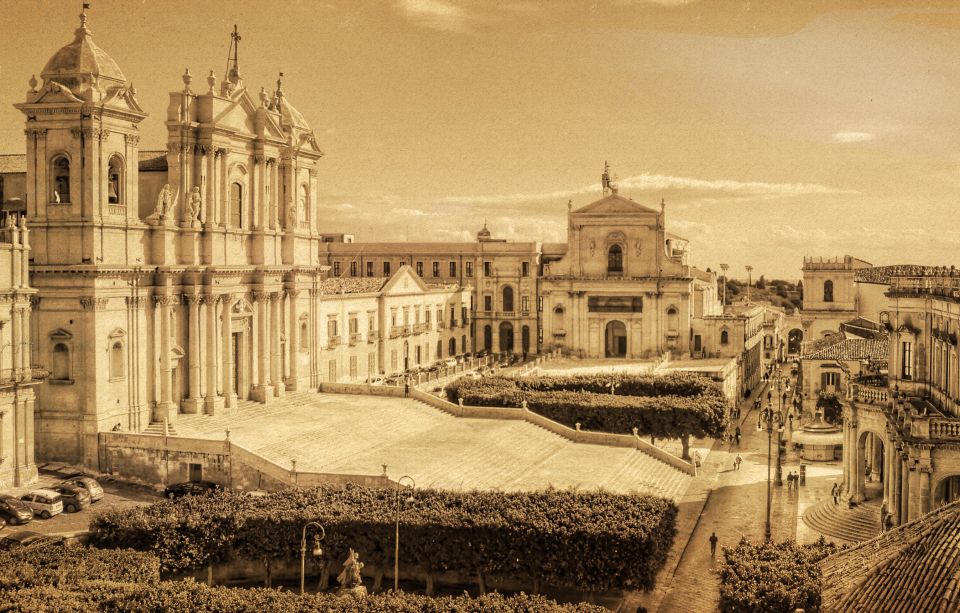
- Noto’s Garden of Stone: rebuilt after 1693, set on Meti Hill, with that instantly recognizable late Baroque look.
- Modica chocolate stop at Bonajuto: a proper break at the oldest chocolate factory in Sicily, not just a quick photo.
- Ragusa UNESCO (since 2002): late Baroque churches and palaces that look best up close.
- Small group size (up to 8): less waiting, easier pacing, and a guide who can actually answer questions.
- Photo-friendly stops: the best angles often come from viewpoints and short walks near major churches.
- Real flexibility during the day: you get guided context, then time to explore at your own speed.
Baroque Sicily in one day: why these three towns belong together
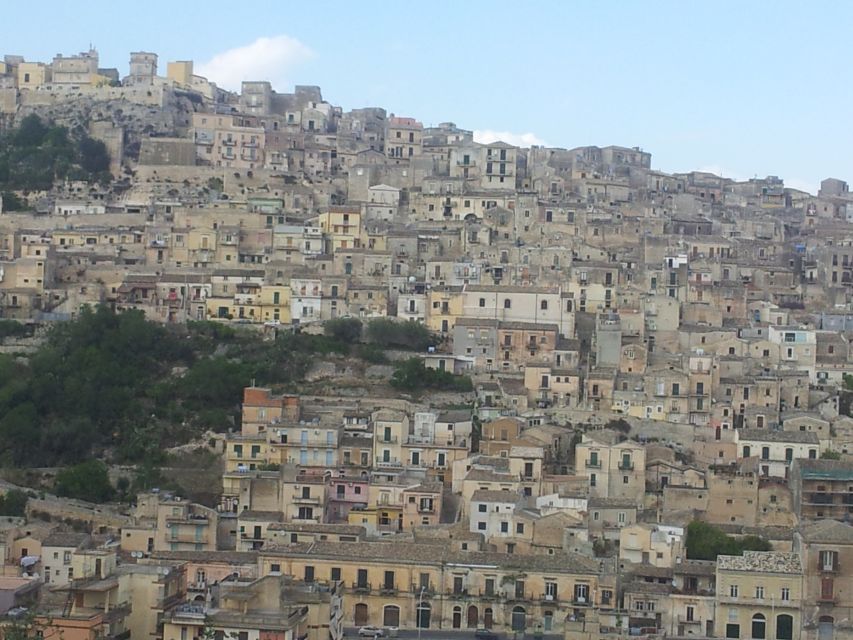
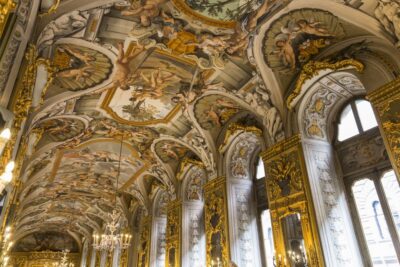
Late Baroque in southeastern Sicily is a specific look. It’s theatrical, yes, but it’s also practical: after the 1693 earthquake, towns had to rebuild fast, and the Baroque style became the visual language for renewal.
This route works because each stop shows a different slice of that story. Noto leans into the “stone city” feeling. Modica balances Baroque architecture with a deep local food tradition. Ragusa leans hard into layered streets and monumental facades that earned UNESCO status for a reason.
And you’re not just seeing buildings. You’re watching a region rebuild its identity, then polishing it into something that still feels current when you walk those streets today.
You can also read our reviews of more tours and experiences in Catania.

Price and value: what $124.61 really buys you
At $124.61 per person for an 8-hour outing, you’re paying for more than entry-level sightseeing. You’re buying transportation, a driver/guide in English (and often Spanish or Italian too), parking, tolls, and the day’s routing between three towns.
What that means for you on the ground: you don’t have to solve Sicilian logistics while also trying to admire late Baroque facades. You can focus on the real point—Noto, Modica, Ragusa—while someone else handles the driving, timing, and where to park for the best close-up photos.
A fair catch: tickets are not included. So if any sites you want are ticketed, your final cost may tick upward. Still, for many people, the value comes from guided context plus guided time in three different historic places.
Pickup in Catania territory: the comfort factor that makes the day work
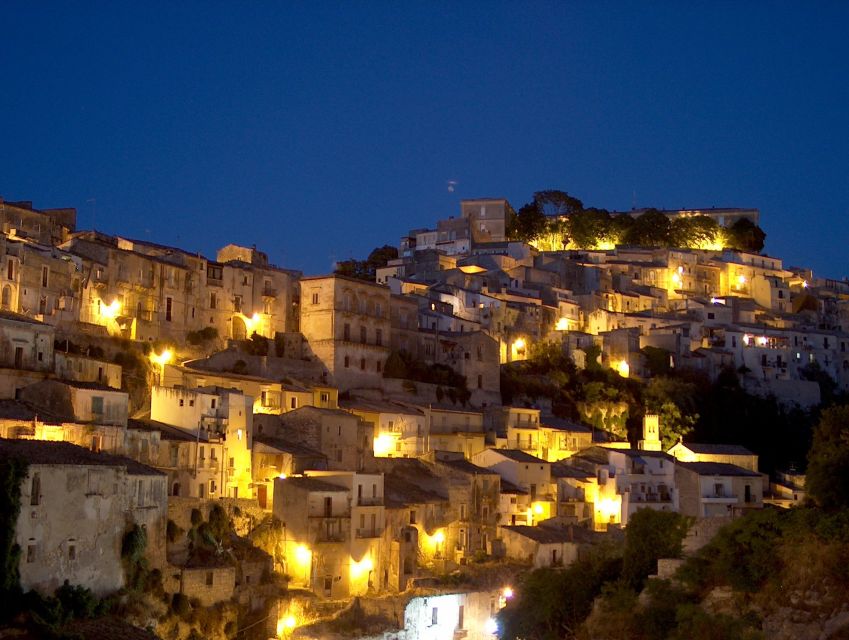
This tour is built around pickup and drop-off around Catania. In practice, that means you’re meeting the group at your accommodation or in the Catania area, unless your lodging is inside a pedestrian or market zone where a nearby meeting point gets arranged.
You’ll also see two practical pickup options mentioned for Aci Castello and Catania territory, and drop-off returns to those same areas. If you’re coming from Taormina, pickup is available by demand.
Small group (up to 8 participants) is the quiet advantage here. You’re less likely to lose time waiting for everyone, and the guide can slow down when a viewpoint deserves it. Based on what I’ve seen in how guides like Carmelo and Alessio run the day, the pace is meant to feel calm, not like a bus sprint.
Noto (Stop 3): Meti Hill and the rebuilt Baroque city
Noto is called the Garden of Stone for good reason. The style is bold, and the city feels unified in a way that’s rare in a place this old.
You start with the basic foundation: Noto was rebuilt after the 1693 earthquake, on Meti Hill. Its broader roots go back much earlier—its origins reach into the Early Bronze Age—but on this tour, the focus stays on how the late Baroque era shaped what you see today.
What you’ll do here: a guided walk that lasts about 1.5 hours, enough time to understand what you’re looking at before you roam. The guide typically points out where to stand for photos from a distance, then helps you find angles near major churches for architectural detail shots.
A small but real piece of advice: Noto is a photo magnet. I’d plan on moving a lot between viewpoints and facades, so comfy shoes matter. On rainy days, the tone can shift fast—one guide I’ve seen handle rain well still keeps the rhythm under control, but you may want an umbrella and sunglasses.
Modica (Stop 5): Bonajuto chocolate plus the Baroque details you can name
Modica is where the day turns from stone drama into a very local break. The stop is at the oldest chocolate factory in Sicily, Antica Dolceria Bonajuto, and the tour builds in both guided time and a break so you’re not just passing through.
The guided portion is about 1.5 hours, and it’s designed to help you spot Modica’s Baroque architecture without needing a Baroque decoder ring. You’ll see big landmarks such as the cathedrals San Giorgio and San Pietro, plus palaces including Palazzo Polara and Palazzo Napolino-Tommasi Rosso.
Here’s why that matters: Baroque can look like a lot of decoration if you don’t have a few labels. Once you know what to look for—facade rhythms, church scale, the way palaces show wealth—the streets start making sense fast.
Chocolate-wise, the goal isn’t only buying something sweet. It’s having a proper taste stop connected to the town’s identity. In Modica, that’s part of the authenticity of the trip, not a marketing detour.
One timing reality: if rain hits, the group may adjust. I like that guides handle this without turning it into chaos. You may get lunch time with the group during weather delays, which keeps the day comfortable even if plans tighten.





Ragusa (Stop 7): Ragusa Ibla’s late Baroque UNESCO power
Ragusa became UNESCO World Heritage in 2002 for its late Baroque monuments. When you arrive, you feel that immediately: Ragusa Ibla is full of dramatic church fronts and palatial buildings that seem made for close looking.
Your guided time here is about 1.5 hours. That’s long enough to understand the style and short enough that you still get your own exploring afterward.
What you should expect to appreciate: the tour aims at the type of monuments that earned UNESCO recognition—cathedrals and palaces in the late Baroque tradition. Even if you don’t memorize every name, you’ll come away with a stronger sense of how the architecture works visually from different angles.
Photo tip, plain and simple: Ragusa tends to reward short walks and frequent stopping. You don’t need to race the group. Let the guide show you where to stand, then linger where the light hits the facades best.
The road between towns: pacing over 8 hours without feeling hunted
The itinerary moves in a way that’s practical for a day trip, not a long vacation. Between stops, you’re in the van for stretches like 75 minutes (toward Noto), then additional driving segments such as 45 minutes, 15 minutes, and finally about 105 minutes back toward your drop-off.
Here’s the pacing promise: guides typically give context, point out photo spots, then let you explore on your own. That matters because Baroque cities are better when you can stop and stare.
What I like most about how this tour tends to run: you’re not treated like luggage. Guides such as Carmelo (and others) have been described as opening doors, helping with comfort, and making sure you have opportunities to use the restroom and grab a drink before the next hop.
Still, be honest about the downside. A few people feel the three-town structure can feel like a “glimpse” if you want deeper stories or more time in any one place. Noto is often the highlight, so if your heart is set on it, you might wish that stop were longer.
What kind of guide style makes or breaks this tour
The guides here are a big part of the experience. I saw repeated patterns in how named guides like Carmelo, Alessio, and Rustian are described: safe driving, strong command of English, and the ability to explain history and architecture in a way that sticks.
The most useful skill isn’t just facts. It’s how the guide manages the day so you feel safe while still getting great access. In rain, good driving matters. In tight historic lanes, knowing where to park matters. In Baroque cities, knowing where to stand matters.
One more plus: some guides are described as offering to take photos for the group in front of cathedral facades. That’s small, but it saves you time and frustration—especially if you’re traveling as a couple.
Who should book this Baroque day trip from Catania
This tour is a good fit if you want all three of these goals in one day:
- Baroque architecture with real guidance, not just wandering.
- A chocolate break that connects to Modica’s identity.
- A small-group format that feels more personal than a large coach day.
It’s also ideal if you’re basing yourself in Catania and you don’t want to drive. The driving and timing are the hard part of doing Noto, Modica, and Ragusa in one go.
You might choose something else if:
- You hate rushing and want long open-ended time in one town.
- You’re a super-focused architecture student who wants deeper, slower lectures per stop.
- You’re traveling in a way that makes van transfers difficult (this tour’s structure depends on getting on and off the vehicle on schedule).
What to bring so the day feels easy
You’re out and about in historic centers, plus you’ll be in the van for transfers. I’d bring the basics that protect your energy and your photos:
- Umbrella and a hat if you’re going in shoulder season or any time rain is possible.
- A camera-ready phone setup (you’ll likely stop often for facade shots).
- Comfortable walking shoes for uneven stone and frequent short climbs.
If it rains, don’t underestimate how quickly you’ll want shelter. Guides have handled rainy days well in the past, but your own rain gear keeps the mood relaxed.
Should you book this tour?
I think you should book it if you want a smart, time-efficient Baroque overview from Catania. The combination of Noto’s post-1693 rebuilding story, Modica’s Bonajuto chocolate break, and Ragusa Ibla’s UNESCO late Baroque monuments is exactly the kind of itinerary that’s hard to replicate alone without losing time to driving and parking.
Book it with a realistic expectation: you’re seeing three major towns in one day, so you’ll get a guided highlight experience, not an all-day deep-dive into one city.
If you’re excited to name the monuments you’re seeing—plus you like the idea of a small group and photo-friendly guidance—this is a solid bet for your Sicily trip.
FAQ
How long is the tour?
It runs for 8 hours.
Which towns are included?
You visit Noto, Modica, and Ragusa.
Are meals included?
No. Meals aren’t included in the tour price.
What’s included in the price?
Pickup and drop-off at your accommodation or port of call, transportation by air-conditioned car or minivan, an English-speaking driver/guide, gas, parking fees, and tolls.
Is pickup included from Catania?
Yes. Pickup is included within Catania territory, with meeting points arranged if your location is in a pedestrian or street market area.
Are there ticket costs?
Tickets are not included.
What’s the cancellation policy?
You can cancel up to 24 hours in advance for a full refund.