REVIEW · MILAN
Milan: Pasta and Tiramisu Class at a Local’s Home
Book on GetYourGuide →Operated by Cesarine · Bookable on GetYourGuide
Fresh pasta lessons happen in real homes. This Milan class shows you how to make sfoglia and tiramisu with a certified home cook, then you eat what you make with local wines. I like that it is hands-on from the first minute, not a sit-and-watch cooking show.
What I really love is the sequence: you start with an Italian aperitivo, then learn to roll fresh pasta by hand, then finish with the iconic tiramisu. I also like that the tasting is part of the experience, so your efforts become lunch or dinner instead of stopping at the cutting board.
One consideration: you’re meeting at the host’s private home, and the exact address only comes after booking, so double-check your email and arrive on time.
In This Review
- Key Highlights You’ll Care About
- Milan’s Best Souvenir Isn’t a Mug: It’s Pasta Skills
- The 3-Hour Flow: Aperitivo to Dessert
- Start with Aperitivo and Nibbles
- Learn to Roll Sfoglia by Hand
- Make Two Different Pastas From Scratch
- Finish with Tiramisu
- Sit Down and Taste Your Work
- What You’re Really Learning (Beyond Recipes)
- How Pasta Dough Should Feel
- How to Think Like an Italian Home Cook
- How Tiramisu Becomes Reliable
- Why the Home Setting Changes Everything
- Price and Value: Is $146 Per Person Fair?
- Who This Class Fits Best (and Who Might Want Another Option)
- Practical Tips So You Enjoy It More
- Quick Look at Inclusions (So You Don’t Guess)
- Should You Book This Milan Pasta and Tiramisu Class?
- FAQ
- How long is the pasta and tiramisu class?
- Where do we meet the host?
- What time does the class start?
- What dishes will I make during the class?
- Are drinks included?
- Can the class accommodate dietary requirements?
- Is the instruction offered in English?
Key Highlights You’ll Care About
- Private home setting: you cook in a real Milan kitchen, not a demo room
- Hand-rolled sfoglia: learn the feel and thickness, not just the recipe
- Two pasta recipes from scratch: practice technique, not only assembly
- Tiramisu finishing skills: the dessert is a core part, not an afterthought
- Aperitivo and wine pairing: drinks and coffee are built into the meal
- Recipes you can repeat: you leave knowing what to do next time at home
Milan’s Best Souvenir Isn’t a Mug: It’s Pasta Skills
Milan can feel like a city of fashion and fast lunches, but this class slows everything down in a good way. You trade the usual sightseeing routine for a warm home-kitchen experience, where the goal is simple: you learn to make fresh pasta and tiramisu, and then you get to enjoy it.
The class is designed around regional Italian cooking habits—especially the kind you only pick up when someone teaches you in their own rhythm. You’ll be working with a certified home cook who guides you step-by-step, explains the small technique choices that matter, and keeps things practical so you can actually repeat the results later.
It also helps that this isn’t just food education. It’s social. You’ll share the table with other guests and talk about ingredients, kitchen shortcuts, and what makes Italian comfort food work. Several hosts are described as welcoming and patient, including people like Silvia and Antonio, Sandra, Merina, Enrico and Christina, and Debora. The pattern is consistent: warm hospitality plus real instruction.
You can also read our reviews of more tours and experiences in Milan.



The 3-Hour Flow: Aperitivo to Dessert
This experience runs about 3 hours, and you can typically find start times around 10:00 am or 5:00 pm (flexible based on the host). The timing matters because the class is built like a meal: you begin with a drink, build pasta dough and shapes, then finish dessert and sit down.
Here’s how the lesson usually moves:
Start with Aperitivo and Nibbles
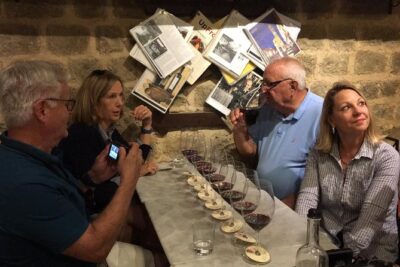
You begin with an Italian aperitivo, plus Prosecco and nibbles, along with water, wines, and coffee during the experience. This isn’t just a perk—it’s part of the teaching culture. You’re eased into the kitchen routine, and the host sets the tone so you don’t feel rushed when flour starts flying.
Learn to Roll Sfoglia by Hand
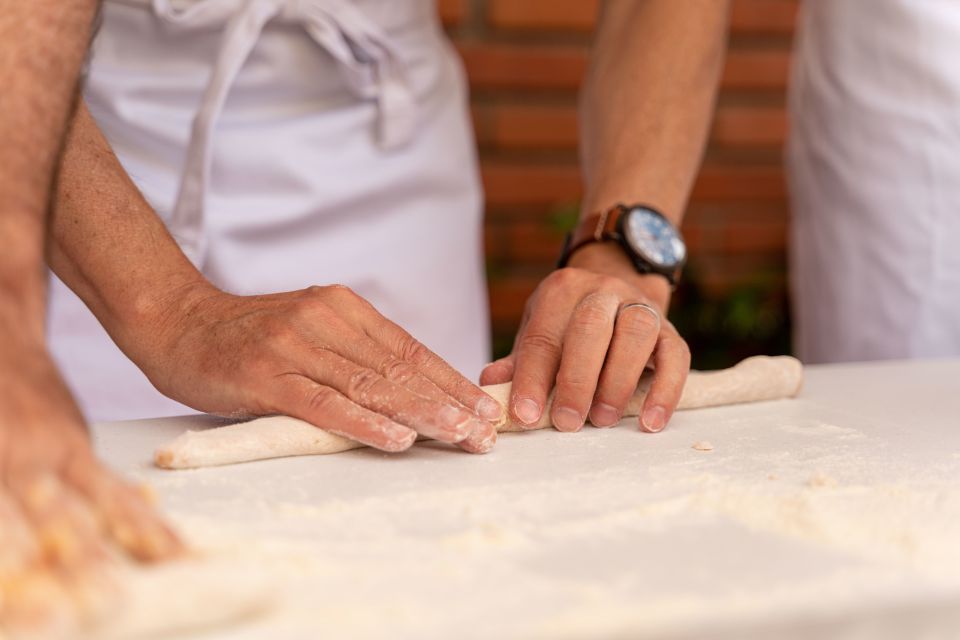
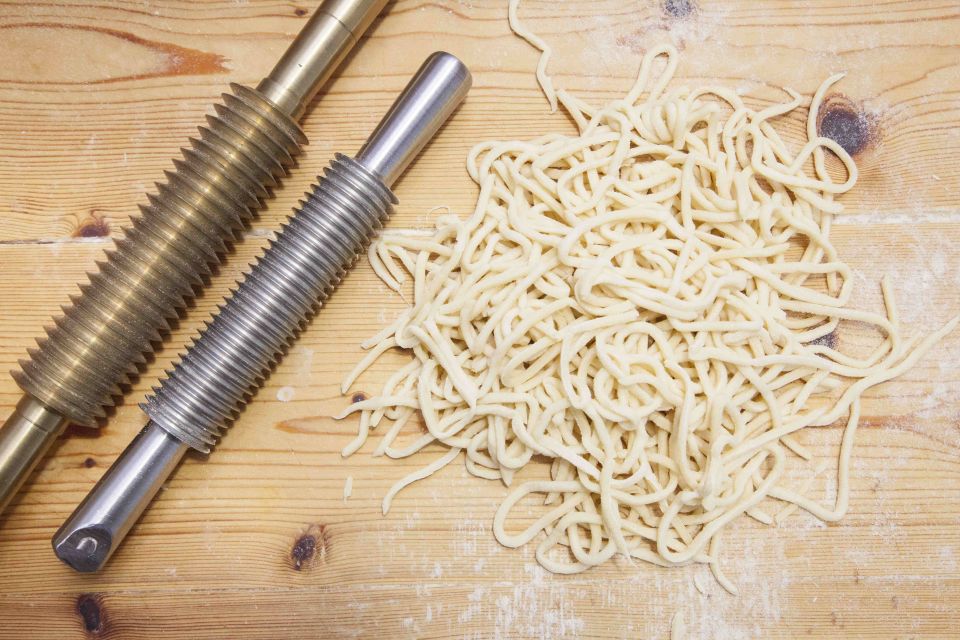
Next comes the pasta lesson. You’ll learn to roll sfoglia (fresh pasta) by hand, which is where the class earns its keep. Store-bought pasta is fine, but it does not teach you how dough behaves. Hand-rolling teaches you thickness, elasticity, and how to handle the dough so it doesn’t tear or shrink.
This is also the point where a good host makes the difference. Many classes like this succeed because the instructor is calm and detailed. You’ll see that in how hosts like Sissi and Santa are described as patient and friendly, especially when teaching families and mixed ages.
Make Two Different Pastas From Scratch
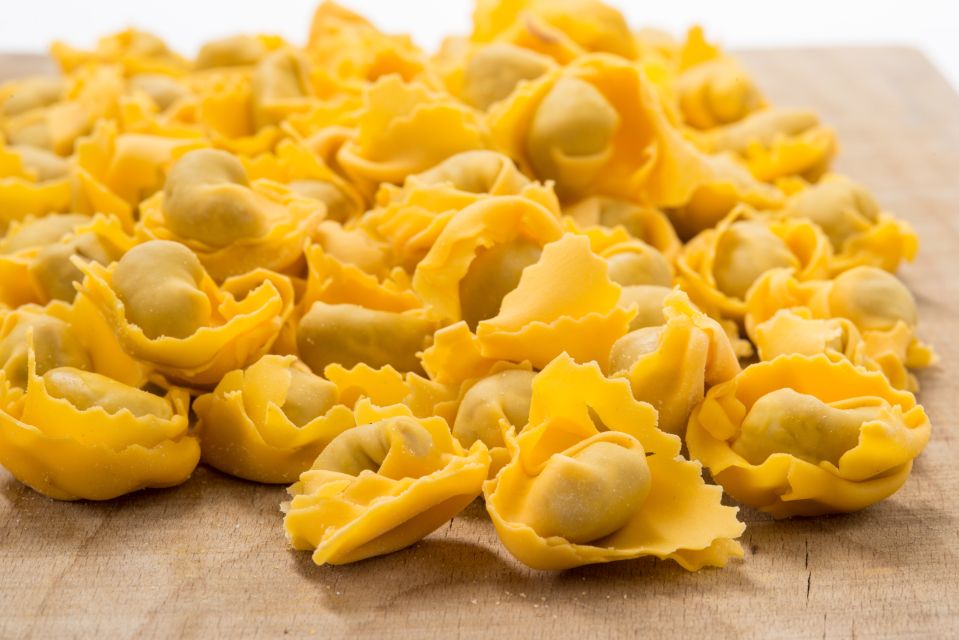
After sfoglia, you’ll prepare two simple different kinds of pasta from scratch. The exact types can vary by host and what fits the class flow, but you can expect technique-focused steps and guidance on dough, shaping, and cooking.
From the variety of pasta outcomes people mention with their hosts, you might see styles such as tagliatelle, ravioli, carbonara-style pasta (as a sauce direction), tortellini, or other classic preparations that pair with the tiramisu. The key is that you learn more than one path from dough to plate.






Finish with Tiramisu
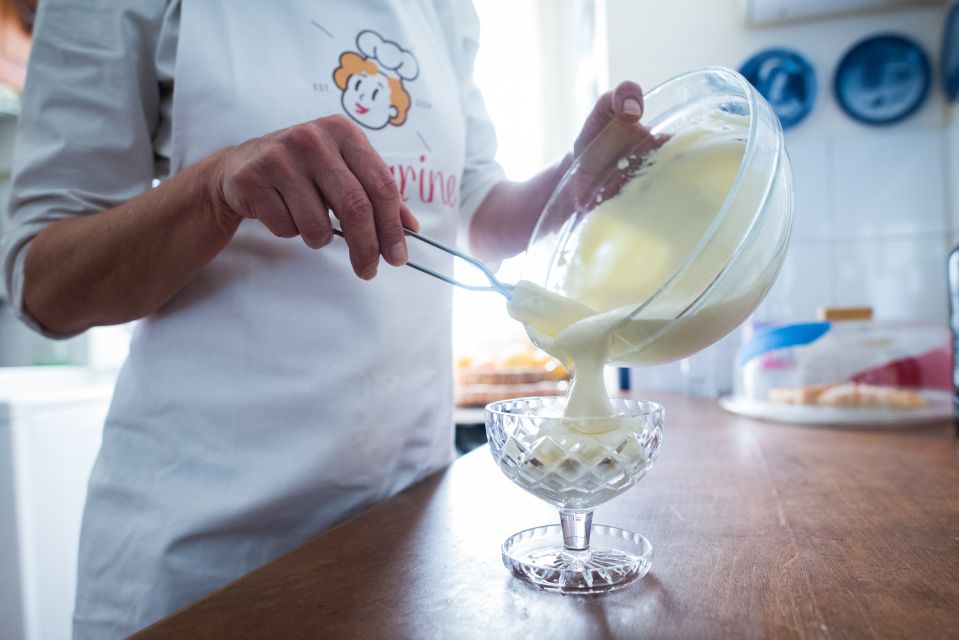
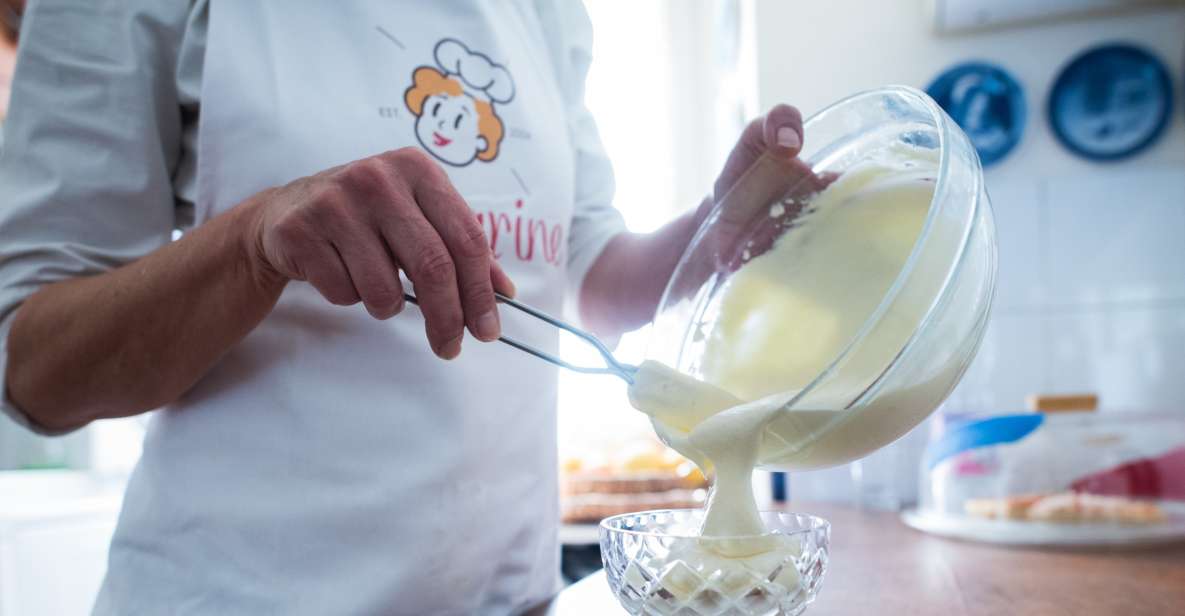
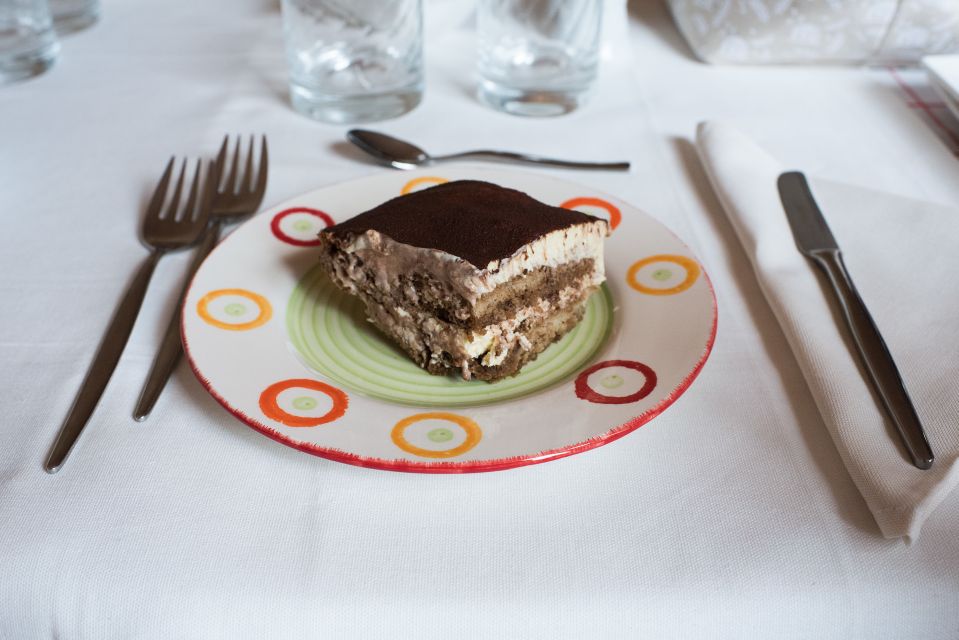
Then you pivot to dessert: tiramisu. The class teaches you how to make the iconic layers so you understand what makes it set properly and taste balanced. Even if you’ve eaten tiramisu before, making it is a different experience—less about following steps blindly and more about how the mixture and timing behave.
Hosts are often praised for making the process approachable. That matters because tiramisu can feel fussy if you only read recipes. In a home setting, you can ask questions, get feedback, and learn what texture you should aim for.
Sit Down and Taste Your Work
At the end, you savor everything you made for lunch or dinner, paired with local wines. The included drinks are part of the value: water, wine, and coffee are covered, plus the aperitivo start with Prosecco and nibbles.
Eating in the same room where you cooked is also a confidence booster. You’re not just collecting knowledge—you’re getting proof.
What You’re Really Learning (Beyond Recipes)
Recipes are helpful, but the best cooking class gives you technique you can use later. This one does that in a few clear ways.
How Pasta Dough Should Feel
When you roll sfoglia by hand, you learn what the dough is doing. You notice elasticity, dryness, and the difference between dough that is ready versus dough that needs a bit more. That’s the kind of skill that helps you make pasta without panicking the next time.
How to Think Like an Italian Home Cook
A big part of the experience is the home-cook mindset: using family methods, keeping sauces and fillings complementary, and working with ingredients that make sense together. Many hosts are described as teaching from family ways and shared cookbooks, which is where the class feels different from a corporate cooking school.
How Tiramisu Becomes Reliable
Tiramisu isn’t hard, but it can go wrong if you rush or misjudge texture. A good host makes the process feel doable—so you leave with a mental checklist you can follow when you recreate it at home.
Why the Home Setting Changes Everything
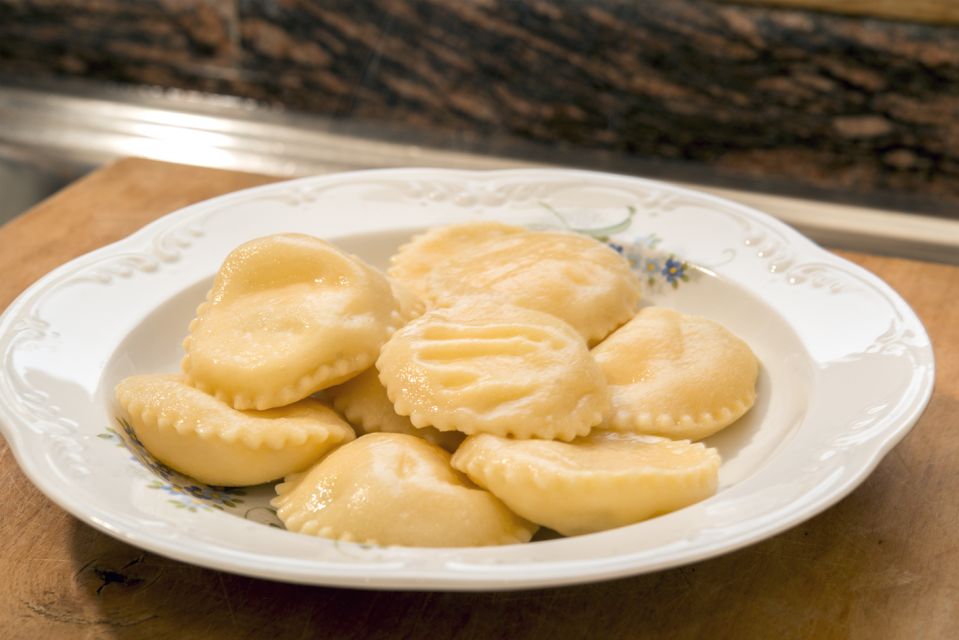
Cooking in a professional kitchen can be great, but a private home class has its own advantage: you feel like you’re visiting someone who actually cooks.
That shows up in the atmosphere. Hosts are repeatedly described as welcoming, warm, and eager to explain. People like Nicol and Nicoletta are praised for having food prepared (like bruschetta) when guests arrive, and for emailing recipes afterward—details that help you keep learning even after you leave.
You’ll also notice kitchen set-up matters. Several comments highlight that the kitchen setup was perfect and the space was inviting and comfortable. In other words, this class seems designed for real teaching, not just for photos.
Price and Value: Is $146 Per Person Fair?
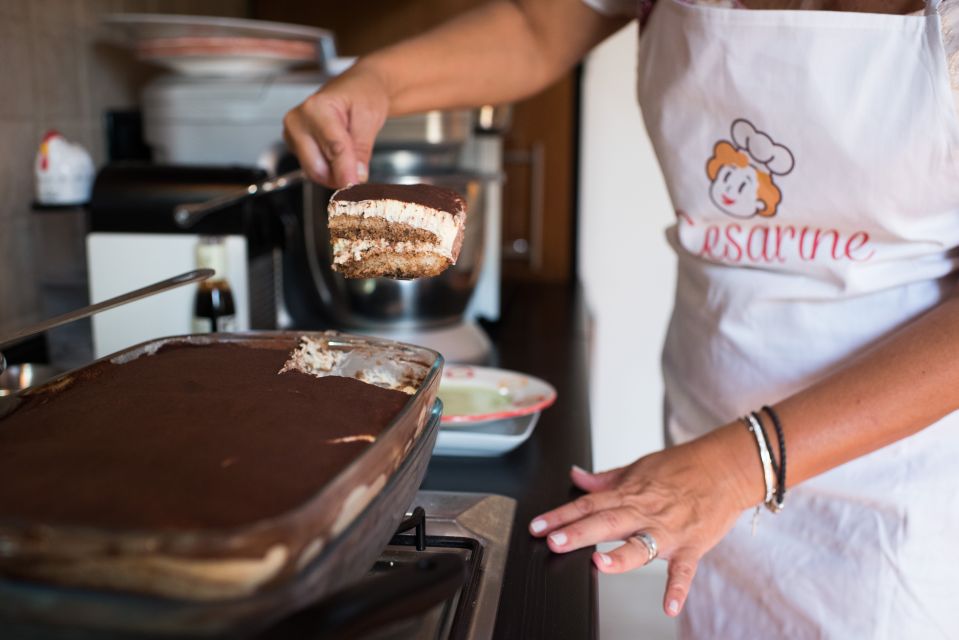
At $146.14 per person for about 3 hours, you’re paying for more than ingredients. You’re paying for:
- a certified home cook guiding you through dough, shaping, and dessert
- a full meal experience (two pasta tastings plus tiramisu)
- drinks including Prosecco, wine, water, and coffee
- private-home hospitality and recipes you can use later
In Milan, you can spend less on a group cooking demo, but you generally lose the hand-on instruction quality and the meal feeling. You can also pay more for high-end culinary tours, but they may not include the same “learn it, then eat it” structure.
Here, the value is that you leave with skills for pasta and tiramisu, plus the meal is included right away. If you’re the type who remembers lessons best when you do them with your hands, this price starts to look very reasonable.
Who This Class Fits Best (and Who Might Want Another Option)
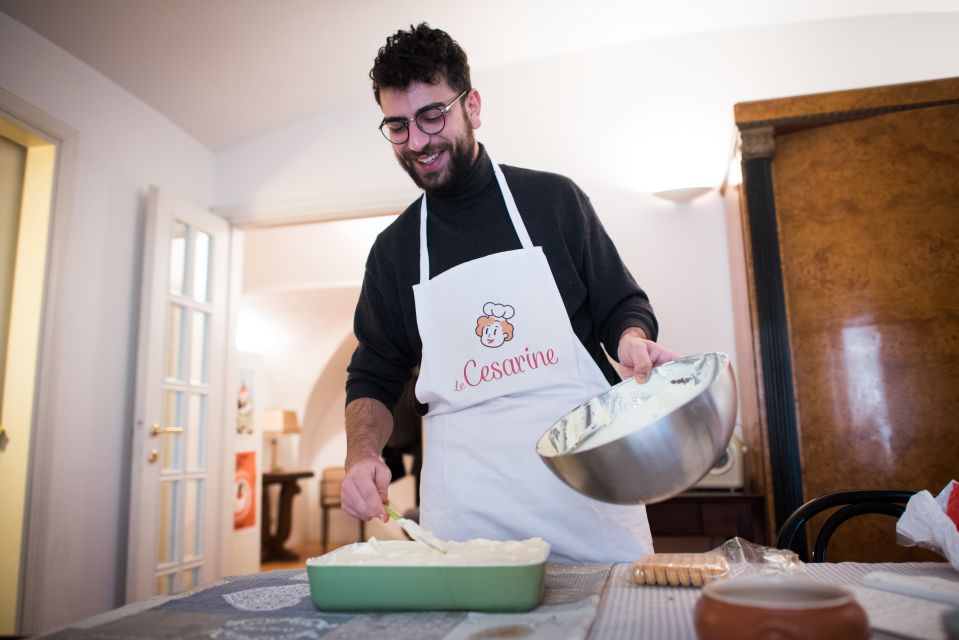
This is a strong match for:
- couples who want a meaningful Milan food experience beyond restaurants
- families or groups of friends who like interactive activities
- travelers who want technique, not just tasting
- anyone trying to master fresh pasta basics and tiramisu
It may be less ideal if you:
- want a fully scheduled, large-group “production” vibe
- hate the idea of meeting at a private home (where timing and instructions are more personal)
Still, if you’re flexible and follow your host’s guidance, the home element is usually the highlight.
Practical Tips So You Enjoy It More
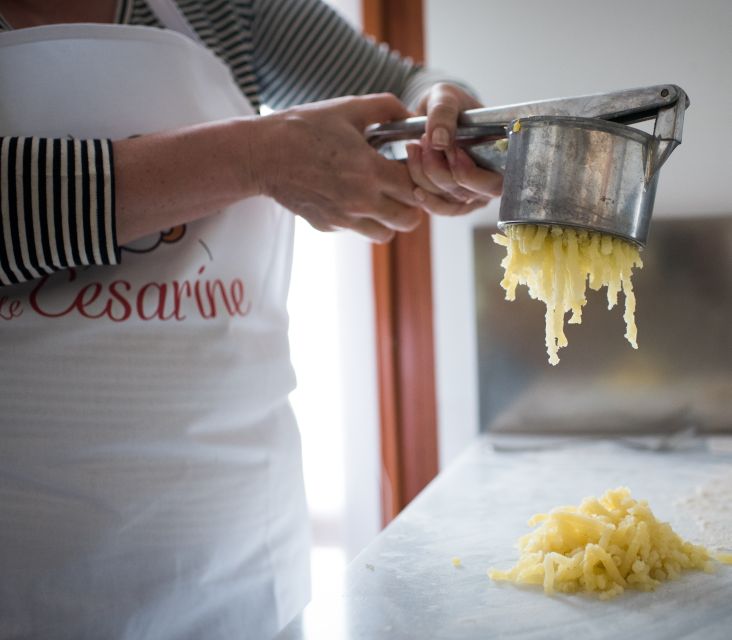
A few small moves will make the experience smoother:
- Plan your timing like it’s a dinner: you’ll likely be eating a full meal at the end, so avoid stacking a heavy late-night plan right after.
- Wear comfortable clothes: pasta rolling and dessert prep can get a little flour-dust on the sleeves.
- Ask one or two good questions: the biggest payoff comes when you clarify things like dough texture and resting time.
- Watch your phone for the address email: your host’s full address and mobile number are shared after booking, for privacy.
And if you’re taking photos, do it, but also take a beat to taste. The best part is the moment you eat what you just made.
Quick Look at Inclusions (So You Don’t Guess)
You can expect these included elements:
- Cooking class with a certified home cook
- Tasting of 2 pasta recipes and tiramisu
- Drinks: water, wines, and coffee
- Prosecco and nibbles at the aperitivo start
Language support is listed as Italian and English, so you can choose based on your comfort level.
Dietary requirements can be catered to upon request, which is helpful if you have allergies or specific needs. If you care about a particular adjustment, send it early.
Should You Book This Milan Pasta and Tiramisu Class?
If your ideal Milan day mixes food, hands-on learning, and a friendly local-home vibe, I’d book it. This class is built around the two most satisfying “I can make that again” goals: fresh pasta and tiramisu. You’re not just eating; you’re learning the method.
It’s also a smart choice if you want value that feels earned. The included meal, drinks, and dessert make it more like a real dinner with instruction than a short activity that ends right after you finish cooking.
The only time I’d hesitate is if you strongly prefer public meeting points or very predictable logistics without private-home communication. Otherwise, this is exactly the kind of experience that turns a visit into actual skills.
FAQ
How long is the pasta and tiramisu class?
It lasts about 3 hours. You can check availability for the specific starting times.
Where do we meet the host?
The class starts at the host’s home. For privacy reasons, the exact meeting point details (including the address and mobile number) are shared with you after booking.
What time does the class start?
The class typically begins at 10 am or 5 pm, but times can be flexible.
What dishes will I make during the class?
You’ll learn how to roll fresh pasta (sfoglia) by hand and prepare 2 simple different kinds of pasta from scratch. You’ll also make tiramisu.
Are drinks included?
Yes. The class includes beverages such as water, wines, and coffee, plus Prosecco and nibbles at the aperitivo start.
Can the class accommodate dietary requirements?
Dietary requirements can be catered for upon request.
Is the instruction offered in English?
Yes. The instructor’s languages are listed as Italian and English.