REVIEW · POMPEII ARCHAEOLOGICAL SITE
Pompeii: Skip-the-Line Tickets and Tour with Archaeologist
Book on GetYourGuide →Operated by Raphael Tours & Events · Bookable on GetYourGuide
Pompeii feels faster with an archaeologist. This skip-the-line ticket tour with a live archaeologist gets you into the UNESCO site quickly, then turns streets into scenes from daily Roman life. I love how the guide helps you understand what you’re looking at, from bakeries to the Forum, instead of leaving you to guess. The only drawback is time: in just 2 hours, you’ll almost certainly want to linger longer after the tour ends.
I also like the small-group feel, with archaeologist-guides such as Lallo, Lello, Italo, Leonardo, Anna, and Maria. The pace tends to stay friendly and interactive, and you might get headsets so you can step back for photos without losing the story.
Plan for comfortable shoes and bright-weather protection. This is a walk-heavy ruin visit, and rules are strict: no baby strollers, no luggage/large bags, and no umbrellas.
In This Review
- Key things I’d circle before you book
- Where You Meet and How You Start at Pompeii
- Skip-the-Line Tickets: Why It Matters More Than You Think
- Walking Pompeii’s Original Streets (Volcanic Stone Underfoot)
- Forum and Market Areas: Politics and People in One Stop
- Homes, Villas, Bathhouses, and the Roman Routine
- The Gymnasium, Triclinium, and the Food Scene You Can Almost Smell
- How the 2-Hour Visit Works (and Where You’ll Want More Time)
- What to Bring (and the Rules That Affect Your Day)
- Price and Value: Is $105 Reasonable for Pompeii?
- Who This Tour Fits Best
- Should You Book This Pompeii Archaeologist Tour?
- FAQ
- Where is the meeting point for the Pompeii tour?
- How long is the Pompeii tour?
- Does this tour include skip-the-line access?
- Is the tour guided in English?
- What’s included in the price?
- What should I bring to Pompeii?
- What items are not allowed during the tour?
- Is free cancellation available?
Key things I’d circle before you book
- Skip-the-line access through a separate entrance so you start exploring sooner
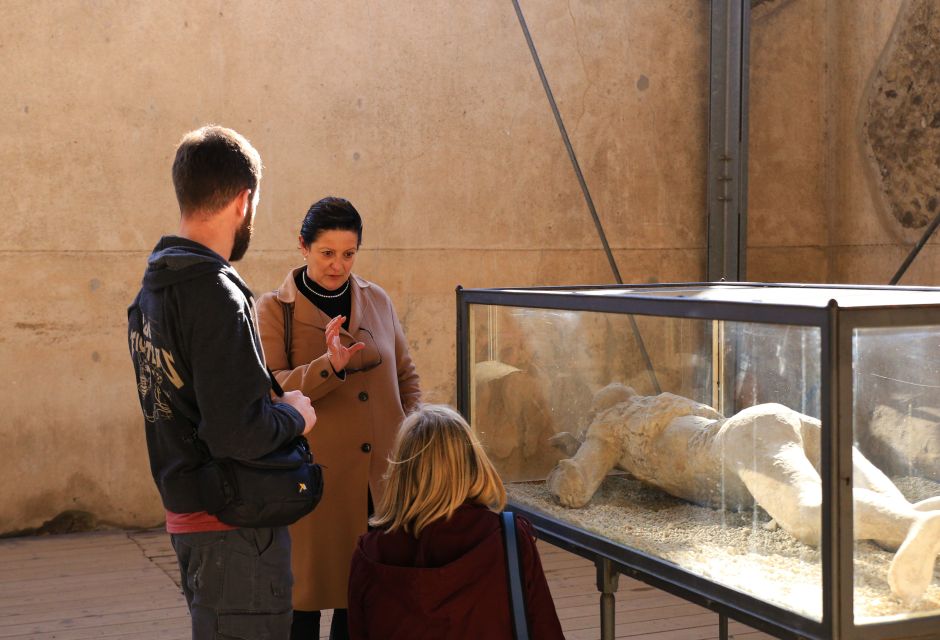
- Archaeologist-led storytelling that explains the ruins in plain language
- Big Pompeii highlights like the Forum, market areas, bathhouses, villas, and bakeries
- Original volcanic-stone pavement that helps you grasp the street layout
- A small group format that makes it easier to ask questions and get unstuck
Where You Meet and How You Start at Pompeii
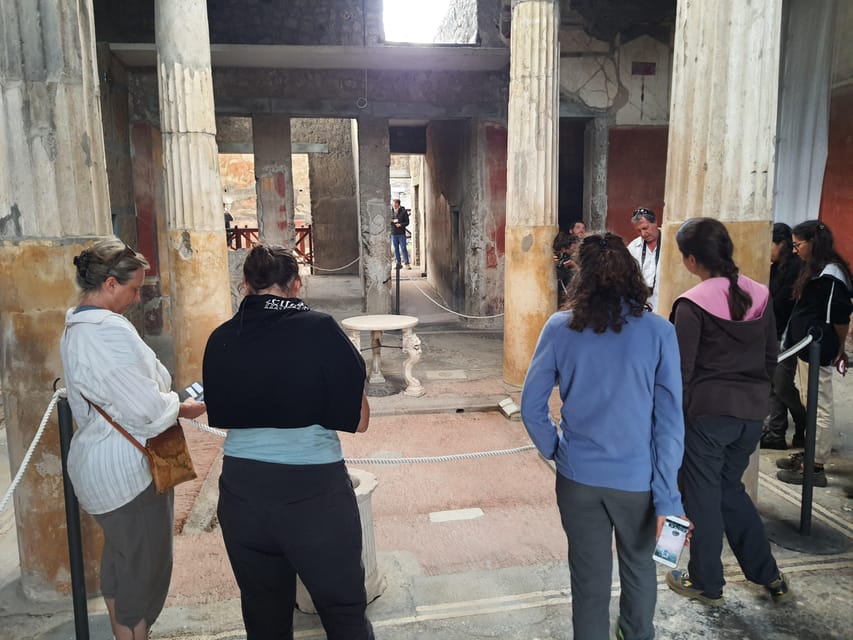
You’ll meet your guide at Coffee Shop Vittoria near the Porta Marina Inferiore entrance. It’s a practical meeting point that gets you positioned at the site’s edges rather than wandering across Pompeii’s vast grounds trying to connect.
Once everyone is together, you head toward the archaeological area. The value here is simple: you’re moving toward the entry point as a group with a plan, so you don’t spend your best sightseeing hours doing the slow shuffle with other people.
And yes, the meeting is right where you want to be for a skip-the-line experience. This matters because Pompeii’s crowds can turn the first hour into a test of patience instead of discovery.
You can also read our reviews of more tours and experiences in Pompeii Archaeological Site.

Skip-the-Line Tickets: Why It Matters More Than You Think
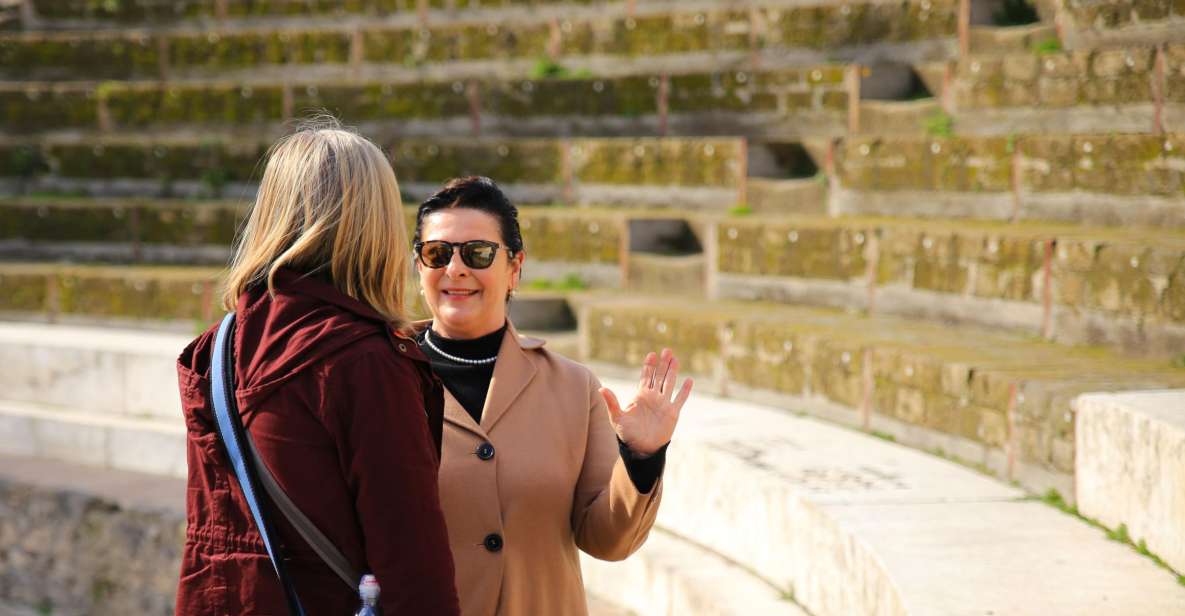
Pompeii is huge, and it’s not the kind of place where you can afford to waste time at the start. With this tour, you use a separate entrance for quicker access, which means more walking while the ruins are still fresh in your mind.
Even if you think you’ll be fine arriving early, skipping the long line is still a big quality-of-life upgrade. You don’t just save minutes; you protect your energy. That’s helpful when the ground is uneven, the sun can be intense, and you’re about to cover streets, homes, and public spaces.
This is also why a guided route works well here. The guide knows how to move the group through the site’s key areas without turning every stop into a detour.
Walking Pompeii’s Original Streets (Volcanic Stone Underfoot)
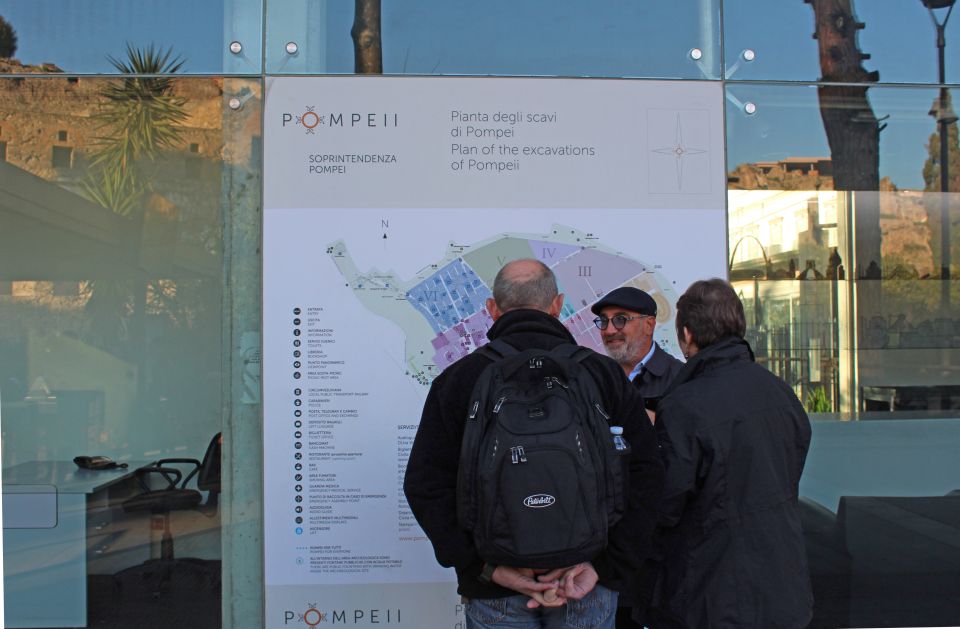
One of my favorite parts of Pompeii is that you’re not looking at everything from behind glass. On this tour, you walk along original volcanic stone pavement, which helps you picture the city the way it was used: as a lived-in network of streets, doorways, and daily routes.
This is where the archaeologist approach makes a real difference. Instead of random ruins, the streets start to feel like a timeline. You get the sense of how people moved from one routine to another—work, errands, meals, and public life.
You’ll hear descriptions of what daily life looked like, and the tour’s storytelling style tends to make the setting click. Several guides tied to this experience (including Lallo and Italo in particular) are praised for bringing details forward with humor and pacing that keeps the group engaged.
Forum and Market Areas: Politics and People in One Stop
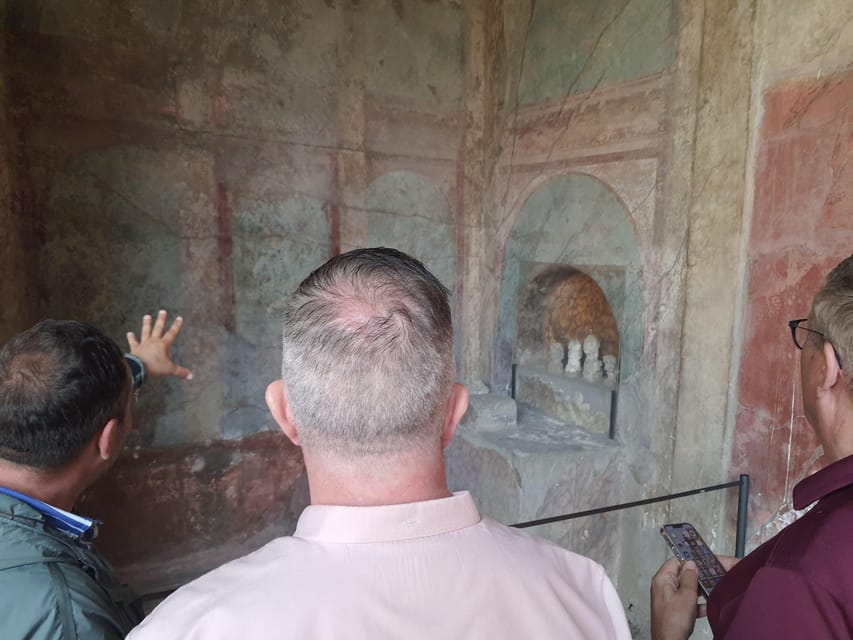
If you want the Pompeii moment where it suddenly feels social instead of silent, it’s usually the Forum and market-related areas. This tour includes stops where you see the spaces people walked through for business and civic events—places connected to politicians and public gathering.
What I like about starting here is that it frames the city beyond private homes. You can connect the dots between daily needs (food, errands, conversation) and public status (who speaks, who gathers, who influences).
In a self-guided visit, it’s easy to stare at stones and wonder what happened there. On a guided visit like this, the explanations help you read the space: what the design suggests, how crowds likely used it, and what it means in the flow of city life.
Homes, Villas, Bathhouses, and the Roman Routine
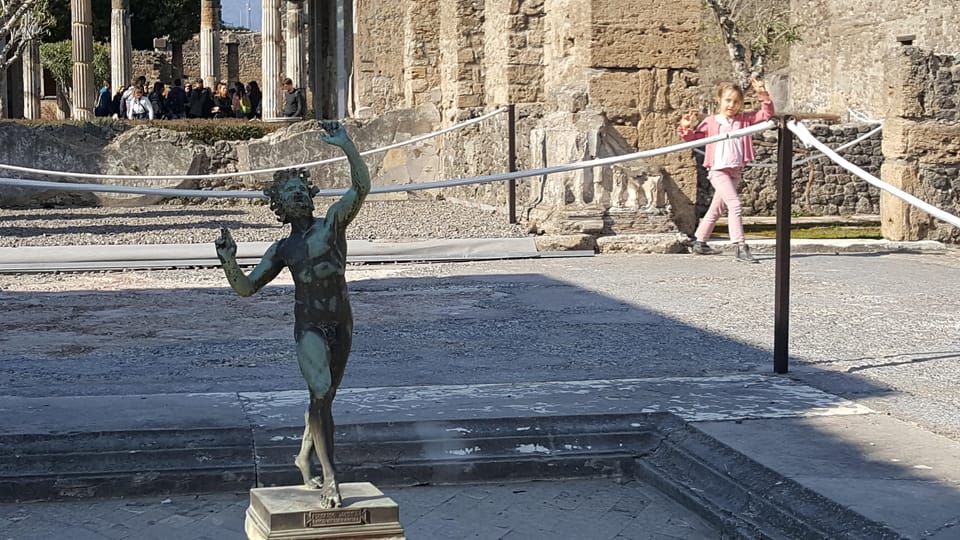
Pompeii wasn’t just temples and big monuments. A major strength of this tour is that it spreads your attention across residential and leisure areas—the kind of places that show you what people did between the public moments.
You’ll get guided stops through areas such as villas and bathhouses, which help you understand how sophisticated daily life could be in a Roman city. These spaces are also where you can see Pompeii’s preservation at its best: rooms and features are still recognizable enough to imagine how people moved through them.
The best guides for this tour, including Lello and Leonardo (based on the guide names associated with the experience), focus on routine: how a day might start, where people might spend time, and how public and private life overlapped.





The Gymnasium, Triclinium, and the Food Scene You Can Almost Smell
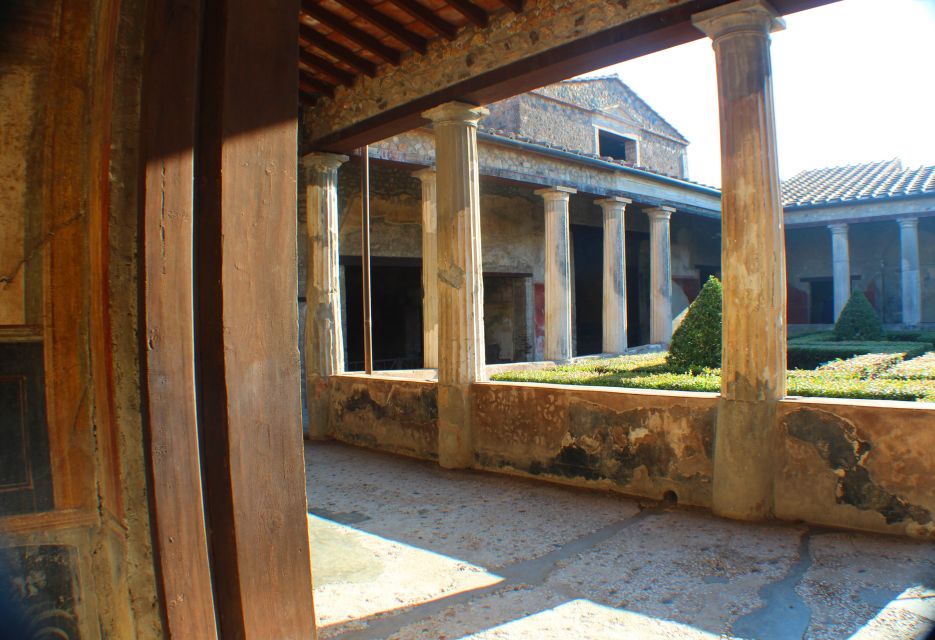
This tour doesn’t only mention buildings. It paints pictures—sometimes very specific ones.
You may hear vivid descriptions of a gymnasium, including the idea of gladiators working out. Then the narration shifts to domestic spaces like a marble triclinium, where the tour framing includes the image of women reclining during a feast.
And yes, there are also bakeries and ovens in the mix, with commentary that brings up the sensory side: the smell and rhythm of bread baking. I can’t promise you’ll smell anything but modern-day kitchens do not exist here. Still, the way the guide frames the ovens makes the scene feel more grounded.
This kind of storytelling is more than theater. It helps you understand why certain rooms matter—what they were for and how they fit into the Roman day.
How the 2-Hour Visit Works (and Where You’ll Want More Time)
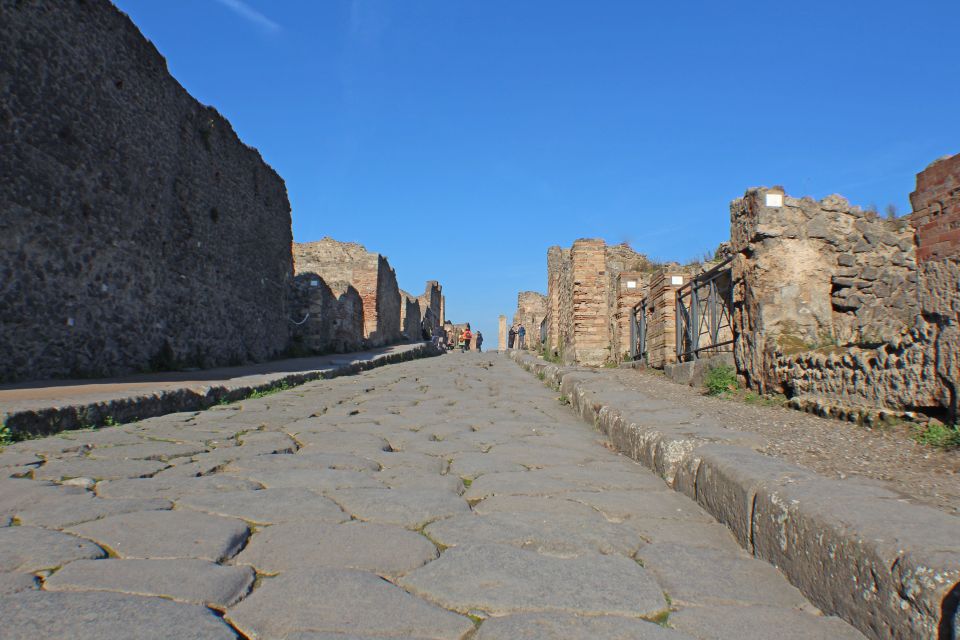
This is a 2-hour tour, and that timing is both its strength and its limitation. The strength: it keeps the experience focused on Pompeii’s most meaningful stops. The limitation: Pompeii is so massive that you can’t cover the entire site in a short guided window.
In practice, the timing can feel a touch longer for some groups, and several people describe it as lasting about 2 to 2.5 hours. Either way, the route gives you a structured overview so you leave with a mental map.
That’s the key benefit: you’re not just seeing highlights; you’re learning how to interpret what you’re looking at. One reason many people recommend doing a guided stop first is that it makes later self-exploration feel less confusing. You’ll be able to recognize the kinds of spaces you’ve already been through, instead of treating every arch and wall fragment as equally mysterious.
If you have extra time after the tour, you’ll likely want it. Pompeii rewards slow walking, and this tour gives you the story that makes that slower walk more rewarding.
What to Bring (and the Rules That Affect Your Day)
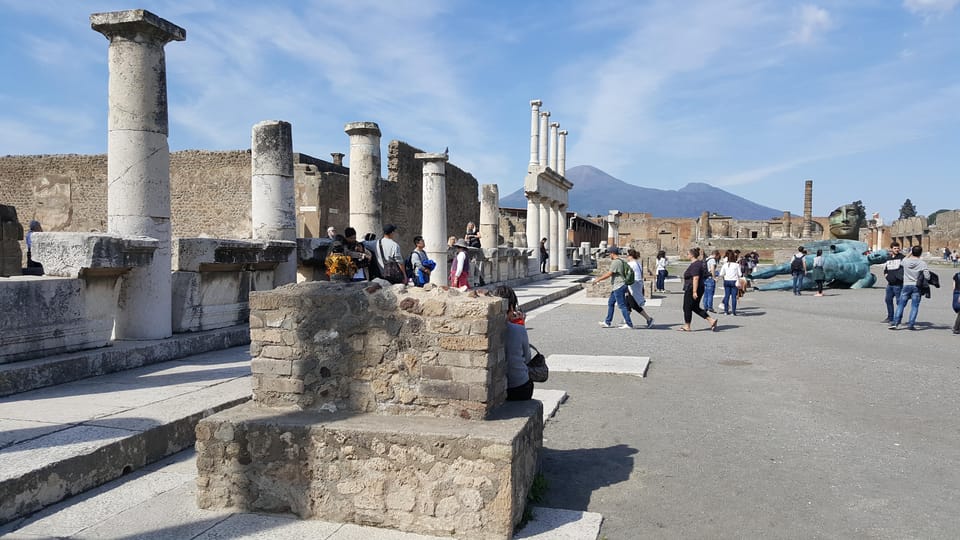
Pompeii is a ruin site, and that means the practical stuff affects your comfort.
Bring:
- Comfortable shoes (uneven ground is part of the deal)
- A sun hat
- Sunscreen
- Passport or ID card for children
Don’t bring:
- Baby strollers
- Luggage or large bags
- Umbrellas
These limits are worth respecting so you’re not stuck managing gear at the worst possible time. If you’re traveling with family, it’s especially smart to plan for a hands-free day.
Also, your tour is conducted in English, and it’s a live guided experience. That means you’re getting your questions answered in the moment—exactly when the site context is still fresh.
Price and Value: Is $105 Reasonable for Pompeii?
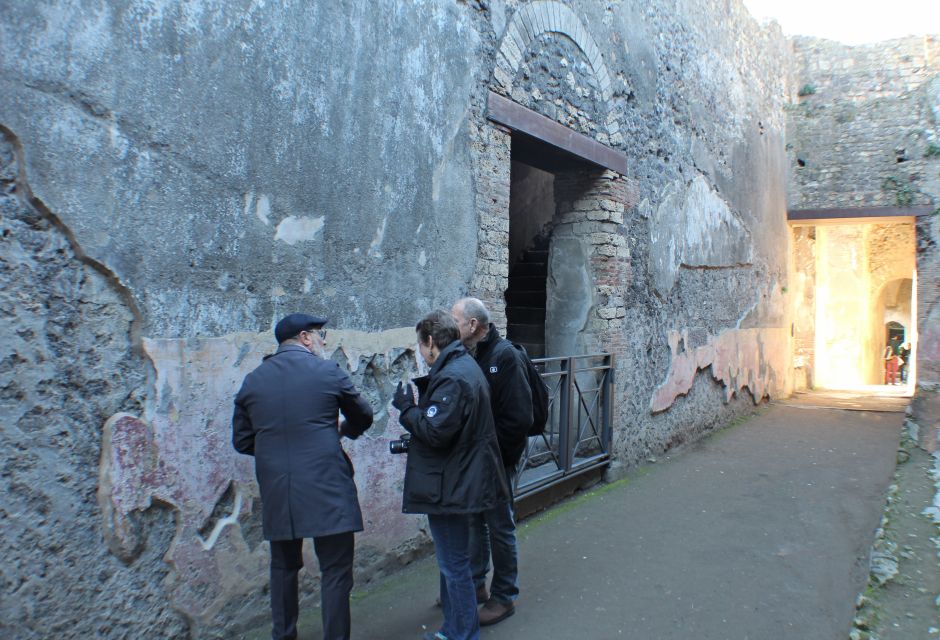
At $105 per person for a 2-hour visit, the question isn’t just cost—it’s what you’re buying.
You’re getting:
- Skip-the-line access (separate entrance)
- Admission tickets
- A professional guide for your full visit
So you’re paying for time saved and interpretation provided. With Pompeii, those two things usually matter more than you expect. A self-guided walk can be gorgeous, but you lose the explanations that turn ruins into usable understanding. And if you arrive when crowds peak, even a motivated plan can unravel into waiting.
When a small-group tour also includes archaeologist-led narration with specific Roman-life details—gymnasium training, feasting rooms, ovens, the Forum—your money shifts from tickets to a guided learning experience.
In plain terms: if you want Pompeii to make sense fast, this price can feel fair. If you’re the kind of traveler who enjoys wandering without structure for half a day, you might prefer a cheaper self-guided approach and accept the learning curve.
Who This Tour Fits Best
This experience is a good match if:
- You want Pompeii to feel like a place where people lived, not just a list of ruins
- You’re short on time and still want the big meaningful areas
- You like tours with interactive, story-driven explanations
- You’re traveling with kids or teens who do better when someone keeps the pace moving
The strongest theme in the guide names associated with this tour (Lallo, Lello, Italo, Leonardo, Anna, Maria) is engagement. People often describe the guides as funny, lively, and willing to involve the group, which is a big deal at a site that can otherwise turn into a long slog.
Should You Book This Pompeii Archaeologist Tour?
If you want a fast, guided, interpretation-heavy Pompeii visit, I think you should book it. The combination of skip-the-line entry, admission included, and an archaeologist guiding you through daily life scenes is exactly what saves this place from becoming a blur of stone.
The decision comes down to one thing: your patience for time and walking. If you’re okay with 2 hours being a highlight reel rather than a full exploration, this tour is a strong value.
If you prefer deep, unhurried wandering and don’t care much about context, you may feel limited by the route. In that case, you might enjoy more hours on your own.
For most people, though, this is a smart way to start Pompeii with clarity, momentum, and a story you can carry into the rest of your day.
FAQ
Where is the meeting point for the Pompeii tour?
The guide meets you at the entrance of Coffee Shop Vittoria, close to the Porta Marina Inferiore entrance.
How long is the Pompeii tour?
The tour duration is 2 hours.
Does this tour include skip-the-line access?
Yes. You get skip-the-line entry through a separate entrance.
Is the tour guided in English?
Yes, the tour is English.
What’s included in the price?
The price includes a professional guide, admission tickets to the site, and the guide.
What should I bring to Pompeii?
You should bring comfortable shoes, a sun hat, sunscreen, and passport or ID for children.
What items are not allowed during the tour?
Baby strollers, luggage or large bags, and umbrellas are not allowed.
Is free cancellation available?
Yes. You can cancel up to 24 hours in advance for a full refund.