REVIEW · SIENA
Private Tour: Secret Siena Walking Tour
Book on Viator →Operated by Tuscan Escapes by Papilio SRL · Bookable on Viator
Siena is best when you know where to look. This Secret Siena private walking tour pulls you past the main flow and into side alleys, churches, and viewpoints, with stories tied to Siena’s Palio culture and its 17 contrade. You’ll also get a route you can adjust to your pace and interests, morning or afternoon.
I love two things right away. First, the tour is customizable—your guide can steer you toward highlights, hidden backstreets, and what you actually want to see. Second, the guides bring sharp art-history and local detail, from Siena contrade life to Duomo pavement art stories; guides like Giorgia, Elio, Ambra, and Sylvia have been singled out for exactly that kind of focused street-level teaching.
One consideration: you are walking in Siena’s hills. The tour is marked for moderate physical fitness, and you’ll want good shoes and water, especially if you’re doing it in warmer months.
In This Review
- Key things to know before you go
- Piazza del Campo: the main square used like a springboard
- Getting off the main route: how the tour keeps costs and crowds sensible
- Stop 1: Piazza del Campo and the Palio pulse in plain talk
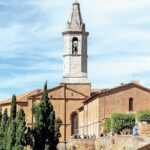
- Stop 2: Chiesa di Santa Maria in Provenzano—quiet Siena away from the spotlight
- Stop 3: Basilica di San Clemente in Santa Maria dei Servi + a panoramic photo moment
- Contrade and Palio talk: why this tour feels more like Siena than like a checklist
- Customization on a 3-hour private route: what it really means
- Pace, hills, and what to wear for Siena’s streets
- Price and value: $338.62 per group for up to 12
- The guide factor: why these tours earn full marks
- Should you book Secret Siena for your visit?
- FAQ
- Where do I meet the guide?
- How long is the Secret Siena walking tour?
- Is this a private tour and what group size is it for?
- Is the tour offered in English?
- Do the tour stops require entrance tickets?
- What is included in the price?
- What is not included?
- Can I cancel for a full refund?
Key things to know before you go
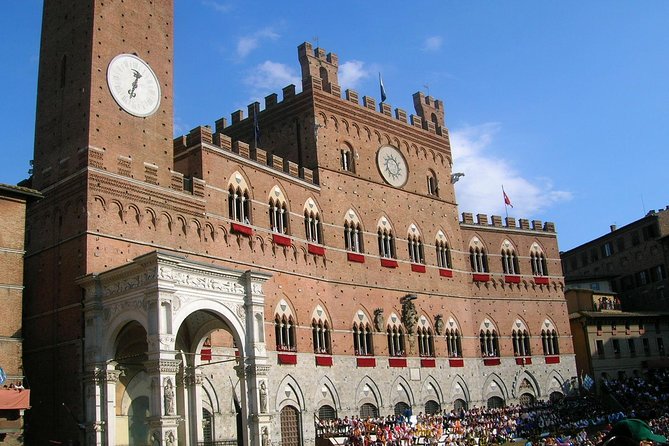
- Start where Siena energy lives: you meet at Piazza del Campo, in front of the fountain in the main square.
- Free-entry sites, on purpose: many stops are churches/monuments where entrance is ticket-free, so you spend your time seeing, not queueing.
- Art + Palio stories in one walk: you’ll hear how the 17 contrade connect to the Palio di Siena held twice yearly in the main square.
- Morning or afternoon options: choose a start time that matches your day without losing the best “light” moments.
- Panoramas you can actually use: the route includes a scenic viewpoint from the Santa Maria dei Servi area for photos that look different from the typical skyline shot.
- Private group experience: it’s just your group (up to 12), so the guide can slow down, speed up, or shift focus.
Piazza del Campo: the main square used like a springboard
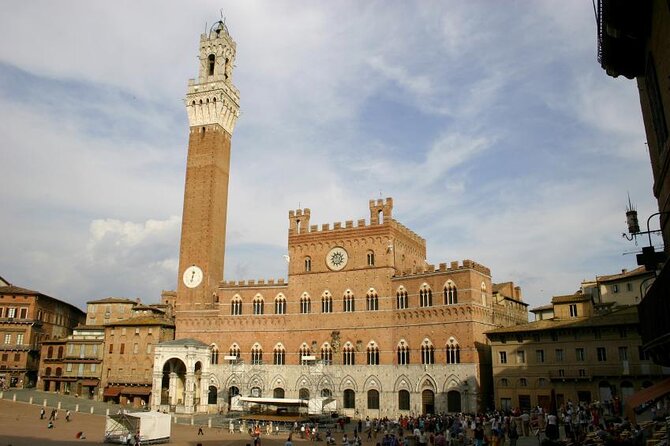
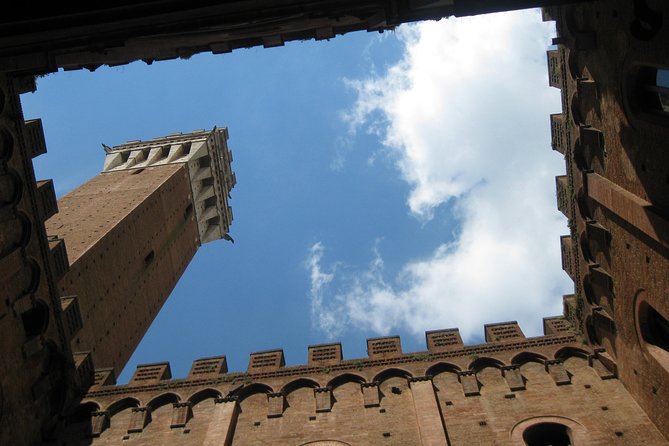
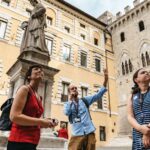
You begin in Siena’s most recognizable space—Piazza del Campo—with the guide meeting you in front of the fountain. It’s a smart choice because the square is the town’s social center and also the anchor point for the Palio story. In practice, that means you start with context fast: why Siena is laid out the way it is, how neighborhoods think about identity, and why the contrade matter beyond just a yearly spectacle.
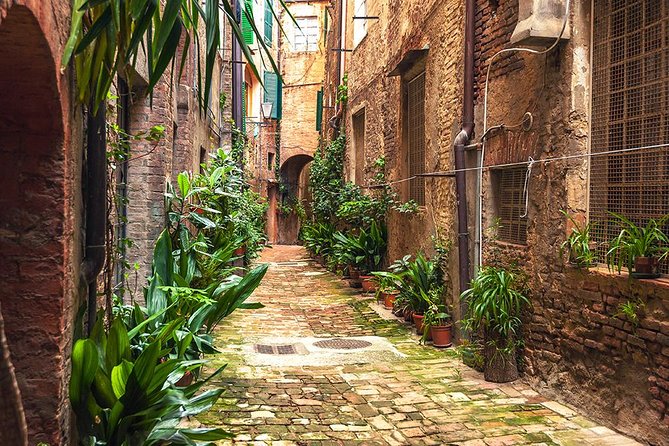
From there, you don’t march down the same “see everything on the list” path. Instead, your guide uses what you’re already standing on to explain what you’ll soon walk through: side streets, tucked-away churches, and viewpoints that make the medieval layout feel real rather than theoretical.
If you’re the type who likes to get your bearings fast, this start helps. Even if you’ve seen photos of Siena already, stepping into Piazza del Campo with a plan makes the rest of the walk feel purposeful.
You can also read our reviews of more tours and experiences in Siena.
Getting off the main route: how the tour keeps costs and crowds sensible
This is a private, 3-hour walk with a design goal that you’ll feel quickly: you spend time where Siena’s character shows up, not where lines show up. The route emphasizes churches and monuments that don’t require paid entrance tickets. That’s not just a budget win—it’s also a timing win. You can keep moving and keep your energy for the streets.
Your guide also has room to customize. That matters because Siena’s “must-sees” are easy to overpack. On a short visit, it’s better to see fewer places with real explanations than to sprint through ten stops with no context. People who loved the experience often mention that their guide shaped the route around interests—whether that meant art details, contrade culture, or simply avoiding the thickest crowd spots.
Two practical notes for your expectations:
- You’re walking, not hopping by car or taxi. Transportation to and from the sites isn’t included.
- Church visits depend on what’s possible at the moment; the tour description notes entry to the church in Provenzano when possible.
Stop 1: Piazza del Campo and the Palio pulse in plain talk
You’ll spend about 20 minutes here, and that time is more valuable than it sounds. Piazza del Campo is where the Palio di Siena story becomes tangible, not just something you read on a sign. Your guide connects the square to the 17 contrade—Siena’s districts—and explains how that local identity shapes daily life, not only race day.
Even if you don’t plan to attend the Palio, this piece changes how you see Siena. You start looking for neighborhood references, family pride, symbolism, and the way streets subtly “belong” to different parts of town. It turns the city from a museum into a living map.
If you’re visiting outside Palio season, this is still the payoff. The square helps you understand why Siena people care about their contrade—so later, when you’re walking narrower lanes, the town feels like it has memory.
Stop 2: Chiesa di Santa Maria in Provenzano—quiet Siena away from the spotlight
Next comes Chiesa di Santa Maria in Provenzano, another stop where the tour aims for the less obvious side of Siena. You’re there for about 20 minutes. When it’s possible, you’ll enter this church, which sits away from the main “everyone goes here” route.
What makes Provenzano special on this tour is the contrast. Siena can feel loud with tourists around the big icons. Provenzano gives you a different tempo. It’s the sort of stop that helps you understand Siena as a working town, not only a photo stop. In a guide-led walk, that church visit becomes a pocket of calm where your guide can talk about style, sacred art, and how religious spaces relate to neighborhood identity.
The fact that entrance is listed as free-entry for this stop helps too. You’re not paying just to look at walls. You’re using the time to understand why the walls matter.
Stop 3: Basilica di San Clemente in Santa Maria dei Servi + a panoramic photo moment
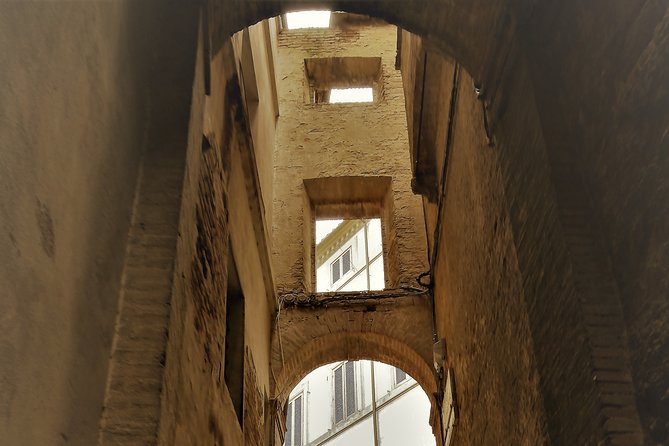
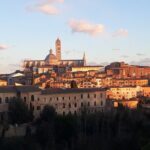
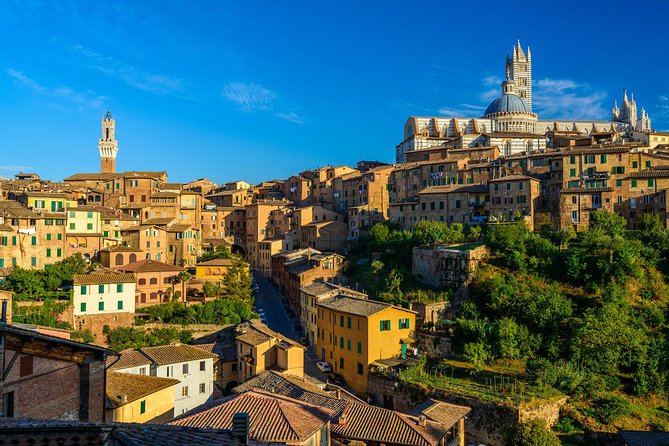
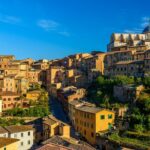
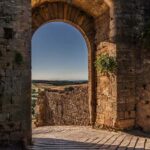
Your final featured stop is Basilica di San Clemente within the Santa Maria dei Servi complex, again timed at about 20 minutes. This is the stop that adds a scenic payoff. From the church area, you get a panoramic view over the city—one of those moments where Siena’s rooftops and hills suddenly make sense as geography, not just scenery.
The basilica visit is also framed around art. The tour description notes that the Santa Maria dei Servi church holds Siena masterpieces. That’s exactly the kind of clue that turns a church visit from passive to active. Instead of just admiring architecture, you can listen for what makes the art “Sienese,” what local schools and traditions emphasize, and how the space supports that storytelling.
Your guide can also help you take unusual pictures. That’s not just a gimmick—Siena photo angles are everywhere, but good guidance leads to angles that feel intentional rather than accidental. The panoramic viewpoint plus local explanation often creates the best “I get why people love this city” moments.
Contrade and Palio talk: why this tour feels more like Siena than like a checklist
A big theme here is how Siena organizes itself around the 17 contrade and the twice-yearly Palio di Siena held in Piazza del Campo. Many walking tours give you the Palio in broad strokes. This one aims to connect the dots so it lands in your head.
Here’s what you’ll likely pick up on the street:
- Contrade aren’t only about the race. They’re part of neighborhood identity.
- The main square matters because it’s where those identities collide publicly.
- The city layout makes more sense when you understand which areas carry what cultural weight.
And the effect is practical. Once you understand contrade geography, you can spot patterns as you walk: references in architecture, small symbols, and the way streets change character across town. It’s like learning the local language for what you’re seeing.
Even the reviews reinforce this kind of thinking. Guides named Georgia, Giorgia, Elio, Giulia, Claudia, and others are praised for connecting history, religion, art, and Siena culture into explanations that stay usable while you explore on your own afterward.
Customization on a 3-hour private route: what it really means
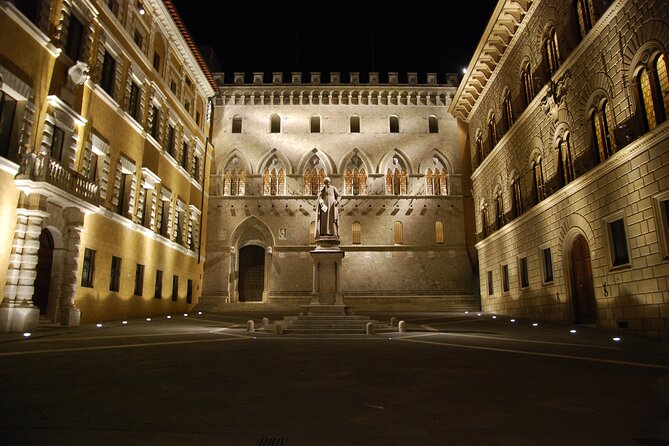
Customization sounds nice on paper. In real life, it matters because Siena can overwhelm you quickly if you try to do everything. A private walk gives your guide the flexibility to adjust the route around your energy and interests.
This tour is designed for people with more in-depth interest in Siena. That means your guide isn’t only pointing out famous things; they’re steering you toward details you might miss without context—side alleys, churches away from the main drag, and neighborhood stories that add texture fast.
In the reviews, the most consistent praise is about how guides tailored the pacing and focus. People highlight guides like Elio and Giorgia for shaping the tour around interests, and others for adjusting plans on the fly when conditions changed (like weather or being late). That adaptability is part of the value here: you’re not locked into a rigid script for three hours.
So if you have specific curiosity—contrade culture, art in church spaces, how Siena’s medieval architecture fits together—this format gives you a chance to lean in. If you don’t, you’ll still benefit from a guide translating what you’re walking through into something you can remember.
Pace, hills, and what to wear for Siena’s streets
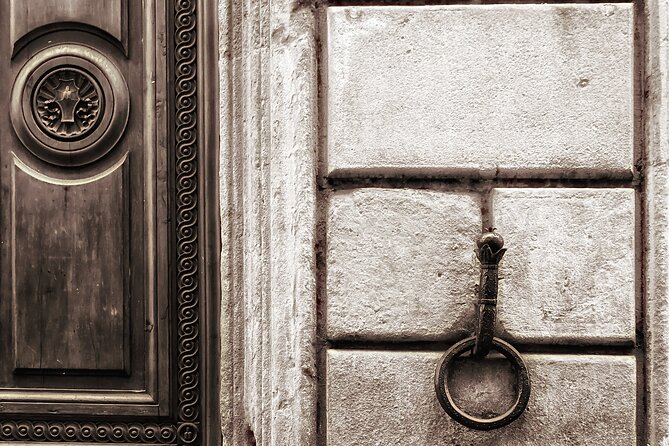
This one is walking-heavy. The tour is listed for travelers with moderate physical fitness, which is a polite way of saying Siena has hills and you’ll work your legs a bit.
My advice:
- Wear shoes you trust on stone streets and uneven surfaces.
- Bring a small bottle of water.
- If you’re sensitive to walking, choose your start time carefully. Morning can feel easier than later afternoon when heat ramps up.
Also, since you’re moving through church areas, be prepared for moments when you’ll slow down for entry permissions or quiet viewing. Your guide should keep the pace smooth, but you’ll still feel like a pedestrian, not a passenger.
The upside is that walking is the whole point. Siena’s secrets are mostly street-level. You can’t “see” this city the way you see a large museum floorplan.
Price and value: $338.62 per group for up to 12
This tour costs $338.62 per group for up to 12 people. That pricing structure can be a deal or a splurge depending on how you travel.
Do the simple math:
- If you’re close to the group cap (full 12), it can come out to roughly $28 per person.
- If it’s just two or four people, the per-person cost climbs fast.
So here’s how I’d judge value:
- It’s a strong value if you’re traveling in a small group that can fill more of the capacity.
- It’s still reasonable if you want a private guide who will tailor route and pace, because the experience isn’t only about getting from stop to stop. It’s about having someone explain Siena so you can keep exploring after the tour ends back at the meeting point.
You also get a guide and a private experience included. That’s the core of what you’re paying for. Entrance tickets for these stops are listed as free-entry, which helps protect your budget from “surprise add-ons” during the walk.
The guide factor: why these tours earn full marks
The reviews place huge weight on guide quality, and that matches what this kind of tour requires. Siena is layered. You need someone who can connect street shapes to stories, and churches to art and local identity without turning it into a lecture.
Guides named in the feedback include:
- Georgia and Giorgia, praised for art-history detail and smart pacing, including expertise tied to Duomo pavement art and the meaning of what’s seen when the Duomo rugs are off.
- Elio, highlighted for high energy, humor, and tailoring the route around the group, with added context about contrade life and even Tuscan wines.
- Ambra, praised for knowledge and friendly help, plus a good response to rain by adjusting the tour in the fly.
- Sylvia and Claudia, recognized for taking people into back streets and for making the neighborhood story feel alive.
- Elena and Giulia, praised for flexibility, answering questions, and keeping the tour engaging through lots of social and cultural context.
Even if your guide isn’t one of these exact names, the pattern is clear: the best versions of this tour are the ones where the guide actively teaches while walking, then gives you practical next steps for dining and shopping on your own.
Should you book Secret Siena for your visit?
Book it if you want Siena to feel like a city with neighborhoods and meaning, not just a list of sights. This is especially worth it if:
- you’re short on time and want a 3-hour private route that avoids wasted effort,
- you care about art, churches, and the Palio/contrade context,
- you want tips you can use after the tour—where to go next, what to notice, and how to navigate on your own.
Skip or rethink it if:
- you’re not comfortable with hills or lots of walking,
- you prefer big-ticket attractions and don’t care much about churches and local district stories,
- you’re traveling solo and won’t split the group cost (the per-person price can get steep).
If you fall in the first category, this is the kind of tour that makes the rest of your Siena days easier and better.
FAQ
Where do I meet the guide?
You meet at Piazza del Campo, in front of the fountain. The tour ends back at the meeting point.
How long is the Secret Siena walking tour?
It lasts about 3 hours.
Is this a private tour and what group size is it for?
Yes, it’s private. Only your group participates, and it’s priced for a group of up to 12 people.
Is the tour offered in English?
Yes, it’s offered in English.
Do the tour stops require entrance tickets?
Many of the sights described on the route are listed as free entry for visitors, including Piazza del Campo and the featured churches.
What is included in the price?
The price includes a local guide and the private tour.
What is not included?
Transportation to/from attractions is not included.
Can I cancel for a full refund?
Yes. You can cancel up to 24 hours in advance for a full refund. If you cancel less than 24 hours before the start time, the amount paid is not refunded.