REVIEW · SIENA
Siena: Organic Winery Tour and Wine Tasting
Book on GetYourGuide →Operated by Azienda Agricola La Lastra · Bookable on GetYourGuide
Wine tasting with real farm science. This organic winery experience near Siena mixes vineyard agro-biology with hands-on cellar talk, so you’re not just drinking. I also love the tasting of 5 organic wines matched to seasonal Tuscan plates.
One practical note: the winery is about 2 kilometers from central Siena, so you’ll want a plan for the ride. Think taxi or a short arranged pickup, especially if you’re pairing it with a day in town.
A big part of the fun is the guide style. You may hear from Maya/Maia, or sometimes owners like Renato or Gianluigi, who explain everything with real passion, including what different barrel choices do to flavor.
In This Review
- Key things I’d circle before you go
- Why La Lastra’s organic setup makes Siena feel real
- Price and value: $88 for 2.5 hours of vineyard + cellar + food
- Getting there from Siena: the 2 km detail that matters
- The vineyard walk: organic grapes, pruning, and biodiversity basics
- Cellar time in Siena’s countryside: crushing, stainless steel, and French oak
- Your 5-wine tasting: how the guide turns aroma into meaning
- The afternoon meal: seasonal Tuscan food with garden-to-plate flavor
- Who this tour is best for (and who should think twice)
- Should you book this organic winery tour near Siena?
- FAQ
- Where does the tour start in Siena?
- How long is the organic winery tour and wine tasting?
- How many wines will I taste?
- Is there food included with the wine tasting?
- Is the winery actually organic?
- What languages are offered for the host or greeter?
- How close is the winery to central Siena?
- What is the cancellation policy?
- Can I reserve without paying right away?
Key things I’d circle before you go
- Organic vineyard cycle you can picture: you’ll walk the vines and learn how organic farming supports the whole grape ecosystem.
- Cellar science with flavor results: crushing, fermentation, and why French oak barrels and their treatment matter.
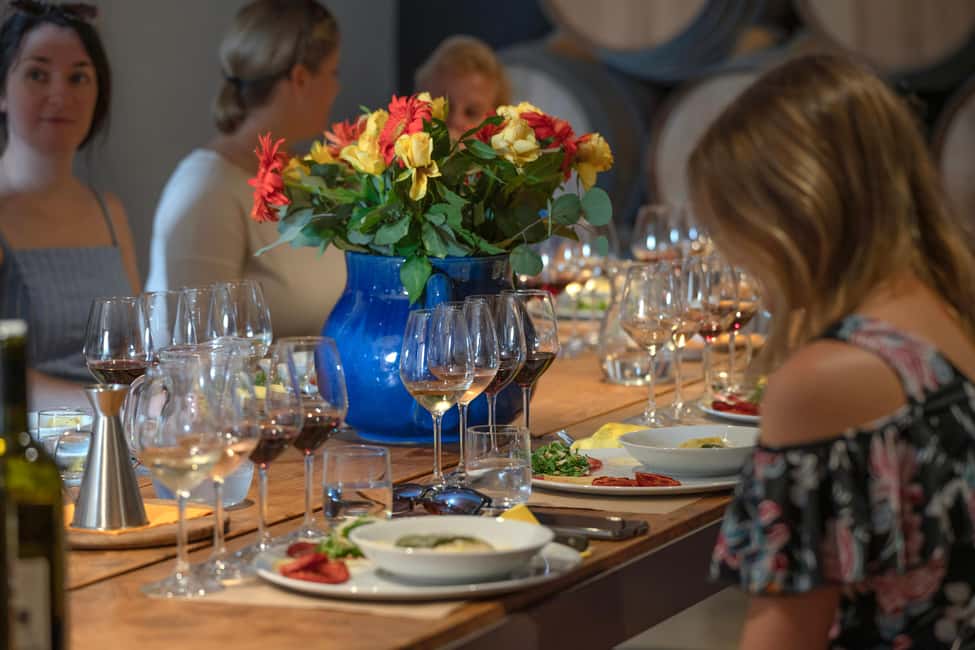
- Five-wine tasting that’s paired, not random: each pour is connected to what you’re eating.
- A guide-led experience that stays lively: expect names like Maya/Maia, Renato, or Gianluigi, and lots of room for questions.
- Food that works for more diets than you’d expect: vegetarian, vegan options, and even allergy care have been handled with care.
Why La Lastra’s organic setup makes Siena feel real
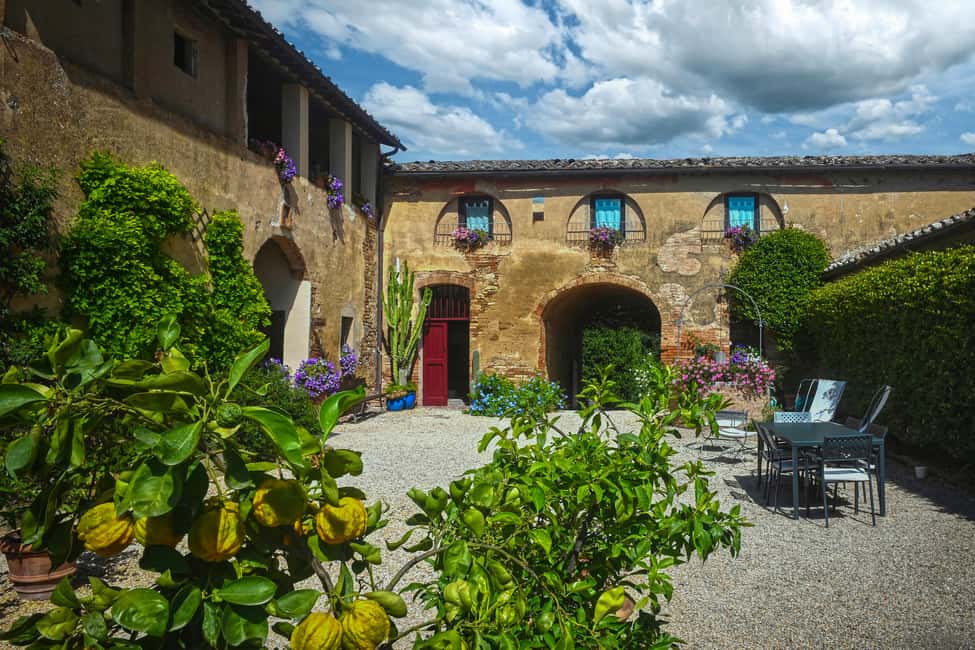
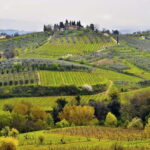
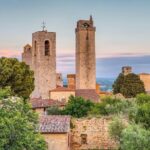
Siena is great for medieval streets and viewpoints. This tour shifts the focus from the postcard to the work behind the bottle. You get the setting of rural Tuscany, just outside the old city, but the agenda stays practical: organic grapes, organic soil, and how that becomes wine.
What I like most is the way the experience connects farming decisions to what’s in your glass. You’re not stuck with abstract terms. You walk through vineyard conditions, then move into the cellar so the tasting feels earned.
The organic angle isn’t just a label here. You’ll hear about how the vineyard is managed to preserve and regenerate rural resources, and how the agronomic cycle is part of quality wine production. That context makes tasting far easier, because you know what to look for.
You can also read our reviews of more tours and experiences in Siena.
Price and value: $88 for 2.5 hours of vineyard + cellar + food
At $88 per person for a 2.5-hour experience, you’re paying for more than a sip-and-schat moment. The package includes a guided tour of the vineyards and cellars, tasting 5 organic wines, and an afternoon meal with Tuscan seasonal food.
The value comes from the structure. You’re getting (1) vineyard education, (2) cellar process, and (3) paired tasting. Many wine experiences stop at one of those. This one tries to connect all three, so your brain isn’t juggling random details.
It also helps that the meal is tied to what you’re tasting. When the food is built around seasonal produce and the wines are paired intentionally, you get that satisfying cause-and-effect feeling. And yes, people clearly leave talking about both the wine and the food, not just one.
Getting there from Siena: the 2 km detail that matters
The winery sits about 2 kilometers from the center of Siena. In warm weather you might think, easy walk. In practice, plan on a car or taxi, because timing can get tight once you add a tasting schedule.
Meeting point is in the courtyard at St. della Befana n. 5 in Siena. Arrive a few minutes early so you’re not rushed. This experience runs like a small rhythm: vineyard time, cellar time, then tasting and food, all flowing in sequence.
If rain hits, don’t panic. One group couldn’t go out to the vineyard due to storm conditions, but they still kept the experience strong indoors. So it’s not an all-or-nothing outdoor event.
The vineyard walk: organic grapes, pruning, and biodiversity basics
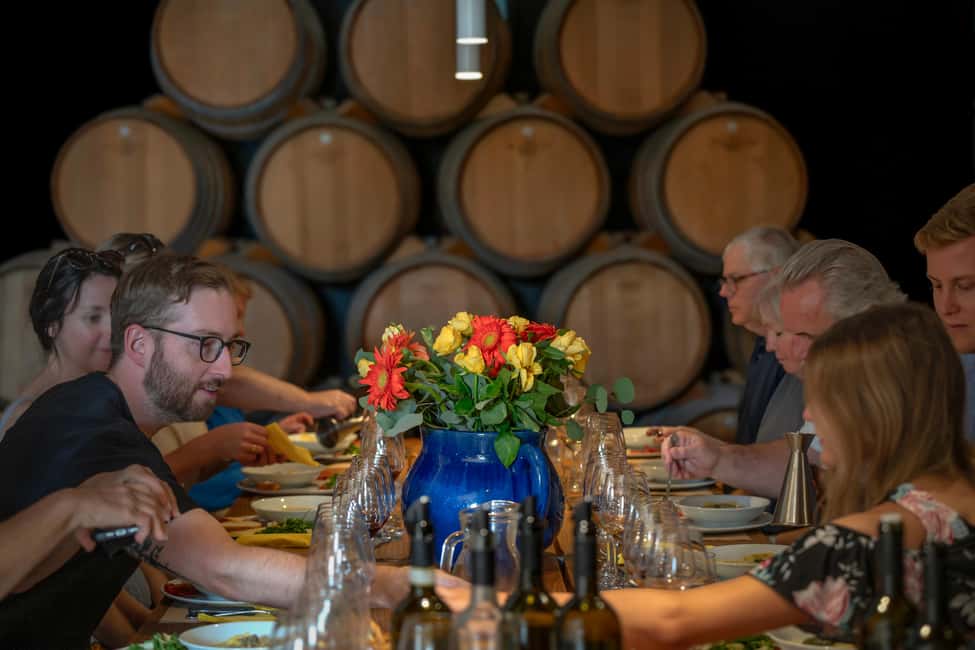
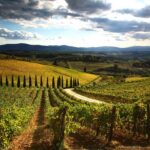
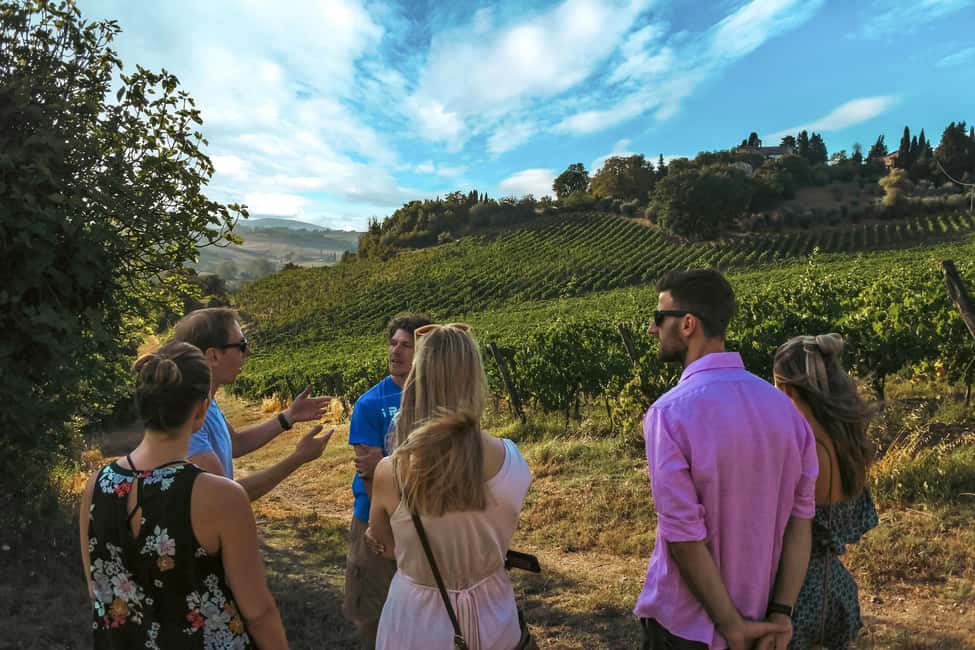
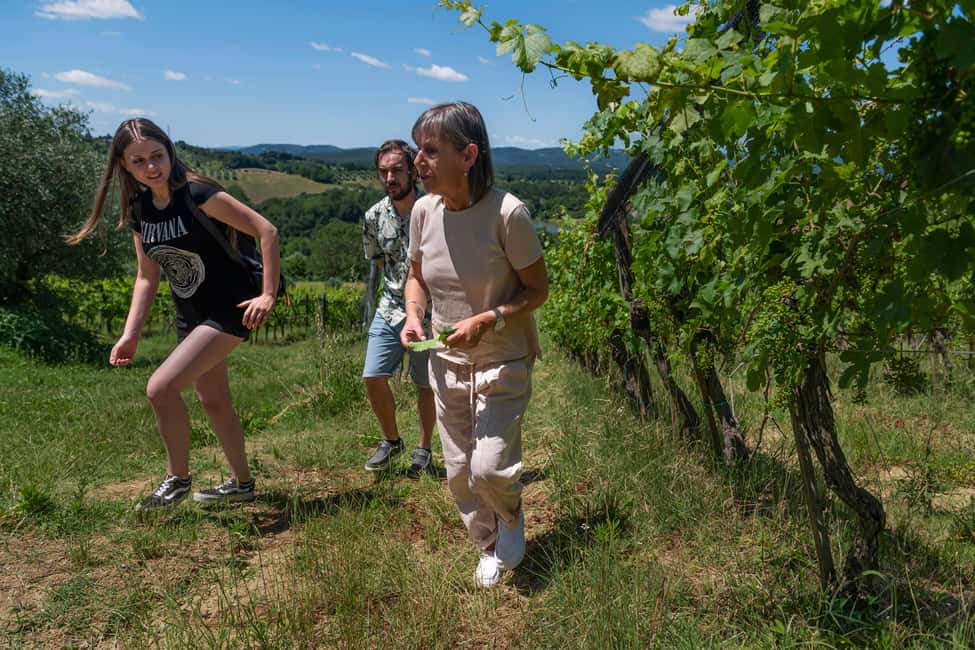
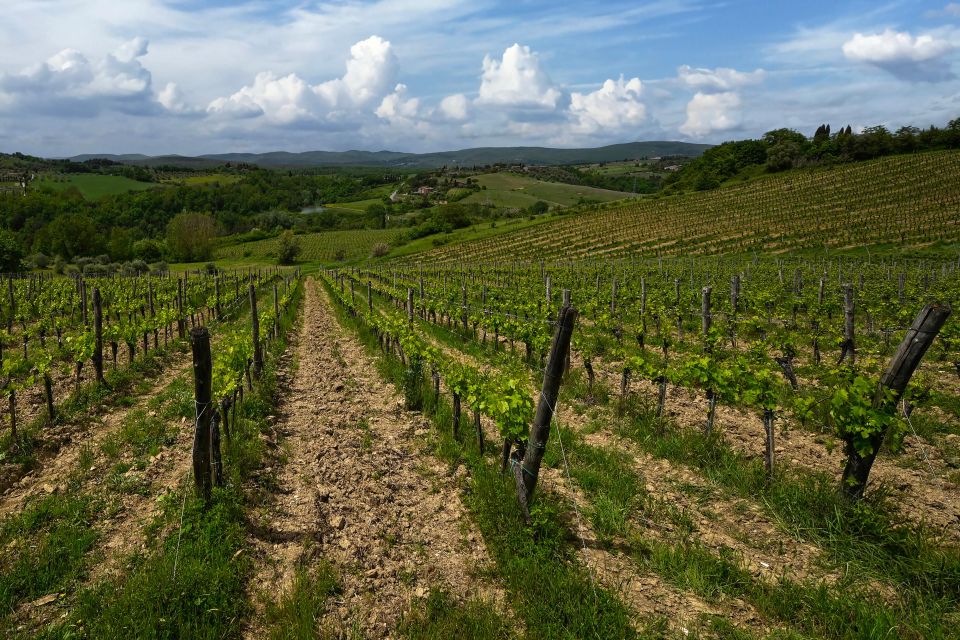
The vineyard portion is where the tour becomes more than drinking. You’ll analyze the vineyard agro-ecosystem and learn how organic grapes are grown through the agronomic cycle. The guide explains techniques used to preserve and regenerate rural resources, which is the heart of why the organic approach is more than paperwork.
Expect a clear, step-by-step conversation about how vines are planted and managed. In one version of the tour, the guide talked about hillside position and local climate and sunlight, plus how pruning supports healthy grape growth.
A standout theme you’ll hear is biodiversity. One guide framed it through the idea of three pillars: soil, insects, and animals. Even if that part isn’t new to you, it’s useful because it changes how you think about why organic vineyards behave differently.
You’re also likely to get a “not too academic” feel. The goal isn’t to turn your day into a textbook. It’s to give you enough background that tasting becomes sharper and more enjoyable.
Cellar time in Siena’s countryside: crushing, stainless steel, and French oak
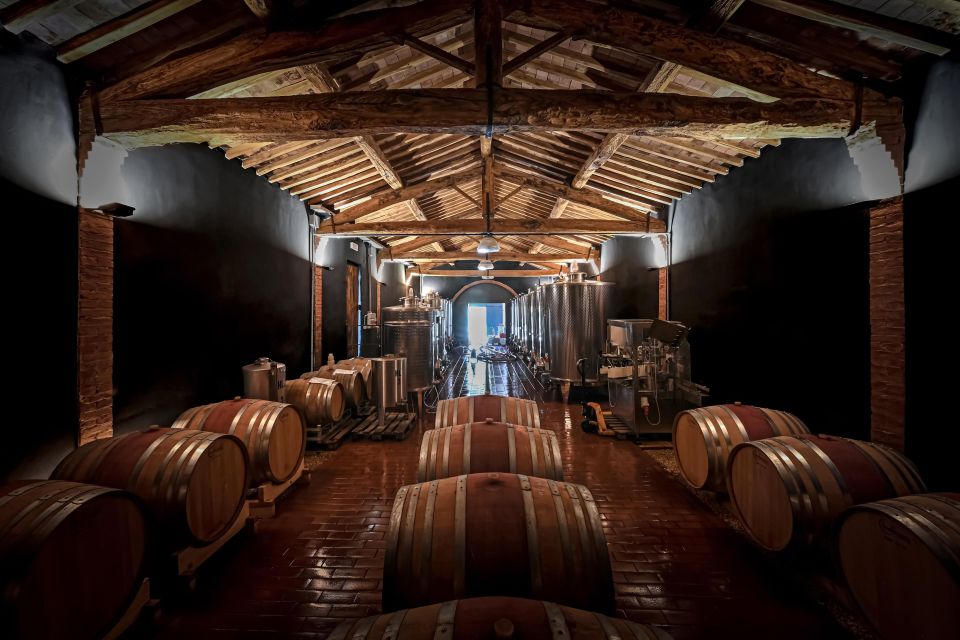
After the vineyard, you move to the old wine cellar area. This is where the tour gets hands-on with process, not just theory. You’ll learn the stages of wine making, starting with grape crushing and moving into fermentation.
One of the most concrete parts of the cellar talk is the mention of fermentation in stainless steel. That matters because it often helps keep certain flavors crisp and preserve fresh character. Then the tour shifts to red wine aging practices, including the use of French oak barrels.
You’ll also hear about the influence of barrel size and charring level. The guide explained how those details affect oxidation and flavor development. That’s exactly the kind of detail that makes later sips feel less random. When you taste, you can connect what you’re smelling to what the wine did in the cellar.


Your 5-wine tasting: how the guide turns aroma into meaning
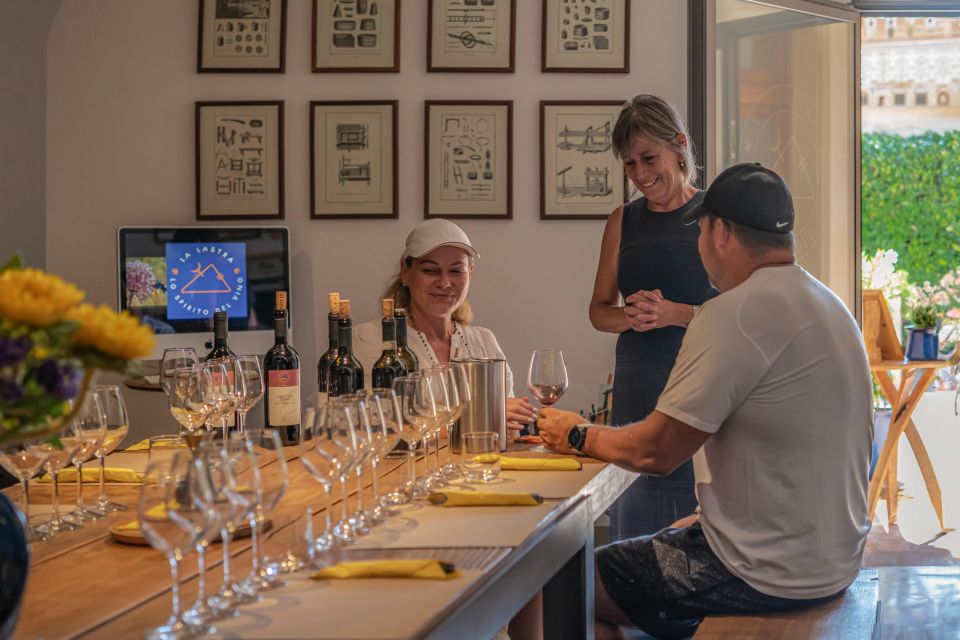
At the tasting room, the focus turns to the fun part: reading wine with your senses. The tour is set up around organoleptic nuances, including differences you might find between younger and more vintage expressions of their wines.
You’ll taste five organic wines, and the guide will guide you through what to notice. You’ll be encouraged to take your time, smell with intention, and recognize layers in the aromas and taste.
That “slow down” method is practical. If you rush, all red wine smells like red wine. If you slow down, you start picking up small differences in fruit, spice, and structure. It’s also more enjoyable as a group, because people aren’t just blurting immediate reactions. They’re building observations together.
And because each wine is paired, you’ll get a sense of balance. The guide matches the pour to food so you can see how the same wine changes depending on what’s on your fork.
The afternoon meal: seasonal Tuscan food with garden-to-plate flavor
The food is not an afterthought. The meal is designed to pair with what you taste, using seasonal Tuscan products and vegetables freshly cooked from the winery’s organic garden.
What stands out is the pairing approach. You’re not just eating because you’re hungry. Each part of the meal is built to work with the wines, so the tasting stays connected to real flavor habits.
Dietary care has been handled thoughtfully. Vegetarian options are available, and vegan choices have been mentioned as part of the meal service, including dessert. There are also cases where the team accommodated a nut allergy with extra care and a special dessert.
If you’re the type who worries about eating on tours, this is reassuring. It means the tour isn’t only for meat-and-pasta people. You should be able to enjoy the whole experience without feeling like you’re skipping half of it.
Who this tour is best for (and who should think twice)
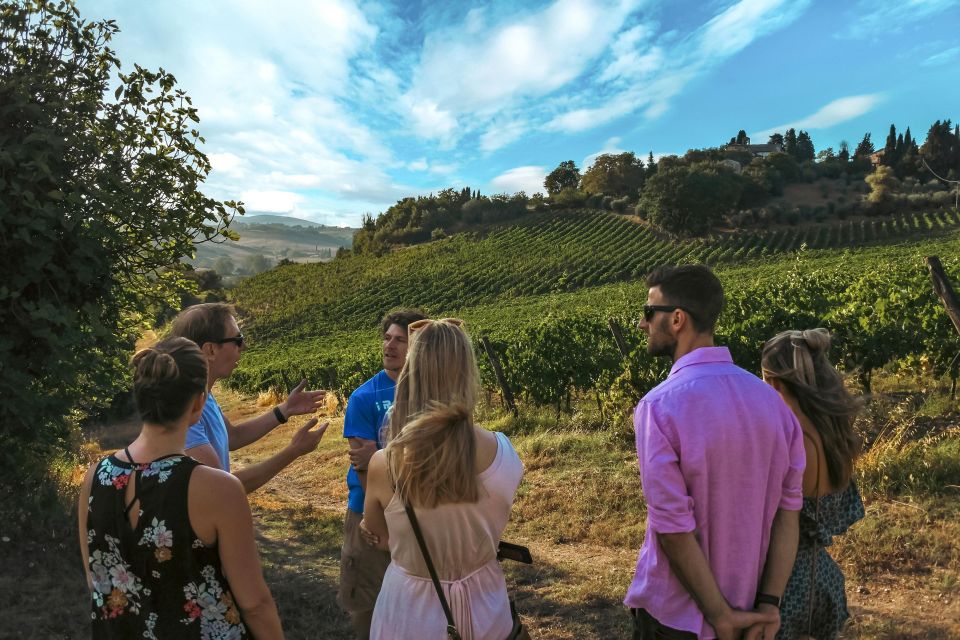
This is a great pick if you want a Siena day that goes beyond city sights. You’ll love it if you like hands-on learning, and if you’re curious about how organic farming connects to what ends up in your glass.
It also works well for first-time wine visitors. The tour is explained in a way that can feel approachable, with enough science to make it interesting. One first-time visitor even described it as educational without being overly intense.
If you already know every wine term in the book and you only want a fast tasting, you might find the process talk longer than you’d like. But if you like asking questions and building an understanding, the pacing is more of a strength than a drawback.
It’s also ideal for couples and small groups. People have described group energy as friendly and easy, with a comfortable pace for conversation rather than a production-line feel.
Should you book this organic winery tour near Siena?
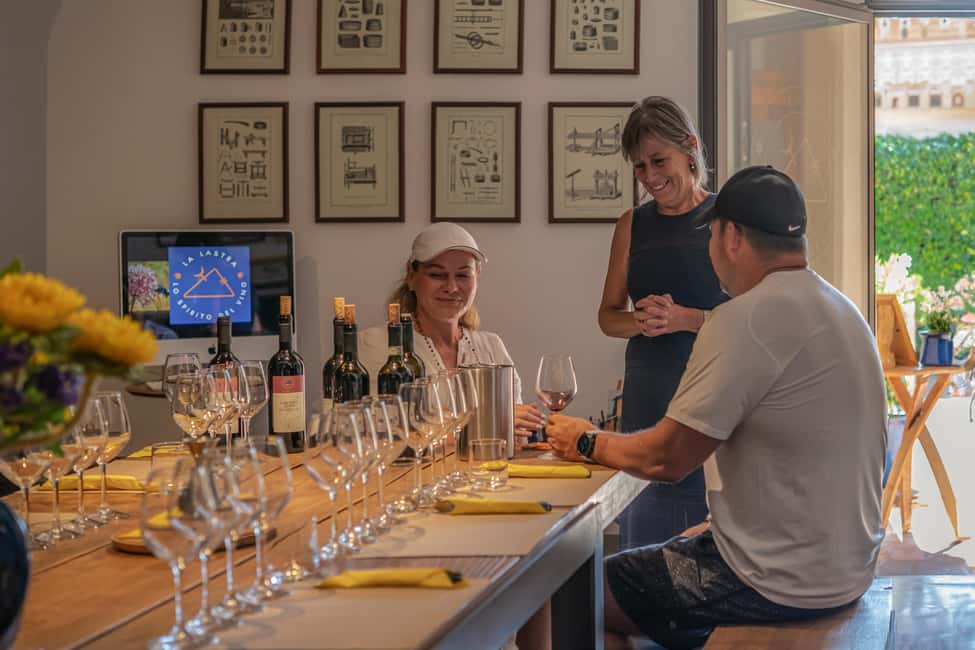
Yes, if you want an organic winery tour that actually explains what you’re tasting, not just where to take photos. The combo of vineyard + cellar + 5-wine tasting + paired Tuscan food is a strong value at $88 for 2.5 hours, especially if you’re spending most of your trip in cities.
Book it if you’re excited by real process: agronomic cycles, biodiversity ideas, crushing and fermentation, and how barrel choices shape flavor. And if food pairings matter to you, this tour is built for that.
If you’re short on time or don’t want to organize transport outside Siena center, plan ahead. The winery is close, but not right next door, and that can affect how smooth your day feels.
In short: this is the kind of Tuscany experience that rewards attention. You’ll leave with better tasting instincts and a meal you’ll remember longer than the average “tour pour.”
FAQ
Where does the tour start in Siena?
The meeting point is in the courtyard at St. della Befana n. 5 in Siena.
How long is the organic winery tour and wine tasting?
The tour lasts about 2.5 hours.
How many wines will I taste?
You’ll taste 5 organic wines during the tasting.
Is there food included with the wine tasting?
Yes. The tour includes a tasting of Tuscan food and an afternoon meal with seasonal Tuscan dishes paired with the wines.
Is the winery actually organic?
Yes. It’s an organic winery, and the tour focuses on organic grapes and organic winemaking practices.
What languages are offered for the host or greeter?
The host/greeter speaks English and Italian.
How close is the winery to central Siena?
The organic winery is about 2 kilometers from the center of Siena.
What is the cancellation policy?
You can cancel up to 24 hours in advance for a full refund.
Can I reserve without paying right away?
Yes. The activity offers a reserve now & pay later option, so you can book without paying today.