REVIEW · BORGHESE GALLERY
Rome: Borghese Gallery and Gardens Guided Small-Group Tour
Book on GetYourGuide →Operated by City Wonders Ltd. · Bookable on GetYourGuide
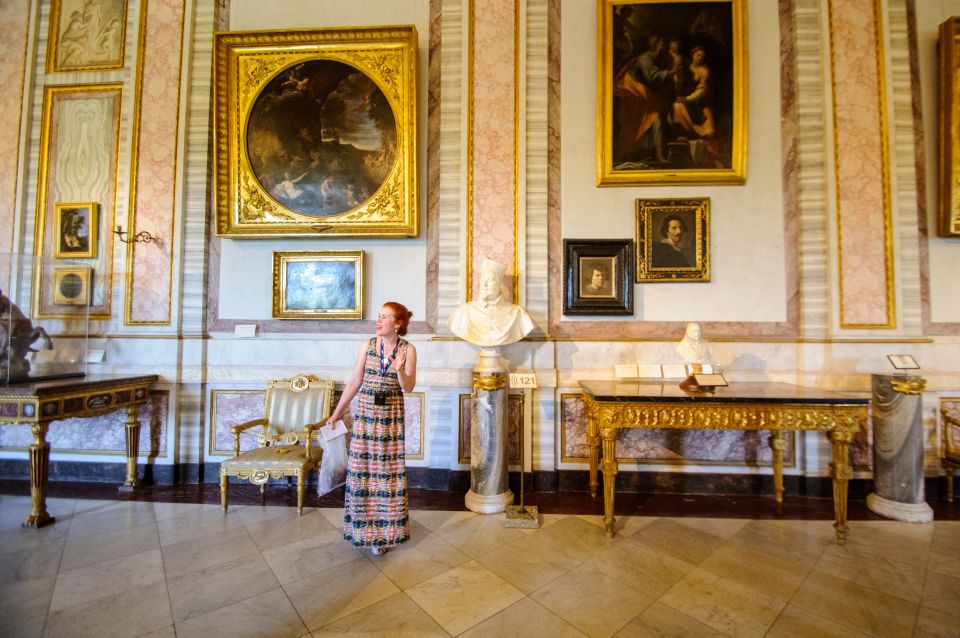
Rome looks different through Borghese eyes. This tour is built for focus: controlled entry and a small group (up to 15) mean you spend less time in crowds and more time really looking. It’s one of the calmer ways to see one of Rome’s most talked-about collections.
I like how the guide connects the art to the collector behind it. With headsets, you can actually hear the stories while standing close enough to notice details, not just read a label. That kind of storytelling matters a lot for works like Bernini’s Apollo and Daphne and Caravaggio’s St. Jerome.
One possible snag: no bags means you’ll have to travel light and keep your gear minimal once you arrive.
In This Review
- Key highlights I’d plan around
- Why the Borghese Gallery feels different from other Roman museums
- Price and value: what $60 actually buys you
- Meeting at Piazzale del Museo Borghese and the first reality check
- Entering the Villa Borghese: why timing and group size matter
- The guided Borghese Gallery: seeing the art like a collector
- Masterpieces on your route: Bernini, Caravaggio, Titian, Raphael, and Canova
- The self-paced time after the guide: use it wisely
- Borghese Gardens: a short guided reset with sculpture and shade
- Small-group pace, headsets, and what to do with your attention
- Who should book this Borghese Gallery and Gardens tour
- Things to watch for before you go
- Should you book this Borghese Gallery and Gardens tour?
Key highlights I’d plan around
- Controlled entry keeps the gallery experience calmer than the usual Rome rush
- Up to 15 people makes it easier to hear your guide and stay oriented
- Headsets help you follow the art stories without craning or losing the group
- Focus on masterpieces in context, including Bernini, Caravaggio, Titian, Raphael, and Canova
- A short guided Borghese Gardens walk gives you a breather after the gallery
Why the Borghese Gallery feels different from other Roman museums
Most Rome museum days turn into a sprint. Here, the pace is steadier, mainly because entry is controlled and the group stays small. That changes everything inside the Villa Borghese setting: you’re not fighting for space near the famous pieces.
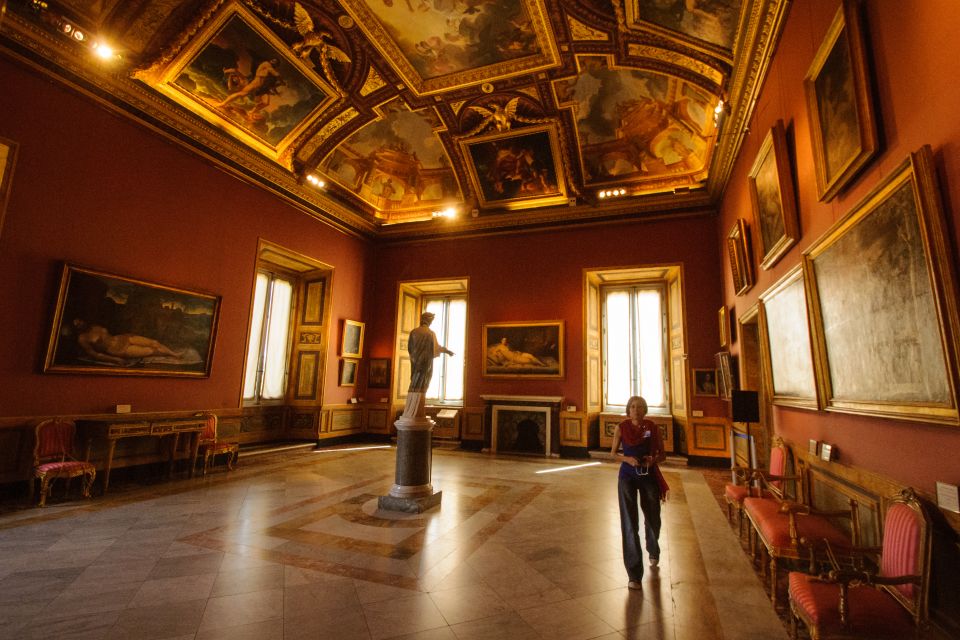
The Borghese collection also has a special “collector’s house” vibe. Cardinal Borghese wasn’t casually gathering art; he was building a world. Walking from room to room, you can feel that intention in the way sculptures and paintings are placed together, not just lined up like objects.
And the layout rewards slow looking. If you’ve ever stood in a gallery wondering what you’re supposed to notice, this is the fix. You get guided direction on what to look at first, then time to check it again on your own.
Price and value: what $60 actually buys you
At $60 per person for about 2.5 hours, you’re not paying only for admission. You’re paying for (1) the entry ticket, (2) a guided walk through the Borghese Gallery, (3) headsets so you hear every point clearly, and (4) a guided stop in the Borghese Gardens.
For Rome, that bundle is the value play. A Borghese visit without a guide often turns into a speed-reading exercise. Labels help, but they can’t explain the collector’s goals, why certain works were chosen, or how the artists connected to each other through style and patrons.
The tour also limits the group size to 15 max, which is a quiet but important part of the price. In a museum like this, being able to stand close and still hear your guide is worth real money.
Meeting at Piazzale del Museo Borghese and the first reality check
You start at Piazzale del Museo Borghese, in front of the museum. Plan to arrive about 15 minutes before departure. If you show up late, you can’t count on getting fitted into the session, and missed entry can’t be refunded.
Before you go, do one small piece of planning that pays off: wear shoes you can walk in for a while. The tour includes a fair amount of walking, and the day won’t slow down for sore feet.
Also note the practical rules. The tour doesn’t allow luggage or large bags, and no bags are permitted in the Borghese Gallery. If you’re coming from a full-day Rome hop, consider leaving extra stuff behind so you can move through security without drama.
Entering the Villa Borghese: why timing and group size matter
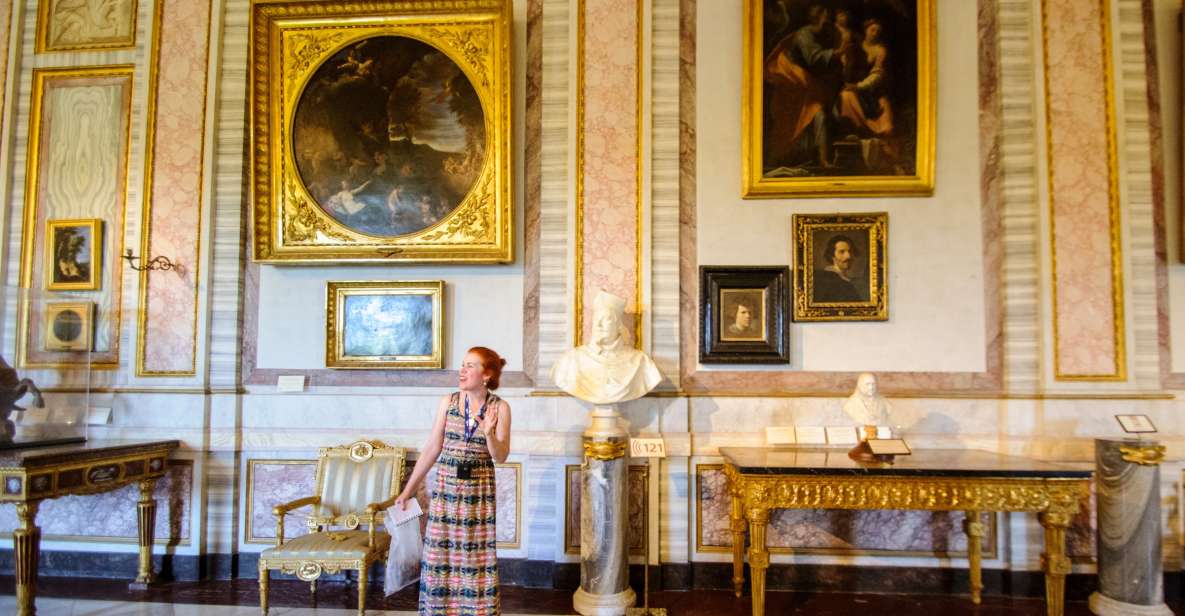
The “controlled entry” is the whole point. In practice, it means you don’t arrive to find a huge line swallowing your day. Instead, you step inside with enough breathing room to focus.
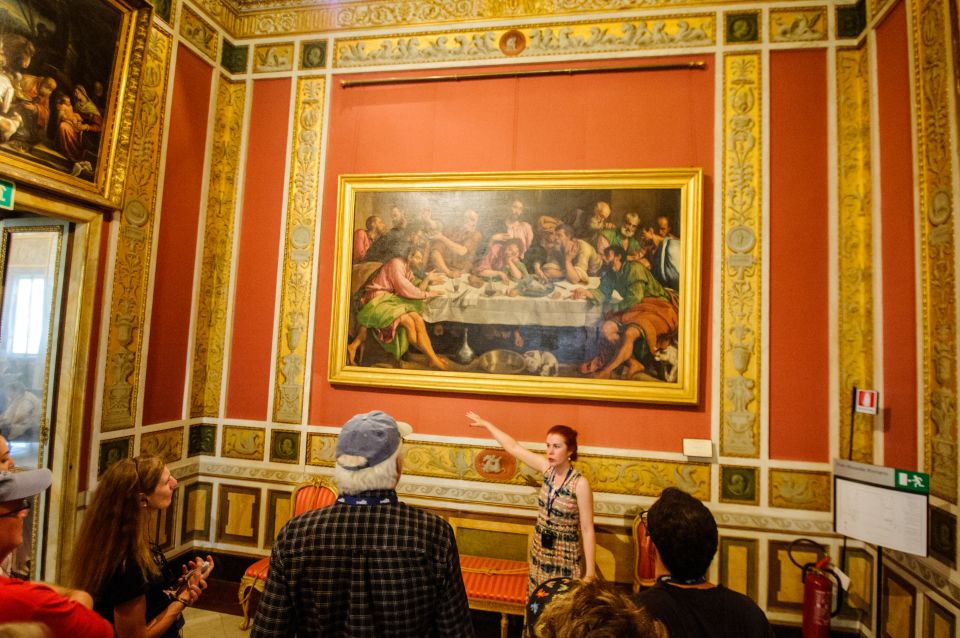
Inside, a small group size helps in two ways. First, your guide can actually direct your attention from one masterpiece to the next. Second, you’re less likely to end up behind taller shoulders or bounced around by strangers drifting in different directions.
You’ll also use audio headsets, so the experience stays easy on the ears. No hovering close to the guide just to catch a sentence. That matters because some rooms can feel tight, and you’ll naturally want to stand where you can see the works clearly.
The guided Borghese Gallery: seeing the art like a collector
The guided portion focuses on the “why” behind each piece. Cardinal Borghese commissioned and gathered with intensity, and the guide explains how his collection became a carefully staged statement of taste, ambition, and power.
This is where your visit starts to feel different. Instead of just identifying artists, you learn how their works fit together in the larger story. You’ll also hear about the way these pieces were meant to be encountered, including the original settings that are still in place.
One of my favorite parts of a tour like this is when the guide teaches you a new way to look at movement and emotion. With sculpture especially, you don’t want to rush past the gesture. You’ll be guided to notice expressions, textures, and the way light changes the surface as you shift position.
And yes, the gallery is famous for being packed with highlights. The upside of having a guide is that you don’t have to decide in advance which room to prioritize. Your guide helps you connect the masterpieces without losing the thread.
Masterpieces on your route: Bernini, Caravaggio, Titian, Raphael, and Canova
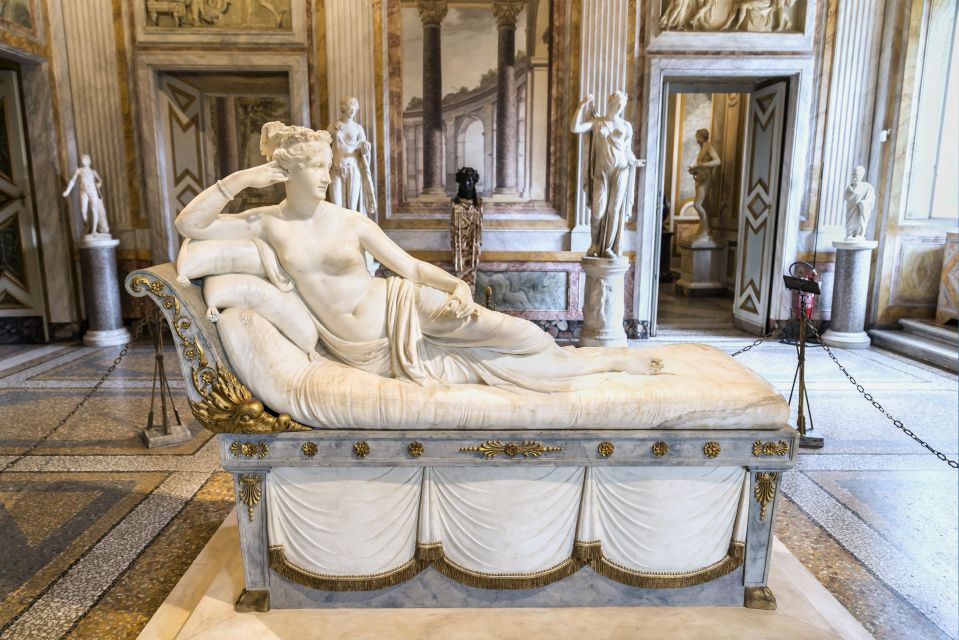
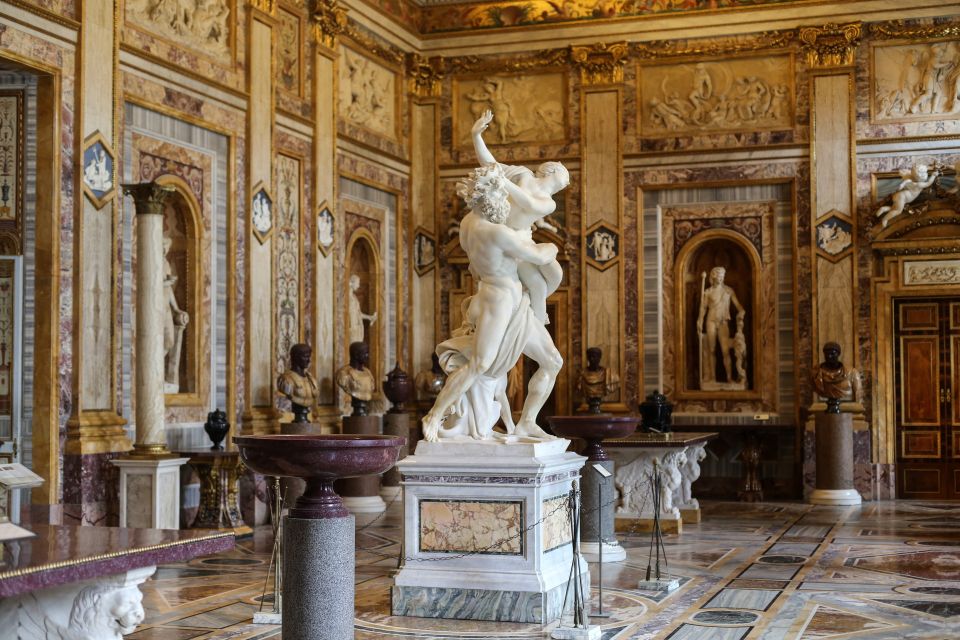
This collection is heavy with names you already know, and the guide gives them context so they land harder. You’ll encounter works such as Bernini’s Apollo and Daphne, Canova’s Pauline Bonaparte, Caravaggio’s St. Jerome, and Raphael’s The Deposition.
Here’s the practical reason that context matters: many of these artists are linked by patronage and politics as much as by style. Once you understand the collector’s aims, it becomes easier to see why certain works were chosen and how they relate to the era’s obsession with drama, virtue, and power.
For example, Bernini’s work isn’t just impressive because it’s carved well. It’s impressive because it’s theatrical. The guide helps you notice how Bernini builds tension in the pose, then uses that tension to pull the viewer in.
With Caravaggio, the emotional impact comes quickly. The guide steers your attention so you notice how lighting and realism do the storytelling, not just the subject matter.
Titian and Raphael add another layer—painting that feels grounded in human scale, even when the themes are big. You’ll get help connecting what you see to what was happening in Rome’s art world and court culture.
The self-paced time after the guide: use it wisely
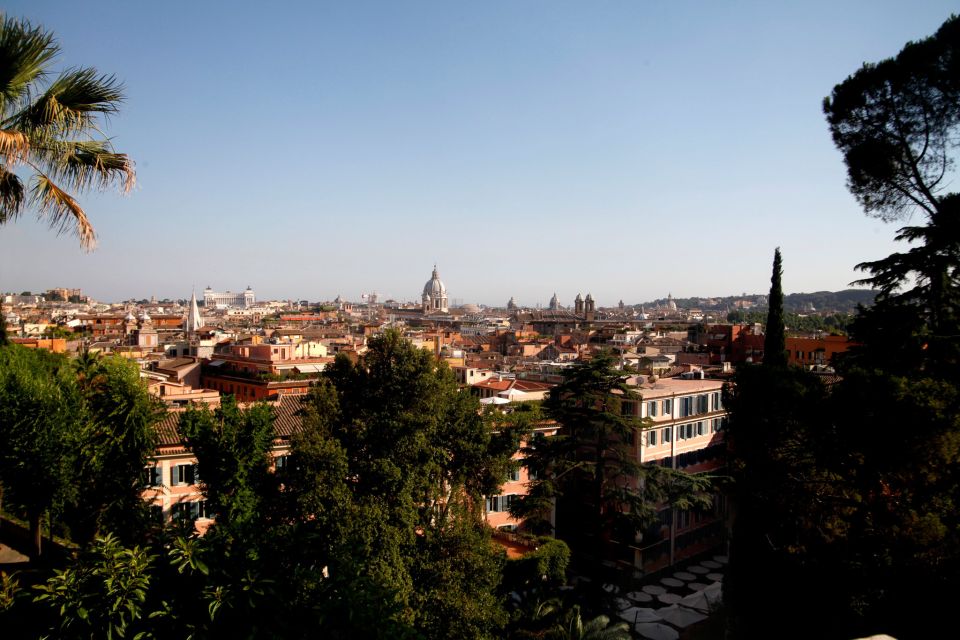
After the guided part, you get time to see more on your own. This is where you should switch gears: stop waiting for the next fact and start making your own choices about what you want to see again.
My advice is simple: pick 2 to 3 rooms or specific masterpieces that matter most to you, then spend your time there. Don’t try to “finish” the museum. That’s how people miss details.
Look for what your guide pointed out, then check whether you see it yourself now. Sometimes a detail you couldn’t notice for a label becomes obvious once you understand what to watch for: an angle of a face, the curve of a hand, the placement of bodies in relation to space.
If you want photos, keep in mind the tour includes a rule that mobile phones are prohibited. That means plan to enjoy without the camera habit.
Borghese Gardens: a short guided reset with sculpture and shade
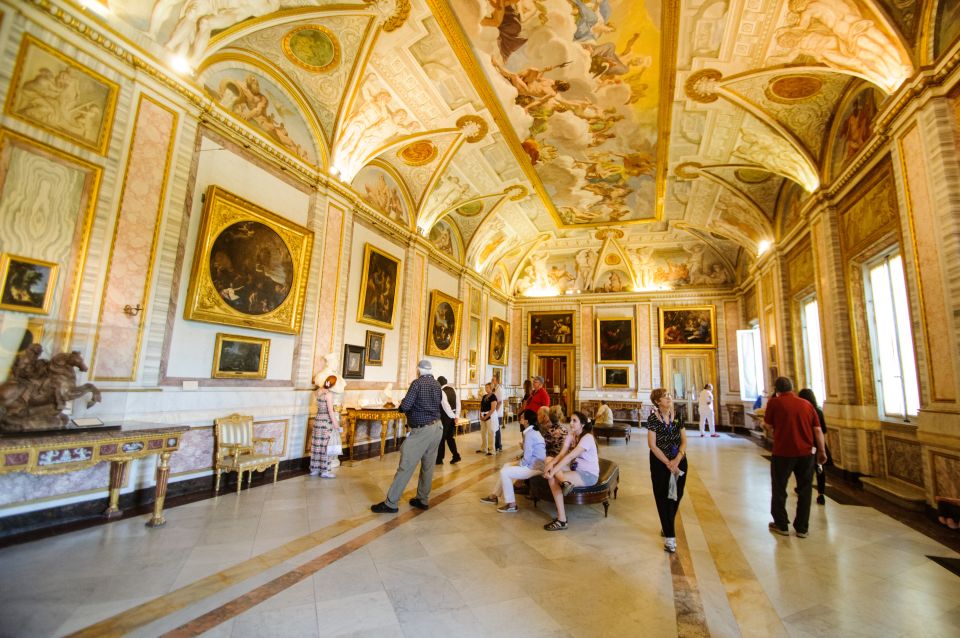
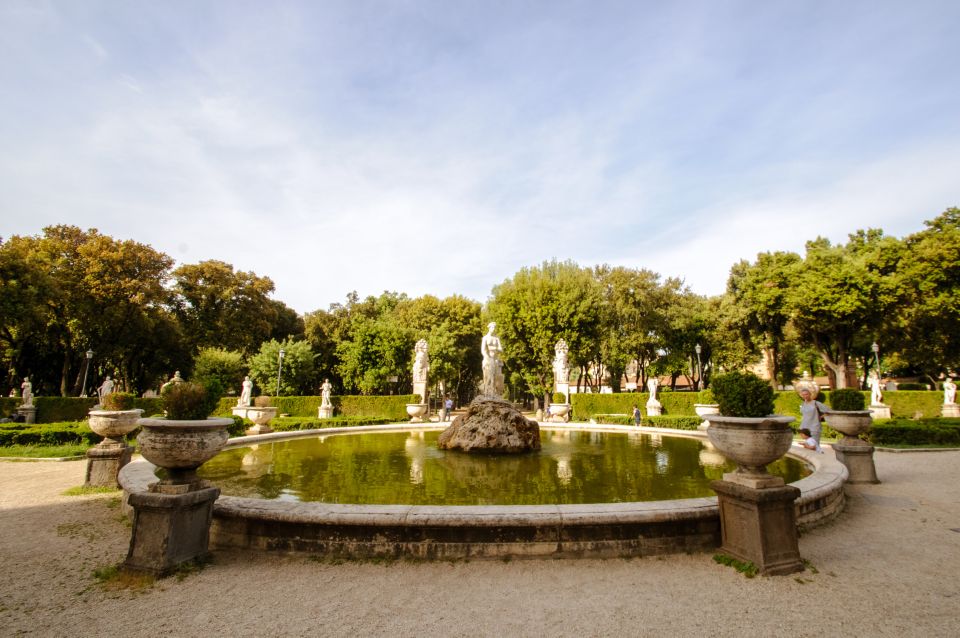
After the gallery, you head to the Borghese Gardens for a guided walk. Even though it’s shorter than the museum time, it works like a pressure release. You go from intense art rooms into shady lanes, sculptures, plants, and water features.
The gardens also come with history. They were once the Cardinal’s private park and are now a favorite local escape. That shift—from private power retreat to public relaxation—helps the visit feel less like a strict sightseeing checklist and more like stepping into how Romans actually live.
You can expect a traditional English-style garden layout with paths that let you slow down. It’s a good moment to stand, breathe, and remember that Rome’s best experiences aren’t only indoors.
If you love gardens, just know the tour doesn’t promise a long wandering afternoon. It’s a taste—use it to recharge rather than to complete a whole garden circuit.
Small-group pace, headsets, and what to do with your attention
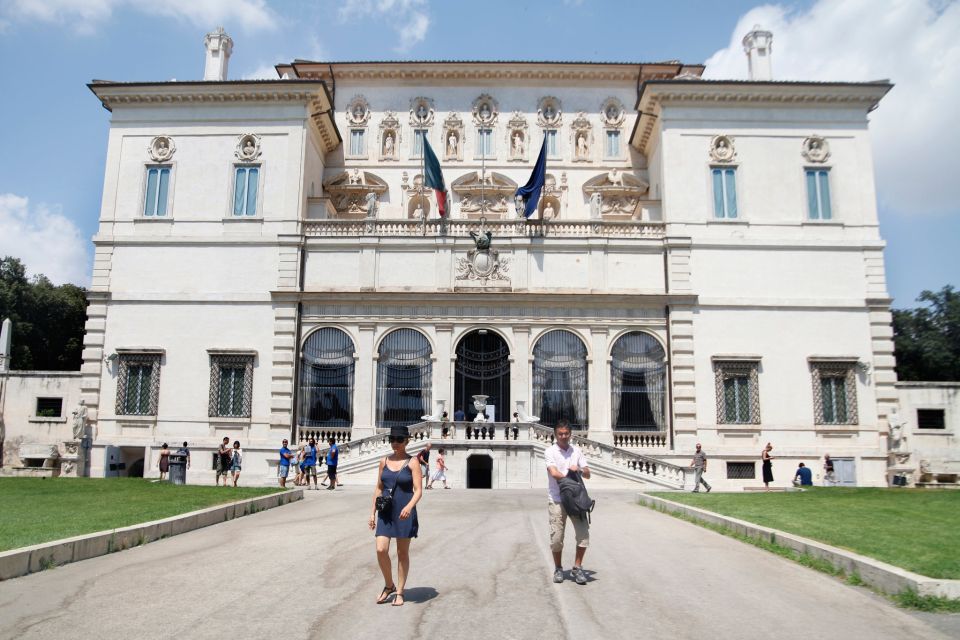
This tour works because it balances three things: your hearing, your walking, and your focus.
- Headsets keep the narration clear even when you shift rooms.
- The small group size keeps the movement smooth.
- The pacing is designed so you can observe without feeling stuck.
One more detail that helps: your guide is English-speaking and an expert on the collection, so you’re not hearing generic comments. You’re hearing how to interpret the choices behind each work.
In the past, guides associated with this experience include people like Salvatore (often called Sal), Barbara, Francesca, Fabio, and Eddy (with a Y). The names change, but the format stays consistent: you should get a lively, art-history-led explanation rather than a silent walkthrough.
If your goal is to see the masterpieces quickly, you might feel tempted to treat this like a checkmark tour. Don’t. The value is in learning how to see. Let the guide steer you, then spend your solo time verifying what you learned with your own eyes.
Who should book this Borghese Gallery and Gardens tour
I’d book this if you want the Borghese collection at full strength, not just as a highlight reel. It’s ideal when you care about art history, enjoy stories tied to real people, and like having a plan that prevents museum overwhelm.
You’ll also like it if you dislike crowds. The controlled entry and small group size are built for people who want to look, not jostle.
This may be less ideal if you travel with a lot of gear. Between no bags, the restricted items, and the walking, it’s best for travelers who pack light and move comfortably.
And if you’re in a wheelchair or using a stroller or baby carriage, this tour can’t accommodate those needs based on the stated restrictions. In that case, you may want a different format that matches your mobility requirements.
Things to watch for before you go
A few practical notes can save you stress:
- No bags in the Borghese Gallery: plan to store extra items elsewhere before you arrive.
- Arrive early: you must be there about 15 minutes ahead.
- Expect walking: comfy shoes help.
- No mobile phones: leave the camera habit at home.
- Security checks can add time: if the venue implements extra measures, expect delays.
Also bring a form of ID. You’ll need a passport or ID card.
Should you book this Borghese Gallery and Gardens tour?
If you’re choosing between winging it or paying for structure, I’d lean toward booking. For $60, you’re getting the ticket plus a guided art experience with headsets, and that’s exactly what transforms the Borghese from famous rooms into an understandable collection.
Book it if you want a calm, small-group approach and you’d rather understand the artworks than simply see them. It’s also a great way to balance Rome’s chaos with a quieter, more thoughtful visit.
Skip or reconsider if you need long time in the gardens, travel with heavy luggage, or require accessibility accommodations not supported by this tour format. If any of that sounds like you, you’ll likely be happier with a different plan.
Overall: this is a smart-value Borghese option when your priority is clear storytelling, manageable crowds, and time to actually look at masterworks.