REVIEW · POMPEI CAMPANIA
Pompeii: Tour with Archaeologist Guide & Skip-the-Line Entry
Book on GetYourGuide →Operated by Angelo (Travelcampania) · Bookable on GetYourGuide
Pompeii comes to life fast with expert context. This Pompeii archaeologist tour pairs skip-the-line entry with a guided walk through the city’s best-preserved streets and homes, including spots like the House of Menander and the Forum. You may even hear lively guiding styles from people like Angelo, depending on the day and language group.
I especially like two things: the official guide expertise and the way the stops are chosen so you understand what you’re looking at, not just what it’s called. I also like that this is a practical, time-boxed visit—about 2 hours inside the excavations—so you’re not stuck trying to figure out Pompeii alone when crowds and heat are doing their thing.
One heads-up: this tour isn’t suitable for people with mobility impairments or wheelchair users, since Pompeii’s ground is uneven and walking is part of the experience.
In This Review
- Quick hits: what makes this Pompeii tour work
- Why Pompeii feels different when you know what to look for
- Skip-the-line entry and the Welcome box meet-up: your first wins
- Stop-by-stop: what you’ll see and why it matters
- Porta Marina: the city’s arrival point
- Teatro Piccolo: a small theater with social gravity
- House of Menander: domestic art that reveals status
- Thermopolium: street-level food culture in Pompeii
- Terme Stabiane: baths, heat, and daily reset
- Lupanare: the tricky topic with real-world interpretation
- Foro Civile di Pompei: the civic heart, then a breather
- How the archaeologist guide changes your understanding
- Earpieces, languages, and group size: the sound of Pompeii logistics
- Pace, walking, and who this tour fits best
- Price and value: why $57 can make sense here
- Small things that prevent big day-of headaches
- Should you book this Pompeii skip-the-line archaeologist tour?
- FAQ
- How long is the Pompeii tour?
- Does the tour include skip-the-line entry?
- Where do I meet the guide?
- What’s included in the price?
- Which languages are available?
- What if my group doesn’t meet the size for the same language?
- Is radioguide included for larger groups?
- What should I bring?
- What items are not allowed?
- Is this tour suitable for wheelchair users?
Quick hits: what makes this Pompeii tour work
- Priority access helps you skip long ticket lines and get into the site faster.
- Authorized archaeologist guide adds meaning to buildings, art, and everyday details.
- A tight 2-hour route keeps you focused on Pompeii’s most informative stops.
- Key stops include Porta Marina, Teatro Piccolo, House of Menander, Thermopolium, Terme Stabiane, Lupanare, and the Civic Forum.
- Radio/earpiece support kicks in for larger groups; audio can be loud in crowds.
- Free lockers at the gates can help if you’re arriving with a backpack (bags aren’t allowed on site).
Why Pompeii feels different when you know what to look for
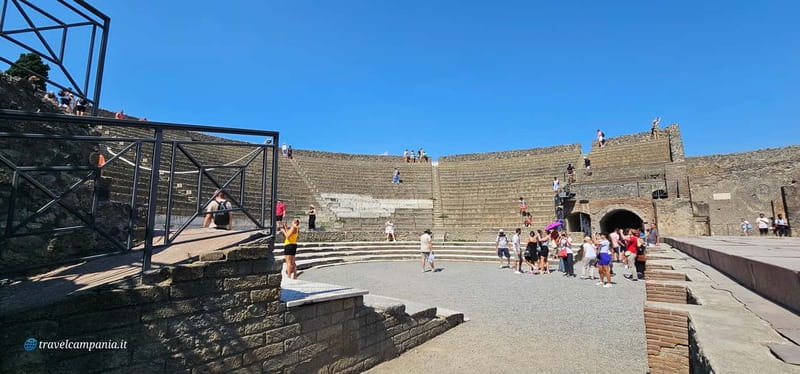
Pompeii is famous because it’s unusually well preserved. When Vesuvius erupted in AD 79, the city was buried under ash and debris, freezing daily life in place. That’s why you can still walk past walls, stairs, doorways, and artwork that look shockingly human.
The catch is that Pompeii can feel confusing if you wander without a guide. You’ll see a “random” house, an “interesting” room of mosaics, and a “weird” doorway—but you may not know what their placement means, why certain details matter, or how the city functioned day to day. This tour is designed to answer those questions while you’re still in front of the evidence.
You can also read our reviews of more tours and experiences in Pompei Campania.


Skip-the-line entry and the Welcome box meet-up: your first wins

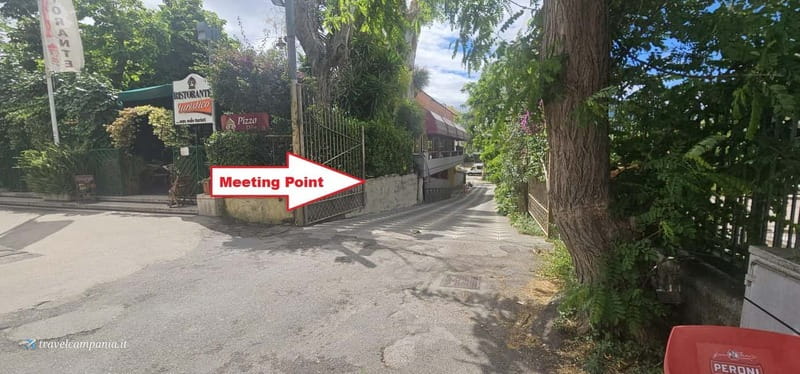
Your tour starts at the Welcome box, and you end back at the meeting point. That round-trip structure matters because Pompeii is large, and you don’t want to lose time guessing where your group will regroup.
Skip-the-line access is the big practical benefit. Lines for tickets can eat a chunk of your day, especially when you’re also fighting the realities of weather and tour crowds. Priority entry lets you trade waiting time for actual time inside the ruins.
Do plan for check-in to be a bit fiddly. Some people find the meeting spot harder to locate than expected, so I’d arrive a touch early and take a moment to confirm you’re at the right Welcome box before you stress yourself out. If you have a backpack, also know that there are free lockers at the gates, which can be a lifesaver since bags aren’t allowed on site.
Stop-by-stop: what you’ll see and why it matters
This tour moves through Pompeii with a deliberate rhythm. Short guided segments keep things lively, then you get just enough time to look around before you move on. It’s not a “see everything” marathon; it’s a “see the right things so it makes sense” strategy.
Porta Marina: the city’s arrival point
You begin with a guided introduction near Porta Marina, with about 10 minutes here. This is a good start because it frames Pompeii as a working city with movement, entrances, and street circulation, not just a museum of ruins.
The value of an early stop is simple: once you understand how people entered and moved in, later details like streets, thresholds, and building placement become easier to read. If you’re the type who wants the city’s layout to click, this opening helps.
Possible drawback: since it’s early and people are still gathering, you may get a brief feel of congestion before the tour settles into a smoother pace.
Teatro Piccolo: a small theater with social gravity
Next comes Teatro Piccolo (about 10 minutes). Even if you don’t consider yourself a theater person, Roman entertainment was social life. A stop here helps you connect Pompeii’s buildings to leisure, public gatherings, and the rhythms of evening culture.
A quick guide-led explanation can also change how you interpret the space—how you think about seating, viewing lines, and the idea of a community sharing the same stage. That’s the kind of “you didn’t know you needed this” context that makes Pompeii feel real.


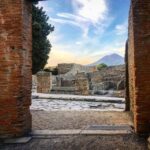
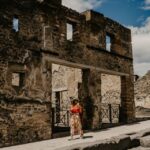

House of Menander: domestic art that reveals status
You’ll spend about 15 minutes at the House of Menander. This is one of those stops where the guide’s job is crucial, because Pompeii’s homes aren’t just “cool old houses.” They’re organized statements about wealth, taste, and everyday life.
You’ll hear how art and decoration weren’t random. Details like wall paintings and the arrangement of rooms tell you who lived there and how the home supported daily routines. If you’ve ever looked at an artifact label and thought, So what does it mean?, this is where the guide makes meaning out loud.
Note: houses can be mentally tiring if you’re trying to absorb everything at once. The tour’s short timing is actually helpful—you get the key context without getting overwhelmed.
Thermopolium: street-level food culture in Pompeii
Then you shift to the Thermopolium (about 15 minutes). A thermopolium was essentially a snack-and-meals stop—think Roman-era quick service—where everyday people grabbed food and drink.
This stop tends to land well because it gives you something concrete: places where commerce happened, people interacted, and routines repeated. When the guide points out features, you start seeing these as real businesses, not just architectural shells.
Small consideration: since this is street-level, it can feel more crowded than some other sections, especially during peak hours. If you’re sensitive to noise, you’ll likely appreciate having the earpieces so you can stay focused on the guide’s explanation.
Terme Stabiane: baths, heat, and daily reset
At Terme Stabiane you’ll also get around 15 minutes. Roman baths were far more than washing. They were social hubs, a place to conduct conversations, relax, and build community.
A good archaeologist guide helps you understand how the spaces connect—where people entered, how areas worked together, and why the layout reflects a routine of heat and movement. That turns “ruins of baths” into a story you can mentally walk through.
Practical note: if you’re visiting in warm weather, baths sites can feel hotter simply because of open-air sun exposure and the number of people gathered around you.
Lupanare: the tricky topic with real-world interpretation
You’ll spend about 20 minutes at the Lupanare. This is a site people often have strong reactions to, and context matters. A guide can help you interpret what you’re seeing without turning it into sensational tourism.
What I think works here is that the explanation usually brings you back to how the city functioned—trade, signage, and the way buildings served specific purposes. It’s not just shock value; it’s part of the city’s economic and social map.
Possible drawback: this stop may feel uncomfortable if you’re hoping for a purely “pretty ruins” experience. But if you want Pompeii to be honest, this part is part of the truth.
Foro Civile di Pompei: the civic heart, then a breather
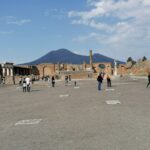
Next is the Foro Civile di Pompei with about 15 minutes of guided time, then roughly 10 minutes of free time back in the forum area. The forum is where Pompeii’s public life clustered—politics, civic business, and the architecture that signaled power and community identity.
This combination—guided first, then breathing room—works well. You get the meanings while you’re standing in the right spots, then you can step back and look with your own eyes for a few minutes.
If you want the best “own your moment” use of free time, don’t wander far. Circle slowly, find the elements your guide pointed out, and check how the spaces connect. That’s where the penny-drop happens.
How the archaeologist guide changes your understanding

The tour is structured around the idea that Pompeii is not just about seeing. It’s about reading evidence: how buildings were designed, how people lived, and how the city worked before the eruption.
That’s why the guide role is the make-or-break factor here. People often talk about guides who are entertaining and full of detail, and that seems to be a common thread. The best guides also manage crowd pressure—steering groups toward less-busy spots so you still get moments of clarity instead of constant jostling.
You’ll also get guided storytelling tied to everyday life: customs, crafts, and the way people moved through the city. When you hear these stories right next to the rooms and street corners they describe, the ruins stop feeling random.
Earpieces, languages, and group size: the sound of Pompeii logistics
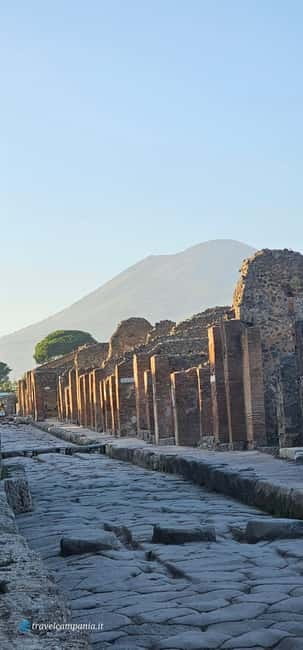
This tour offers live guiding in multiple languages: Italian, Spanish, French, English, German. If your group is in a language with fewer participants, the format can shift. When the group doesn’t exceed four participants in the same language, you’ll have an audio guide plus a tour guide in English.
For larger groups, the guided tour includes a radioguide when passing 8 participants. That means you can hear instructions without having to shout over everyone else.
One practical note: some people find the earpieces pretty loud, though they’re also necessary in a crowded site. I’d treat volume as a normal part of the Pompeii experience rather than a dealbreaker. If you’re sensitive to loud sound, you might want to choose quieter moments during the free time segment.
Pace, walking, and who this tour fits best
This is a 2-hour experience focused on selected excavations. It’s a good fit if you have limited time, you want the “best explanations in the best places” approach, and you prefer not to spend hours trying to connect the dots yourself.
It’s not suitable for wheelchair users or for people with mobility impairments. Pompeii’s terrain can be uneven, and the tour’s stops involve walking and moving between areas.
On the other hand, it can work well for a mixed-age group as long as everyone can manage the walking pace and the standing time at each stop. One helpful tip that often comes up: make sure you have water and plan for sun, because you’ll be outside and near busy footpaths.
Price and value: why $57 can make sense here

At $57 per person for a roughly 2-hour guided visit, the value comes from three things working together:
- You get priority access that can save time at a high-demand site.
- You get an authorized archaeologist guide, which is what turns Pompeii from “cool ruins” into “I understand what I’m seeing.”
- You get a Pompeii Express entrance ticket included, so you aren’t scrambling to piece together admission details while you’re on-site.
If you were to visit on your own, you might spend extra time figuring out where to go and what to focus on. You can absolutely DIY Pompeii, but this tour buys you clarity quickly—and in a place as large as Pompeii, clarity is time.
Small things that prevent big day-of headaches
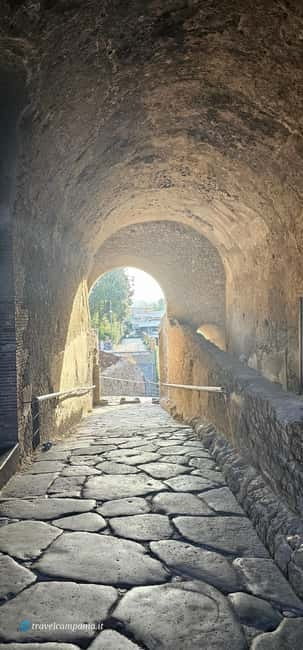
A few practical rules are worth taking seriously:
- Bring a passport or ID card (copies are accepted as well).
- They ask you to write the names and ages of participants, so you’ll want that ready when booking.
- No bikes, no alcohol/drugs, and no bags on site.
- If you arrive with luggage, use the free lockers at the gates when available.
- Plan for crowds: use the earpieces and keep your eyes on the guide so you don’t get lost in the shuffle.
Also, the tour ends back where it starts. That’s helpful if you have another plan after your Pompeii visit, like a later train or a scheduled meal.
Should you book this Pompeii skip-the-line archaeologist tour?
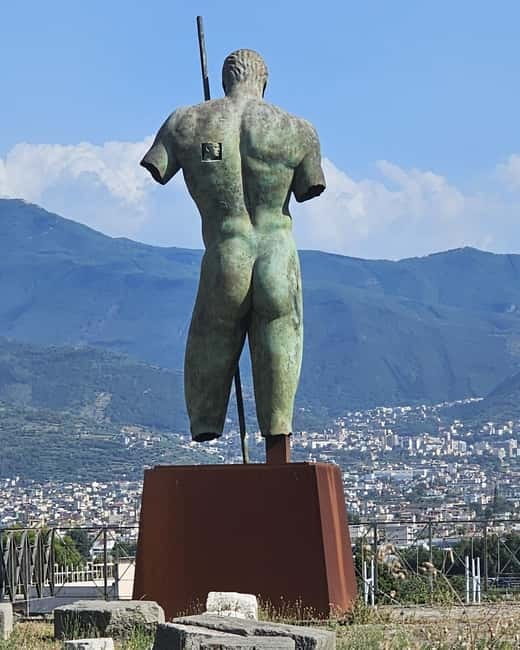
Book it if you want Pompeii to make sense quickly. The guide-led stop list hits the sites that give you the best “big picture” of Pompeii—how the city was planned, how people lived, and what everyday spaces like baths and street food meant.
Skip it if you’re looking for full freedom to wander without direction, or if mobility is an issue for you. Since this is built for a set route and timed segments, it’s not the choice if you need to go slow or stop often.
If you’re on a tight schedule and want value per hour, this one is a strong option. You trade a bit of flexibility for priority entry and real interpretation—the difference between looking at ruins and actually understanding a Roman city.
FAQ
How long is the Pompeii tour?
It lasts about 2 hours, with the guided portion inside the excavations taking approximately that time. Starting times vary by availability.
Does the tour include skip-the-line entry?
Yes. You get priority access to skip the long ticket lines.
Where do I meet the guide?
The tour starts at the Welcome box. The activity ends back at the same meeting point.
What’s included in the price?
The tour includes the Pompeii Express entrance ticket and an authorized archaeology expert guide.
Which languages are available?
The live tour guide is available in Italian, Spanish, French, English, and German.
What if my group doesn’t meet the size for the same language?
If the group does not exceed four participants in the same language, the tour will use an audio guide plus a tour guide in English.
Is radioguide included for larger groups?
Yes. The guided tour includes the radioguide when passing 8 participants.
What should I bring?
Bring a passport or ID card. A copy is accepted. You may also need to provide names and ages of participants.
What items are not allowed?
Bikes are not allowed, and there are restrictions on alcohol/drugs and bags.
Is this tour suitable for wheelchair users?
No. It is not suitable for wheelchair users or people with mobility impairments.