REVIEW · MATERA
Sassi di Matera: Guided Walking Tour with Cave House/Church
Book on GetYourGuide →Operated by Matera City Tour · Bookable on GetYourGuide
Sassi di Matera is magic you can walk through. A good guided route turns those famous stone alleys into a clear story, from daily peasant life to the city’s modern resurgence. I especially like two things: how the guide connects what you see to real lived experience, and how the visit includes both a cave house and a rock church, not just photo stops. One heads-up: this is a mostly walking experience on uneven streets, so it can be tough if you have mobility limits.
You’ll move through the Sassi districts at a comfortable pace, learning what those “angles and slides” actually mean on the ground. Guides like Gaetano, Giuseppe, and Cosimo are praised for explaining Matera’s social setting with humor, sharp context, and personal stories that make the stones feel human. The main consideration is simple: you’ll be outside in rain or sun, so plan for weather and heat.
In This Review
- What You Really Get in a 2-Hour Guided Sassi Walk
- Entering the Sassi: Alleys, Angles, and Why the Stones Matter
- The Cave House Visit: How People Actually Lived in the Stones
- The Frescoed Rock Church: Art Built Into the Rock
- Matera’s Bigger Story: Culture Capital and Film-Famous Views
- Guide Quality Makes or Breaks This Tour (And You Can Feel the Difference)
- Price, Timing, and Who This Is Best For
- Should You Book This Sassi Guided Tour?
- FAQ
- Is the Sassi di Matera guided walking tour 2 hours long?
- What does the tour price include?
- What languages are available for the live guide?
- Where do I meet, and where does the tour end?
- Does the tour run in rain or sunshine?
- How big is the group?
- What should I bring for the walking tour?
- Is this tour suitable if I use a wheelchair or have mobility issues?
- Are baby strollers allowed?
What You Really Get in a 2-Hour Guided Sassi Walk
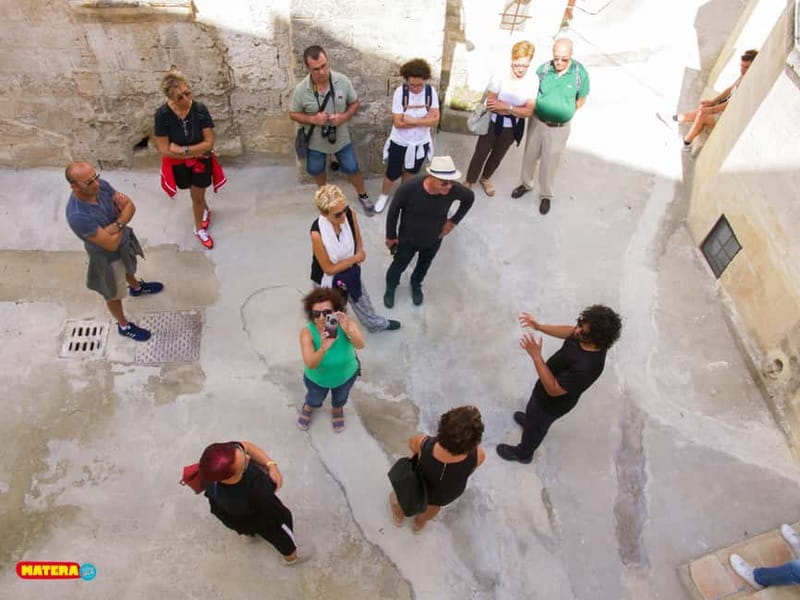
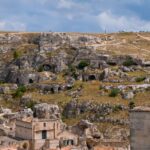
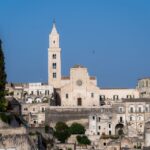
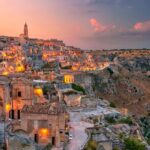
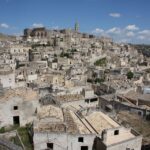
This is a guided walking tour focused on the Sassi di Matera, the historic cave-dwelling area that made Matera so famous. The big idea is context. Without a local expert, you can wander the alleys, take great pictures, and still miss what makes the place tick. With a guide, you understand why the dwellings look the way they do, how families used the cave spaces, and why certain parts of the neighborhood matter.
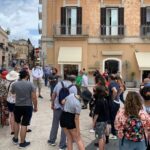
The tour runs about 2 hours, and group size can be from 2 to 25 people. Expect to walk the old districts, pause at key viewpoints, and then shift into “story mode” as the guide brings you from the big picture down to small details you’d otherwise overlook. You’ll also get entry tickets included, plus a live guide (English or Italian).
At a glance, the tour’s value is in the combination: the scenery you came for, plus two hands-on, high-impact stops that explain how people actually lived here.
Entering the Sassi: Alleys, Angles, and Why the Stones Matter
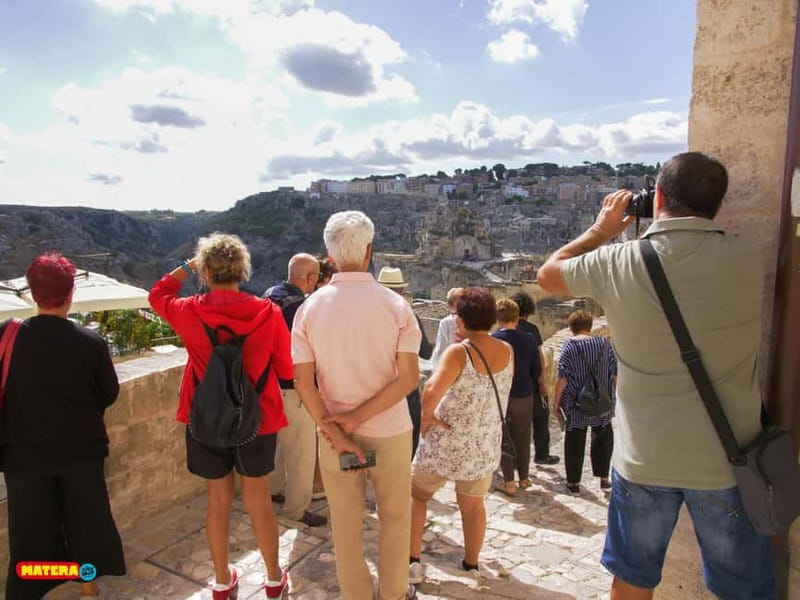
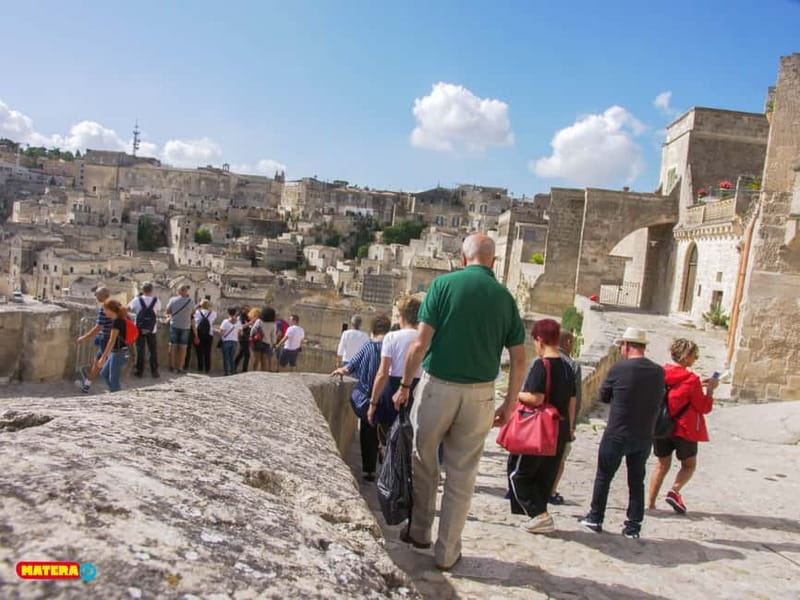
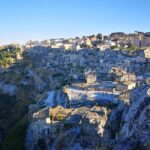
The walk begins at a meeting point that can vary based on the option you book, and you’ll end back where you started. From the first stretch, you’re in the Sassi atmosphere: narrow lanes, rock cutouts, and that surreal sense that buildings and rock are the same material. It’s also where the tour earns its keep.
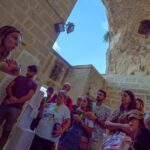
This is where guides like Gaetano get real praise. He’s described as sharing history in a way that sounds like it came from someone who walked these paths long before the cameras showed up. The explanations are not just dates and names. They’re about continuous struggle and day-to-day adaptation across thousands of years, including the realities of how families survived in cave dwellings.
A fun, practical bonus is that guides can help you see the cinematic reputation of Matera. The Sassi is known as a set for many international films, so you start noticing the “film angles” and why certain corners keep getting used. If you like photography, this helps you stop trying random spots and instead aim for viewpoints that actually make sense.
Tip for you: wear shoes with solid grip. The streets can be uneven, and the charm comes with real footing challenges.
You can also read our reviews of more tours and experiences in Matera.
The Cave House Visit: How People Actually Lived in the Stones
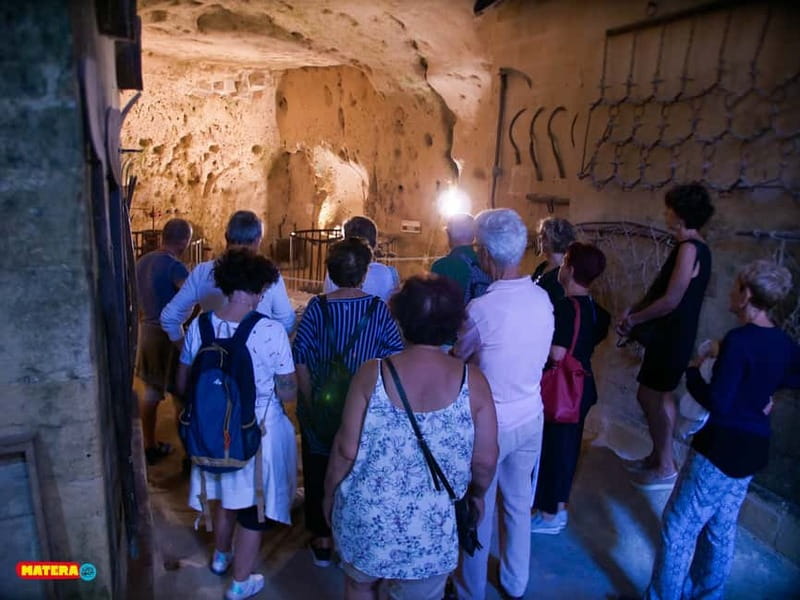
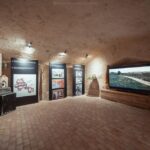
The tour includes a typical cave house visit with furnishings. This is one of the most meaningful parts, because it shifts you from “historic area” to “real home.” A cave house is not a museum prop. It’s a compact environment where daily routines had to fit the architecture and the climate.
You’ll learn what made the cave dwellings practical: how space was organized, what daily life looked like, and how families handled the limits of living inside stone. In reviews, guides are specifically praised for explaining more than churches or religion. The focus is living—how people made life work in a place that demands adaptation.
This stop is also where you get the personal feel that many people crave. Guides toss in authentic stories of those who really lived there, so the experience lands emotionally. That matters because the Sassi isn’t just old; it’s about human resilience.
There’s also a practical payoff for your understanding. Once you see the cave house, the rest of the neighborhood becomes easier to read. You’ll look at openings in the rock, changes in elevation, and building layouts with more sense of purpose.
The Frescoed Rock Church: Art Built Into the Rock
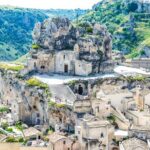
From the cave house, the tour moves to a rock church with frescoes. This is the “spiritual and artistic” counterpoint to the home life you just saw.
What makes the church stop valuable is the combination of function and style. You’re seeing a space carved from the same stone language as the houses, but used for communal worship. The frescoes give you visual anchors, while the guide’s context helps you understand why this kind of building made sense in a cave neighborhood.
Importantly, the best guides keep this from becoming a dry lecture about doctrine. Reviews highlight that the tour is not presented as a church-only story. Instead, it’s part of a broader picture of survival, community, and how people organized life around both practical needs and shared beliefs.
What to watch for as you go: focus on how the church is integrated into the rocky streetscape. When you’re done, you’ll realize it’s not an isolated monument—it’s part of the same human system as the cave homes.
Matera’s Bigger Story: Culture Capital and Film-Famous Views
Even though this is a walking tour of a specific neighborhood, the guide is likely to connect the Sassi to wider Matera milestones. The highlights point to Matera as European Capital of Culture 2019, and it’s also known as a location for many international films. Those facts aren’t just trivia; they explain why you’re seeing crowds, why the photography is so dramatic, and why the city invests in preserving (and interpreting) these areas.
When guides bring in this context, you understand that the Sassi’s fame is modern, but its identity is old. That’s a powerful mix: you get the authenticity of cave life, then you see how Matera turned its story into a cultural event and a global destination.
In reviews, guides like Giuseppe and Cosimo are praised for giving city-wide context, including UNESCO status. That kind of framing matters because it keeps the tour from feeling like you’re just getting a set of pretty stops. Instead, you leave with a sense of why Matera is protected and why it continues to draw artists, filmmakers, and travelers.
Practical angle for you: if you’re visiting quickly, this is one of the best ways to stop feeling lost. The guide gives you a map in your head, not just a route on the street.
Guide Quality Makes or Breaks This Tour (And You Can Feel the Difference)
This experience lives or dies by the guide, and the reviews show that repeatedly. You’ll meet an authorized local guide, and the tour is delivered in English or Italian (live). Multiple guides are mentioned by name, including Gaetano, Giuseppe, and Cosimo, with strong praise for clarity and entertainment.
A standout trait in the feedback is how guides handle questions. Maria Teresa and others are described as welcoming questions with patience. You don’t feel pushed along; you feel guided. Another repeated theme: guides use humor and “real talk” context, including references that range from political developments in Italy to contemporary cinema.
You may also notice that guides work hard to make sure you can hear them. One review specifically mentions the guide ensuring everyone can follow through headphones, which is a smart detail for a walk through narrow spaces.
This is also why I like the tour’s structure. Two hours is long enough for real meaning, but not so long you get overloaded. With a strong guide, you’re not stuck memorizing facts. You’re building understanding as you walk.
Price, Timing, and Who This Is Best For
At $34 per person for about 2 hours, this is a straightforward value proposition. You’re paying for three things that matter in Matera: entry tickets, a live guide, and a walking route that helps you interpret what you see. If you were to visit the Sassi without a guide, you’d likely spend similar time wandering and still miss key context. The ticket + guide combo makes the price feel fair, especially since the tour includes both a cave house and a frescoed rock church.
Timing matters too. The tour runs year-round “rain or sun,” so pick the time of day based on your comfort level. Reviews warn that it can get very hot and suggest booking morning or afternoon. That advice is practical. If you come in midday, plan shade breaks and hydrate.
Who this tour suits best:
- You want context fast, not a slow self-guided hunt
- You like history that connects to daily life, not just monuments
- You’re comfortable walking on uneven streets for about 2 hours
- You want a high-quality local explanation in English or Italian
Who might struggle:
- People with mobility impairments or wheelchair users (it’s not suitable for them)
- Anyone who relies on baby strollers (not allowed)
- Anyone who hates outdoor walking in variable weather
Should You Book This Sassi Guided Tour?
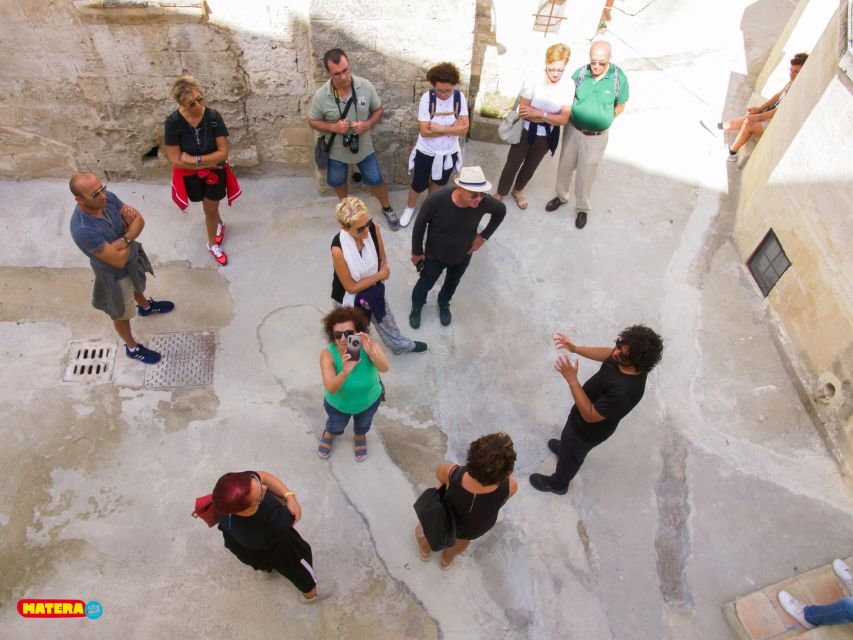
Yes, if you want Matera to make sense. This tour is built for people who want more than a scenic stroll. The cave house and frescoed rock church stops do most of the heavy lifting, and the guide role is clearly the difference between random wandering and real understanding.
Skip it if you’re looking for fully flat, fully accessible sightseeing or if you don’t want to be outside walking for about two hours. But if you can handle uneven ground, this is one of the best ways to turn the Sassi from famous scenery into a story you actually remember.
FAQ
Is the Sassi di Matera guided walking tour 2 hours long?
The tour duration is listed as 2 hours. Starting times can vary, so you’ll want to check availability for the specific slot you’re booking.
What does the tour price include?
The price includes entry tickets, a guide, and the walking tour.
What languages are available for the live guide?
The live tour guide is available in English and Italian.
Where do I meet, and where does the tour end?
The meeting point may vary depending on the option booked, and the tour ends back at the meeting point.
Does the tour run in rain or sunshine?
Yes. The tour takes place with the rain or the sun.
How big is the group?
The group size ranges from 2 to 25 participants.
What should I bring for the walking tour?
Bring comfortable shoes, water, and sunscreen.
Is this tour suitable if I use a wheelchair or have mobility issues?
No. It is not suitable for people with mobility impairments and not suitable for wheelchair users.
Are baby strollers allowed?
No. Baby strollers are not allowed. Non-folding wheelchairs are also not allowed.