REVIEW · MATERA
From Matera: Murgia Park Rocky Churches Tour
Book on GetYourGuide →Operated by Martulli Viaggi - Matera · Bookable on GetYourGuide
Hidden churches, big sky views.
This Matera outing in Murgia Park ties together early human settlement, rupestrian churches, and the dramatic Sassi viewpoint timing that makes the city look almost alive.
You’ll walk with a licensed hiking guide and step into places most people only pass from the road.
I love how the route blends Neolithic traces at Murgia Timone with two standout carved sites: San Falcione’s rocky crypt and Madonna delle Tre Porte with Byzantine frescoes.
I also like the payoff: a scenic stop at Golgota and the chance to see the Sassi di Matera light up as the sun drops.
One possible drawback: if the timing of the sunset viewpoint is off for your specific departure, it can get dark before you can clearly see the Sassi from above.
So it’s worth planning for late-afternoon light and not assuming you’ll always arrive at peak visibility.
In This Review
- Key things to know before you go
- Why Murgia Park is Matera’s story in stone
- Timing, transfers, and what 2.5 hours really means
- Murgia Timone: the first settlement traces before the churches
- San Falcione’s rocky crypt: the quiet power of a carved space
- Madonna delle Tre Porte: Byzantine frescoes on cliffside stone
- Golgota viewpoint and the Passion of the Christ filming connection
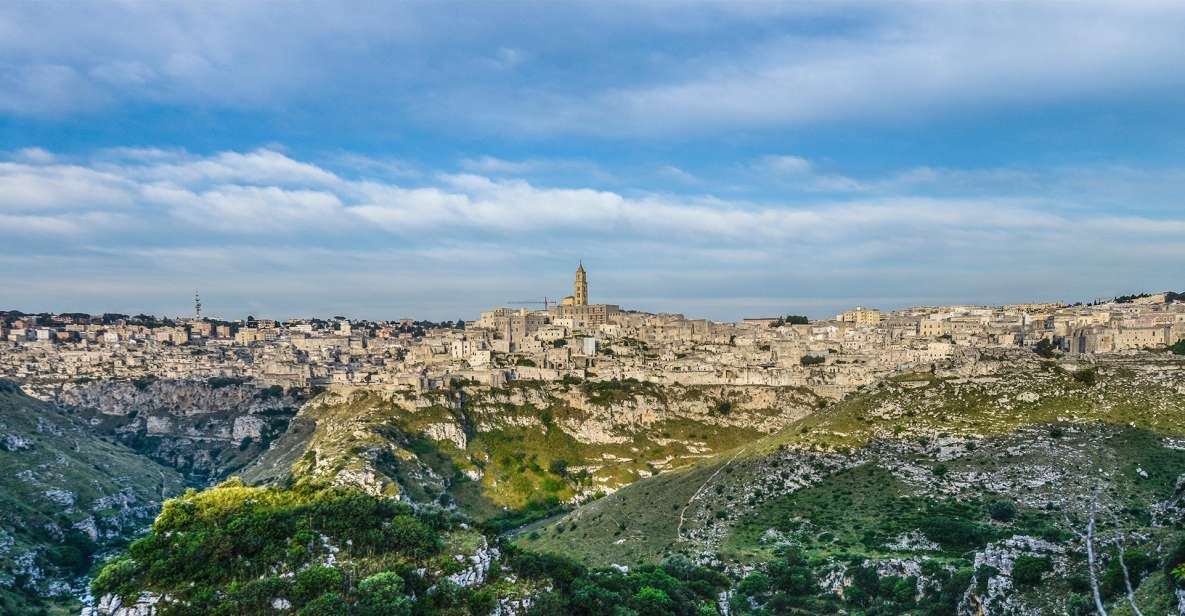
- Sunset over the Sassi: when the city of stones glows
- Price and value: is $82 fair for this tour?
- What to wear and who should book (and who shouldn’t)
- How to get the most out of the rocky churches route
- Should you book the Matera Murgia Park Rocky Churches Tour?
- FAQ
- How long is the Matera Murgia Park Rocky Churches Tour?
- What does the tour include?
- What sites will we see?
- Will there be time for views of Matera?
- What languages are available for the live guide?
- Is food and drink included?
- What should I bring?
- Is the tour suitable for wheelchair users or people with mobility impairments?
- Can I cancel for a full refund?
Key things to know before you go
- Neolithic to Byzantine in one walk: Murgia Timone leads into rupestrian churches with frescos.
- San Falcione + Madonna delle Tre Porte: two major carved stops with very different textures and stories.
- Golgota viewpoint: a famous filming location tied to The Passion of the Christ.
- Sunset over the Sassi: the tour is timed so the city of stones can glow when light fades.
- Licensed guide quality matters: strong interpretation, with guides like Francesco bringing archaeology and geology into the story.
Why Murgia Park is Matera’s story in stone
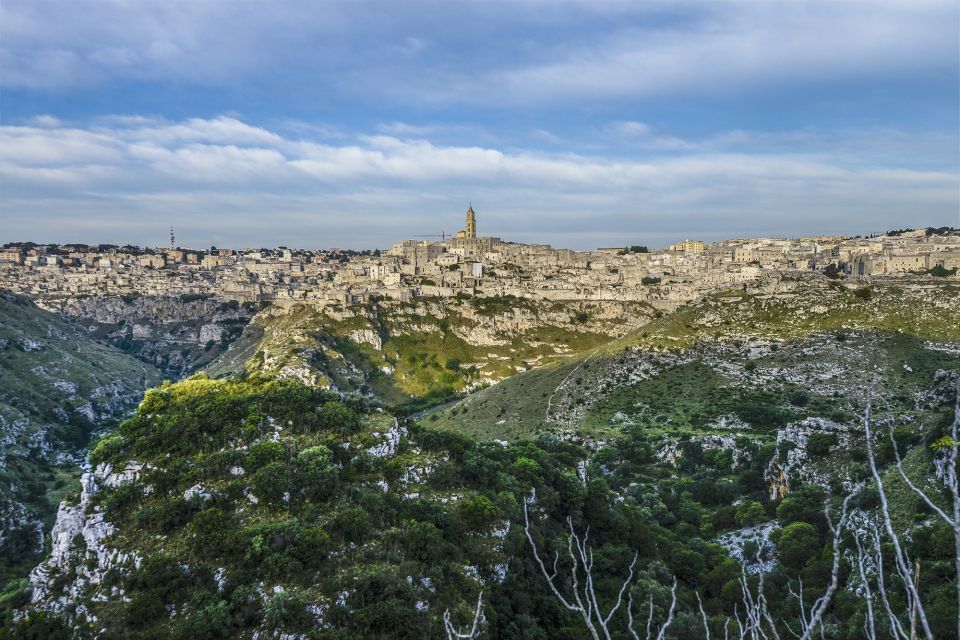
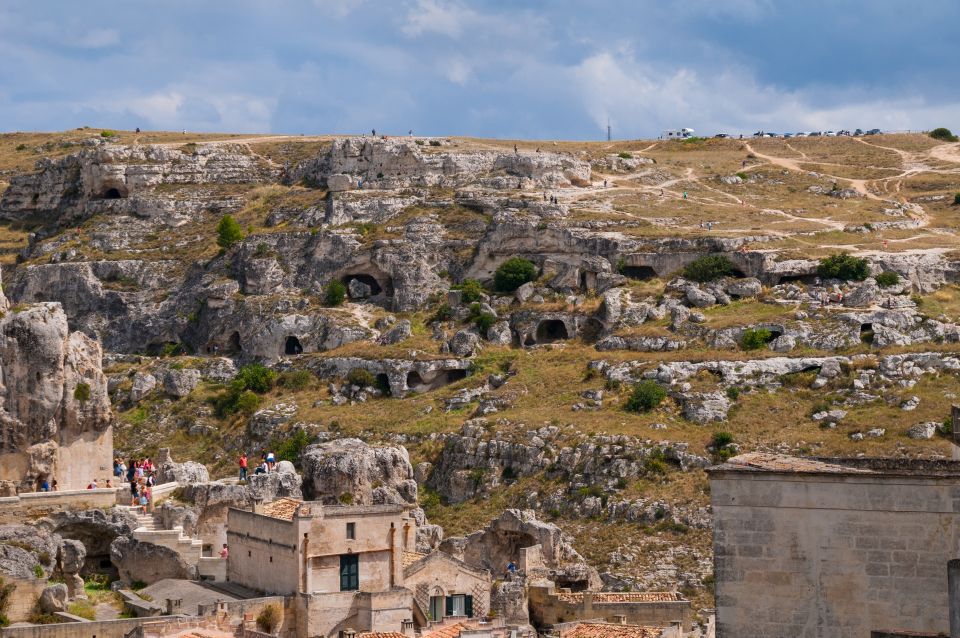
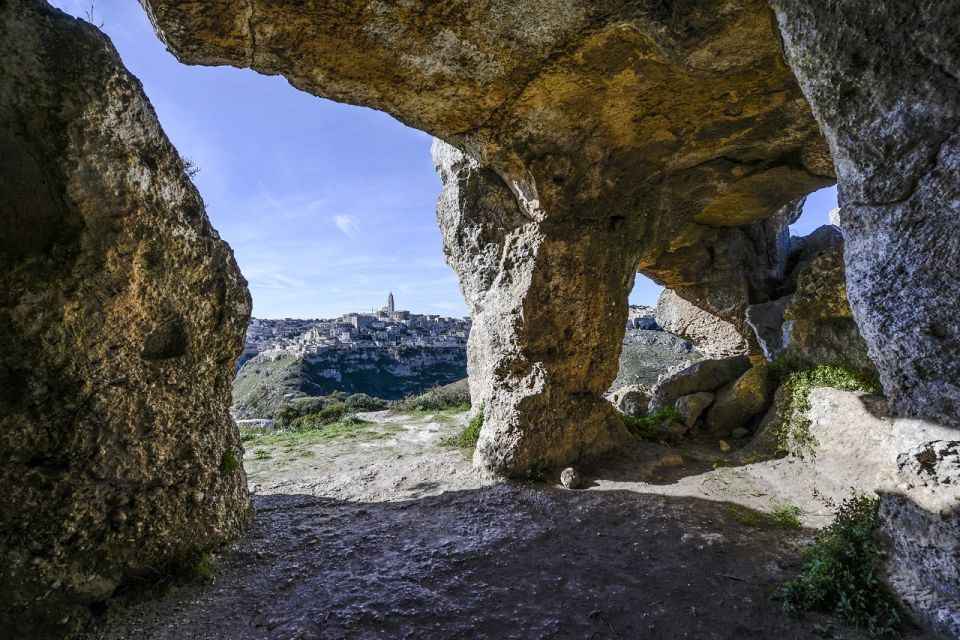
Matera isn’t just a pretty old town. The real magic is the way people have used the same rocky ground for thousands of years, carving shelters, churches, and paths into the rock itself.
That’s exactly what you get here: a guided walk across the Murgia Materana Park where the past is literally under your feet.
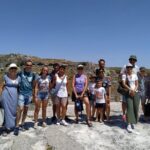
You’ll start in the park area and spend about two hours walking with a guide, with a photo stop along the way.
The pace is meant for sightseeing on foot, not a long hiking challenge, but it still requires comfort on uneven ground and enough stamina for a steady stroll.
And while Matera’s center often steals the spotlight, the outer spaces are where the timeline makes sense.
You see the first human settlement traces, then later the rocky churches that turned survival and faith into art carved right into the cliff.
You can also read our reviews of more tours and experiences in Matera.
Timing, transfers, and what 2.5 hours really means
This is a 2.5-hour experience with shared round-trip transfer from Matera included.
That matters because it keeps you from figuring out transport to the park, especially if you’re short on daylight or don’t want to hunt for parking.
Once you’re out in the Murgia Park area, you’re not just riding between views.
You’re walking and learning, with guided stops that focus on specific sites (not vague “look around” moments).
Still, keep your expectations realistic: it’s not an all-day deep hike.
You’ll get a focused route that hits the main highlights in a compact window, which is good for most people—just plan around the biggest variable, which is sunset timing.
If you’re going specifically for the Sassi glow at nightfall, arrive mentally prepared that the light can shift faster than you expect.
The route is designed to reach the scenic moment when the city lights up, but sunset is a moving target.
Murgia Timone: the first settlement traces before the churches
One of the most interesting parts of the tour is how it starts earlier than many Matera-focused walks.
On the Murgia Timone stretch, you’ll see traces of the first human settlement and remnants connected to an ancient Neolithic village.
That stop changes how you read the rock in Matera.
Instead of thinking only of medieval churches or cave dwellings, you begin to understand the deeper logic: people settled here because the terrain offered protection, resources, and a practical way to live with the land.
Even if you’re not a “history person,” the guide’s job is to make this visible.
You’ll likely get explanations tied to what you’re seeing right now—how the ground formed, why certain places were used, and what Neolithic life suggests in terms of shelter and movement.
The walk through this section is also a nice mental warm-up.
It’s less about rushing from one photo to the next and more about getting oriented—learning where you are in the larger Matera story.
San Falcione’s rocky crypt: the quiet power of a carved space
After you’ve grounded yourself in the early layers of settlement, the tour moves into two key rocky churches.
First up is the Rocky Crypt of San Falcione.
A carved crypt hits differently than a church you step into from the front door.
The stone walls shape the experience—your senses narrow, and the space feels built for devotion, not comfort for crowds.
What makes San Falcione especially worthwhile is that it represents the “religious conversion” of the landscape.
The same rock that offered shelter for earlier communities becomes a canvas for later spiritual life.
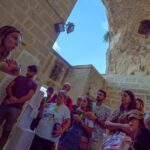
This is also one of the stops where a skilled guide can really help you pay attention.
In past tours, guides like Francesco have been praised for connecting archaeology, history, and even geology to what you’re seeing, so the sites feel less like isolated landmarks and more like parts of a living timeline.
If you’re the type who likes to understand why something was made, you’ll likely appreciate the explanation here.
If you prefer minimal talking and lots of photos, this is still manageable, but it won’t be a silent “self-guided stroll” experience.
Madonna delle Tre Porte: Byzantine frescoes on cliffside stone
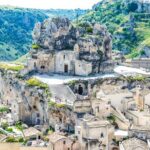
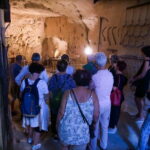
The other big church stop is the Rocky Church of Madonna delle Tre Porte, and this is the visual highlight for many people.
The selling point is the Byzantine frescoes, carved and painted details that survive on rock.
Frescoes in a cliffside setting are not just art. They’re proof that communities invested in beauty and memory in extremely practical spaces.
You’re not looking at something preserved in a museum; you’re seeing it in the place it was meant to belong.
This is where the “wow” factor often hits hardest.
The combination of stone architecture and the fresco imagery tends to make people slow down—even if you’re usually quick through sightseeing.
One practical consideration: you’ll be viewing a specific area rather than roaming freely.
So it helps to wear comfortable shoes and be ready to stand for short stretches while you take it in and listen.
Golgota viewpoint and the Passion of the Christ filming connection
At some point on the walk, you’ll head to a scenic point called Golgota.
This is a location associated with the filming of The Passion of the Christ.
Whether you’re a film fan or not, this stop adds an extra layer to Matera’s modern cultural footprint.
The rock landscape doesn’t just attract photographers and historians—it also makes filmmakers feel like they found the right atmosphere without building everything from scratch.
From a visitor perspective, Golgota is also a breather.
It’s a chance to pause, look out, and reset your attention before the final push toward the sunset moment.
Also, if you care about the best view, treat this section like it matters.
The tour is timed so the Sassi can light up later, so don’t burn your best focus time in a single photo stop and then rush through the rest.
Sunset over the Sassi: when the city of stones glows
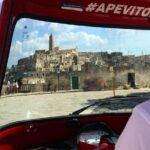
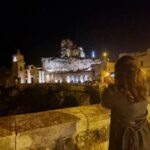
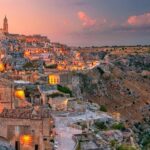
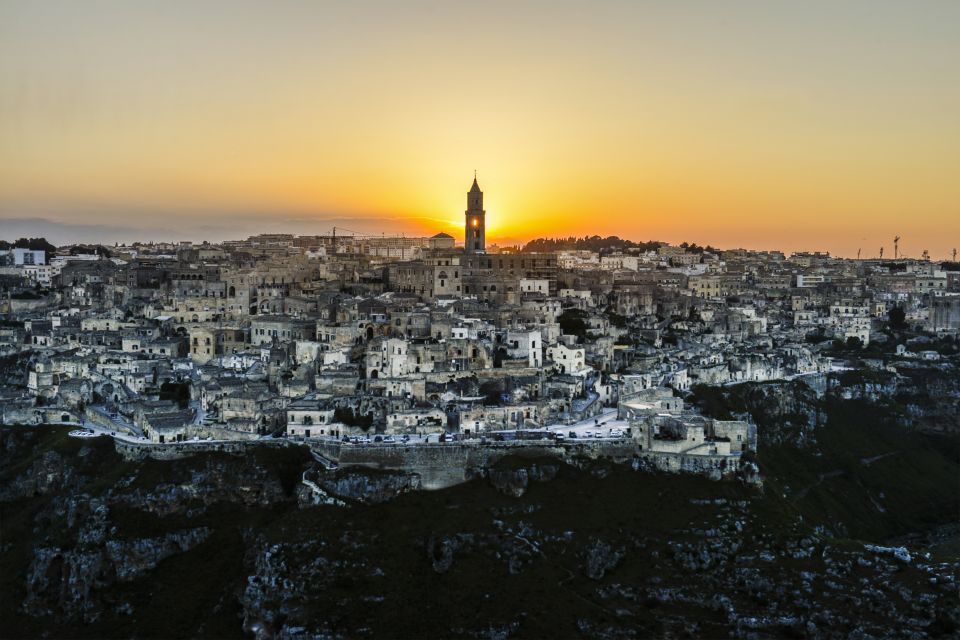
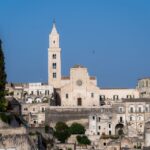
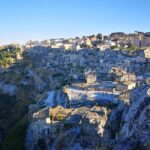
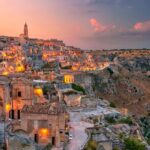
The tour is designed around one of Matera’s most dramatic experiences: the city of stones lighting up at sunset.
Seeing the Sassi from above is part of why Matera feels cinematic, even in everyday travel.
Here’s the honest caveat: sunset isn’t predictable, and timing can vary by departure.
One person noted that by the time they reached the lookout, the sun had already set enough that the Sassi details weren’t as clear as expected.
That’s the risk with any experience where the highlight is tied to the clock.
My advice: if you’re booking for the sunset effect, prioritize departures that give you more daylight for the viewpoint.
Bring water, wear layers, and plan to be patient in the final stretch rather than trying to rush every stop.
If it goes well, you’ll get that special feeling where the rock houses look like they’re lit from within.
Even if you’ve seen photos, the real atmosphere tends to feel different once the light hits the stone surfaces.
Price and value: is $82 fair for this tour?
At $82 per person, this isn’t a budget stroll. But it also isn’t paying for “just a walk.”
You’re getting a licensed hiking guide, admission to the Regional Park of Rupestrian Churches, admission to the two carved church sites (Madonna delle Tre Porte and San Falcione), plus shared round-trip transfer from Matera.
That combination is what makes the price feel reasonable.
Without the guide and admissions included, the costs start to add up quickly—especially when you factor in convenience.
You also get a small bonus: a 10% discount coupon at MòVado Food & Drink.
It’s not life-changing, but it’s a nice way to turn the tour into an easy dinner plan without hunting for something nearby.
What’s not included is food and beverages.
So if you want a full evening, you’ll need to budget for a drink or snack before or after the tour.
Bottom line on value: if you want interpretation, official access, and a tight route that hits the key rupestrian sites with a sunset objective, this price can feel like a smart buy.
What to wear and who should book (and who shouldn’t)
You’ll want comfortable shoes and water.
High-heeled shoes are not allowed, so stick to sturdy footwear with grip for uneven rock surfaces.
This tour is not suitable for people with mobility impairments, wheelchair users, or visually impaired people.
That’s important because the experience is built around walking in a rocky park environment and visiting carved sites where movement and sight lines are naturally limited.
Who tends to love it most?
- People who want Matera’s story told from the outside-in, not only from the historic center.
- Visitors who enjoy guided context, especially when it connects archaeology and how the landscape was used.
- Anyone chasing sunset views and the “city of stones” atmosphere.
Who might feel less satisfied?
If you’re mainly interested in a fast list of views and minimal time on explanations, this route may feel a little structured.
Also, if sunset timing is your main goal, treat it as a conditional highlight: it depends on when you reach the scenic points that day.
How to get the most out of the rocky churches route
The single best way to enjoy this tour is to match your expectations to its style: short, focused, guided walking with specific carved stops.
If you go in wanting every photo possible, you may feel rushed.
If you go in wanting to understand what the stone means, the time tends to feel well spent.
A few practical tips:
- Plan to start with a calm mind. The story starts at Neolithic traces, not medieval scenes.
- Wear layers if you’re going near sunset. Even when the day is warm, evening air can change quickly in an open park.
- Take water seriously. This is a walk plus stops, and you don’t want dehydration to steal your attention during the later scenic moments.
- When you reach the viewpoints, commit to listening first, then photographing. You’ll get more out of the scene when you know what you’re looking at.
Finally, if you’re booking because of guide quality, you’re in the right place.
Some past guides, including Francesco, have been praised for professionalism, humor, and making connections between archaeology, history, and geology.
That kind of guiding can turn a set of sites into a coherent Matera narrative.
Should you book the Matera Murgia Park Rocky Churches Tour?
If you want a guided introduction that mixes Neolithic settlement traces, two major rupestrian sites, and a sunset viewpoint objective, this tour is a strong choice.
At $82, it’s priced like an experience that includes access, guidance, and transport—not just a casual walk.
I’d especially recommend it if you’re visiting Matera for the first time and you want the “why” behind the caves and churches, not only the “what.”
Just be mindful of the sunset timing variable. If sunset clarity is your top priority, choose your departure carefully and show up ready for the late-day light to do its thing.
FAQ
How long is the Matera Murgia Park Rocky Churches Tour?
The duration is 2.5 hours.
What does the tour include?
It includes a licensed hiking guide, admission to the Regional Park of Rupestrian Churches, admission to the rock-carved churches of Madonna delle Tre Porte and San Falcione, shared round-trip transfer from Matera, and a 10% discount coupon at MòVado Food & Drink.
What sites will we see?
You’ll see traces of the first human settlement and an ancient Neolithic village at Murgia Timone, the Rocky Crypt of San Falcione, the Rocky Church of Madonna delle Tre Porte with Byzantine frescoes, and a scenic point called Golgota.
Will there be time for views of Matera?
Yes. The tour includes panoramic viewing stops and a scenic point where you can see Matera’s Sassi, with the city lighting up at sunset.
What languages are available for the live guide?
The live tour guide is available in English, Spanish, and Italian.
Is food and drink included?
No. Food and beverages are not included.
What should I bring?
Bring comfortable shoes and water.
Is the tour suitable for wheelchair users or people with mobility impairments?
No. It is not suitable for people with mobility impairments or wheelchair users. It also isn’t listed as suitable for visually impaired people.
Can I cancel for a full refund?
Yes. Free cancellation is available up to 24 hours in advance for a full refund.