REVIEW · SORRENTO
Sorrento: Pasta and Tiramisu Class at a Local’s Home
Book on GetYourGuide →Operated by Cesarine · Bookable on GetYourGuide
A home table beats any restaurant meal. In Sorrento, this private pasta and tiramisu class lets you cook in a real local kitchen, then eat what you make with local wines. I like that it’s led by a Cesarina-style home cook who teaches technique, not just recipes.
Two things I especially love are the hands-on format (you’ll make 2 pasta recipes plus tiramisu from scratch) and the sit-down meal afterward, including an aperitivo with prosecco. One possible drawback: this takes place in a private home, so your meeting address comes after booking, and you’ll want to plan for finding it.
In This Review
- Key points worth your attention
- Why this Cesarina-style class feels more local than a restaurant dinner
- What you’ll cook: two pastas plus tiramisu, all from scratch
- The lesson format: technique you can repeat later
- The meal part: aperitivo to coffee, with wine included
- The setting: a private home in Sorrento with real family energy
- When it happens: 10:00 AM or 5:00 PM, and how to time it
- Dietary needs and kids: what the format suggests
- Price and value: what you’re really paying for
- How to get the most out of your class (without overthinking it)
- Should you book this Sorrento pasta and tiramisu class?
- FAQ
- What is the duration of the Sorrento pasta and tiramisu class?
- Where does the class take place?
- What will I cook during the lesson?
- Are drinks and food included?
- What languages are used during the class?
- When does the experience usually start?
- Can dietary requirements be accommodated?
- How does free cancellation work?
- Can I reserve without paying right away?
- How do I find the meeting point?
Key points worth your attention
- Private home setting in Sorrento: you’re cooking inside a family kitchen, not in a studio.
- Hands-on teaching for 3 classics: 2 pastas plus tiramisù from scratch.
- Food-first pacing: you don’t just watch; you eat what you prepare at the table.
- Beverages included: water, wines, coffee, plus prosecco and nibbles at aperitivo time.
- Works for families: the class is designed to be suitable for children of all ages.
Why this Cesarina-style class feels more local than a restaurant dinner
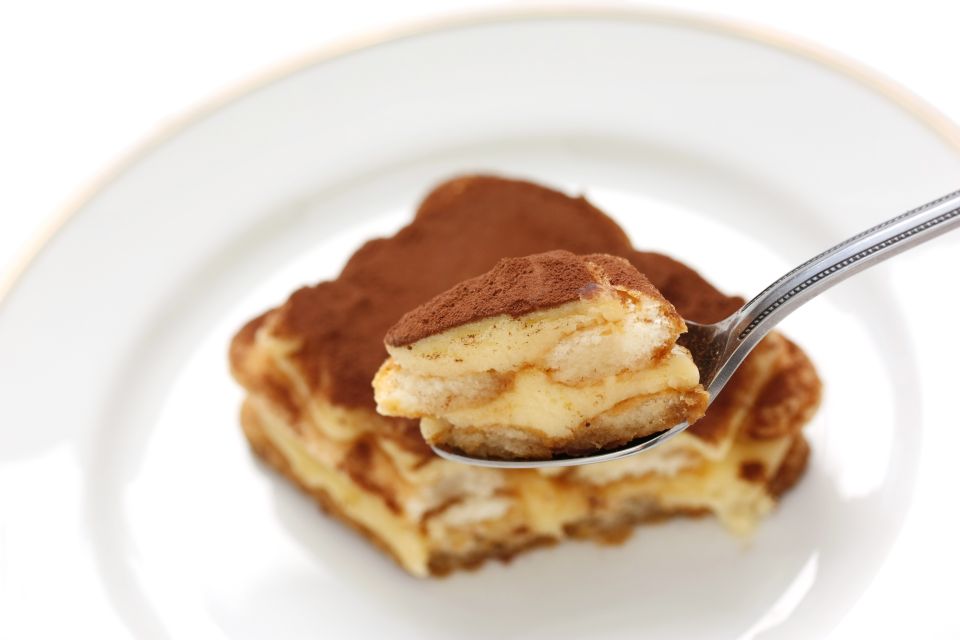
Sorrento is famous for beautiful views and great seafood, but the fastest way to learn how Campania really eats is to get inside someone’s home kitchen. This experience is built around that idea: you’re not ordering off a menu, you’re making the food. That one change flips the whole feeling of the meal from passive to personal.
I like that the instructor is an expert home cook (a Cesarina), which usually means the teaching style focuses on what matters in Italian cooking: dough texture, timing, and how sauces behave. And because you’re in someone’s space, small details tend to make sense—where ingredients come from, how the kitchen is set up, and why certain steps are non-negotiable.
There’s also a social side that’s not forced. You share the table with other friendly people, compare notes, and leave with something practical: the ability to cook these dishes again later, not just memories of a good meal.
You can also read our reviews of more tours and experiences in Sorrento.
- Sorrento Farm and Food Experience including Olive Oil, Limoncello, Wine tasting
★ 5.0 · 2,524 reviews



What you’ll cook: two pastas plus tiramisu, all from scratch
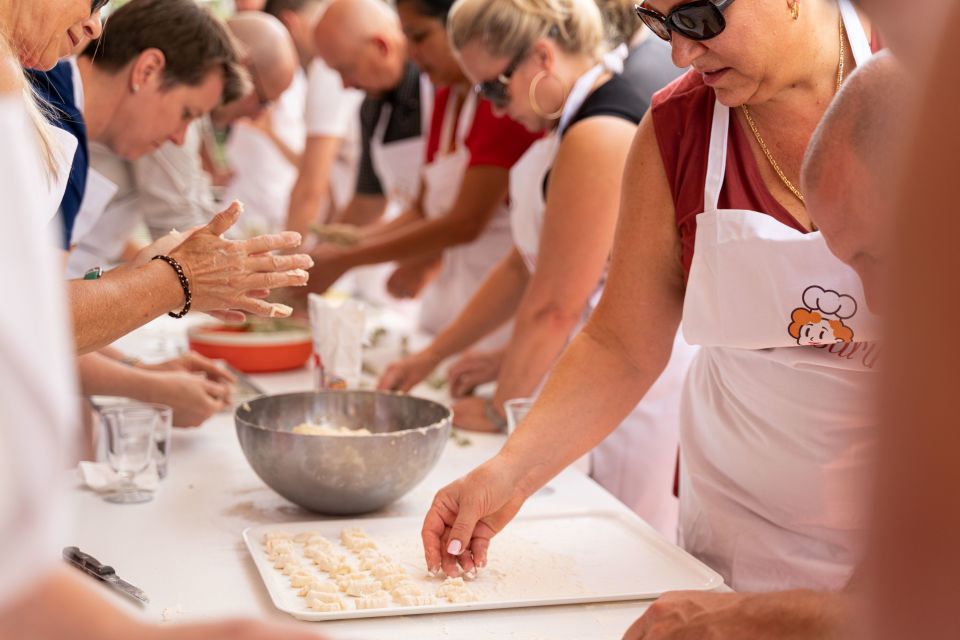
The core of the class is straightforward: you’ll prepare 2 iconic pasta recipes and a classic tiramisu. The instruction covers both the method and the tricks—how to get the dough right, how to shape cleanly, and how to build flavors so everything tastes balanced on the plate.
From the names that have come up in past classes, you may see pastas like gnocchi or ravioli in the mix, sometimes prepared in more than one style. Don’t count on the exact dishes until you confirm with the organizer, but you can expect hands-on work that’s very “Italian home cooking,” not just assembly.
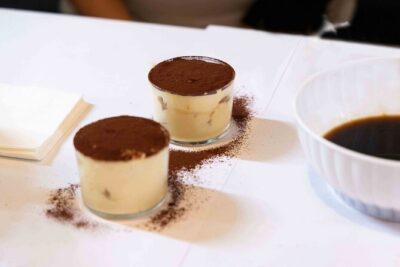
Then comes tiramisu, the dessert most people think they can do at home—until they realize it’s technique-heavy. You’ll make it from scratch, including the layering. That matters because tiramisu isn’t just sweet cream and coffee; it’s texture, soak level, and the balance between the bitterness of espresso and the richness of the mascarpone-style filling.
What this means for you: by the end of the 3 hours, you’ll have cooked a savory meal and a dessert that’s often saved for special occasions. In other words, you get the whole Sorrento-to-Italy feeling, not just one “touristy” dish.
The lesson format: technique you can repeat later
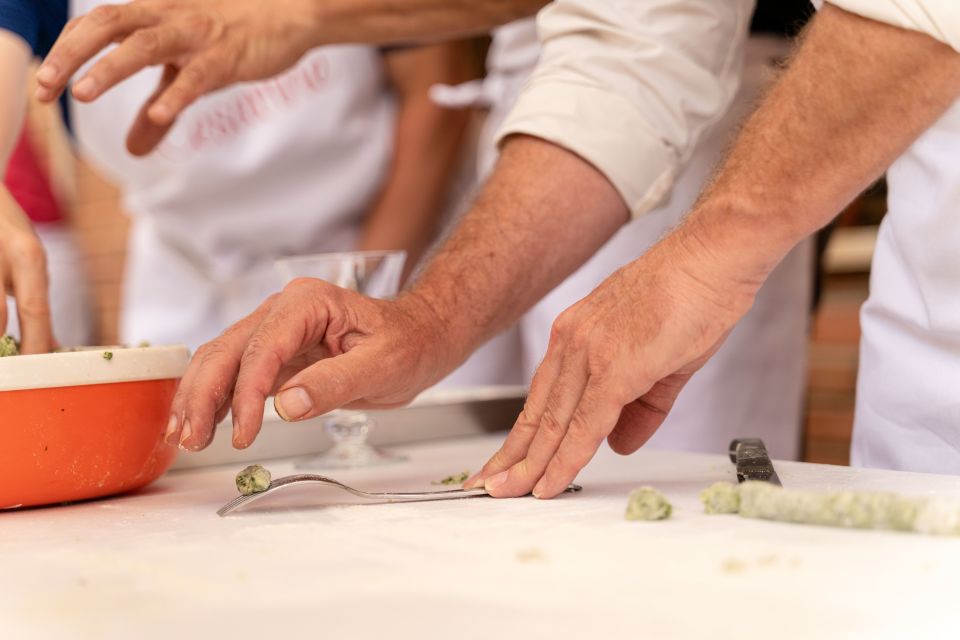
The best cooking classes do two things: they keep you moving, and they teach you how to notice what’s happening as you cook. This one follows that approach. You’ll work step-by-step, with an instructor who explains what you’re doing and what to look for.
In a pasta class, the “what to look for” part is huge. For example, you learn how dough should feel and how shaping affects the final bite. For sauces (even if the class focuses on the pasta itself), you also get a better sense of timing—when to keep things simmering, when to stop, and how to match texture to flavor.
The experience is offered with instruction in English and Italian, which helps a lot if you want to follow along closely without guessing. If you’re cooking with family or traveling with kids, this bilingual setup usually makes the steps easier to understand and repeat.
And because you’re cooking in a home kitchen, the pace tends to be friendly rather than rushed. You’re not waiting for someone else to finish while you stand there. You’ll actually do the work.
The meal part: aperitivo to coffee, with wine included
Here’s where the experience earns its value: you don’t leave food behind. After cooking, you sit down and eat everything you prepared. That might sound obvious, but it’s not universal. Some classes finish with a lesson-only vibe; this one is built like an actual meal.
Before you cook, you get an Italian aperitivo with prosecco and nibbles. Think of it as the “set the stage” moment—time to relax, meet your instructor and the people you’ll be eating with, and get into the rhythm of Southern Italian hospitality.
During the meal, beverages are included: water, wines, and coffee. That matters because it makes the food taste like it’s meant to taste, not like you’re just eating quickly to get back to your day. Wine also changes how you perceive flavor, especially with pasta. You’ll likely notice how salt, acidity, and richness click together when you’re not eating in a cafeteria mood.
Practical tip: since the class runs about 3 hours, treat it as a full plan, not a side stop. If you’re tempted to squeeze in other activities right before or after, you’ll enjoy the experience more if you give it breathing room.
The setting: a private home in Sorrento with real family energy
Cooking at a private home sounds simple, but it’s what turns the class from “event” into “experience.” In past sessions, the kitchens have been described as beautiful and functional at the same time, often with outdoor space nearby—some people have noted orchard areas and fruit like lemons, figs, or grapes grown on the property.
Even more common: the location sits up in the hills. Multiple hosts have been associated with breathtaking views, including views toward Mount Vesuvius. If you like that Sorrento look—bright skies, terraces, and the feeling of being above the action—this class often delivers that without needing a separate viewpoint ticket.
Then there’s the family feel. Many classes include extra warmth: help with translating when needed, small thoughtful touches, and a table that feels set for people, not customers. It’s the kind of atmosphere where you stop worrying about making mistakes and start focusing on learning.
One note for your expectations: because it’s a private home, details vary by host. The experience structure stays the same, but your setting—view, kitchen layout, outdoor area—can differ.




When it happens: 10:00 AM or 5:00 PM, and how to time it
The class typically starts at 10:00 AM or 5:00 PM. If you want something outside the standard windows, the schedule is described as flexible with an advance request. That’s helpful if you’re planning your day around tours, ferry times, or a beach break.
For your planning, treat it like a half-day chunk. The 3 hours include instruction, cooking, aperitivo, and the meal itself. If you’re the type who likes to keep your afternoons free, the 10:00 AM start can work well. If you want a dinner-like experience and don’t want to hunt for a restaurant afterward, the 5:00 PM slot is a strong choice.
Also, remember the meeting point is within a local home setting, and you receive the full address after booking for privacy. Give yourself a little buffer so you arrive relaxed, not racing.
Dietary needs and kids: what the format suggests
This experience can cater to different dietary requirements, but it’s something you need to confirm directly with the service organizer after booking. That’s normal for home-based cooking classes, and it’s exactly the right approach—you don’t want generic substitutions.
If you have dietary restrictions, message early with specifics. Tell them what you need to avoid and whether you can eat alternatives like gluten-free pasta or dairy-free substitutes. Because the class is hands-on and ingredient-based, the earlier you communicate, the easier it is for the host to adapt the plan.
For kids: the experience is suitable for families with children of all ages. You should still think about your child’s patience level around dough, layering, and waiting for steps to finish. The upside is that cooking tends to hold attention better than sitting through a lecture. Also, the meal is the payoff: kids usually enjoy seeing and tasting what they helped make.
Price and value: what you’re really paying for
At $134.81 per person for a 3-hour private class, the price looks high compared to a cooking demo. But the value is in the details you don’t get elsewhere: you get hands-on instruction, multiple dishes (two pastas plus tiramisu), and a full meal with beverages.
Think of what’s included:
- Cooking: 2 pasta recipes + tiramisu
- Beverages: water, wines, coffee
- Aperitivo: prosecco and nibbles
If you’ve paid for a nice Sorrento dinner plus wine before, you’ll recognize the beverage part adds up fast. Add in the fact that you’re eating what you cooked, and you’re not just consuming a meal—you’re learning a skill you can recreate at home.
Still, you should ask one key question before you book: which two pasta types will you make? The class promises two iconic pastas, but your exact menu can vary. Knowing that in advance helps you decide if it matches your tastes (and if you want to prepare for any specific ingredients).
How to get the most out of your class (without overthinking it)
This is one of those experiences where preparation helps, but you don’t need to become a pasta expert first. You’ll do the learning live.
Here are practical ways to show up ready:
- Wear comfortable clothes and shoes. You’ll be standing and moving in a kitchen space.
- Plan to eat the full meal. Don’t schedule a heavy lunch beforehand unless you’re sure you can handle it.
- If you have dietary needs, confirm them quickly after booking.
- If you want to cook again later, ask whether your host can share the recipes or notes. Some classes include recipe sharing, but you should verify what’s offered for your specific session.
One last mindset tip: go in curious, not perfect. Pasta dough can be forgiving, but it responds to your hands. The goal isn’t producing an Instagram-level shape. It’s understanding the feel and the technique so you can repeat the results back home.
Should you book this Sorrento pasta and tiramisu class?
Book it if you want an Italian meal with real participation—making pasta dough, shaping and cooking, then finishing with a from-scratch tiramisu. You’ll get a practical skill set, a full sit-down meal with wine and aperitivo, and the kind of local warmth that feels like you were invited in.
Skip (or at least think twice) if you prefer restaurant-style dining where everything is effortless and scheduled by course timing only. This class involves hands-on work, and it’s in a private home setting—so it’s best for people who like learning and don’t mind being part of the process.
If you want one “why this is worth it” summary: this is not just pasta. It’s pasta plus hospitality plus a dessert you’ll remember long after you leave Sorrento.
FAQ
What is the duration of the Sorrento pasta and tiramisu class?
The class lasts about 3 hours.
Where does the class take place?
It’s held in a local family’s home in Sorrento. For privacy, you receive the full address after booking.
What will I cook during the lesson?
You’ll learn to prepare 2 pasta recipes and tiramisu from scratch.
Are drinks and food included?
Yes. You’ll have an Italian aperitivo (prosecco and nibbles), plus water, wines, and coffee with the class meal.
What languages are used during the class?
The instructor teaches in English and Italian.
When does the experience usually start?
The dining typically begins at 10:00 AM or 5:00 PM, with flexible tour times possible with an advance request.
Can dietary requirements be accommodated?
Different dietary requirements may be accommodated, but you must confirm details directly with the service organizer after booking.
How does free cancellation work?
Free cancellation is available up to 24 hours in advance for a full refund.
Can I reserve without paying right away?
Yes. You can reserve now and pay later.
How do I find the meeting point?
Because it’s in a private home, you’ll receive exact instructions for the meeting point after you book.
You Might Also Enjoy


More Tour Reviews in Sorrento
- Sorrento Farm and Food Experience including Olive Oil, Limoncello, Wine tasting
★ 5.0 · 2,524 reviews