REVIEW · VERONA
Opera Concert in Verona Palace with Prosecco
Book on GetYourGuide →Operated by Slow Travel · Bookable on GetYourGuide
Verona has a soft spot for the grand and the small, and this opera evening lives in both. I love the intimate, Art Deco Palace Mutilati setting, and I really like the prosecco welcome that smooths the first few minutes of an opera night. One thing to consider: the show is short (about an hour), and seating is assigned on arrival, so earlier arrival helps if you care about where you sit.
The good news is that you still get real opera moments. In about 1.5 hours total, you’ll hear famous arias and duets performed by a tenor, a mezzo-soprano, and a pianist, then you can meet and photograph the performers afterward in the atrium. If you want a full-length opera, this isn’t that—but for a first taste, it’s a smart way to do Verona.
In This Review
- Key things I think are worth your attention
- Verona’s Palace Mutilati: Art Deco opera in the right kind of close
- Prosecco welcome and the pacing: a short program that still feels complete
- What you’ll hear: famous arias and duets, no opera degree required
- Meet the performers in the atrium: the part that makes it feel personal
- Price and value: why $77 can make sense here
- Getting there smoothly from Arena di Verona
- Who should book this opera concert (and who might want something else)
- Should you book?
- FAQ
- How long is the opera concert?
- Where is the venue in Verona?
- Is prosecco included?
- Are seats reserved in advance?
- Will I be able to meet the performers?
- What opera pieces are included?
- Is the event wheelchair accessible?
- What languages are the hosts/greeters speaking?
- What is the donation membership card at check-in?
Key things I think are worth your attention
- Palazzo dei Mutilati (1934) in Art Deco style gives opera a whole new backdrop
- Prosecco on arrival turns a ticket into an evening
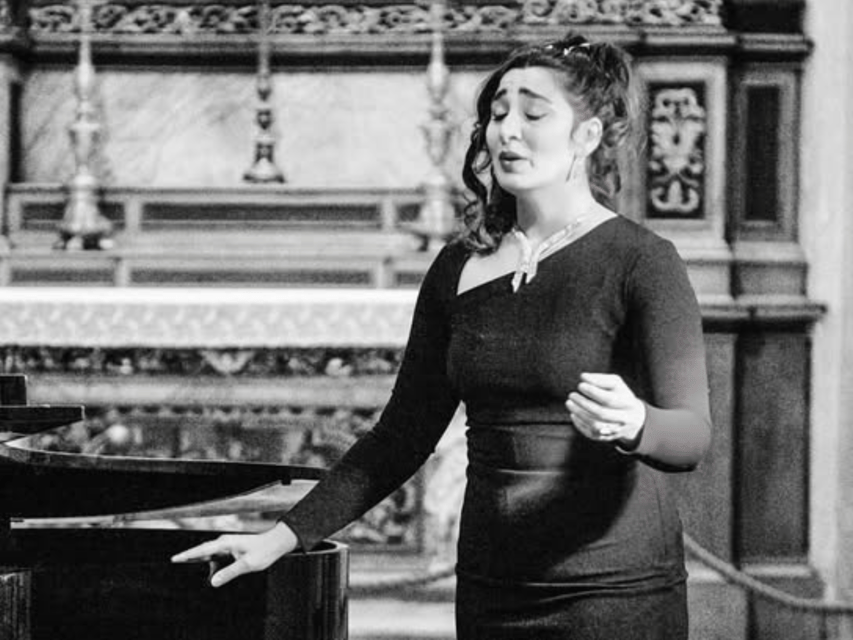
- 60-minute opera highlights with big-name excerpts, plus emotion you can feel even without Italian
- Meet-and-photo moment in the atrium adds real connection, not just applause
- Seats are assigned on arrival, so timing matters if you’re picky
- Cool-down touches like Spanish fans help when Verona runs hot
Verona’s Palace Mutilati: Art Deco opera in the right kind of close
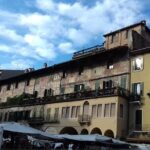
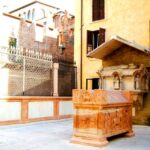
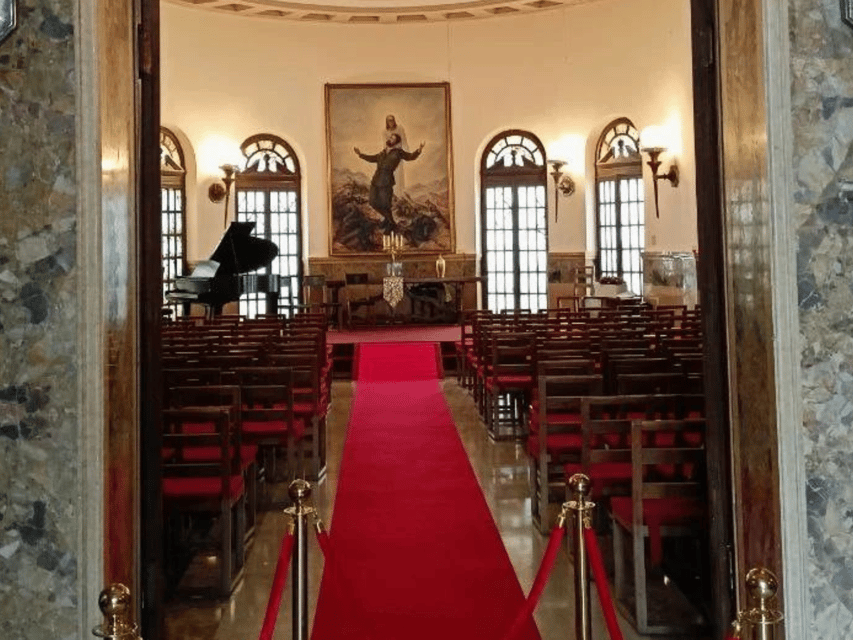
The venue is the star here. This concert takes place in Verona’s Palazzo dei Mutilati, a building inaugurated in 1934 and designed by architect Francesco Banterle. Instead of the usual marble-and-museum vibes, you get Art Deco character—guarded from outside by sculptural figures in Quinzano stone, and inside by original wooden furnishings in the Sala Antonio Girelli.
What that means for you: the room is intimate enough that you actually feel like you’re watching a performance, not scanning a stage from far away. People who are new to opera tend to enjoy that closeness because it removes some of the intimidation. You’re not trying to “get opera” from a distance; you’re right there for the craft—voice control, phrasing, and the way singers act through the music.
Also, the palace layout makes the whole night feel like a mini event, not a quick in-and-out. You start in the welcome area, move into the room for the show, then finish in the atrium for the meet-and-photo part. Even the practical details feel considered: reviews mention comfortable seating and the presence of Spanish fans during warmer evenings, which is exactly the kind of small comfort that makes you stay present.
If you’re the type who loves architecture as much as the arts, this is a bonus. You’re not just attending opera—you’re learning how Verona can hold cultural life in a less tourist-busy space.
You can also read our reviews of more tours and experiences in Verona.
Prosecco welcome and the pacing: a short program that still feels complete
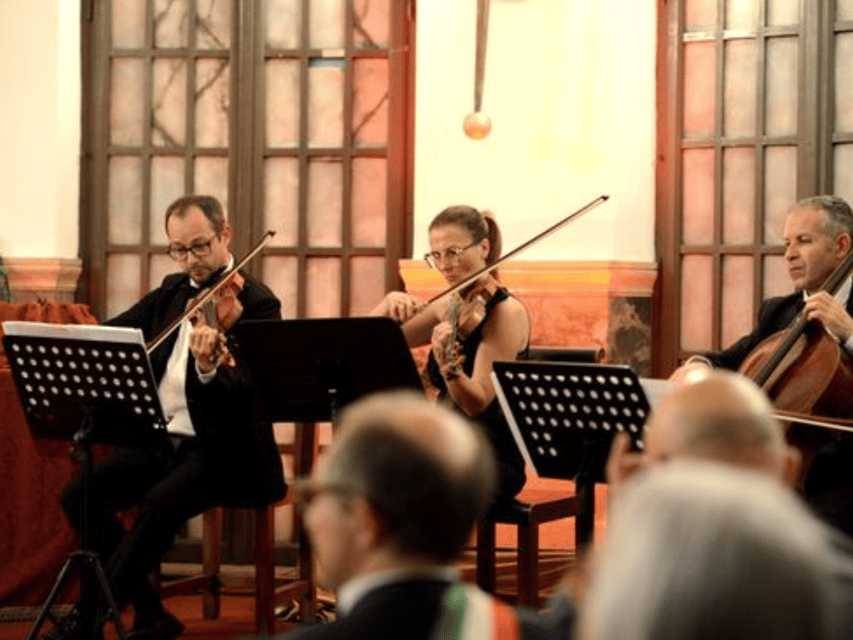
The timing is clean and friendly. Plan for about 1.5 hours total, with a 60-minute live opera performance in the middle. When you arrive, you get a welcome glass of prosecco before being seated. It’s a simple touch, but it changes the mood fast. Opera can feel formal; the prosecco makes it feel like you’re joining an evening event rather than attending a lecture.
Another practical point: seating is assigned on arrival. That doesn’t mean chaos, but it does mean you should treat this like a popular dinner—arrive close to your check-in time so you’re not stuck far back if the room is full. If you’re traveling with a party, you’ll want to coordinate arrival so you don’t end up separated.
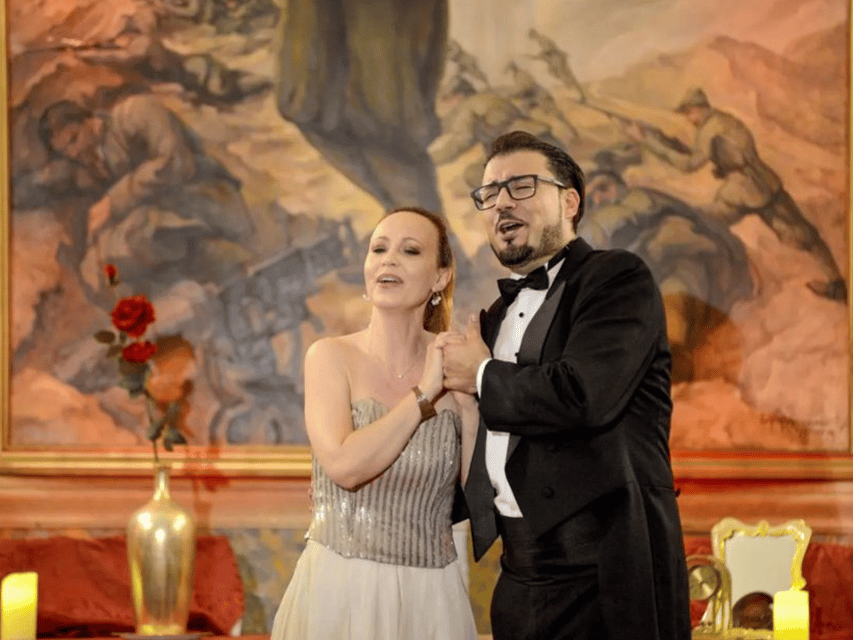
During the show, you’ll hear a tenor and a mezzo-soprano with piano accompaniment. The program is designed as opera highlights, so it won’t try to recreate an entire opera evening with an intermission, costumes, and full staging. Instead, it focuses on recognizable musical moments and emotional peaks. One of the best parts of that approach is that you can follow the gist even if you don’t speak Italian. You won’t catch every word, but you’ll catch the story through tone, dynamics, and acting.
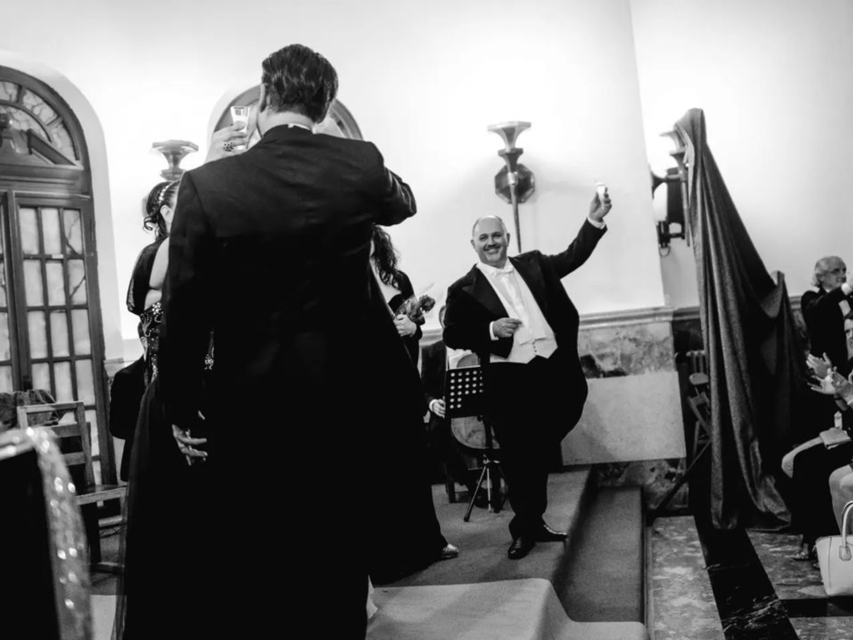
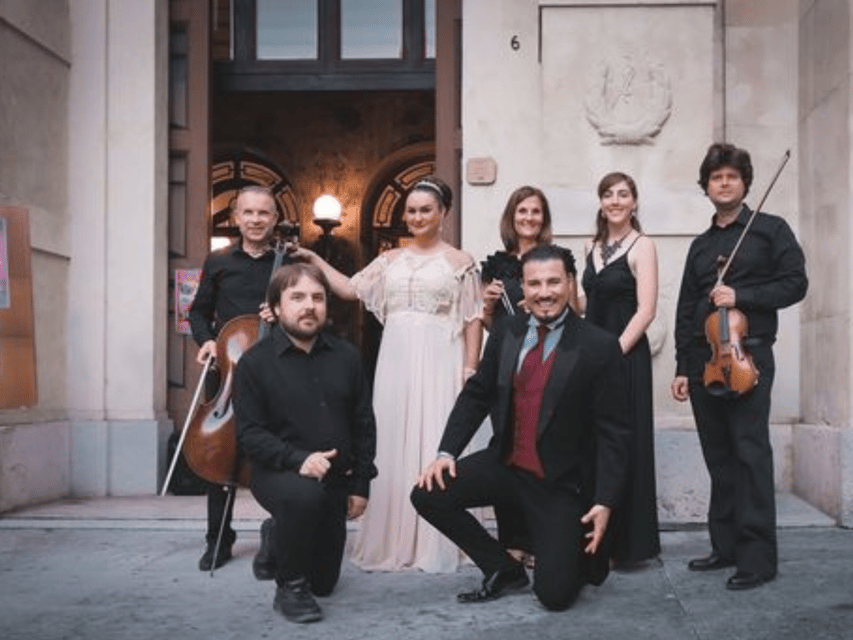
And then—this matters—after the performance, you don’t just walk away. You’re invited to the atrium to meet the singers and pianist and to take photos with them. That extra time turns the evening from entertainment into a memory you can actually hold onto.
What you’ll hear: famous arias and duets, no opera degree required
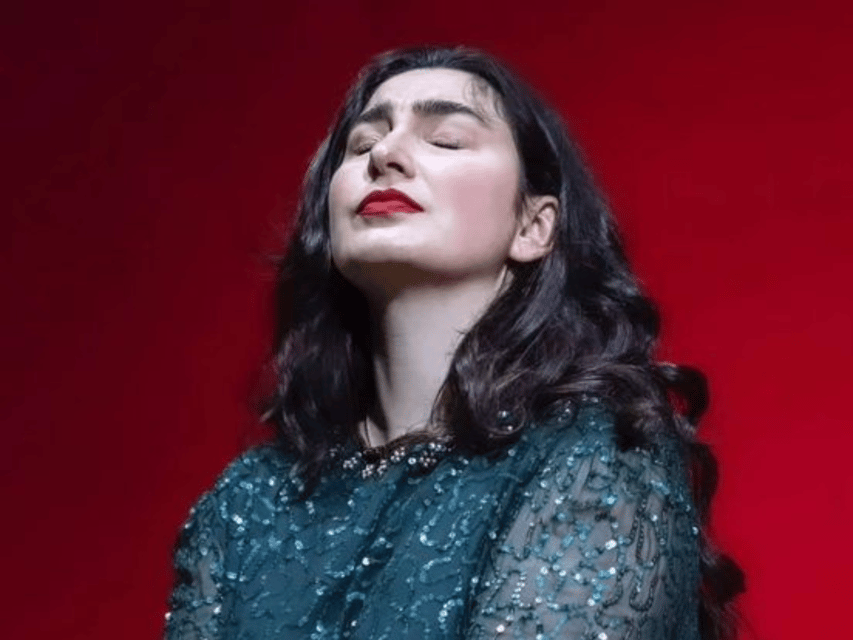
This concert plays like a greatest-hits sampler, but with enough variety to keep it interesting. The program includes famous pieces such as Verdi’s La donna è mobile, Donizetti’s Una furtiva lagrima, Bizet’s Habanera, and Mascagni’s Intermezzo from Cavalleria Rusticana. You’ll also hear the kind of high-impact emotional singing that people associate with classic opera: swelling melodies, sharp contrasts, and performances where the singers communicate with their entire bodies.
Because it’s a highlight format, the show moves quickly through different moods. You get moments that are dramatic and tender, plus big, memorable musical lines that stick in your brain right away. If you’re a first-time opera attendee, this is a smart way to start. You’re not stuck for two or three hours learning the rhythm of opera pacing.
If you like a singer’s specific sound, pay attention to the cast. Reviews mention Enrico Pertile (tenor) and Serena Romanelli (mezzo-soprano), and they were praised for strong, resonant vocals and emotionally convincing interpretations. You might also hear a mix of styles from well-known works, including the kind of dramatic aria that can really light up a room.
What I like about this kind of programming for you: it’s not just “fancy singing.” It’s a guided tour through opera’s most expressive toolbox. You’ll leave knowing which parts you love—whether that’s the lyrical sadness, the swagger, or the intensity—so you’re better equipped to pick what to see next.
Meet the performers in the atrium: the part that makes it feel personal
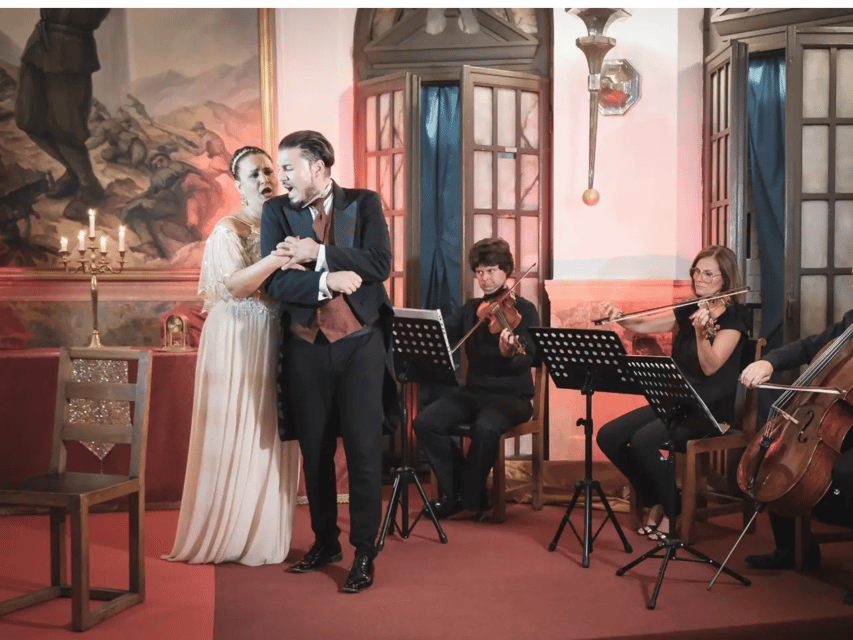
A lot of arts events stop at applause. This one doesn’t. After the performance, you’re invited to meet and photograph the performers in the atrium. That’s the kind of moment that surprises people who assume opera nights are untouchable or overly formal.
For you, the value is practical and emotional:
- You can ask simple questions, say a quick thank-you, and connect names to voices.
- The photo adds a real keepsake, especially if it’s your first time at something like this.
- It also helps first-timers feel more confident. Opera becomes less of a mysterious world and more of a real craft made by real people.
The venue supports this well. The atrium space makes the interaction feel natural rather than rushed. And since the performers are directly connected to the room you just sat in, the whole night closes like a complete arc: arrive, listen, meet, go.
If you’re visiting Verona and you want one cultural experience that feels warm and human—not just impressive—this is the exact kind of add-on that earns its keep.
Price and value: why $77 can make sense here
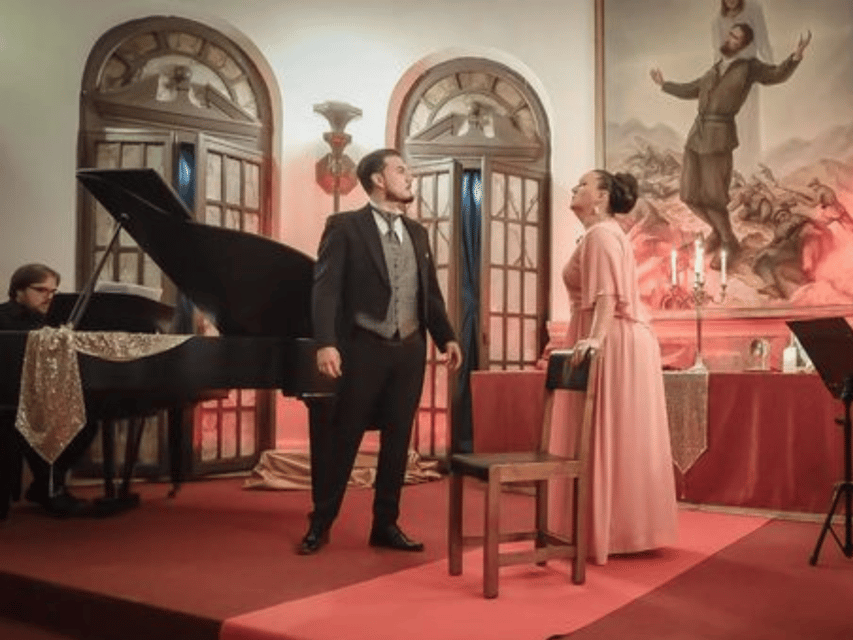
At about $77 per person for the full experience, you’re paying for three things at once: a live opera performance, a beautiful historic venue, and the prosecco welcome plus the meet-and-photo element.
Is it expensive? In the sense that it’s not a free stroll, yes. But it’s also not trying to sell you the kind of mega-production you’d expect from a full-scale opera house. Here, the cost mostly goes toward the artists and creating an actual performance experience in a specific historic room.
There’s also an unusual and important angle: your reservation counts as a donation to the Ubaldo Composta Cultural Music Association, which organizes these events and receives no financial support from the Italian government. At check-in, you’ll complete a membership card with your first and last name, country of residence, and ID number.
That donation detail can matter for your decision. If you like the idea of supporting grassroots cultural programming instead of paying only for a venue brand, this structure gives your ticket extra meaning. You’re not just buying a show—you’re helping make it possible.
One more value point: multiple reviews describe the performers and program as professional and emotionally powerful, with some people noting it exceeded expectations for “first opera” audiences. When a short concert leaves you wanting more, that’s usually a good sign of value.
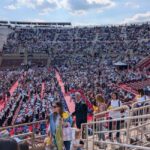
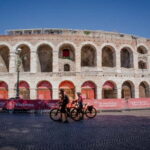

Getting there smoothly from Arena di Verona
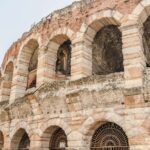
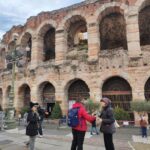
This is a city-center walk, and it’s easier than it sounds. The palace is about 5 minutes on foot from the Arena. You’ll take the stairs and enter through the big door of the building. If you’re a wheelchair user, there’s a side entrance.
What’s worth planning for:
- Arrive a bit early so you can handle stairs and find the correct entry without stress.
- If you care about your seat, remember that seating is assigned on arrival.
- Verona evenings can be warm; the room reportedly includes Spanish fans, so you’re not totally stuck if the temperature rises.
One small behavior tip: keep your phone quiet during the performance. More than one review flags that audience mobile use can distract others. You’ll enjoy the show more, and you’ll be a nicer neighbor in a small venue.
Also, you’ll be greeted in several languages—English, Italian, German, French, and Spanish—so you won’t feel stranded when it’s time to check in and get oriented.
Who should book this opera concert (and who might want something else)
This experience is a great match if:
- You want an opera introduction without committing to a full-length production.
- You enjoy classic music but find long evening events hard.
- You like Verona culture that goes beyond the busiest sights.
- You want a romantic, elegant setting that still feels approachable.
It’s less ideal if:
- You’re chasing a full staged opera with lengthy scenes and intermissions.
- You’re very picky about exact seating and don’t like the idea of assigned-on-arrival arrangements.
- You’re expecting a long program; it’s intentionally about an hour of performance.
The good compromise is that it gives you the emotional highlights and a chance to hear big moments right away. Then, if you fall in love with opera, you’ll know what to look for next in Verona or elsewhere.
Should you book?
If you want a high-quality opera night in a place that feels genuinely special, I think this is an easy yes. The combination of famous opera highlights, a close-in historic Art Deco venue, a prosecco welcome, and the meet-and-photo moment makes it more than a standard “sit and watch” event.
Book it if you want to:
- Try opera without pressure
- Spend an elegant evening near the Arena
- Support a cultural association through a donation-backed format
Skip it only if you specifically want a full-length opera production. For a short, classy Verona evening with real voices and a memorable setting, this one does the job.
FAQ
How long is the opera concert?
The performance is about 60 minutes, and the overall experience lasts roughly 1.5 hours.
Where is the venue in Verona?
It’s in Verona city center, about a 5-minute walk from the Arena. You’ll use the palace stairs and enter through the big door.
Is prosecco included?
Yes. You’ll receive a welcome glass of prosecco upon arrival.
Are seats reserved in advance?
No. Seats are assigned on arrival.
Will I be able to meet the performers?
Yes. After the concert, you can meet and photograph the performers in the atrium.
What opera pieces are included?
The program features opera highlights including La donna è mobile (Verdi), Una furtiva lagrima (Donizetti), Habanera (Bizet), and Intermezzo from Cavalleria Rusticana (Mascagni).
Is the event wheelchair accessible?
Yes. The venue is wheelchair accessible, and wheelchair users enter from the side of the building.
What languages are the hosts/greeters speaking?
English, Italian, German, French, and Spanish.
What is the donation membership card at check-in?
Reservations are a donation to the Ubaldo Composta Cultural Music Association. At check-in, you’ll complete a membership card with your first and last name, country of residence, and ID number.