REVIEW · ROME
Fettuccine Ravioli and Tiramisu Cooking Class in Rome
Book on Viator →Operated by Master Pasta Makers · Bookable on Viator
Fresh pasta lessons in the heart of Rome. This chef-led class has you rolling, cutting, and stuffing dough from scratch, then finishing with classic tiramisu you’ll eat right away, near Piazza Navona.
I love the hands-on format—your hands do the work, not just your eyes. And I like that you leave with recipes you can actually use, so the Rome part can follow you home.
One thing to keep in mind: the class is very prep-focused. You’ll do a lot of making, but you might not be the one running the final pasta-cooking step.
In This Review
- Key takeaways before you book
- Fresh pasta and tiramisu steps from Piazza Navona
- What you’ll cook: fettuccine, ravioli, and the tiramisu formula
- Fettuccine (and three sauce directions)
- Ravioli with butter and sage
- Tiramisu from scratch
- The 3-hour flow: hands-on work, then a shared meal
- Your chef: instruction you can actually follow
- Sauce choices and why they’re a smart add-on
- Value check: is $84.69 worth it in Rome?
- Who should book this (and who might skip)
- Where it fits in your Rome day
- Little practical tips to make your class smoother
- FAQ
- How long is the cooking class?
- Where does the class meet in Rome?
- What dishes will I make?
- Is the class hands-on or mostly a demonstration?
- What language is the class taught in?
- Will I eat and drink during the experience?
- Can I cancel for a full refund?
- Should you book this fettuccine, ravioli, and tiramisu class?
Key takeaways before you book
- Two fresh pasta styles plus tiramisu: fettuccine, ravioli, and mascarpone tiramisu
- Near Piazza Navona: central enough to slot in without losing your whole day
- Small group size: up to 20 people, which helps with real instruction
- Chef personalities matter: instruction styles you’ll see named include Maria, Leo, Lori, Dani, Mattia, Carlotta, Tommy, Mimi, and Leonardo
- Meal at the end: you eat what you make, paired with wine and a final limoncello or coffee
Fresh pasta and tiramisu steps from Piazza Navona
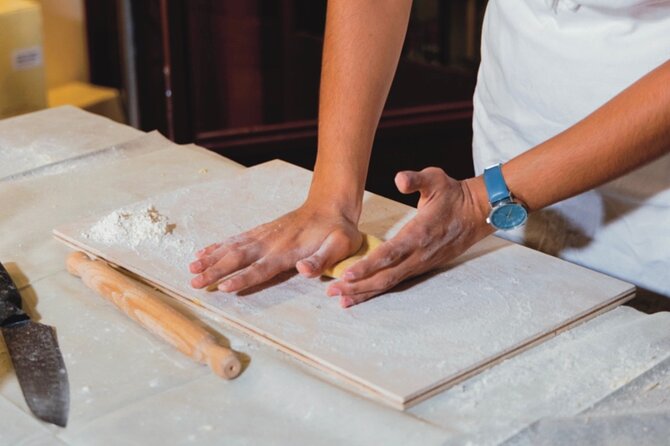
If you want Rome with less museum time and more flour time, this is a great match. The meeting point is Via Giuseppe Zanardelli, 14 (Roma), and the vibe is simple: you’re close to major sights, but you get a break from crowds by doing something practical with your hands.
The big draw is that you’re not just learning names of dishes. You’re learning the workflow Italians use for fresh pasta: dough to shape, shape to filling, filling to plate. Then you add dessert—tiramisu—with mascarpone and espresso-soaked biscuits, the way it’s meant to be. You’ll end by eating your creations in a relaxed setting.
You can also read our reviews of more tours and experiences in Rome.


What you’ll cook: fettuccine, ravioli, and the tiramisu formula
This class is built around three finished results, not one. You’ll make:
Fettuccine (and three sauce directions)
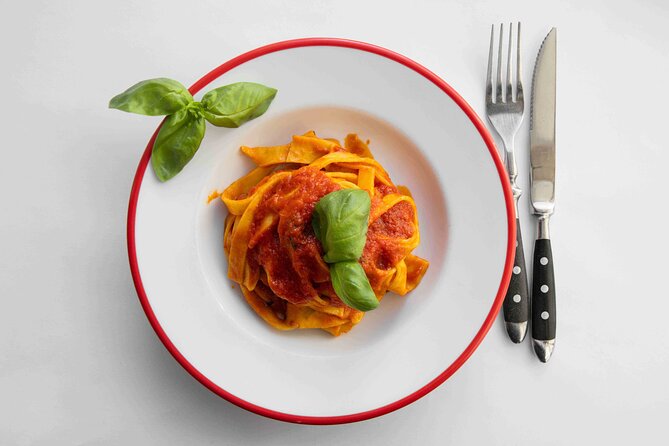
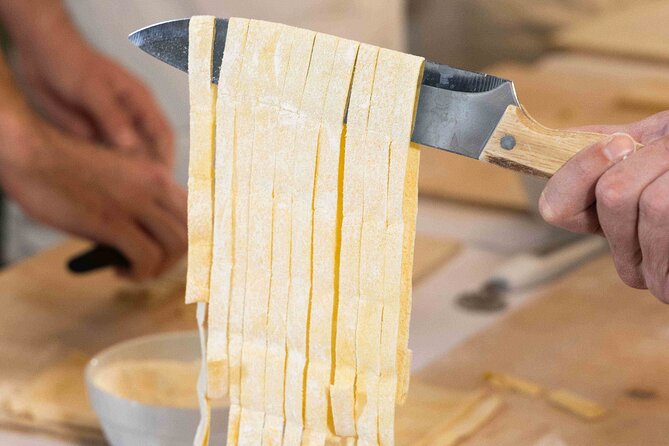
You’ll learn to roll dough, cut it, and end up with fresh fettuccine. Then you’ll pair it with a choice of sauces, including:
- Tomato and basil
- Cacio e pepe
- Amatriciana
The sauce part is useful even if you don’t plan to cook everything at home. It shows you how Italians think about pasta: treat the pasta as the base, then build flavor with a sauce that matches the day.
Ravioli with butter and sage
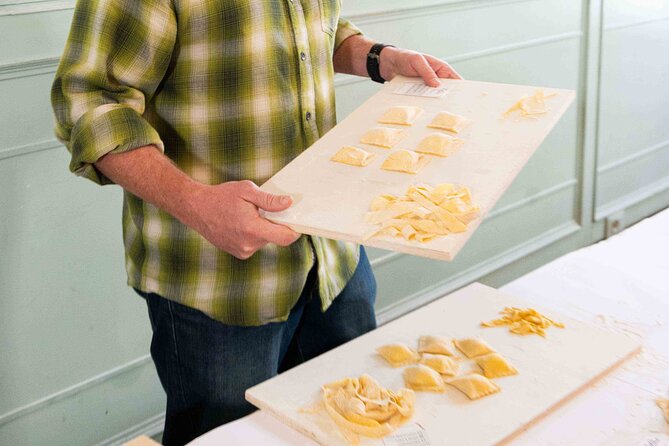
Ravioli usually sound fancy. In class, you’ll learn the practical steps that make it feel doable: dough work, then stuffing and shaping.
Your ravioli are served with butter and sage, a classic pairing that keeps things familiar and lets the pasta flavor do its job. If you’re the type who wants one dish that feels impressive but still realistic to repeat, this is it.
Tiramisu from scratch
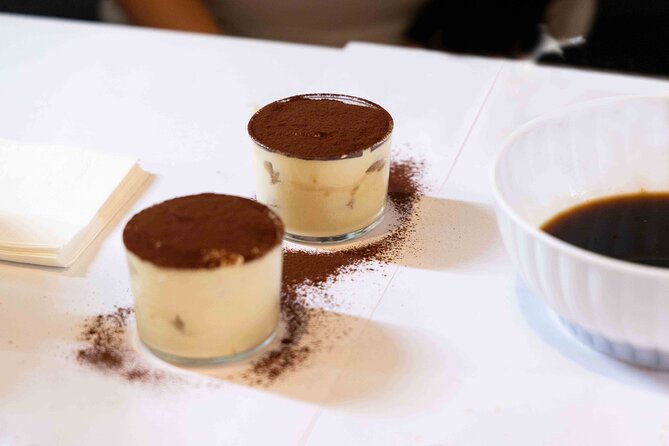
Dessert is not an afterthought here. You’ll prepare a classic tiramisu using mascarpone and espresso-soaked biscuits. Expect the hands-on feel: mixing, assembling, and getting the texture right, not just sprinkling on top.
This is also where the class feels most “Rome.” Tiramisu is everywhere, but making it from the components helps you understand why it tastes the way it does.



The 3-hour flow: hands-on work, then a shared meal
The timing is about 3 hours (approx.), and it usually follows a pattern that keeps you from burning out.
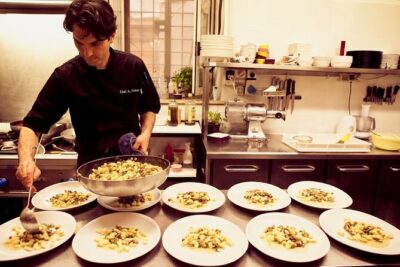
First comes the making phase. You’ll work with the pasta dough and prep the dough for fettuccine and ravioli, plus start the tiramisu preparation. One review also mentions that the first half focuses on getting tiramisu, fettuccine, and ravioli underway.
Then you shift to eating mode. At that point, you sit down with a drink while your pasta is cooked. You get a chance to chat with the group, which is honestly one of the most underrated parts of cooking classes in Rome. Fresh pasta takes effort, and sharing the table makes it feel like you actually did something together.
Finally, you enjoy the meal you made, with a glass of wine, water, and a last sip of limoncello or coffee. That “dessert finish” is a nice close when you want your Rome evening to include something more than walking around hungry.
Your chef: instruction you can actually follow
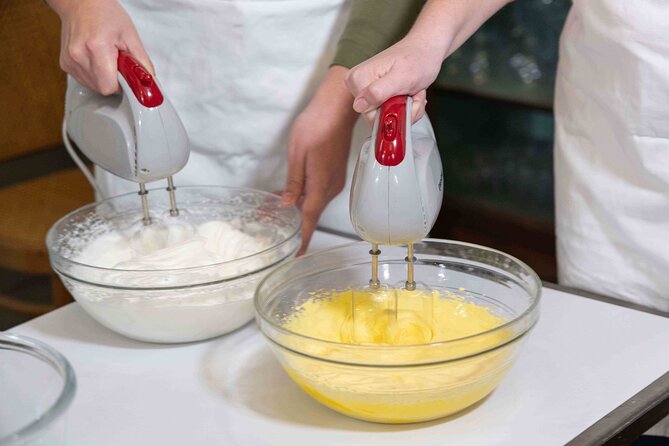
The biggest theme in the feedback is that the chef instruction style makes the difference between stressful and fun. In this class, the chefs you may encounter include Maria, Leo, Lori, Dani, Mattia, Alessia, Carlotta, Tommy, Mimi, and Leonardo.
What you can take from that, even without knowing which chef you’ll get:
- The instruction is meant for beginners, not just experienced cooks.
- The pace is organized, with room for questions.
- You’ll be guided through shaping and dough handling so it doesn’t feel like guesswork.
One helpful detail: some people note you’ll do prep but not necessarily run every “on-the-stove” step. Don’t treat that as a problem. For most travelers, it’s a bonus. The goal is learning pasta technique and leaving with a successful plate, not standing in a kitchen race with a timer.
Sauce choices and why they’re a smart add-on
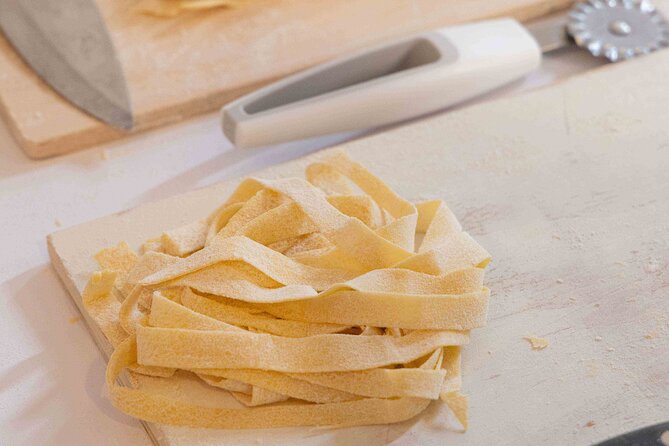
Many pasta classes teach you how to make noodles and then serve one sauce. Here, you get options for the fettuccine sauce—tomato and basil, cacio e pepe, or amatriciana.
That matters because each sauce is a different kind of lesson:
- Tomato and basil keeps it bright and straightforward. Great if you want something familiar.
- Cacio e pepe is about the precision of cheese-and-pepper flavor, teaching you the idea of seasoning as technique.
- Amatriciana brings a deeper, richer profile that feels more “Rome tavern” than simple weeknight pasta.
Even if you don’t cook the exact same way at home, you’ll learn how to pair a sauce to a mood and a pantry.
Value check: is $84.69 worth it in Rome?
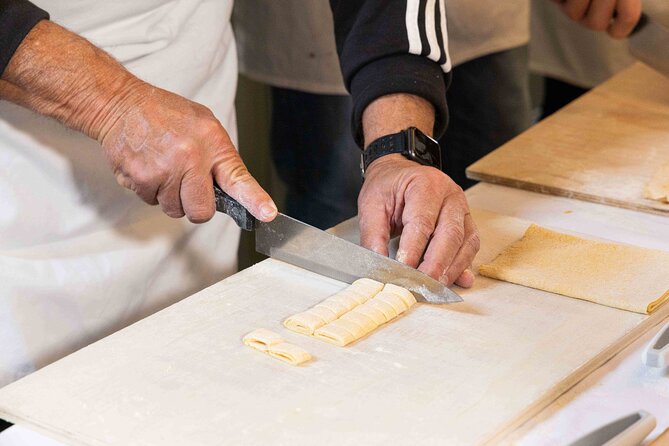
At $84.69 per person, this isn’t the cheapest thing you’ll do. But it’s also not “just a demo,” and that’s where the value comes from.
Here’s the math that tends to work for real travelers:
- You’re getting multiple dishes (two pasta types plus tiramisu), not a single-item workshop.
- The class is around 3 hours, so it’s a meaningful block of time.
- It’s small (max 20 travelers), which usually means less waiting and more instruction.
- You eat what you make, plus you get wine and finishing drinks (limoncello or coffee).
- Several people note that recipes are provided, which turns the class into a souvenir you can use at home.
Also, the class is popular—on average it’s booked about 37 days in advance. That’s usually a sign the schedule sells out and the instructors are in demand, so booking early can save you from playing date roulette.
Who should book this (and who might skip)
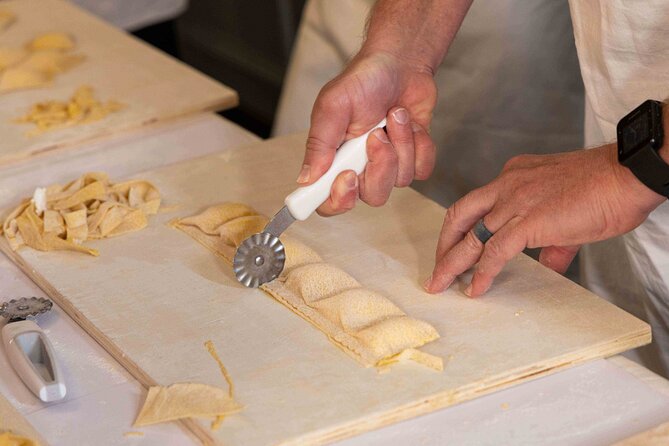
This class is a strong fit if you:
- Want an activity that’s fun even if you’re not a cook
- Like practical learning you can repeat at home
- Prefer Rome moments that aren’t only about looking
- Travel with family or friends and want a shared table experience
It’s also a good choice if you’re a solo traveler who wants built-in conversation. Cooking classes naturally create a reason to talk: what step are you on, how’s your dough, how did your tiramisu set.
You might skip it if:
- You only want to watch and don’t want hands-on work
- You’re short on time and need something under 2 hours
- You’re mainly chasing a history-heavy experience rather than a skills-based one
Where it fits in your Rome day
Because the meeting point is near central sights (and specifically positioned near Piazza Navona), this is easy to place. Plan around it like you would around a dinner reservation, not like a half-day tour.
A smart approach:
- Do it earlier in the trip if you want to boost your food confidence for the rest of your stay.
- Pair it with walking plans before or after. You’ll have a break from crowd flow, then you can re-enter the city with fuller energy.
Little practical tips to make your class smoother
These aren’t “rules,” but they help:
- Wear something you don’t mind getting flour dust on. Fresh pasta means a little mess.
- Plan to slow your pace afterward. Rolling dough and assembling tiramisu uses your hands and attention.
- If you care about specific sauce flavors, go with the sauce you genuinely like eating. The class gives you options for a reason.
And if you see the chef names mentioned in feedback—Maria, Leo, Lori, Dani, Mattia, Carlotta, Tommy, Mimi, or Leonardo—know that the teaching style is consistently described as patient and practical.
FAQ
How long is the cooking class?
The class runs about 3 hours (approx.).
Where does the class meet in Rome?
You’ll meet at Via Giuseppe Zanardelli, 14, 00186 Roma RM, Italy.
What dishes will I make?
You’ll make fresh fettuccine and ravioli from scratch, plus a classic tiramisu.
Is the class hands-on or mostly a demonstration?
It’s hands-on. You’ll roll, cut, and shape pasta dough and prepare tiramisu with guided instruction.
What language is the class taught in?
The class is offered in English.
Will I eat and drink during the experience?
Yes. You’ll enjoy your creations with a glass of wine, water, and a final sip of limoncello or coffee.
Can I cancel for a full refund?
Yes. You can cancel up to 24 hours in advance for a full refund.
Should you book this fettuccine, ravioli, and tiramisu class?
I think you should book it if you want a real Rome souvenir: skills plus food, with a central location and a small group size. The best part is the structure. You’ll learn two pasta styles and tiramisu, then you’ll eat the results with wine and recipes in hand.
Skip it only if you’re allergic to hands-on tasks or you truly don’t care about learning technique. Otherwise, this is one of those rare travel experiences that makes the city feel personal on the plate, not just in photos.