REVIEW · SORRENTO
Sorrento: Pasta and Tiramisu Cooking Class with Wine
Book on GetYourGuide →Operated by The Roman Food Tour · Bookable on GetYourGuide
Pasta lessons with sea views beat sightseeing. Meet at Terrazza delle Sirene, sip Prosecco, then get whisked by minibus to a coastal restaurant where you make pasta and tiramisu with wine.
I love the hands-on technique, especially learning dough basics like flour choice and the difference between pasta fresca and pasta secca. I also like that you don’t just cook and leave: you sit down together for lunch or dinner and eat what you made, paired with wine.
One thing to plan for: the minibus transfer can feel windy and, in a few cases, a bit uncomfortable. Also, sauce work can be lighter than you might hope, depending on the class flow.
In This Review
- Key Things I’d Prioritize Before You Go
- Where the Class Starts: Terrazza delle Sirene and a Prosecco Welcome
- Minibus Ride to the Sea-View Restaurant: What Logistics Feel Like in Real Life
- Behind the Scenes at a Sorrento Restaurant: How the Kitchen Rhythm Works
- Fresh Pasta From Scratch: Flour Choice, Pasta Fresca vs Secca, and Dough Confidence
- Tiramisu Workshop: The Sweet Finish You Learn to Repeat at Home
- Lunch or Dinner With Wine: Eating Your Work in a View-Filled Setting
- How Much Cooking You Actually Do: Levels, Sauce Time, and What to Expect
- Who This Class Fits Best (and Who Should Skip It)
- Value Check: Why 3 Hours Can Feel Like More Than a Cooking Activity
- Should You Book This Sorrento Pasta and Tiramisu Class?
- FAQ
- Where do I meet for the Sorrento pasta and tiramisu cooking class?
- How long is the cooking class?
- Is the instruction offered in English?
- Is transport included to the cooking venue?
- What drinks are included?
- What dishes will I make during the class?
- Will I get to eat the food I cook?
- Do I get recipes to take home?
- Is there free cancellation?
- Can I reserve and pay later?
Key Things I’d Prioritize Before You Go
- Meet at Terrazza delle Sirene for a Prosecco welcome and a smooth start to the evening
- Ocean-view terrace cooking that makes the whole session feel like a break, not a chore
- Fresh pasta technique that covers flour, dough, and pasta fresca vs secca
- Tiramisu made step by step, then served as part of the shared meal
- Transport included via a short minibus ride from central Sorrento
- Recipes may be provided, since many participants report printed take-home copies
Where the Class Starts: Terrazza delle Sirene and a Prosecco Welcome
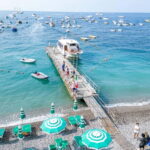
This experience begins in a very “Sorrento” spot: the meeting point is inside the restaurant Terrazza delle Sirene (40.62791061401367, 14.374587059020996). Arrive a little early and you’ll get a welcome glass of Prosecco. It’s a small thing, but it sets the tone. Instead of racing from one viewpoint to the next, you start by settling in.
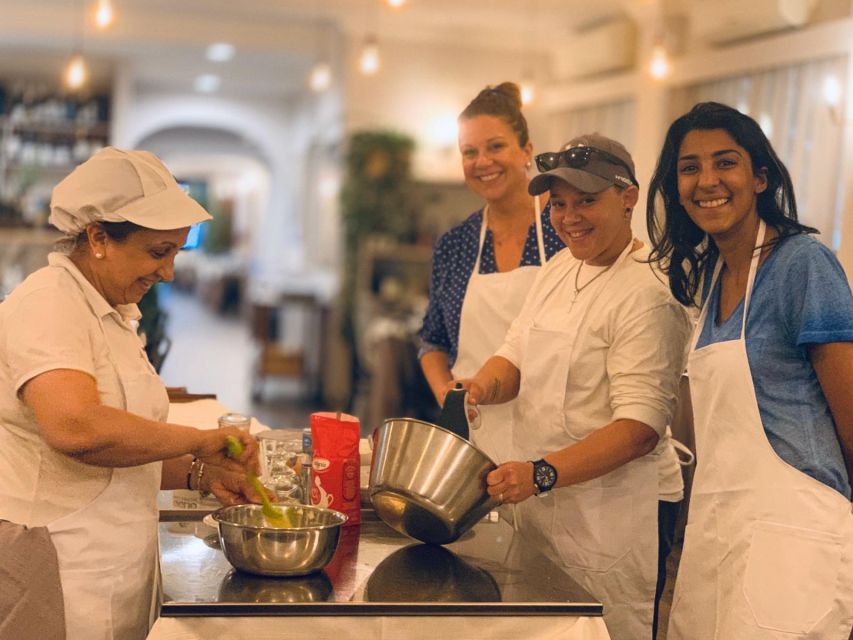
From there, you get a behind-the-scenes look at how a real Italian restaurant runs. That matters because this isn’t only a demo. You’re stepping into the rhythm of service, ingredients, and timing. The staff handle the kitchen flow while your instructor coaches your group through the recipes.
One practical tip: since you’re meeting inside, don’t just stand outside scanning the street. Go in, find the welcome point, and confirm your check-in. It keeps the first 10 minutes from turning into an awkward group huddle.
You can also read our reviews of more tours and experiences in Sorrento.
- Sorrento Farm and Food Experience including Olive Oil, Limoncello, Wine tasting
★ 5.0 · 2,524 reviews



Minibus Ride to the Sea-View Restaurant: What Logistics Feel Like in Real Life
The cooking happens at a restaurant a short minibus ride from the meeting point, and transport cost is included. That’s great on paper, and it’s often straightforward in practice—yet Sorrento’s roads can be windy, and the drive is part of the experience’s mood.
A few participants noted that the ride can feel bumpy or cramped, and at least one mentioned issues like an older van and lack of air conditioning. So if you’re sensitive to motion, plan for it. Bring water, keep your seatbelt on (yes, even if everyone else looks relaxed), and mentally treat the transfer as the “trade-off” for the ocean-view location.
Also keep in mind that sometimes the venue setup can vary. One person noted the main room was under construction and they cooked in a smaller space. The good news: even when the room changes, the core experience stays the same—your class is centered on pasta dough, tiramisu, and eating together on a terrace.
Behind the Scenes at a Sorrento Restaurant: How the Kitchen Rhythm Works
You’ll be led behind the scenes early, so you’re not walking into the kitchen cold. Think of it like getting oriented: where ingredients are stored, how the kitchen manages timing, and how the team stays in sync while your group learns.
This part is more useful than it sounds. When you understand how restaurants actually keep things moving—prepping components, maintaining heat, and timing steps—you cook with more confidence later. You’re also less likely to feel lost when your instructor says something like, Now the dough needs a rest, or Keep an eye on the texture.
The setting also matters. Many classes happen on a terrace with ocean views, including sunset-style scenery in some sessions. That changes the feel of the evening. You’re standing at a workstation, flour on your hands, while looking out at the sea. It makes the class feel like a real slice of local life instead of a scripted “tour activity.”
Fresh Pasta From Scratch: Flour Choice, Pasta Fresca vs Secca, and Dough Confidence
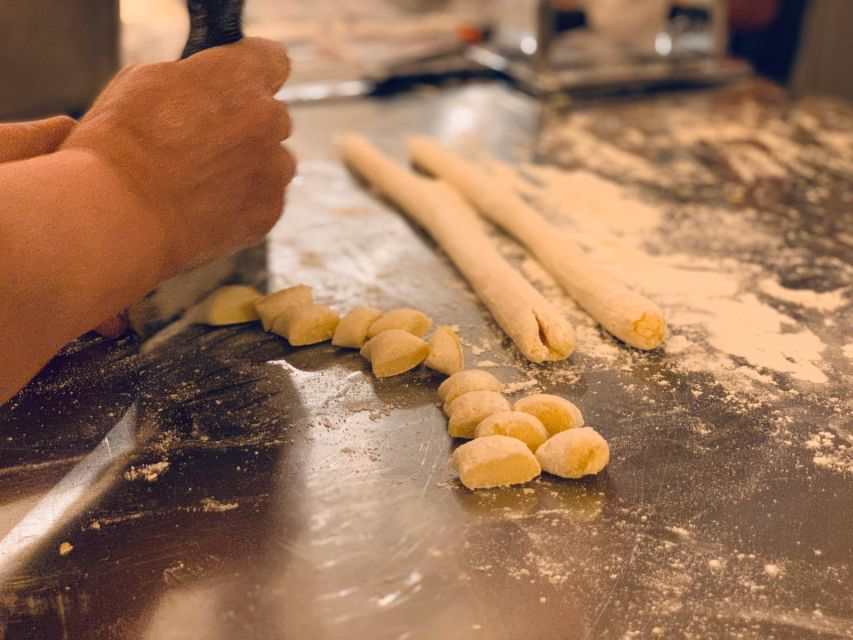
The heart of the class is fresh pasta. You’ll get step-by-step guidance on making the dough, including what flour to use and what makes fresh pasta different from dried pasta.
Here’s the practical advantage for you: once you learn the basic dough logic—how it should look and feel—you stop treating pasta-making like a mysterious Italian magic trick. You start treating it like a dough recipe with checkpoints. Several participants specifically appreciated the patience and the way instructors corrected technique before moving to the next step.
You’ll also learn the concept of pasta fresca vs pasta secca. The difference isn’t only “fresh versus dried.” It’s about structure, water content, and how the dough behaves. Fresh dough needs care in handling and shaping; dried pasta is more about consistency and long shelf-life. Understanding that helps you appreciate why a restaurant’s textures feel right.
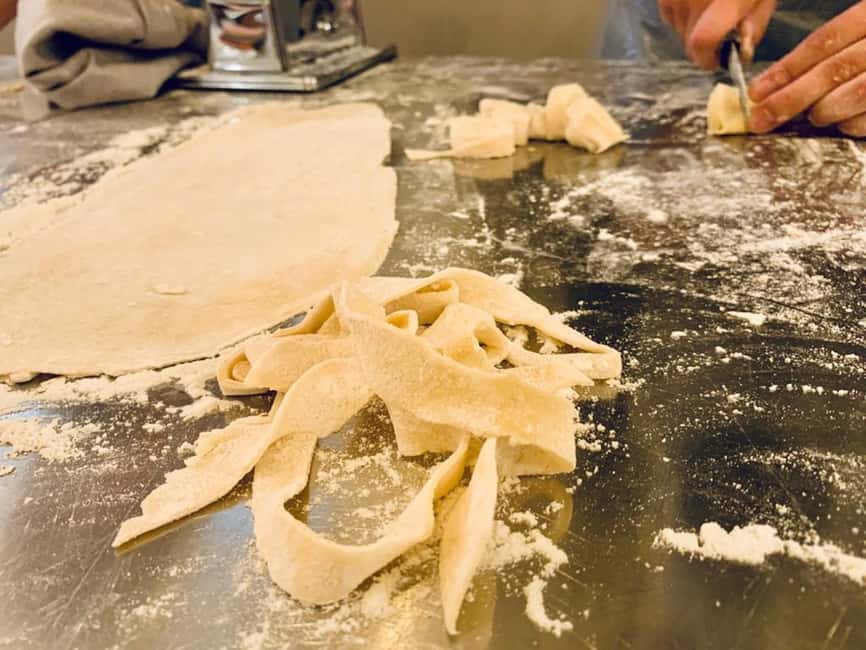
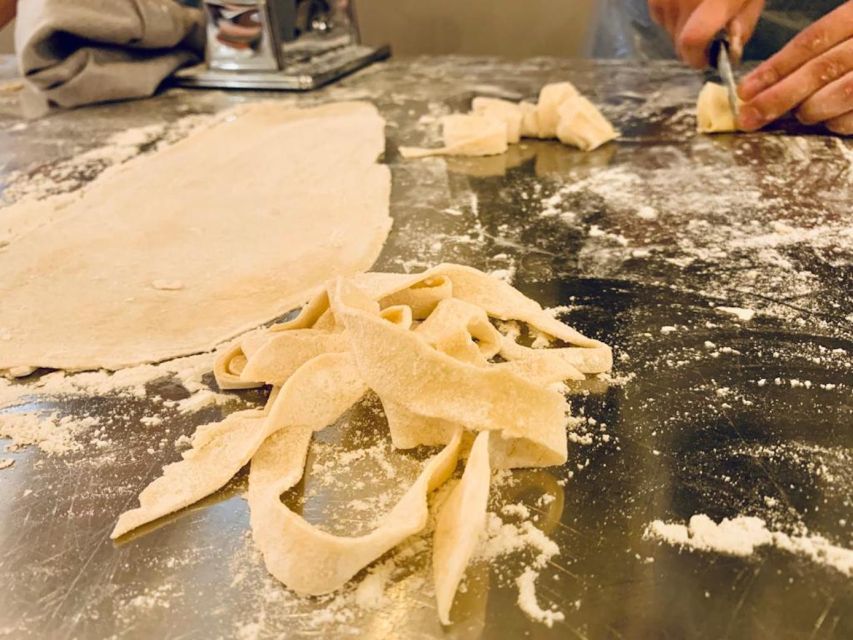
As for shapes, your class centers on famous regional pasta dishes. In real sessions, people have reported making combinations such as tagliatelle and filled pasta like spinach-sage ravioli. Your exact pasta selection can vary by class, but the method and technique building are the same.
And yes, you’ll likely get your hands working—rolling, shaping, and assembling. One participant also noted the instructor checked their dough before moving into cooking steps, which is a big plus if you want technique, not just participation.
Tiramisu Workshop: The Sweet Finish You Learn to Repeat at Home
After pasta, the class shifts gears to tiramisu. You’ll follow instructions step by step, so even if you’re not a confident baker, you have a path.
Tiramisu can sound intimidating—coffee, cream, and layered assembly—but this class format makes it manageable. The practical value is that you learn the sequence: how to assemble layers, how to handle the cream mixture, and how to keep the dessert from turning into a soggy mess.
Some instructors are known for being funny and very patient, and names that came up include Antonio, Lara, Massimo, Maria, and Francisco. While you can’t count on a specific instructor, the consistent theme is clear: the teaching style is designed for people on vacation, not professional chefs.
When you’re done, you sit down and eat. That’s a big deal with desserts. A tiramisu recipe isn’t fully understood until you taste the final texture right after assembly. You’ll get that here, and it makes it easier to recreate the dessert later.
In a few sessions, people also mentioned a finish with limoncello, which pairs nicely with the sweet finish and the coastal vibe.





Lunch or Dinner With Wine: Eating Your Work in a View-Filled Setting
The class ends with a shared meal—either lunch or dinner, depending on the time slot you booked. You sit together and eat what you made, usually with wine served alongside.
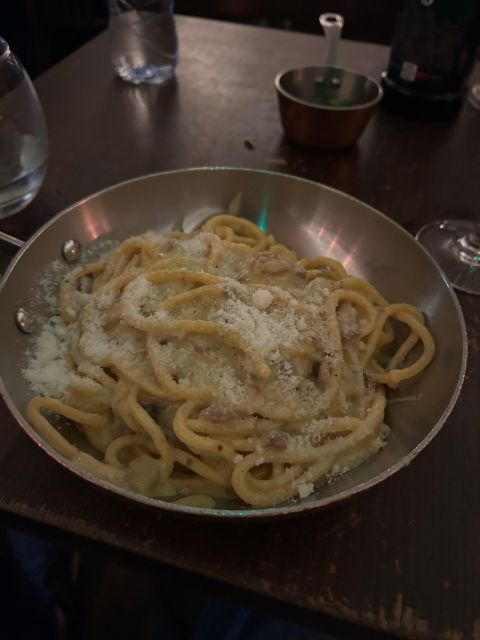
Prosecco starts things off at the meeting point. Then wine comes in during the meal. Several people described the wine as plentiful, and at least one mentioned unlimited wine during the experience. I’d treat that as “expect a wine-friendly meal,” rather than assuming it’s unlimited every time, but the overall idea holds: you’re not just cooking for the sake of cooking.
This is where the value really shows. A pasta class can be fun, but the best ones let you taste what you made immediately, with guidance and pairing. That way, you connect technique to flavor. You don’t leave wondering if you did it right.
The terrace setting also matters here. People reported spectacular views and sunset-style scenery while eating. Even if you don’t care about sunsets, eating with an ocean view changes how you remember the evening. It’s harder to forget flour-covered hands and a well-made tiramisu when you’re staring at the sea.
And if you want to take something home, many participants reported receiving printed recipe copies at the end, which helps you repeat the dishes without guessing.
How Much Cooking You Actually Do: Levels, Sauce Time, and What to Expect
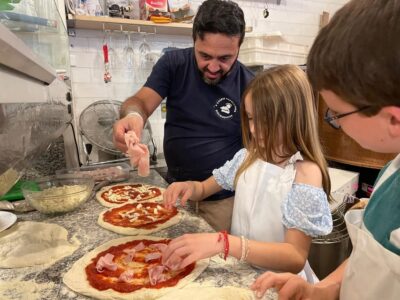
This class is hands-on, and most people find the pace approachable. Several reviews highlighted that even beginners could follow along, helped by clear instruction and steady guidance.
That said, there’s one nuance you should know. Some participants said they didn’t participate much in sauce-making, while others wished for more details on sauces. So if you’re expecting an in-depth workshop on sauce techniques from start to finish, you might want to temper expectations.
Here’s how to think about it: the class seems optimized for delivering core skills—fresh pasta dough and tiramisu assembly—plus enough guidance so you can confidently reproduce them. Sauce work may be lighter or more guided depending on the class.
If you’re a “technique-first” cook, you’ll likely love the flour and dough instruction. If you’re a “sauce is everything” cook, you might want to ask questions during the session, or plan a separate food experience focused on local sauces.
Who This Class Fits Best (and Who Should Skip It)
This experience is a strong match for you if you want an authentic taste of Campania that includes both skill-building and a meal. It’s also a good fit if you like group energy. People described chatting with the group and meeting other people while learning and then eating together.
It also suits couples on a relaxed getaway. One participant specifically mentioned it being a highlight of a honeymoon because it mixes romance with real hands-on cooking.
You might skip it if:
- You want a fully private class with one-on-one instruction.
- You’re hoping for a deep dive into multiple sauces, not just pasta and tiramisu.
- You’re extremely sensitive to vehicle motion, since the included minibus transfer has been reported as windy and sometimes uncomfortable.
If you’re traveling with kids, you’d need to judge based on their willingness to cook and sit through a 3-hour program, but nothing in the provided info directly addresses family suitability.
Value Check: Why 3 Hours Can Feel Like More Than a Cooking Activity
Even without a listed price here, you can judge value by what you receive in about three hours: transportation to a scenic venue, Prosecco and wine, a hands-on pasta experience, tiramisu practice, and a shared meal with what you make.
That combination matters because you’re not spending hours on a bus only to watch cooking demos. You’re cooking, tasting, and then enjoying the finished result together. The “eat what you make” part is a value multiplier. It turns technique into a meal, and the meal into a memory.
The other value layer is the teaching approach. Many people praised instructors for being patient and helpful, with clear English guidance. When the class explains key differences like fresh versus dried pasta, it’s easier to repeat the results later rather than just collecting a fun souvenir of the day.
So for many visitors, the class feels worth it because it hits three priorities at once: food, learning, and a real Sorrento setting with ocean views.
Should You Book This Sorrento Pasta and Tiramisu Class?
I’d book it if you want a practical, hands-on way to learn Campanian flavors without turning your trip into homework. You’ll get fresh pasta technique, tiramisu assembly skills, and a proper sit-down meal in a view-filled setting, with Prosecco and wine included.
I’d hesitate if you strongly prioritize sauce-making depth, or if you know you’ll hate a minibus transfer that can feel windy and cramped. If that’s you, pick another cooking style focused on sauces, or plan your day with buffer time.
If you’re unsure, use this rule of thumb: if you want to leave with both a belly full of good food and a clearer sense of how pasta dough should behave, this is the kind of class that delivers.
FAQ
Where do I meet for the Sorrento pasta and tiramisu cooking class?
Meet inside the restaurant Terrazza delle Sirene at the coordinates 40.62791061401367, 14.374587059020996.
How long is the cooking class?
The class runs for 3 hours.
Is the instruction offered in English?
Yes, the instructor teaches in English.
Is transport included to the cooking venue?
Yes. The class takes place in a restaurant reachable by a short minibus ride from the meeting point, and transport cost is included.
What drinks are included?
You’ll receive a welcome glass of Prosecco at the start, and wine is served with your lunch or dinner.
What dishes will I make during the class?
You’ll make fresh pasta (with step-by-step instruction on dough) and tiramisu.
Will I get to eat the food I cook?
Yes. At the end of the class, you sit down together for lunch or dinner and eat what you prepared.
Do I get recipes to take home?
Many participants reported receiving printed copies of the recipes at the end of the experience.
Is there free cancellation?
Yes. You can cancel up to 24 hours in advance for a full refund.
Can I reserve and pay later?
Yes. You can reserve your spot and pay later to keep your plans flexible.
You Might Also Enjoy



More Tour Reviews in Sorrento
- Sorrento Farm and Food Experience including Olive Oil, Limoncello, Wine tasting
★ 5.0 · 2,524 reviews