REVIEW · TAORMINA
Taormina Pizza making class
Book on GetYourGuide →Operated by Cooking Class Taormina · Bookable on GetYourGuide
Pizza lessons in Taormina feel like a party. This Sicilian pizza making class turns you from spectator into dough-handler, with a pro-style lesson followed by the meal you create.
Two things I really like: you get hands-on guidance that’s meant to leave you confident in kneading and baking, and the day includes a Taormina Regional Market visit so the ingredients feel real, not just theoretical.
One consideration: if the group is on the larger side, the restaurant environment can get loud and it’s harder to hear every instruction clearly. Group size matters here.
In This Review
- Key things to know before you go
- Where the Taormina class starts: Porta Messina Pizzeria
- The market stop that makes the food feel real
- Kneading like a pizzaiolo: the technique part you’ll actually use
- Shaping and baking: the part where your pizza becomes yours
- A quick reality check on sound and pace
- Lunch on what you made: wine, pasta, and Sicilian extras
- Dietary needs: vegetarian and gluten free options
- The certificate and apron: a souvenir with purpose
- Price and value: what $88 really buys
- Who should book this class in Taormina (and who might reconsider)
- Should you book the Taormina pizza making class?
- FAQ
- How long is the Taormina pizza making class?
- What’s included in the price?
- Does the class offer vegetarian and gluten free options?
- Where do I meet the group?
- Can children join, and what are the prices for them?
- What languages are the instructors?
Key things to know before you go
- Market visit in Taormina: you start by connecting ingredients to what you’ll cook
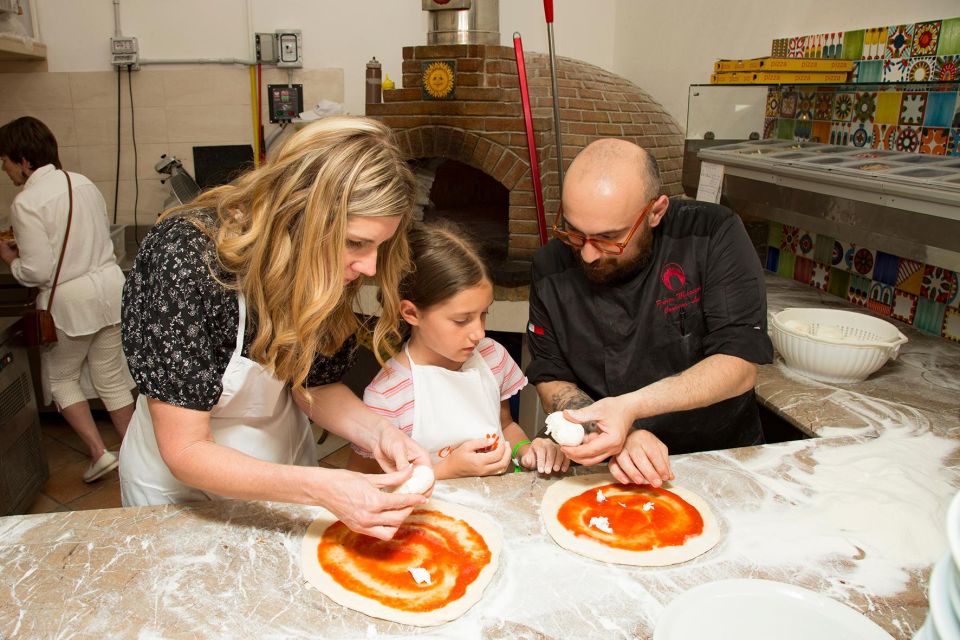
- Professional pizza coaching: you knead and bake like a real pizzaiolo, not like a school project
- Lunch built around your work: you eat what you made, with drinks included
- Chef energy: classes are hosted with humor and patient, clear teaching (names you might hear include Mauro, Maurizio, Luca, Francesco, Federico, Paolo, and Francesca)
- Keepsakes included: an official certificate plus a personalized apron
- Family friendly: kids are welcome, with special pricing for different age ranges
Where the Taormina class starts: Porta Messina Pizzeria
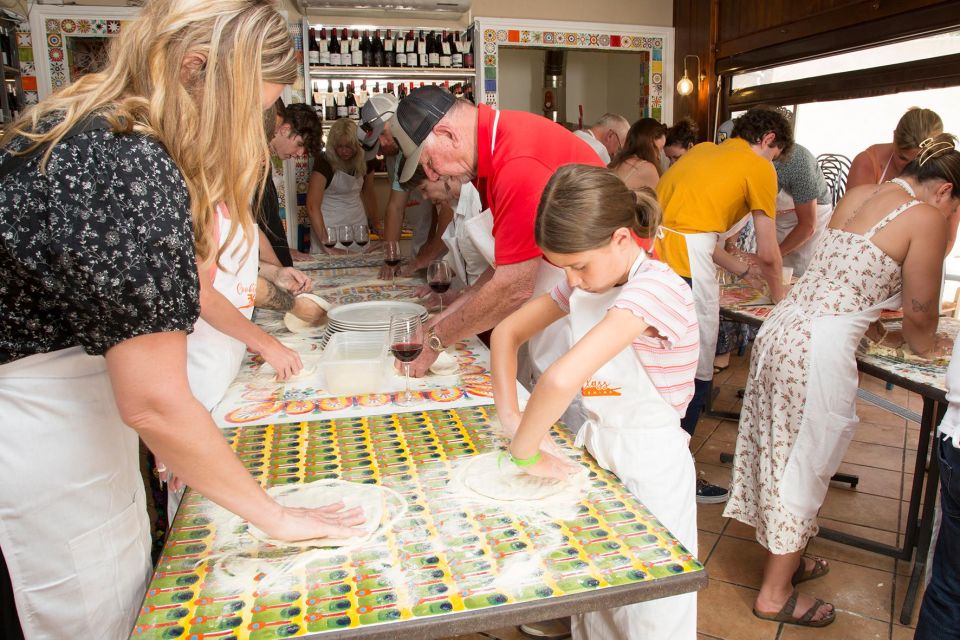
The meeting point is in Taormina, right by the Porta Messina area: outside the entrance of the Porta Messina Pizzeria Restaurant, Largo Giove Serapide 4. This helps keep the day simple. You’re already in the right neighborhood vibe, with a working restaurant setting instead of a distant cooking studio.
For your first 10 minutes, do two things: arrive a bit early (Taormina streets can be busy), and come wearing clothes you don’t mind getting flour-dusted. The class is hands-on, and you’ll want to move easily when it’s time to knead and shape.
You’ll also notice the class is set up to feel social: people chat while waiting for the next step, and you’re encouraged to work at the same pace as the group. In other words, it’s not a silent craft workshop. It’s a fun, food-focused day.
You can also read our reviews of more tours and experiences in Taormina.

The market stop that makes the food feel real
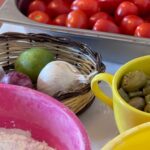
One of the best “why this is worth it” parts is the visit to the Taormina Regional Market. You’re not just cooking with ingredients that happen to exist. You get a quick introduction to what’s local and how Sicilian cooking thinks—fresh basics, strong flavors, and good technique.
Even if you don’t become a market expert in one morning, this step changes how you taste later. When you sit down to eat your pizza, you can usually pick up what the lesson emphasized—freshness, balance, and the idea that pizza is about process as much as it is about toppings.
Practical note: markets can be a bit uneven. If you’re walking with a stroller or need extra stability, go slow on cobblestones and keep an eye on footing.
Kneading like a pizzaiolo: the technique part you’ll actually use
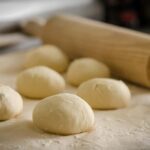
The core of the experience is the pizza-making instruction—learning how to knead and bake pizza like a real Sicilian pizzaiolo. This isn’t just “mix and hope.” The lesson is structured so you understand what the dough needs as you work it: texture, elasticity, and timing.
Expect a clear flow: you’ll likely start with dough basics, then move into portioning and shaping, and finally get to the baking stage. The benefit for you is simple. If you want to recreate it at home, the kneading and shaping steps are the hardest ones to learn from a cookbook alone. A good instructor makes those steps feel doable.
From instructor names spotted in prior classes, you might be taught by someone like Mauro or Maurizio, and you may hear helpful tips from hosts such as Luca, Federico, Paolo, or Francesca. Regardless of who you get, the common thread is patient teaching and practical advice—exactly what you want when your hands are suddenly in the dough.
And yes, it’s not all serious. The tone is often playful, with lots of encouragement while you work.
Shaping and baking: the part where your pizza becomes yours
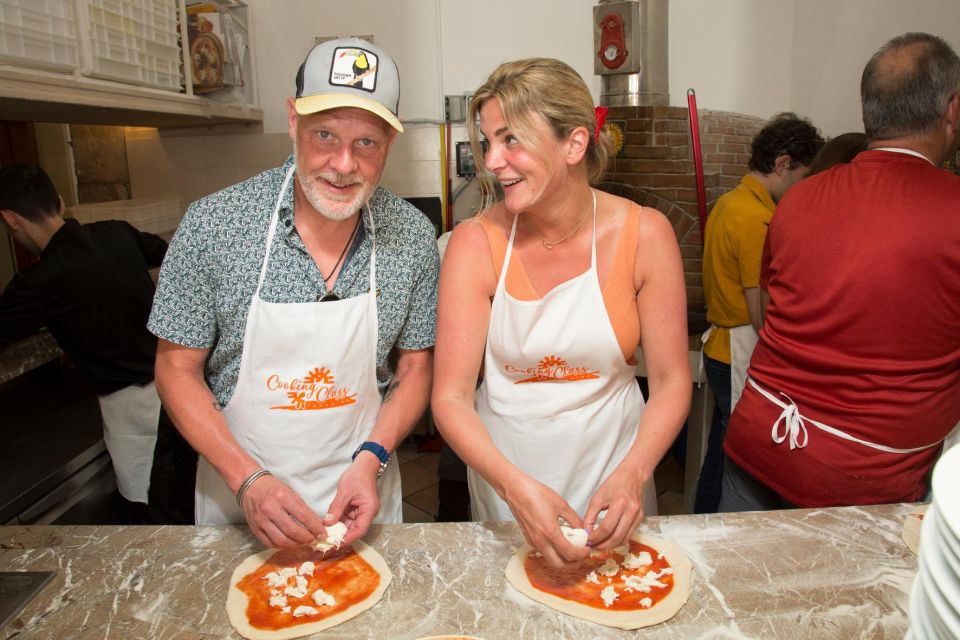
Once the dough is ready, you shift from technique to creativity—shaping your pizza and preparing it for the oven. This is where the class feels most rewarding, because you can see your work turning from dough to something that actually smells like pizza.
Here’s how to make the most of this stage:
- Watch the instructor’s hand movements once fully, then try it yourself.
- Don’t rush the last-minute adjustments. A little patience here pays off.
- If you’re with kids, let them take the lead on safe steps (like shaping smaller portions), and you can handle the trickier parts.
Your pizza gets baked as part of the class, and then the day moves into eating mode. That’s a big difference from many cooking classes where you cook and then wait. Here, you build your meal through the process, then sit down to enjoy it.
A quick reality check on sound and pace
One thing to know: this can be a busy restaurant environment. If it’s a larger class, you might find it loud enough to miss small instructions. If you’re the type who learns best in a quiet setting, it’s worth aiming for a less crowded time slot if available.


Lunch on what you made: wine, pasta, and Sicilian extras
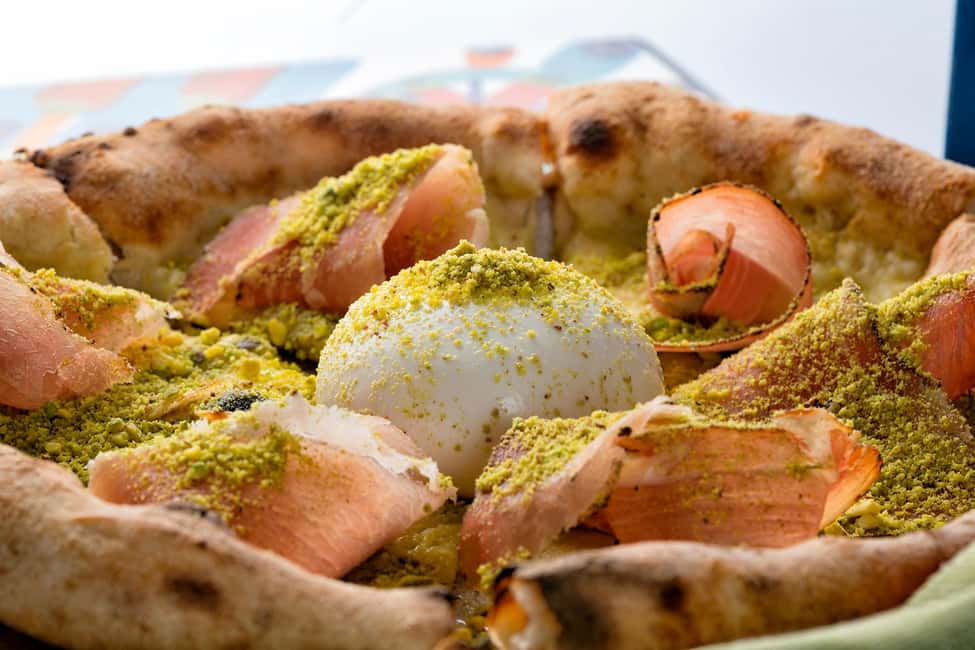
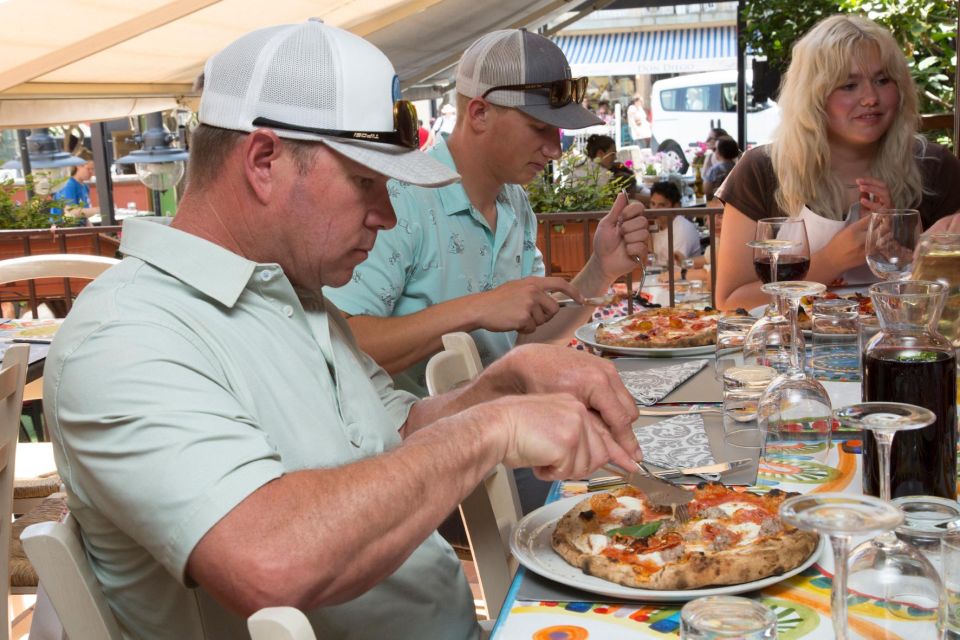
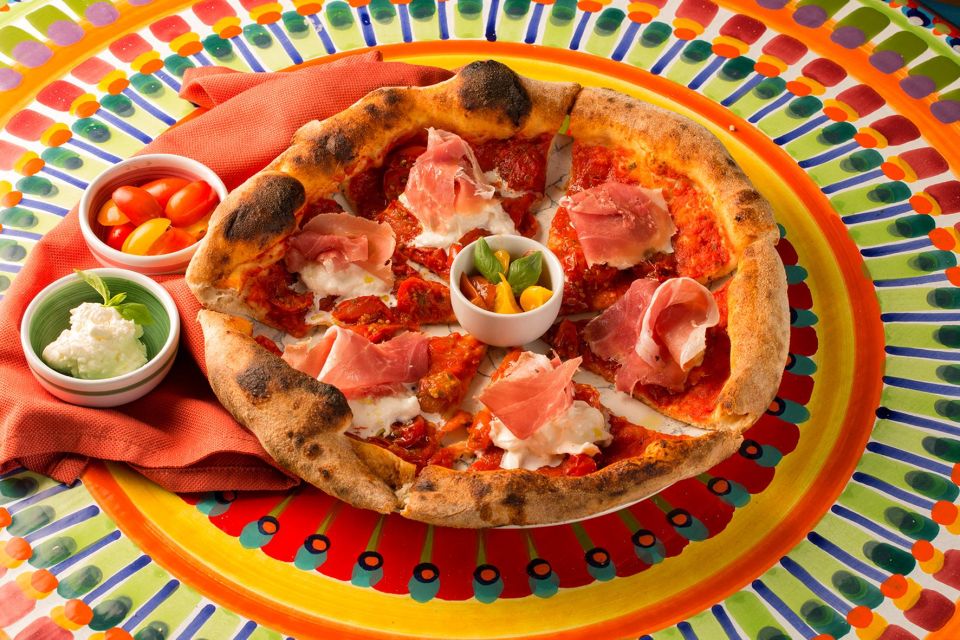
After the cooking portion, you’ll eat a lunch based on the pizzas you prepared, and the day includes more than pizza. Multiple instructors and past sessions mention fresh pasta as part of the experience, so you may end up making more than one item before lunch.
What’s included at the table is part of the value: water, wine, and soft drinks are included, and you’ll get a coffee break earlier in the flow. That means you’re not just paying for cooking instruction—you’re paying for a full food experience.
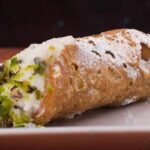
Food additions you might see in past sessions include things like antipasti-style bites and a finish with classic Sicilian sweets such as cannoli, and in some cases limoncello. Since these extras can vary by day, don’t assume every table gets the exact same finale, but you can expect a feast mood.
My practical advice: come hungry. You’re doing physical work with dough and you’ll be focused during cooking. When lunch arrives, you want your appetite to match the amount of food.
Also, it’s a nice social rhythm. You cook, eat, and chat with your group in the same setting. If you’re traveling solo, that friendly environment can turn the class into a highlight, not just a meal.
Dietary needs: vegetarian and gluten free options
The class highlights vegetarian and gluten-free options. That’s a major plus for anyone who’s tired of finding out halfway through a trip that cooking tours only work for certain diets.
Still, because gluten-free can require careful handling, I’d treat this as a “ask and confirm” situation. When you book, make sure the team knows your needs clearly so you’re not guessing during the dough stages.
For vegetarians, the value is that you’re still learning technique, not just choosing a different topping. That means you can take the skills home even if your pizza style changes.
The certificate and apron: a souvenir with purpose
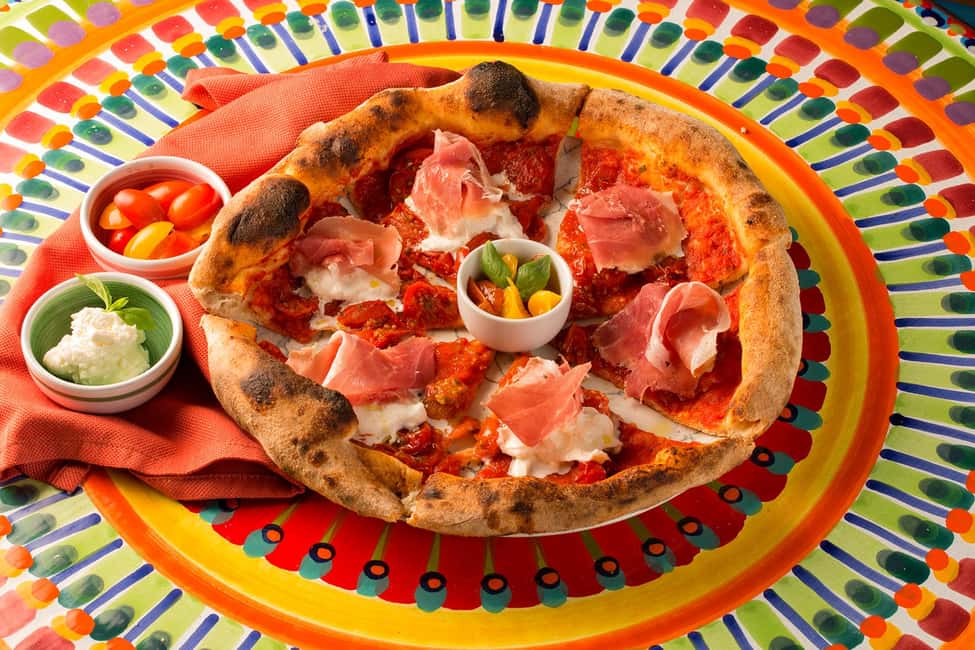
Two “keepsake” items are included: an official certificate and a personalized apron. These are small, but they matter more than you might think.
The certificate is a fun way to mark the day, especially if you like collecting “proof” that you learned something real. The apron is also practical—this is the kind of souvenir you can actually wear while cooking at home, instead of something that ends up in a drawer.
It also signals that this isn’t a rushed stop. The day is designed to feel like a complete class, not just a quick taste-and-run.
Price and value: what $88 really buys
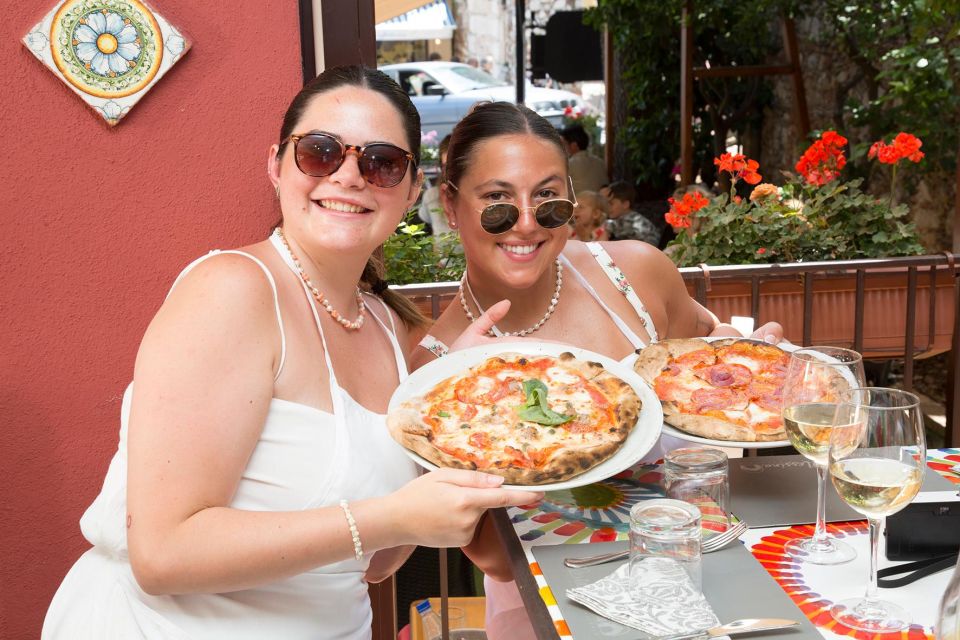
At $88 per person for a day that runs about 3 hours plus lunch, you’re paying for several bundled things that add up fast if booked separately: instruction, ingredient exposure, food, and drinks.
Here’s the value math in plain terms:
- You get a structured pizza lesson focused on kneading and baking.
- You get a market visit, which adds local context and makes the ingredients feel intentional.
- You get coffee break + lunch, and lunch includes water, wine, and soft drinks.
- You get an official certificate and a personalized apron.
In other words, it’s not just “watch a chef and eat later.” You work, you learn technique, and you finish with a real sit-down meal. That combo is what makes the price feel reasonable for Taormina, where day activities can range from overpriced to oddly skimpy.
If you’re comparing options, look for classes that actually deliver: hands-on steps, a shared meal, and enough time to learn. This one is built for that.
Who should book this class in Taormina (and who might reconsider)
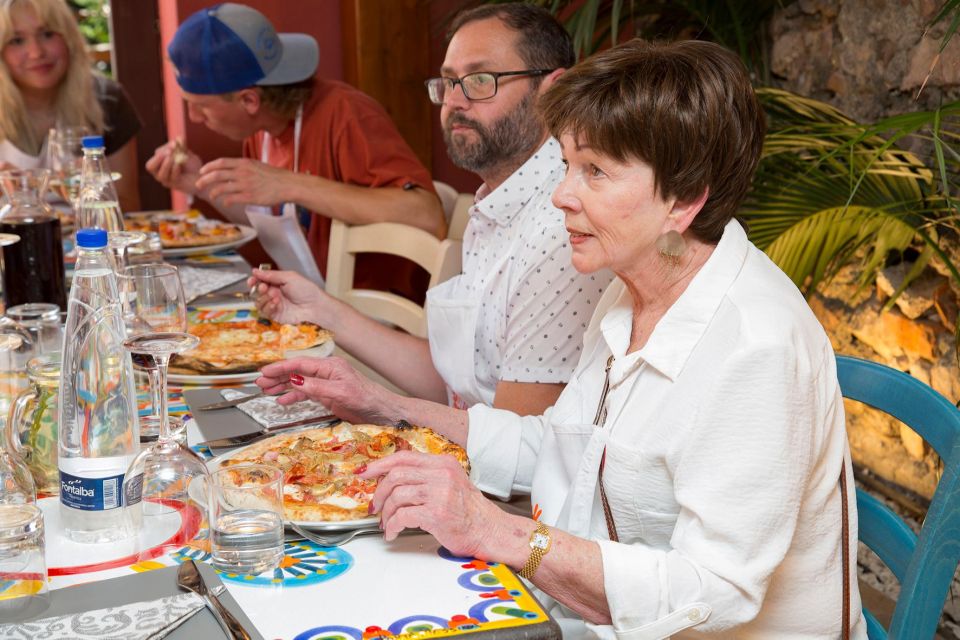
This is a strong fit if you:
- Want an activity that’s family friendly and keeps kids engaged
- Prefer practical food learning over passive tastings
- Like social travel moments where you chat with strangers and still leave with skills
- Care about dietary options like vegetarian and gluten free
It can be less ideal if you:
- Hate loud, busy restaurant settings (possible in larger groups)
- Want total quiet or highly formal instruction with zero distractions
Even then, you can still make it work. You just need to be realistic about the environment and focus on the steps that matter most: kneading, shaping, and baking.
Should you book the Taormina pizza making class?
I’d book it if you want a Sicilian day that blends skills + food + atmosphere in one package. The class is built around real technique, and you’re not leaving empty-handed—you get the certificate and apron too, plus the satisfaction of eating what you made.
If you’re on the fence, use this quick checklist:
- You’ll enjoy a hands-on, social cooking day.
- You’re hungry enough to make lunch a big part of the experience.
- Your group can handle a lively restaurant environment.
If yes, this is the kind of Taormina activity that tends to become a travel memory you actually use later—especially when you try kneading dough at home and realize you weren’t just watching.
FAQ
How long is the Taormina pizza making class?
The experience runs for about 3 hours plus lunch, with the pizza preparation portion listed at roughly two and a half hours, followed by lunch.
What’s included in the price?
It includes the pizza making and lunch experience, a coffee break, a visit to the Taormina Regional Market, the traditional cooking class, dining on what you prepare, water, wine, and soft drinks, an official certificate, and a personalized apron.
Does the class offer vegetarian and gluten free options?
Yes. The class highlights vegetarian and gluten free options.
Where do I meet the group?
Meet at the entrance of Porta Messina Pizzeria Restaurant, Largo Giove Serapide 4, Taormina (ME).
Can children join, and what are the prices for them?
Children up to 3 years old attend for free. Children from 3 to 12 years old have a reduced price.
What languages are the instructors?
The instructor languages are listed as English and Italian.