REVIEW · MILAN
From Milan: Venice and Verona Full-Day Tour by Train
Book on GetYourGuide →Operated by Amigo Tours Spain · Bookable on GetYourGuide
Two legends, one long train day. You’ll get Verona and Venice highlights with a guide who keeps the day moving, plus real free time to wander. The trade-off: it’s a fast-paced itinerary with lots of walking (and several hours of travel).
I like that this tour is built for people who want major sights without day-after-day logistics. A bunch of guides get praised by name, including Gaia, Chiara, Mike, Amato, and Luca, and the common thread is clear pacing plus helpful city navigation. Just be ready for cold trains sometimes and plan your footwear like it’s a mini hike.
In This Review
- Key Things That Make This Tour Work
- Starting at Terrazza Gallia: Get Oriented Fast
- Milan to Verona by Train: The Easy Part (If You Pre-Plan)
- Verona on Foot: River Adige, Ponte Scaliero, and Castelvecchio
- Romeo and Juliet Moments: Juliet’s Balcony and the Streets Around It
- The Verona-to-Venice Shift: Crossing Italy by Rail
- Venice Highlights: Saint Mark’s Square, the Basilica Area, and the Bridge of Sighs
- How to Use Your Venice Free Time Without Getting Lost
- Pace, Steps, and “Do I Have the Legs?” Reality
- Price and Value: What You’re Really Paying For
- Best Fit: Who Should Book This Day Trip?
- My Booking Verdict: Book It If You Want Two Cities, One Day
- FAQ
- How long is the tour?
- Where do I meet the tour?
- Are train tickets included?
- Do I get a guided tour inside Verona and Venice?
- What languages is the guide available in?
- Is food included?
- Will there be a lot of walking?
- Is the tour suitable for people with back problems?
- Is transportation always by train?
Key Things That Make This Tour Work
- Train-first structure: Milan to Verona, then on to Venice, so you’re not burning the day figuring transit
- Major “see-it-now” sights: Juliet’s balcony, Castelvecchio, Saint Mark’s Square, the Basilica area, and the Bridge of Sighs
- Bilingual leader (English/Spanish): you’re never stuck decoding history or meeting points
- Stroll-and-free-time balance: guided stops plus time to shop, snack, and take photos on your own
- You see the river-to-lagoon contrast: River Adige in Verona, then Venice’s lagoon city plan
- Fitness reality check: expect 20K+ steps on a good day and bring layers for trains
Starting at Terrazza Gallia: Get Oriented Fast
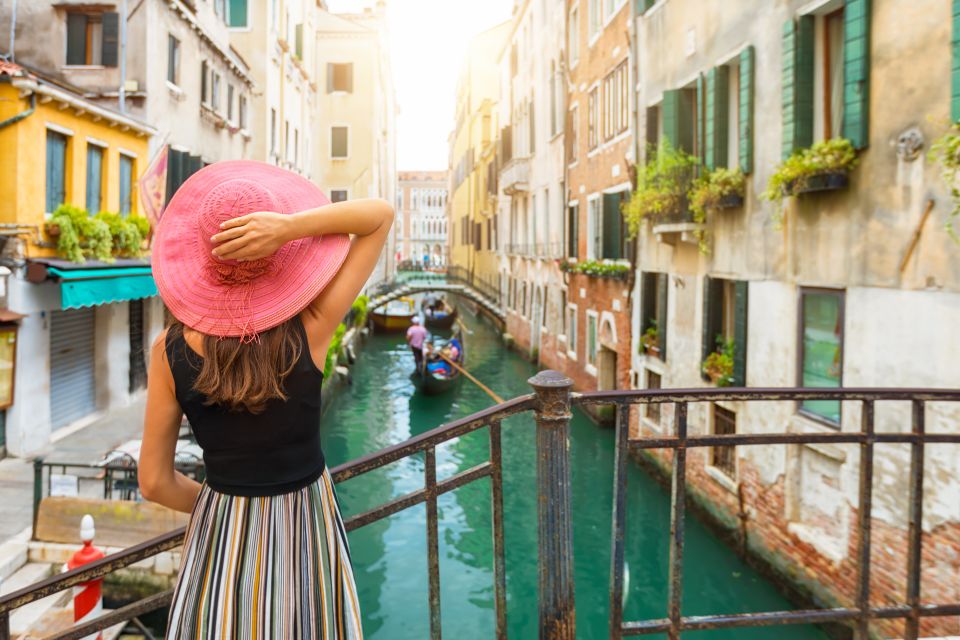
The day starts at Milan Central Station, in front of Terrazza Gallia restaurant. When you exit Piazza Duca d’Aosta station, you’ll want to be on the right side, which helps you meet the group without circling the building for 15 minutes.
This matters because your schedule is tight. You’re covering two big cities in one day, so your best move is to arrive early enough to settle your shoes, fill your water, and mentally switch from Milan pace to Northern Italy city-walking pace.
What to bring is simple, but don’t treat it lightly:
- Comfortable walking shoes (you’ll use them a lot)
- Water (also plan to buy more once you’re in the cities)
- Layers (one practical note from a previous departure: trains can feel chilly)
If you know you get uncomfortable with long walking stretches or your back doesn’t love stairs and uneven stone, take that seriously. This is not the kind of day where you can easily “slow down and catch your breath.”
You can also read our reviews of more tours and experiences in Milan.


Milan to Verona by Train: The Easy Part (If You Pre-Plan)
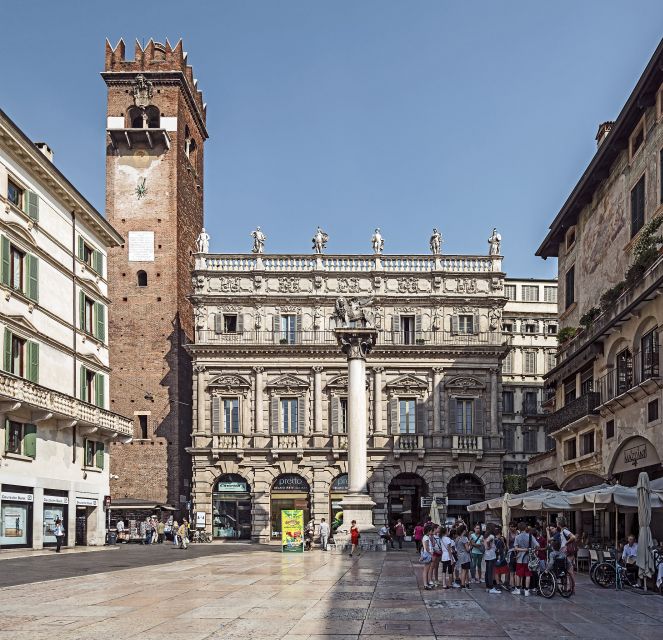
You’ll spend about 2.5 hours on the train to Verona. This is genuinely one of the nicest parts of the day: you gain time without the hassle of changing vehicles on your own.
I recommend treating the train like part of your travel workout:
- Use the trip time to charge your phone and download offline maps
- Write down your Venice meeting point instructions (a photo screenshot saves confusion later)
- Bring a snack if you’re the type who gets hungry fast
Also, keep expectations realistic. Even though this is a “train day,” you’re still in motion for hours. The win is that someone else handles the transport rhythm and the leader keeps the day on track.
Verona on Foot: River Adige, Ponte Scaliero, and Castelvecchio
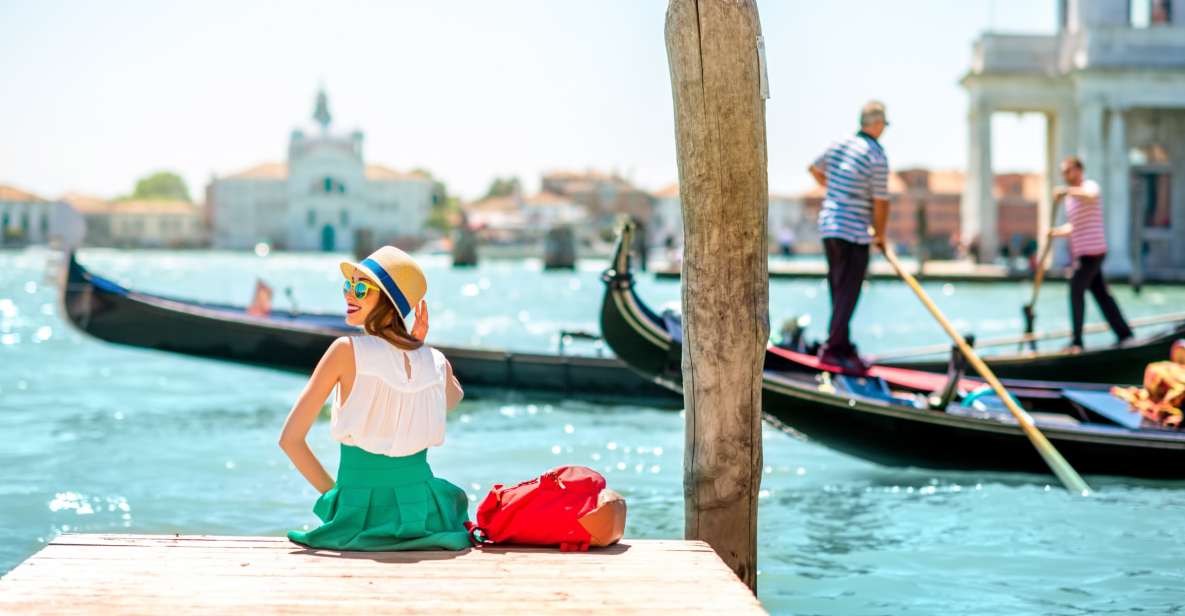
Verona is where the day starts feeling like a storybook—without turning into pure sightseeing theater. You’ll have around 2 hours and change in Verona, with a guided walk and visits to key highlights.
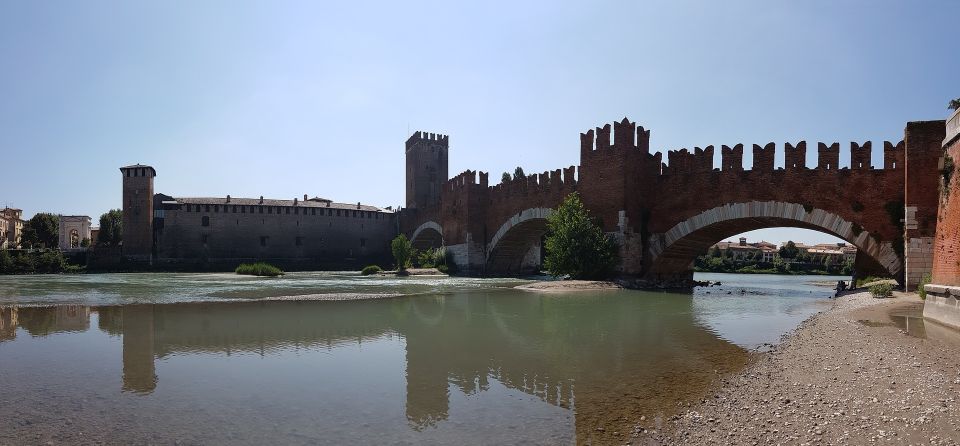
The tour’s Verona walk focuses on the River Adige area first. That’s a great choice because it gives you a sense of how the city sits and how people move through it. From there, you cross Ponte Scaliero, a classic bridge that connects you toward one of Verona’s most important medieval landmarks.
Then comes the big visual payoff: Castelvecchio. Seeing Castelvecchio works even if you don’t go inside, because the fortress gives Verona its “olden times” feeling right away. It’s the kind of site that makes the city’s layers click: you’re not only hearing about medieval Verona—you’re looking at it.
Romeo and Juliet Moments: Juliet’s Balcony and the Streets Around It
You’ll also get time centered on Verona’s romance associations, including Juliet’s balcony. It can be crowded at peak times, so the smart move is to treat it as a quick iconic stop and then turn your attention to the smaller streets right after.
That’s the secret with Verona on a tight schedule: don’t just take the photo. Walk a few side lanes. Listen for the change in street rhythm. Then you’ll feel like you actually “visited” Verona, not just passed through it.
The Verona-to-Venice Shift: Crossing Italy by Rail
After Verona, you take another train segment—around 1.5 hours—to reach Venice. This travel stretch is where the day’s tempo changes again. Verona is compact and walkable; Venice is… Venice: canals, bridges, and the kind of street maze that makes shortcuts feel like myths.
A practical thing to know: train timing affects how much Venice time you truly feel you have. One previous departure note suggested there can be room for speedier rail choices on certain routes, so don’t assume you’ll magically get extra hours in Venice. Your best strategy is to decide your “must-walk” areas in advance.





Venice Highlights: Saint Mark’s Square, the Basilica Area, and the Bridge of Sighs
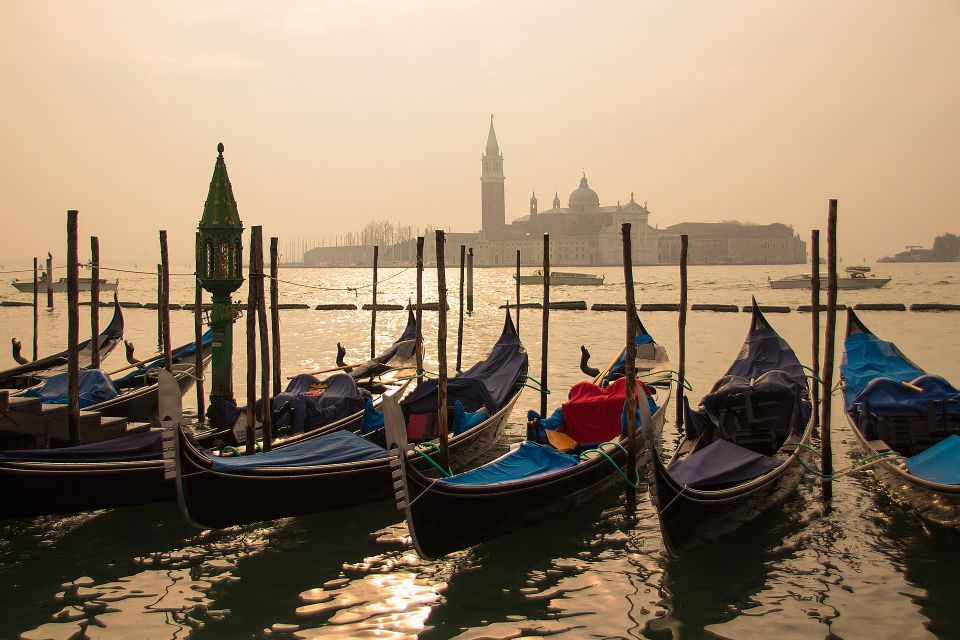
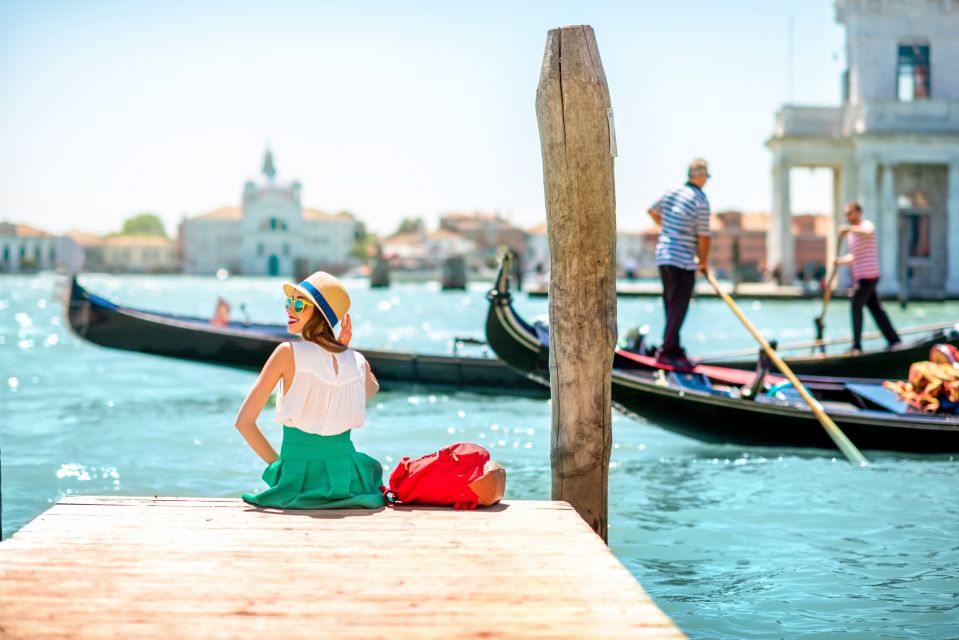
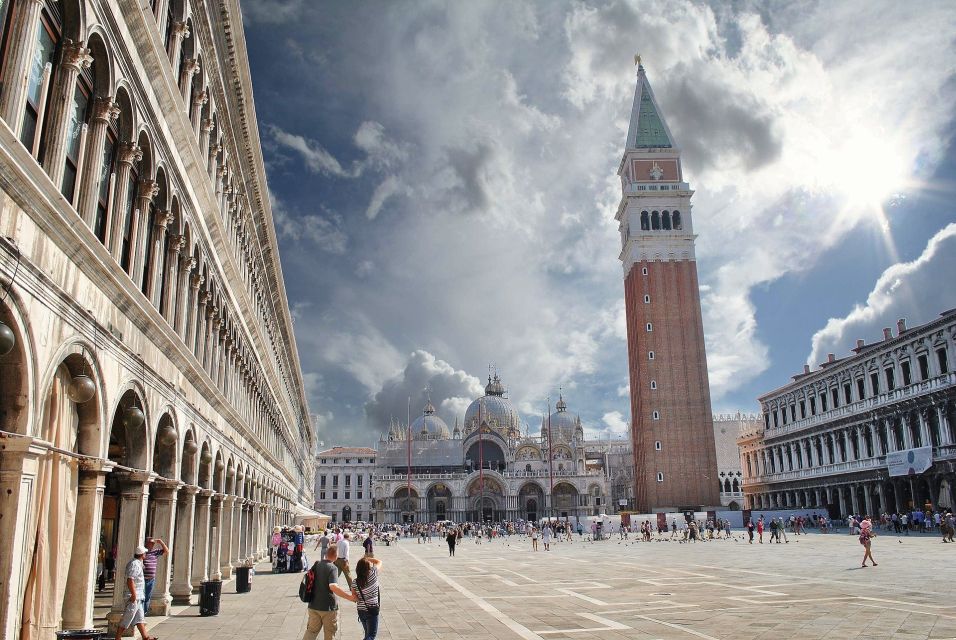
Once you reach Venice, you’ll have about 2.5 hours for sightseeing and walking, plus a dedicated stop at Piazza San Marco. This is the backbone of the tour because it strings together Venice’s most recognizable landmarks in a way that’s efficient for a one-day visit.
Expect to see and experience:
- Saint Mark’s Square (the center of the action and the easiest place to orient visually)
- The Basilica area (you’ll be right where the architecture does its job)
- The Bridge of Sighs (a standout photo spot tied to Venice’s dramatic past)
For me, this cluster is the best “first-timer map” in one package. If it’s your first Venice trip, Saint Mark’s and the Bridge of Sighs immediately tell you what Venice is: a city where architecture, water, and power were tightly connected.
Just remember: Saint Mark’s Square is not a calm place. If you want slow moments, use the guided window to hit the big sights, then shift into your own walking loop during free time.
How to Use Your Venice Free Time Without Getting Lost
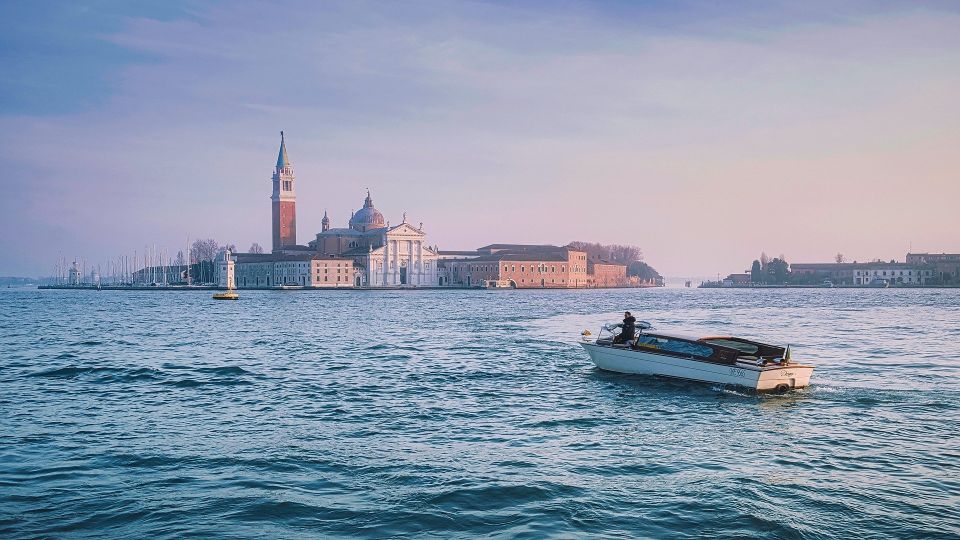
You’ll get free time to explore on your own—shop for souvenirs, grab photos, and soak up the atmosphere at your pace. That free time is essential because Venice doesn’t reveal itself by standing in a single spot.
Here’s how to make it work:
- Start with orientation near Piazza San Marco.
- Pick one direction away from the main crowds and walk toward smaller streets.
- If you spot a bridge that looks photogenic, cross it once. You’ll learn the city by changing your route.
One useful caution from past experience: don’t rely on the first Google Maps search result for meeting points. A common confusion is mixing up labels like St. Mark versus San Marco. Your best move is to follow the leader’s exact meetup plan and screenshot the directions before you separate.
Also, one practical note: the day is long. If you feel your energy slipping, use Venice free time to do “high impact walking” instead of trying to cover everything. One great canal view is more satisfying than ten half-seen ones.
Pace, Steps, and “Do I Have the Legs?” Reality
This tour is built for people who can handle a long day outdoors.
The walking adds up for two reasons:
- Verona’s old-center streets and river area include plenty of stepping
- Venice requires constant foot movement because bridges and canal crossings break your rhythm
If you’re the type who likes structured stops and hates decision fatigue, this itinerary suits you. Multiple past participants specifically pointed out the day felt well organized, with guides keeping the group together and maintaining momentum.
But if you want a relaxed day with long sit-down breaks, this isn’t that. Plan for:
- A reasonable level of fitness
- Comfortable shoes
- Bathroom and snack breaks (these are part of the day’s rhythm with the group)
And yes: you may rack up heavy steps—some departures have hit 20K+.
Price and Value: What You’re Really Paying For
At $180.12 per person for roughly 13.5 hours, this day trip isn’t cheap, but it’s also not random pricing. Your money goes into four practical things:
- Train tickets included for the Milan–Verona–Venice routing
- A bilingual tour leader who stays with your group in both cities
- Time efficiency: you’re seeing high-demand sights in a single day
- Reduced stress: you’re not piecing transit routes and timing alone
Food and drinks aren’t included, so you’ll want to budget for lunches and snacks. And there’s no hotel pickup/drop-off, which makes the Milan meeting point a must.
There’s also an important nuance: you’re not getting a full “museum-style” guided tour inside every single site. Instead, you’re getting guided highlights and accompanying interpretation, then you take over for some self-paced exploration. For one day, that’s usually the right formula.
If you’re the kind of traveler who wants maximum visibility—Juliet and Saint Mark’s, Castelvecchio and the Bridge of Sighs—without coordinating it yourself, the value is strong.
If you’re the kind of traveler who likes long, slow afternoons and extra time per neighborhood, you’ll likely wish you had a second day in at least one city.
Best Fit: Who Should Book This Day Trip?
This is a great fit for:
- First-time visitors to Italy who want a quick, memorable overview
- People who like “see the highlights, then wander”
- Couples and friends who enjoy walking and want a shared itinerary
- Travelers who prefer English/Spanish guidance rather than figuring everything out alone
It’s a weaker fit for:
- People with limited mobility (the walking distances are long)
- Anyone with back problems who knows long stretches or uneven surfaces will be painful
- Anyone who needs lots of downtime between major sights
Also, consider what you want most from a day trip. If it’s history, the medieval-to-romance-to-lagoon arc connects well. If it’s pure relaxation, you’ll likely feel the pace.
My Booking Verdict: Book It If You Want Two Cities, One Day
If your goal is to leave Milan having seen the iconic parts of Verona and Venice in one go, this tour makes sense. The biggest strengths are the structured flow—train to Verona, walk key sites, continue to Venice, hit Saint Mark’s—and the bilingual guide support that keeps you from getting stuck.
Just don’t treat it like a “leisure stroll.” It’s a day for people with solid walking comfort, and you’ll get the best results if you show up ready: shoes on, water in hand, and a plan for how you’ll spend your Venice free time.
If you can handle the pace, you’ll come home with the kind of photos and memories that feel like more than a single day.
FAQ
How long is the tour?
The duration is about 13.5 hours.
Where do I meet the tour?
You meet at Milan Central Station, in front of Terrazza Gallia restaurant. It’s on the right side when you exit Piazza Duca d’Aosta station.
Are train tickets included?
Yes. Train tickets are included.
Do I get a guided tour inside Verona and Venice?
You have a bilingual tour leader who accompanies you in the cities, but guided tours inside the cities are not included.
What languages is the guide available in?
The live tour guide is available in English and Spanish.
Is food included?
No. Food and drinks aren’t included.
Will there be a lot of walking?
Yes. The tour is not recommended for people with limited mobility due to long walking distances, and a day like this can involve very high step counts.
Is the tour suitable for people with back problems?
No. It’s not suitable for people with back problems.
Is transportation always by train?
Transportation between the cities is by bus or by train depending on the time of year, and you’ll spend several hours traveling.