REVIEW · TURIN
Turin: City Highlights Guided E-Bike Tour
Book on GetYourGuide →Operated by Ways Tours | B Corp company · Bookable on GetYourGuide
Turin is hilly; the e-bike keeps you in control. I like how a local guide strings together Savoy-era squares and UNESCO-designated buildings in just three hours, and I also like the big pay-off view from Piazzale Monte dei Cappuccini when the motor helps you climb. The trade-off: this ride is easy/intermediate, but it uses roads open to traffic, so you need decent bike control.
You’ll start in the city center at the Ways Tours shop, get your bike and helmet, and then roll into the historic core without the stop-and-start hassle of walking between distant stops. Many guides, including people like Roberto, Antonio, and Suzanna, are praised for turning famous landmarks into real stories you can connect to how Turin lives today.
At $40 per person for 3 hours, this is strong value if you want an efficient highlights tour with local context, not just photos. It’s not a good fit for everyone: kids under 14, pregnant women, and anyone with mobility limits should skip it, and there’s a minimum height requirement for the e-bike.
In This Review
- Key highlights to look for
- Why Turin by e-bike makes sense
- Meeting at Ways Tours and getting rolling quickly
- Practical tip for the first 10 minutes
- Piazza San Carlo to Piazza Carignano: Savoy squares and UNESCO details
- What to watch out for at these stops
- Piazza Castello, Palazzo Madama, and San Lorenzo: power in stone
- A note on listening
- Royal Gardens and Porta Palatina: where Turin switches gears
- Why these two stops work together
- Mole Antonelliana and the FIAT-shaped Turin story
- Cappuccini Hill viewpoint: the climb you’ll remember
- Photo tip
- Po river bridge crossing and Valentino Park’s local vibe
- San Salvario and the ride back to base
- Price and value: is $40 for 3 hours a good deal?
- Who should book this e-bike highlights tour
- Should you book this Turin e-bike tour?
- FAQ
- How long is the Turin City Highlights guided e-bike tour?
- What does the tour cost?
- Where do I meet the guide?
- What’s included in the price?
- Is the tour guide English-speaking?
- Can children join the tour?
- Is there a minimum height requirement for the e-bike?
- Is this tour suitable for mobility issues or pregnancy?
Key highlights to look for
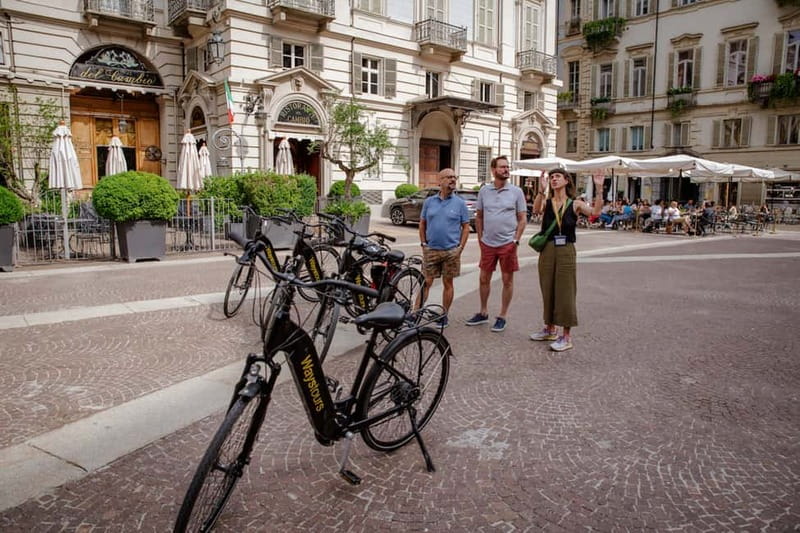
- Savoy squares in sequence: You move through major piazzas fast, including Piazza San Carlo and Piazza Carignano (UNESCO-designated since 1997).
- Mole Antonelliana as the signature stop: The city’s symbol shows up on your route and makes for an easy “I’m really in Turin” moment.
- Powered climb to Cappuccini Hill: The e-bike makes the hilltop viewpoint realistic in a short time.
- Roman and royal layers: Porta Palatina and the Royal Gardens help you see Turin in layers, not a single era.
- FIAT and Lavazza in the same story: You’ll connect Turin’s modern identity to cars (FIAT) and coffee culture (Lavazza).
- A guided pace you can trust: Stops are timed, and your guide keeps you oriented so you’re not just riding in circles.
Why Turin by e-bike makes sense
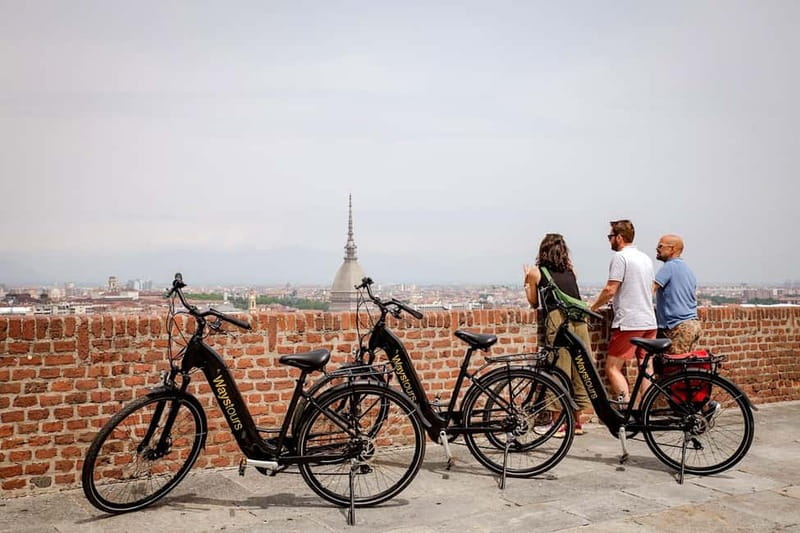
Turin’s a city of “go up, go down” streets. Even if you’re in decent walking shape, a normal walking tour can feel like a long endurance test by the time you reach the best viewpoints.
This e-bike tour fixes that problem with electric help. You still pedal, but the motor takes the edge off climbs so the sightseeing stays the focus. That’s the real value: you get to spend time looking at monuments and learning why they matter, not just grinding through hills.
You can also read our reviews of more tours and experiences in Turin.

Meeting at Ways Tours and getting rolling quickly
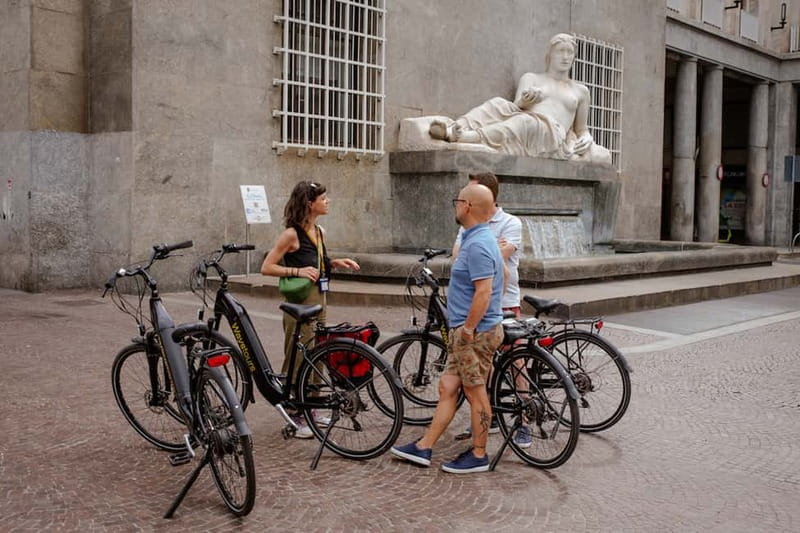
You meet your guide at the Ways Tours shop in Turin. This matters more than it sounds. A central meeting point means less commuting, less confusion, and more time in the actual “Turin loop.”
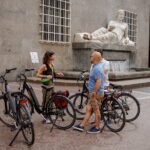
Before you head out, you’ll choose your e-bike and get set up with a helmet. Most people are happy with the condition of the bikes, too, which helps the ride feel smooth from the first minute. It’s also where you’ll learn the group basics: ride together, follow the pace, and keep things predictable since some roads are open to traffic.
Practical tip for the first 10 minutes
If your bike skills are rusty, tell the guide early. This tour is described as easy/intermediate, but it still depends on you being comfortable riding in a group and managing turns.
Piazza San Carlo to Piazza Carignano: Savoy squares and UNESCO details
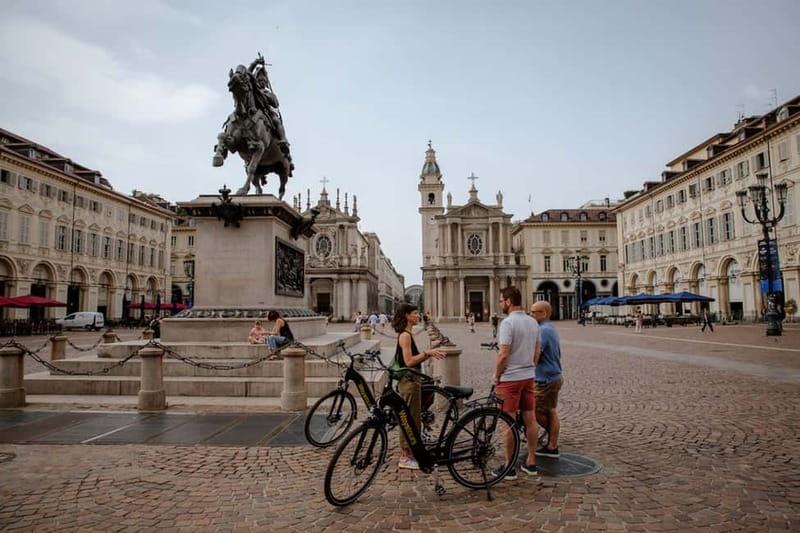
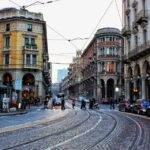
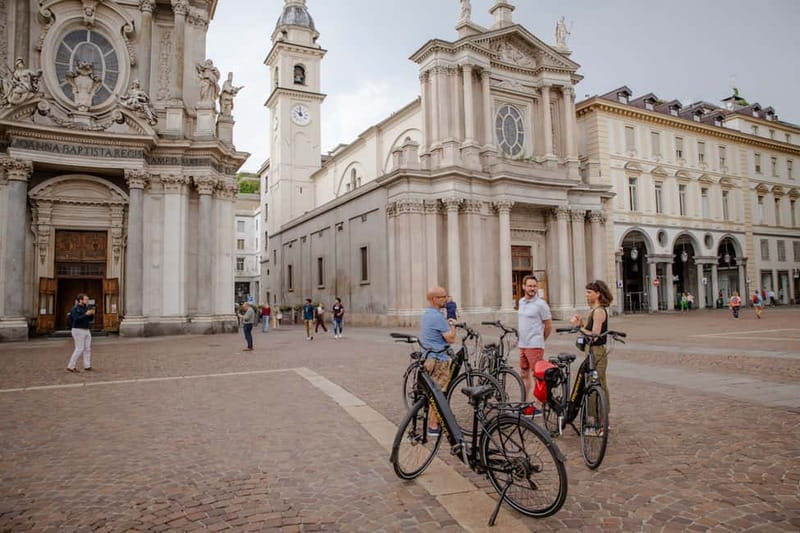
Your first major sightseeing stop is Piazza San Carlo, one of Turin’s best-known grand piazzas. This is where the city’s royal identity hits you right away, starting with the equestrian monument of Emanuele Filiberto of Savoia. The guide’s job here is smart: they don’t just point at statues, they explain how Savoy power shaped what Turin built and where.
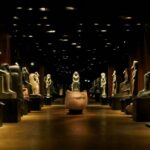
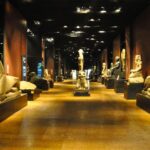
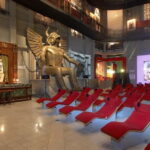
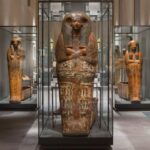
From there, you’ll pass by the Egyptian Museum of Turin. You may not be going inside on this stop, but you’ll get context for why Turin has room for something so unexpected in the first place. It’s one of the fun things about Turin: it’s not only baroque royalty and royal squares. It keeps surprising you.
Then you reach Piazza Carignano and its surrounding historic buildings, part of a UNESCO World Heritage designation since 1997. This is the moment the tour becomes more than sightseeing postcards. You start understanding how the city’s architecture and political legacy are tied together—where power sat, where culture grew, and how the urban layout still guides you today.
What to watch out for at these stops
Piazzas are open spaces, so you’ll feel the sun more than you do on side streets. If you’re riding in warm months, plan on water and a light layer you can adjust during stops.
Piazza Castello, Palazzo Madama, and San Lorenzo: power in stone
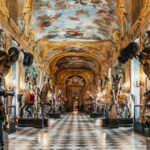
Next comes Piazza Castello, a hub that’s basically built for royal storytelling. Here you’ll admire the Royal Palace, plus Palazzo Madama and the San Lorenzo Church.
Even if you’ve seen “palaces” before, this cluster works well on an e-bike tour because you’re moving in a tight time window. Your guide can connect details across buildings: how authority was displayed, how institutions functioned, and how Turin’s identity shifted across time.
This is also a good place to absorb one of the tour’s bigger themes: Turin doesn’t stay locked in the past. The guide frames what changed, why it matters now, and where you can see modern life layered on top of older structures.
A note on listening
One review mentioned the guide’s voice could be hard to hear at times. On any bike tour, the fix is simple: stay close enough when explanations start, and don’t drift to the far side of the group when the guide is talking.
Royal Gardens and Porta Palatina: where Turin switches gears
After the big piazza sights, the tour shifts into a calmer rhythm with the Royal Gardens (Giardini Reali Superiors). This stop is valuable because it’s not just monuments—it’s atmosphere. Gardens give you a break from hard surfaces and constant staring up at buildings. You also get shade, which makes a long tour feel more manageable.
Then you move to Porta Palatina, an ancient Roman site. This is where Turin’s story gets properly multi-era. You’re not looking at Rome the way you would in Rome; you’re seeing Roman Turin as part of a larger timeline. A local guide can point out what makes the Roman remnants stand out and how they influenced later building patterns.
Why these two stops work together
Gardens + Roman gate = contrast. You go from royal leisure spaces to older civic history, and it helps you understand how Turin kept reusing location and layout over centuries rather than starting from scratch.
Mole Antonelliana and the FIAT-shaped Turin story
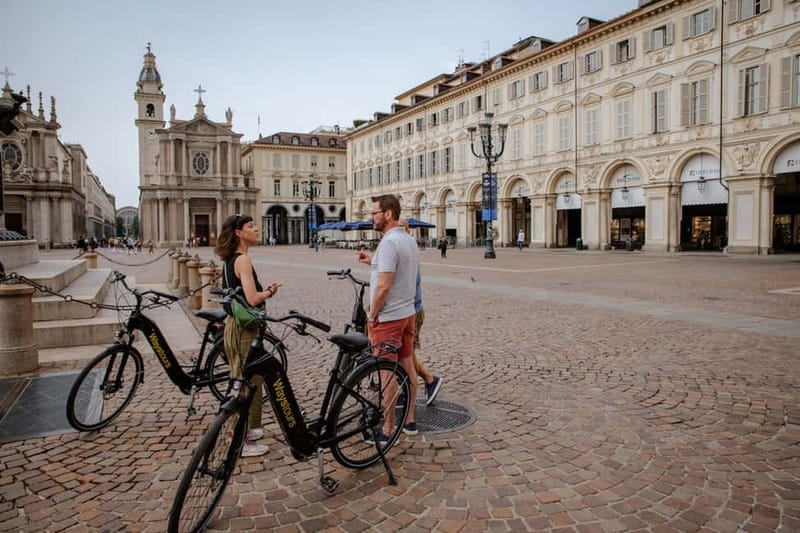
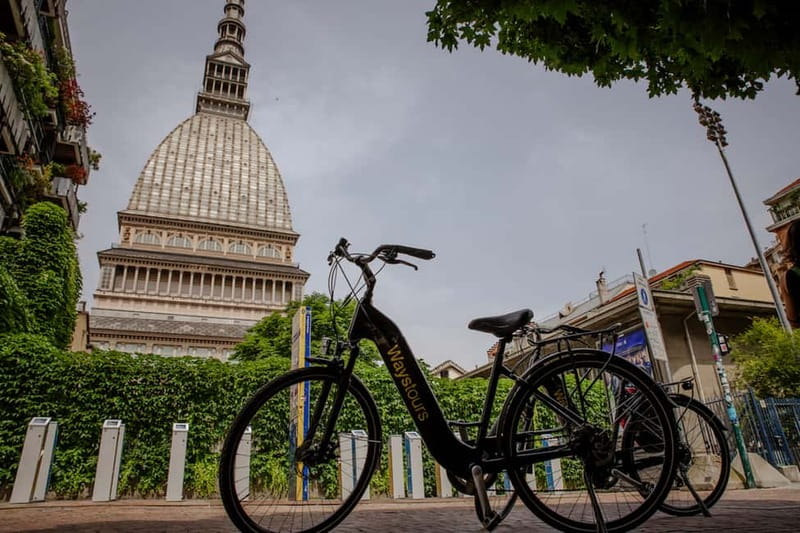
Mole Antonelliana is the city symbol stop. Even if you’ve seen it in photos, it lands differently when you reach it on your bike route. It’s the kind of landmark that feels like a “center of gravity” for Turin. The guide’s job here is to connect it to the city’s identity, not just its height and shape.
Around this area, you’ll also learn how Turin became tied to industrial development—especially FIAT. This matters for your understanding of the city because it explains why Turin looks and feels the way it does beyond its older monuments. The city’s identity isn’t only royal and religious. It’s also factories, work, and modern growth.
And then there’s the street-art side of Turin. You’ll see modern murals connected to sustainability, promoted by Lavazza, the famous coffee brand born in Turin. This is a nice touch because it ties contemporary values to a local brand, so you’re not just seeing art—you’re seeing branding and civic messages in the open.
Cappuccini Hill viewpoint: the climb you’ll remember
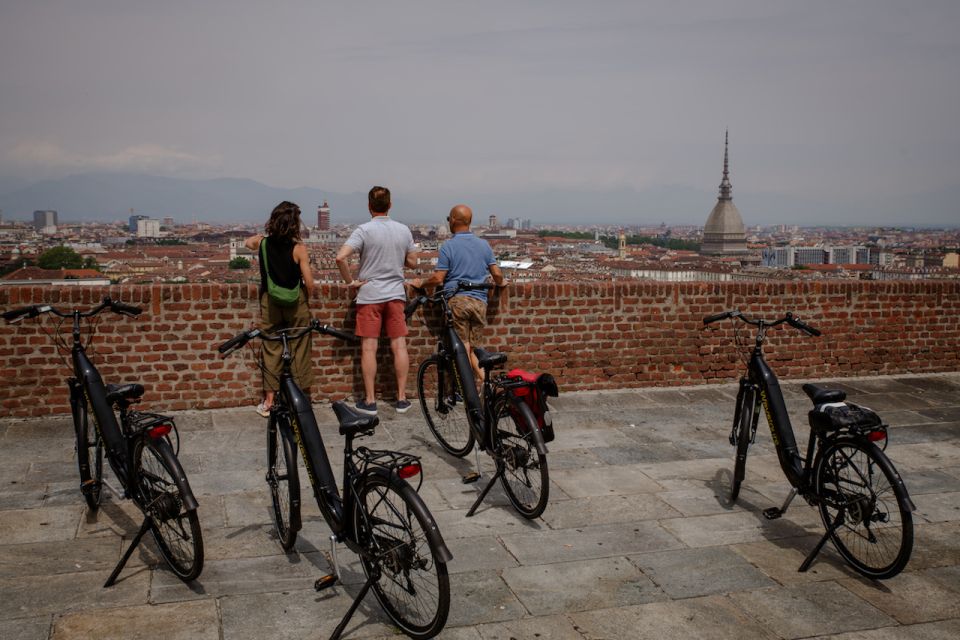
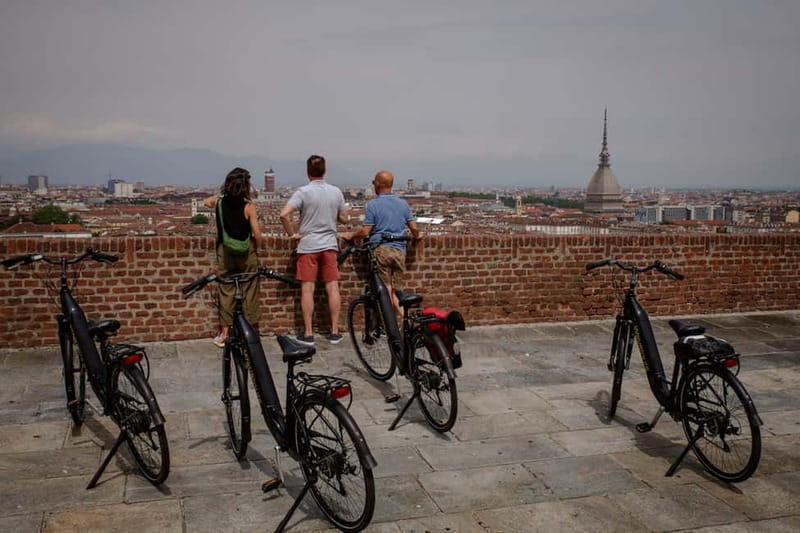
Now for the part many people love most: the hilltop view from Piazzale Monte dei Cappuccini. This climb is exactly where the e-bike earns its keep. The route is described as hilly, but the assistance makes it realistic for an easy/intermediate group.
This viewpoint is often the emotional highlight of the tour for a reason. When you finally look back across the city, everything you saw earlier stops being random. Piazza San Carlo, the royal buildings, Porta Palatina, the Mole Antonelliana area—you start seeing how they relate in one urban picture.
Photo tip
Use your photo stop time like this: take your classic wide shot first, then take 2–3 shots from slightly different angles without rushing. Once you’re down, you won’t get the same vantage again on foot.
Po river bridge crossing and Valentino Park’s local vibe
After the hilltop, the tour crosses the monumental bridge over the Po river. A river crossing is more than a moving point on a map. It changes the perspective. Turin feels wider from there, and you understand why the river matters to city development.
Next comes Valentino Park, a well-known gathering place for locals, with an elegant castle-style landmark area. This stop shifts your focus from monuments to daily life. You’re not just learning about Turin—you’re experiencing one of the ways people actually spend time there.
When people describe this as a relaxed end, it’s because parks act like a palate cleanser after climbing and sightseeing stops. You arrive at Valentino Park with your legs ready to wander a bit, even if you’re still on the bike.
San Salvario and the ride back to base
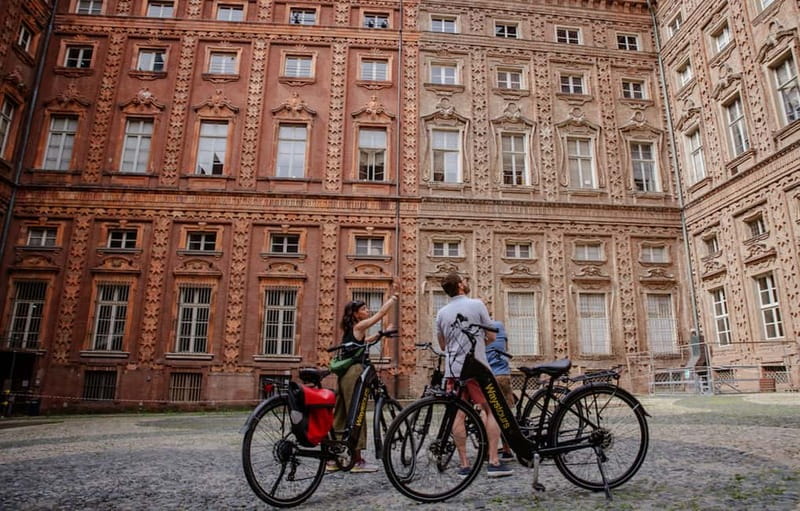
Finally, you roll through the young and lively neighborhood of San Salvario and head back to the starting point at the Ways Tours shop.
This ending is smart. If you only toured the formal center, Turin could feel like a museum. San Salvario adds contrast and helps you understand the city beyond palaces and grand squares.
You also get practical benefit here: after you return, you’ll likely have ideas for what to explore longer on your own. That’s the best use of a highlights tour. It’s not the whole trip. It’s the quick orientation.
Price and value: is $40 for 3 hours a good deal?
Let’s talk money plainly. The price is $40 per person for a 3-hour guided tour with an e-bike and helmet included. That’s not “cheap,” but it’s also not priced like a premium luxury experience.
Here’s why it can be good value:
- You’re paying for a guide who connects monuments to Turin’s changing identity, from Roman-era traces to Savoy power and modern influences like FIAT.
- You’re saving a lot of legs-on-stairs energy with the motor assist, especially for the Cappuccini climb.
- You’re getting an efficient route that covers major sights in one outing, so you can spend the rest of your trip choosing fewer, deeper stops.
The main reason it might feel pricey is simple: if you already like slow self-guided wandering and you’re comfortable climbing without assist, you might prefer free walking routes. But if your goal is to see the core highlights with local context in a short window, $40 can feel fair.
Who should book this e-bike highlights tour
This is a strong fit if you:
- Want Turin highlights fast without exhausting yourself on hills
- Like history plus modern context (Savoy, Roman traces, FIAT, and Lavazza)
- Prefer a guided route so you don’t spend your vacation figuring out the best order to see sights
- Are comfortable riding on roads open to traffic and maintaining group pace
You should skip it if you:
- Need mobility-friendly routes (it’s not suitable for guests with mobility issues)
- Are pregnant (listed as not suitable)
- Don’t meet the minimum height requirement for the e-bike (minimum height is listed as 155 cm / 5 ft 1 in, with other height limits also provided—so check your fit carefully)
Should you book this Turin e-bike tour?
If you’re visiting Turin for the first time and want a smart “get your bearings fast” day, I’d book it. The combination of major piazzas, UNESCO-linked stops, Roman remains, the Mole Antonelliana, and the Cappuccini viewpoint is a very efficient way to understand the city’s shape and story.
The decision comes down to one question: can you handle easy/intermediate biking on traffic-open roads? If yes, this is a great value way to see more of Turin with less fatigue. If not, you’ll enjoy Turin more with a walking-based plan designed for your pace.
FAQ
How long is the Turin City Highlights guided e-bike tour?
The duration is 3 hours.
What does the tour cost?
The price is listed as $40 per person.
Where do I meet the guide?
Meet your guide at the Ways tours shop in Turin (Ways tours – Torino). The tour ends back at the same meeting point.
What’s included in the price?
Included are a local licensed tour guide, use of an e-bike, and a helmet.
Is the tour guide English-speaking?
Yes, the live tour guide is English.
Can children join the tour?
No. Children under 14 years can’t join.
Is there a minimum height requirement for the e-bike?
Yes. The minimum height to use the e-bikes is listed as 1.55 m / 5 ft.
Is this tour suitable for mobility issues or pregnancy?
No. It is not suitable for guests with mobility issues, and it is also listed as not suitable for pregnant women.