REVIEW · TURIN
Museo delle Langhe Entrance Ticket
Book on Viator →Operated by Castello di Grinzane · Bookable on Viator
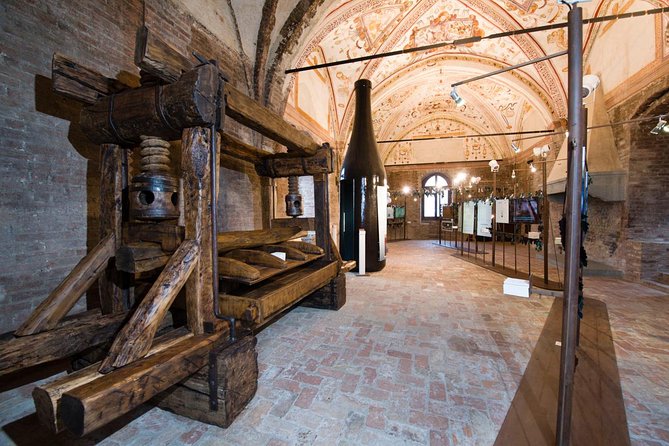
If you want the Langhe without overplanning, this museum-and-grounds ticket at Castello di Grinzane Cavour is an easy win. You step into a 13th-century redbrick castle, then wander through an ethnographic museum of rural life with working-era details like a blacksmith and cooper, plus an 18th-century distillery.
Two things I really like about this stop are the mix of rural history with castle architecture (that Hall of Masks ceiling is worth slowing down for), and the fact that you can pair your visit with Piedmontese tastings in the on-site enoteca area and nearby gourmet shops—at your own pace and budget. One drawback to keep in mind: some visitors find it less engaging if you’re only after quick photo spots, and the visit may be harder if you need step-free access.
This experience is bookable in English and works well as a relaxed day trip from Alba, with enough flexibility to turn it into a short stop or a longer stroll.
In This Review
- Key highlights at a glance
- Grinzane Cavour Castle: why this ticket works as a Langhe day
- Price and what $9.75 really buys you
- Inside the castle: architecture that sets the mood fast
- The museum focus: rural life and local food-wine culture
- A quick note on pacing
- Distillery, blacksmith, and cooper workshops you can picture
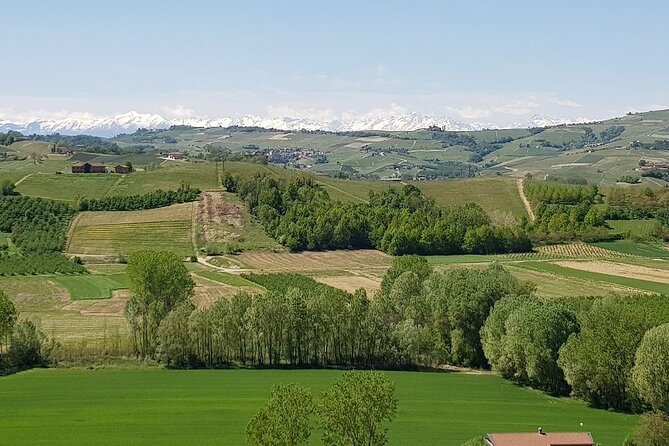
- The grounds and gardens: where the Langhe view does the selling
- Wine and gourmet shops: taste if you want, skip if you don’t
- Timing it right: opening hours and a calm day trip from Alba
- Who this experience fits best (and who should temper expectations)
- The practical verdict: should you book the Museo delle Langhe entrance ticket?
- FAQ
- What does the Museo delle Langhe entrance ticket include?
- How long should I plan for?
- Is the experience available in English?
- Can children visit?
- Is it convenient to reach by public transportation?
- What if plans change—can I get a refund?
Key highlights at a glance
- Castello di Grinzane Cavour entry included: museum and grounds access in one ticket
- Hall of Masks ceiling: 157 painted panels tied to the castle’s 16th-century expansion
- Ethnographic rural-life exhibits: kitchens, weights and measures, farm tools, truffle information
- Workshop scenes: blacksmith and cooper areas that explain how goods were made locally
- Tastings available: Piedmontese wine and products in gourmet shops are optional, not included
- Gardens and views: a strong reason to linger outside, not only inside
Grinzane Cavour Castle: why this ticket works as a Langhe day
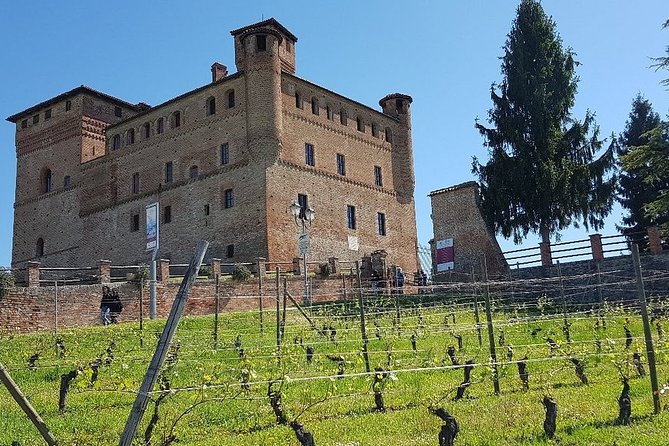
Castello di Grinzane Cavour sits in the rolling Langhe area near Alba, and that location matters. You’re not just stepping into a building—you’re stepping into a place where the setting supports the story. The ticket is designed for a smooth visit flow: enter the castle, move through museum rooms and themed displays, then spend time on the grounds and gardens.
The value here is in the breadth. You get the architecture and the museum in one admission, and the museum itself isn’t just “look at objects.” It’s organized around how people lived and produced things locally—farm tools, kitchen environments from different time periods, craft workshop references, and food-and-wine culture.
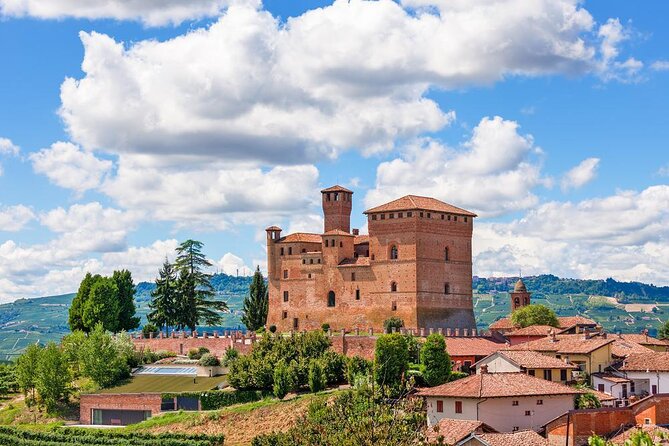
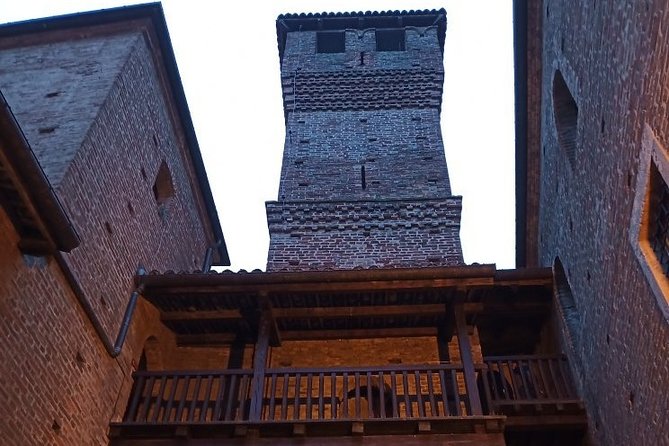
And yes, the castle is visually dramatic. The redbrick exterior, the irregular trapezoidal layout around the courtyard, and the later additions like round turrets give you plenty to look at even before you enter.
You can also read our reviews of more tours and experiences in Turin.

Price and what $9.75 really buys you
At about $9.75 per person, the ticket isn’t trying to be a “big production” tour. This is an entry experience that gives you access to the museum and castle grounds, where you can set your own pace for roughly 1 to 5 hours.
Here’s why that can be a good deal:
- If you like self-paced exploring, this is one of those tickets that pays off the moment you start wandering.
- The museum covers multiple themes—rural life, local food and wine traditions, and historical craft details—so you’re not stuck in a single room for long.
- You can spend more time outside if you want the gardens and views, or shorten the visit if you’re on a tight schedule.
The key “value” question for you is simple: do you enjoy history that connects to everyday life? If your idea of a perfect museum day is decorative art only, you might feel differently. But if you like how places explain production, meals, tools, and regional identity, this ticket makes a strong case for its price.
Inside the castle: architecture that sets the mood fast
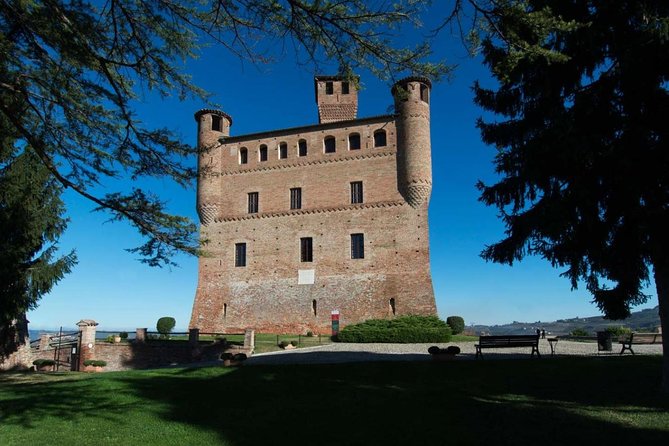
When you arrive, the castle’s structure gives you instant context. It’s based on a trapezoidal plan with four sections arranged around a small main courtyard. That shape makes navigation intuitive: you’re always aware of where you are in relation to the courtyard, and the building feels intentionally designed rather than random.
A few architectural points you’ll notice as you move through:
- The castle’s origins trace back to the first half of the 13th century.
- Major renovations were carried out in 1961, tied to the centenary of Italian unification.
- In the 16th century, the castle was extended with two round turrets, adding visual weight and classic “post-card” corners.
Then there’s the Hall of Masks. The coffered ceiling has 157 painted panels, which is the kind of detail that rewards slow looking. Even if you only catch glimpses while moving between rooms, it pulls the whole experience into focus: this wasn’t a simple rural house. It was a statement building, shaped by multiple eras.
The museum focus: rural life and local food-wine culture
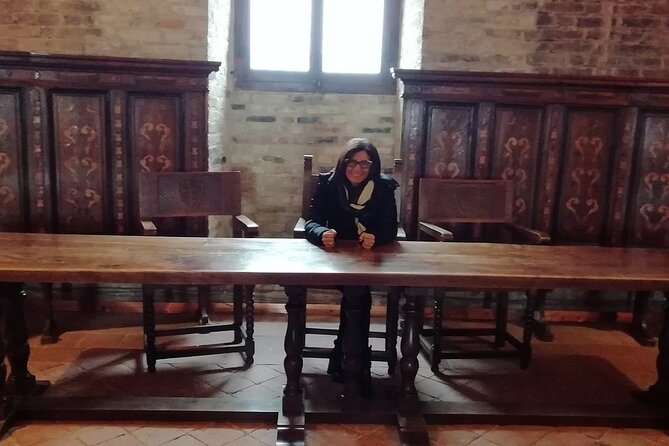
What makes the museum section satisfying is its theme. The castle houses the Cavour Regional Enoteca area, along with a restaurant and an ethnographic museum of rural life. The ethnographic angle is the secret sauce: it connects the castle to the rhythms of farming and making things locally.
Inside, you’ll find exhibit material that touches several layers of the region’s identity, including:
- Cavourian relics
- Wines from Alba in the Roman world (an intriguing “then and now” connection)
- Kitchen settings from the 17th and 19th centuries
- Objects tied to Alba’s food and wine traditions
- Information and references related to truffles
If you enjoy museums that teach you how people lived, you’ll likely appreciate how the displays are built around real production and daily routines—what tools look like, what measurements mattered, how a kitchen setting changes across time periods, and why certain foods become part of regional culture.
A quick note on pacing
This kind of museum can be a “slow pleasure” or a “quick pass,” depending on your interest. If you read most labels and take breaks, the visit naturally stretches toward the longer end of the 1–5 hour range. If you only skim the most relevant rooms, you can still see a satisfying slice without rushing.

Distillery, blacksmith, and cooper workshops you can picture
One reason people rate this experience highly is that it doesn’t feel like a dead collection. The museum includes workshop-related exhibits that help you visualize local production.
You’ll come across:
- A blacksmith workshop reference
- A cooper workshop (linked to barrels and containers)
- An 18th-century distillery
These areas matter because they explain the “plumbing” behind wine and spirits culture: how storage worked, how tools were used, and how practical trades supported the food-and-drink economy. Even if you’re not a wine expert, these exhibits help you understand why regional products are more than just flavors—they’re the result of craft, materials, and time.
And then there are the supporting details that make the museum feel grounded: farmyard implements, weights and measures, and practical items that show how people measured, traded, and made do with what they had.
The grounds and gardens: where the Langhe view does the selling
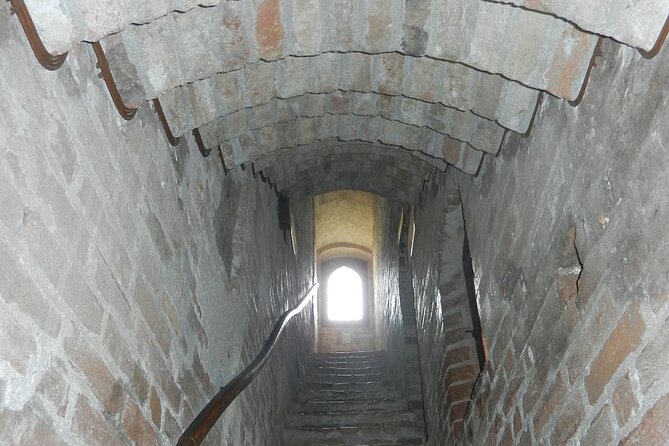
Your ticket isn’t just about indoor rooms. The castle grounds and gardens give you an easy chance to reset after museum reading.
Several positive notes point to the same theme: people love the outside time—especially the gardens and the views. That matters because many castle visits turn into a sprint through rooms, but here the setting encourages lingering. Even if you don’t know much about architecture or rural history, stepping out and taking in the hills around the Langhe helps the museum “stick.”
Practical tip: plan at least a short break outside. Treat it like part of the museum, not a bonus. The contrast—indoors for details, outdoors for scale—makes your visit feel complete.
Wine and gourmet shops: taste if you want, skip if you don’t
The visit ties naturally to food and wine, but it doesn’t force spending. The castle area includes the Cavour Regional Enoteca, and you’ll have opportunities to sample Piedmontese wine and other products in gourmet shops on-site or in the complex area. Those tastings are own expense, so you choose your comfort level.
I like this setup because it gives you flexibility:
- If you want a light snack and one or two tastings, you can do that.
- If you’re not in a tasting mood, you can still enjoy the museum and only use the enoteca area as a visual break.
You’ll also notice how the museum’s themes support the tasting part. When you’ve seen references to wines from Alba’s history and local traditions, tasting feels less random.
Timing it right: opening hours and a calm day trip from Alba
This experience is most often thought of as a day trip from nearby Alba, and that’s a smart framing. The castle is a great “anchor stop”: you can build your day around it without needing a complicated route.
Opening hours listed for Monday are 10:00 AM to 5:00 PM. The total visit length can vary, so if you want to avoid feeling rushed, aim for earlier in the day. The 10-day advance booking pattern also suggests this place is popular enough that planning ahead helps.
A simple way to build a day:
- Arrive with time to enter, read key rooms, and step outside into the gardens.
- If you’re adding tastings, keep that as your final optional layer so you don’t feel pressured early.
Who this experience fits best (and who should temper expectations)
This ticket is a good match if you like any of these:
- Castle architecture with a museum inside
- History told through everyday life: tools, kitchens, measurements, production trades
- Regional food-and-wine culture that explains the background, not just the final product
- A visit that includes both indoors and outdoors
You may want to think twice if:
- You’re expecting only the very biggest “must-see art masterpieces.”
- You prefer a tour style with lots of active interaction all the way through. This is more of an entrance-and-explore experience.
- You need step-free access. One review notes it’s not suitable for disabled visitors, so this is worth considering carefully before you commit.
The practical verdict: should you book the Museo delle Langhe entrance ticket?
Yes—if you want a straightforward way to experience the Langhe through a real regional lens. For the price, you get meaningful access to the castle grounds, the museum of rural life, and the Enoteca setting. The Hall of Masks detail plus the workshop and distillery themes make it feel more than “a stop for photos,” especially if you’re the type who likes to read and connect the dots.
Book it especially if you’re pairing it with Alba and you want your day to feel calm, scenic, and culturally grounded. If your travel style is laser-focused on only one or two major sights, or if mobility is a concern for you, plan carefully and consider a different approach.
FAQ
What does the Museo delle Langhe entrance ticket include?
It includes entrance to the museum and grounds at Grinzane Cavour Castle.
How long should I plan for?
Plan for about 1 to 5 hours, depending on how long you spend in the museum and on the grounds.
Is the experience available in English?
Yes, it’s offered in English.
Can children visit?
Children must be accompanied by an adult.
Is it convenient to reach by public transportation?
Yes, it’s near public transportation.
What if plans change—can I get a refund?
You can cancel for a full refund if you cancel up to 24 hours in advance of the experience start time.