REVIEW · TURIN
Turin: MAUTO Museum Ticket
Book on GetYourGuide →Operated by MUSEO NAZIONALE DELL'AUTOMOBILE · Bookable on GetYourGuide
Cars, but make it culture and science. MAUTO in Turin turns a car museum into a story about style, research, and how technology changes daily life.
I love the way the exhibits connect the automobile to scientific and technological achievements. I also love the museum’s staging, where François Confino’s scenic contextualization helps you see cars as more than objects on a pedestal.
One thing to consider: the museum includes temporary exhibitions, so if you want strictly automotive-only history, you might find some sections feel more like art than engineering.
In This Review
- Key things I think you’ll notice right away
- MAUTO in Turin: Cars, Culture, and Science in One Ticket
- Price and Time: Is the Ticket Value Solid?
- Permanent Collection: How Cars Shaped Trends and Technology
- Temporary Exhibitions: Worth It, With One Balanced Caution
- François Confino’s Scenic Context: Why the Rooms Change Everything
- Audio Guide Plan: QR Code, Your Headphones, and a Faster Day
- Practical Arrival: Express Security and a DIY Route
- Food Break: The Caffetteria Discount Is a Small Win
- Who This MAUTO Ticket Fits Best
- Should You Book the MAUTO Museum Ticket?
- FAQ
- What does the MAUTO Museum Ticket include?
- How much does the MAUTO Museum Ticket cost?
- How long is the ticket valid?
- Is the ticket refundable?
- Do I get an audio guide?
- Is the museum wheelchair accessible?
Key things I think you’ll notice right away
- The car as culture and research, not just design
- François Confino’s scenic setup, which changes how you view the vehicles
- Permanent collection plus temporary exhibitions, so you’re not doing the same walk every visit
- Free audio guide via QR code, with your own headphones required
- Express security check for a quicker entry
MAUTO in Turin: Cars, Culture, and Science in One Ticket
This is the National Automobile Museum of Turin, and the ticket is built around one big idea: the car didn’t just change transportation. It pushed trends in culture, and it also fed into scientific and technological progress.
What makes MAUTO feel worth your time is the museum’s emphasis on connections. You’re not only looking at cars as machines; you’re learning how automotive developments connect to broader achievements and shifting habits in society.
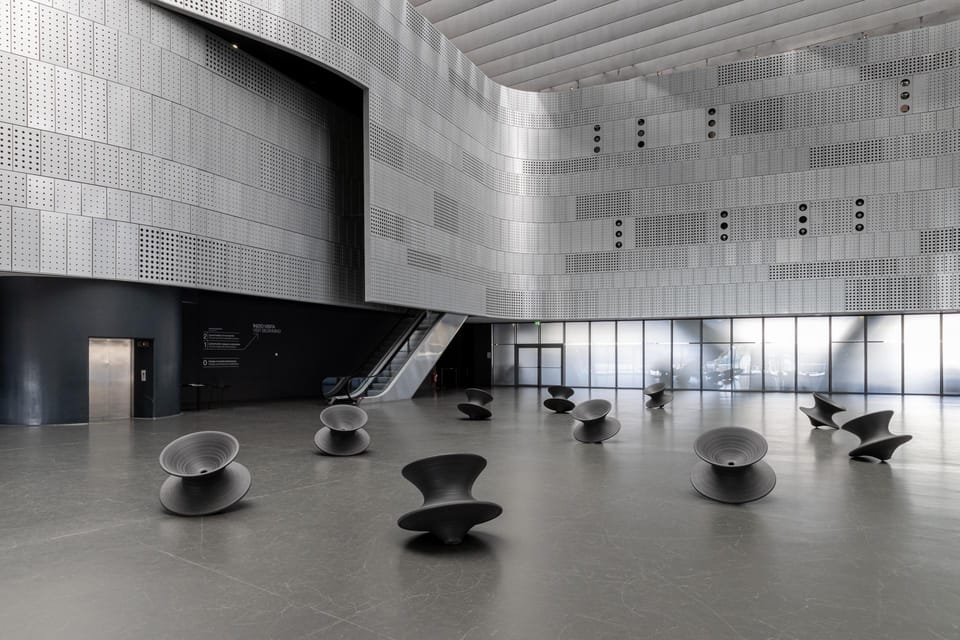
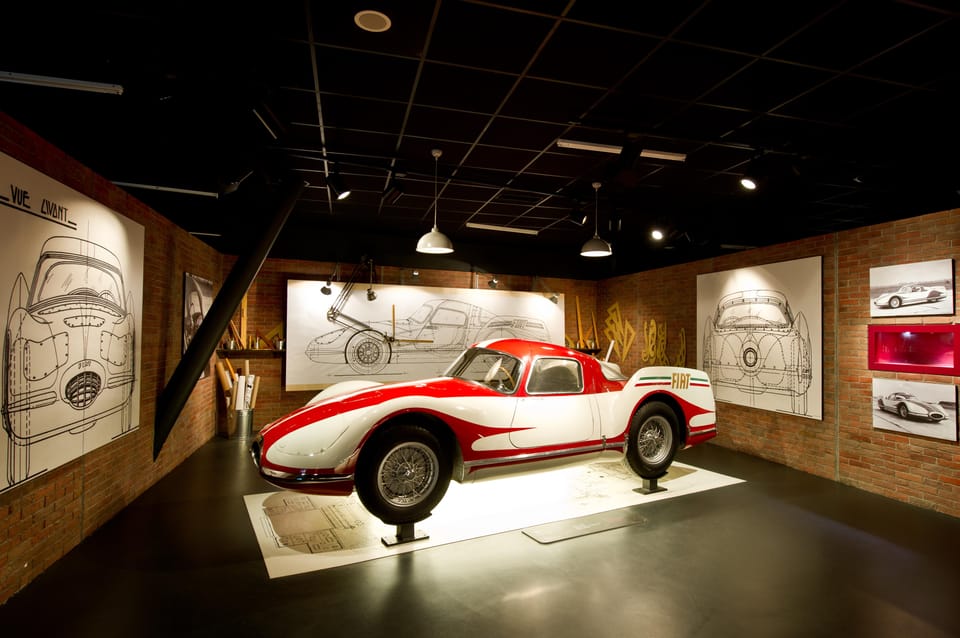
The setting helps too. The museum’s cars are presented with scenic contextualization designed by François Confino, which means the room atmosphere supports the story instead of acting like a neutral container.
If you like museums that explain cause-and-effect—how one invention nudges the next—you’ll probably enjoy the flow here.
You can also read our reviews of more tours and experiences in Turin.


Price and Time: Is the Ticket Value Solid?
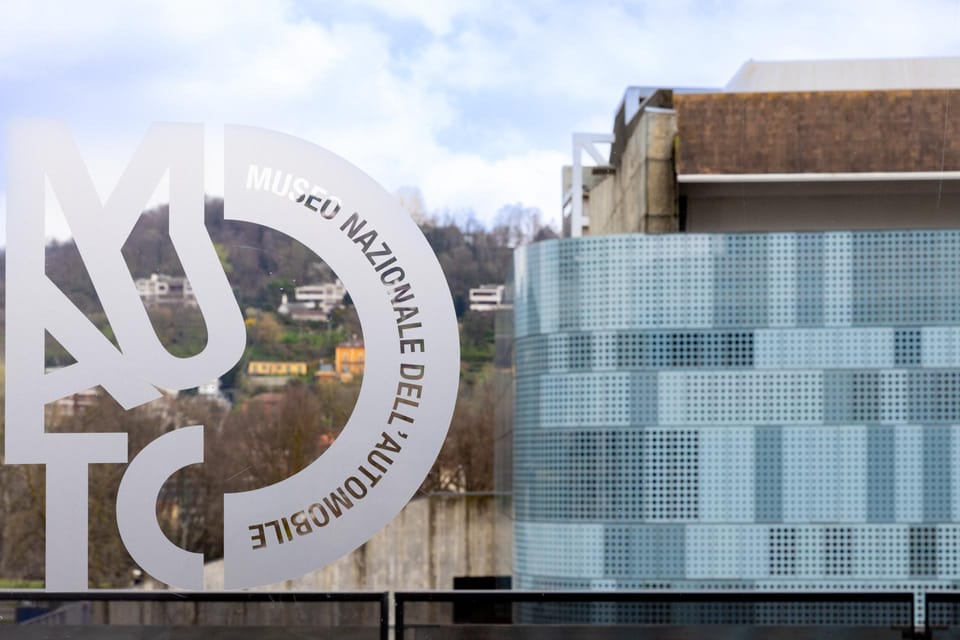
You’re looking at a ticket price of about $27 per person, valid for 1 day. For a full museum visit with both the permanent collection and current temporary exhibitions, that price feels reasonable—especially since you’re not limited to a short, timed tour.
Plan for a day at a comfortable pace. The museum is self-guided, so you can spend extra time on the vehicles that catch your eye and skip what doesn’t.
Two small value boosters: you get access to both permanent and temporary exhibits, and the ticket includes a 10% discount at the caffetteria. That can turn into a noticeable saving if you plan to grab a drink or snack during your visit.
One practical note: the activity is non-refundable, so double-check your schedule before you lock it in.
Permanent Collection: How Cars Shaped Trends and Technology
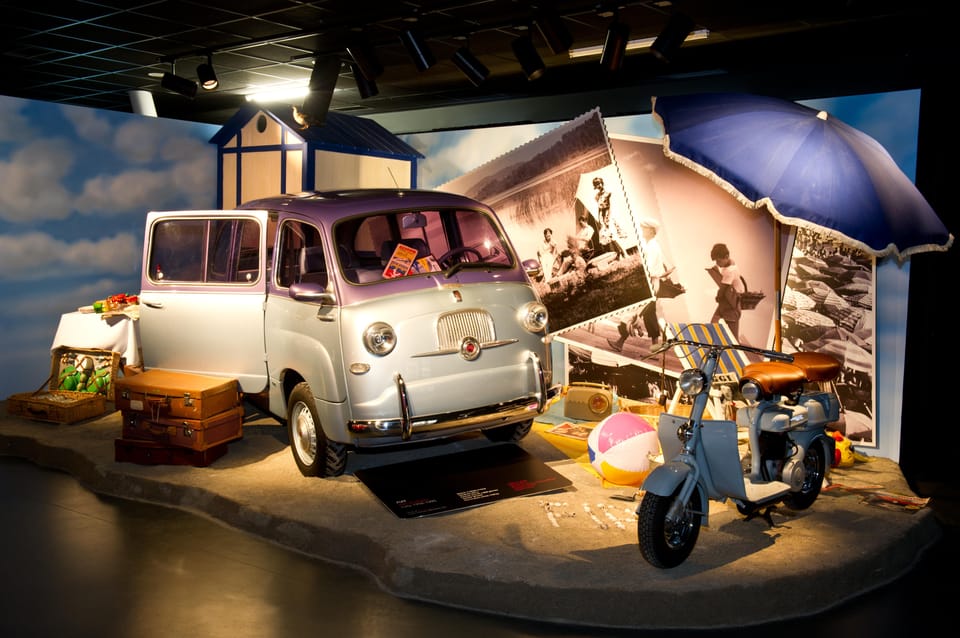
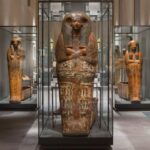
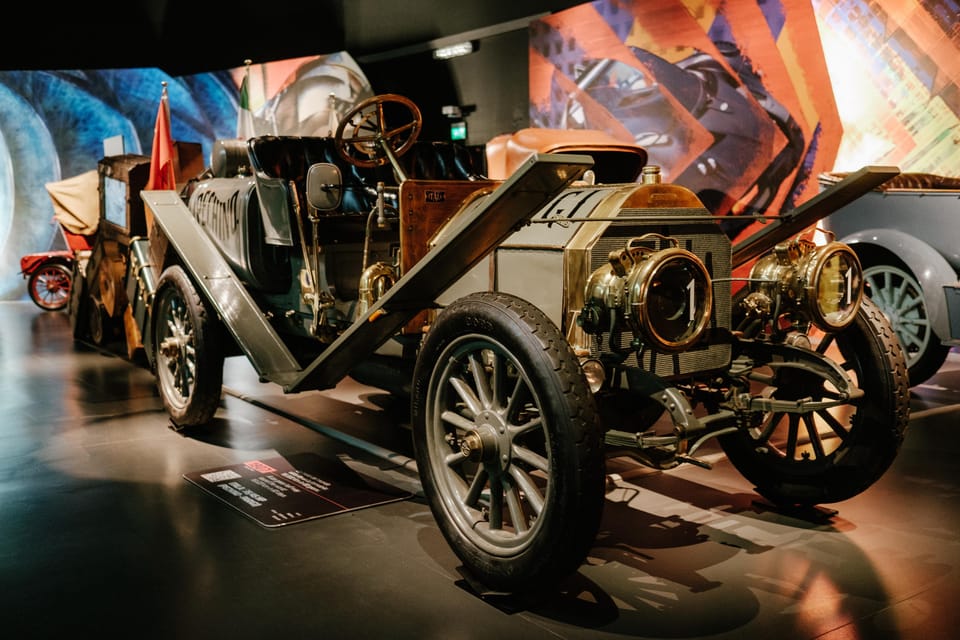
The permanent collection is the core of this ticket. It focuses on the history of the automobile and how its influence spread into culture and trends, not just manufacturing.
What I like about this focus is that it supports different types of interests. If you care about design or social change, the museum frames the car’s impact on everyday life and evolving tastes. If you’re more technical, you get the angle on scientific research and technological achievements.
Think of the permanent collection as the museum’s backbone. It gives you the context that makes later exhibits—especially any temporary shows—feel less random. Instead of treating each display as its own topic, you start seeing patterns: engineering ideas, then cultural effects, then new directions.
Because you explore at your own pace, you can do a quick sweep first and then return to the most interesting vehicles and themes. That’s often the best strategy in museums like this, where different cars and eras naturally pull you in different directions.
Temporary Exhibitions: Worth It, With One Balanced Caution
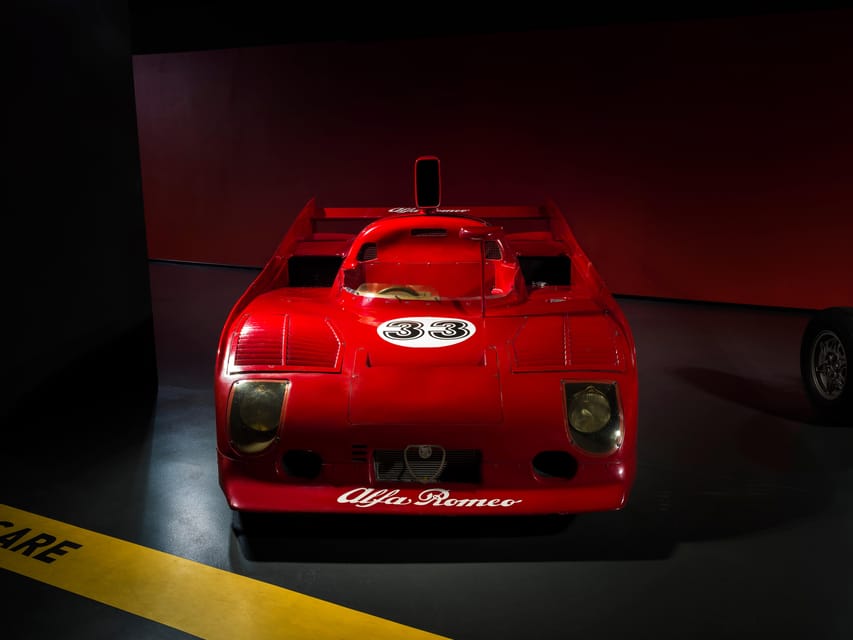
You’ll also have access to current temporary exhibitions, and this is where the experience can vary a bit from visit to visit.
A standout upside: temporary exhibitions can add fresh context and keep the museum from feeling repetitive. They also give you something to look forward to beyond what you’d expect from a standard automobile museum.
A balanced caution: one review noted a temporary presentation that felt disconnected from the main focus on automobiles. Translated into real-life advice, this means you might want to be mentally flexible. If you go in expecting only car history and engineering, you may need a couple of stops before you find the temporary section that truly clicks for you.
If you enjoy museums that mix mediums—cars plus art-like ideas—this part can add personality. If you prefer a straight line from vehicle to vehicle, you can always prioritize the permanent collection first and treat temporary exhibits as optional.
François Confino’s Scenic Context: Why the Rooms Change Everything
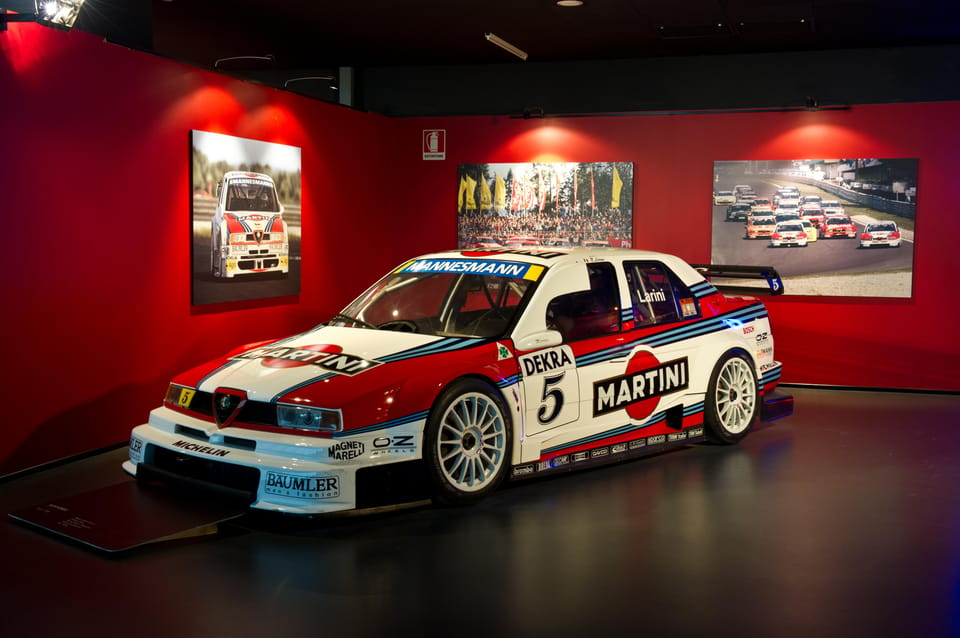
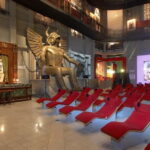
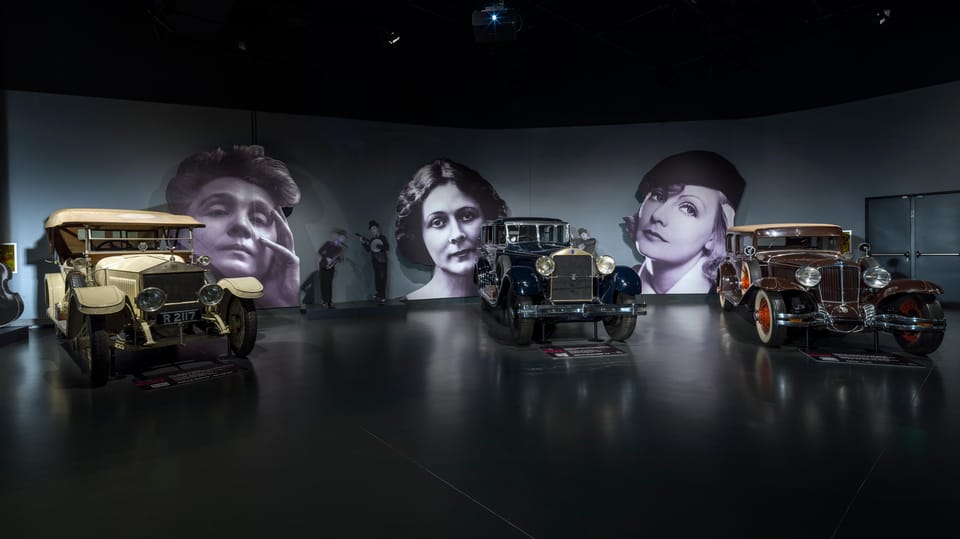
One of the most distinctive elements here is the scenic contextualization created by François Confino. Instead of showing cars in an identical, neutral display, the museum uses the environment to help you experience the vehicles as part of a larger visual and thematic setup.
This matters because cars are hard to “read” with your eyes alone. A vehicle can look sleek, historic, or futuristic, but the real meaning often comes from context—how the car fits into trends, technology, and time periods.
When the space supports that context, you tend to notice more. Details that you’d normally pass by—proportions, design language, or the way a car is meant to be seen—start to feel connected to the story the museum is telling.
It’s also a good reminder that museum design is part of the experience. If you’ve ever walked through exhibits that felt sterile, MAUTO’s approach is a better match for people who like a bit of atmosphere.




Audio Guide Plan: QR Code, Your Headphones, and a Faster Day
MAUTO includes a free audio guide. You download it using a QR code on arrival with your mobile device.
You should plan to bring your own headphones. The museum explicitly asks you to use your own, so don’t rely on finding replacements on-site.
The audio guide is especially useful in a museum like this because it helps you get your bearings quickly. When you’re exploring at your own pace, short, on-demand explanations reduce guesswork: what you’re seeing, why it matters, and what theme you should connect it to.
My practical advice: scan the QR code early, then commit to listening in short bursts. Don’t try to listen to everything cover-to-cover while rushing through crowded spaces. Instead, use the guide where you actually pause—at the cars and sections that grab you.
That way, the audio guide becomes a tool for focus, not a background soundtrack you barely absorb.
Practical Arrival: Express Security and a DIY Route
The ticket includes skip-the-line express security. That’s a real advantage in a museum day because it protects your time. You spend less effort waiting and more time doing the thing you came for: wandering the exhibits.
Because this is self-paced, you’re building your own itinerary. A smart order is usually:
- Start with the permanent collection to get the museum’s baseline story.
- Then move to temporary exhibitions while your attention is still sharp.
- Finish with anything you want to revisit after you’ve heard more through the audio guide.
Keep your day flexible. The museum is designed for you to wander, and the best visits usually come from letting a few vehicles pull you off your original plan.
If you’re tight on time, focus first on the sections tied to the car’s influence on trends and the car’s role in scientific and technological progress. Those themes match the museum’s core promise and give you the most “why it matters” payoff.
Food Break: The Caffetteria Discount Is a Small Win
Included with the ticket is a 10% discount at the caffetteria. It’s not a huge amount, but it can help if you plan to take a midday break.
If you’re doing a full museum day, a food stop is practical. It prevents the classic problem of rushing through the later exhibits while you’re hungry and tired.
You don’t need a long meal either. A short pause lets you reset before you tackle the temporary exhibitions.
Who This MAUTO Ticket Fits Best
This ticket is a strong match if you like museums where objects connect to ideas. If you’re the type who enjoys understanding how technology affects culture and research, MAUTO is built for you.
It’s also a good choice if you want a day that’s flexible. The museum lets you explore at your own pace through the permanent collection and temporary exhibitions, with a free audio guide to keep you oriented.
You might want to think twice if you’re only interested in cars in a strict engineering timeline. Temporary exhibitions may not always read as purely automotive history, and one review specifically called out a mismatch between car-focused expectations and an art-related presentation.
For most people, though, this is a balanced museum experience: enough structure to guide you, enough freedom to follow your curiosity.
Should You Book the MAUTO Museum Ticket?
Yes—if you want a car museum that explains the bigger picture. The best value here is the combination of permanent + temporary exhibits, the free audio guide, and the museum’s design approach through François Confino’s scenic contextualization.
Also, the feedback score is strong: a 4.6 rating from 154 reviews suggests people generally feel they got something worth their time. The main caution is the temporary art-like detour risk, so go in with curiosity rather than a strict checklist.
If you’re short on time in Turin, prioritize the permanent collection and use the audio guide to focus your attention. If you have a full day, you’ll get more out of the story threads connecting cars, trends, and technological progress.
FAQ
What does the MAUTO Museum Ticket include?
Your ticket includes access to the Permanent Collection and the current Temporary exhibitions. It also includes a 10% discount at the Caffetteria, plus express security for quicker entry.
How much does the MAUTO Museum Ticket cost?
The price is listed as $27 per person.
How long is the ticket valid?
The ticket is valid for 1 day. You’ll want to check availability to see starting times.
Is the ticket refundable?
No. The activity is non-refundable, and it’s stated the same in the provided details.
Do I get an audio guide?
Yes. There’s a free audio guide that you download using a QR code when you arrive, and you must use your own headphones.
Is the museum wheelchair accessible?
Yes. The activity is listed as wheelchair accessible.