REVIEW · VENICE
Venice: Rialto Market Food and Wine Lunchtime Tour
Book on GetYourGuide →Operated by Food Raphael Tours and Events · Bookable on GetYourGuide
Follow the smell of cicchetti through Venice. This 4-hour Rialto Market Food and Wine Lunchtime Tour mixes guided walking with tastings in local spots, then sprinkles in stories tied to Rialto’s food culture. I like that you’re not just “looking” at Venice—you’re eating in the places Venetians actually go.
Two things I really enjoyed: the stop at an 18th-century osteria known for cicchetti (Venice’s tapas-style snacks), and the way the tour rolls those bites alongside regional wines. You’ll also hear the background from the people behind the plates—producers, business owners, and innkeepers who can explain why these foods are the local default.
One consideration: the Rialto Market can be closed on Sundays, so your market time may be limited depending on the day. If that’s a big reason you booked, double-check your calendar before you commit.
In This Review
- Key things to know before you go
- Why this Rialto Market food and wine tour fits Venice well
- Meeting at San Giacomo di Rialto: start where locals start
- Rialto Market: fish, produce, and learning what to actually notice
- Cicchetti at an 18th-century osteria: the real Venice-style snack break
- Wine and bite-sized pairings: how the tastings actually work
- Meeting producers and innkeepers: the stories give the flavors context
- Campo San Bartolomeo: Marco Polo’s former home and a sense of myth
- Casanova’s haunts and church trivia: small facts that feel fun on the street
- Campo Santi Giovanni e Paolo: tiramisu, coffee, and that Venice flavor finale
- Pace, group size, and comfort: what it feels like when you’re in it
- Value: why four hours can feel like a whole meal circuit
- Who this tour suits best (and who might prefer something else)
- Should you book this Rialto Market food and wine tour?
- FAQ
- Where is the meeting point?
- How long is the tour?
- Is the tour guide available in English?
- What should I bring?
- Are there vegetarian options?
- What if I have food allergies?
- Is Rialto Market open on Sundays?
Key things to know before you go
- Cicchetti + wine in multiple local eateries, not just one tasting stop
- Rialto Market strolling through fish, fruit, and vegetables with an in-the-know guide
- History you can taste, including stops connected to Marco Polo and Casanova
- Bellini origin trivia and other quick Venice facts as you walk
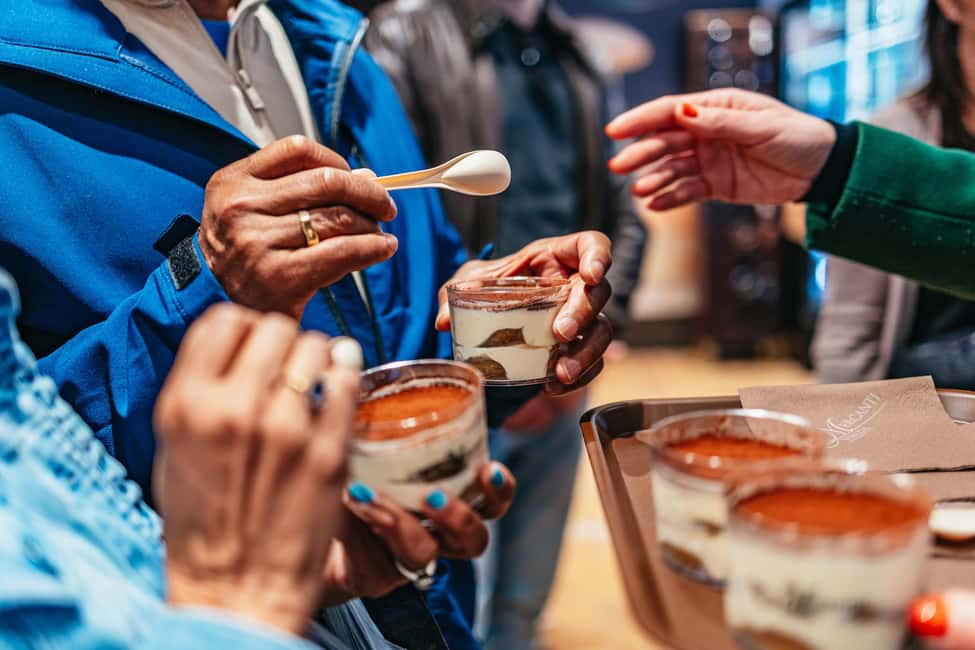
- Tiramisu with coffee at Campo Santi Giovanni e Paolo for a very Venetian finish
- Small groups often make the food and chat feel easy, not rushed
Why this Rialto Market food and wine tour fits Venice well
Venice is pretty, but it’s also easy to waste time. You can wander for hours and still end up eating the same tourist-menu stuff twice. This tour is built to cut through that.
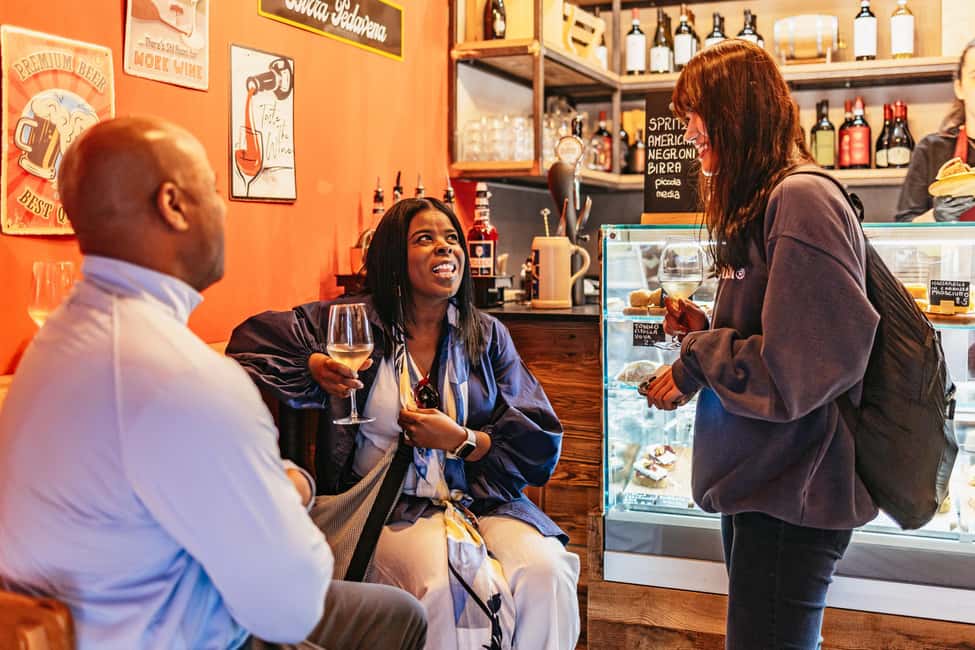
In four hours, you get a focused slice of Venice: Rialto’s food energy, several tastings spread across different types of places (osterias, trattorias, pastry shops, wine bars), and a walk through the city’s famous story spots. It’s a “do more than sightseeing” kind of tour.
And the best part for most people is the pacing. You’re constantly moving, but not at a sprint. The tastings give you breaks, and the walking keeps you from feeling like you’re stuck in a single room for the whole trip.
You can also read our reviews of more tours and experiences in Venice.

Meeting at San Giacomo di Rialto: start where locals start
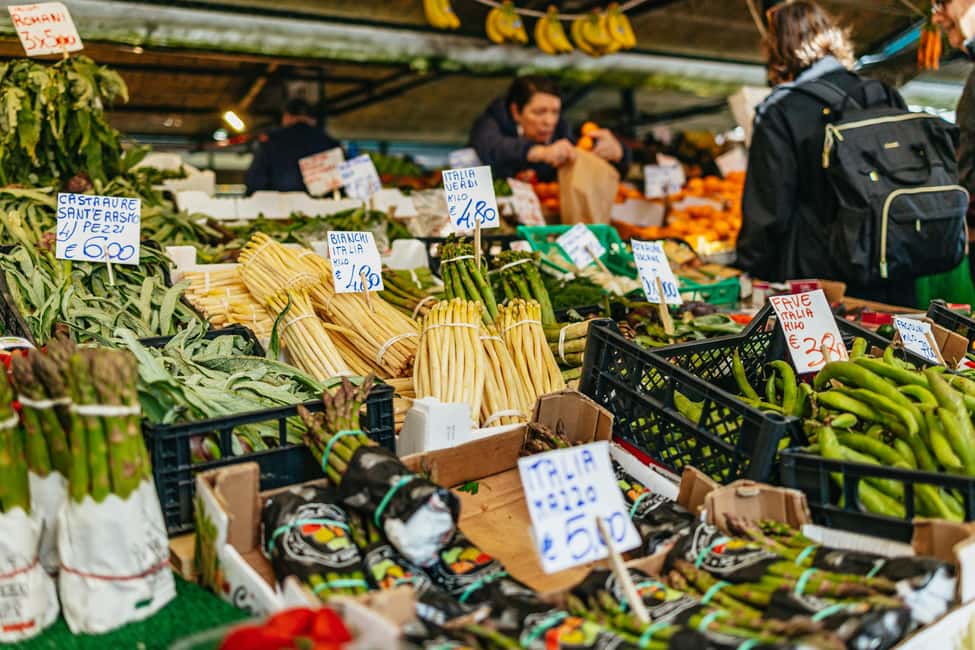
You meet outside the Church of San Giacomo di Rialto, near Rialto. If you’ve been to Venice before, this is a handy area to orient yourself fast—lots of lanes radiate from there, and you can feel the market district come alive.
Bring comfortable shoes. That’s not just a generic warning; the route spends a lot of time on tight streets and uneven ground. If your shoes aren’t up for it, you’ll feel it by the second tasting.
Also, arrive a few minutes early. The tour is timed to walking flow plus food stops, so being late can cause delays for the group and for the staff you’re meeting.
Rialto Market: fish, produce, and learning what to actually notice
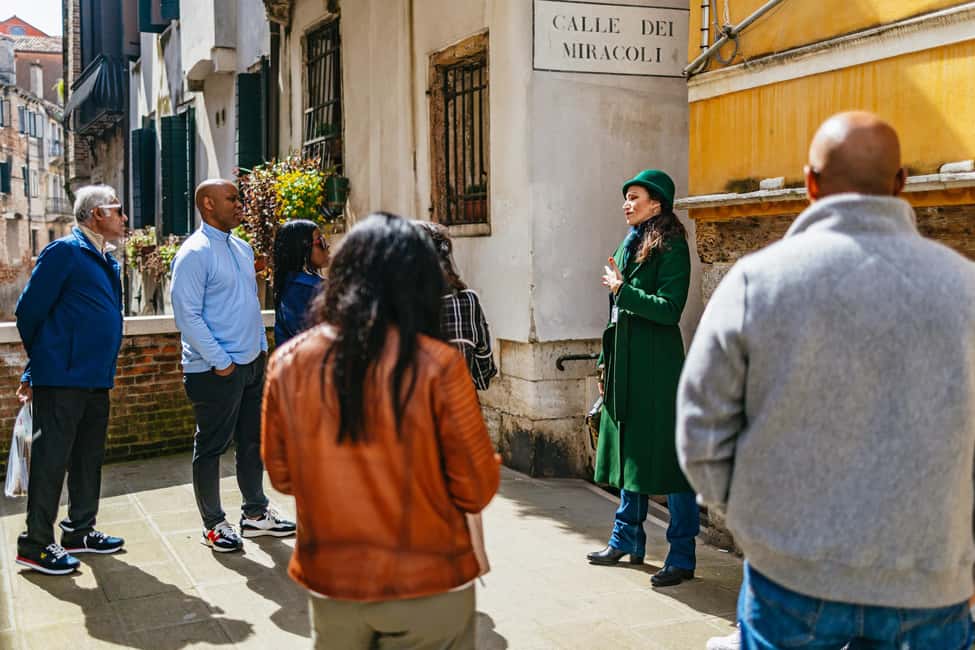
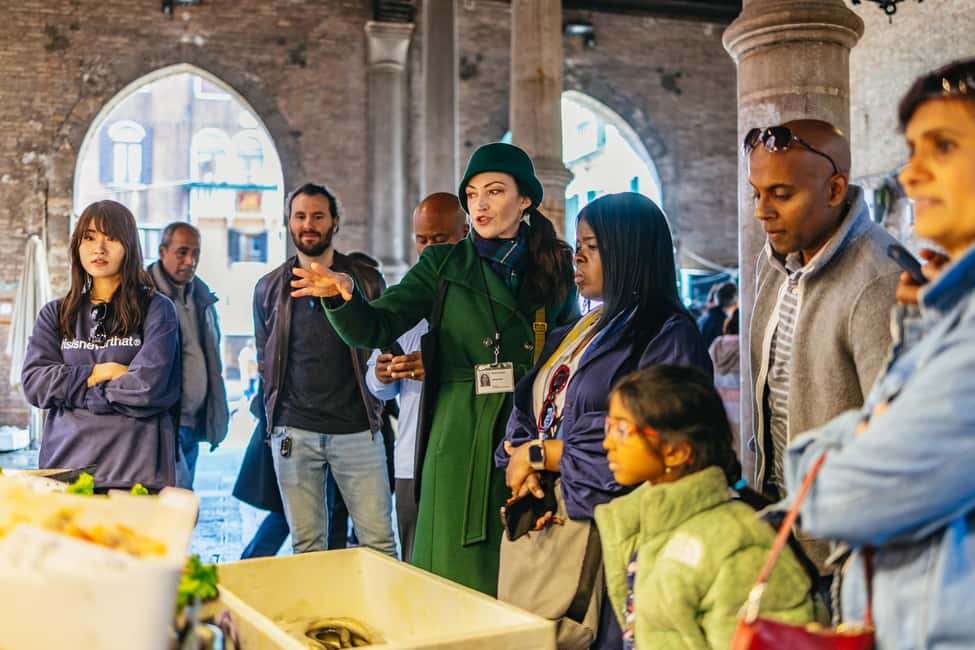
The tour’s first big “wow” is the Rialto Market stroll. Expect to see locals shopping for farm-fresh produce and plenty of fish. Even if you’re not the type to buy anything, watching the selection helps you understand what’s truly driving Venetian meals.
This is where a guide makes a difference. You’ll learn what to look for beyond the obvious. In a market like this, small details—what looks freshest, what gets used most, and what families typically buy—tell you a lot about local food habits.
One word of warning, based on a real booking experience: on Sundays, Rialto Market may be closed. If you’re traveling on a Sunday, that doesn’t automatically ruin the tour, but it can change how much market time you get. If you came for the market specifically, plan around it.
Cicchetti at an 18th-century osteria: the real Venice-style snack break
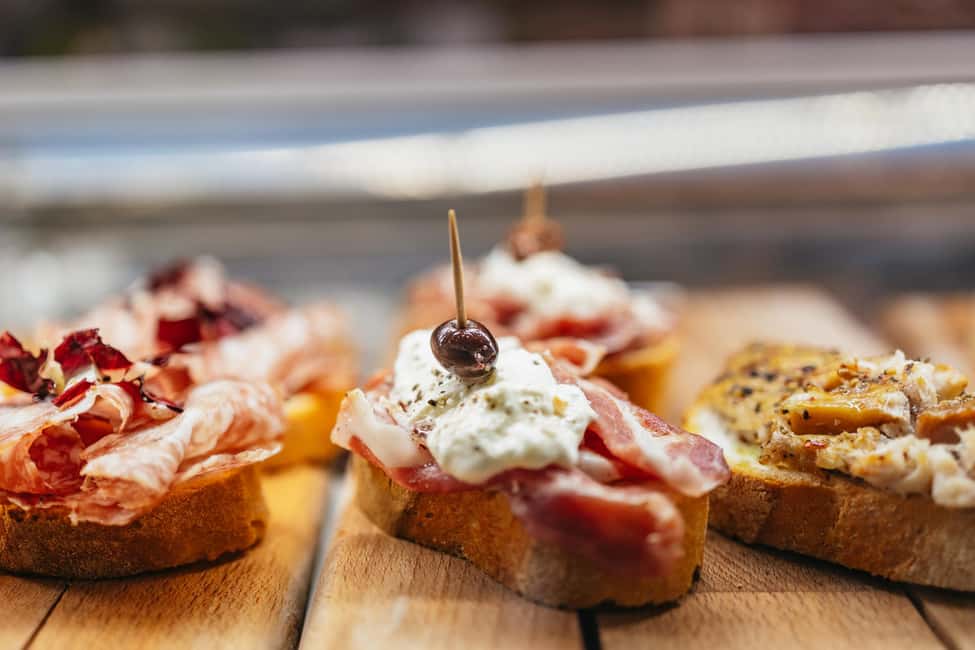
After the market walk, you head to an osteria famous for cicchetti. Think of them as Venetian tapas-like bites—small plates designed to be paired with a drink, often enjoyed as a social stop in the afternoon or early evening.
This stop matters because it teaches you how Venetians snack, not just what they eat. A lot of visitors treat Venice as one big sit-down meal. Cicchetti are the opposite vibe: quick, communal, and meant to keep you moving through the day.
And because it’s an 18th-century place, the setting adds something extra. It’s not just food; it’s the sense that this style of eating has a long local routine behind it.
Tip for your stomach: this tour is food-forward. If you show up hungry (and not stuffed from breakfast), you’ll enjoy the tastings more and feel less like you’re forcing it.
Wine and bite-sized pairings: how the tastings actually work
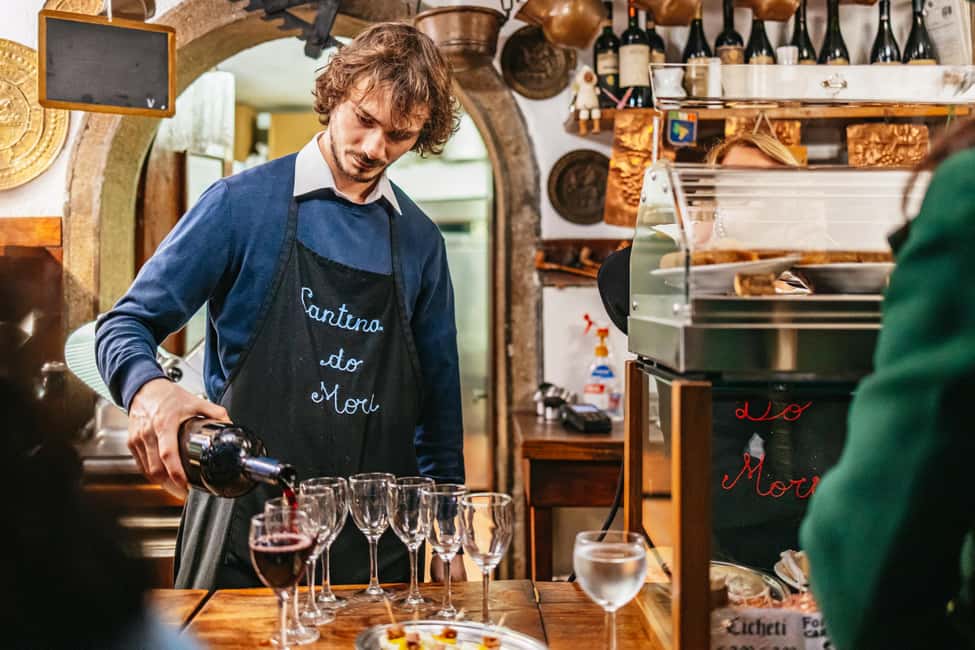
You’ll get regional wines alongside bite-sized flavors throughout the walk. The tour doesn’t treat wine like a separate event. It’s built into the food rhythm—sample, walk, sample again, then refuel.
I like this approach because it helps you understand what you’re tasting. You’re not just collecting flavors; you’re learning what regional wine tends to pair with in Venetian and Venetian-adjacent eating.
Most stops also help you connect the food to the place. The guide explains why certain items show up again and again in menus—what the ingredients are doing in the local cooking culture.
If you’re the type who hates making choices at restaurants, this tour is a stress reducer. You don’t have to decide what to order three times. The guide handles the flow, and you focus on tasting.



Meeting producers and innkeepers: the stories give the flavors context
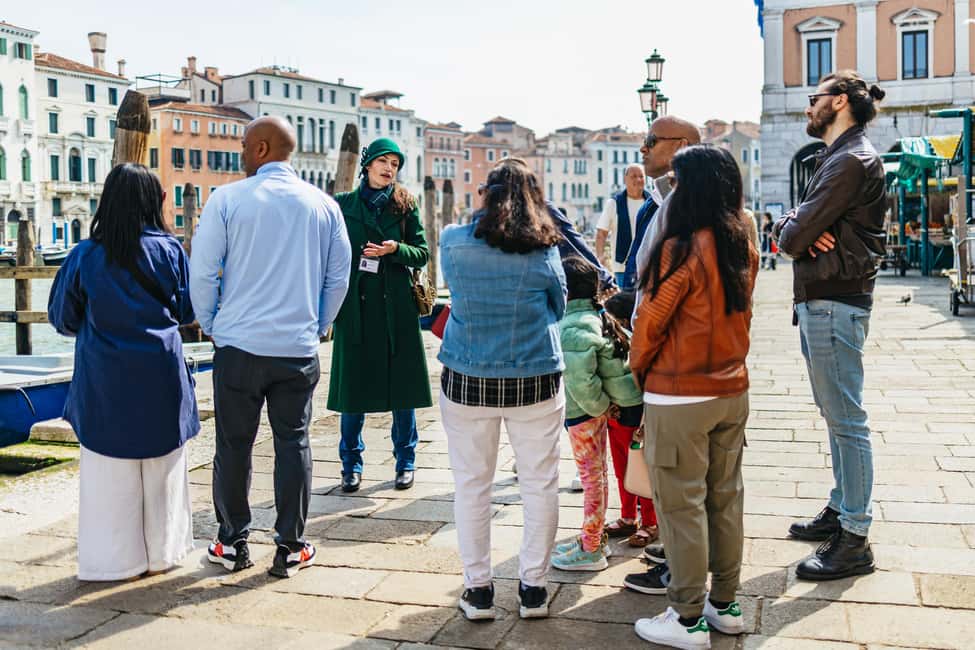
One of the tour’s strengths is that it doesn’t only push food into your hands. It connects you to the people behind it.
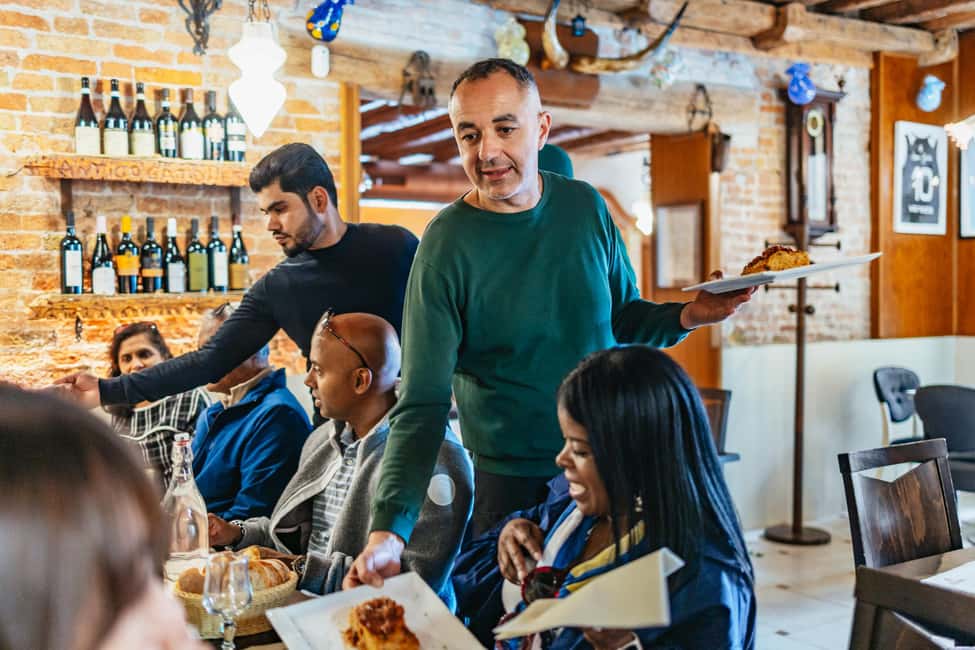
You’ll meet local producers and business owners (and hear stories from innkeepers). That might sound like “extra talk,” but it usually makes the food more meaningful. When someone explains where an ingredient comes from, or why a particular snack became a Venice staple, your brain starts tasting with more attention.
You also get a sense of how small businesses operate in a city like Venice—how they survive, how they stay relevant, and why certain dishes remain the default order. That’s the kind of detail you won’t get from a menu photo.
If you enjoy conversation, this is a good tour for that. The format is walking plus stopping, so questions don’t feel weird or disruptive. It feels natural.
Campo San Bartolomeo: Marco Polo’s former home and a sense of myth
Next, you move toward Campo San Bartolomeo, where you’ll see Marco Polo’s house. It’s one of those stops that’s short but memorable, because it ties a giant historical name to a specific neighborhood feel.
Even if you don’t know the details yet, the guide’s context helps you place Marco Polo in Venice’s long story. And because you’re already eating Venetian food, the history lands differently. You’re connecting the city’s past with its present habits—trade routes and markets, old wealth and everyday eating.
This is also where the walking tour format shines. You’re not stuck reading plaques. You’re moving through real lanes and squares, while the guide threads history into the route.
Casanova’s haunts and church trivia: small facts that feel fun on the street
As you continue, you’ll hear trivia while passing beautiful churches and other notable areas. The goal isn’t a lecture. It’s quick, useful context that makes you notice more while you walk.
A standout example: the tour includes trivia about the origins of the Bellini cocktail. You don’t just learn that the Bellini exists—you learn where it comes from and why it belongs in Venetian culture.
And then there’s Casanova. You’ll hear about the haunts tied to his legend as you make your way through the city. It’s the kind of story that makes the street layout feel intentional, even if you’re seeing it for the first time.
I found this blend works well because Venice can feel like a blur of art and architecture. Fun history facts stop that blur from turning into “I remember nothing.”
Campo Santi Giovanni e Paolo: tiramisu, coffee, and that Venice flavor finale
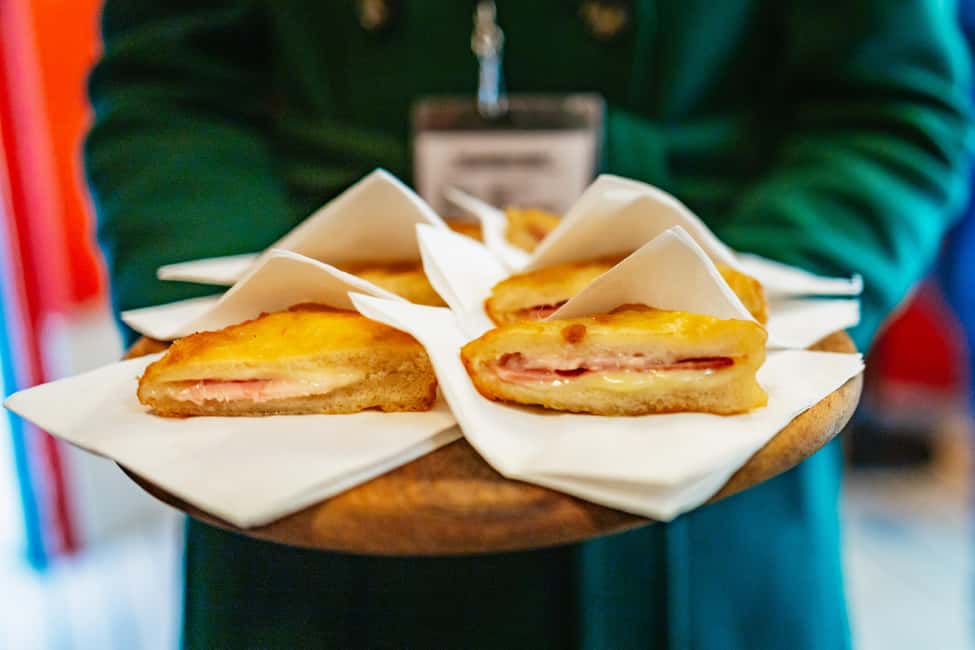
The route ends with an authentic tiramisu stop in Campo Santi Giovanni e Paolo, plus coffee. The tour frames it as a Venetian specialty tied to the origins of Italian coffee culture.
What makes this ending work is the contrast. You started with markets and cicchetti—snacks and drinks. Then you finish with a dessert-and-coffee moment that feels classic and satisfying.
Tiramisu in Venice also carries a “slow down” energy. It’s your chance to sit, digest, and taste one last local signature without rushing to the next photo stop.
You might also catch a final gelato moment. One booking notes finishing with amazing gelato, which fits the general Venice rhythm: snack, drink, pastry, then something cold to wrap it up.
Pace, group size, and comfort: what it feels like when you’re in it
A lot of food tours fail on pace. Too many stops with too little time means you feel like you’re constantly standing around. This one stays in the sweet spot for most people because the walk segments are short enough to keep energy up, while the tastings give you real breaks.
Group size is also a strong point. Some bookings describe small groups like six, and in at least one case a private tour happened when other participants didn’t show. Smaller groups usually make it easier to ask questions and to get attention during tastings.
You’ll also be walking enough that comfort matters. Go with shoes that can handle Venice. If you’re bringing sneakers, make sure they’re worn-in. If you use new shoes, that’s a gamble on cobblestones and tight sidewalks.
Finally, plan your meal logic. More than one booking advice: skip breakfast. You don’t need to arrive starving, but you do want room for lunch-style tastings. If you already ate a big breakfast, you may still enjoy it—but you’ll likely stop sooner than you want.
Value: why four hours can feel like a whole meal circuit
Even without a price number in front of me, I can tell you what drives the value here.
First: you get multiple food and drink stops, including wine, plus cicchetti and lunch-style tastings. That’s not a single-venue experience. It’s several Venetian food worlds in one walking loop.
Second: the tastings include context. Meeting producers and innkeepers, plus the Bellini and Marco Polo/Casanova stories, turns the food into something you can remember. You’re not just eating; you’re learning why those bites fit Venice.
Third: the time is efficient. Four hours is long enough to cover Rialto, move through key squares, and still feel like you ate like a local. It’s short enough that you can keep exploring after, instead of losing a whole day to just one long meal.
If you’re deciding between a street-food-style tour and something more focused on wine and lunch-style tastings, this one leans toward the heavier side of eating. It’s a great fit when you want your day in Venice to include real fuel, not just snacks.
Who this tour suits best (and who might prefer something else)
I’d put this tour high on the list if you:
- want a food-and-wine Venice experience, not just a history walk
- like learning quick cultural details (Bellini origin, Marco Polo connections) while you eat
- enjoy cicchetti and want to understand them as a local habit
- prefer small groups where you can actually talk with the guide
It might be less ideal if you:
- travel on Sundays and really need a functioning Rialto Market visit
- hate dessert and coffee pairings and want only savory food
- already booked another similar food tour during your trip and you’re worried about overlap
If you’re stacking tours, give yourself a “menu break” between them. Venice food is delicious, but it’s also a lot to process in a short window.
Should you book this Rialto Market food and wine tour?
Book it if you want a high-yield Venice afternoon: Rialto Market sights, cicchetti with wine, and story stops that keep the city from feeling like random streets. It’s a smart choice for first-timers and strong for food lovers who want guidance on what to eat and why.
Think twice if your dates land on a Sunday and Rialto Market access is central to your plan. And if you’re doing multiple food tours close together, pace yourself so you still enjoy the variety instead of repeating the same flavors twice.
FAQ
Where is the meeting point?
You meet your guide outside the Church of San Giacomo di Rialto. The provided coordinates are 45.4387092590332, 12.335434913635254.
How long is the tour?
The tour lasts 4 hours.
Is the tour guide available in English?
Yes, the live tour guide is listed as English.
What should I bring?
Wear comfortable shoes. You’ll be walking a fair amount on city streets.
Are there vegetarian options?
Yes, vegetarian options are available.
What if I have food allergies?
If you have allergies, notify the supplier when booking.
Is Rialto Market open on Sundays?
One verified booking notes Rialto Market is closed on Sundays, which can affect market time on that day.