REVIEW · SICILY
2002 Crater Excursion – Northern Etna
Book on Viator →Operated by Guide Vulcanologiche Etna Nord · Bookable on Viator
North Etna tells a different story. I like how the north side feels calmer than more famous Etna routes, and the hike starts at Piano Provenzana with an easy meeting on-site.
The second thing I love: the 2002 eruption route is hands-on and specific, so the volcano’s scale becomes real fast. A good guide makes it click too, with pacing that works and facts explained with humor from guides like Giuseppe and Luca.
One catch to plan for: the route touches crater edges, so if you get vertigo, take that seriously. And bring proper footwear—without adequate shoes, you’re not covered by the accident insurance.
In This Review
- Key highlights to know before you go
- Piano Provenzana: the practical, peaceful Etna start
- The 3-hour crater excursion: what your route really looks like
- Stop 1: Piano Provenzana (about 30 minutes)
- Stop 2: The hike across 2002 lava and through older eruptions
- Stop 3: Back at Piano Provenzana (about 30 minutes)
- Why the guide matters more than you think
- What to wear and pack (so the walk stays fun)
- Footwear is not optional
- Extra warmth and protection depend on season
- Trekking poles and water
- Price and value: what $43.55 buys you
- Timing and effort: how the hike feels on your body
- Who should book this Northern Etna crater hike
- Should you book the 2002 Crater Excursion – Northern Etna?
- FAQ
- How long is the 2002 Crater Excursion on Northern Etna?
- Where do we meet, and when does the tour start?
- Is parking included in the price?
- Do I need to bring trekking shoes?
- Is bottled water provided?
- What if the weather is bad or conditions change?
Key highlights to know before you go
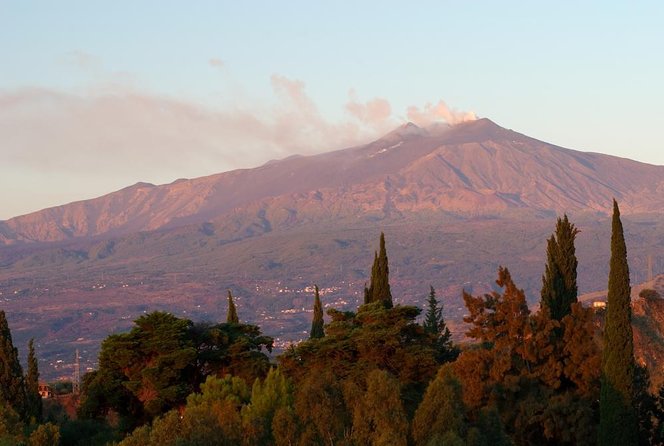
- North slope, fewer crowds: you’ll spend your time where Etna feels quieter and more rugged.
- A guided walk over the 7.2 km 2002 lava flow: you’re not just looking at Etna, you’re walking through its recent history.
- Crater details up close: the path includes areas tied to the 1911 flows and craters with shafts about 7–40 m deep.
- Crater-edge walking and volcanic bombs: the route reaches an eruptive fracture area and vents tied to the destructive flow.
- Group size stays small: a maximum of 20 travelers keeps things organized and manageable.
- Guide quality shows: many people mention funny, patient, and well-timed explanations and breaks.
Piano Provenzana: the practical, peaceful Etna start
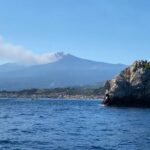
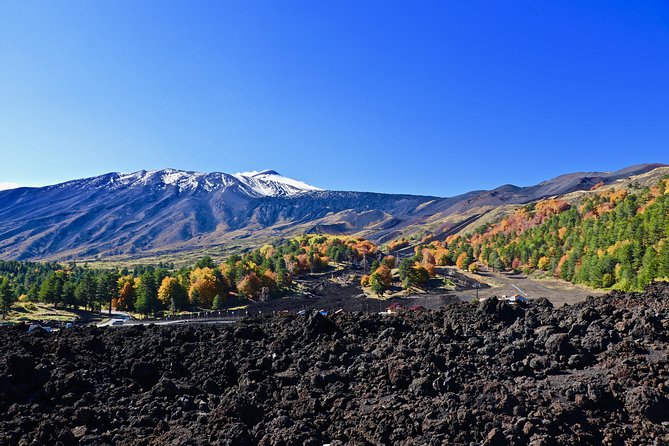
Piano Provenzana is a smart base on Etna’s north side. You reach it by fully paved public roads, and it feels like a real mountain stop, not just a parking lot. The area sits among pine forest with dramatic lava fields around it, and it was reshaped by the October 2002 eruption, which makes the whole place feel like it has a story written into the ground.
What I find useful here is that it’s not chaotic. There are souvenir shops, cafés and bars where you can grab breakfast or coffee, plus places to refill water bottles. You’ll also see ski resort infrastructure in winter, but in warmer months it turns into a starting point for guided hikes. That means the setting is familiar to the locals, even if you’re visiting for the volcano.
Your guide meet-up is direct and simple: you meet at the Ufficio Guide Vulcanologiche Etna Nord on Via Provenzana, 35 in Linguaglossa. The tour ends back at the same meeting point, so you’re not scrambling to find a bus or a backup plan at the end of a hike.
Also, the north side is commonly less crowded than other Etna areas. If you want to hear your own footsteps over wind and feel like you’re on a real mountain walk, this helps.
You can also read our reviews of more tours and experiences in Sicily.
The 3-hour crater excursion: what your route really looks like
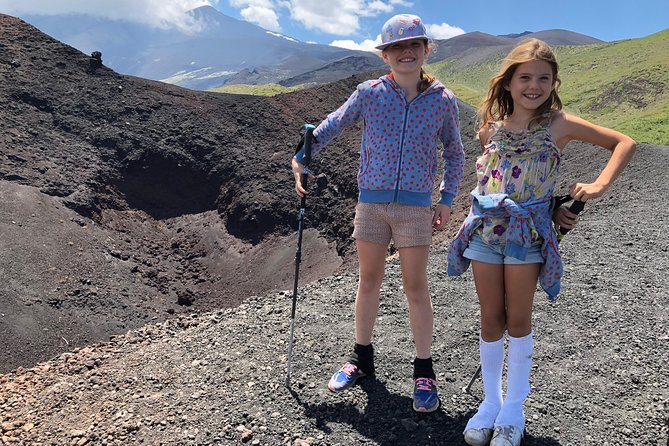
This is a guided hike on Mt Etna’s north side, built around the October 2002 eruption. Expect about a 5 km round trip with roughly 300 m of ascent and descent. Most people finish in the 2.5 to 3 hour range, not counting the short arrival and return time at Piano Provenzana.
Stop 1: Piano Provenzana (about 30 minutes)
You start with a short orientation at Piano Provenzana. It’s your time to get organized, confirm you’ve got the right gear, and meet your volcanological guide at the on-site meeting point. You’ll see how the area is set up for both skiers and hikers depending on the season.
This first stop matters because Etna on the north side is a bit different from the more tour-heavy viewpoints. You’ll be walking, not sightseeing from behind a barrier. The “warming up” time here lets you settle before you hit volcanic terrain.
One note: admission ticket details differ by segment, so it’s worth checking what your confirmation says for your exact tour day. The walking portion includes the admission, while the first short stop is marked as not included.
Stop 2: The hike across 2002 lava and through older eruptions
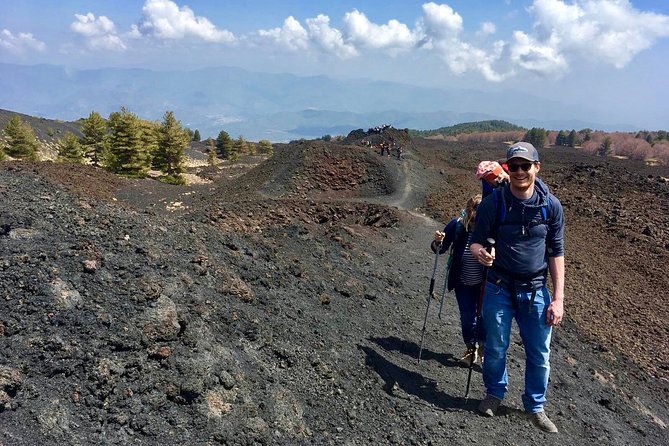
This is the heart of the experience. You follow a guided route on the wild, less-touristic north side of Mt Etna, and you walk across a vast 7.2 km lava flow from the 27 Oct 2002 eruption.
And it’s not just “lava rocks everywhere.” The hike ties the ground to what changed. In that 2002 flow, hotels, shops, restaurants, and a large car park now lie buried—only one hotel roof remains visible. Standing and walking there helps you understand scale in a way that photos can’t.
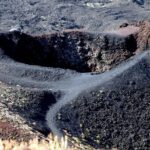
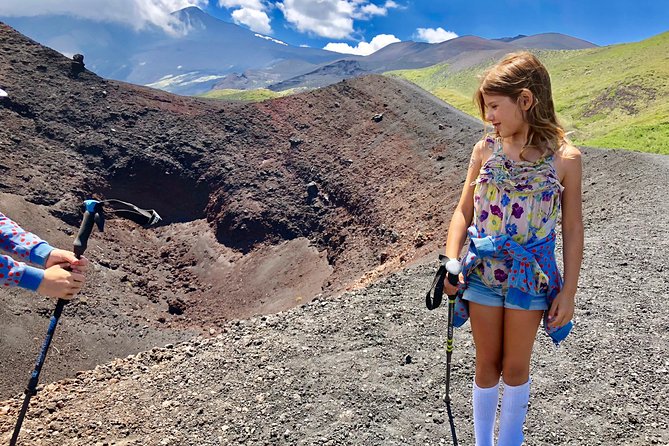
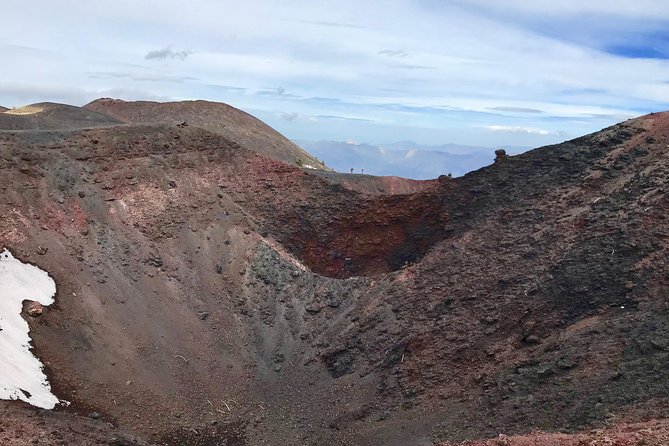
From the 2002 lava flow, the route continues through forest toward the 1911 and 1923 lava flows. Then you reach a chain of 1911 craters, including shafts about 7–40 m deep. Even if you’re not a geology person, these details make the terrain easier to read, because you’re walking through names and events, not random-looking rubble.
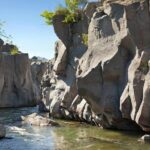
Next comes the climb across the crest of the huge 2002 eruptive fracture. This part is more intense. The canyon area includes volcanic bombs—so you’re close to the kinds of pieces that were blasted out during explosive activity. The guide’s explanations are especially valuable here, because you’ll want to connect what you’re seeing to what the volcano was doing.
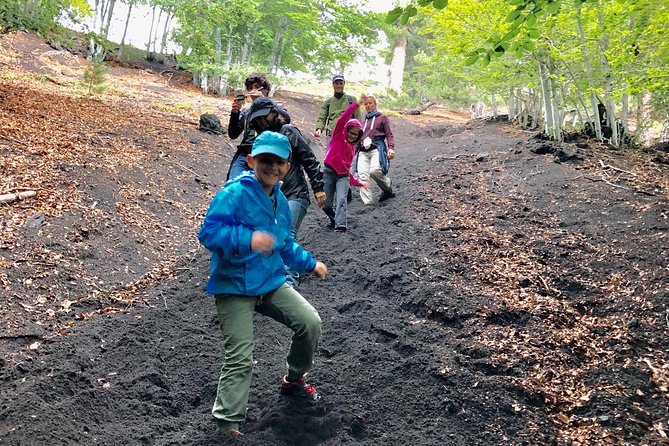
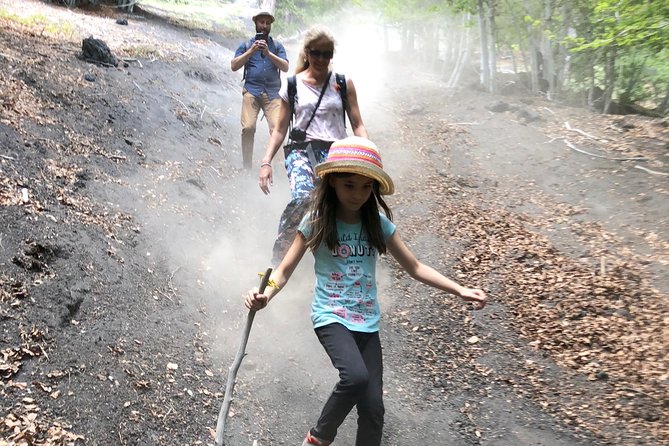
The route reaches up toward areas tied to vents that produced the destructive flow, with explosive mouths up to around 2,100 m. Then you descend via soft ash channels through beech forest and ski slopes back toward the start.
Stop 3: Back at Piano Provenzana (about 30 minutes)
At the end you return to Piano Provenzana. This short stop is practical: breathe, reset your legs, and re-check your footing before you head off. It’s also a good moment to grab water and snacks from the on-site area, or browse souvenirs if that’s your thing.



Why the guide matters more than you think
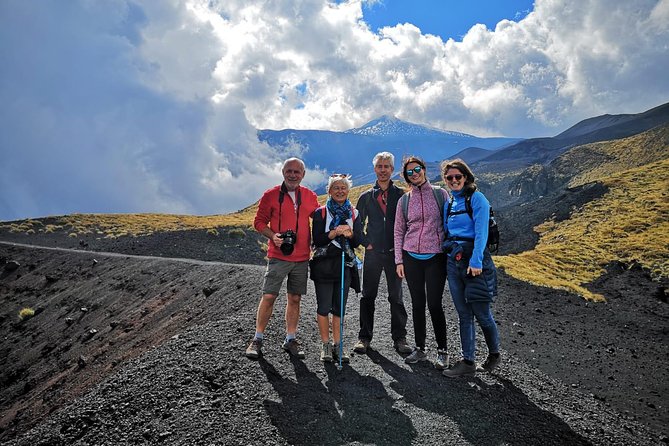
This tour is built around an authorized volcanological guide, and it’s exactly the kind of hike where the guide can make or break the experience.
In the feedback I saw, guides were praised for being patient with questions and for adding humor without turning it into a lecture. People also mentioned breaks that felt well-timed—important when you’re walking over volcanic soil that can be loose and uneven.
Two specific guide styles come up a lot:
- Giuseppe is described as patient and full of answers, with a way of explaining the 2002 eruption that sticks.
- Luca is described as smiling, considerate, and good at teaching without overdoing it. There’s also mention of a fun end-of-course moment that adds a human touch to the day.
And yes, some guides use visual explanations during the hike breaks. That helps because Etna’s changes can be hard to picture unless someone points the story out clearly.
Safety also depends on the guide. The route includes ascent and passages along crater edges, which can be tough if you get vertigo. And volcanic soil is often incoherent and unstable, so your guide’s “where to place your feet” advice matters.
What to wear and pack (so the walk stays fun)
You don’t need a mountaineering setup. But you do need the basics right, especially because accident insurance depends on it.
Footwear is not optional
Trekking shoes are not included, but rentals are available on-site at authorized rentals for €5 per pair. That’s a very real value if you’re traveling with light shoes or planning to reuse footwear later.
Here’s the key: without adequate shoes, you’re not covered by accident insurance. So if you’re thinking about wearing sneakers, don’t. Plan on proper traction.
Extra warmth and protection depend on season
Hat and gloves are especially recommended in winter, spring, and autumn. Even if you don’t expect freezing weather, Etna can throw cold air and wind at you as you gain elevation.
Long pants are smart too. People mention rocks can be irregular and coarse, and long pants help you avoid the quick scrapes that ruin the “I’m having a great time” feeling.
Trekking poles and water
Trekking poles aren’t included, and water is not included. You’ll find spots to refill bottles at Piano Provenzana, but bringing water for the hike is still wise.
Snowshoe rental only applies in winter and is an extra €15 per person if needed.
Price and value: what $43.55 buys you
At $43.55 per person for about 3 hours, the headline price looks easy. Where this tour earns its value is in what you get with that fee:
- A volcanological guide authorized under the law
- Accident insurance
- A small group size (max 20), which usually means better attention on a hike like this
But you should also budget for the extras that can surprise people:
- Parking: €5 for the entire day on weekdays, €8 on Sundays and public holidays
- Trekking shoes rental: €5 per pair if you need it
- Hat/gloves, trekking poles: not included
- Bottled water: not included
- Snowshoe rental: €15 in winter period (only if you’re doing the snow version)
So the best way to think about it: the tour price covers the guided experience and insurance, while the small on-the-ground items cover convenience and comfort.
Given how often the hike is booked in advance (it’s commonly reserved about 19 days ahead on average), I’d treat this as a plan-ahead activity, not a last-minute “maybe.”
Timing and effort: how the hike feels on your body
Start time is 9:15 am, and the activity ends back at the meeting point. Because the main hike is roughly 5 km with about 300 m of ascent/descent, you’re not signing up for a long trek. Still, it’s not a flat stroll.
The route takes you across lava and through ash channels, so you’ll feel it more through uneven footing than through steep climbing. The beech forest and ski-slope sections can be easier, but volcanic ground has its own rules: take your time, watch your steps, and listen to the guide’s tips.
You should also know who this fits best:
- Most people can participate
- It’s not recommended if you usually do very little motor activity
- It requires good physical health and no significant cardio, respiratory, or hypertension issues
- The crater-edge passages can be an issue if you’re prone to vertigo
One more reality check: the excursion can change at the discretion of the guides, or stop entirely if atmospheric, environmental, or volcanic conditions shift to compromise safety. That’s not a failure. It’s how you keep the day from turning into a problem.
Who should book this Northern Etna crater hike
Book it if you want:
- A guided, hands-on way to experience Mt Etna’s recent eruption history
- A route on the north side that feels less crowded
- Clear explanations from a volcanological guide, with breaks that keep the hike doable
- A manageable duration (about 3 hours total), not an all-day challenge
Skip it (or at least rethink) if:
- You’re sensitive to vertigo and don’t feel comfortable near crater edges
- You’re planning to hike in poor traction shoes (insurance coverage depends on adequate footwear)
- You have health conditions that make sustained hiking or altitude-related exertion risky
If you like having a plan that’s organized but still outdoorsy, this hits that sweet spot. You get structure, but you’re still walking through real volcanic ground.
Should you book the 2002 Crater Excursion – Northern Etna?
I think this is a strong pick when you want Etna to feel specific and meaningful. The 7.2 km 2002 lava flow, the older 1911/1923 sections, and the crater-edge parts make it more than a standard viewpoint stop. And the small-group format plus an authorized guide adds real value beyond the scenery.
If you’re comfortable with uneven volcanic terrain and you’ll show up with proper trekking shoes, you’ll likely enjoy how the north side feels calmer and more intimate.
If you’re unsure, ask yourself two questions: Do you have good traction footwear? And can you handle crater edges without vertigo? If those are yes, this is an easy “yes” for many Sicily trips focused on real ground-level experiences.
FAQ
How long is the 2002 Crater Excursion on Northern Etna?
The activity runs for about 3 hours total. The main hike portion is about 2.5 to 3 hours and covers roughly 5 km round trip.
Where do we meet, and when does the tour start?
You meet at Ufficio Guide Vulcanologiche Etna Nord, Via Provenzana, 35, 95015 Linguaglossa CT, Italy. The start time is 9:15 am, and the tour ends back at the same meeting point.
Is parking included in the price?
Parking fees are not included. Parking is €5 for the entire day on weekdays and €8 on Sundays and public holidays.
Do I need to bring trekking shoes?
Trekking shoes are not included, but you can rent them on-site for €5 per pair. Adequate shoes are also important because you’re not covered by accident insurance without them.
Is bottled water provided?
Bottled water is not included. You can refill bottles at Piano Provenzana.
What if the weather is bad or conditions change?
This excursion requires good weather. If it’s canceled due to poor weather, you’ll be offered a different date or a full refund. Also, the guides may change the itinerary or interrupt it if atmospheric, environmental, or volcanic conditions compromise safety.