REVIEW · FLORENCE
4-Course Cooking Experience in Florence
Book on GetYourGuide →Operated by Hidden Experiences · Bookable on GetYourGuide
Four courses, zero guesswork. At Chefactory Academy in central Florence, I like how this class is built around hands-on cooking with a professional chef team, then ends with you tasting what you made. One catch: latecomers aren’t accepted, so you need to arrive on time and follow the meeting-point instructions.
The other thing I really like is the menu structure. You work through an appetiser, pasta, second course, and dessert, and you leave with recipes for everything—so it’s not just a one-night food moment.
In This Review
- Key takeaways before you go
- Chefactory Academy: where your Tuscan menu starts
- The four-course flow: appetiser to dessert in about 4 hours
- Appetiser: get your hands moving early
- Pasta course: where the technique clicks
- Second course: the meal becomes dinner
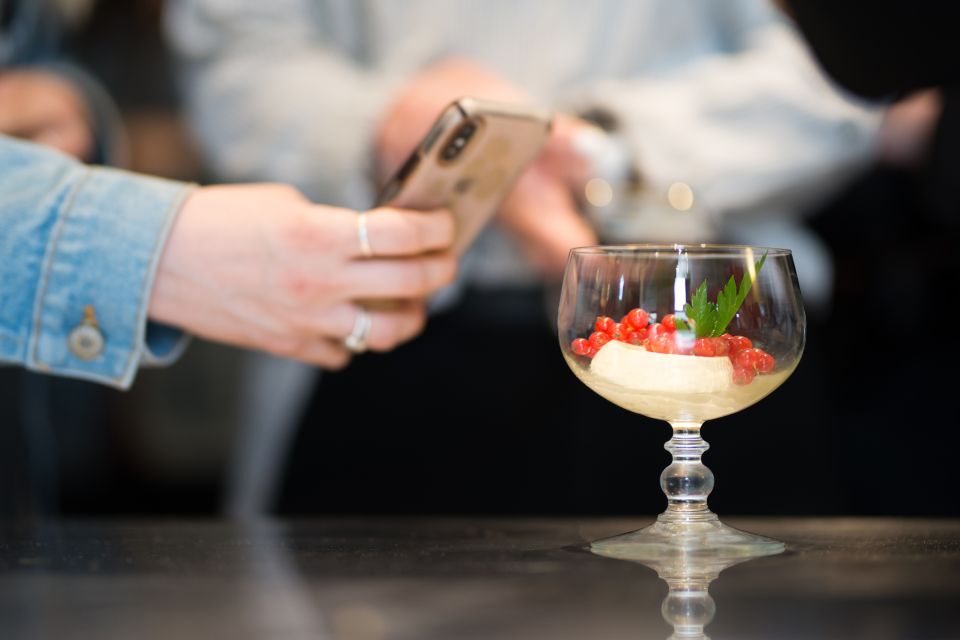
- Dessert: learn the Italian finish
- What you’ll actually learn while you cook (not just what to eat)
- The tasting moment: eating your results with wine and water
- Vegetarian options that don’t feel like an afterthought
- Recipe handoff: your take-home advantage
- Price and value: is $93 for 4 courses a good deal?
- Languages and instructors: Francesco, Greta, Stefano, and the team approach
- Practical logistics that affect your experience
- Who should book this Florence cooking class?
- Should you book this Florence cooking class?
- FAQ
- How long is the 4-course cooking experience?
- Where do we meet in Florence?
- Is hotel pickup included?
- What’s included in the class price?
- What courses will I make during the class?
- Are vegetarian options available?
- What languages are offered for instruction?
- Is the experience wheelchair accessible?
- What should I know about arriving late?
- When can I cancel for a full refund?
Key takeaways before you go
- Hands-on four-course format with cooking steps spread across the menu
- Professional chef instruction in your chosen language
- Tasting at the end with water and beverages (including wine)
- Take-home recipes so you can recreate the meal later
- Vegetarian options available if you tell the supplier in advance
- Timing matters because late arrival means no entry
Chefactory Academy: where your Tuscan menu starts

This experience is set up for real dinner-making, not show-and-tell. You meet at Chefactory Academy in Florence’s city center, and the note is clear: latecomers will not be accepted. You’ll want to find the right entrance, push the door before calling, and get settled early enough to start cooking without rushing.
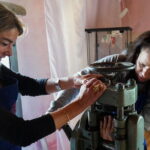
Inside, the vibe is practical: you’ll be in a working kitchen space with a team that guides you through the steps. Based on what I see echoed in the class style—friendly, patient chefs who keep people moving—you should expect a structured flow where you do prep and cooking, not just watch from the side.
A small detail that matters for your enjoyment: the language you choose for instruction is part of the setup. If you’re cooking in Italian, German, English, or Spanish, the goal is that you can follow what matters—timing, technique, and how the dish should look and feel while you’re making it.
You can also read our reviews of more tours and experiences in Florence.
- Tuscany Day Trip from Florence: Siena, San Gimignano, Pisa and Lunch at a Winery
★ 5.0 · 21,634 reviews



The four-course flow: appetiser to dessert in about 4 hours
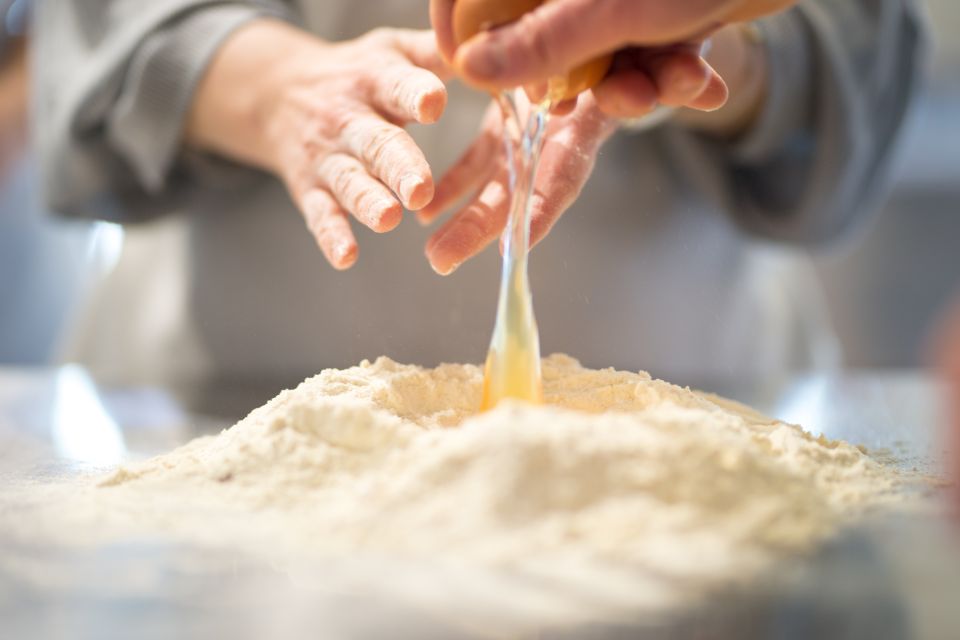
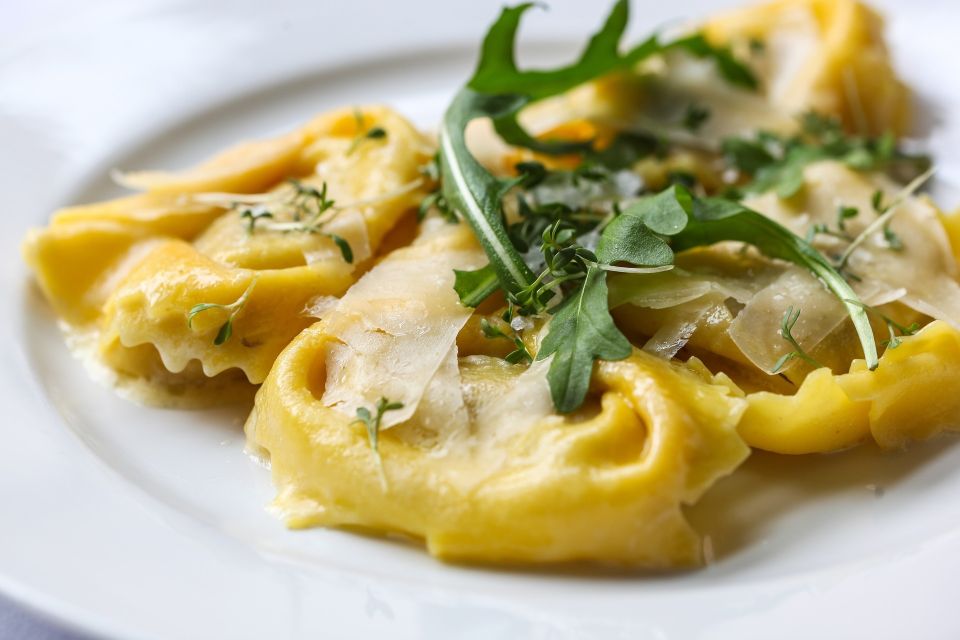
You’ll work through a full Tuscan-style dinner in roughly four hours. The course categories are consistent—appetiser, pasta, second course, dessert—but the exact dishes can vary by session. In prior classes, people have made combinations that include pasta like ravioli and fettuccine, mains such as chicken with vegetables, and desserts like tiramisu and even a soufflé. That range is part of the value: you get to see how Italian cooking changes from course to course, while still learning transferable technique.
Here’s the practical way the evening tends to feel:
Appetiser: get your hands moving early
Your appetiser is usually where you get oriented. You’ll chop, mix, and prepare components, then turn that work into something you can serve right away. The chef team often keeps ingredients measured and workflows clear, which helps if you’re not a confident home cook.
What to watch for: appetisers teach you the rhythm of Italian cooking—fresh flavors, simple builds, and seasoning that’s about balance, not heavy sauces.
Pasta course: where the technique clicks
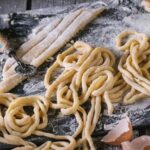
The pasta course is often the highlight because you’ll handle dough-related steps and learn what to look for as it cooks. People mention enjoying pasta prep a lot, and that’s not surprising. Pasta is where you can instantly connect technique to results: correct texture, correct timing, and the difference between a good outcome and a merely edible one.
If you’ve ever tried making pasta at home, you’ll appreciate how the class focuses on process. Expect demos and then hands-on time so you understand what you’re doing, not just what you’re doing it to.
Second course: the meal becomes dinner
The second course is typically where the class shifts from “cook it” to “compose it.” You’ll work with proteins and vegetables and learn how to build a plate that looks like an Italian home-cooked dinner—not a pile of ingredients.
This part also tends to show how flexible the kitchen can be. Vegetarian-friendly options exist, and at least some sessions accommodate requests with adjustments rather than forcing you into a totally different plan.
- The Best tour in Florence: Renaissance & Medici Tales – guided by a STORYTELLER
★ 5.0 · 12,316 reviews





Dessert: learn the Italian finish
Dessert caps the whole experience with a final test of technique. Dishes mentioned in past menus include tiramisu and soufflé, which are very different styles—one relies on assembly and timing, the other demands attention to texture and careful handling.
Even if dessert isn’t your strength, the structure makes it easier. You’re learning the logic of the recipe as you go, and you’ll get guidance on what “done” should look like.
What you’ll actually learn while you cook (not just what to eat)
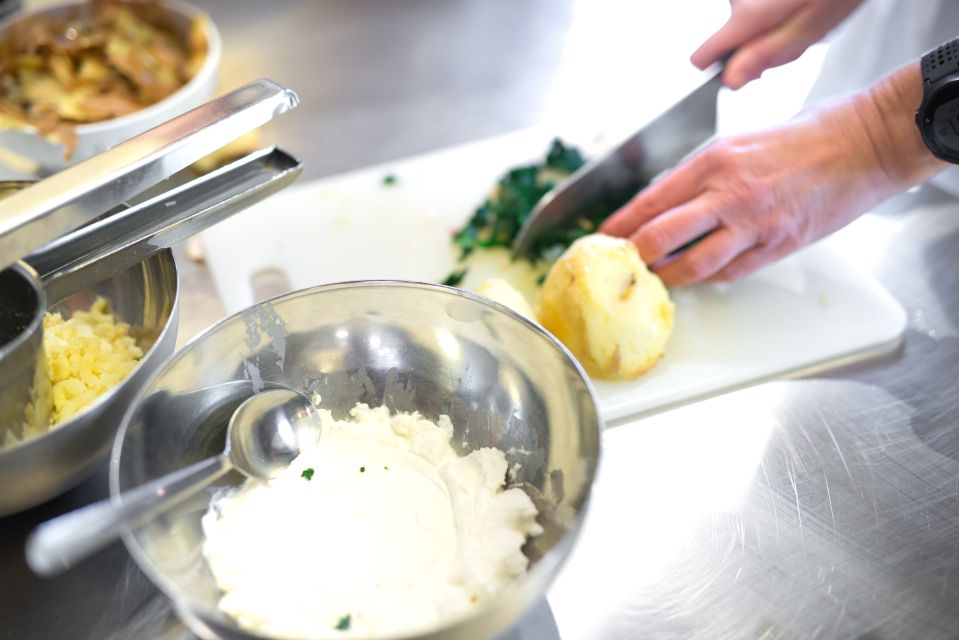
A good cooking class gives you recipes. A great one gives you judgment calls. This one leans toward the second category because instruction is tied to what’s happening during cooking, not only the final product.
Based on the way chefs are described—friendly, funny, patient, and detail-oriented—you can expect teaching that focuses on:
- Timing cues (how long something should cook and when to check texture)
- Technique basics (how to handle dough, mix components, and manage heat)
- Seasoning and balance (why Italian dishes taste right, even when ingredients are simple)
- Home-cook shortcuts (tips for making the process easier later)
You’ll also get a sense for how Italians think about meals. A four-course dinner isn’t random. It’s pacing. It’s flavors walking in order. It’s knowing that the pasta course supports the rest of the menu instead of competing with it.
And one underrated benefit: you get to learn as part of a group. Cooking with others can make the kitchen feel social, and it’s often easier to try something new when you’re not doing it alone.
The tasting moment: eating your results with wine and water
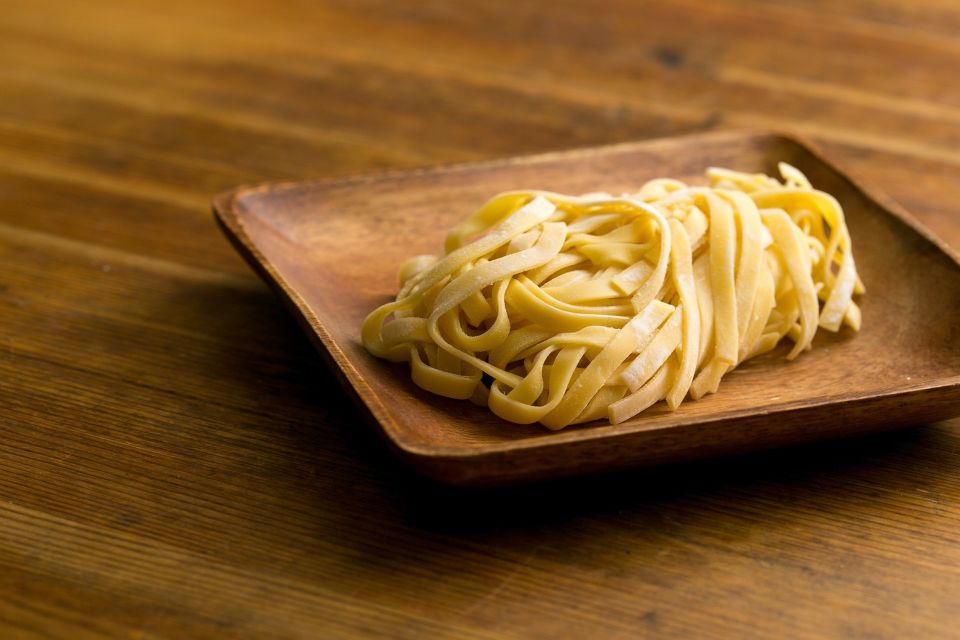
At the end of class, you’ll taste what you cooked. That’s not a “nice bonus”—it’s part of the learning. When you eat your own food right after making it, you immediately understand what worked and what to tweak next time.
Water and beverages are included, and wine is part of the included drink experience. Some people felt wine portions could be light, but the key point is that the class includes water and beverages to keep you comfortable while you cook and eat.
If you care about the meal as an event, plan to pace yourself so you’re hungry at the end. You’ll often be busy tasting components throughout the process, but the real payoff is the full-course meal at the end.
Vegetarian options that don’t feel like an afterthought
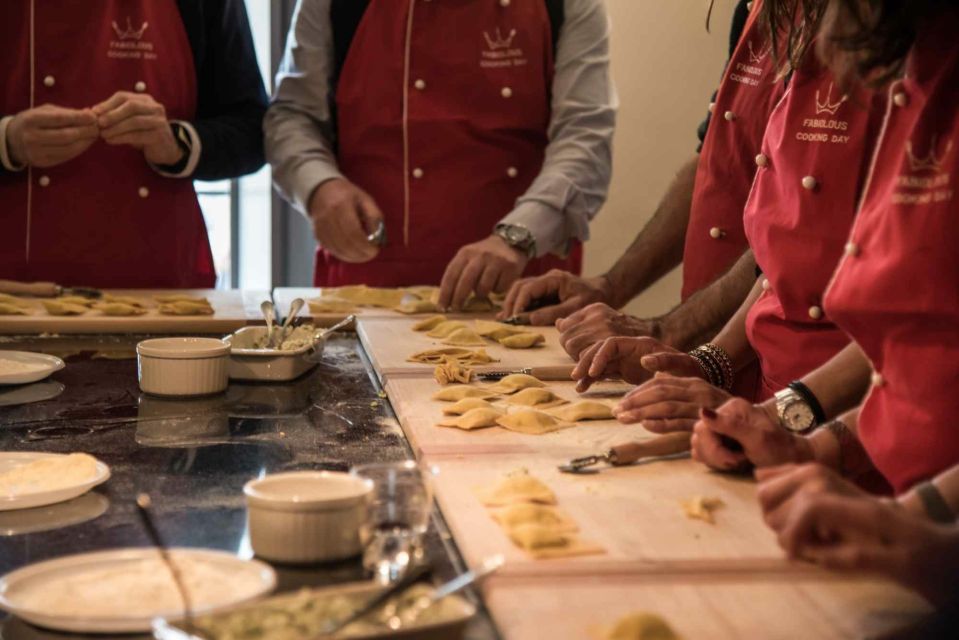
If you’re cooking with a vegetarian in the group, this is one area where the class has strong support. Vegetarian options are available, and you’re told to inform the supplier of dietary requirements.
In practice, that matters because you don’t want the stress of trying to adapt later or guessing what you can eat. Here, the expectation is that the kitchen plans around your needs.
One thing to keep in mind: the exact dishes may still shift by menu, but the commitment is that adjustments are possible. If your dietary needs are specific beyond vegetarian (allergies, strict restrictions), you should clarify those directly with the supplier since the only clear instruction provided is to report dietary requirements in advance.
Recipe handoff: your take-home advantage
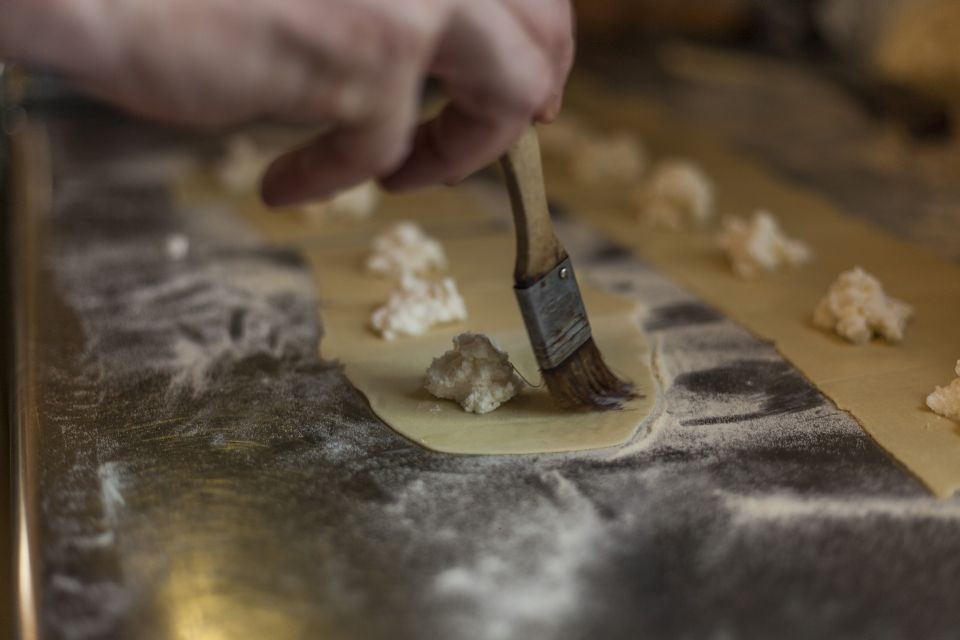
You don’t just leave with full bellies. You get recipes for the dishes you made, which makes the class feel more like a skill-building investment.
That take-home pack matters for two reasons:
- It helps you cook again without relying on memory
- It gives you a way to practice technique you learned at the stove (especially for pasta and dessert)
A few people noted the recipes sometimes don’t include full proportions for every ingredient, which can be frustrating if you like baking-style exactness. Still, the fact that you leave with written guidance is a big deal. Even when you adjust quantities for your household, having the structure is what turns a fun class into a repeatable routine.
Price and value: is $93 for 4 courses a good deal?
At $93 per person for about four hours, you’re paying for more than ingredients. You’re paying for:
- A professional chef and team to teach and supervise
- A real four-course structure (appetiser, pasta, second course, dessert)
- Water and beverages, including wine
- The tasting portion
- Recipe handoff so you can reproduce results later
Where value becomes especially clear is when you consider what a “DIY” version would cost you in time and effort. Buying ingredients for four courses, figuring out technique, and finding the right tools would add up fast. This class compresses that learning curve into one evening with guidance.
The main value trade-off is that group cooking can mean some tasks are shared or faster-paced. Some participants mention that certain steps are cooked by chefs while participants do prep and mixing. That can still be worth it if your goal is learning technique and eating a full meal—but if you want to be the sole person doing every single step, you might find it less hands-on than you imagined.
Languages and instructors: Francesco, Greta, Stefano, and the team approach
This class supports multiple languages: German, English, Italian, and Spanish. That’s a big quality-of-life detail. Cooking instruction works best when you can follow the chef’s reasoning, not only the recipe lines.
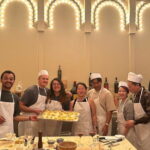
Also, you’ll likely meet instructors who have real personality. Names that have come up include Francesco, Greta, and Stefano. In prior sessions, these chefs were described as fun, patient, and detail-oriented, with demos followed by hands-on attempts. If you like learning when the teacher keeps things light and focused, this setup should suit you.
You don’t have to speak Italian to enjoy it. Just choose the language that makes technique easiest to follow for you.
Practical logistics that affect your experience

A few “small” logistics items can make the difference between smooth and stressful:
- Arrive on time. Latecomers are not accepted.
- No hotel pickup is included, so you’ll plan your own route to Chefactory Academy.
- Meeting point is specific. You meet at Chefactory Academy and you’re asked to push the door before calling.
- Class timing depends on availability. It’s about four hours, and starting times vary.
One more important note: wheelchair access is not consistent in the provided information. The key statement you should trust here is that the activity is not suitable for wheelchair users and is not wheelchair accessible.
If mobility is a concern, you’ll want to plan carefully before booking.
Who should book this Florence cooking class?
This is a great fit if:
- You want a full Tuscan dinner experience in one evening
- You like learning by doing, especially with pasta and dessert techniques
- You want recipes to take home, not just a meal
- Your group includes mixed abilities and you want structure from a chef team
- You need vegetarian options and want the kitchen to accommodate them
It may be less ideal if:
- You’re the type who needs to cook every final step yourself (some chef-led cooking is part of efficient class flow)
- You’re planning to arrive late or are unsure about navigating to the meeting point
- You need wheelchair accessibility (the activity notes it isn’t accessible)
Should you book this Florence cooking class?
If you’re looking for a hands-on Florence experience that pays off immediately—then keeps paying off at home with recipes—I think it’s a strong yes. For $93, you get four courses, included drinks, chef-led instruction in your language, and a real “I made this” tasting moment. It’s the kind of activity that works well as either a first intro to Italian cooking or a fun skill refresh.
If your top priority is maximum step-by-step involvement with zero chef intervention, consider that group classes may have some shared tasks and chef-finished plating. But if you want to cook, learn, eat, and leave with usable guidance, this one is easy to recommend.
FAQ
How long is the 4-course cooking experience?
It lasts approximately 4 hours.
Where do we meet in Florence?
Meet at Chefactory Academy. The instructions say to push the door before calling.
Is hotel pickup included?
No. Hotel pickup and drop-off are not included.
What’s included in the class price?
You get the cooking class with a professional chef, the 4-course experience, water and beverages, and you taste what you cooked.
What courses will I make during the class?
You prepare four traditional Tuscan courses: an appetiser, a pasta course, a second course, and a dessert.
Are vegetarian options available?
Yes. Vegetarian options are available, and you should inform the supplier of your dietary requirements.
What languages are offered for instruction?
The class is offered in German, English, Italian, and Spanish.
Is the experience wheelchair accessible?
No. The activity information says it is not wheelchair accessible and is not suitable for wheelchair users.
What should I know about arriving late?
Latecomers will not be accepted, so you should be sharp on time.
When can I cancel for a full refund?
You can cancel up to 24 hours in advance for a full refund.
You Might Also Enjoy



More Tour Reviews in Florence
- Tuscany Day Trip from Florence: Siena, San Gimignano, Pisa and Lunch at a Winery
★ 5.0 · 21,634 reviews - The Best tour in Florence: Renaissance & Medici Tales – guided by a STORYTELLER
★ 5.0 · 12,316 reviews