REVIEW · FLORENCE
Accademia Gallery: Michelangelo’s David, A Symbol of Strength.
Book on Viator →Operated by Star Florence · Bookable on Viator
David meets you fast.
This Accademia Gallery tour is built for the main event—Michelangelo’s David—without losing time to the long entry lines, since you get a reserved ticket for faster access. I like that the route also covers more than one famous work, so your hour doesn’t feel like a single-artist one-hit wonder.
The biggest win for me is the radio system. You’ll hear the guide clearly as you move room to room, and that means you can follow the story even in the busiest halls—no guessing from plaques.
One thing to consider: this is only about 1 hour, and it’s a set timing experience. If you want to slowly wander and read everything at your own pace, you’ll need extra time afterward (which you can do).
In This Review
- Key highlights worth your attention
- Skip-the-line entry at the Galleria dell’Accademia
- David’s story, explained where it matters most
- The planned 60-minute route through the Accademia halls
- Hall of the Colossus and major sculpture stops
- Hall of the Prisoners and Michelangelo’s unfinished side
- Tribune area: David and the left wing scene
- Gipsoteca Bartolini: why the plaster casts are more than a side room
- Radio headsets: the small detail that makes the tour work
- Group size and how to get a better experience from it
- Price and value: what $55.63 buys you
- Which kind of visitor should book this?
- Should you book the Accademia Gallery Michelangelo’s David tour?
- FAQ
- How long is the Accademia Gallery tour?
- Is the tour offered in English?
- What’s included in the ticket price?
- Does this tour help with line-waiting?
- Which parts of the Accademia does the tour cover?
- Are headsets provided?
- Where is the meeting point?
- What happens if I arrive late?
- Is the tour always guaranteed to run?
- Can I cancel for free?
Key highlights worth your attention
- Skip-the-line, reserved entry helps you get to David faster, even in peak season
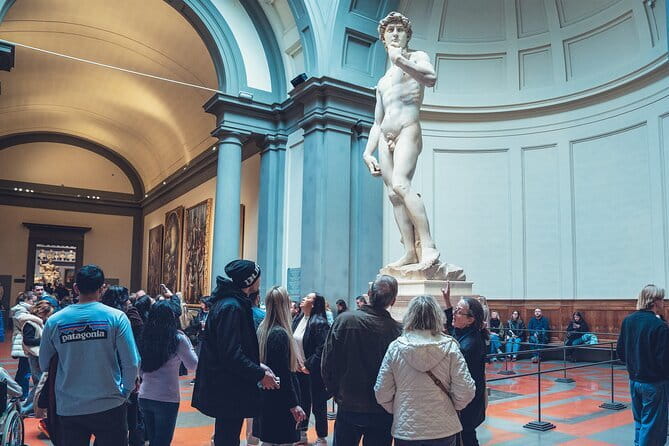
- Close-up viewing of Michelangelo’s David with context for what you’re seeing
- A tight route that touches multiple major works, not just David
- Radio/headsets provided so you don’t miss the guide’s explanations while moving
- Small-group feel (up to 19 people), usually easier to ask questions
Skip-the-line entry at the Galleria dell’Accademia
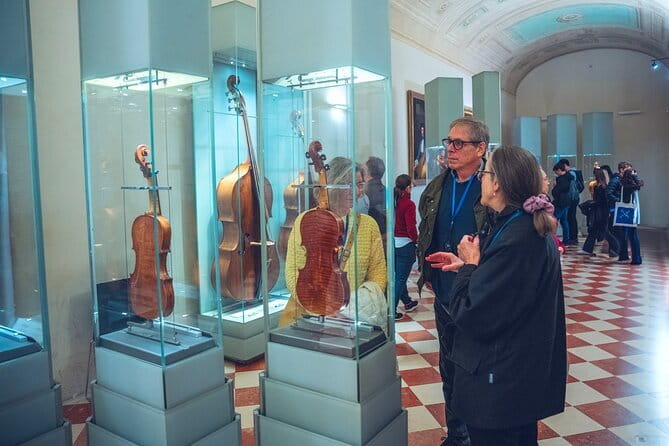
Let’s be real: the Galleria dell’Accademia is one of those Florence stops where your mood can swing hard based on how long you’re stuck in line. This tour fixes that with skip-the-line access backed by a reservation, so you spend your time inside the museum instead of outside it.
You’re also not just paying for “someone to talk while you look.” The tour is designed as a guided route through the rooms that matter most. That matters because the Accademia isn’t laid out for a casual, wandering-first approach. Without a plan, it’s easy to see David and then feel like the rest of the museum is harder to connect.
There’s one practical note I’d keep in mind: the meeting point is at Via Ricasoli, 57. The address is precise, but you’ll want to show up early enough to find the group without stress. One review flagged that the start area can be a bit of a scramble, so build in time.
You can also read our reviews of more tours and experiences in Florence.
- Tuscany Day Trip from Florence: Siena, San Gimignano, Pisa and Lunch at a Winery
★ 5.0 · 21,634 reviews
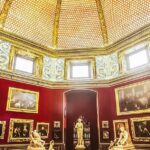

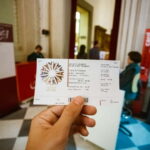
David’s story, explained where it matters most
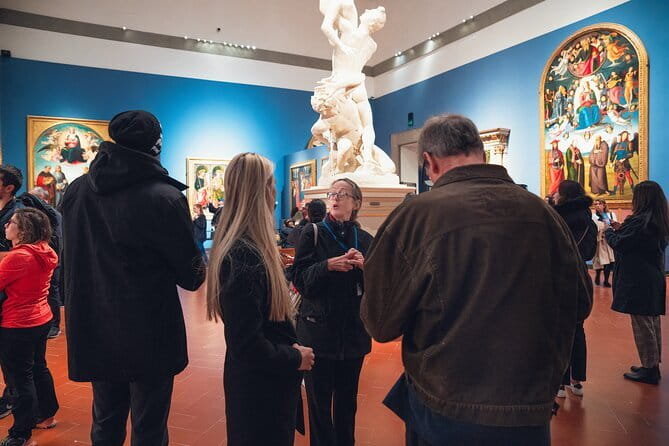
The heart of this experience is, of course, Michelangelo’s David—yet the tour’s structure makes the difference. You don’t just arrive at David and hope you understand what you’re looking at. The guide sets the stage, and then you see the statue in the right context.
You’ll also get a more complete picture of Michelangelo’s world through the other works you’re led to. That’s where the tour earns its keep. David is famous, but the Accademia is also where you learn how Renaissance sculpture thought about power, tension, unfinished work, and technique.
Guides have been praised for bringing that story to life. Names that have shown up in past experiences include Matteo, Rosie, Pamela, Francesco, Gayla, Hilaria, and Gabriella—with multiple mentions of guides who kept families engaged and timed the route so the group wasn’t walking into chaos.
And yes, the classic moment is the same for everyone: standing close enough to really register David’s scale and surface detail. It’s a statue that can feel oddly personal once you’re close. Seeing it with commentary makes that effect last longer after you leave.
The planned 60-minute route through the Accademia halls
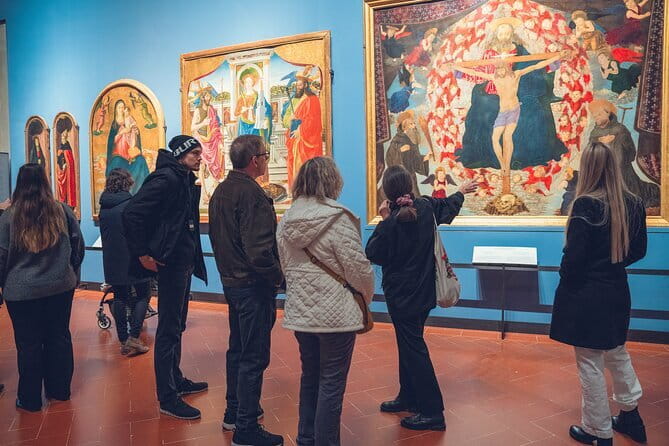
This tour is built around a roughly 1-hour pace. That’s short enough to avoid museum fatigue, but long enough to hit key spaces and understand the connections between them.
Here’s the practical flow of what you’ll do inside the Accademia:
Hall of the Colossus and major sculpture stops
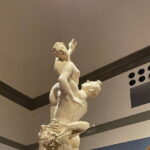
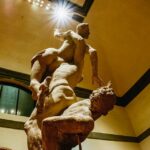
After the initial museum orientation, the guide leads you to the Hall of the Colossus, where you’ll encounter works connected to Renaissance themes of power and drama. The focus includes Giambologna’s Rape of the Sabines, along with other notable pieces like Cassone Adimari and Domenico Ghirlandaio’s St. Stephen between St. James and St. Peter.
This part of the route is useful even if your main target is David. You’re training your eye. The guide helps you notice how artists carved emotion into stone and how posture, gesture, and composition carried meaning in that era.
A possible drawback: this early section can feel like a lot of names in a short time. If you freeze when museums move fast, the radio system becomes extra important here—so you don’t lose the thread.
Hall of the Prisoners and Michelangelo’s unfinished side
Next you’ll head to the main Hall of the Prisoners to learn about Michelangelo’s Slaves—the unfinished statues. This is one of the best “so what?” stops in the whole experience, because the unfinished works explain the process behind the finished icon.
Seeing unfinished figures alongside the discussion of technique changes how David lands. David stops being only a masterpiece and becomes a result of wrestling with form, decision-making, and time.
- The Best tour in Florence: Renaissance & Medici Tales – guided by a STORYTELLER
★ 5.0 · 12,316 reviews



Tribune area: David and the left wing scene
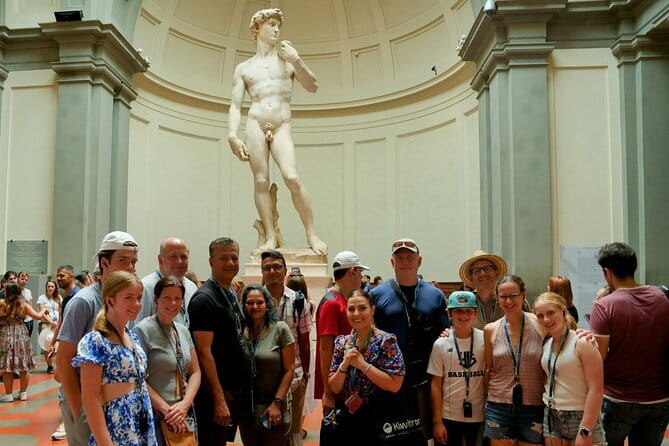
Then you move toward the Tribune, which is where the tour spends real time with the world-famous statue of Michelangelo’s David, plus the Tribune Left Wing work: Allori’s Coronation of the Virgin Mary.
That combination helps because it places David in a broader context of how the museum presents sacred and civic themes. Even if you don’t know much art history going in, the guide’s job is to help you read what the gallery is doing—where to look, what to notice, and why the museum’s layout matters.
Gipsoteca Bartolini: why the plaster casts are more than a side room
After the main highlights, the tour includes a stop at Gipsoteca Bartolini, where you’ll see plaster casts. This isn’t just a “bonus add-on.” For sculpture lovers (and for anyone who wants to understand what makes a statue work), the casts show scale and design choices clearly.
You’ll also hear about specific casts, including:
- Reclining Venus
- Arnolfo
- Brunelleschi
- Lorenzo Monaco
There’s also mention of a Documentation center on the first floor, which can help you understand what you’re seeing as part of a larger collecting and study tradition.
One practical consideration: casts are different from viewing marble originals. Some people love the directness of the originals, and others find the casts easier to “read” because they’re often presented with more clarity. Either way, it’s a smart way to finish the tour because it gives your brain something new after David’s intensity.
Radio headsets: the small detail that makes the tour work
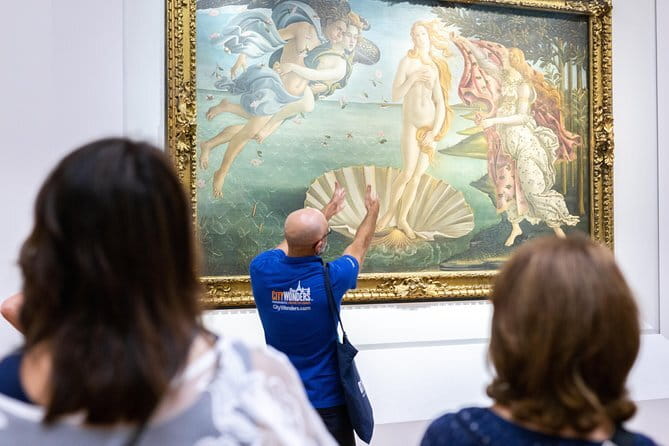
You’re provided with a radio system so you can hear your guide clearly. In museums, this is huge. You’re usually moving, and the sound around you isn’t designed for listening.
I’d use the headset consistently, especially during the busier sections. One review even noted that not using the ear phones meant they had to lean in at moments. That’s not a dealbreaker, but it’s a reminder: the tour experience is built around hearing the guide as you go.
The radio system also helps you ask questions without needing to pause everything for the group. If you like to clarify details—like why a gesture matters or how unfinished sculpture tells a story—you’ll get more out of the hour.
Group size and how to get a better experience from it

The tour has a maximum of 19 travelers, so it’s not a huge crowd. Still, it’s not private. The best way to get value is to treat it like a guided sprint through the most important rooms.
A couple of reviews specifically praised guides for timing sections so the group didn’t walk directly into swarms. That’s a subtle but real advantage: you see more with less friction. If you’ve ever tried to see David on your own in peak season, you know how quickly the visit can turn into “line, push, look, leave.”
If you’re traveling with kids or multi-generational family members, this kind of pace can work well. Several guide mentions included family-friendly delivery and engagement, which matters when not everyone wants to stand and read for twenty minutes at a time.
Price and value: what $55.63 buys you
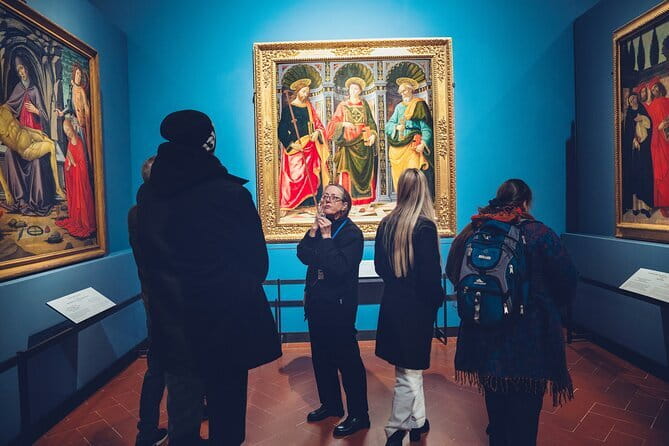
At $55.63 per person for about 1 hour, this tour isn’t cheap in the “impulse purchase” sense. But the value is in what’s included:
- An officially certified guide
- Entrance ticket with reservation
- A radio system so you can hear explanations
- A structured route through several major Accademia highlights
If you’re planning to see David anyway, the guided element is where the money tends to make sense. A reserved entry ticket reduces one of the biggest pain points—time waiting. Then the guide gives meaning to what you’re already paying to see.
Where it might not be the best fit: if you already have strong confidence navigating the Accademia and you prefer reading every plaque slowly at your own pace, you might not need a timed route. Still, even then, a good hour with a guide can be a fast way to understand how the museum pieces connect.
Which kind of visitor should book this?
This tour is a strong match if you want:
- Michelangelo’s David as your top priority
- A time-efficient way to see more than just the headline artwork
- A guided explanation without committing to a full-day museum slog
- Clear audio guidance via headsets
It may be especially helpful for first-time visitors to Florence who want to get oriented quickly. It also fits people going to other museums soon after—like those building a tight art itinerary—because the tour won’t drag.
If you’re the type who loves going deep into every placard, you’ll probably want to pair this with extra solo time afterward. The good news is you can return to areas you want to revisit, including David, once the guided portion is done.
Should you book the Accademia Gallery Michelangelo’s David tour?
Book it if you want David with context and you care about saving time. The reserved entry and the radio system are practical advantages, not gimmicks. The hour-long route is also a smart way to see multiple major works without feeling lost.
Skip or reconsider if you hate time limits and need lots of quiet wandering. This tour moves with purpose, and if your ideal museum visit is slow reading plus long detours, you might find it a bit structured.
My “yes” comes down to this: if you’re going for Michelangelo’s David and you’d rather understand what you’re seeing than just photograph it, this is a strong use of an hour in Florence.
FAQ
How long is the Accademia Gallery tour?
The tour runs for about 1 hour.
Is the tour offered in English?
Yes, it is offered in English.
What’s included in the ticket price?
Your price includes an officially certified guide, entrance ticket with reservation to the Accademia Gallery, and a radio system so you can hear the guide.
Does this tour help with line-waiting?
Yes. Skip-the-line access is guaranteed, including during peak season, except for museum delays or strikes.
Which parts of the Accademia does the tour cover?
You’ll visit key areas of the Accademia, including the Galleria dell’Accademia main highlights such as David (in the Tribune area), other sculpture halls like the Hall of the Colossus and the Hall of the Prisoners, and the Gipsoteca Bartolini plaster casts.
Are headsets provided?
Yes. A radio system is provided so you can hear your guide.
Where is the meeting point?
The meeting point is Via Ricasoli, 57, 50121 Firenze FI, Italy.
What happens if I arrive late?
If you arrive after the tour start time, you will not be able to join, and you will not receive a refund or a rescheduled tour.
Is the tour always guaranteed to run?
No. It requires a minimum number of two guests to run. If it doesn’t meet that requirement after confirmation, you’ll be offered an alternative or a full refund.
Can I cancel for free?
Yes. Free cancellation is available up to 24 hours in advance for a full refund. If you cancel less than 24 hours before, the amount paid is not refunded.
You Might Also Enjoy



More Tour Reviews in Florence
- Tuscany Day Trip from Florence: Siena, San Gimignano, Pisa and Lunch at a Winery
★ 5.0 · 21,634 reviews - The Best tour in Florence: Renaissance & Medici Tales – guided by a STORYTELLER
★ 5.0 · 12,316 reviews