REVIEW · ROME
Unique Rome by Night, Photo Tour and Workshop Under the Stars
Book on Viator →Operated by RomePhotoFuntours Giulio D'Ercole · Bookable on Viator
Rome at night changes the whole city.
This Rome by Night photo tour is built around a hands-on workshop where you learn how to shoot landmark lighting, architecture lines, and dramatic shadows at the exact moments you want. Two things I love right away: you get real coaching for night settings and composition, and you move through top sights with far fewer people in front of your camera than you’ll see during the day.
One possible drawback: this is a photography-focused experience, so if you show up with no camera, you’ll need to rent gear or your best value will come from watching and learning alongside the group.
In This Review
- Key Takeaways Before You Go
- Why 9:00 pm Is the Right Time for Rome Photos
- Your Night-Shoot Workshop: What You Actually Learn
- Route Overview: A 4-Hour Walk Through Rome’s Best Photo Lighting
- Castel Sant’Angelo: Where the Bridge Becomes a Photo Frame
- St. Peter’s Square: Bernini’s Lines and St. Peter’s Basilica in the Background
- Via dei Coronari: Elegant Backstreets Without the Daytime Crowd
- Piazza Navona: Four Fountains, Big Lighting, and a Class Built In
- The Pantheon: Angles, Details, and Piazza della Rotonda Fountain Ornaments
- Piazza del Campidoglio: Michelangelo’s Symmetry and Marcus Aurelius at Night
- Foro Romano Viewpoint: One View That Connects Centuries
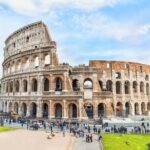
- Colosseum Finale: The Icon Shot Without Constant Blocking People
- Price and Value: What $217.69 Buys You in Real Terms
- Who Should Book This Tour (and Who Might Skip It)
- Should You Book This Rome by Night Photo Tour?
- FAQ
- FAQ
- What time does the tour start?
- Where do we meet?
- Where does the tour end?
- How long is the experience?
- Is this tour private?
- What language is the tour offered in?
- Do I need a valid ID?
- Are admissions included?
- What if I don’t have a camera?
Key Takeaways Before You Go
- Private group pace means you’re not rushed through photos.
- Giulio D’Ercole’s workshop style includes step-by-step direction and feedback on your shots.
- Night lighting coaching helps you handle low light, reflections, and contrast at iconic monuments.
- A smart route threads Castel Sant’Angelo to the Colosseum with classic photo viewpoints.
- You’ll need a valid ID for entry connected to the Colosseum and Roman Forum.
- Weather matters and the tour may shift or refund if it gets canceled for poor conditions.
Why 9:00 pm Is the Right Time for Rome Photos
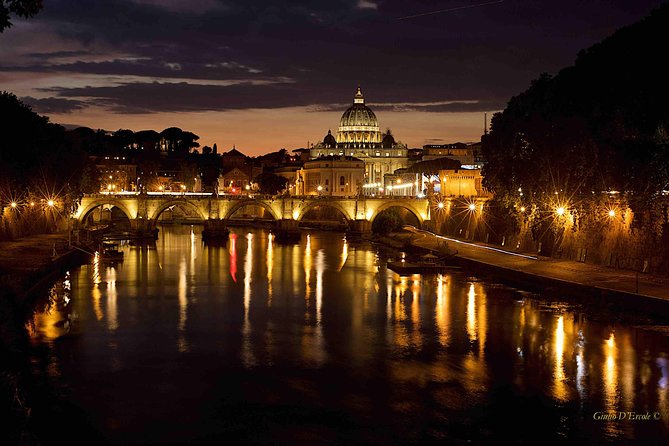
Rome after dark is when the city feels cinematic. Streetlights sharpen stone textures, fountains glow, and those big buildings stop looking flat. You’ll see Rome’s architecture the way locals experience it: moving, breathing, and lit from angles you don’t get in daylight.
This tour leans hard into that. The plan is not just to “see sights,” it’s to photograph them while you can control the moment—your position, your frame, and your camera settings. That’s where the workshop pays off for both beginners and people who already know their way around a camera.
You can also read our reviews of more tours and experiences in Rome.
Your Night-Shoot Workshop: What You Actually Learn
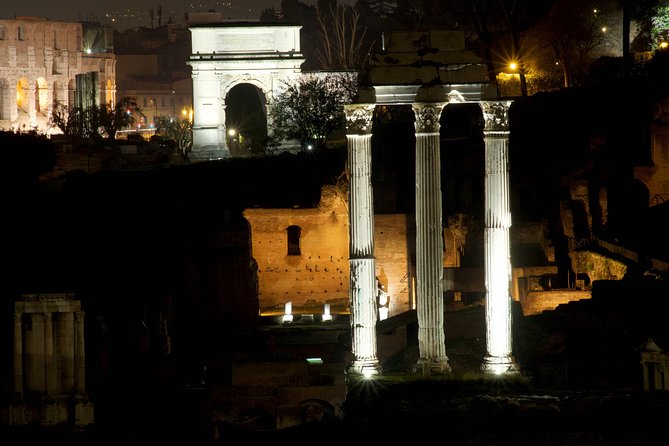
The biggest value here is that you get instruction tied to what you’re photographing right then. Instead of generic tips, you’ll get guidance that matches the scene: bright highlights from streetlamps, deep shadow under arches, and the challenge of making buildings look straight while keeping the sky and lights balanced.
From what I’ve seen in the way the tour is run, you can expect coaching in areas like:
- Composition: how to place monuments in-frame and use lines that lead the eye.
- Exposure and lighting at night: how to handle the contrast between glowing highlights and darker stone.
- Practical reshooting: you’re encouraged to try again from the same spot after you get feedback, so you don’t just take one “maybe” photo.
Even if you’re using a smartphone, you’ll still benefit from the thinking behind the shots. One review specifically noted help using an iPhone for composition, which is a good sign the guidance isn’t limited to heavy camera gear.
Route Overview: A 4-Hour Walk Through Rome’s Best Photo Lighting
The tour runs about 4 hours, starting at 9:00 pm. You meet at Ponte Sant’Angelo (St. Angelo Bridge area) and finish at the Colosseum subway stop area near Piazza del Colosseo. It’s designed to be walkable, focused, and timed so you’re not sprinting across town for the next view.
And because it’s private, it stays about your group’s rhythm. That matters at night, when you want a calm couple of minutes to set up and reframe without feeling like you’re holding people back.
Castel Sant’Angelo: Where the Bridge Becomes a Photo Frame
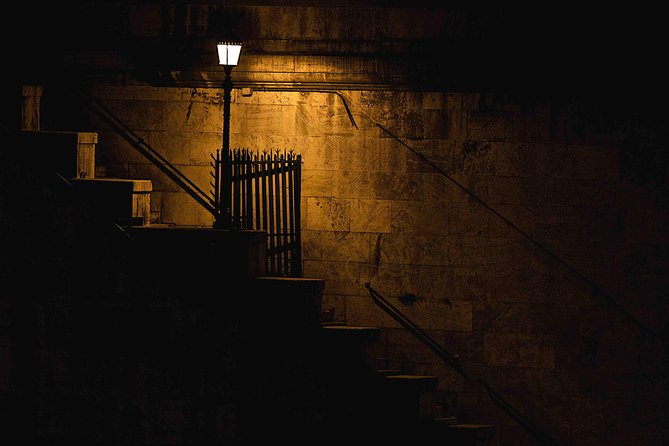
You kick off at St. Angelo Bridge (Ponte Sant’Angelo) with Castel Sant’Angelo right by the water. It’s a great meeting point because the scene already gives you something most landmarks don’t: arches, reflections, and a ready-made leading line across the Tiber.
The tour starts here for a reason. You get an early chance to practice seeing the “structure” of a shot—how the bridge shapes the frame, how reflections can either spoil an image or make it special, and how to keep the brightest parts from blowing out.
Tip for your own setup: if you’re using a tripod, night scenes are when it earns its keep. If you’re handholding, you’ll learn quickly why steadying and timing matter more after dark.
St. Peter’s Square: Bernini’s Lines and St. Peter’s Basilica in the Background
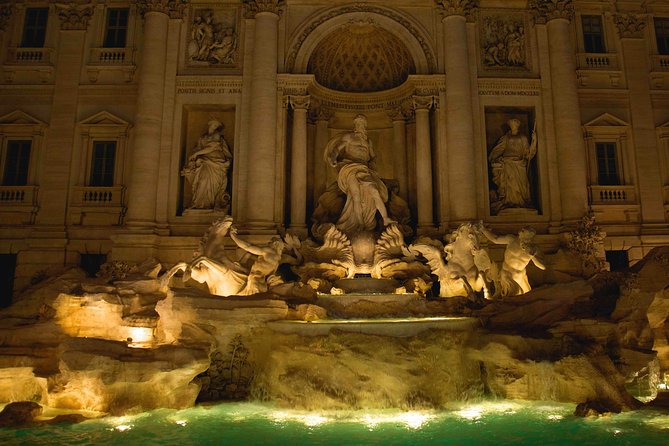
Next comes St. Peter’s Square in Vatican City. This is the moment where the workshop meets the “big wow” factor. You’ll photograph Bernini’s square, the porches and fountain, and the imposing silhouette of St. Peter’s Basilica.
Why this stop works for night photography: the space is full of strong geometry. Columns, arches, and the symmetry of the plaza make it easier to frame intentionally. Even if you’re not a confident photographer yet, this kind of order helps you create stronger compositions fast.
A practical note: the tour lists the stop with admission not included for this area. That doesn’t mean you can’t get great images—it just means plan for a viewing/photography focus rather than assuming entrance is included.

Via dei Coronari: Elegant Backstreets Without the Daytime Crowd
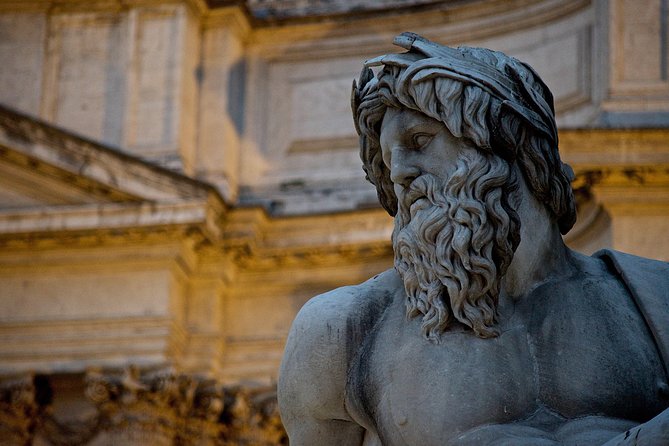
Then you slip into Via dei Coronari, one of Rome’s more refined backstreets. During the day, this kind of street can feel chaotic. At night, it turns into a slower, more intimate set of corners, textures, and small details—exactly the stuff that makes your photos feel like Rome, not just like postcards.
For photography, narrow streets are tricky in a good way. You’ll likely spend time learning how to include enough of the street to feel immersive, without letting the shot turn into a blurry mess. This is where you can train your eye for smaller scenes—doors, signs, and the way light pools along stone.
Piazza Navona: Four Fountains, Big Lighting, and a Class Built In
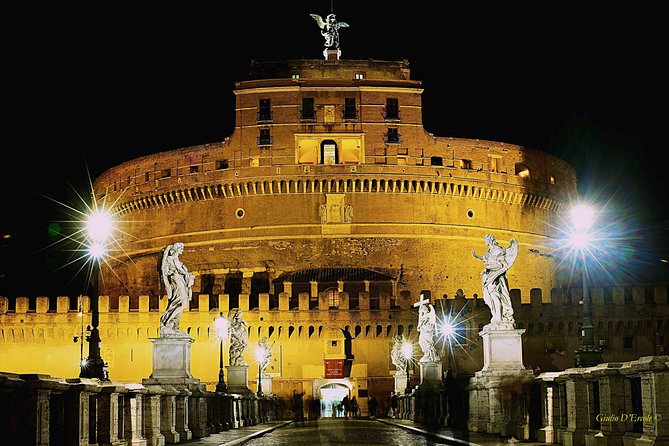
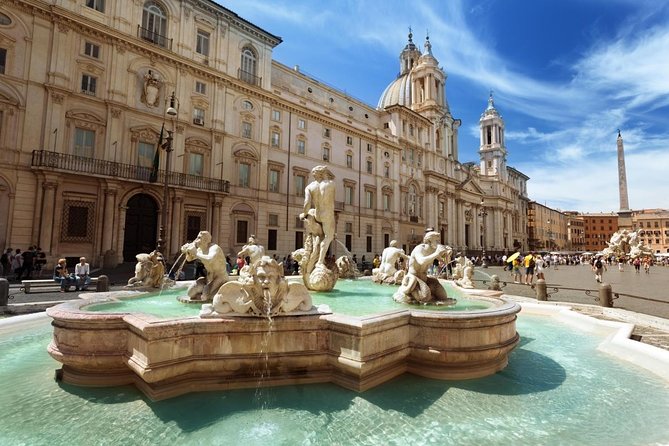
Piazza Navona is one of the tour’s main stops, with time built in for both photographing and an in-depth photography lesson. You’ll work the oval space, the Renaissance-Baroque surroundings, and especially the fountains—most famously Bernini’s Fountain of the Four Rivers.
This stop has two advantages:
- It gives you wide shots for monument framing.
- It also gives you detail shots, from fountain textures to building edges.
The tour’s approach here is smart: you use the square as a live classroom. You’ll be able to translate what you’re being taught into an actual photo attempt almost immediately, then adjust and try again.
One more thing: the square sits on the ancient Domitian Stadium, which gives you a neat historical layer. You’re not just shooting pretty lighting—you’re photographing a site with deep time stacked into the layout.
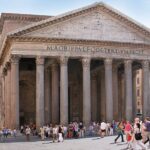
The Pantheon: Angles, Details, and Piazza della Rotonda Fountain Ornaments
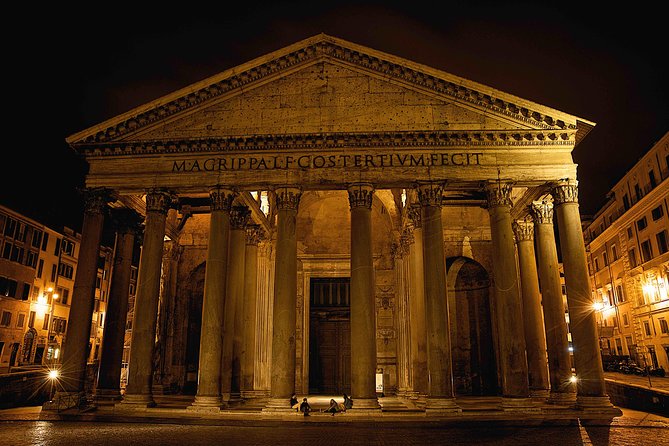
At the Pantheon, you’ll photograph from different angles toward Piazza della Rotonda. The Pantheon is a “night-proof” subject: the lighting makes the structure stand out, and the surrounding plaza gives you multiple framing options.
You’ll also focus on details around the fountain in the middle of the piazza—marble dolphins, marine monsters, and gargoyle-like figures. Those are the kinds of elements that look fantastic in softer night light, because they show texture without daytime glare.
From a composition standpoint, the Pantheon is a teacher. It forces you to think about symmetry and perspective, and how to capture the famous dome while keeping your vertical lines from leaning.
Piazza del Campidoglio: Michelangelo’s Symmetry and Marcus Aurelius at Night
Then you head to Piazza del Campidoglio, another spot built for photographers who like clean lines. Michelangelo’s design is famously symmetrical, and at night that symmetry becomes easier to “read” through the lighting and shadow.
You’ll also use the central Marcus Aurelius equestrian statue as a focal point, plus the façades on the three sides for additional frames. This stop gives you lots of “micro-angles”—similar scene, different perspective—so even with limited time you can come away with more than one strong image.
If you enjoy architecture photos, this is one of those moments where your time actually stretches. One position can generate many versions depending on height, lens choice, and how much foreground you include.
Foro Romano Viewpoint: One View That Connects Centuries
Next is a viewpoint over the Roman Forum. The tour frames this as a magical location because it layers ancient columns and old temple ruins while the Colosseum sits in the distance.
This stop is valuable because it helps you build context in your photo set. A good Rome night set isn’t only close-up icons—it also includes that “here’s how it all connects” perspective.
Practical advice: if you’re using a tripod, this is often where it’s easiest to slow down and let your exposure decisions land. You want clarity in both the foreground ruins and the distant monument. That balance is exactly what night workshops help you learn.
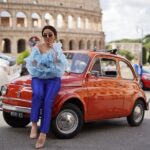
Colosseum Finale: The Icon Shot Without Constant Blocking People
You wrap at the Colosseum, described as the end point when many of the crowds are reduced enough that you get your view. The tour is designed so you can shoot the Colosseum and also frame Constantine’s Arch without constantly fighting people in front of your camera.
This is the photo payoff. After you spend the evening learning how to work with lines, lights, and night exposure, the Colosseum is where it all comes together. Your earlier practice around arches, symmetry, and reflections should make your final images look more intentional and less like luck.
One more practical detail: the tour notes that each traveler must present a valid ID card or document matching the booking name for successful entry related to the Colosseum and Roman Forum. That matters. Bring it with you.
Price and Value: What $217.69 Buys You in Real Terms
At $217.69 per person for about 4 hours, this isn’t the cheapest way to “walk Rome at night.” But it can be good value because you’re paying for three things that are hard to replicate on your own:
- A professional photographer guide leading your route and your shot choices.
- Hands-on instruction you can apply on the spot, including feedback and encouragement to reshoot.
- A private, personal pace, so you’re not stuck waiting while strangers cycle through poses.
Where value gets strongest: if you want better night photos and you’re willing to learn while you’re standing in front of the monument. If you already know exactly what settings work for you and you’re only chasing a casual stroll, you might feel the cost more than the results.
Who Should Book This Tour (and Who Might Skip It)
This tour fits best if you:
- Want to learn night photography techniques using Rome’s biggest landmarks as your practice subjects.
- Are a beginner to intermediate photographer, including people shooting with a phone and wanting stronger composition.
- Like a guide who connects history and architecture context to the photos, not just camera tips.
It also helps if you’re traveling with someone who isn’t a photographer. The tour specifically notes arrangements can be considered for non-photographing spouses, partners, and children as guests. That said, keep expectations aligned: it’s still a workshop, so the main focus is photography.
One last point from the reviews: Giulio is known for being flexible with real-world problems. One review described help when a thunderstorm disrupted plans, and another described stepping in when a camera wasn’t working. If you’re the kind of traveler who gets nervous when gear fails, that support can matter.
Should You Book This Rome by Night Photo Tour?
Yes—if your goal is better night photos and you want coaching that matches what you’re photographing in the moment. You’re getting a high concentration of iconic Rome stops—Castel Sant’Angelo, St. Peter’s Square, Via dei Coronari, Piazza Navona, the Pantheon, Piazza del Campidoglio, the Roman Forum viewpoint, and the Colosseum—plus a workshop built into the route.
I’d say skip it only if you mainly want passive sightseeing with no interest in camera settings, or if you’re not interested in spending time composing and reshooting. Night photography takes a little work, and this tour leans into that on purpose.
FAQ
FAQ
What time does the tour start?
The tour starts at 9:00 pm.
Where do we meet?
You meet at St. Angelo Bridge (Ponte Sant’Angelo), 00186 Roma RM, Italy.
Where does the tour end?
The tour ends near the Colosseum subway stop (Line B) at Piazza del Colosseo, 1, 00184 Roma RM, Italy.
How long is the experience?
It’s listed as about 4 hours.
Is this tour private?
Yes. It’s described as a private tour/activity, meaning only your group participates.
What language is the tour offered in?
It’s offered in English, and it may be operated by a multi-lingual guide including English, French, Italian, and basic Spanish.
Do I need a valid ID?
Yes. The tour notes that you must present a valid ID card or document matching the name provided at booking for successful entry to the Colosseum and Roman Forum.
Are admissions included?
Some stops specify admission is not included (for example St. Peter’s Square), while Castel Sant’Angelo is listed as free. The data also notes practical entry requirements for the Colosseum/Roman Forum, so it’s smart to read your confirmation details.
What if I don’t have a camera?
The tour notes that customers with no cameras can rent Nikon gear + tripods for 50 euros per kit, payable in cash. Arrangements for non-photographing partners are also mentioned.