REVIEW · COLOSSEUM
Best of Colosseum Experience: Exclusive Tour in 40 Languages
Book on GetYourGuide →Operated by VEDITALIA · Bookable on GetYourGuide
A fast pass through Rome’s grandest ruin. This 3-hour Colosseum tour is built to save you time with skip-the-line entry, then turn the biggest stops into a story you can follow. The standout option is AI real-time translation, so the guide can explain the sights to international groups in dozens of languages.
I also like the way the route moves in a smart loop: arena first, then the hill views, then the Forum and Via Sacra walk where Roman power was staged. One thing to consider: there’s moderate walking with stairs and uneven steps, and you must bring your passport or ID because entry to the Colosseum is mandatory. Even if you get a great guide, the ruins still demand your feet.
In This Review
- Key things to know before you go
- Skip-the-line Colosseum access: how this tour saves your time
- Colosseum highlights: gladiators, animals, and the arena story
- Palatine Hill viewpoints and the she-wolf myth
- Roman Forum and Via Sacra: where Rome walked
- AI real-time translation: the 40-language advantage
- Group size, headsets, and the 3-hour pacing
- What to bring: ID, water, and the shoes rule
- Price and value: what $45.55 buys you
- Who this Colosseum tour is best for
- Guides you might get: the difference between a tour and an experience
- Should you book this Best of Colosseum Experience?
- FAQ
- How long is the tour?
- What does skip-the-line include?
- Where does the tour start and end?
- Do I need a passport or ID?
- How big is the group?
- Will I hear the guide clearly?
- Does the tour include AI translation in multiple languages?
- What languages are available?
- Is food included?
- Is the tour wheelchair accessible?
- What should I wear?
Key things to know before you go
- Skip-the-line entry to the Colosseum, Roman Forum, and Palatine Hill via a separate entrance
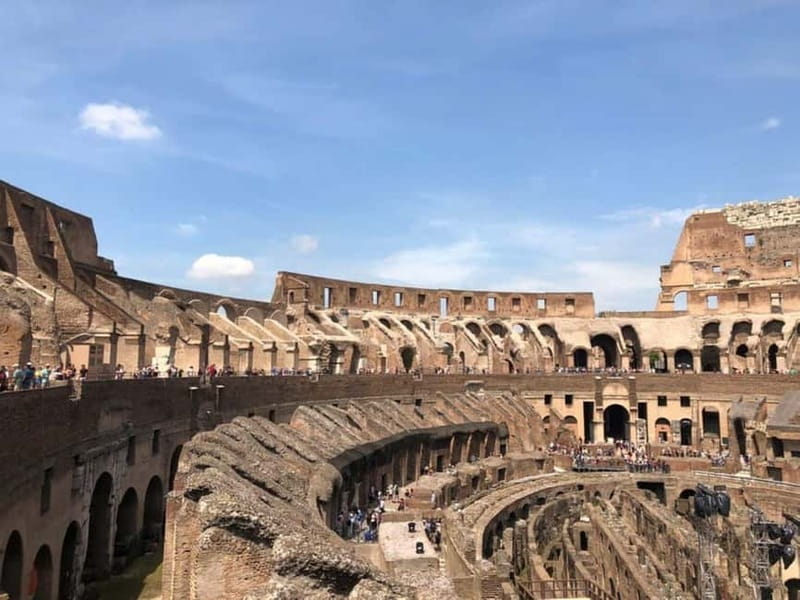
- Three guided blocks: Colosseum (about 1.5 hours), Palatine Hill (about 45 minutes), Forum/Via Sacra (about 45 minutes)
- AI real-time translation option with tested accuracy and smooth earphone audio
- Small group size (up to about 20/25 people) with audio headsets used for larger groups
- Real Roman landmarks: the she-wolf myth area on Palatine and Caesar’s cremation spot on your route
- Bring passport or ID—it’s mandatory for access to the Colosseum
Skip-the-line Colosseum access: how this tour saves your time
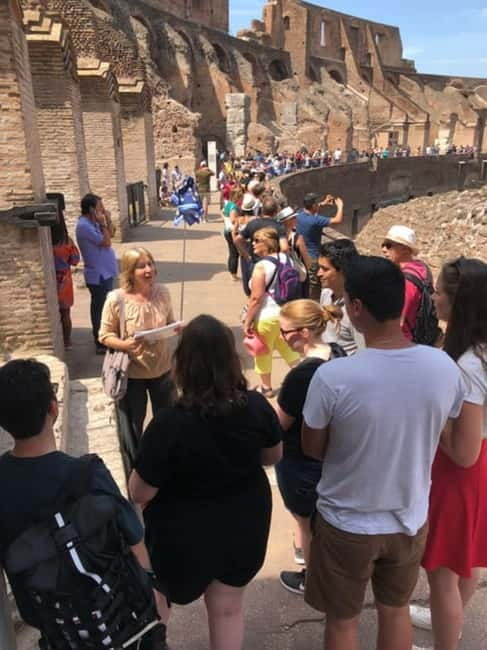
Rome’s Colosseum is famous for two things: scale and lines. This tour is designed around the simple idea that time is your real travel currency. You enter through a dedicated skip-the-line route, which means less standing in queues and more time in the monuments.
For me, the value here isn’t just convenience. It’s attention. When you’re not stuck shuffling forward in heat, you can actually listen to what the guide is pointing out—things like the gladiator holding areas and how the arena machinery supported the crowd spectacle. That’s the difference between a quick photo stop and a visit that actually sticks.
One small practical note: the meeting area around the Colosseum can feel like a mini industry. Arrive a few minutes early so you’re not hunting for your guide while everyone else is already forming little lines.
You can also read our reviews of more tours and experiences in Colosseum.

Colosseum highlights: gladiators, animals, and the arena story
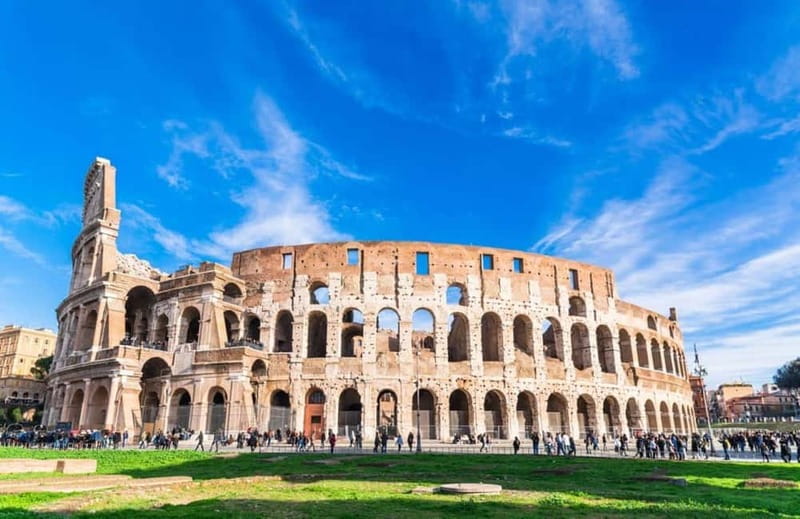
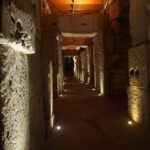
The tour’s heart is the Colosseum itself, with about 1.5 hours of guided time. You’ll start by seeing the big-picture layout, but the real payoff comes from the details: how gladiators were prepared, and what the holding areas were like before they entered the fight stage.
You also get context for the entertainment side—crowds facing wild animals and the whole spectacle engine of the Roman Empire. That historical framing matters. If you just look at the walls, the Colosseum can feel like a big empty shell. With a guide’s narration, it starts acting like a time machine: you can picture the noise, the pressure, and the drama that made this place famous.
The group pacing here is important. You get enough time to take it in, but it’s not an all-day meander. If your dream is to linger in every corner and trace every stair, plan for the fact that the Colosseum segment is timed. In other words: you’re buying focus, not unlimited wandering.
Palatine Hill viewpoints and the she-wolf myth
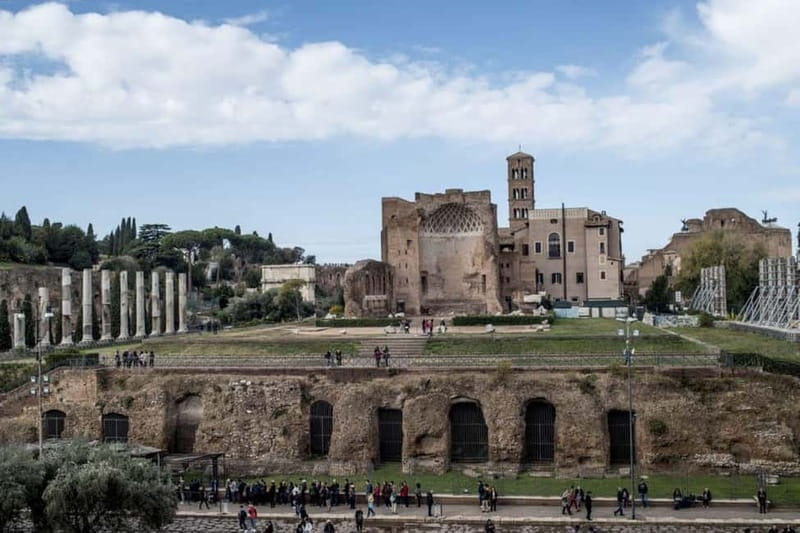
Next you head to Palatine Hill for about 45 minutes. This is where Rome’s origin stories start feeling real, not just like textbook lines. The guide ties you to the legend of Romulus and Remus being found by a she-wolf, and then you walk through the remains that helped earn Palatine its legendary status.
What I like about this stop is the mix of storytelling and perspective. Palatine gives you that elevated sense of place—why emperors wanted to live close to the center of power, and why the views still feel like a flex even today. You’ll also see ruins associated with elite palaces and gardens, which helps explain the social pyramid behind the myth.
Drawback? The clock moves. Forty-five minutes goes fast because you’re both listening and looking. If you’re the type who always wants one more photo from the best viewpoint, you’ll want to choose your angles quickly and keep your camera ready.
Roman Forum and Via Sacra: where Rome walked
The final big guided block is the Roman Forum and Via Sacra (about 45 minutes). If Palatine is about origins and power close to home, the Forum is about power in public—markets, temples, and civic life layered over time.
Expect to walk along the Via Sacra, the famous processional route where Rome’s major moments and armies became part of the city’s daily geography. The guide also brings you to the altar where Julius Caesar was cremated, which is one of those stops that instantly turns ruins into turning points.
You’ll also move through the Forum’s temple and marketplace remains. Even though these areas are mostly stone foundations and fragments now, the narration helps you connect what you see to how people lived, traded, prayed, and governed.
One practical thing: the Forum can feel dense with visitors depending on timing. This is another reason skip-the-line access matters. Less waiting often means fewer headaches when you arrive in busy zones.
AI real-time translation: the 40-language advantage
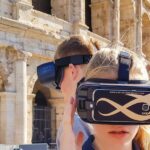
The headline feature here is optional AI real-time multilingual translation. If selected, the guide can speak naturally in their native language, while the translated narration is delivered directly to your earphones. That’s the core idea: you don’t need to hunt for an English summary mid-sentence.
The tour data also specifies tested accuracy from about 90% to 100% across multiple languages. In plain terms, it’s meant to be clear enough that you don’t feel left out when history gets detailed.
What I think you’ll appreciate is the inclusivity in real life. Instead of one language dominating, the narration supports international groups in language lists that include Arabic, Bengali, Chinese, French, German, Greek, Hebrew, Hindi, Italian, Japanese, Korean, Portuguese, Russian, Spanish, Thai, Turkish, Ukrainian, Vietnamese, and more (plus others like Afrikaans, Catalan, Gujarati, Icelandic, Marathi, Norwegian, Punjabi, Serbian, Swedish, Tamil, Thai, and Vietnamese).
Also, you’ll want to treat the earphones like part of the tour, not an optional extra. Keep them on and charged/routed correctly when you receive them (the tour uses an AI translation device setup, rented for the duration and returned at the end).
If you’re traveling with friends who don’t speak English, this is a big deal. And if you do speak English, you might still enjoy the way the narration keeps pacing consistent across a mixed group.

Group size, headsets, and the 3-hour pacing
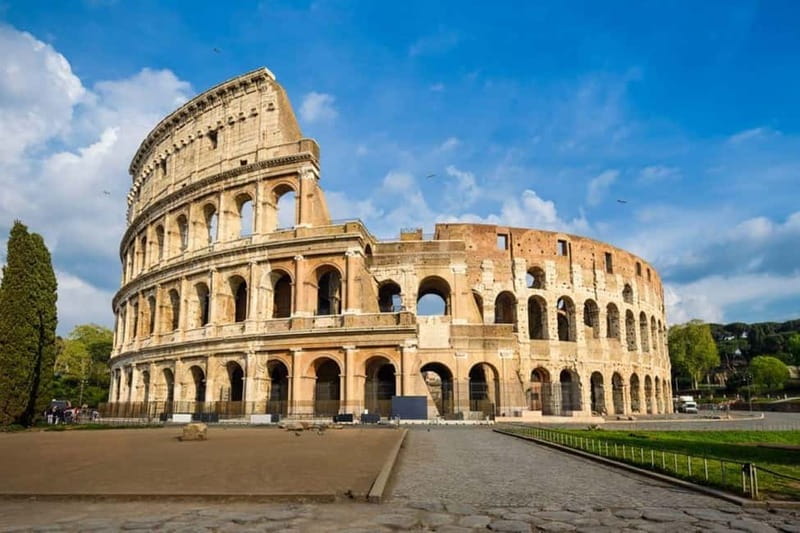
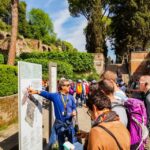
This is a small-group tour, with a cap around 20/25 people. That size matters in a place like the Colosseum, where sightlines are tricky and crowd flow can slow you down.
Audio headsets come into play for groups larger than 6. That’s a smart setup. It keeps you closer to the guide’s voice even when the group spreads out on stairs or uneven paths.
The tour lasts about 3 hours from start to finish. Time is broken into three guided segments—Colosseum, Palatine Hill, and Roman Forum/Via Sacra—ending back at Piazza del Colosseo. The upside is momentum: you’re not stuck on one site for too long. The downside is that you’ll still be walking through historic zones on a schedule.
From a comfort standpoint, wear shoes you trust. There are stairs and uneven steps. Even if you’re fit, Rome does not do smooth floors.
What to bring: ID, water, and the shoes rule
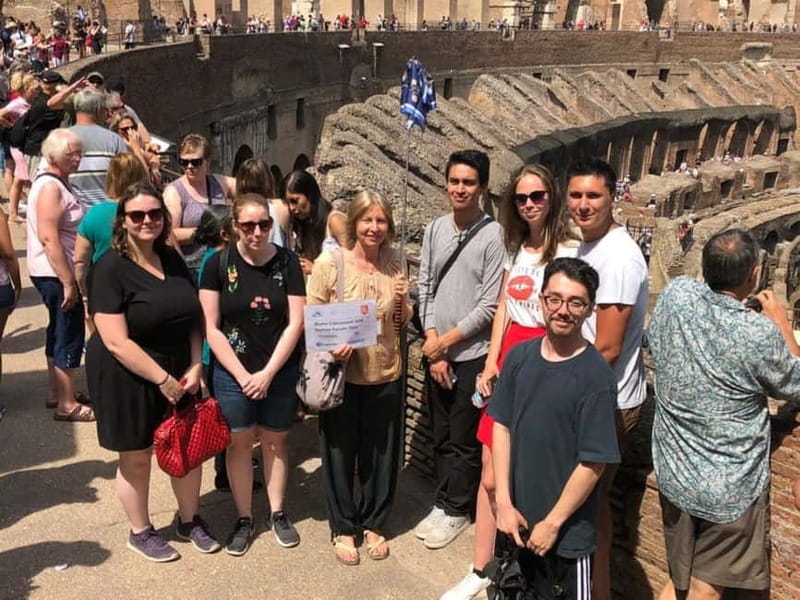
You’ll want three basics ready before you even leave your hotel:
- Passport or ID (mandatory for Colosseum access)
- Comfortable walking shoes (stairs and uneven steps)
- Water (carry it; there are opportunities to refill at free water fountains along the way)
Bring your camera, too. Palatine Hill in particular is the kind of spot where you’ll want to switch from thinking to shooting.
Also, if you’re sensitive to crowds and noise, plan to keep your expectations realistic. This is one of Rome’s top attractions, and the energy level can rise quickly as the group moves.
Price and value: what $45.55 buys you
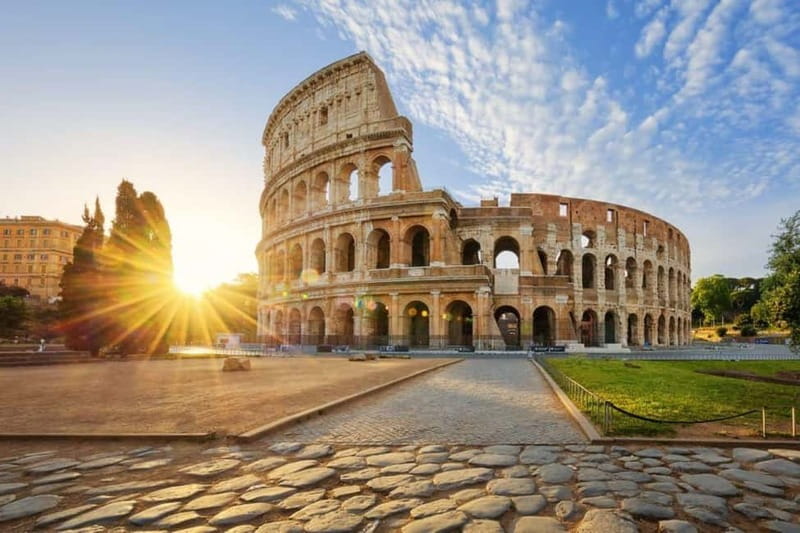
At $45.55 per person, the price is relatively fair for three major stops in one guided package—Colosseum, Roman Forum, and Palatine Hill—especially because the tour includes skip-the-line entrance tickets for those sites.
Here’s how I judge value for tours like this: you’re paying for (1) saved time, (2) organized routing, and (3) a guide who can explain what you’re looking at while you’re looking at it.
Skip-the-line access is the biggest lever. If you were to self-tour, you’d likely spend a chunk of time navigating entry and queue systems. Paying for an efficient flow is often cheaper than paying with hours of frustration.
The AI translation option adds extra value when you have a multi-language group. Even if it’s just you and you prefer English, the built-in earphone setup keeps the experience consistent and easier to manage than chasing info on your own.
Who this Colosseum tour is best for
This tour fits best if you want a smart, guided hit of three top Rome sites without turning the day into a logistics puzzle.
It’s especially good for:
- First-timers who want the Colosseum, Forum, and Palatine in one go
- International groups where everyone wants to understand the narration (not just take photos)
- History lovers who care about how the stories connect—gladiators to Caesar to Rome’s founding myths
- People who value time savings enough to pay for the skip-the-line access
It may not be the best match if:
- You need wheelchair access (the tour data says it’s not suitable for wheelchair users)
- You want a slow, free-roaming day with long stops inside the Colosseum
Guides you might get: the difference between a tour and an experience
One reason this tour earns strong marks is how the guide narrative lands. Names that show up in feedback include Marco, Laura, Elena, Valentina, Luciana, Vasco, Kiara, Hanna, Helen, Simon, and others. Across those accounts, the common thread is energy and story structure—keeping the facts moving while making the ruins feel like scenes.
What you should watch for on any guided tour is pacing: when a guide keeps control of timing, you feel you’re seeing the right amount of each place. That timing focus shows up as a theme, along with people praising the “game changer” effect of skipping lines.
Should you book this Best of Colosseum Experience?
If you want the simplest path to seeing the Colosseum, Roman Forum, and Palatine Hill with expert-style narration and skip-the-line entry, I’d say this is a solid booking. The price makes sense when you factor in the three ticketed sites and the time saved.
Book it if:
- You’re short on time in Rome
- Your group includes people who benefit from multilingual support
- You want a clear, guided route rather than DIY wandering
Consider another option if:
- You have mobility limits that won’t work with stairs and uneven steps
- You’re the type who needs extra time inside the Colosseum arena and would feel rushed by a timed 1.5-hour segment
FAQ
How long is the tour?
The tour lasts about 3 hours.
What does skip-the-line include?
Skip-the-line entrance tickets are included for the Colosseum, Roman Forum, and Palatine Hill, using a separate entrance.
Where does the tour start and end?
The start meeting point can vary depending on the option booked, with listed options around Colosseo and Piazza del Colosseo. The tour ends back at Piazza del Colosseo.
Do I need a passport or ID?
Yes. Bringing a passport or ID is mandatory to access the Colosseum.
How big is the group?
The tour is a small-group experience with no more than about 20/25 people.
Will I hear the guide clearly?
Audio headsets are included for groups larger than 6 people, so you can hear the guide’s narration.
Does the tour include AI translation in multiple languages?
It can include AI real-time multilingual translation if that option is selected. The guide speaks in their native language, and the narration is translated to your earphones.
What languages are available?
The tour lists many languages for the AI translation option, including English and dozens more such as Arabic, Bengali, Chinese, French, German, Greek, Hebrew, Hindi, Italian, Japanese, Korean, Portuguese, Russian, Spanish, Thai, Turkish, Ukrainian, and Vietnamese.
Is food included?
No. Food and drinks are not included.
Is the tour wheelchair accessible?
No, the tour is not suitable for wheelchair users based on the provided information.
What should I wear?
Wear comfortable walking shoes because there is moderate walking with stairs and uneven steps. Bring water as well.