REVIEW · ROME
2-in-1 Pasta and Tiramisu Cooking Masterclass in Rome
Book on Viator →Operated by Rome With Chef · Bookable on Viator
Cooking pasta in Rome beats a food tour. I especially love the hands-on pace and the fact you actually leave knowing how to make carbonara or cacio e pepe and a proper tiramisu, not just watching someone else do it. The small-group format keeps things personal, and the chef’s step-by-step teaching makes the techniques feel doable (even if you’re not the pasta-master at home).
One thing to plan around: this class is not set up for most special diets. There are no gluten-free, vegan, or dairy-free options, and lactose intolerance can’t be accommodated because dairy is used.
In This Review
- What You’ll Care About Most (Before You Book)
- Where It Starts: Via Cesare Balbo and a Kitchen Set in the Real City
- The Three-Hour Flow: Fresh Pasta, Then Dessert That Sets Up
- Making Fresh Fettuccine: Rolling Out the Skills You’ll Actually Use Later
- The Roman Sauce Choice: Carbonara or Cacio e Pepe
- Tiramisu Workshop: The Creamy Dessert Moment (With a Kick)
- Drinks With the Meal: Prosecco Start, Wine at the Table, Limoncello Finish
- Small Group Reality: How This Feels in a Kitchen (Not a Stage)
- Dietary Limits: The One Major Thing to Double-Check
- Price and Value: Is $78.60 Worth It?
- Practical Tips for Getting the Most From the Class
- FAQ
- FAQ
- How long is the 2-in-1 pasta and tiramisu cooking masterclass?
- Is the class taught in English?
- What is the price per person?
- How large is the group?
- Where do I meet, and does it end there too?
- What dishes are you making?
- Are drinks included?
- Is there an option for gluten-free or coeliac disease?
- Can vegans or people avoiding dairy join?
- What happens if weather is bad or the class can’t run?
- Should You Book This Rome Pasta and Tiramisu Class?
What You’ll Care About Most (Before You Book)
- Max 14 people, English-led: Smaller groups mean more attention while you’re rolling, cutting, and cooking.
- Roman staples, not tourist shortcuts: You learn either carbonara or cacio e pepe sauce to match the pasta you make.
- Tiramisu while your pasta chills: Dessert happens at the right moment so it sets up during the class.
- Drinks are part of the experience: Prosecco starts, local wine goes with the meal, and limoncello finishes things off.
- A recipe ebook to take home: You’ll get a free ebook so you can recreate the dishes later.
Where It Starts: Via Cesare Balbo and a Kitchen Set in the Real City
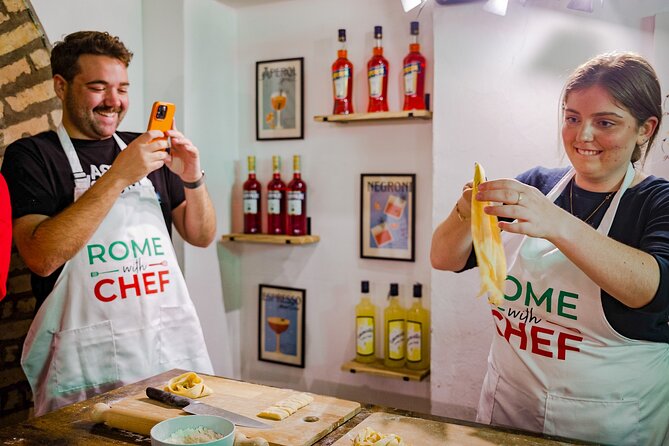
Your class begins at Via Cesare Balbo, 25, 00184 Roma RM and ends back at the same meeting point. It’s in a part of Rome that’s easy to reach, and it’s also near public transportation—useful if you’re mixing this with a walk around town that day.
One small heads-up: the exact meeting spot can occasionally change, but it’s only a short 5-minute walk from the original address. You’ll be informed in advance if that happens. For me, that kind of flexibility matters in Rome, where door numbers and access points can be a bit of a choose-your-own-adventure thing.
You can also read our reviews of more tours and experiences in Rome.


The Three-Hour Flow: Fresh Pasta, Then Dessert That Sets Up
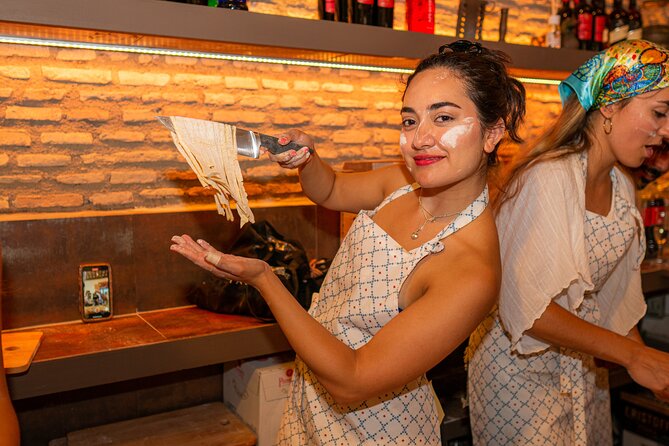
This is an approximate 3-hour masterclass, and the structure is smart. You don’t do everything at once; you do things in a sequence that keeps the food moving and the learning practical.
Here’s the rhythm you can expect:
- You start with cooking instruction and a first round of drinks (prosecco).
- You make fresh pasta from scratch with guidance from a local chef.
- While your tiramisu is getting the chill time it needs, you focus on learning the sauce technique for your pasta.
- You eat what you made, with wine and limoncello brought into the experience at the table.
Why this matters: the class doesn’t feel like a demo that you watch from a chair. It’s active. You’ll be hands-on in a way that makes the “how” stick, especially if you like to cook at home.
Making Fresh Fettuccine: Rolling Out the Skills You’ll Actually Use Later
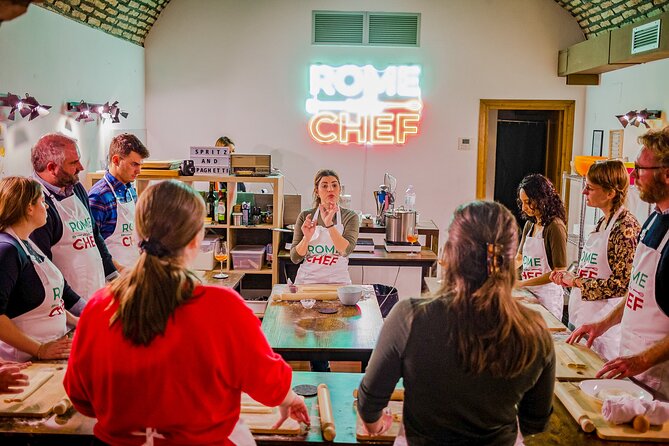
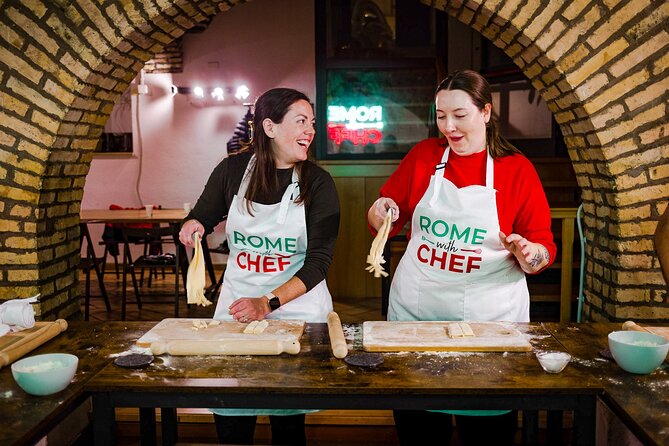
The pasta part focuses on making fresh fettuccine from scratch, with the chef helping you through the steps. Even if you’ve never rolled dough before, the small group size (maximum 14 travelers) helps because you’re not lost in a crowd.
This is where you learn the practical basics:
- how to handle and shape the dough,
- how to keep things moving so it doesn’t turn into a sticky mess,
- and how to think about texture and timing as you cook.
From the names that show up in these classes—people like Marzia, Giovanna, Ezgi, Jem, Juan, and Sunny—the common thread is teaching that’s meant to make you successful, not just impressed. The instructors are described as patient, funny, and step-by-step, which is exactly what you want when the dough is on the verge of going sideways.
The Roman Sauce Choice: Carbonara or Cacio e Pepe
After the pasta work, you learn how to pair it with a classic Roman sauce: carbonara or cacio e pepe. The wording matters here: it’s not just flavor theory. You learn the method and how to make the sauce that matches the pasta you created.
Why I like this setup for travelers: it helps you take home a real, repeatable dish. You aren’t buying a recipe. You’re practicing the technique during the class, so when you get home you can recreate the logic behind the dish.
Also, you get a meal out of it, so the sauce is immediately tested against the pasta. That matters. A sauce you made yourself tastes different, because you know what you did and what you adjusted.
Tiramisu Workshop: The Creamy Dessert Moment (With a Kick)
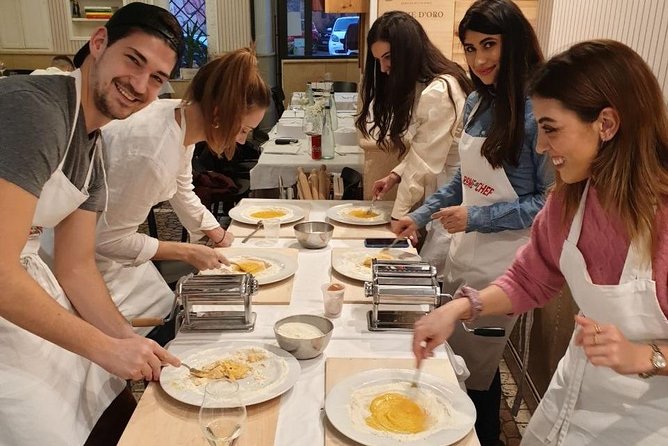
Then comes the tiramisu. This class has you making homemade tiramisu with a creamy result and an extra kick. The process is structured so it can chill while the rest of the cooking finishes up.
A detail worth noting: the tiramisu includes a shot of Tia Maria, but it’s alcohol-free for kids. That’s a clear, family-friendly approach. If you’re traveling with a mixed group, you won’t have to play guessing games about what’s in the dessert.
And here’s a fun practical tip implied by the way the class is designed: tiramisu is not a “last-minute” dessert. The class handles the timing with the chill period so you get a finished dessert instead of something half-set.



Drinks With the Meal: Prosecco Start, Wine at the Table, Limoncello Finish
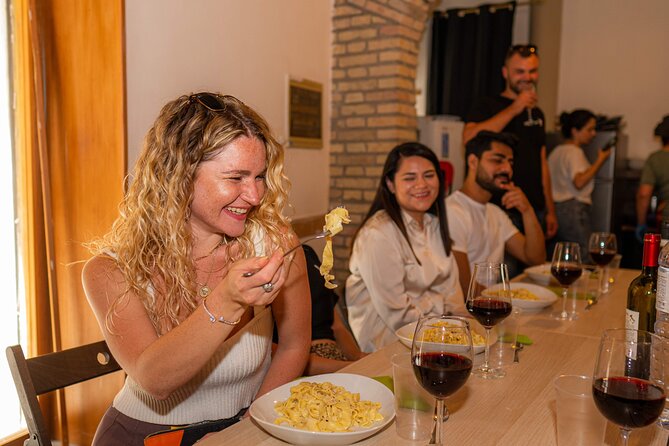
Food classes in Rome often promise drinks. This one builds them into the flow.
You start with a glass of prosecco as you begin cooking. As you eat, you get local wine, and the experience ends with a shot of limoncello. There are also non-alcoholic beverages available, so you don’t have to sit out the party portion entirely.
Another practical plus: unlimited refreshments are included, like water and soft drinks. That helps if you’re pacing yourself, or if you’re keeping the experience comfortable for people who don’t want to drink heavily.
If you like the social side of travel—meeting people, laughing during cooking mistakes, and swapping tips at the table—this drink plan supports that. It keeps the mood light while you’re learning.
Small Group Reality: How This Feels in a Kitchen (Not a Stage)
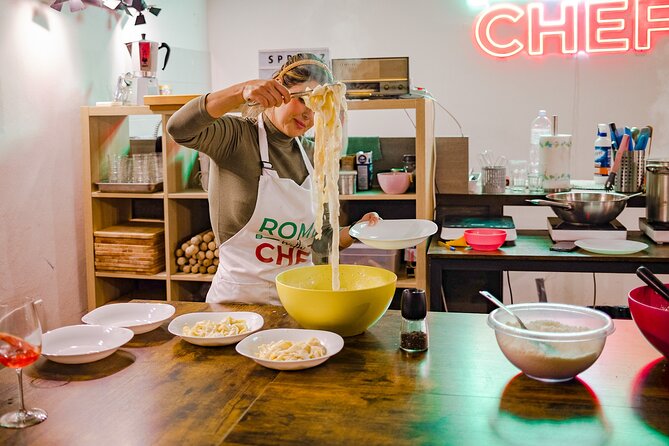
The class is capped at 14 travelers, which changes the whole experience. In a group that size, chefs can actually check your work. You’re more likely to get a quick correction if your dough is too dry or your sauce needs attention.
This kind of class often works well for families. In the feedback people gave, kids and teens were described as integrated into the activity, not shoved to the sidelines. It’s also in English, which is a big deal if you’re visiting Rome without Italian cooking vocabulary.
One more thing: the instructors are repeatedly praised for personality—names like Marzia, Giovanna, Angela, Mary, Jem, Juan, and Shiva come up in connection with fun, patient teaching. Your chef will vary, but the consistent vibe is that the teaching is meant to keep you engaged.
Dietary Limits: The One Major Thing to Double-Check
If you have food restrictions, read this part carefully.
This class states it cannot accommodate:
- coeliac disease and gluten intolerance,
- vegan diet,
- lactose intolerance (because dairy products are used).
It also says there are no gluten-free options, no vegan options, and no dairy-free options. So if your plan is to bring a dish “for yourself,” that might not work here because the menu is prepared as part of the class.
If you’re flexible with diet, you’ll probably find the food and structure enjoyable. If you aren’t, this is the wrong class and that’s better than showing up hungry and disappointed.
Price and Value: Is $78.60 Worth It?
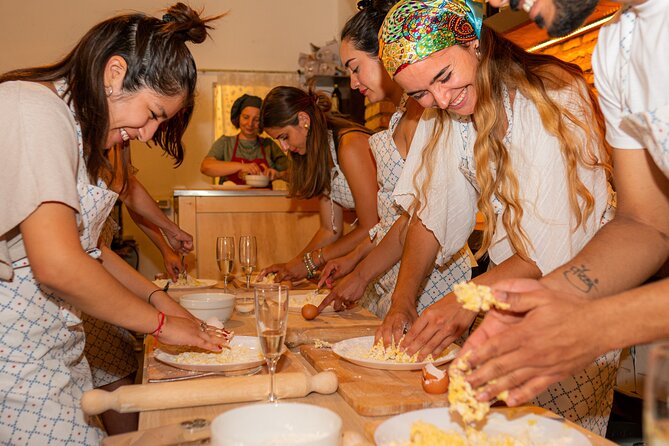
At $78.60 per person for about three hours, this isn’t a bargain in the way a free walking tour is. But it can feel like good value when you look at what’s included.
You’re getting:
- an interactive cooking workshop (not a passive lesson),
- hands-on instruction on fresh pasta and Roman sauces,
- homemade tiramisu as part of the class meal,
- prosecco, wine, and limoncello (plus water and soft drinks),
- and a free recipe ebook to keep your results from fading after the trip.
In plain terms, you pay for ingredients, instruction, and the meal experience in one place. If you like to cook, that “skill + dinner” combo is exactly why these classes can be worth it.
If you mainly want to taste and never plan to cook again, it may not feel like the best use of time. But if you want one Roman experience that’s hands-on and memorable, this is built for that.
Practical Tips for Getting the Most From the Class
You’ll have the best time if you treat this like a cooking session, not a show.
- Wear shoes you can move in. You’ll likely be standing and leaning over your work.
- Keep your phone away while you’re rolling and cutting. You’ll want clean hands and you won’t stress about the perfect photo.
- Go in with a good attitude about small imperfections. Fresh pasta dough behaves like dough everywhere, and the chef’s job is to guide you back to a good outcome.
- If you don’t drink alcohol, pick the non-alcoholic options early. The class includes them, and it’s easier to settle in from the start.
And if you’re booking for a group, the small size helps. It’s easier to enjoy than a bigger class where you’re waiting your turn.
FAQ
FAQ
How long is the 2-in-1 pasta and tiramisu cooking masterclass?
It runs for approximately 3 hours.
Is the class taught in English?
Yes, it is offered in English.
What is the price per person?
The price is listed as $78.60 per person.
How large is the group?
The class has a maximum of 14 travelers.
Where do I meet, and does it end there too?
You start at Via Cesare Balbo, 25, 00184 Roma RM, Italy, and the activity ends back at the meeting point. The meeting point may change by a short 5-minute walk on some days, with advance notice.
What dishes are you making?
You’ll make fresh pasta and either carbonara or cacio e pepe sauce, plus homemade tiramisu.
Are drinks included?
Yes. You’ll have glasses of prosecco, local wine, and a shot of limoncello. Non-alcoholic beverages are available too, and water and soft drinks are included.
Is there an option for gluten-free or coeliac disease?
No. The class cannot accommodate coeliac disease, gluten intolerance, or gluten-free diets.
Can vegans or people avoiding dairy join?
No for vegan diet, and no for lactose intolerance/dairy-free needs. The class states there are no vegan or dairy-free options.
What happens if weather is bad or the class can’t run?
The experience requires good weather. If it’s canceled due to poor weather, you’ll be offered a different date or a full refund. It also requires a minimum number of travelers; if it doesn’t meet that minimum, you’ll be offered a different date or a full refund. You can cancel for a full refund up to 24 hours in advance.
Should You Book This Rome Pasta and Tiramisu Class?
Yes, if you want one Rome experience that’s hands-on, social, and genuinely practical. You’ll learn fresh pasta and classic Roman sauces (carbonara or cacio e pepe) and you’ll finish with homemade tiramisu—plus you’ll eat it with prosecco, wine, and limoncello. The small-group size makes it feel personal, not crowded.
Skip it if your diet requires gluten-free, vegan, or dairy-free meals, because the class clearly can’t accommodate those needs. If that’s you, you’ll save time and disappointment by picking a different cooking option that matches your restrictions.