REVIEW · BOLOGNA
Bologna: Guided Walking Tour
Book on GetYourGuide →Operated by Manuela Roversi · Bookable on GetYourGuide
Bologna rewards slow walking. This 3-hour guided route strings together the big hits—Piazza Maggiore with the Fountain of Neptune and Palazzo del Podestà—then keeps moving into what Bologna is famous for: long, sheltered porticoes and the city’s unmistakable leaning towers. I love how the guide makes the architecture feel personal, linking squares and stonework to how people actually live in Bologna.
One heads-up: the stops include churches, so you need the dress code in mind (no shorts; shoulders covered), and the Anatomical Theatre at the Archiginnasio costs extra and must be booked in advance. If you’re traveling in lighter clothes, this can add one small planning step.
In This Review
- Key highlights worth knowing before you go
- Start Where Bologna Shows Off: Piazza Maggiore and Palazzo Details
- Why Bologna Gets Three Nicknames: La Dotta, La Grassa, La Rossa
- Via Farini and the Streets Between Landmarks
- The LeaninG Towers and Porticoes: Bologna’s Signature “Cover the World” Style
- Basilica of Saint Petronio and Its Long Sundial Moment
- The Archiginnasio and the Anatomical Theatre Add-On
- Court Isolani, Via Strada Maggiore, and a Covered Passageway Story
- Piazza Santo Stefano Porticoes, Church Stops, and Keeping Your Feet Happy
- Mercato di Mezzo and the Local Food Mindset
- Guides Matter: What Makes Manuela (and Giulia) Shine
- Price and Value: Is $118.95 per Group Worth It?
- Who This Walking Tour Suits Best
- Should You Book This Bologna Walking Tour?
- FAQ
- How long is the Bologna guided walking tour?
- How much does the tour cost?
- Where does the tour start?
- Where does the tour end?
- Is the Anatomical Theatre at the Archiginnasio included?
- What languages are the guides available in?
- What should I wear for church visits?
- Is the tour wheelchair accessible?
- What is the cancellation policy?
Key highlights worth knowing before you go
- Piazza Maggiore first: Neptune’s Fountain, Palazzo del Podestà, and the showpiece square energy
- Porticoes on display: Bologna’s signature covered walkways, not just a quick glance
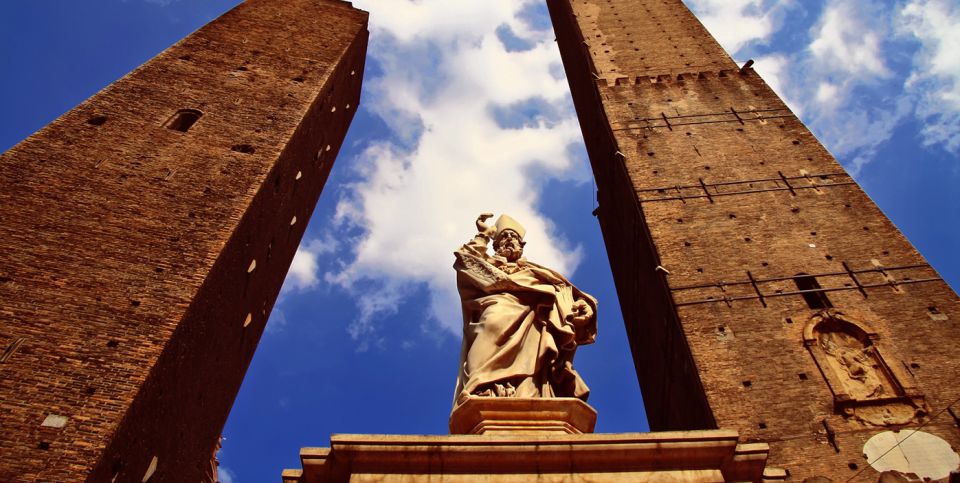
- Leaning towers: two iconic towers that instantly make the skyline feel real
- Saint Petronio’s long sundial: a very specific wow moment you won’t forget
- Archiginnasio anatomical theater option: small add-on, big payoff if you prebook
- Mercato di Mezzo food stories: you’ll hear why food matters in Bologna
Start Where Bologna Shows Off: Piazza Maggiore and Palazzo Details
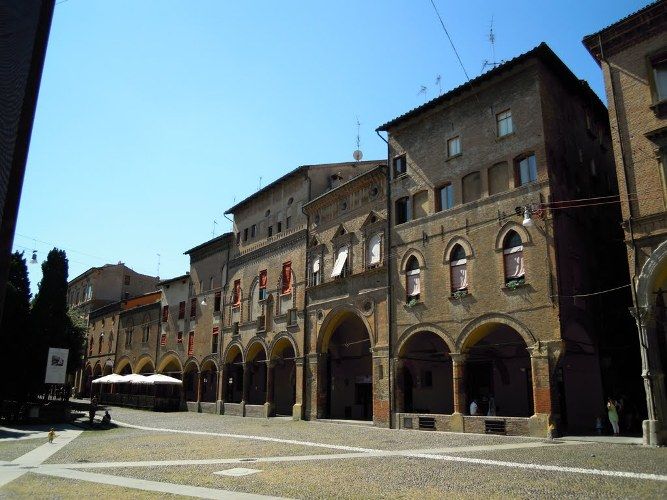
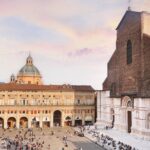
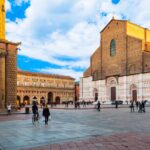
This tour begins at Piazza del Podestà on Piazza Maggiore, right by the Bologna Welcome tourist office. That’s a smart start. Piazza Maggiore is the city’s main stage, and from here you can understand Bologna’s layout fast—where the power centers were, where people gathered, and how the city’s history stacks up.
You’ll spend time in the square’s most famous landmarks, including the Fountain of Neptune and the Palazzo del Podestà. Even if you’ve only seen Bologna photos before, standing here changes the picture. You start noticing the rhythm of buildings, the way space is shaped for crowds, and why this square feels like a meeting point for everything—politics, celebrations, and everyday life.
A bonus of a guided walk at this stage: you’re not just collecting names. You’re learning why these places matter, and that makes the rest of the route easier to follow. You’ll walk out of Piazza Maggiore already knowing what to look for.
You can also read our reviews of more tours and experiences in Bologna.

Why Bologna Gets Three Nicknames: La Dotta, La Grassa, La Rossa
As the tour moves through the historic center, you’ll hear why locals call Bologna La Dotta (The Learned), La Grassa (The Fat), and La Rossa (The Red). These aren’t just catchy phrases. They’re a shortcut to understanding the city’s priorities.
-La Dotta ties into the university scene. Bologna’s university is among Europe’s oldest, and the tour helps you connect that to the city’s atmosphere—student energy, institutions shaping street life, and a culture that cares about ideas as much as art.
-La Grassa comes to life in the way Bologna talks about food. You won’t just pass market spaces. You’ll stop and chat with locals in Mercato di Mezzo, picking up why food is treated like part of identity, not a side attraction.
-La Rossa often points to the look and feel of the city—its red-toned landmarks and brick character. It’s the kind of detail you notice more after someone points it out. Then suddenly the streets and building textures feel intentional rather than accidental.
If you like travel that connects facts to atmosphere, this is where the tour earns its keep.
Via Farini and the Streets Between Landmarks
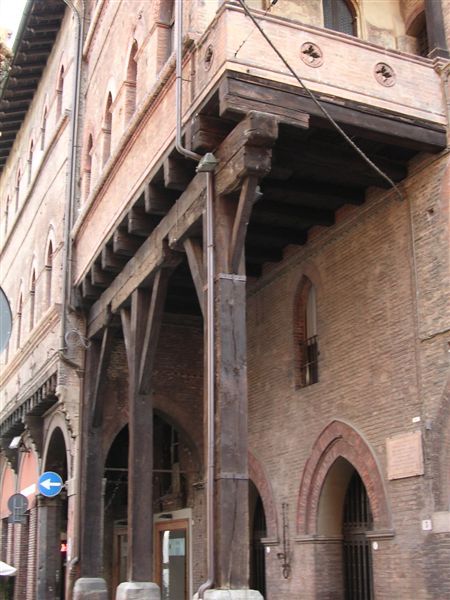
Between the big squares and major churches, you’ll walk along streets that show how Bologna stitches the center together. One stretch you’ll cover is Via Farini, and you’ll also pass through corridors of history on the way to other sights.
This is a practical part of the experience. Walking connects the dots without you needing transit. It also means you’ll get a feel for the city’s pace: slow enough for conversation, structured enough that even a short tour still feels like you saw the core.
And because this is a private group setup for up to five people, the guide can adjust on the fly—pausing when you want extra detail or speeding up when you’re ready to move.
The LeaninG Towers and Porticoes: Bologna’s Signature “Cover the World” Style
Bologna’s porticoes are not a footnote. They’re part of how the city works. On this tour, you’ll see the porticoes of Piazza Santo Stefano as well as other covered passageways that give the “how do people walk here every day?” question an answer.
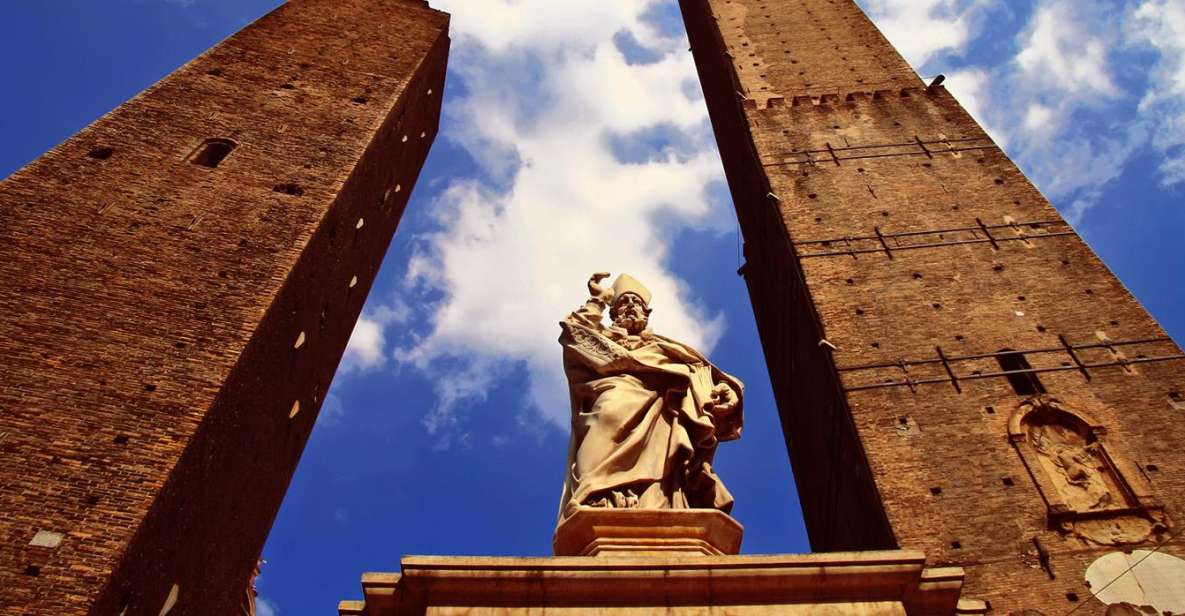
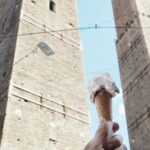
You’ll also see two leaning towers. The moment you spot them, the skyline makes sense. Bologna’s identity isn’t just flat monuments—it’s vertical quirks and strong visual symbols you can recognize instantly.
One detail I appreciate about this kind of guided walk: the guide usually explains what you’re looking at in human terms. Instead of only pointing and naming, you learn what makes these structures unusual and how they fit into the city’s history.
Basilica of Saint Petronio and Its Long Sundial Moment
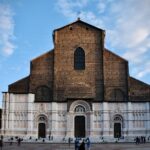
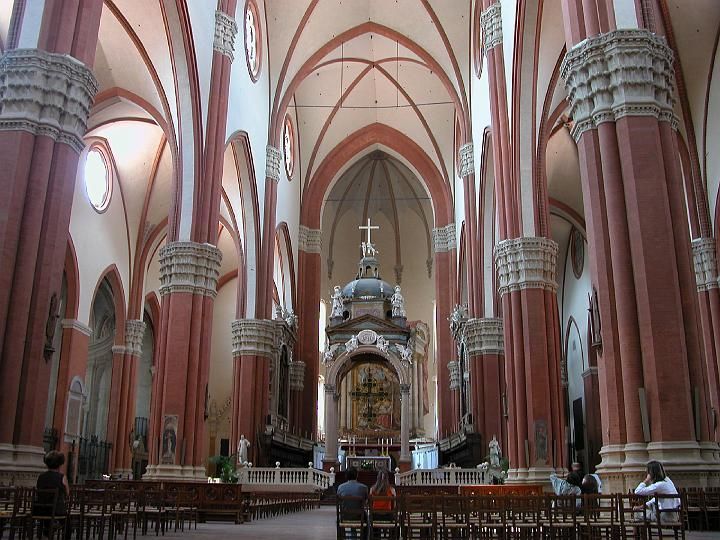
At some point on the route, you’ll reach the Basilica of Saint Petronio. This is one of the best “aha” stops because the tour highlights a very specific feature: the longest sundial associated with the basilica.
That matters for two reasons. First, it’s not the typical tourist checklist item. Second, it gives you a concrete example of how Bologna mixed science, art, and civic pride.
Even if you’re not a sundial person, you can appreciate the idea: people once measured time through architecture and design. The tour helps you understand why that feels so Bologna—practical, clever, and tied to learning.




The Archiginnasio and the Anatomical Theatre Add-On

One of the tour’s most talked-about stops is the Archiginnasio and its anatomical theatre. The building is famous for its unique interior, but here’s the important practical point: entrance to the Anatomy Theatre isn’t included in the base tour.
The additional cost is €3.50 per person, and it must be booked in advance. If you want to see it, plan for that before your walk or you might miss the chance. The timing can also affect how smoothly the 3-hour window works, so if anatomy theatre is a priority for you, treat it like part of your itinerary, not an impulse purchase.
From a value standpoint, I like that the tour doesn’t force an added expense. You control it. If you love unique interiors and you’re comfortable with a quick advance booking step, it’s a great add-on. If not, you still get the broader university and architectural story.
The guide also talks about the university side—why Bologna is called La Dotta, and how the city’s academic identity shaped spaces like this.
Court Isolani, Via Strada Maggiore, and a Covered Passageway Story
Between major landmarks, you’ll pass through the covered passageway of the Court Isolani on the way to Via Strada Maggiore. This part of the walk is exactly what I love about Bologna: the city is full of “in-between” spaces that feel designed for real movement, not just sightseeing.
These covered passages are more than pretty. They explain why porticoes matter here—weather, daily routines, and community life all shaped the city’s built form. You see a short slice of that logic as you go.
And if you’re trying to remember what you’ve already seen, these passageways act like mental bookmarks. You’ll leave with a more organized picture of the center instead of a blur of separate sights.
Piazza Santo Stefano Porticoes, Church Stops, and Keeping Your Feet Happy
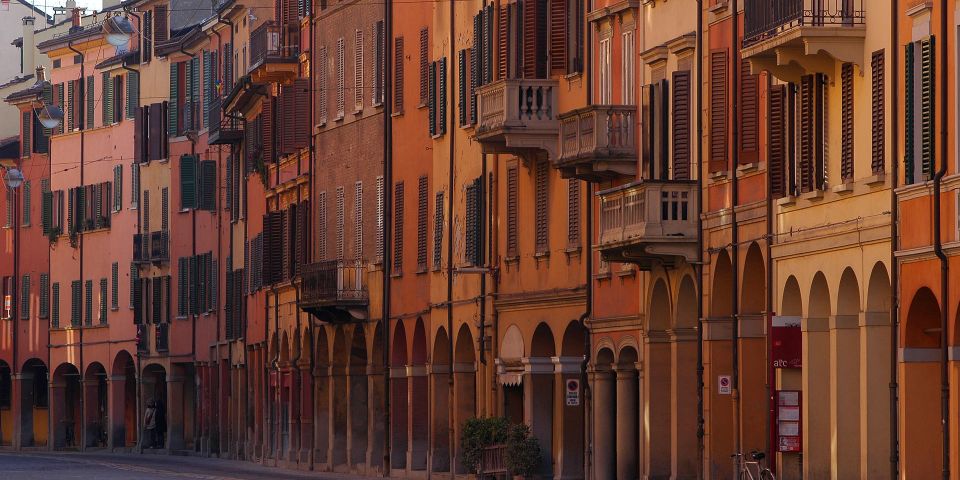
The walk ends up in the Piazza Santo Stefano area, including the porticoes there. This is a particularly good zone for understanding Bologna’s religious architecture and how the city’s covered walkways wrap around it.
You’ll also have a chance to see the seven churches connection (often grouped as a set people recognize) along with the Santo Stefano basilica area. The guide ties these religious stops to the wider Bologna story so it doesn’t feel like a string of random churches.
Practical note: since you’ll enter church spaces, you’ll want to show up ready. No shorts and shoulders covered. It’s the kind of rule that can derail a day if you forget.
This is why I recommend comfortable shoes even for the “only 3 hours” length. Bologna’s center is walk-heavy, and the surfaces can be demanding. Going in with the right footwear keeps the tour fun instead of sore.
Mercato di Mezzo and the Local Food Mindset
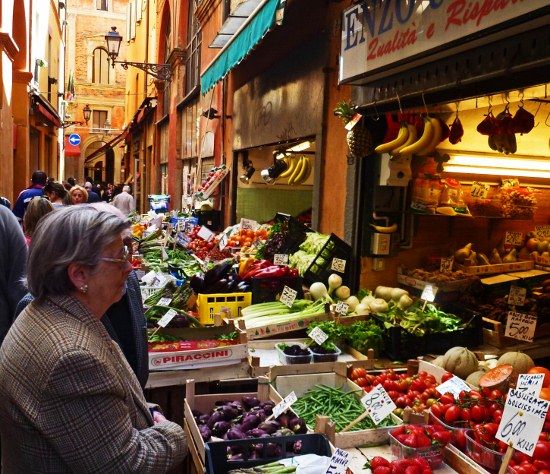
One of the tour’s best human touches is the stop at Mercato di Mezzo. You’ll chat with locals about why food is such an important part of Bologna life.
This is where Bologna stops being just a list of monuments. The guide brings food into the bigger story of identity: why local markets matter, why recipes and ingredients are treated with respect, and why people talk about meals like they’re cultural heritage.
If you’re the type who likes to sample food later, this stop is a strong launch point. Even if you don’t eat during the tour, you’ll leave with better context for what to look for when you’re choosing where to eat.
Guides Matter: What Makes Manuela (and Giulia) Shine
The biggest reason this tour scores so high is the guide quality. With Manuela Roversi leading many departures, and with guides like Giulia also offering tours, the common thread is clear: this is not a rushed “point at it” walk.
In my view, the best sign is how the guide stays engaging even when the day gets difficult. If it rains, you’ll still keep moving and you’ll get help finding the best moments to see things. You’ll also get clear explanations that connect monuments to everyday Bologna life—student culture, food culture, and city identity—so you understand what you’re seeing.
Because this is a small private group, you can ask questions without feeling pushed aside. That makes a short 3-hour tour feel much longer—in a good way.
Price and Value: Is $118.95 per Group Worth It?
The listed price is $118.95 per group for up to 5 people, with a 3-hour duration. For a guided walk that covers major sights like Piazza Maggiore, portico zones, iconic towers, Saint Petronio, and the university story around the Archiginnasio, I think it’s solid value.
Here’s how I’d price it in your head:
- You’re paying for a knowledgeable guide plus a concentrated route through high-demand landmarks.
- You do have optional costs if you want the Anatomy Theatre (€3.50 per person, booked in advance).
- For families or small groups, splitting the group cost can make this a very efficient use of time in Bologna.
If you’re traveling solo and could do it yourself, you might feel the cost. But if you want the fast, organized version of Bologna’s center—with someone translating the city as you walk—this tour is a strong way to spend a half-day.
Who This Walking Tour Suits Best
This works well if you:
- Want to hit Bologna’s top sights without planning a route
- Enjoy architecture, squares, and university/history connections
- Like small-group attention rather than a large crowd shuffle
- Prefer walking orientation early in your trip
It may be less ideal if:
- You hate walking and long stops inside churches
- You’re unwilling to follow dress rules (no shorts; shoulders covered)
- You don’t want to handle an advance booking step for the anatomical theatre
Should You Book This Bologna Walking Tour?
Yes, if your goal is to understand Bologna in a short time. The route makes sense because it ties monuments to identity: La Dotta, La Grassa, and La Rossa. The guide quality—especially with Manuela Roversi—turns a standard sightseeing loop into a story you’ll remember.
Book it even more strongly if you care about the Anatomical Theatre at the Archiginnasio. Just don’t forget the extra fee and the need to book ahead. Go in with comfortable shoes, dress for churches, and you’ll get a clean, high-value introduction to one of Italy’s most character-filled cities.
FAQ
How long is the Bologna guided walking tour?
It lasts 3 hours.
How much does the tour cost?
The price is $118.95 per group, for up to 5 people.
Where does the tour start?
The meeting point is Piazza del Podestà, Piazza Maggiore 1/e, close to the entrance door of the tourist office called Bologna Welcome.
Where does the tour end?
The activity ends back at the meeting point.
Is the Anatomical Theatre at the Archiginnasio included?
No. Entrance to the Anatomy Theatre of the Archiginnasio is not included. It costs €3.50 per person and must be booked in advance.
What languages are the guides available in?
The live tour guide offers Spanish, English, Italian, and German.
What should I wear for church visits?
You must be covered up when entering churches: no shorts and your shoulders must be covered.
Is the tour wheelchair accessible?
Yes, the tour is listed as wheelchair accessible.
What is the cancellation policy?
There is free cancellation up to 24 hours in advance for a full refund.