REVIEW · BOLOGNA
Bologna: Pasta and Tiramisu Small Group Cooking Class with Wine
Book on Viator →Operated by The Roman Food Tour - Food Tour Rome · Bookable on Viator
Fresh pasta and tiramisù in Bologna sound simple, until you do it. This small-group class pairs Prosecco on arrival with a real behind-the-scenes restaurant feel, then puts you right at the workstation making dough and dessert the traditional way. It is a fun break from sightseeing that still teaches you something you can actually use at home.
I especially like the hands-on coaching, including the nuts and bolts like what makes pasta fresca different from pasta secca and how to choose flour for fresh dough. And I love the payoff: you sit together and eat what you made with wine, so the class ends like a proper Italian meal rather than a quick snack-and-go.
One thing to plan around: this is not a good fit for everyone with dietary limits. It is not recommended for vegans, lactose intolerants, or people with egg or gluten issues, and while substitutions may be offered, the traditional recipe still guides the instructions and cross contamination can’t be guaranteed.
In This Review
- Key highlights
- Meeting at Casa Altabella and the Prosecco start
- A real restaurant workflow, not a staged show
- What you’ll actually cook: fresh pasta and Bologna-style dishes
- Practical tip for rolling and dough handling
- Filling ravioli and building sauce flavor without stress
- Tiramisù: dessert you can replicate back home
- The shared meal: wine pairing that feels like an Italian dinner
- What to expect from the wine moment
- Who this class is best for (and who should skip it)
- Price and value: what $71.38 gets you in Bologna
- Small-group energy: meeting people without losing control
- Tips to get the best experience on the day
- Should you book this Bologna pasta and tiramisù class?
- FAQ
- How long is the Bologna pasta and tiramisù cooking class?
- What is included in the price?
- Is the experience offered in English?
- Where is the meeting point?
- Is wine included, and what types are offered?
- How big is the group?
- Is it suitable for vegans or people with food allergies like eggs or gluten?
- Do I get a ticket for this tour?
Key highlights
- Prosecco welcome glass when you arrive at Casa Altabella
- Fresh pasta coaching focused on dough, flour choice, and pasta fresca vs secca
- Tiramisù practice with step-by-step guidance so you can finish strong
- Shared meal with fine wine after cooking, in the same setting where you worked
- Small group size (max 12) so you actually get attention while you cook
- Traditional dishes you can copy at home, like fettuccine with tomato sauce and ravioli filled with ricotta and spinach
Meeting at Casa Altabella and the Prosecco start
The class begins at Casa Altabella, at Via Altabella, 12a, Bologna. It is near public transportation, which matters because Bologna streets can be a maze when you are trying to arrive on time.
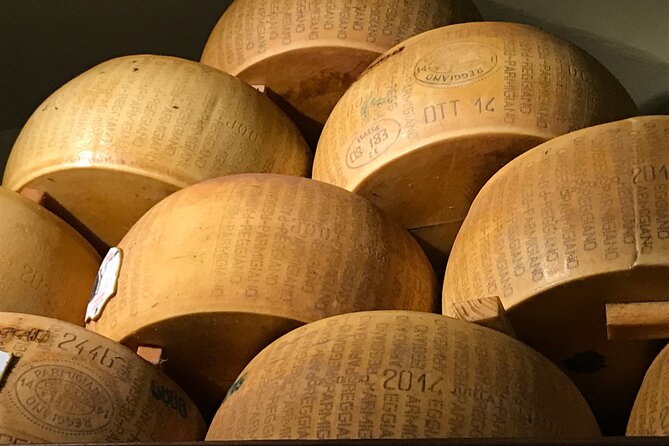
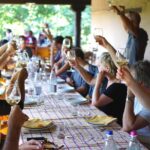
When you walk in, you get a welcome glass of Prosecco, then you head behind the scenes to see how an authentic Italian restaurant runs. I like this setup because it feels less like a workshop in a hotel and more like joining a working kitchen for a few hours.
The vibe is also part of the value. You are not just watching; you are doing. That is why this works as a “learn + eat” experience rather than another ticket with a photo-op.
You can also read our reviews of more tours and experiences in Bologna.
A real restaurant workflow, not a staged show
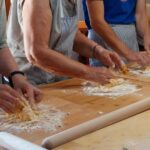
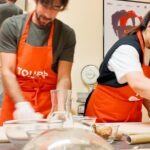
Once you are inside, you get a look at how the restaurant’s day works and how the kitchen thinks about timing. From there, you move into the kitchen area and set up at your station to start cooking.
This kind of behind-the-scenes moment helps you understand why Italian food tastes the way it does. Pasta dough is not just ingredients thrown together. It is texture, hydration, rest time, and handling, all in the right order.
Small group size (up to 12) makes a difference here. In a big crowd class, you can feel ignored. In this format, instructors can actually watch what you are doing and correct small issues before they become big ones—like dough that is too dry or filling that is not balanced.
What you’ll actually cook: fresh pasta and Bologna-style dishes
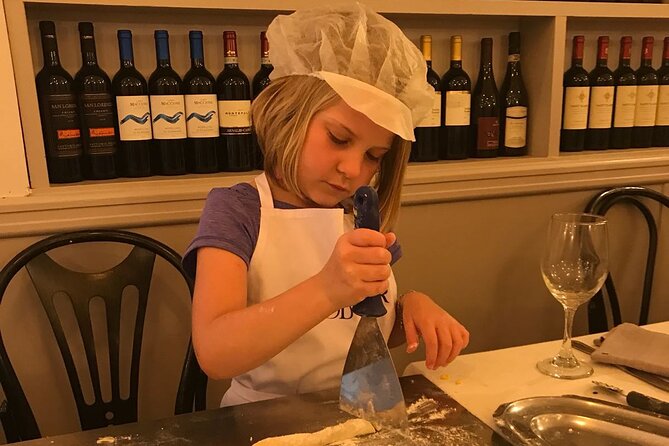
The core of the class is fresh pasta, plus tiramisù. You learn the art of the dough first, then you move into shaping and preparing regional favorites.
Your class is built around learning the “why” behind the technique, not just the steps. You will get guidance on:
- how to prepare the perfect pasta dough
- which type of flour to use
- the difference between pasta fresca and pasta secca
That pasta fresca vs pasta secca distinction is useful because it changes everything: how long the dough keeps, how it behaves while rolling, and what type of result you should expect at the end. Even if you never make ravioli again, you walk away with a better sense of what makes fresh pasta different from dried.
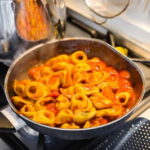
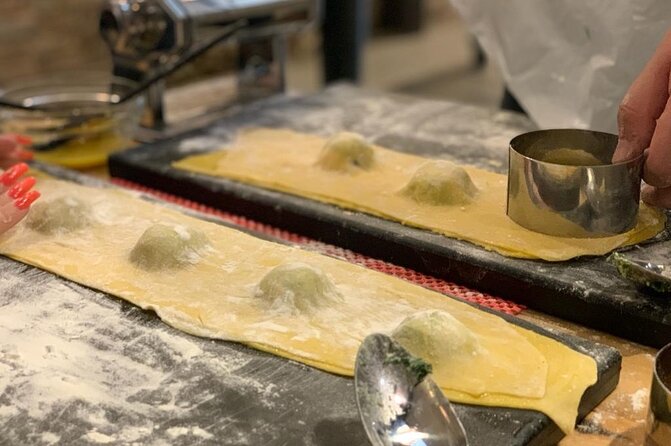
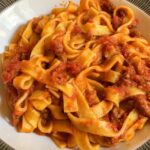
From the menu style described, expect a mix of classic preparations such as fettuccine with tomato sauce and ravioli with ricotta and spinach, finished with butter and sage. The class also pairs the food with prosecco and wine during the meal, which makes the whole session feel cohesive.
Practical tip for rolling and dough handling
If you are new to pasta, the biggest challenge is not the recipe. It is consistency. I recommend focusing on how the dough feels as you work it. If it feels tight and stubborn, pause and get help on adjustments before continuing. That is the kind of small fix that turns a “mess” into something you can shape.
Filling ravioli and building sauce flavor without stress
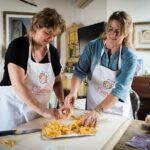
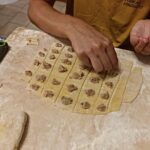
After the dough work, you shift to the fun, hands-on parts—forming and assembling. Your menu points to ravioli filled with ricotta and spinach, plus traditional finishing touches like butter and sage.
This is where a small-group class becomes more than a convenience. When you are pressing dough, sealing edges, or portioning filling, you want quick feedback. If you overfill ravioli, they can open. If you seal too lightly, you lose filling during cooking. With up to 12 people, the instructor can help you catch these issues while there is still time to fix them.
And the sauce side matters too. The class does not just teach you “add butter and sage.” It fits the sauce into the rhythm of cooking your pasta so you serve things when they taste best, not after everything cools down.

Tiramisù: dessert you can replicate back home
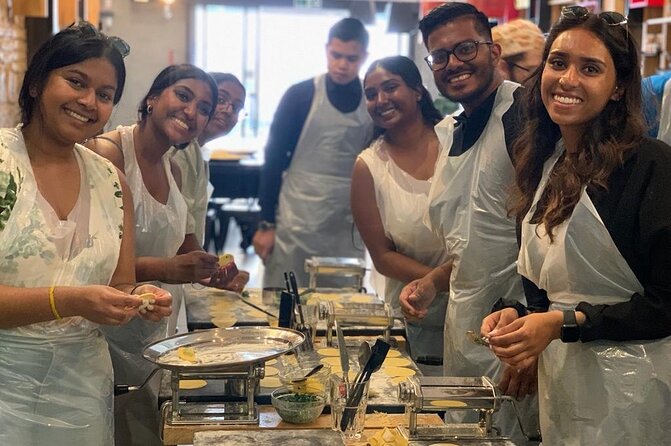
Then comes the part many people book for: tiramisù. The class guides you step by step through preparation so you can actually repeat it later instead of copying a generic recipe you do not understand.
What makes this valuable is pacing. Tiramisù looks simple, but it is all about layering and timing—when you add elements, how you handle texture, and how you keep things from becoming watery or overly rigid.
During the session, you learn the method in the context of the meal. That is helpful because tiramisù timing depends on what else is happening in the kitchen. You are building it while your pasta is cooking, then finishing as the meal comes together.
If you want a souvenir that you can taste later, tiramisù is a good one. Bologna already gives you flavors to remember. This dessert gives you a process to remember, too.
The shared meal: wine pairing that feels like an Italian dinner
At the end, everyone sits down together for lunch or dinner, depending on your session time. You eat what you cooked—fresh pasta and tiramisù—while sipping wine that pairs with the meal.
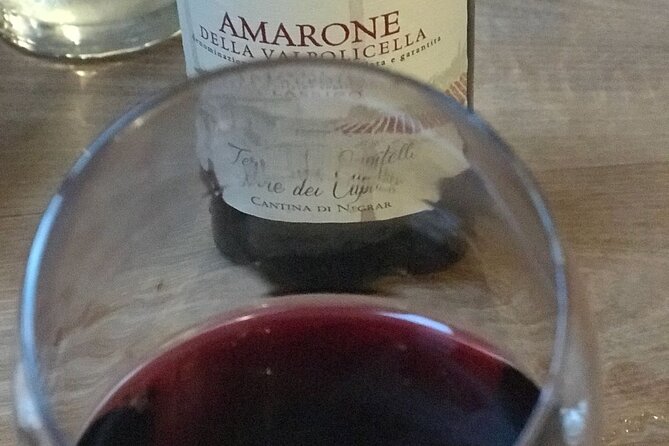
The listed drinks include a welcome Prosecco and then wine options such as red wine and white wine, plus non-alcoholic beverages. That matters because it means you are not stuck with only one drink choice, and the meal still works if you do not want alcohol.
A lot of cooking classes end with you tasting one small bite. This one is structured so the lunch/dinner part is real, which is why it shows up as a highlight on trips. If you like to eat well and learn while you do it, this format hits that sweet spot.
What to expect from the wine moment
The majority of feedback is that the instructors keep wine flowing and the experience stays fun. Still, I would treat wine as “included fine wine,” not something you should bank on arriving perfectly the exact instant you sit down. If you have plans right after, build in a buffer.
Who this class is best for (and who should skip it)
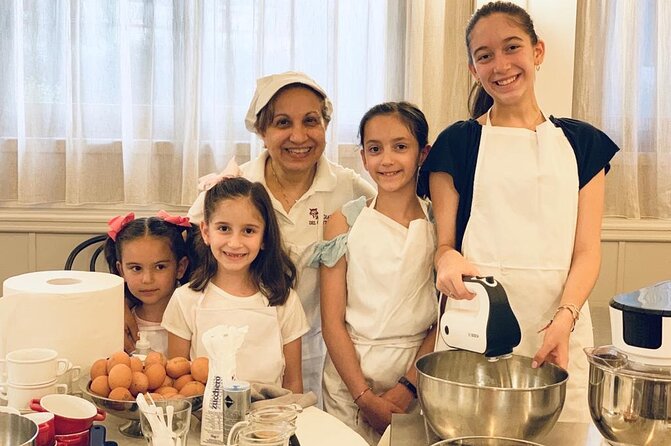
This is a great fit if you want an interactive Bologna food experience where you learn technique and then eat a full meal. It works especially well for:
- couples and small groups who like doing something hands-on
- families, including kids who can handle tasks with guidance
- travelers who want more than a tasting and want a skill you can repeat
It is less ideal if you fall into the clearly listed dietary limits. The class is not recommended for vegans, lactose intolerants, or people with egg allergy, and it is not recommended for gluten intolerant or gluten allergic travelers. Even when substitutions are offered, the instructions still focus on the traditional recipe (with gluten, dairy, and eggs), and cross contamination cannot be guaranteed.
So if you are cooking for a strict dietary need, this is not a casual “swap one ingredient” situation. You should think of it as a traditional pasta-and-tiramisù lesson first, with limited room for substitutions.
Price and value: what $71.38 gets you in Bologna
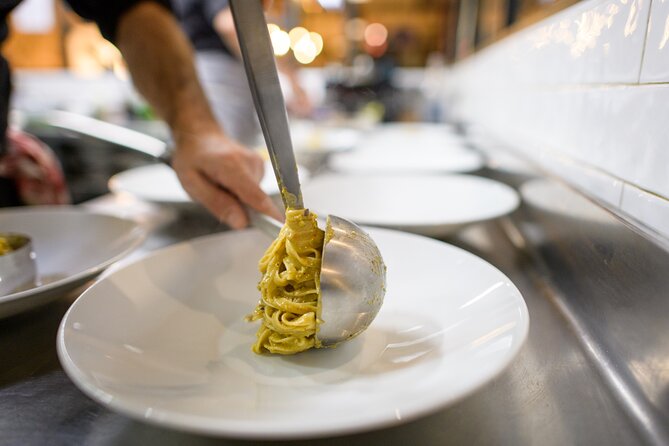
At $71.38 per person, this class is priced in the range where you expect a real activity, not just a demonstration. Here, the value comes from three areas:
- You make multiple items: fresh pasta dough work plus tiramisù, and then you eat it.
- Food and drink are included: lunch (or dinner), tiramisù, and fine wine.
- The group stays small: max 12 people helps you get attention when you need corrections.
For Bologna, where you can always find great food, the question is whether this is “worth it” versus eating out and taking a class elsewhere. I think it is worth it if you care about learning the fundamentals—flour choice, dough handling, pasta fresca vs secca—and if you like sitting down with wine and your group afterward.
If you already have confidence making pasta and tiramisù, it may feel closer to a guided refresher than a revelation. But if pasta is new territory, you will likely come away with practical steps you can recreate.
Small-group energy: meeting people without losing control
One theme that keeps showing up is the social side. People describe mixed groups—couples, mother-and-child groups, and small families—and it generally works well in a small setting.
That matters because cooking classes can swing either way: too quiet and awkward, or too loud and chaotic. The small group format here keeps it more like a shared project than a performance.
And because you are in the kitchen together, conversation happens naturally while you work. The best part is that it stays tied to the food, not just generic travel chatter.
Tips to get the best experience on the day
Here are a few practical things that will help you enjoy the class from start to finish:
- Arrive a few minutes early. It is a kitchen setting, and you will want time to settle in.
- Wear clothes you can tolerate. Even when a class is careful, pasta cooking is messy by nature.
- Ask questions early. If you are unsure about dough texture or how to handle filling, speak up right away rather than waiting until later.
- Go in hungry. You end up eating what you made, and it is not a tiny plate.
Most importantly, treat it like a learning session. The goal is not perfection. It is gaining repeatable skills and leaving with a meal you made yourself.
Should you book this Bologna pasta and tiramisù class?
Book it if you want a hands-on Bologna cooking class with a small group, step-by-step pasta dough instruction, and a full sit-down meal with wine. It is especially good if you are interested in learning the mechanics behind fresh pasta and want a tiramisù method you can repeat.
Skip it if dietary needs are strict, because the traditional recipe includes gluten, dairy, and eggs and cross contamination can’t be ruled out. Also consider booking if you can keep your schedule flexible. This is a cooking environment, and cooking timing matters more than clock-watching.
If you are on the fence, here is my simple decision rule: if making pasta and dessert sounds like fun and you like eating well after you cook, this is a strong pick. If you mainly want a quick meal and don’t care about technique, you might be happier with a simpler tasting or a good trattoria night.
FAQ
How long is the Bologna pasta and tiramisù cooking class?
It lasts about 3 hours.
What is included in the price?
The class includes lunch fresh pasta, tiramisù, and fine wine.
Is the experience offered in English?
Yes. It is offered in English.
Where is the meeting point?
Meet at Casa Altabella, Via Altabella, 12a, 40126 Bologna BO, Italy.
Is wine included, and what types are offered?
Yes. You get a welcome glass of Prosecco, and the menu notes Prosecco, red wine, white wine, plus non-alcoholic beverages with the meal.
How big is the group?
The class has a maximum of 12 travelers.
Is it suitable for vegans or people with food allergies like eggs or gluten?
It is not recommended for vegans, and it is not recommended for egg allergy, lactose intolerants, or gluten intolerants/allergic. Substitutions may be offered, but the instructions focus on the traditional recipe, and cross contamination can’t be guaranteed.
Do I get a ticket for this tour?
Yes. You receive a mobile ticket.