REVIEW · BOLOGNA
Bologna: Pasta Tagliatelle Ragu Cooking Class with Spritz
Book on GetYourGuide →Operated by Tours and the City · Bookable on GetYourGuide
Fresh pasta and spritz in Bologna is a smart plan. This hands-on class takes you through the key flavors of Emilia-Romagna by pairing tagliatelle al ragù with a signature Casoni spritz in a city-center kitchen, guided in English by local hosts like Valentina and Lupo.
I especially like the way the evening starts with an aperitivo built for mingling: Mortadella plus sparkling Pignoletto, then you shift right into practical pasta work. I also love the drinks aren’t just an add-on; you’re making a spritz yourself and then eating your pasta with Sangiovese and 24-month-aged Parmigiano Reggiano on top.
One drawback to plan around: you won’t make the ragù from scratch during class. The sauce is prepared in advance so you can spend your time shaping and cooking the tagliatelle.
In This Review
- Key Highlights Worth Your Time
- Bologna Pasta Class: Tagliatelle, Ragù, and Spritz in One 3-Hour Block
- Meeting Your Team Outside the Building (and Why It Helps)
- The Welcome Aperitif: Mortadella, Crescenta, and Sparkling Pignoletto
- Casoni Spritz Workshop: You Mix It, Then You Taste It
- Making Tagliatelle Dough From Scratch (No Pasta Machine)
- Cooking the Tagliatelle: When Time and Technique Meet
- Ragù Plate-Up: What You Cook, What You Don’t, and Why
- The Italian Finish: Coffee with Montenegro and Moka, Plus Amaro Digestif
- Value and Price: Why This Costs Around $80 (and What You Get)
- Who This Bologna Class Fits Best (and Who Should Skip)
- Practical Tips Before You Go
- Should You Book This Bologna Tagliatelle and Spritz Class?
Key Highlights Worth Your Time
- Mortadella welcome aperitif sets the mood fast and makes it easy to chat with your group
- Casoni spritz-making gives you a real Bologna-style cocktail you can copy at home
- Hand-rolled tagliatelle dough with no pasta machine, using fresh egg and flour
- Bolognese ragù + wine pairing with Sangiovese and Parmigiano Reggiano
- Coffee and amaro finish to close the meal the Italian way
Bologna Pasta Class: Tagliatelle, Ragù, and Spritz in One 3-Hour Block
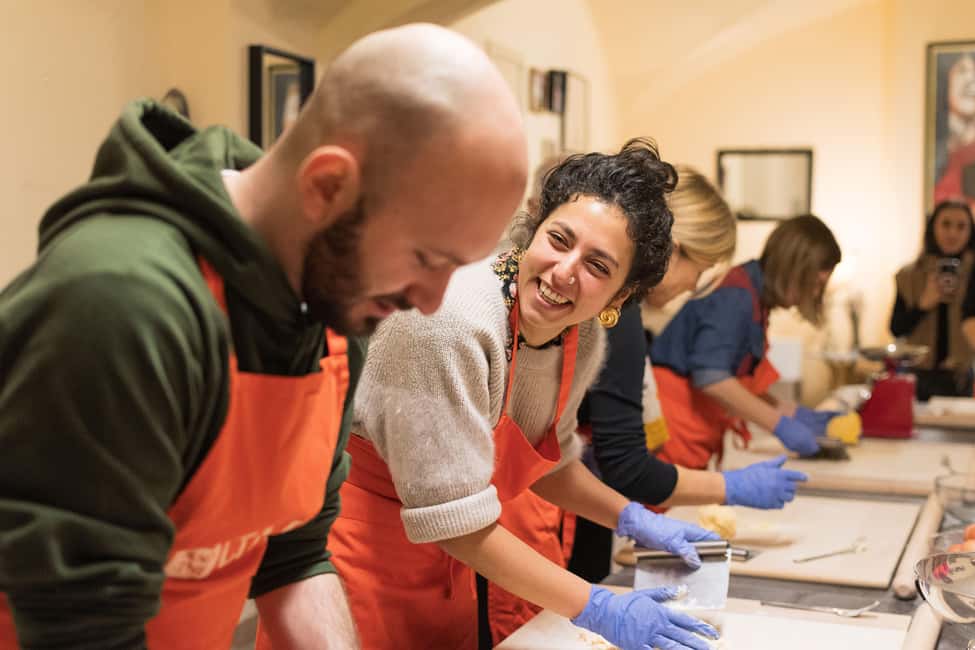
Bologna is famous for comfort food that actually feels like craft. This class fits that vibe perfectly: you learn how to make tagliatelle the classic way, then you eat it with ragù and regional drinks. And the “spritz with pasta” combo works better here than you might expect, because the cocktail is herbal and refreshing while the meal is rich and hearty.
The timing is also practical. In about three hours, you’ll go from dough ingredients to shaped noodles to plated pasta, without the class turning into a slow, lecture-heavy cooking show. You’re busy the whole time, kneading, rolling, cutting, cooking, mixing, sipping, and then eating what you made.
The structure matters for first-timers. You’re not expected to already know pasta technique. With hands-on guidance from hosts such as Valentina F and Valentina S (names you may recognize from past groups), you get corrections fast so your dough and timing don’t fall apart.
You can also read our reviews of more tours and experiences in Bologna.

Meeting Your Team Outside the Building (and Why It Helps)
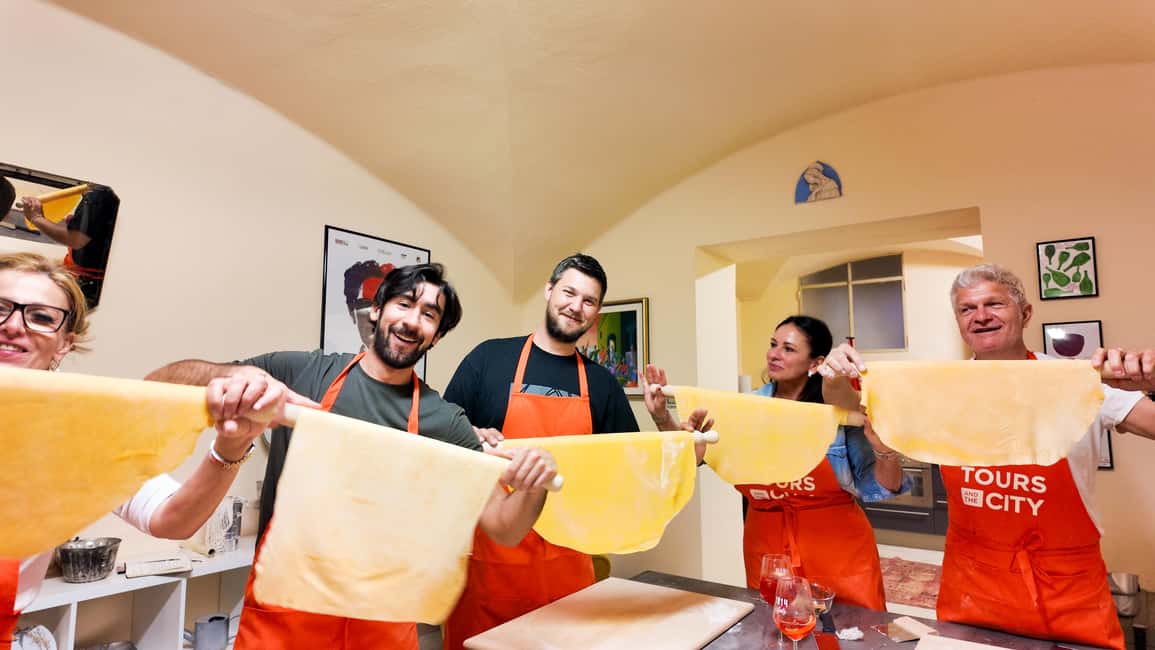
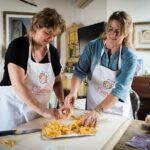
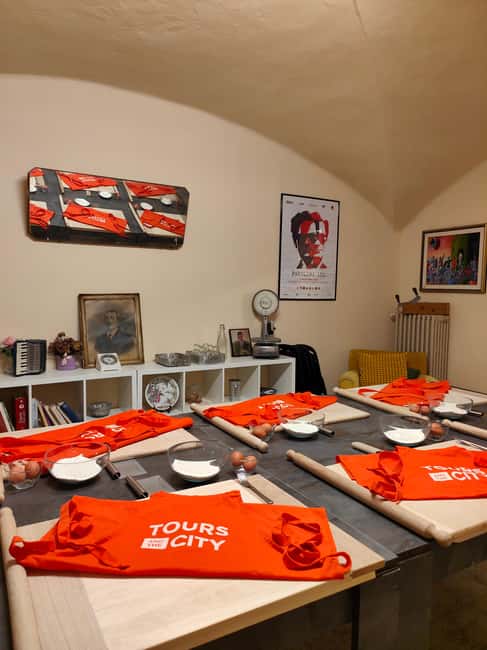
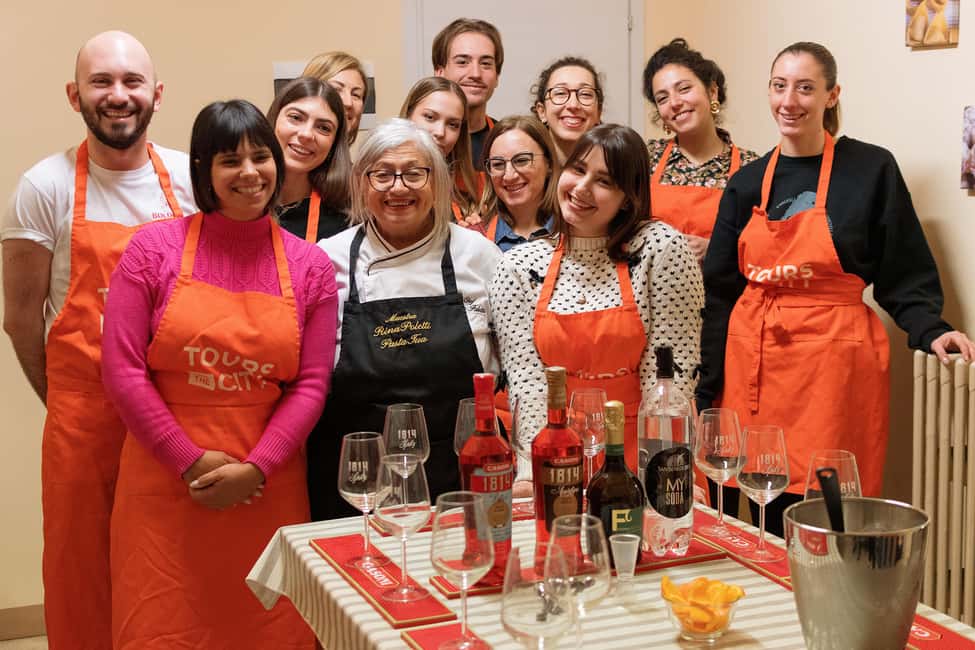
You start with a clear, easy meet-up: the guide comes outside the building and escorts you in. They wear an orange apron, which makes finding them simple even if you’re arriving a few minutes early and still figuring out the lane.
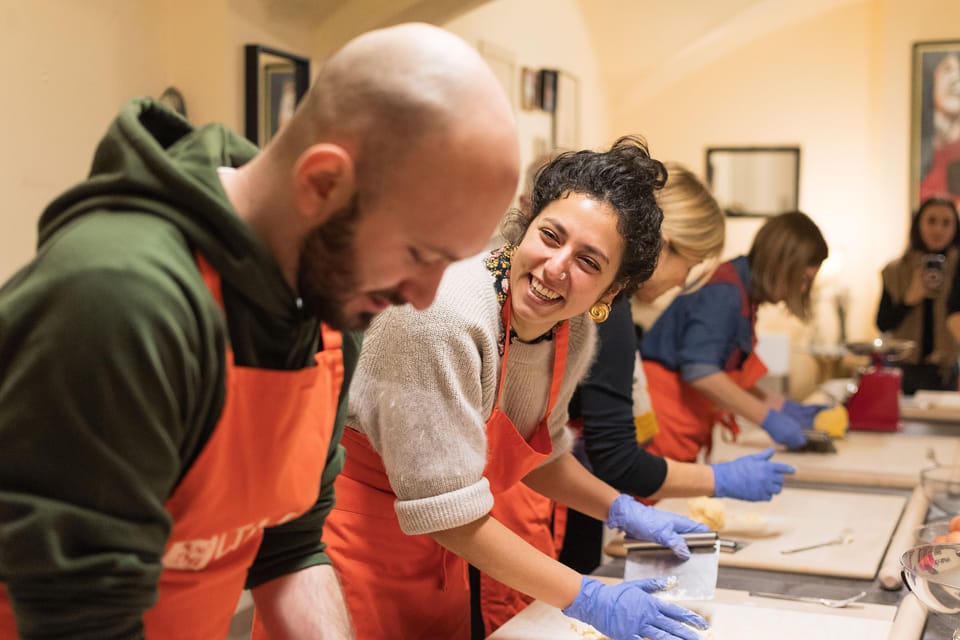
Once inside, you move into a traditional kitchen setup in the city center. That’s not just a nice detail. It changes the experience. You’re not squeezed into a sterile demo space. You’re working in a real cooking environment, so it feels more like learning a local skill than watching someone else cook.
Also, the class is in English, so you can follow techniques without guessing. The instructors also spend time keeping the group moving. Multiple host names come up in past groups, and the consistent theme is that they stay friendly while helping people who need a little extra attention.
The Welcome Aperitif: Mortadella, Crescenta, and Sparkling Pignoletto
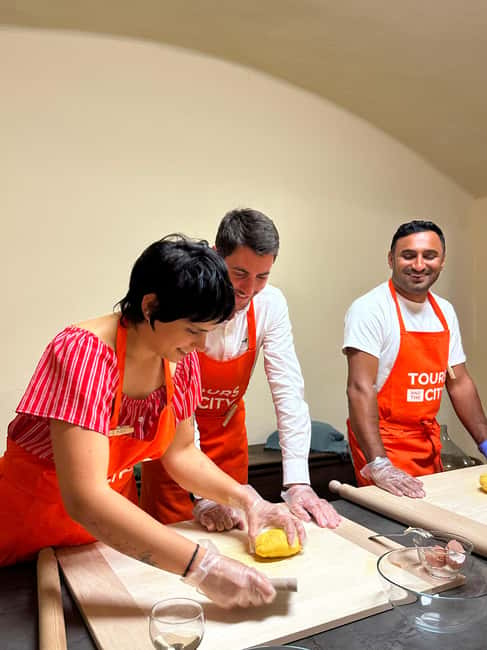
Before you touch dough, you get the classic Bologna-style warm welcome. The aperitivo includes Mortadella, plus Crescenta and Pignoletto sparkling white wine. It’s a good opening move for two reasons.
First, it gets your stomach calm. Pasta dough can feel fussy, and food helps. Second, it knocks down the awkwardness with new people. Several past groups highlight that the hosts make it feel social—like you’ll actually talk to the people next to you, not just stand around politely.
If you’re a solo traveler, this part matters. You’re already seated or grouped, and you’ve got something shared to start with. When the class later asks you to roll, cut, and taste, you’re doing it alongside people you’ve already warmed up with.
Casoni Spritz Workshop: You Mix It, Then You Taste It
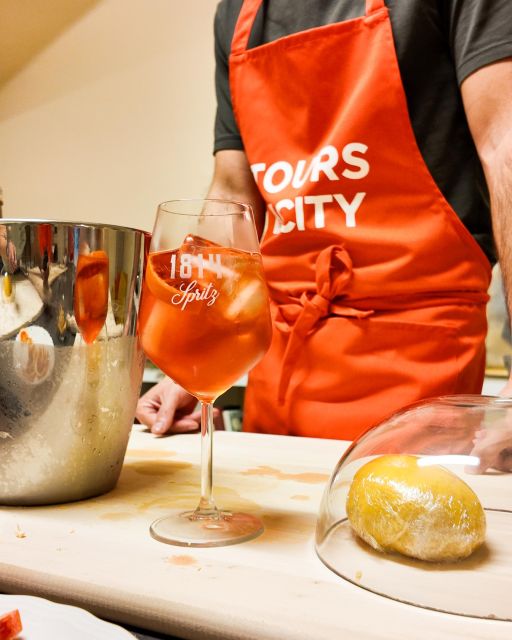
Then comes the drink that turns the class from a cooking lesson into a full Bologna afternoon: the Casoni spritz. This isn’t the generic version you can find everywhere. It’s made with local herbs and follows older recipes, so it tastes distinctly Italian rather than overly sweet.
You’ll prepare and sip it as the class goes along. That pacing is smart. You’re not just waiting to eat at the end. The spritz becomes part of the rhythm—mix first, then work, then take a sip while you wait for pasta timing to happen.
Past groups also mention tasting other drinks alongside the spritz experience, including local prosecco, red wine, and a liquor/digestif style offering. Even if you don’t get every extra pour, the core idea is the same: you’re learning a local flavor balance and then tasting it in context with food.
Practical tip: if you’re sensitive to alcohol, pace yourself. You’ll want enough energy for the hands-on pasta work.
Making Tagliatelle Dough From Scratch (No Pasta Machine)
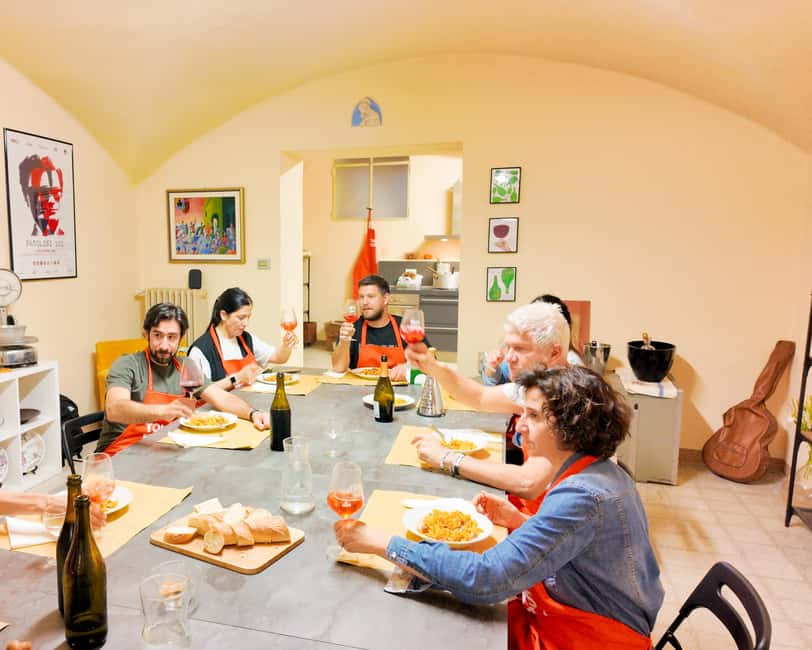
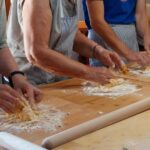
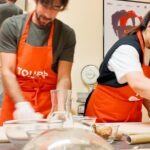
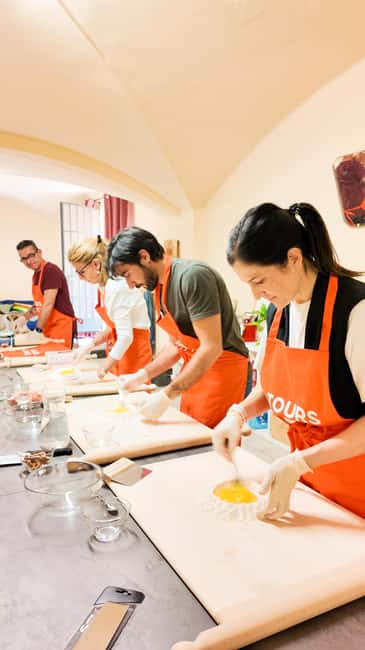
This is the main event: you learn to shape tagliatelle using your hands and a rolling pin. The ingredients are simple—fresh egg and flour—but the technique is where the learning happens.
What I like about this format is that it forces the right skills:
- Knead until the dough feels like dough, not paste
- Roll to a consistent thickness so cutting works
- Slice with intention so your noodles are uniform
You’re not doing this as a one-step craft. You go through the full process—mix, knead, roll, cut, and cook. And because the class uses a guide (or instructor) who can correct quickly, you don’t feel stuck when your dough is too dry or too sticky. The repeated feedback from past groups is that hosts step in patiently and keep instructions clear.
Also, the class is designed for people who’ve never made fresh pasta before. You’ll see a mix of abilities in a group, but the teaching approach aims to make the technique feel doable.


Cooking the Tagliatelle: When Time and Technique Meet
After cutting, it’s cooking time. The goal is not just boiling noodles; it’s getting tagliatelle to a texture that feels properly fresh and not mushy.
This is where the earlier steps pay off. If your dough is rolled evenly, the noodles cook evenly. If your cuts are consistent, you end up with strands that look right on the plate and taste right in every bite.
You’ll also get a sense of how Italian cooks think about pasta timing: short, focused, and tied to the sauce and plating. It’s the kind of practical knowledge that sticks because you experience it, not just hear about it.
Ragù Plate-Up: What You Cook, What You Don’t, and Why
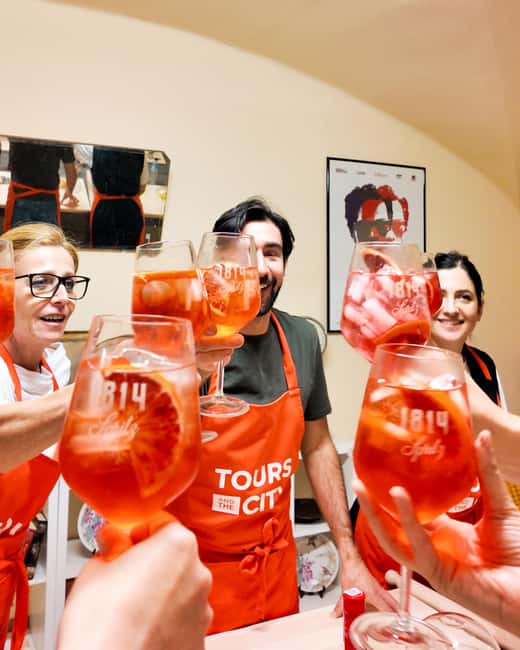
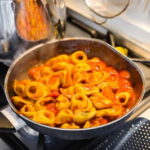
Here’s the one “plan ahead” detail. Due to time constraints, you don’t prepare the ragù during the class. The ragù is made in advance each week, following tradition, so you can spend your limited time on pasta shaping and cooking.
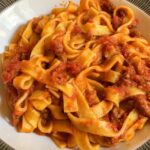
Does that make the class less authentic? Not really. It’s a trade-off that protects the quality of your meal. Ragù needs time for depth and cohesion, and fresh pasta needs time too. This setup gives you the best of both worlds: you learn the hands-on pasta work, and you still eat a proper Bologna-style ragù served with the right finishing touches.
When the pasta is ready, you’ll toast and eat together with Sangiovese red wine and topping of 24-month-aged Parmigiano Reggiano. That aged cheese matters because it adds salt, texture, and a nutty edge that makes the ragù taste even more connected.
If you’re the type who wants to understand what goes into bolognese-style sauce, you can still leave with insight from instructor tips. Past groups specifically mention clearing up confusion about how ragù differs from simpler meat sauce approaches.
The Italian Finish: Coffee with Montenegro and Moka, Plus Amaro Digestif
You don’t just leave with a full plate. You leave with the classic ending sequence—coffee and a digestif.
The class includes Montenegro & Moka coffee, plus a digestif of amaro. This matters because it shows how Italians close a meal: not with dessert sweets, but with bitter-citrus, herbal, adult flavors that settle the palate after rich pasta.
It also helps you pace your day. After three hours of activity and tasting, this final sip is a clean capstone. It’s a good moment to compare notes with the group and talk about what you’d do differently next time.
Value and Price: Why This Costs Around $80 (and What You Get)
At about $79.64 per person for three hours, you’re paying for more than “dinner and a class.” You’re paying for ingredients, instructor time, and a format that includes multiple tastings.
Here’s what makes it good value in real terms:
- Fresh pasta work from scratch (dough, rolling, cutting, cooking)
- Multiple drinks included, including your own spritz and wine
- A complete meal at the end using your pasta
- Coffee and amaro to finish
- A recipe PDF available on request
If you were to try to recreate this at home, you’d spend money on ingredients plus time plus the guesswork. Here, the hosts handle the technique hurdles and you get feedback while you’re learning.
It’s also not a long, slow class where you pay for waiting. You’re actively making things the whole time.
Who This Bologna Class Fits Best (and Who Should Skip)
This is a great choice if:
- You want a hands-on food experience, not a sit-and-watch tour
- You like drinks that are part of the food story
- You’re curious about Bologna beyond just walking streets
It also fits well for mixed groups and solo travelers because the aperitivo start and group work make it easier to meet people. Many past groups mention that hosts helped turn strangers into a friendly group.
On the other hand, it’s not for everyone:
- Not suitable for children under 12
- Not suitable for vegans or vegetarians
- Not suitable for gluten intolerance
- If you have special mobility needs, note there is a large flight of stairs
If you’re gluten-free, vegan, or vegetarian, you’ll likely be better off with a different class that can actually accommodate you—this one doesn’t list those options.
Practical Tips Before You Go
Come ready to work with your hands. That means:
- Comfortable shoes
- Comfortable clothes you don’t mind getting a little messy
Also, if you have allergies or dietary needs, you need to inform the provider in advance. The class specifically asks you to mention severe allergies because they may not be able to host certain requirements.
And if you’re planning your day in Bologna, give yourself breathing room. Three hours includes prep, cooking, and eating, plus time for the drinks. It’s a fun afternoon anchor, not a quick stop between sights.
Should You Book This Bologna Tagliatelle and Spritz Class?
Book it if you want a true Bologna afternoon: fresh pasta made by hand, a spritz that tastes like it belongs here, and a meal finished with proper regional drinks. The instructors’ tone comes through strongly in feedback—patient teaching, clear steps, and a social atmosphere that makes the whole thing feel warm.
Skip or switch if you need vegan/vegetarian options, gluten-free hosting, or step-free access. Also, if you’re expecting to make ragù from scratch during the class itself, adjust your expectations. You’ll learn the pasta craft deeply, while the ragù is cooked ahead so it arrives ready and delicious.
If you’re looking for a cooking experience that doesn’t waste time and actually gives you something you can recreate—tagliatelle technique plus the Casoni spritz—this is a smart pick in Bologna.