REVIEW · VENICE
Da Vinci Interactive Museum Venice Scuola di San Rocco
Book on Viator →Operated by Leonardo da Vinci Museum · Bookable on Viator
Leonardo’s ideas feel way closer than you’d expect. This Da Vinci Interactive Museum in Venice focuses on hands-on machines and clear explanations that connect the inventor’s engineering mind to his art and study of the body. I especially like the working-style replica approach and the backlit reproductions that make details easy to see. One heads-up: it’s a tiny, quick visit, so adults expecting a big art museum setup may feel it moves fast.
The vibe is family friendly without being childish. You’ll walk through four themed areas—Earth, Water, Air, and Fire—and test yourself on the museum’s interactive models. My main drawback for some visitors is simple: there isn’t a professional guide included with the ticket, so you’ll want to rely on the signage and any optional audio.
If you plan it right, this becomes a smart, low-cost stop in Venice—quick enough to fit between bigger sights, but fun enough that kids don’t just sit there bored.
In This Review
- Key things to know before you go
- Where the Leonardo da Vinci Museum fits in Venice
- Walking in: how the space is organized and what that means
- Earth, Water, Air, Fire: the themed galleries that keep it coherent
- Interactive replicas: where the visit becomes memorable
- Anatomy studies and backlit art copies: the “why” behind the genius
- Multimedia, films, and multilingual labels that keep you oriented
- Bookshop and on-site displays: practical souvenirs that still teach
- Timing, pacing, and how long you should plan in your day
- Price and value: is $10.21 a good deal?
- Should you book the Da Vinci Interactive Museum in Venice?
- FAQ
- FAQ
- How long does the museum visit take?
- Can I visit at any time during opening hours?
- What is included with the ticket?
- Are there audio guides?
- Is it suitable for kids and families?
- What languages are available for the museum descriptions?
- Are food and drinks allowed inside the exhibit areas?
- What time is the last entrance?
- Does the museum have multiple levels?
Key things to know before you go
- Working replicas you can operate give Leonardo’s inventions a hands-on feel.
- Four themes (Earth, Water, Air, Fire) keep the chaos of his ideas organized.
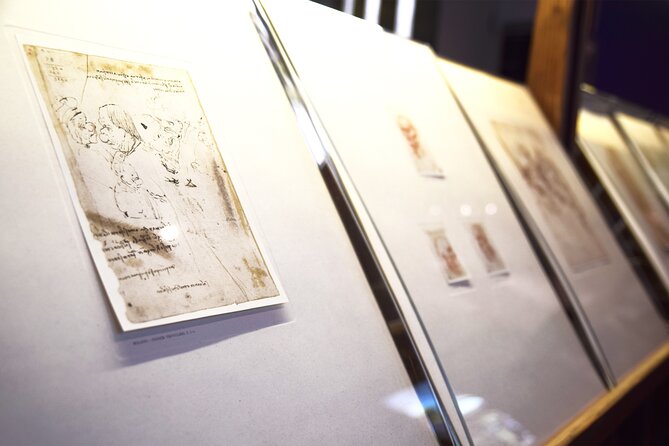
- Backlit high-resolution art copies help you actually study the paintings’ details.
- Anatomy studies are included, so this isn’t only machines and gears.
- Multilingual labels cover several languages, plus multimedia support.
- Plan around an hour, because you might want extra time with the interactive parts.
Where the Leonardo da Vinci Museum fits in Venice
This museum is built for a quick, satisfying stop, not a half-day production. With an approximate 45-minute duration, you can slot it into a day without the stress of rushing through Venice’s streets. It also tends to be popular enough that people book ahead (about 19 days on average), so grabbing a ticket before you arrive can save you waiting.
The museum is easy to reach using public transportation, and it’s a good option on days when you want something indoors. You’ll want to pay attention to the last entrance at 4:00 pm and the regular opening window from 10:30 am to 4:30 pm.
One practical note: the museum experience is spread over two floors and includes steps. If you’re moving with kids or anyone who prefers fewer stairs, it’s worth pacing yourself when you arrive.
You can also read our reviews of more tours and experiences in Venice.



Walking in: how the space is organized and what that means
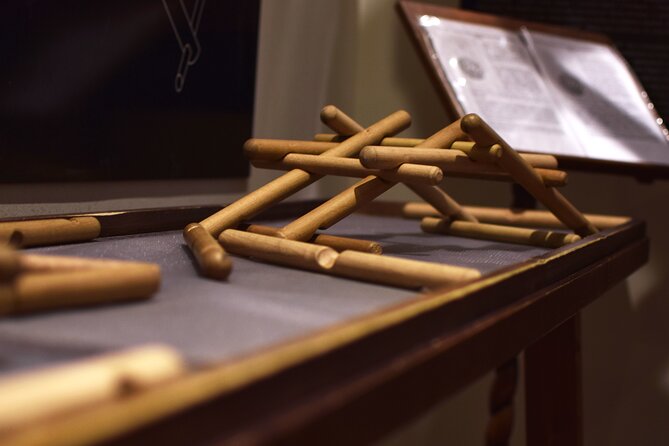
The setup is straightforward. You’re not wandering a huge maze of galleries—you’re moving through a focused exhibition. That’s part of why many people find it good value: you get a lot of ideas packed into a small footprint.
As you go, you’ll see interactive models alongside explanatory text and multimedia content about Leonardo’s life and work. The overall structure helps because Leonardo’s interests were wide—engineering, anatomy, art, physics—so this museum’s job is to keep it understandable.
What you should expect:
- A family-friendly layout
- Interactive models designed for people to try things rather than just watch
- Clear room themes that guide you through the science side of his thinking
What might catch you off guard:
- If you’re hoping for original paintings or a large-scale art collection, this is more about replicas and reconstructions, not masterpieces behind glass.
Earth, Water, Air, Fire: the themed galleries that keep it coherent
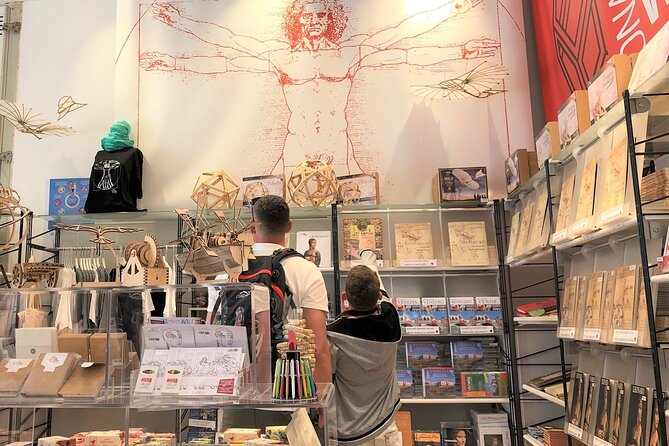
The exhibition is organized into four areas: Earth, Water, Air, and Fire. That division is more than decoration—it’s how the museum connects Leonardo’s curiosity to categories you can understand quickly.
Here’s why that matters for you:
- You can choose your pace. If one theme pulls you in, you can spend more time there.
- Kids often latch onto the theme labels fast. They feel like they’re in a mini “science world” rather than a quiet museum.
- Adults get a clearer “map” of Leonardo’s thinking instead of a random list of inventions.
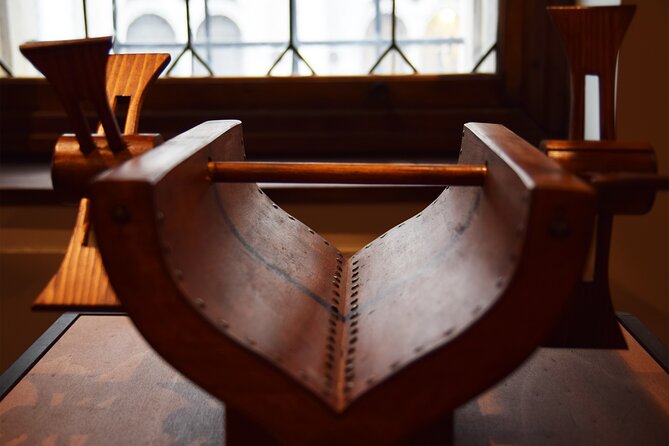
Across these sections, the museum emphasizes that the machines were built according to Leonardo’s designs, using original proportions unless changes were necessary. That detail matters because it’s not only recreating the “look” of a machine. It aims to communicate Leonardo’s engineering logic—how dimensions and form connect to function.
You’ll also notice that the museum doesn’t treat Leonardo as only a one-note inventor. The way the four themes are presented helps you understand that he thought broadly about nature and physical forces.
Interactive replicas: where the visit becomes memorable
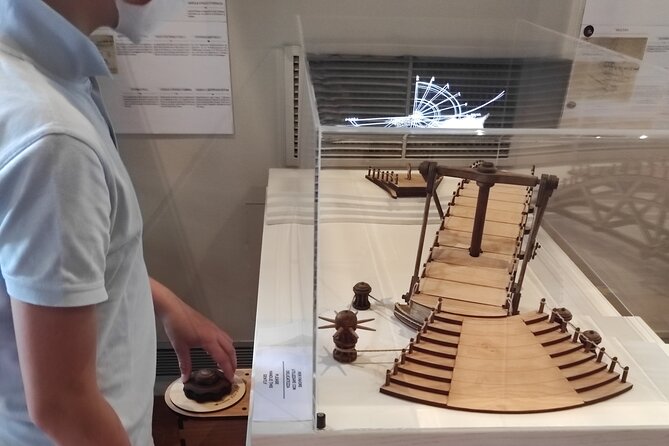
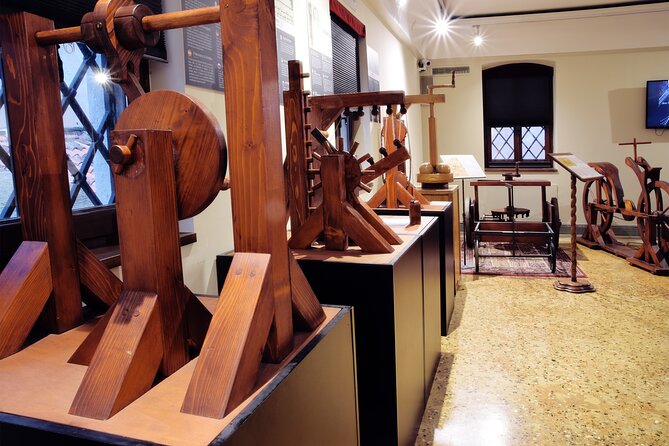
The highlight for many visitors is the chance to interact. Instead of being passive, you get working-style models that let you engage with concepts through your hands.
This is where the museum earns its name. You’ll be able to operate interactive exhibits and try Leonardo’s ideas in a way that feels closer to a workshop than a gallery. That’s also why this place works well for mixed-age groups—adults who like science get something tangible, and kids get something they can do.
If you want the best experience, go with a mindset that you’re not just reading about machines. Treat the interactive parts like mini experiments:
- Look closely at how the model is built.
- Try the interaction once, then return for a second look with the explanations in mind.
- Don’t race. When you rush, the “aha” moment disappears.
A balanced reality check: one very common complaint is that the museum is small. For some people, the interactive section can feel limited in number. Still, if you’re coming for the hands-on aspect, the time usually feels well spent.
Anatomy studies and backlit art copies: the “why” behind the genius
Leonardo wasn’t only an inventor. He also studied the human body and created art that reflected his scientific observation. This museum tries to show that connection.
You’ll find sections featuring some of his major studies of anatomy. That’s a meaningful inclusion because it explains how Leonardo’s curiosity worked across subjects. Anatomy isn’t just medical curiosity—it’s observation, structure, and understanding how forms behave.
Then there’s the art component. The museum includes high-resolution backlit replicas of major paintings. Backlighting is a smart choice for you as a viewer because it makes details easier to see without fighting reflections or low light. It also encourages close looking, which is exactly what Leonardo’s art rewards.
What I like about this combination is that it gives you a more complete picture of him in one visit:
- Machines show his engineering side.
- Anatomy shows his observation skills.
- Painting copies show his visual thinking.






Multimedia, films, and multilingual labels that keep you oriented
The museum uses descriptions in Italian, English, French, German, Spanish, and Russian. That wide language coverage is a big plus if you’re traveling with friends or family who don’t read English comfortably.
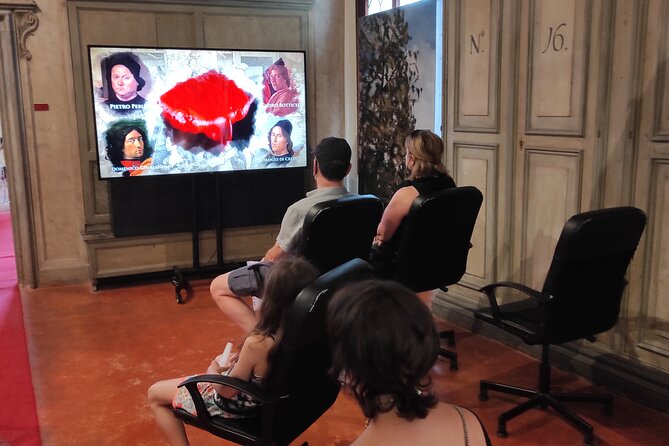
You’ll also see multimedia displays about Leonardo’s life and works. In many setups like this, multimedia can be a distraction. Here, it’s more useful because it supports the four-part structure and helps you connect the machines to the person behind them.
There’s also a film component. Several visitors specifically mention a short film introducing Leonardo, and that lines up with the museum’s focus on keeping a short attention span from falling into a full-on “lecture mode.”
One thing to know: audio support exists, but it isn’t something you should assume is automatically included with your online ticket. If you want extra guidance, plan to ask for free audio guides at the entrance.
Bookshop and on-site displays: practical souvenirs that still teach
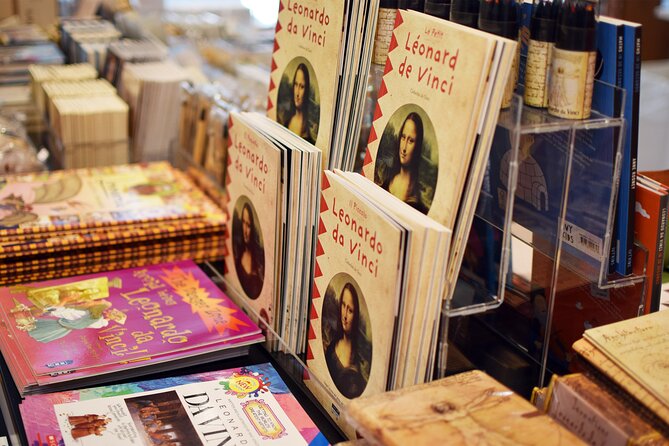
The museum has a well-stocked bookshop and additional displays that offer more insight into Leonardo’s life and work. This is valuable even if you’re not buying anything, because it gives you a chance to slow down after the interactive exhibits and read at your own pace.
For me, the best museum souvenirs are the ones you can use after the trip. A Leonardo book from here is more likely to match what you actually saw in the exhibition than a generic Venice poster.
Also: visitors often mention the merch as cute and worth a look, which tells you the shop is thoughtfully set up rather than just an afterthought.
Timing, pacing, and how long you should plan in your day
Plan for about 45 minutes, but don’t be shocked if it runs longer or shorter. People who like to operate the models and read the explanations often spend close to an hour. Others zip through and finish faster, depending on what they focus on.
My practical recommendation:
- Build in an hour if you’re bringing kids or if you enjoy interactive stations.
- If you’re in a hurry, you can still get something out of the main highlights, but you’ll skip the deeper looking.
Also remember:
- No food, chewing gum, or beverages are allowed in exhibit areas.
- Last entry is 4:00 pm, so don’t leave it to the last second.
Price and value: is $10.21 a good deal?
At about $10.21 per person, this museum sits in the “small cost, good impact” category. You’re not paying for originals or a massive collection. You’re paying for:
- Replica machines built from Leonardo’s designs
- Interactive operation time
- Backlit high-resolution art copies
- Anatomy study content
- Clear signage across multiple languages
Is it worth it? For the right visitor, yes. This is especially good value if you want a short, educational break that doesn’t turn into a museum slog.
Where the price debate happens is with expectations. If you expect something bigger and more art-gallery focused, you may feel the ticket is too small for the experience you imagined. But if you like science-and-art connections and you enjoy pushing buttons and levers (or watching kids do it), the value makes sense fast.
Should you book the Da Vinci Interactive Museum in Venice?
I’d book it if you:
- Want a quick, family-friendly Leonardo stop
- Prefer hands-on exhibits over long explanations
- Like seeing how Leonardo linked machines, anatomy, and painting
I’d think twice if you:
- Want original masterpieces or a huge art museum footprint
- Hate stairs and need a fully step-free route (two floors with steps)
- Expect a professional guide to be included (it’s not part of this ticket)
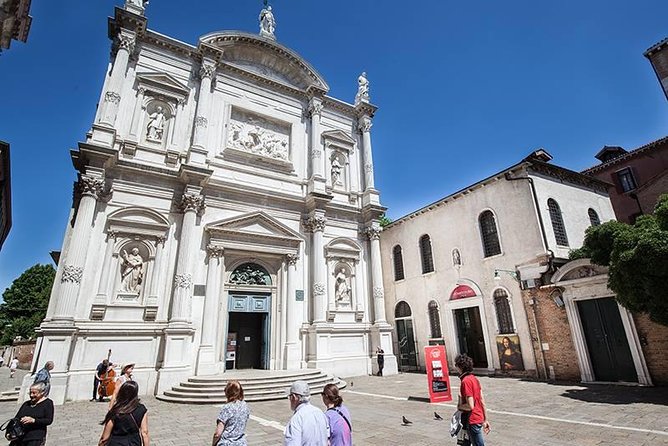
One smart strategy: treat this as your “Leonardo appetizer,” then pair it with other nearby Venice sights. One review even called out the adjacent La Scuola Grande di San Rocco as a wow moment—so you can turn this into a two-part day of culture and science without overplanning.
FAQ
FAQ
How long does the museum visit take?
The museum experience is approximately 45 minutes, though you may spend more time if you want to interact with multiple models and read the explanations carefully.
Can I visit at any time during opening hours?
Yes. You can visit any time during opening hours as long as you enter before the last entrance time.
What is included with the ticket?
Your ticket includes access to the museum’s interactive models. The visit does not include a professional guide.
Are there audio guides?
Yes. Audio guides are available free of charge upon request at the entrance.
Is it suitable for kids and families?
Yes. The museum is described as family friendly and recommended for adults and children alike, with interactive elements designed to spark curiosity.
What languages are available for the museum descriptions?
Descriptions are available in Italian, English, French, German, Spanish, and Russian.
Are food and drinks allowed inside the exhibit areas?
No. Food, chewing gum, and beverages are prohibited in the exhibit areas.
What time is the last entrance?
The last entrance is at 4:00 pm.
Does the museum have multiple levels?
Yes. The museum is set up across two floors, and it includes steps.
If you tell me when you’re visiting (month and time of day), I can help you plan where this fits best with the rest of your Venice route.