REVIEW · ROME
Pizza and Gelato Making Class in Rome
Book on Viator →Operated by Walks Inside Rome · Bookable on Viator
Pizza and gelato training beats guesswork.
This hands-on class in a 17th-century kitchen teaches you how Roman pizza actually works, from dough to toppings to baking, then finishes with gelato you make yourself. It’s a great way to spend a chunk of your Rome day that isn’t just walking and looking.
I especially liked the small group size (max 12), because the chefs can actually see what you’re doing. I also liked that you get an included sit-down meal with appetizers and drinks, so you’re not just cooking and running.
One possible drawback: this is time you’ll spend in the kitchen, not sightseeing. Also, hotel pickup isn’t included, so you’ll want an easy way to get to Corso del Rinascimento on your own.
In This Review
- Key things to know before you go
- Corso del Rinascimento to a 17th-century cooking room
- Roman pizza basics: dough, toppings, and oven heat
- A small etiquette note for your future pizza nights
- The sit-down meal: appetizers, wine, and what you eat after baking
- Gelato making: turning cream and flavor into your own dessert
- Why the chefs matter: hands-on teaching, patience, and energy
- Vegetarian and gluten-free options that actually get handled
- Small-group pacing: why 2.5 hours feels like the right length
- Value check: is $119.73 worth it?
- Who this class is best for (and who might skip it)
- Practical tips to make your day smoother
- Should you book this pizza and gelato class in Rome?
- FAQ
- How long is the Pizza and Gelato Making Class?
- Where does the class meet in Rome?
- Is the class offered in English?
- How big is the group?
- What food will I make and eat?
- Are drinks included?
- Are vegetarian or gluten-free options available?
- Is hotel pickup included?
- Do I get any recipes?
- What is the cancellation policy?
Key things to know before you go
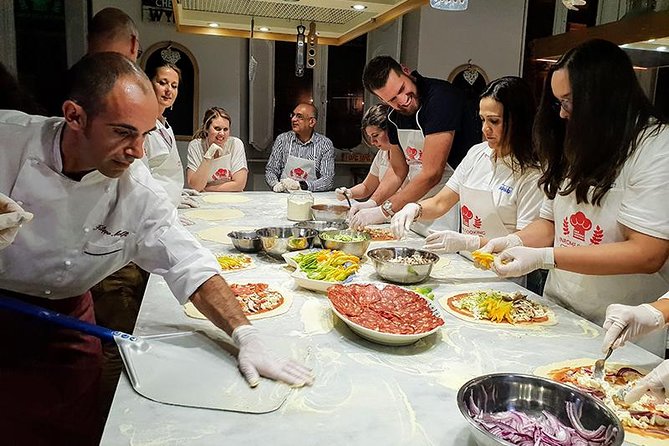
- Small class (max 12) means more real instruction instead of watching from the sidelines
- English-speaking chef keeps the lesson clear, step-by-step
- Roman-style pizza focus includes practical tips like fermentation timing and very hot oven temperatures
- Gelato is hands-on, and you can usually choose flavors
- Dietary needs are handled with vegetarian and gluten-free options if you say so in advance
- Recipes are part of the deal, so you’re not stuck recreating from memory later
Corso del Rinascimento to a 17th-century cooking room
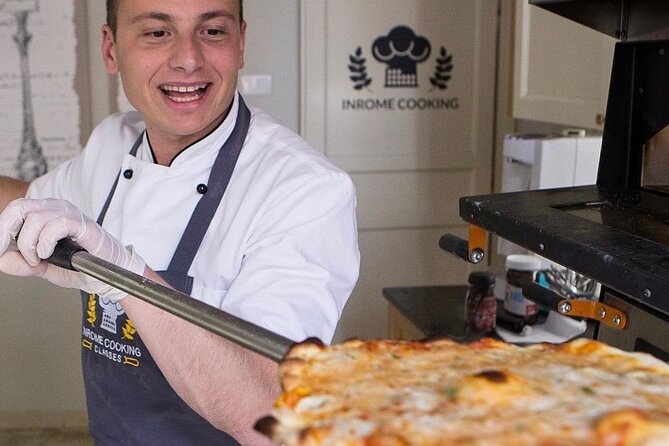
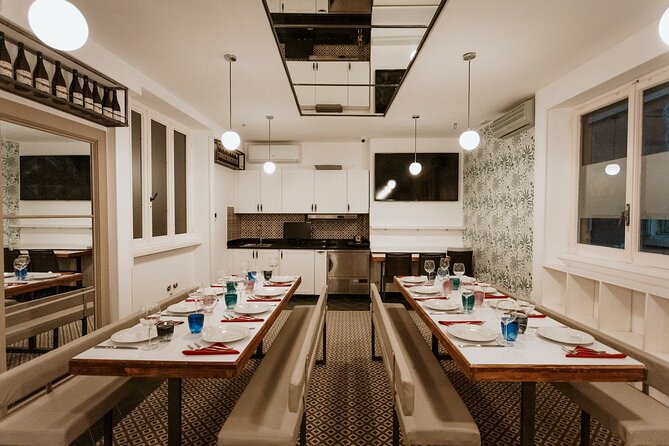
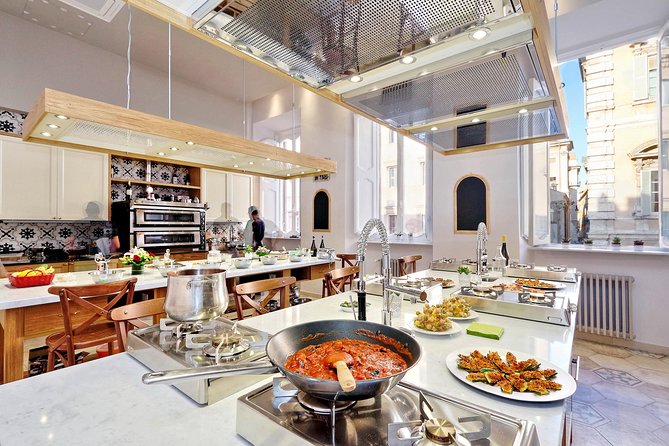
You meet at Corso del Rinascimento 65 (00186 Roma RM). From there, you’re in the right headspace fast: this is a cooking school in a historic 17th-century building, so it feels like a break from the street noise. And since it’s near public transportation, you’re not relying on a taxi marathon.
When the chef greets you, you get a quick orientation to Roman culinary traditions. It’s not a lecture that drones on. It’s the kind of setup that helps you understand why you’re mixing flour and water a certain way, and why the end result tastes different than the usual US-style slice.
After that, it’s apron time and straight into the work. This class is designed to be hands-on from the start, which is exactly why families and food lovers tend to love it.
You can also read our reviews of more tours and experiences in Rome.


Roman pizza basics: dough, toppings, and oven heat
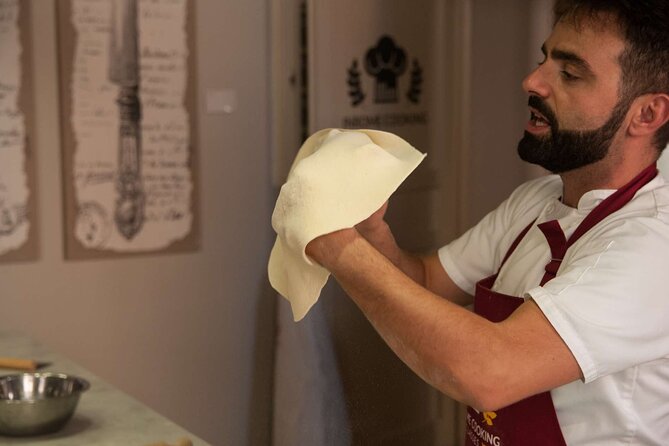
The pizza portion is built around process, not just ingredients. You mix your dough under the chef’s guidance, then you learn how to get the consistency right before it goes anywhere near the oven. That matters, because dough failures are usually about texture and timing, not buying the fanciest flour.
One of the most useful tips you pick up is about fermentation. In Roman-style pizza instruction, you’re taught that dough needs time to ferment at least 24 hours in the refrigerator. That’s one of those details that sounds boring until you try it at home and realize why your dough acts differently.
You also learn that Roman pizza isn’t shy about heat. You’ll hear (and take home) the idea that the oven is very hot—around 700°F—so the crust sets quickly and you get that classic contrast between chewy and crisp.
Then comes the fun part: topping. You’re not stuck with a cookie-cutter pizza. You add high-quality ingredients and you can personalize your pie. That’s why the class feels like you made dinner, not like you attended a demo.
A small etiquette note for your future pizza nights
Some chefs are very opinionated about what belongs on Roman pizza. The clearest message I took from the class vibe is simple: keep it classic. Think Roman flavors, not loud gimmicks.
The sit-down meal: appetizers, wine, and what you eat after baking
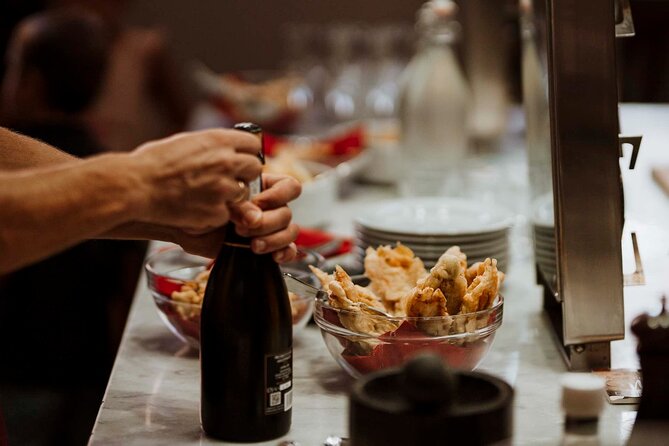
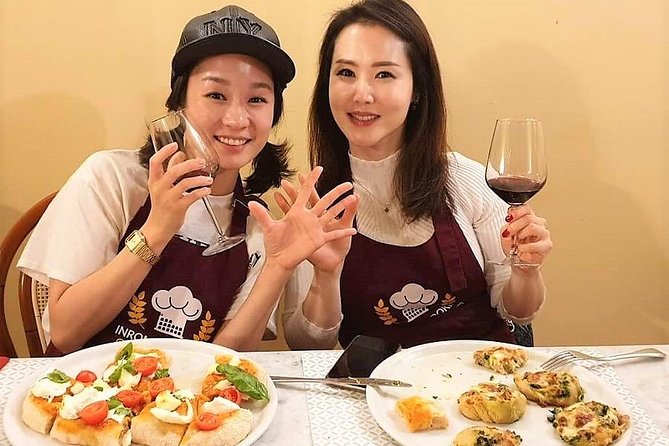
Once your pizza is baked, you get to enjoy it with the rest of the group in a sit-down setting. This is one of the quiet advantages of this class: you don’t just stand around with a tray. You actually eat together.
Before the main event is over, you’ll have welcome appetizers and soft drinks with your meal. Adults also get a welcome flute of prosecco and local wines served with lunch/dinner, but only if you’re 18+. If you’re traveling with teens or you’re not drinking alcohol, soft drinks are part of the included experience.
In practice, this meal piece turns the class into a full evening of food, not a quick cooking session. You’ll leave with a head full of techniques, plus the satisfaction of tasting what those techniques produce.
Gelato making: turning cream and flavor into your own dessert
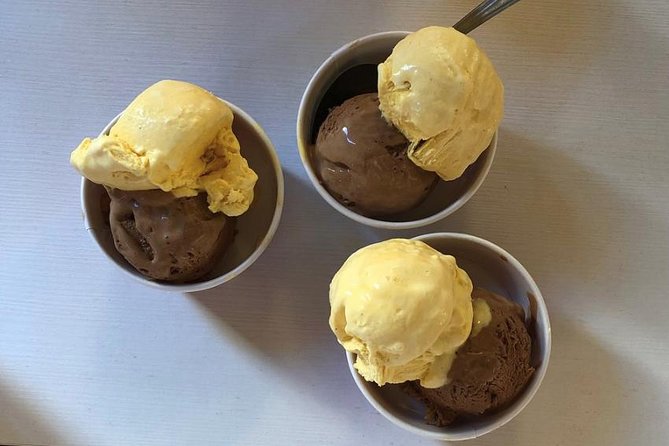
After the pizza part, you shift gears to gelato. This is the moment a lot of people remember because it’s both hands-on and very forgiving. In the class setup, you learn the gelato method step-by-step, and it’s structured so you can follow even if you’ve never churned anything before.
Flavor is also part of the experience. You can usually pick your own gelato flavor, and people commonly make choices like vanilla and chocolate. That flexibility matters because it makes the dessert feel personal, not like a forced “one-size” finish.
What I liked here is that gelato isn’t treated as a mysterious Italian trick. It’s shown as a process you can repeat, which is why so many people leave excited to try again back home.






Why the chefs matter: hands-on teaching, patience, and energy
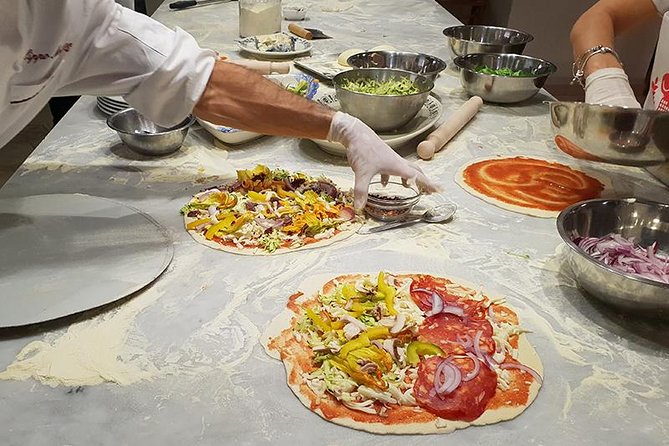
The biggest strength of this class is instruction quality. The chefs are professional, but they also keep the energy up. You’ll see it in how they explain both the practical steps and the reasoning behind them—like why fermentation time changes dough behavior, or why oven temperature matters.
You might get different chefs on different days, but the teaching style is consistent. Past instructors include Marco, Giulio, Christiana, and Simon, and the common thread is clear: they’re active in the room, patient with questions, and happy to guide you when something doesn’t go right the first time.
This is one reason the class works well across ages. Reviews describe it as kids friendly, with teens staying engaged too. If you’re traveling with a family, that’s huge. Cooking classes can be either chaotic or dull; this one aims for “hands-on fun” with structure.
Vegetarian and gluten-free options that actually get handled
If you have dietary restrictions, this class is worth a close look. Vegetarian and gluten-free options are available, as long as you communicate your needs at the time of booking.
In real terms, this is the difference between a restaurant dinner where you hope for the best and a planned cooking lesson where your meal is built for you. Gluten-free guests have been accommodated well, and the overall vibe is that the chefs want everyone to eat what they helped make.
So if you’re bringing a friend or family member with dietary needs, you can plan with more confidence. Just don’t wait until the day of—send the details during booking so the kitchen can prep appropriately.
Small-group pacing: why 2.5 hours feels like the right length
The class runs about 2 hours 30 minutes. That’s a good length for Rome. Long enough to truly learn dough and gelato steps, but not so long that you burn half your day and still don’t see anything else.
The max 12 travelers setting helps with pacing. You’re not shuffled through stations like a factory line. Instead, you get guidance while you’re actively working, then you eat what you made.
Also, the class ends back at the meeting point. That’s practical: you can plan dinner nearby afterward without hunting for a new location.
Value check: is $119.73 worth it?
At $119.73 per person, this isn’t the cheapest thing you can do in Rome. But it’s also not overpriced for what’s included: you get a hands-on cooking class, a sit-down meal with appetizers, soft drinks, and alcoholic drinks for adults, plus recipe materials.
Here’s how I’d judge value: if you were only paying for dinner, you’d still be spending money. This way, you’re paying for dinner plus skills you can reuse. And because the group is small, you’re more likely to get real instruction instead of just watching.
If you’re an Italian food lover, or you’re traveling with kids, the value gets even stronger. Pizza and gelato are universal crowd-pleasers, and learning them in Rome adds a kind of memory you can recreate at home.
Who this class is best for (and who might skip it)
This is a smart fit if you fall into any of these buckets:
- Families looking for a structured activity that still feels playful
- Italian food lovers who want techniques, not just samples
- Travelers who like hands-on workshops where you actually eat your work
- People who want English instruction without the feeling of guessing through a language barrier
It may not be ideal if you prefer pure sightseeing and minimal time in a kitchen. Since there’s no hotel pickup, you’ll also want to be comfortable getting yourself to Corso del Rinascimento 65 and sticking around for the full session.
Also, if you’re the type who hates getting your hands involved, be honest with yourself. This class is designed around doing.
Practical tips to make your day smoother
Plan your arrival with a little buffer. Cooking starts when people start, and you don’t want to feel rushed while you’re trying to listen for instructions. Wear clothing you don’t mind a little flour energy.
When you book, add any dietary needs immediately. Vegetarian and gluten-free options are available, but the class needs advance notice to do it well.
If you’re traveling as a group, consider that alcohol is included only for adults 18+. Everyone else still gets soft drinks, so the meal part still works for mixed-age families.
Finally, because the class is popular, try to book early. The average advance booking time is about 54 days, which is a hint that the kitchen calendar can fill up.
Should you book this pizza and gelato class in Rome?
Yes, if you want a hands-on food experience that ends with a meal you made. The mix of small-group teaching, Roman-style pizza technique, and gelato you actually churn and finish is a rare combo. It’s also one of the more practical ways to bring Rome home with you because you leave with recipes and repeatable skills.
Skip it only if your priority is roaming historic sights with zero kitchen time, or if you don’t like active workshops. Otherwise, this is a solid, friendly, and genuinely tasty way to spend an evening in Rome.
FAQ
How long is the Pizza and Gelato Making Class?
It runs about 2 hours 30 minutes.
Where does the class meet in Rome?
You meet at Corso del Rinascimento, 65, 00186 Roma RM, Italy.
Is the class offered in English?
Yes, it’s offered in English, with an English-speaking chef.
How big is the group?
The class has a maximum of 12 travelers.
What food will I make and eat?
You’ll make authentic Italian pizza and homemade gelato, and you’ll also have welcome appetizers as part of the sit-down meal.
Are drinks included?
Yes. The included drinks include a welcome flute of prosecco and local wines served with the meal for adults 18+, plus soft drinks for the meal.
Are vegetarian or gluten-free options available?
Yes. Vegetarian and gluten-free options are available if you communicate your needs at the time of booking.
Is hotel pickup included?
No, hotel pickup and drop-off are not included.
Do I get any recipes?
Yes. Recipes are provided, so you can try making the pizza and gelato again later.
What is the cancellation policy?
You can cancel for a full refund up to 24 hours before the experience starts. If you cancel less than 24 hours in advance, the amount paid is not refunded.