REVIEW · PALERMO
Discover Palermo in 3 hours. Art, history, markets and street food
Book on Viator →Operated by Palermo a Piedi - Walking Tour · Bookable on Viator
Palermo starts tasting before you even reach the Cathedral. This tight 3-hour walk gives you big-palace baroque corners, market energy, and clear historical context without feeling like homework. I especially loved the Capo Street Market stop with optional street-food tastings, and I also liked how the guide turns monuments into stories, from the Florio era to the Beati Paoli.
One watch-out: the tour is only in Italian, so if you want detailed narration in English, this probably won’t work well. Also, it’s a walking route through central streets, so comfy shoes matter.
In This Review
- Key highlights at a glance
- Why this short Palermo walk is such good value
- Starting point near Via Cavour: how to set yourself up for success
- Capo Street Market: the Arab-origin food market feeling
- Palermo Cathedral: Norman-Arab art and real reasons to care
- Teatro Massimo and Piazza Giuseppe Verdi: Belle Epoque in stone
- Quattro Canti: baroque geometry, the city’s crossroads
- Piazza Pretoria and the Fountain of Shame: why the statues matter
- Piazza Olivella and nearby church energy: baroque plus museums
- Piazza Bellini and the church trio you’ll recognize later
- Puppet Opera time: Teatro dell’Opera dei Pupi
- The Cassaro, Porta Carini, and the old walls: closing the loop
- The stories you get: Beati Paoli, Santuzza, and a Florio-era lens
- What to expect on the ground (walking, timing, and group size)
- Language note: only Italian
- Who should book this tour
- Practical tips so the walk feels easy
- Should you book Palermo in 3 hours?
- FAQ
- Is the tour guided?
- How long is the Palermo walking tour?
- What’s included in the price?
- Is food included?
- Where does the tour start and end?
- Can I cancel for a refund?
Key highlights at a glance
- Capo Street Market: Arab-origin food market walk-through with included entry and tasting stops.
- Palermo Cathedral: Norman-Arab masterpiece with royal tombs and the Santa Rosalia connection.
- Teatro Massimo (Piazza Giuseppe Verdi): Belle Epoque drama and the Florio family story.
- Fontana Pretoria (Fontana della Vergogna): the famous “Fountain of Shame” explanation, with 48 Carrara statues.
- Baroque squares you can actually name later: Quattro Canti, Piazza Olivella, Piazza Bellini.
- Opera dei Pupi stop: a traditional Palermo puppet-opera scene connected to Mimmo Cuticchio.
Why this short Palermo walk is such good value
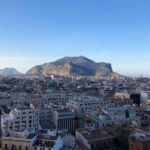
Palermo is not a museum city where you can do everything from a single ticket line. It’s a lived-in place: churches, alleys, food stands, and big architectural statements show up within a few minutes of each other. This tour understands that. In about three hours, you get the “spine” of the historic center—enough to orient you fast.
Value-wise, the price hits because the itinerary includes key admissions and at least some built-in food moments. You’ll have entrance to the Capo Market, the Palermo Cathedral is included, plus ticketed stops at places like the Piazza Olivella area and the Opera dei Pupi stop. On top of that, there are free tasting stops along the way, which is exactly how you want to experience Palermo’s food culture—small bites, no pressure, and you can decide what you truly want later.
The other reason I like this format: the guide language is Italian, but the delivery style seems designed to keep you moving and focused. Guides like Maurizio and Fabrizio show up often in the experience and are repeatedly praised for being lively, friendly, and strong on local stories—so the walk feels like getting a friend’s explanation rather than reading plaques at speed.
You can also read our reviews of more tours and experiences in Palermo.
Starting point near Via Cavour: how to set yourself up for success
The tour starts at Via Cavour 135 and finishes at Piazza Bellini. That end point is helpful—Piazza Bellini sits in the middle of a cluster of major sights and it’s a natural jumping-off point for your next meal, coffee, or longer exploration.
Because it’s a walking tour, plan to arrive a little early so you can settle and get your bearings. The route moves through tight streets and big squares, and there’s a lot to look at even when you’re not stopping inside a site. If you’re someone who gets tired easily on cobblestones, bring shoes with decent grip and don’t rely on sleek soles.
If you’re visiting as a cruise passenger, this layout is practical. The historic center is reachable from the port area, and you’re not stuck in a long bus transfer before you see anything.
Capo Street Market: the Arab-origin food market feeling
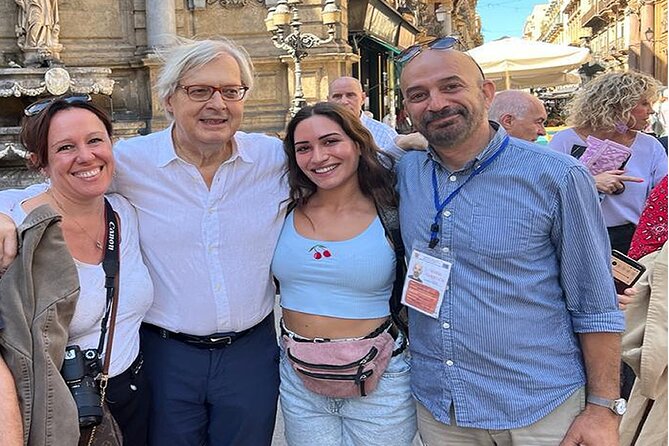
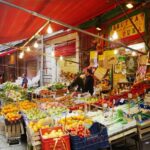
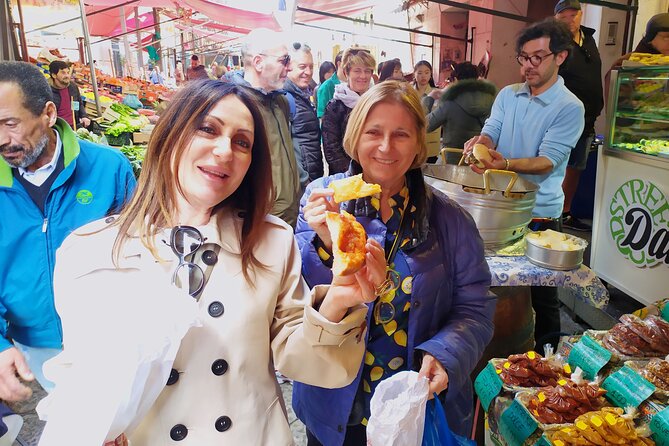
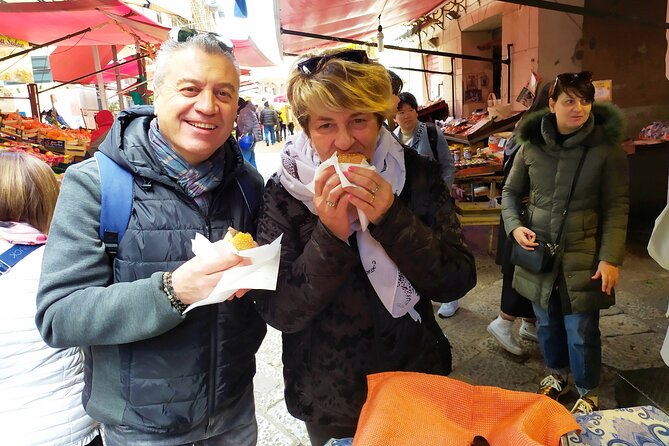
The first “real Palermo” jolt comes at Capo Street Market, an ancient food market that runs daily along Via Porta Carini and Via Bandiera. This is one of those places where you don’t need to know the full background to understand what’s happening. You walk in and the city’s everyday rhythm starts: vendors, chatter, the smell of fried and fresh foods, and the sense that the market is still doing its job.
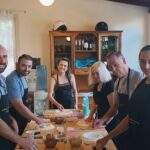
What makes this stop work in a short tour is that you’re not just passing by. You get entry included, and you can take advantage of the free tasting stops if you want. That’s the best way to sample Palermo without committing to a full meal that might not match your tastes.
A practical note: markets are best in comfortable clothing and with a flexible approach. If you’re sensitive to strong smells or crowds, you’ll want to time your attention. Walk slowly through the stalls, then let the tasting stop be your “anchor moment.” You’ll remember it more, and you won’t feel like you rushed.
Palermo Cathedral: Norman-Arab art and real reasons to care
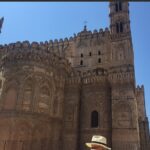
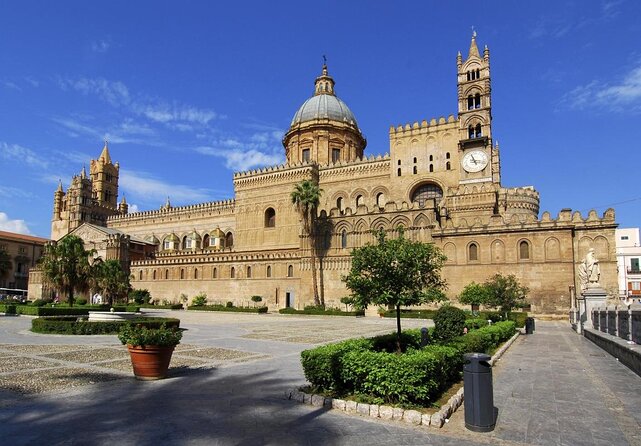
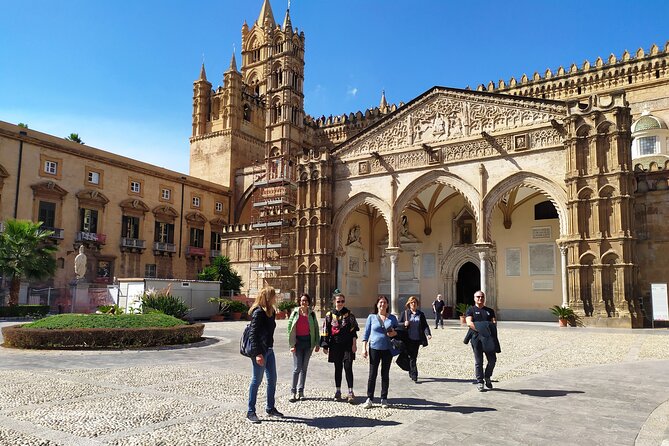
The next stop is Cattedrale di Palermo, built in 1185 with Norman-Arab artistic influences. Even if you’ve seen cathedrals before, this one has a different personality. You’re not just looking at Gothic lines or classic European church design; you’re seeing layers from multiple eras tied to Palermo’s position as a crossroads.
This stop matters because it’s not only pretty—it’s functional history. The cathedral contains royal tombs, the chapel of Santa Rosalia, and notable works like an extraordinary sundial. It also ties into the UNESCO Arab-Norman itinerary, alongside Monreale and Cefalù (listed together since 2015). That’s a big deal if you like understanding what your ticket is really buying: you’re stepping into a site recognized for its historical blend.
Time-wise, the cathedral stop is about 25 minutes. That’s short, so focus your attention. Spend a little time orienting yourself, then pick a few anchors to look for—royal tomb area highlights, Santa Rosalia-related elements, and the sundial. If you try to “see everything,” you’ll rush. If you choose a few things, you’ll actually register them.
Teatro Massimo and Piazza Giuseppe Verdi: Belle Epoque in stone
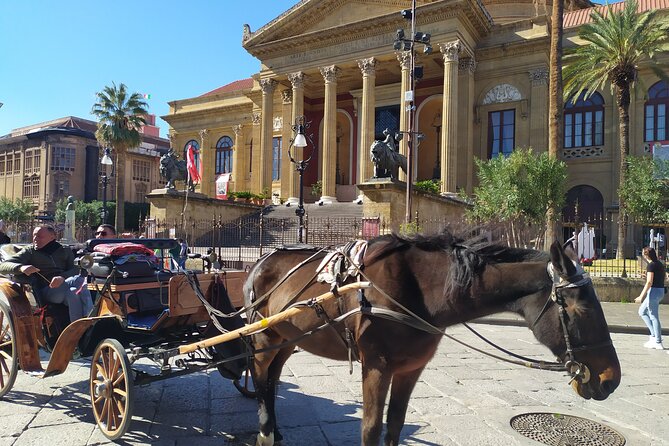
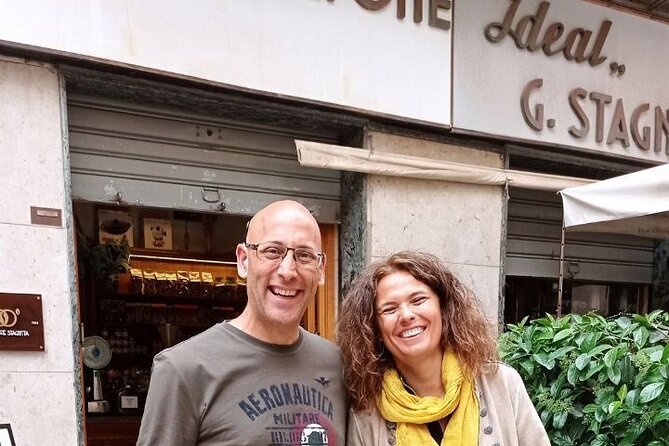
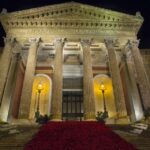
From the cathedral area, the walk opens into Piazza Giuseppe Verdi (Piazza Massimo), where you’ll find the Teatro Massimo. It’s described as the imposing neoclassical theater and the largest in Italy, and it’s tied to the Belle Epoque spirit and the Florio dynasty.
This is a great moment for your brain because it shifts the tone. Palermo isn’t only ancient churches and Arab-market vibes; it also has grand 19th-century aspirations. The theater area gives you that contrast—an architectural “pause” where the city shows you what it wanted to look like during its cultural peak.
Also, it’s easy to photograph without feeling like you’re forcing it. You get your bearings here, and that helps later when you connect the squares back to each other.
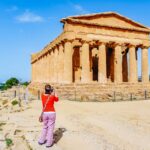
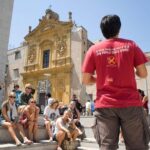
Quattro Canti: baroque geometry, the city’s crossroads
The route then hits Quattro Canti, a scenographic baroque square that functions like the center crossroad of the old city. It’s called a showpiece, and that’s accurate. Four facades, baroque staging, and a layout that makes Palermo feel like it was designed for walking—because you keep turning your head at the exact moments the architecture wants you to.
This stop is only about 10 minutes, which is perfect. Think of it as a visual reset. Take in the overall symmetry first, then look for smaller details afterward. If you spend too long here, you’ll lose the energy of the tour. If you treat it as a quick “wow moment,” you’ll keep the momentum all the way to the next fountain stop.
Piazza Pretoria and the Fountain of Shame: why the statues matter
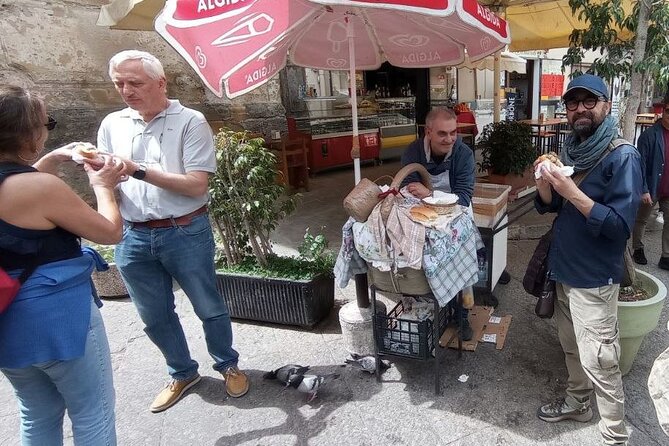
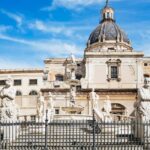
Then comes one of Palermo’s most talked-about sights: Piazza Pretoria, home to the Fontana Pretoria. The key details are worth keeping in mind. The fountain has 48 statues made of white Carrara marble, sculpted in the middle of the Renaissance by Tuscan sculptors. It was purchased in 1573, and the Palermitans nicknamed it the Fontana della Vergogna, or Fountain of Shame.
The name isn’t random. The point of this stop is the explanation: you’re meant to understand why people linked the fountain to embarrassment and scandal. In a city that loves layered meaning, that story turns a pretty fountain into a cultural clue.
Time here is about 10 minutes, so again, don’t over-plan. Get a full view of the fountain first, then look for how the statues create a sense of drama. When the guide explains the nickname, the “why” clicks much faster because you can see what you’re looking at.
Piazza Olivella and nearby church energy: baroque plus museums
Next you’ll reach Piazza Olivella, described as scenic and known for the Baroque church of Sant’Ignazio and the archaeological museum area. You’ll have about 20 minutes here, with ticketed access included for the stop.
This is a good break in the route. Squares give you standing room and sightlines. Churches give you a different kind of detail—ornamentation, religious art, and the way Palermo layers faith and power across different centuries.
If you want to get value out of the museum-adjacent time, don’t try to read every label. Use your guide’s narrative as your filter. Ask yourself what the story is trying to connect: what Palermo was trading, building, or learning from earlier cultures. You’ll come away with a “why” that sticks, not just a list of objects you barely remember.
Piazza Bellini and the church trio you’ll recognize later
The walk reaches Piazza Bellini, a historic and monumental square with standout churches around it, including the Church of the Martorana (12th century), the Arab-style church of San Cataldo, and the Church and Monastery of Santa Caterina.
This is the moment where your brain finally starts to build patterns. You see the city’s identity as more than one era. Norman-Arab influence shows up not just in the cathedral, but across these neighboring religious sites too. And the tour’s story focus helps you notice why Palermo’s architecture looks the way it does, instead of treating it like a random collection of pretty buildings.
The stop here is around 10 minutes. Use that to look outward first: scan the square and then pick one or two churches to focus on. If you’re trying to memorize names, this is where you should slow down for a moment and repeat them in your head as you look.
Puppet Opera time: Teatro dell’Opera dei Pupi
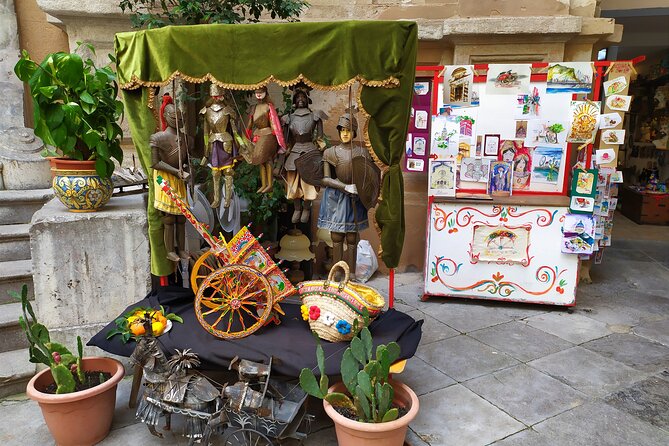
One of the most fun stops is Teatro dell’Opera dei Pupi, connected to the traditional Palermo puppet show associated with Mimmo Cuticchio. It’s UNESCO heritage, and even if you’re not a “performing arts person,” it’s a strong cultural marker for what makes Palermo feel like Palermo.
This stop is about 10 minutes, so it won’t replace a full evening show. But it gives you a snapshot. And because the Opera dei Pupi is so tied to local identity, it helps you understand why Palermo storytelling isn’t limited to written history or church walls—it lives in performance too.
If you’re the kind of traveler who likes one small “culture scene” during a city walk (instead of squeezing in one more monument), this is a good pick.
The Cassaro, Porta Carini, and the old walls: closing the loop
The route also covers the ancient Cassaro, described as Palermo’s oldest street with palaces, churches, and convents. You’ll also pass by Mura, Bastione e Porta Carini, with ancient walls from the first half of the 16th century and Porta Carini, the entrance point through which you access the Capo market area.
This part is valuable because it turns earlier stops into a connected map. Instead of thinking of each square or church as isolated, you start seeing the street network as the city’s “memory system.” The Cassaro connection makes it easier to plan your own follow-up walk later, because you’ll recognize the main spine of the center.
And Porta Carini ties the story back to the market. You’re not just doing a food stop—you’re re-entering Palermo’s older structure through the same kinds of gateways the city used for centuries.
The stories you get: Beati Paoli, Santuzza, and a Florio-era lens
A big reason this tour earns repeat marks is the storytelling layer. It’s not just a history lecture. The guide’s narration includes local legends and dark episodes—like the mysterious sect of the Beati Paoli, stories around Santuzza, and the terrible murder connected to the Baroness of Carini. Those names sound dramatic for a reason: Palermo’s history often comes with drama, and the tour leans into that.
You also get the Teatro Massimo and Florio connection, which gives you a more complete sense of Palermo’s rise into modern cultural power. Then there’s the food advice angle: the guide will tell you where to eat the best cannoli and drink the best coffee in the world. Even if you choose to verify those recommendations later, the point is that you’re getting local “what to do next” knowledge while your feet are still moving through the center.
What to expect on the ground (walking, timing, and group size)
This is about 3 hours total, with short stops at major sights—so don’t expect a long sit-down museum day. The itinerary blends exterior viewing with ticketed entries, and you’ll be on your feet enough that pace matters.
Group size caps at 16 travelers, which usually keeps things manageable. Still, some people note that it can feel like a larger group in a tight old-city environment. If you like lots of personal space for photos and slow reading, you might prefer a smaller private option. If you’re okay with moving as a group, the structure works.
Language note: only Italian
The guide provides narration only in Italian. That affects more than comprehension—it changes how much you’ll enjoy the story layer. If you’re studying Italian or you’re comfortable with basic conversation, this is a fun way to practice while seeing the sights. If you don’t read or speak Italian well, you might still enjoy the architecture and market visuals, but you’ll lose a big chunk of the reason this walk feels special.
Who should book this tour
I’d book this if:
- You have a short trip and want a strong first orientation of Palermo’s historic center.
- You like your sightseeing tied to stories, including local legends and social history.
- You want market-and-food culture without committing to a full cooking class.
- You’re a cruise passenger who needs something time-efficient and centrally located.
I’d skip it or consider a different format if:
- You need narration in English (this one won’t match that).
- You want deep museum time or long, slow guided entry into lots of major interiors.
Practical tips so the walk feels easy
- Wear shoes you trust on uneven stone. You’ll walk through squares and narrow streets.
- Bring a water bottle if you run hot. Tastings are included, but you’ll still want hydration.
- If you care about photos, do them quickly at each major square first. Then listen to the guide and circle back if you spot details worth a second shot.
- If you’re planning dinner after, finish the tour near Piazza Bellini and use that as your timing cue.
Should you book Palermo in 3 hours?
Yes, I think you should book it if your goal is a fast, story-led overview of central Palermo that includes real food culture and major landmarks in one sweep. The price feels fair because key admissions are included and the guide adds context that makes monuments easier to remember—especially the Norman-Arab cathedral details, Fontana Pretoria’s explanation, and the local legends around Beati Paoli and Santuzza.
If you’re Italian-ready (or at least curious), this tour is one of the best ways to get oriented quickly and leave with a mental map. If you’re not, you’ll still enjoy the sights, but you’ll be missing the biggest part of what makes the experience special.
FAQ
Is the tour guided?
Yes. You’ll go with an expert guide who narrates in Italian.
How long is the Palermo walking tour?
The duration is about 3 hours.
What’s included in the price?
Entrance to the Capo Market, free tastings of food and drinks at provided stops, entrance to Palermo Cathedral, and a guide in Italian.
Is food included?
Food and drinks aren’t included as a full meal, but the tour provides free tasting stops if you want to try local street food.
Where does the tour start and end?
It starts at Via Cavour 135, Palermo, and ends at Piazza Bellini, Palermo.
Can I cancel for a refund?
Yes. You can cancel for a full refund up to 24 hours before the experience starts. If you cancel less than 24 hours before, the amount paid is not refunded.