REVIEW · TURIN
Discover Piedmont Wines in Turin
Book on Viator →Operated by Julia Cru · Bookable on Viator
Piedmont, explained in 90 minutes. This tasting is all about learning fast and tasting well, in a modern room right in the center of Turin. I like that you get a guided look at both traditional and progressive Piedmont methods, and I also like that the session is low-pressure and built for asking questions. One thing to consider: it’s short, so if you want a long, slow wine-country tour with lots of food, this won’t replace that.
With a maximum group size of 18, you don’t feel lost in the crowd. It’s also offered in English, so you can focus on what’s in your glass instead of playing translator in your head. The main trade-off is that the tasting is intentionally compact—so the wines and concepts move quickly.
In This Review
- Key things that make this Piedmont tasting work
- A 90-minute Piedmont starter course in the middle of Turin
- Your host: Julia Cru and the relaxed teaching style
- The heart of it: four Piedmont wines, chosen for learning
- Piedmont terroir: why place matters more than hype
- Traditional vs progressive production methods (and why you should care)
- How you learn to taste: more than smelling and nodding
- Pairing tips that don’t feel like homework
- Where this class sits in your Turin plan
- Small group energy: easier questions, better pacing
- What the price gets you (and whether it’s worth it)
- Who should book this Piedmont wine tasting?
- When you might want a different wine plan
- Quick FAQ for planning your wine night in Turin
- FAQ
- How long is the Piedmont wine tasting in Turin?
- What does the tasting include?
- Where do I meet for the experience?
- How big is the group?
- What language is the tour offered in?
- Do I get a mobile ticket?
- Is there free cancellation?
- Should you book this Piedmont wine tasting?
Key things that make this Piedmont tasting work
- Small group cap (18 people) keeps the conversation flowing.
- Four selected Piedmont wines means you taste variety, not just one style.
- Terroir + production methods connect grape to place and technique.
- You learn how to taste, not just what to sip.
- Pairing and buying tips help you use what you learned right away.
- A relaxed format with room for questions (and even game-style moments)
A 90-minute Piedmont starter course in the middle of Turin
Turin is great for espresso breaks and museum detours, but sometimes you want something social that doesn’t steal your whole day. This experience is built for that sweet spot: around 1 hour 40 minutes, so you can fit it between sightseeing plans without feeling rushed.
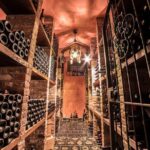
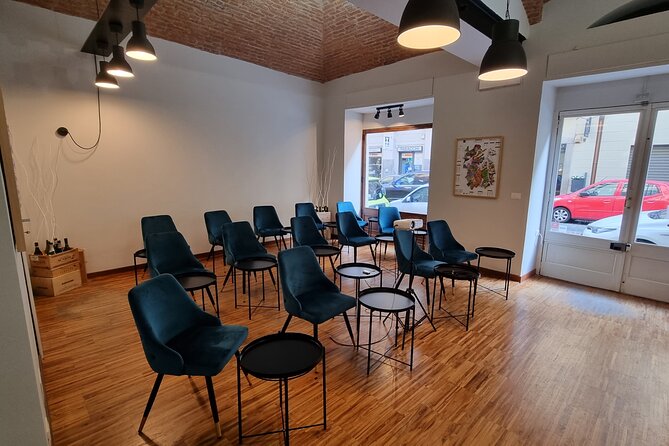
The setting is a designed, comfortable tasting room in central Turin. That matters more than you’d think. When a space is pleasant and modern, you taste more clearly, you ask better questions, and you don’t spend half the time worrying about logistics.
You can also read our reviews of more tours and experiences in Turin.


Your host: Julia Cru and the relaxed teaching style
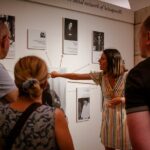
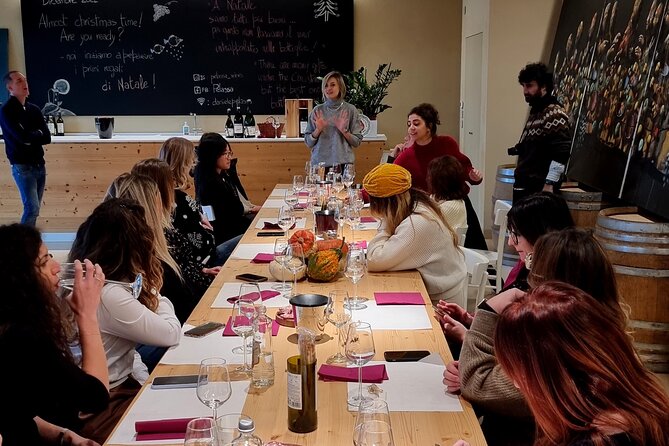
The experience is led by Julia Cru, and the tone comes through in how guests describe the class: friendly, structured, and easy to follow. People call it professional but informal, which is exactly what you want for a wine lesson in a foreign language-free zone.
What I like about this teaching style is that it doesn’t act like wine is a secret club. You get explanations you can use, plus time to ask things that crop up as you taste. If you’ve ever felt intimidated in wine settings, this one is designed to help you stay comfortable while learning.
And yes, there’s energy in the room. Some guests mention game-style moments, which tells me the session keeps momentum instead of turning into a lecture you survive.
The heart of it: four Piedmont wines, chosen for learning
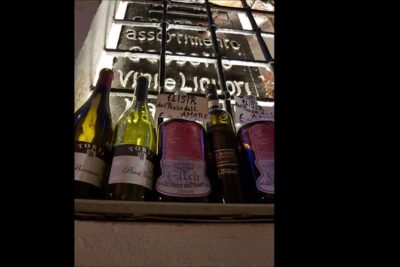
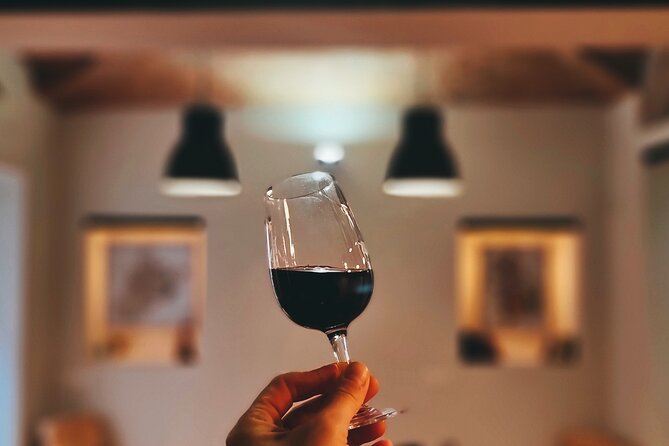
This tasting centers on four carefully selected traditional local wines. That’s a smart format for you, because you get breadth without drowning in options. Instead of trying to make sense of a whole region from one label, you taste a mini set that helps you start connecting dots.
You’re not just tasting for pleasure (though the pleasure is definitely part of it). You’re tasting with guidance, so you learn what to pay attention to when you compare wines—think how they smell, how they feel, and how the flavor changes as you move from one wine to the next.
Piedmont terroir: why place matters more than hype
Piedmont is a region where people talk about tradition a lot, but the tastings focus on more than names. You’ll learn about Piedmont’s terroir—how soils and climate influence grapes—and how that translates into what you’re tasting.
Guests specifically describe learning about the region through factors like soils and climate, plus the grapes. That’s useful because it turns wine tasting from guessing into pattern spotting. The goal is simple: when you see a Piedmont wine later, you’ll have a framework in your head.
Traditional vs progressive production methods (and why you should care)
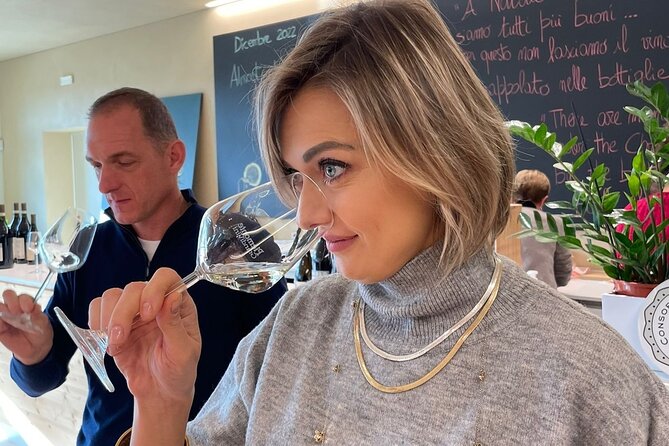
One of the best parts of this session is that it covers both traditional and progressive approaches to wine production. That’s not a trivia detour. For you, it means you’ll understand why two wines that sound similar on paper can taste different in the glass.
This kind of context helps you move beyond rules like sweet equals good or red equals safe. You start noticing choices made in the vineyard and the winery—choices that can show up in flavor, texture, and balance.

How you learn to taste: more than smelling and nodding
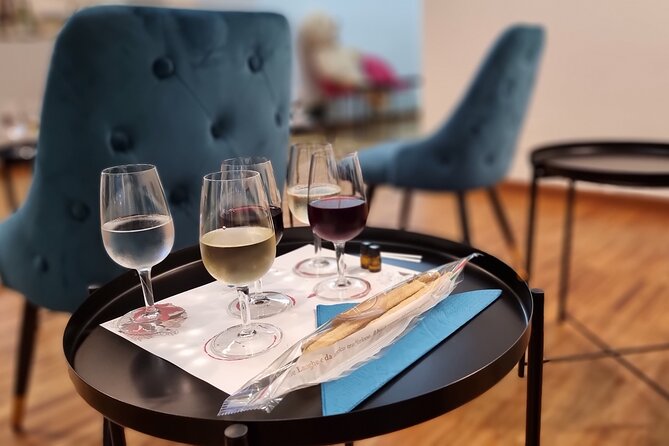
If you want the biggest upgrade, it’s the focus on learning how to taste. Several guests describe the event as interactive and even classroom-like, but in a good way—structured enough to be clear, not so rigid that you can’t participate.
You’ll practice your senses in a guided way. And importantly, you learn the language of wine tasting—people mention learning nomenclature and how the whole process works. For you, that’s the difference between enjoying a wine and being able to order one with confidence later.
Pairing tips that don’t feel like homework
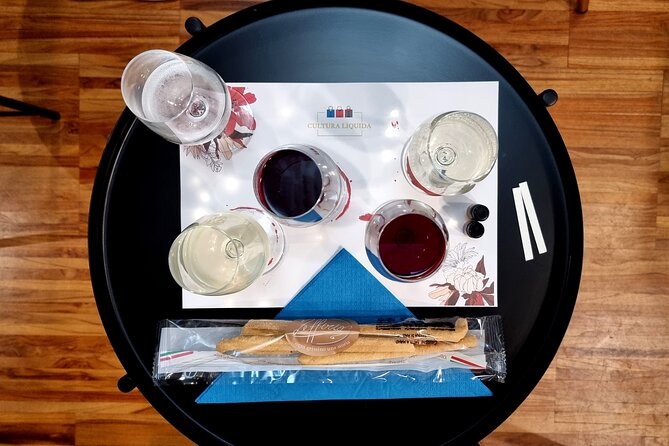
Wine classes can get preachy about pairing. This one stays practical. Guests mention learning pairing ideas and even how to impress others with what you know.
That’s valuable because pairing advice becomes more useful when it’s tied to what you actually tasted. You leave with ideas you can test at dinner, not just vague statements like try it with pasta.
Where this class sits in your Turin plan
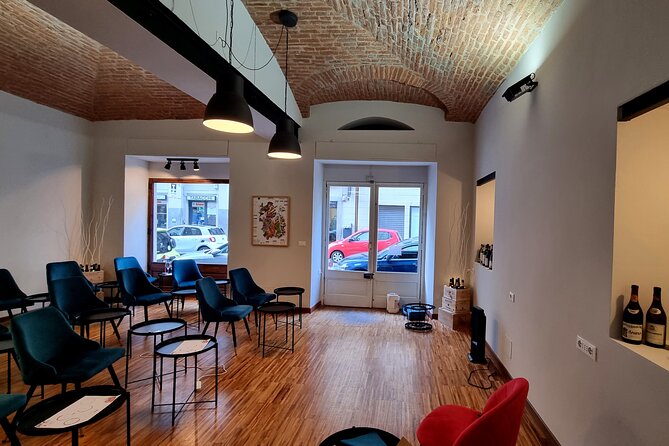
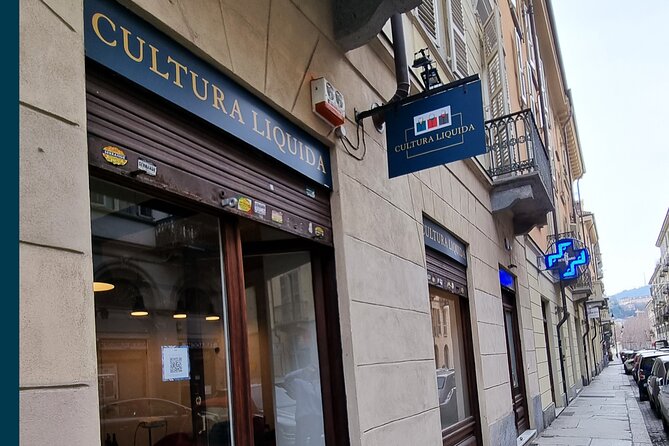
The meeting point is Via Giuseppe Mazzini 39, and the experience ends back at the meeting point. It’s also described as near public transportation, which is perfect for you if you’re using Turin’s transit network rather than relying on taxis.
Duration also makes a difference for planning. With about 1 hour 40 minutes, you can treat this as a core activity rather than a risky add-on. It’s long enough to learn, short enough to still enjoy the rest of your day.
Small group energy: easier questions, better pacing
A maximum of 18 travelers is a big part of why this works. In bigger groups, wine lessons can turn into a show where you watch and hope. Here, the smaller size supports questions, and guests repeatedly highlight how easy it was to ask follow-ups.
That’s the sort of detail that changes your experience. When you can ask why a wine tastes a certain way or what to look for next time, the whole session becomes personal instead of generic.
What the price gets you (and whether it’s worth it)
The price is $56.86 per person for a guided tasting of four wines over about 1 hour 40 minutes. That may sound like a lot until you compare it to paying for a few drinks on your own plus the cost of not knowing what you’re tasting.
The value here comes from three things you get together:
- Guidance from Julia Cru while you taste
- A structured learning format about terroir and production methods
- Four wines selected specifically for the lesson, not just whatever’s on hand
If your goal is to understand Piedmont quickly—so you can shop, order, and talk about wine with less uncertainty—this is the kind of setup that usually pays off fast.
Who should book this Piedmont wine tasting?
This experience is a great match if:
- You’re new to Piedmont and want a clear starting point
- You want a short, well-guided activity in central Turin
- You like asking questions and getting specific answers
- You want tasting technique you can use again at enotecas and restaurants
It’s also a good choice if you’re traveling as a couple or solo, because the small group format makes you feel involved even if you’re not the loudest person in the room. People even mention it worked well when it was just them two, which suggests the host adapts smoothly.
When you might want a different wine plan
If you’re chasing a full-day wine-country outing with extensive food stops and long drives, this won’t fit that goal. The whole point is that it’s short, focused, and designed for time-crunched travelers.
Also, if you already know Piedmont wine inside out and want advanced, vineyard-level detail, you might find the pace quick. The class is aimed at helping you build understanding, not just ranking wines from the most obscure micro-plot.
Quick FAQ for planning your wine night in Turin
FAQ
How long is the Piedmont wine tasting in Turin?
It runs for about 1 hour 40 minutes.
What does the tasting include?
You’ll taste four carefully selected traditional local wines, with guidance about Piedmont terroir and production methods.
Where do I meet for the experience?
The meeting point is Via Giuseppe Mazzini, 39, 10123 Torino TO, Italy. The activity ends back at the meeting point.
How big is the group?
The experience has a maximum group size of 18 people.
What language is the tour offered in?
It’s offered in English.
Do I get a mobile ticket?
Yes, it includes a mobile ticket.
Is there free cancellation?
Yes. You can cancel for a full refund up to 24 hours before the experience starts.
Should you book this Piedmont wine tasting?
If you want a smart, friendly way to get oriented to Piedmont without spending an entire day on logistics, I’d book it. The four-wine format, the teaching style from Julia Cru, and the relaxed, question-friendly vibe are a strong combination—especially if you’re new to the region.
The only real reason not to book is if you’re looking for a long wine-country day with lots of food and travel time. For a focused Piedmont lesson in central Turin, this is exactly the kind of plan that helps you taste with confidence later, not just during the class.