REVIEW · ROME
Rome Street Food Tour Eat Like a Local
Book on Viator →Operated by Hili Travel s.r.l. · Bookable on Viator
Street food can fix Rome fast. This tour turns a quick walk into a mouthful of Roman food culture, starting in the old center and ending in a new favorite spot. I especially love the way you get insider picks like supplì and classic pizza/panini, and the guide ties each bite to the streets you’re walking. One thing to plan for: if you’re very sensitive about diet, the vegetarian option is not suitable for celiacs, and a couple people felt some tastings were on the smaller side.
My favorite part is how the route builds your bearings. You begin at Piazza di San Simeone by the fountain, then move through Campo de’ Fiori and into the Jewish district before finishing at Piazza Sant’Eustachio. The pace feels relaxed, and the small group size (max 14) keeps it friendly instead of chaotic.
The main drawback is practical, not dramatic: drinks aren’t included, so it’s smart to bring water or buy something separately if you get thirsty. Also, Rome in good weather matters here, since the experience is weather-dependent.
In This Review
- Key things I think you’ll really like
- Why This 2.5-Hour Street Food Walk Works on Day One
- Start at Piazza di San Simeone: The Route Begins Where Rome Feels Alive
- Campo de’ Fiori Tastings: Pizza, Panini, and the Comfort-Food Rhythm
- The Jewish District Stops: Food With Real Stories Behind It
- Piazza Sant’Eustachio Finish: A Calm Landing After You’ve Had Your Fill
- Vegetarian-Friendly, But Not a Celiac Plan
- Price and Value: What $53.21 Buys You in Rome
- Small Group Size and the Pace: Easy Conversations, Not a Food Marathon
- Getting the Most From Your Tour (Without Overthinking It)
- Who This Tour Fits Best
- Should You Book This Rome Street Food Tour?
- FAQ
- Where does the tour start and end?
- How long is the Rome Street Food Tour?
- What food is included?
- Is the tour vegetarian-friendly?
- Are drinks included?
- What language is the tour offered in?
- How big is the group?
Key things I think you’ll really like
- Supplì and Roman staples: classic street snacks you can’t really learn from a menu.
- Two historic neighborhoods in one loop: Campo de’ Fiori and the Jewish district give you context fast.
- Guides who connect food to place: people like Daniel, Daniele, and Leonardo are repeatedly praised for stories and energy.
- Small-group vibe (up to 14): easier questions, better pacing, less rushing.
- Vegetarian option with notice: helpful for many diets, with one important limit for celiacs.
- End point at Piazza Sant’Eustachio: you finish near a landmark you’ll likely want to revisit.
Why This 2.5-Hour Street Food Walk Works on Day One
Rome can feel like a lot—big sights, lots of crowds, and menus that all look impressive. This tour is designed to solve the first-day problem: you get oriented while eating. The route is short enough (about 2.5 hours) that you’re not stuck walking all day, and structured enough that you’re not wandering hungry and guessing.
The value sits in three places. First, you get multiple tastings that add up to a proper meal, not just one snack and a shrug. Second, you’re guided through specific neighborhoods—Campo de’ Fiori and the Jewish district—so the food makes sense in context. Third, you’re with a licensed English-speaking guide, which matters in Rome where local food terms can be confusing if you’re reading on your own.
And yes, your reward is simple: you’ll likely leave with a list of what to eat again. Many people say they went back to places they tasted on the tour, and that’s a good sign. When a tour helps you find real local spots, it earns its spot on your schedule.
You can also read our reviews of more tours and experiences in Rome.


Start at Piazza di San Simeone: The Route Begins Where Rome Feels Alive
You meet in Piazza di San Simeone, right by the fountain. That start matters more than you might think. It’s central, easy to orient from, and it gets you walking quickly while you still have energy after travel.
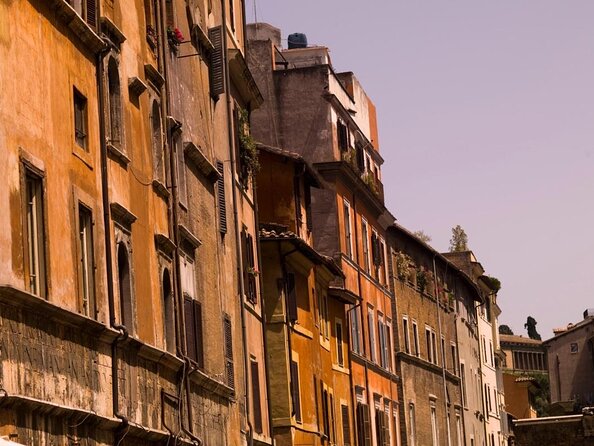
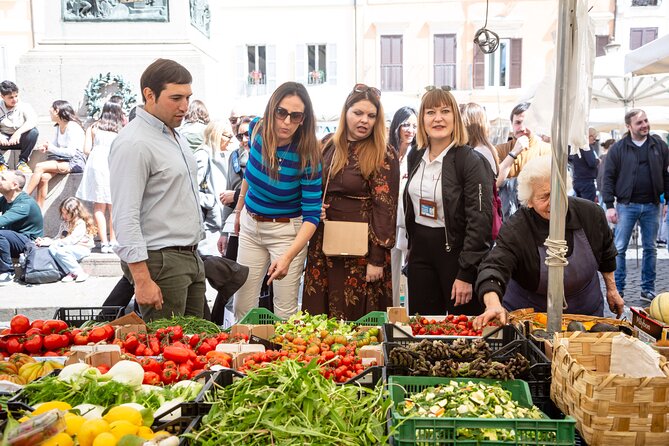
From there, you move into the Campo de’ Fiori neighborhood. This area is a strong choice because it gives you a “Roman street” vibe right away—shops, snack stops, and the feeling that food is part of everyday life. For me, this opening stretch sets the tone: you stop eating like a tourist and start eating like someone who knows what to look for.
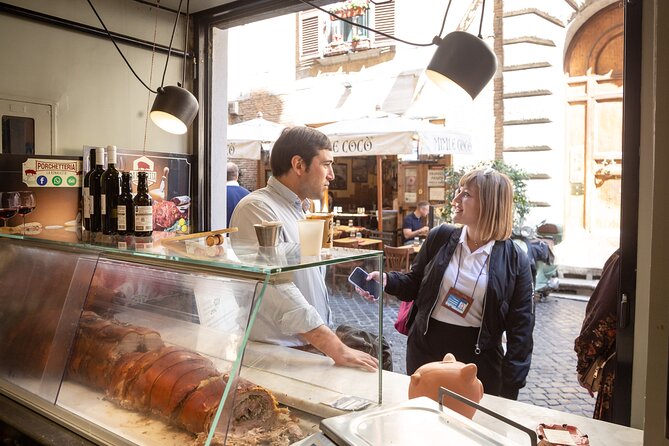
Most importantly, the guide doesn’t just hand you food. They explain what you’re eating and why it’s Roman. That’s how you end up understanding the difference between a dish you tried once and a dish you’ll actively want again later.
Campo de’ Fiori Tastings: Pizza, Panini, and the Comfort-Food Rhythm
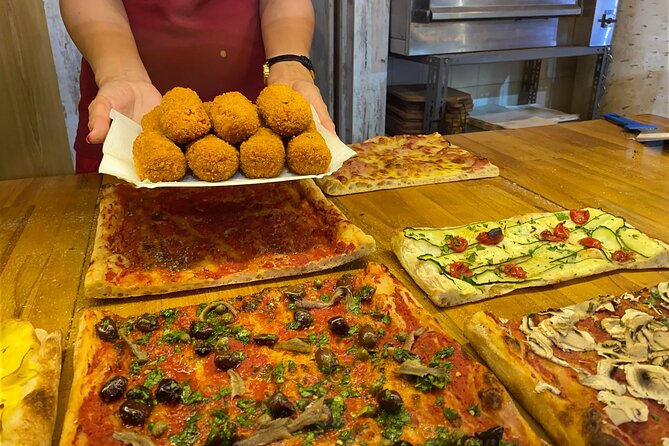
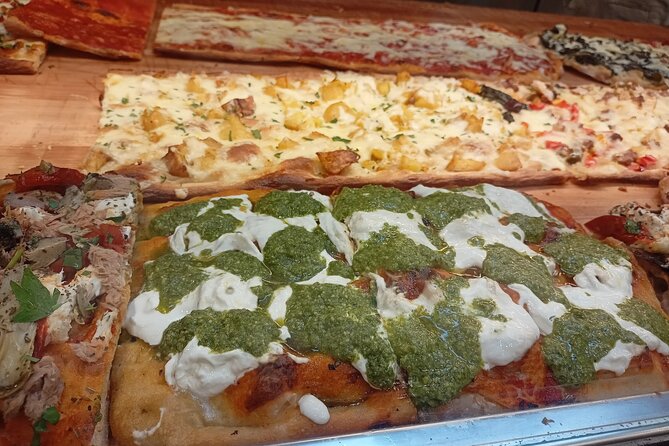
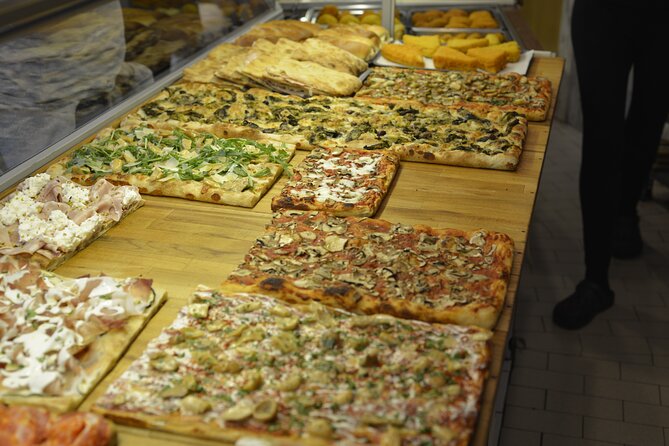
This part is about classic street comfort: you sample Roman street foods such as supplì, pizza, panini, and more. Even if you’ve heard the names before, a guided tasting usually helps you notice what makes Roman versions different—texture, seasoning, and how the snack fits into local eating habits.
Supplì is the standout for many people for a reason. It’s crispy on the outside, hot and cheesy inside, and it tastes like Rome’s habit of grabbing food that’s meant to be eaten immediately. It’s also the kind of dish where a guide can explain the cultural logic: it’s not a fancy restaurant item. It’s practical food for the street, and the street is where Rome does food best.
Pizza and panini tastings here are also smart because they anchor you. If you’re not sure you’ll like fried snacks, you get familiar flavors early. If you are a “just one more bite” person, you’ll also appreciate how the stops are spaced so you can enjoy each tasting without feeling stuffed right away.
One practical tip: come hungry. The tour length is short, but the tastings are designed to keep you eating across the walk. A recurring highlight in the feedback is that you leave full.
The Jewish District Stops: Food With Real Stories Behind It
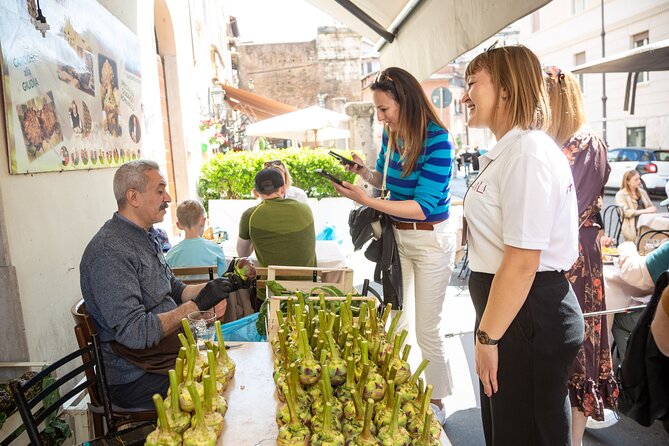
Then the tour shifts. You walk into the Jewish district, and the food becomes more than just snacks—it becomes history you can taste.
In this section, you might find classic flavors tied to the neighborhood’s traditions. One dish called out in feedback is artichoke, described as a favorite stop. That’s a great example of why a guided food tour is worth it: you don’t just get a random “try this” moment. You get a food choice that matches the local identity of the streets you’re in.
This is also where the guide’s style matters most. People consistently mention guides like Leonardo sharing neighborhood background and connecting dish choices to where you are. If you’re someone who likes a story while you eat, this part will likely be your best segment.
A balanced note: this tour is not a medical or dietary-specialist experience. If you need strict gluten control, the vegetarian option is not suitable for celiacs. So if gluten matters for you, it’s worth asking the provider directly when you book.
Piazza Sant’Eustachio Finish: A Calm Landing After You’ve Had Your Fill
You end in Piazza Sant’Eustachio. Finishing here is a good move because you’re not dumped on a random street corner far from anything helpful. You close the tour with a “real Rome” piazza feel—some open space, locals around, and a sense that you’ve arrived somewhere you can keep exploring.
This finish point is also useful because it gives you an easy next step. You can linger, grab a drink, and plan your afternoon without sprinting to catch a bus. If you like to keep your day flexible, a tour that ends in a sensible place beats one that ends miles away from where you actually want to be.
If you’ve been following your guide’s recommendations throughout (and you probably will), you’re also leaving with a better sense of what to look for next: dishes similar to what you tasted, places that feel “local” rather than purely tourist-driven.



Vegetarian-Friendly, But Not a Celiac Plan
The tour includes a vegetarian option with prior notice. That’s a big help if you’re traveling with dietary preferences that aren’t complicated. But the key limitation is clear: the vegetarian option is not suitable for celiacs.
So here’s how I’d think about it. If you’re vegetarian and want a fun food walk, you should be in good shape—just make sure you tell them ahead of time so they can plan tastings that match the group’s flow. If you need gluten-free for medical reasons, don’t assume you’ll be covered. The data you have says the vegetarian version doesn’t meet celiac needs.
Also remember that drinks aren’t included. That’s not a dealbreaker, but it affects your total budget and your comfort if you’re the type who wants sips while walking.
Price and Value: What $53.21 Buys You in Rome
At about $53.21 per person, this tour isn’t a budget street snack crawl. It’s closer to paying for a guided “food orientation session” that happens to come with multiple tastings.
Here’s where the value comes from:
- You get several food stops in different neighborhoods instead of just one place.
- You get a licensed English-speaking guide, and the reviews consistently mention personable, fun guides like Daniel, Daniele, and Leonardo.
- You get context: the guide connects food choices to neighborhood identity, not just ingredients.
If you’re doing only one food activity early in your trip, this is a strong candidate because it reduces guesswork. You learn what Roman street food tastes like and where it shows up, then you can repeat the hits later on your own.
One caution on value: a small number of feedback notes mention portions felt small. That doesn’t sound like the dominant theme, but it’s worth knowing. If you’re a big eater, you might want to add a light meal or plan a follow-up snack after the tour—especially since drinks aren’t included.
Small Group Size and the Pace: Easy Conversations, Not a Food Marathon
With a maximum of 14 travelers, this is built for a relaxed pace. In practice, that usually means you can ask questions without shouting over a crowd and you can keep up without feeling dragged.
This also affects how the tour feels when you’re nervous about trying new things. Several reviews mention that people who were cautious ended up enjoying every bite. A guide who’s friendly and responsive makes a big difference here, because you’re not stuck with food you don’t understand.
It’s also a good choice if you’re traveling solo or with a teen who wants something fun but not overly formal. One review highlights a teen daughter having a great time, which makes sense: street food is visual, hands-on, and less intimidating than a sit-down tasting menu.
Getting the Most From Your Tour (Without Overthinking It)
A few practical points will improve your experience fast.
First: eat beforehand—or at least don’t overeat. You want to show up hungry enough to enjoy multiple tastings. The guide’s job is to pace you, but you’re the one setting your appetite level.
Second: expect walking. This is a walking street food tour, so wear shoes you’d wear for a real neighborhood stroll. Rome’s cobblestones are pretty, but they don’t care about your plans.
Third: focus on the street food. A review included a frustrating lesson about spending money on recommended purchases. I’m not saying don’t shop. I am saying: treat shopping like optional dessert, not like part of the tour’s mission. Your best souvenir is usually the food you ate and the places you’ll return to.
Fourth: plan for weather. The tour requires good weather and can be rescheduled or refunded if it’s canceled due to poor weather. In Rome, that’s normal sense.
Who This Tour Fits Best
This experience fits best if you want:
- A high-impact Rome first-day activity that combines food and orientation.
- A local-food introduction that doesn’t require you to study menus ahead of time.
- A guided walk through Campo de’ Fiori and the Jewish district.
It may be less ideal if:
- You need strict gluten-free options for celiac reasons (the vegetarian option isn’t suitable).
- You hate walking for 2.5 hours, even at a relaxed pace.
- You want a drink-included package.
If you love chatting and learning why dishes matter, you’ll likely enjoy the stories. Many reviews call out guide energy and humor as a big part of the fun.
Should You Book This Rome Street Food Tour?
If you’re deciding whether to book, I’d say yes—especially if it’s one of your first stops in Rome. You’ll get a structured walk through two meaningful neighborhoods and a set of tastings you can’t easily assemble on your own. The guide quality seems consistently high, with people naming guides like Daniel, Daniele, and Leonardo as standout storytellers who pace the experience well.
The only real “pause” moments are diet and thirst. If you’re vegetarian, tell them in advance and you should be fine. If you’re a celiac, this may not work for you based on what’s stated about the vegetarian option. And because drinks aren’t included, plan a water strategy so you stay comfortable.
If you like your travel with food, context, and a small-group vibe, this is an easy yes.
FAQ
Where does the tour start and end?
It starts at Piazza di San Simeone (near the fountain) and ends at Piazza Sant’Eustachio. The meeting and end locations are both in Rome’s central area.
How long is the Rome Street Food Tour?
The tour lasts about 2 hours 30 minutes.
What food is included?
The tour includes street food tastings such as supplì, pizza, panini, and more.
Is the tour vegetarian-friendly?
There is a vegetarian option, but you must give prior notice. It is not suitable for celiacs.
Are drinks included?
No, drinks are not included.
What language is the tour offered in?
The tour is offered in English, and the guide is licensed and English-speaking.
How big is the group?
The tour has a maximum of 14 travelers.