Etna has a way of grabbing your attention fast. This excursion is built for active volcano terrain without the chaos: you’ll walk across lava flows, get up close to craters around Monti Sartorius, and finish with a lava-tube cave visit done with safety gear. The best part is how the guide tailors the route to your group and the conditions.
One possible drawback: the experience depends on weather and visibility, so if fog, cold, or rain move in, the day can be adjusted or shortened.
- Small-group pacing (max 10 people) makes it feel educational, not crowded.
- Helmets and torches are included for the cave part of the route.
- Route choice around Monti Sartorius means you’re not locked into one “standard photo stop.”
- You’ll learn why Etna is called the Lady and how its system works, not just the basics.
- Expect a safety-first approach even when you’re stepping onto rough, shifting black terrain.
- Plan for lunch on your own, since it’s not provided—though the guide will point you to good sandwich options.
In This Review
- Monti Sartorius: the Etna area that feels more local than famous
- Walking on lava flows and craters without the guesswork
- The cave of lava flow: helmets, torches, and real underground geology
- Your guide’s job: Etna science plus human context
- Timing, meeting point, and how to structure your day
- Price and value: what $78.61 buys you on Etna
- Weather reality on Etna: how to pack and how to stay flexible
- Who should book this Etna excursion from Panorama Sicilia
- Should you book this Etna tour?
- FAQ
- How long is the Etna excursion?
- What time does the tour start?
- Where do we meet, and where does the tour end?
- Is transport included in the price?
- What’s included in the tour?
- Is lunch included?
- Is the tour offered in English?
- What happens if the weather is poor?
Monti Sartorius: the Etna area that feels more local than famous
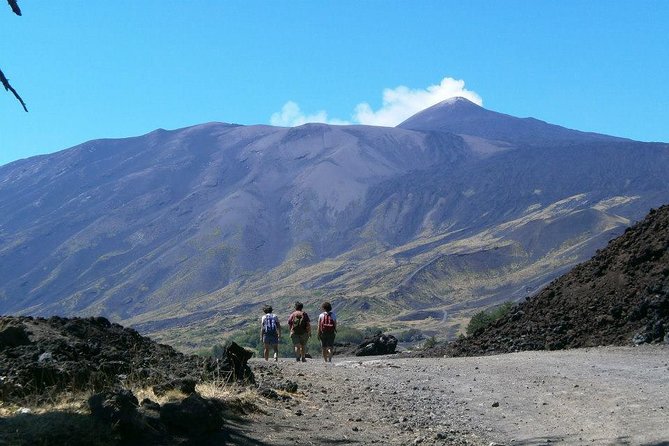
Most Etna outings aim for the big, well-known viewpoint zones. This one gives you a different angle by working around Monti Sartorius, where the terrain still feels volcanic in a very practical way: hardened lava, crater remnants, and black paths that look dramatic because they’re real. It’s a great fit if you want the volcano to feel like a living system, not a theme park.
What I like here is the balance between walking and learning. You’re outside enough to feel the scale, but the day isn’t a punishing all-day march. You also get some flexibility: the route can be chosen together when you meet, including adjustments based on what you’re comfortable with.
The other advantage is that Monti Sartorius is a good place to understand Etna beyond one peak. With a good guide, you start seeing how eruptions, lava movement, and crater activity shape everything around you—step by step.
Walking on lava flows and craters without the guesswork
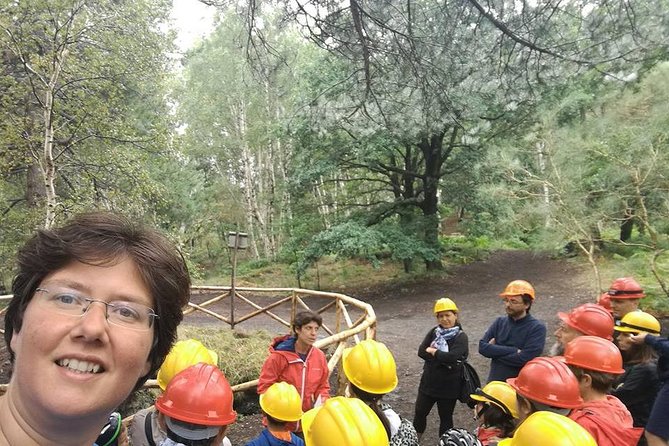
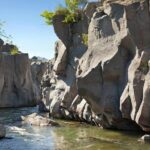
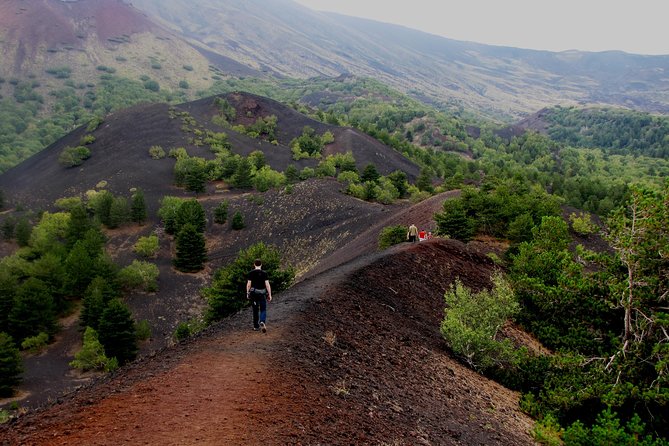
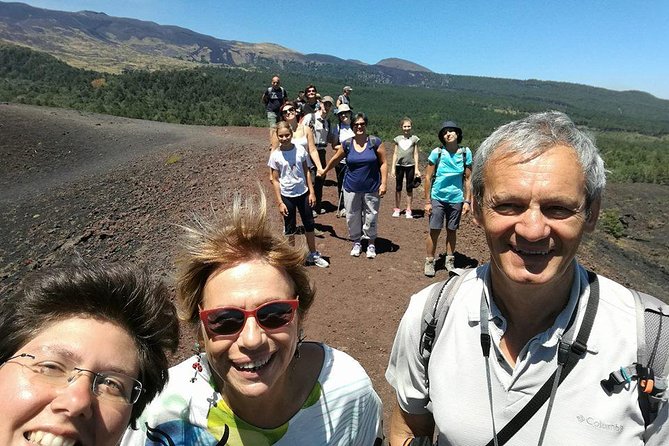
This is an excursion where you’ll cross lava flows and walk on crater ground (so yes, expect volcanic texture underfoot). The ground can be the kind of black material that looks like it belongs on a space movie set, but it moves a little underfoot—so you want proper footwear.
The guides on this tour are trained to match the experience to the group. I like that because it changes the feel from intense to confident. If the group is newer to hiking or just wants a more relaxed pace, the route can be shaped around that. On a rough day, the guide will also manage risk and timing so you still get meaningful Etna time.
One clear theme from past experiences is the focus on safety while still doing something hands-on. You’re not just watching from a road pull-off. You’re walking the “black paths,” getting close to the crater landscape, and learning what you’re looking at as you go.
You can also read our reviews of more tours and experiences in Sicily.
The cave of lava flow: helmets, torches, and real underground geology
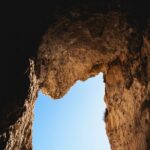
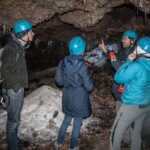
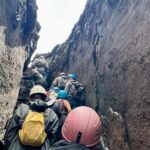
The cave stop is where this outing becomes memorable. The tour includes helmets and torches, which tells you the operator takes the cave portion seriously. You’re not wandering in the dark with a phone flashlight and hope.
This part is described as a lava-flow cave experience in absolute safety, and it’s tied to the idea of lava tubes/cave systems formed by cooling lava. In practice, that means you’ll get a very different sense of Etna than you do above ground. The volcano feels deeper—literally—because you’re seeing where the hot rock once moved and transformed underground.
In at least one version of this experience, a guide provided a rope setup to get into the cave system, including controlled descent. That kind of detail matters because it changes the cave visit from a quick look to a genuine experience you can actually feel physically.
What to consider: caves are cooler and darker than you expect, and the ground can be uneven. Even if you’re not worried about heights or darkness, bring layers and assume you’ll feel the temperature drop.
Your guide’s job: Etna science plus human context
A strong guide is what turns Etna from impressive to unforgettable. This tour is designed for that. You’ll get clear explanations tied to geology, plus the local human side of how people live with an active volcano.
One of the most interesting learnings is that locals refer to Etna as the Lady. That’s not just poetic language—it helps you understand how people build stories, habits, and survival plans around a volcano that never stops being part of daily life.
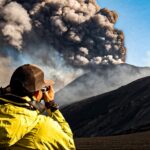
You can also expect the big-picture mechanics. Past guides explained Etna as a huge and complex volcano system, not just one peak with occasional smoke. You’ll hear about summit craters and activity on the flanks, and you may get visuals or storytelling about specific eruptions such as the 2002 event.
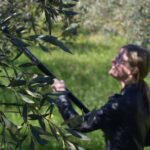
And then there’s the natural-world angle. Some guides point out how plants adapt to the harsh volcanic ground. You might hear about indigenous trees like birch and even about edible plants such as sorrel growing out of blackened earth. It’s a small detail, but it makes the day feel grounded in Sicily, not just in rocks.
Timing, meeting point, and how to structure your day
This excursion runs about 4 to 5 hours with a 9:00 am start. You’ll meet at 95019 Zafferana Etnea (Metropolitan city of Catania) and the trip ends at the cave area listed as cave of robbers SP2/I-II, 2A, 95024 Acireale CT.
That matters for planning. Because you start in Zafferana Etnea and end near Acireale, you should avoid tight connections right after the tour. Build in time for transit or for a slow meal afterward.
Lunch is not included. The tour notes that before your appointment, the guide will tell you where you can make sandwiches. I like this setup because it avoids the “included lunch that everyone has to eat at the same time” problem. Still, you should plan to eat something before or during that early time window, especially if you’re walking.
Also note: transport is not included, so you’ll want to figure out how you’ll get to the start point. The good news is that the meeting location is specific, so you can plan your ride around it.
Price and value: what $78.61 buys you on Etna
At $78.61 per person, the price feels reasonable for what you actually do. You’re paying for a guided route, time on crater/lava terrain, and a cave visit that includes helmets and torches. Also, the admission ticket for the route portion is noted as free (so you’re not hit with a separate entrance fee at the last moment).
This is not a “sit on a bus and look at Etna” outing. It’s a walking experience in a volcanic environment where safety equipment and guide decision-making matter. That’s where your money goes.
The one cost consideration is transport. Since transport isn’t included, you might end up spending extra getting to Zafferana Etnea and later moving from the end point near Acireale. If you’re already staying close to those areas, the price looks even better.
One more value point: the tour caps at 10 travelers. For an active volcano experience, small-group size can mean better pacing, quicker answers, and less time waiting around.



Weather reality on Etna: how to pack and how to stay flexible
Etna is famous enough to sell itself, but the mountain still calls the shots. The experience requires good weather, and if conditions are poor, you’ll be offered a different date or a full refund. That’s important because you’re not just doing a museum stop—you’re walking and entering a cave.
Even in bad weather, guides have been described as handling adjustments well, including time management and safety. One person shared that fog, cold, and hail prevented going higher, but they still got a full educational day at a practical level. Another guide lent waterproof gear when the weather turned.
So here’s how you can make the day smoother:
- Bring sun protection (the sun can burn fast on volcanic terrain).
- Wear sturdy footwear that handles black, shifting clinker-like material.
- Pack layers so you’re ready if temperatures drop in the cave or if the weather turns.
If you’re flexible with dates and you accept that the route may change, you’ll get more out of the day.
Who should book this Etna excursion from Panorama Sicilia
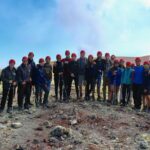
This is a good choice if you want Etna to feel personal. The small group size (max 10), the guided route choice around Monti Sartorius, and the cave visit all point to an experience that’s more “hands-on learning” than “big checklist sightseeing.”
It suits people who:
- Want a leisurely but educational morning on the slopes of Etna.
- Like geology and enjoy explanations tied to what you see in front of you.
- Are okay with walking on volcanic ground (bring the right shoes).
- Prefer a guide who can manage conditions and keep the group safe.
It might be less ideal if you:
- Want a super fixed itinerary with no weather adjustments.
- Get uncomfortable with cave darkness or uneven cave ground.
Should you book this Etna tour?
If your priority is to see Etna up close—craters, lava flows, and a cave—with safety gear and a guide who can explain both science and local life, I’d book it. The combination of small-group size, included cave equipment (helmets and torches), and real walking makes the value feel earned.
I’d think twice only if you can’t tolerate date changes due to weather or if you’re not prepared for volcanic terrain. For most people visiting eastern Sicily, this is a smart way to spend half the day: active enough to be real, structured enough to be comfortable.
FAQ
How long is the Etna excursion?
The duration is about 4 to 5 hours.
What time does the tour start?
The start time is 9:00 am.
Where do we meet, and where does the tour end?
You start at 95019 Zafferana Etnea, and the tour ends at the cave area listed as cave of robbers SP2/I-II, 2A, 95024 Acireale CT.
Is transport included in the price?
No. Transport is not included.
What’s included in the tour?
Helmets and torches for the cave are included.
Is lunch included?
No. Lunch is not included, but the guide will tell you where you can make sandwiches before your appointment.
Is the tour offered in English?
Yes, it’s offered in English.
What happens if the weather is poor?
The experience requires good weather. If it’s canceled due to poor weather, you’ll be offered a different date or a full refund.