REVIEW · SICILY
Etna Morning Tour (starting from Catania)
Book on Viator →Operated by Etnavic · Bookable on Viator
Etna is best when the day is young. I love the small-group rhythm and the chance to hike volcanic terrain plus explore a lava tube cave with provided helmets and flash lights. One consideration: the Craters Silvestri trek can include a steep, narrow section, so if your walking is limited, go in with realistic expectations even though the guide can help with walking sticks.
I also like how this tour threads classic Etna highlights into a tight half-day: seafront views in Catania, an old crater from the 1892 eruption, big viewpoints like Valle del Bove, and a farm stop with free local tastes. You get air-conditioned transport, certified naturalistic guides who work in English, and a return to Catania that leaves you time for the rest of your day.
If you want a long lunch break or downtime, plan ahead—lunch and drinks aren’t included, and most stops are built to keep things moving without rushing.
In This Review
- Key things to know before you go
- Etna Morning Tour from Catania: what you actually do in 5–6 hours
- Getting to the volcano: pickup plus the Catania seafront intro
- Craters Silvestri hike: an easy walk with serious eruption history
- The lava tube cave: why helmets and flash lights change everything
- Valle del Bove viewpoint: a volcanic boiler you can actually see
- Colata Lavica 1992: seeing the lava flow that reached Zafferana Etnea
- Oro d’Etna farm stop: free tastings that feel like Etna culture
- Guides and group size: why the pace feels better with only up to 16
- What to pack, and what this tour does not include
- Value check for $102.84: a half-day that includes the expensive bits
- Should you book the Etna Morning Tour?
- FAQ
- Where is pickup for this Etna tour?
- Are pickups available from Taormina?
- How long is the Etna Morning Tour?
- What language is the tour offered in?
- What do you do at Mount Etna during the tour?
- Is lunch included?
- Do you pay admission fees for stops?
- How big is the group?
- What should I bring for the lava tube cave?
- Is free cancellation available?
Key things to know before you go
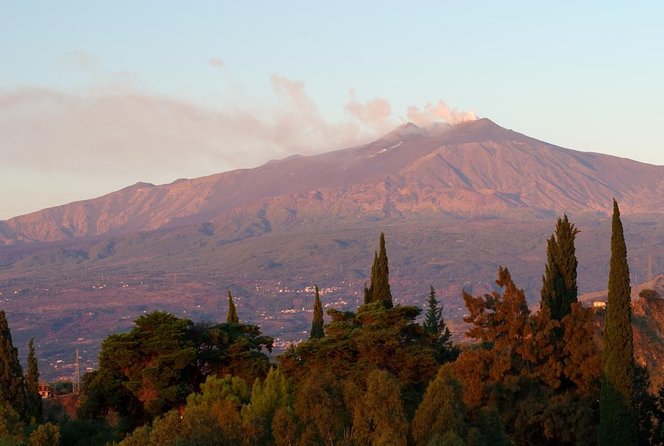
- Small max group size (16) helps the day feel personal and keeps questions from getting lost.
- Cave visit gear included: helmets and flash lights mean you don’t have to think about equipment.
- Easy-level crater hiking at Craters Silvestri gives you a walk on volcanic ground without technical climbing.
- Scenic sequence that tells a story: viewpoints link the volcano’s past eruptions to what you’re seeing now.
- Free Etna-area tastings at a local farm at the end of the tour.
- Pickup from Catania is flexible, with arrangements from your lodging or an agreed meeting point.
Etna Morning Tour from Catania: what you actually do in 5–6 hours
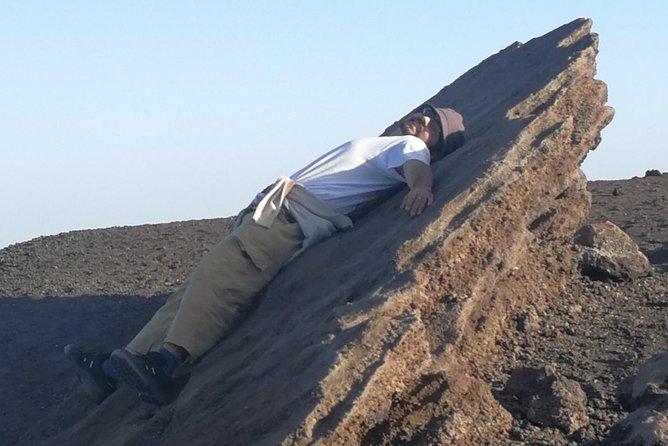
This is a classic Etna hits-the-main-sites morning: you’re picked up, driven up through the Etna region, and guided through several stops that build a clear picture of how the volcano works. The total time is about 5 to 6 hours, so you get a real volcanic day without sacrificing your afternoon.
The tour is paced for most people to participate, and it stays in the “walk and look” category rather than demanding technical climbing. That said, there is still walking on uneven volcanic ground, and the Craters Silvestri section can feel steep for some legs—worth considering if you’re the type who avoids narrow paths.
Money-wise, the price is $102.84 per person. What makes it feel fair is what’s included: guided interpretation, air-conditioned vehicle transport, and the cave safety gear. Plus, the itinerary’s listed admissions are free, so you’re not hit with extra entry fees mid-day.
You can also read our reviews of more tours and experiences in Sicily.
Getting to the volcano: pickup plus the Catania seafront intro
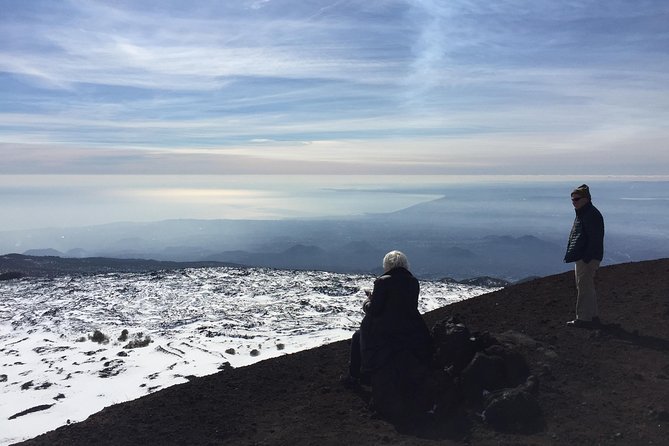
Your day starts with a practical setup. You’ll be collected in the tour’s own vehicles either from your lodgings or from a Catania meeting point you agree on ahead of time. That matters because Etna days can turn into a logistical puzzle if you have to find your own way out of the city.
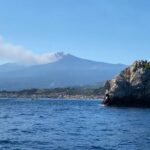
Then you roll past the seafront of Catania, with a quick chance to see the stacks of Acitrezza—volcanic “pillows of lava” are the idea here. Even if you don’t know the names of every rock formation, that early view gives you a sense that Sicily’s coast is already part of the volcano’s long timeline.
There’s also a simple comfort factor: you’re in an air-conditioned vehicle with a driver. Etna can involve temperature swings and sun glare, and having AC for the transfers keeps the day from feeling like one long endurance test.
Craters Silvestri hike: an easy walk with serious eruption history
The first big stop is Craters Silvestri of Mount Etna. You do an easy-level trek around one of the older, now-extinguished craters that formed during the 1892 eruption. The altitude mentioned is about 2,000 m / 6,563 ft, so you’re not just strolling at sea level—you’ll feel the mountain environment.
What I like about this stop is the balance. You get physical time on volcanic ground, but the route is framed as suitable for anyone, and the guides bring help if the path gets tight. One practical note from real-world experience: a steep, narrow section can show up, and walking sticks can make the difference.
Timing is another plus. The crater segment is described around sunset, even though this is a morning tour. In practice, that usually means you’re planned so you hit the light and viewpoints at their best, rather than arriving too early and missing the atmospheric payoff.
If you’re the kind of traveler who likes learning while walking—rather than standing still for pictures—this crater section is a good start.
The lava tube cave: why helmets and flash lights change everything
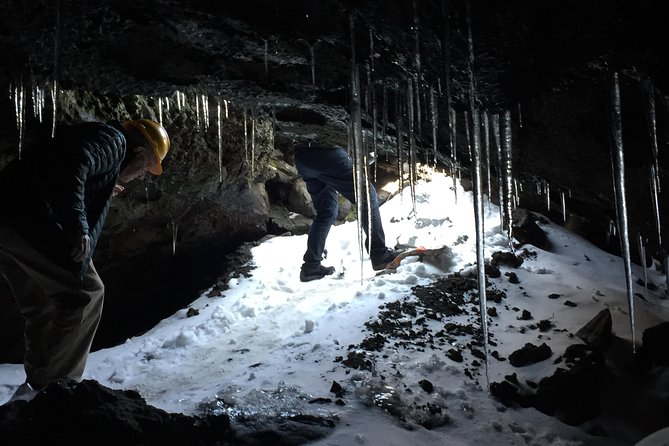
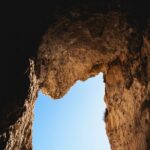
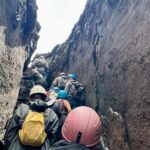
Next comes a real Etna moment: exploration of a lava tube (cave) formed by older eruptions. This is where the day turns from “watch volcano from afar” into “walk inside the volcano’s architecture.”
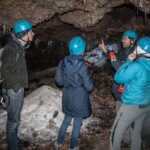
The tour provides helmets and flash lights, which is more than a nice-to-have. It lets you move safely and confidently in darker sections without scrambling for your own gear. It also helps the guide lead more effectively, since everyone can see where they’re stepping.
A cave stop also tends to be a smart pacing tool. After the crater hike (sun, wind, altitude), you get a change of setting. You’ll likely want a bit of patience too—caves are slow by nature, and the point is to observe the surfaces, not race through.
What to expect: guided movement through the cave areas, with the focus on how lava tunnels form during eruptions and what you can spot while inside. If you’re claustrophobic, you should still be able to manage since it’s guided and equipped for visitors—but you’ll want to take your comfort seriously because you will be underground.
Valle del Bove viewpoint: a volcanic boiler you can actually see
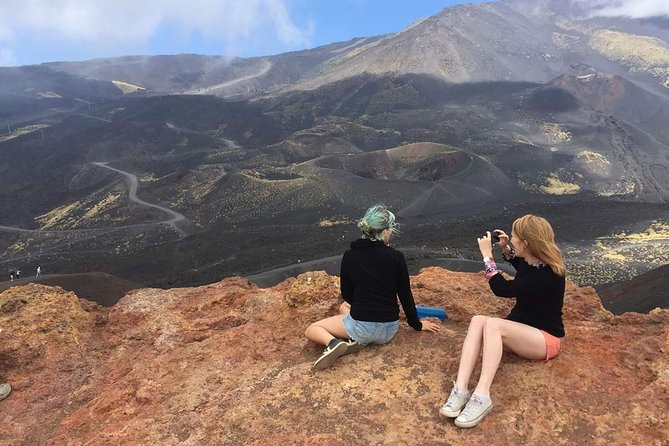
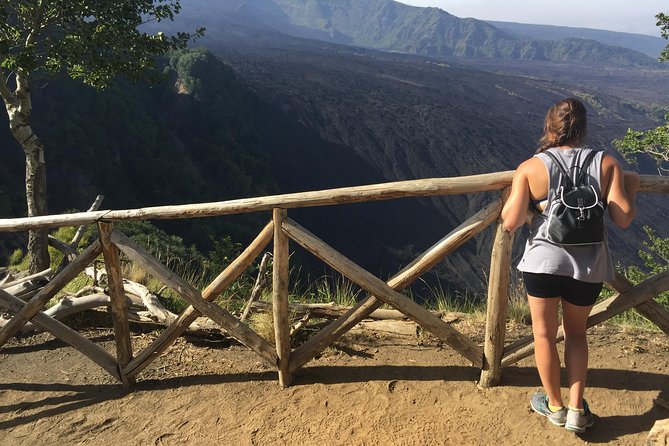
After the cave, the tour pauses at Valle del Bove for about 30 minutes. This is one of those “stand here and look” moments, overlooking the volcanic feature described as a volcanic boiler.
What makes Valle del Bove valuable is how it connects scale. You’re not just seeing a crater; you’re seeing a bigger volcanic structure from a perspective that helps the day click. If Etna has always sounded like a dramatic headline to you, this viewpoint often turns it into something you can picture.
The stop is short, but that’s the design. You get time to take photos, catch your breath, and listen while the guide explains what you’re seeing. Then you move on instead of spending your morning stuck in one place.


Colata Lavica 1992: seeing the lava flow that reached Zafferana Etnea
Then you head to Colata Lavica 1992, another 30-minute stop. Here the focus is the most extreme front of the 1991–1993 lava flow, which reached Zafferance Etnea.
This stop matters because it grounds the history in a nearer timeframe. Old eruptions can feel abstract; a flow that reached a town makes the volcano’s impact feel real and geographic. You’re not only admiring rock—you’re tracing consequences.
Expect a viewpoint-style visit rather than a long hike at this stage. That keeps the tour within its time window and leaves energy for the final farm tasting.
Oro d’Etna farm stop: free tastings that feel like Etna culture
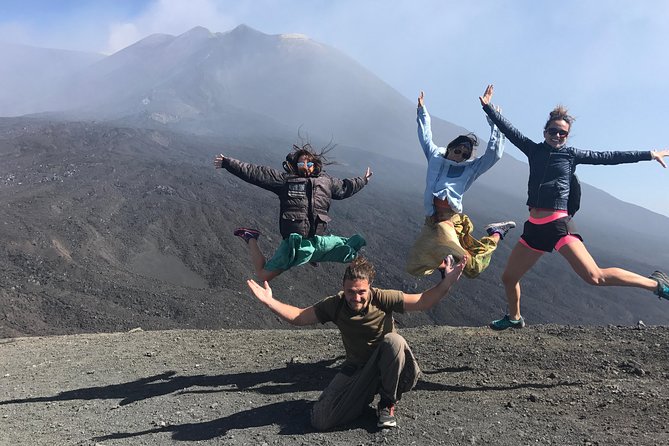
The day ends with a stop at Oro d’Etna, a local farm where you get a free tasting of typical products from the Etna area. The list is great: honey, olive oils, pesto, wines, and liqueurs.
This is the part I genuinely look forward to on Etna tours because it’s not only scenic—it’s local life. The tastings give you a practical souvenir you can understand and share. And since they’re built into the route, you don’t have to hunt for a shop afterward.
The timing is about 30 minutes, so it’s not a leisurely meal. But it’s usually enough to sample, compare flavors, and get a feel for what people on Etna put on their tables.
Also, if your day is planned with trains or more sightseeing later, this farm stop is a useful way to get something tasty without needing lunch reservations.
Guides and group size: why the pace feels better with only up to 16
A big selling point here is the small size: a maximum of 16 travelers. That means you’re less likely to feel like a number shuttled through stops. It also helps the guide keep the conversation going—questions about geology, eruption history, and how lava behaves tend to land better in a smaller group.
You’ll also have certified naturalistic guides who work in English (and also Italian, French, and Spanish). In the best moments, the guide mixes practical explanation with lively storytelling, which makes the rocks and landforms easier to remember after the tour.
There are names that pop up in guides who lead these kinds of days—Monica, Paolo, Sebastian, Diego, Giuseppe, and Luigi. The common thread: people praise guides who can explain clearly, answer lots of questions, and keep things moving without making anyone feel rushed.
If you’re traveling as a couple or small group and don’t want to share the volcano with a huge crowd, this size is a sweet spot.
What to pack, and what this tour does not include
This tour includes vehicle transfers, guided stops, and safety gear for the lava tube. It also has mobile ticketing and a smooth start from your agreed pickup point.
What it does not include is just as important: lunch and drinks aren’t provided. So if you’re sensitive to hunger, you’ll want to plan an early snack before pickup, or be ready to eat right after you return.
A few practical reminders based on what’s built into the day:
- Wear shoes with grip for volcanic paths.
- If you’re worried about steep or narrow segments, bring a realistic plan for the Craters Silvestri trek (walking sticks can help through uneven ground).
- In a cave, conditions can feel different than the outside air, so bring whatever you normally use for temperature changes.
Service animals are allowed, and the tour is listed as near public transportation, which can matter if your lodging is hard to reach by private vehicle.
Value check for $102.84: a half-day that includes the expensive bits
At $102.84 per person, you might wonder if this is too much for a day that doesn’t include lunch. Here’s how I’d judge it.
You’re paying for:
- Air-conditioned transport with a driver
- Certified naturalistic guidance
- Cave helmets and flash lights
- A set of stops that includes admissions noted as free in the itinerary segments
- A free tasting stop at a local farm
The big “value” item is often the cave gear and guided interpretation. Those are the things you can’t fake on your own without effort and risk. You also avoid the time waste of figuring out a route between multiple volcanic points.
If you compare this to larger-group tours, the price feels more reasonable because you’re paying for time with the guide and a manageable pace. If you want a long, sit-down meal built into the day, then you might feel the missing lunch—but for an Etna day packed into 5–6 hours, it’s a solid fit.
Should you book the Etna Morning Tour?
Book it if you want an Etna day that’s built around key sights—craters, a lava tube cave, Valle del Bove, and a lava flow viewpoint—without the chaos of a massive group. I especially think it works well if you like learning while moving and you want the day wrapped with an Etna-area taste stop at Oro d’Etna.
Skip or reconsider if walking is a major issue. The Craters Silvestri hike can involve steep, narrow path sections. Even with help like walking sticks, the terrain is still terrain. Also, if you hate the idea of buying lunch/drinks separately, plan your food timing before pickup or after you return.
If you’re flexible about weather-driven adjustments (and that’s common on volcano days), this format tends to feel smooth—pickup is arranged, stops are scheduled, and you’re back in Catania in time for more plans.
FAQ
Where is pickup for this Etna tour?
You can be picked up from your lodgings in Catania or from an agreed meeting point in Catania.
Are pickups available from Taormina?
Pickups from Taormina are available only for groups of at least 4 people, and there is an extra charge.
How long is the Etna Morning Tour?
The duration is about 5 to 6 hours.
What language is the tour offered in?
It is offered in English, and guides are certified and also work in Italian, French, and Spanish.
What do you do at Mount Etna during the tour?
You trek around Craters Silvestri, explore a lava tube cave with helmets and flash lights, visit Valle del Bove, see the Colata Lavica 1992 lava flow area, and stop at a local farm for tastings.
Is lunch included?
No. Lunch and drinks are not included.
Do you pay admission fees for stops?
The itinerary lists admission tickets as free for the crater trek, the lava tube cave, Valle del Bove, Colata Lavica 1992, and the included tasting stop.
How big is the group?
The tour has a maximum of 16 travelers.
What should I bring for the lava tube cave?
Helmets and flash lights are provided by the tour, so you can focus on wearing appropriate footwear for walking.
Is free cancellation available?
Yes. You can cancel for a full refund if you cancel at least 24 hours before the experience’s start time.