REVIEW · FLORENCE
Florence: David’s Accademia Gallery Guided Tour
Book on GetYourGuide →Operated by Nicom Tours · Bookable on GetYourGuide
Michelangelo’s David hits different in person. This one-hour guided tour gets you into the Accademia Gallery fast, then lets you see why Gothic and Renaissance art still works its magic centuries later.
I really like having an expert guide focused on what you’re actually looking at, not just listing names. The best part is getting Michelangelo’s David explained in plain language, plus hearing how Renaissance artists approached realism and form.
One consideration: the timing can get a little testy if your group has to wait at the start for late arrivals, so if you’re the type who likes a perfectly smooth schedule, plan to arrive early.
In This Review
- Key things I’d plan for
- Accademia in 1 hour: a focused hit of Gothic to Renaissance
- Skip-the-line priority entry: where the real value hides
- Security and what you can bring (so you don’t get stuck)
- Michelangelo’s David: what you’re really meant to notice
- Beyond David: the Prisoners/Slaves story that changes the whole room
- Gothic and Renaissance paintings: Botticelli and Ghirlandaio in context
- The guides: what makes the best ones worth following
- Timing and meeting point: keep it simple, arrive early
- Price ($53) and value: what you’re paying for
- Who should book this Accademia Gallery tour
- Should you book? My straight answer
- FAQ
- How long is the Florence Accademia Gallery guided tour?
- What’s included in the $53 price?
- Where does the tour meet?
- What do I need to bring for entry?
- Is there a cloakroom at the Accademia Gallery?
- What items are restricted at security?
- Is the tour wheelchair accessible?
Key things I’d plan for
- Priority entry that helps you beat the first wave of crowds so you can get to David sooner
- Audio equipment that makes the guide’s commentary easier to follow inside the galleries
- A guide who connects sculpture to the broader Renaissance story (not just one famous statue)
- Time spent on more than David, including works linked to Michelangelo like the Prisoners/Slaves
- Renaissance paintings by artists such as Botticelli and Ghirlandaio alongside the sculpture
Accademia in 1 hour: a focused hit of Gothic to Renaissance
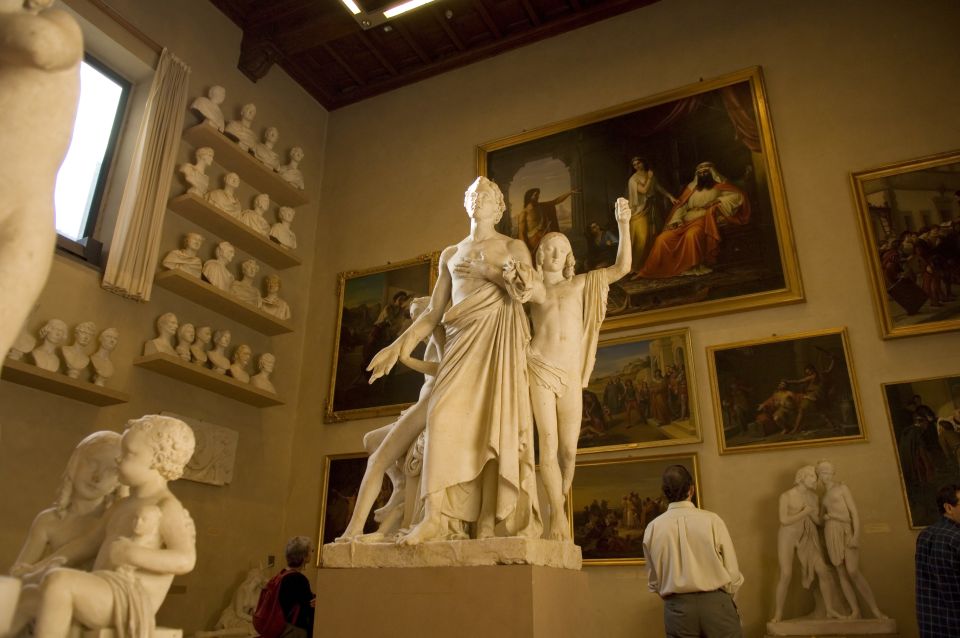
A short tour can be a blessing at the Accademia. This museum is famous for one thing first and foremost, but it’s also packed with visual arguments about how Europe changed its mind about human beings, bodies, and meaning. In about an hour, you’re pushed past the usual museum “wander and hope” approach and given a route with purpose.
You’ll walk in expecting a statue. You’ll leave thinking about craft: how an artist makes stone feel alive, how painters built believable space and emotion, and how different art styles overlap inside the same rooms. That mix is what makes this tour feel like more than a quick ticket.
If you’re coming for David, you’re in the right place. And if you’re curious about why this Renaissance masterpiece became a symbol of Florence, you’ll get the kind of context that makes the viewing experience click.
You can also read our reviews of more tours and experiences in Florence.
- Tuscany Day Trip from Florence: Siena, San Gimignano, Pisa and Lunch at a Winery
★ 5.0 · 21,634 reviews

Skip-the-line priority entry: where the real value hides
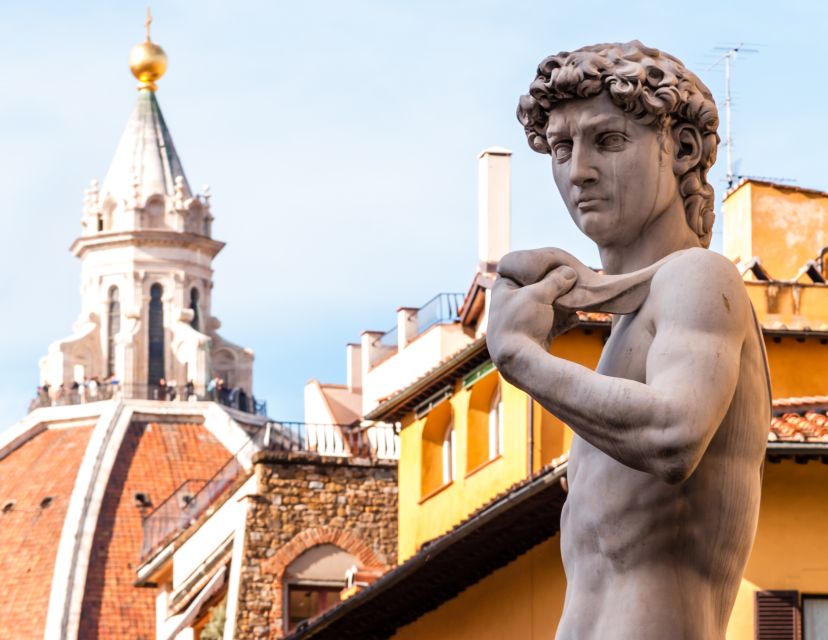
At the Accademia, lines can eat your time fast. This tour includes skip-the-line priority tickets and a separate entrance, so you don’t spend your precious Florence hour standing still while everyone else shuffles forward.
That matters because this museum’s “best moments” are concentrated. When you lose time at the front, you’re left rushing through the rooms after you finally get in. With priority entry, you have a better shot at seeing key works without feeling like you’re sprinting.
One practical tip: arrive with a little buffer. Even with priority access, you’ll still go through security checks once you’re at the museum entrance.
Security and what you can bring (so you don’t get stuck)
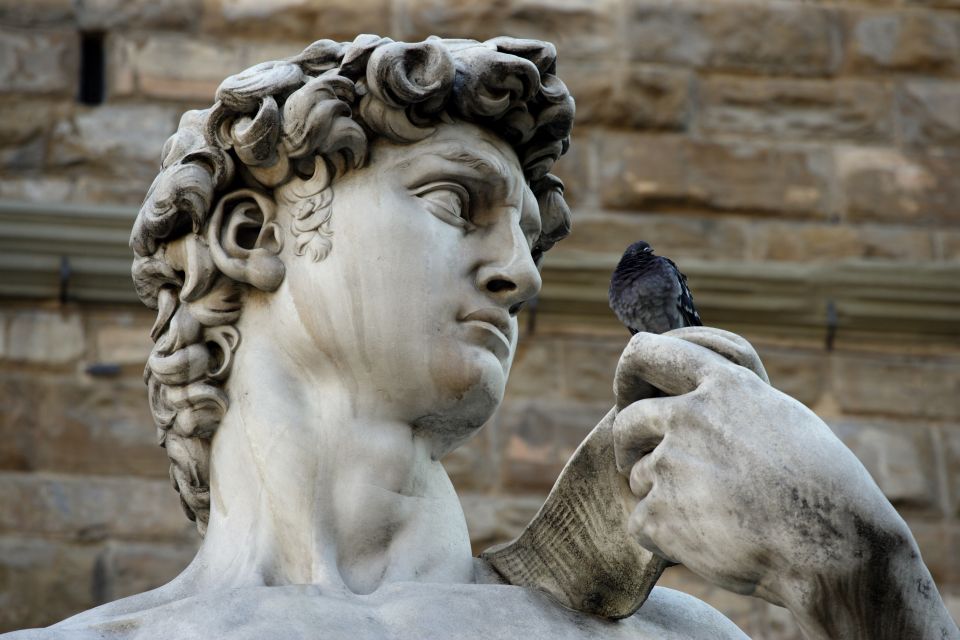
Before you reach the artworks, you’ll pass through security inspection. The museum collects items like scissors, blades, and other metal objects that could be dangerous to people or the art. If you’re carrying anything like that, it can slow you down or lead to storage being handled on-site.
Also plan around baggage rules. The museum doesn’t have a cloakroom, so large bags and backpacks may not be allowed. Helmets also won’t be admitted.
On the easy side: bottles of water are allowed as long as they don’t exceed 0.5 liters. Bring only what you’ll need for an hour.
And yes, bring your ID. You’ll need a passport or ID card for entry.
Michelangelo’s David: what you’re really meant to notice
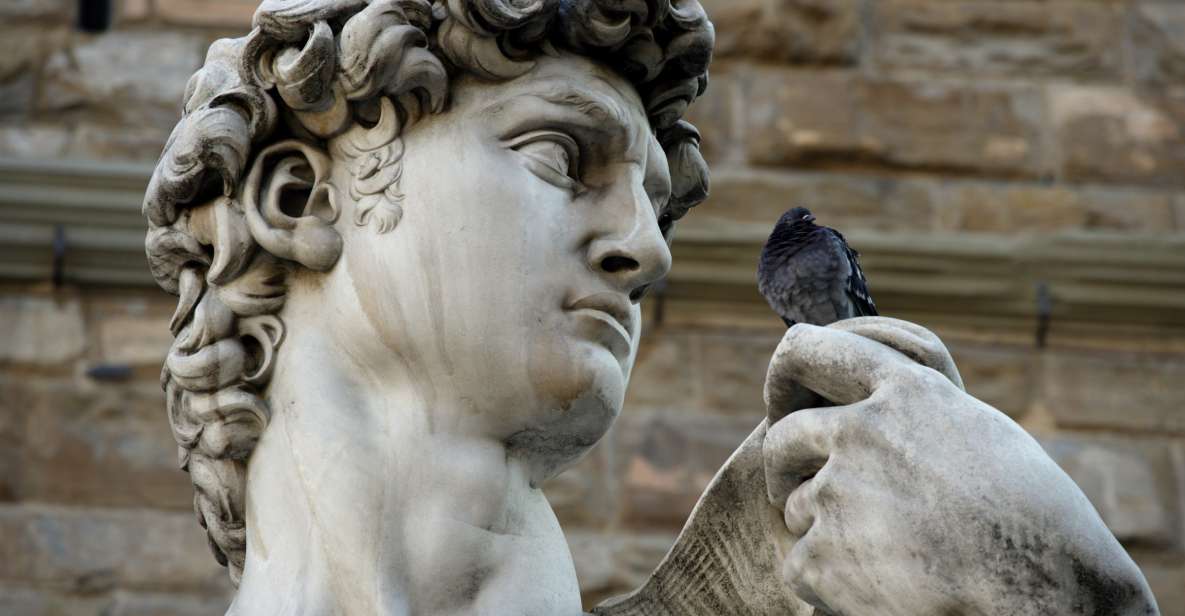
Of course, the star is Michelangelo’s David. The sculpture is famous for its proportions, posture, and the sense that the moment is held right before action. But the tour focus helps you see beyond the headline.
With an expert guide, you learn how the statue became so life-like for its time. That usually comes down to details: how Michelangelo shaped anatomy, how he handled tension in the body, and how the expression reads as both controlled and alive.
Another reason David hits harder with a guide: you don’t just stand there admiring. You get the story behind why this figure mattered so much in Renaissance Florence. Without that context, it can feel like a museum object. With context, it turns into a symbol with a political and cultural weight.
I’d treat David as your anchor point. Once you’ve seen it and understood a few key craft ideas, the rest of the gallery becomes easier to read. Sculpture starts to feel like a conversation with painting, and both start to look like deliberate choices rather than random masterpieces.
Beyond David: the Prisoners/Slaves story that changes the whole room
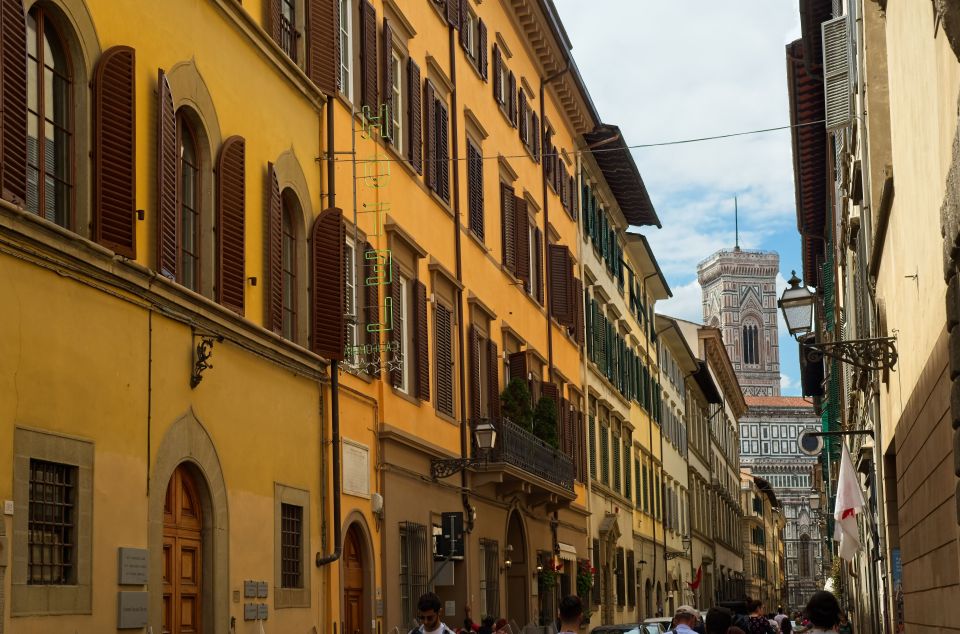
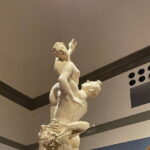
One of the most useful parts of this tour is how it points you toward lesser-known works tied to Michelangelo, specifically Prisoners/Slaves. These works matter because they show a different side of the same creative mind. Instead of a finished public icon, you’re seeing the wrestling match between form and idea.
When your guide connects these pieces, it helps you understand that Michelangelo’s process wasn’t only about producing a single famous outcome. He was thinking about movement trapped in stone, human form as potential, and the way the body can communicate struggle even when it’s static.
That’s a key shift. If you only know David, the rest of the collection can feel like a bonus. If you know what to look for, those other sculptures start to feel like essential chapters.
- The Best tour in Florence: Renaissance & Medici Tales – guided by a STORYTELLER
★ 5.0 · 12,316 reviews




Gothic and Renaissance paintings: Botticelli and Ghirlandaio in context

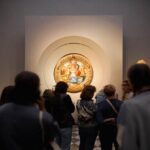
The Accademia isn’t only sculpture. You’ll also see Renaissance painting highlights, including works by Botticelli and Ghirlandaio (among others).
Here’s what I like about including paintings on a tour like this: it helps you understand how the Renaissance didn’t just change art technique. It changed how artists thought about humans. Paintings were doing the same work as sculpture—making bodies, expressions, and scenes feel believable and meaningful.
Your guide’s narration is especially helpful here because museum labels can be a little too brief to connect the dots. With a guide, you’re more likely to notice things like style differences between Gothic and Renaissance approaches, and how those differences show up in faces, gestures, and visual storytelling.
In practical terms: don’t treat this as “just the other rooms.” The painting stops are how you build a mental map of what the Renaissance was trying to do.
The guides: what makes the best ones worth following
A big part of the Accademia experience is the guide’s tone and clarity. The tour includes live commentary and uses audio equipment, which helps you follow even when other people are crowding around you.
Names that come up again and again as standout guides include Rosa, Martina, Glenda, Giacomo, Mario, Christian, and Steffania. What they seem to share in common is passion plus a strong ability to turn complicated ideas into simple viewing cues.
When you find a guide like that, the galleries stop feeling like a list of famous art. Instead, you start to notice patterns: why a pose matters, why a painting’s mood lands, and how technique supports meaning.
If you’re deciding between taking a guided tour versus going on your own, this is the strongest argument: you don’t have to be an art expert to get value. A good guide meets you at the start and gives you just enough tools to see more.
Timing and meeting point: keep it simple, arrive early
Meeting point can vary based on the option you book, and the meeting time can change. If that happens, you’ll receive a call or message in advance. That flexibility is common in tours in central Florence, where schedules and entry flows can shift.
What you can control: arrive a bit early and be ready to locate your group. One practical annoyance that shows up is sign-posting, so if you hate wasting time finding the guide, give yourself a few extra minutes.
Once inside, the group moves with purpose. The whole point of this tour is to get you through the museum’s most important experiences efficiently.
Price ($53) and value: what you’re paying for
At $53 per person for about an hour, you’re paying for more than entry. You’re paying for:
- A live guide who explains what you’re seeing
- Priority tickets via a separate entrance
- Audio equipment so you can hear clearly
When you compare that to buying tickets and trying to figure out what matters fastest, the value is strong if you care about understanding. This isn’t just “look at famous stuff.” It’s “look at famous stuff and learn how to read it.”
If you already have a deep interest in art and prefer self-guided pacing, you might not need a guide. But if you want the best use of limited time in Florence, this is one of the better ways to spend it.
Who should book this Accademia Gallery tour
This tour is a great fit if you:
- Want to see David without wasting time in lines
- Like having a guide translate Renaissance art into human stories
- Have limited time in Florence and want a high-impact, structured visit
- Prefer hearing about technique and meaning rather than just collecting facts
It may not be ideal if you’re looking for a long, slow gallery stroll. This is a focused hour. You’ll get key moments and guiding context, not an unhurried “take your time at every corner” museum day.
Should you book? My straight answer
If you’re serious about Michelangelo and you want more than a quick photo stop, I’d book this. The priority entry helps, and the guided storytelling makes David and the surrounding works easier to understand and remember.
If you’re mostly chasing the headline and you like to move at your own pace, you could go independently. But if you want the museum to feel like a coherent experience in one hour, this format is a solid choice.
FAQ
How long is the Florence Accademia Gallery guided tour?
The tour duration is 1 hour.
What’s included in the $53 price?
You get a live tour guide, skip-the-line priority tickets, and audio equipment to hear the guide.
Where does the tour meet?
The meeting point may vary depending on the option booked.
What do I need to bring for entry?
You should bring a passport or ID card.
Is there a cloakroom at the Accademia Gallery?
No. The museum does not have a cloakroom, so large bags and backpacks (and helmets) are not allowed.
What items are restricted at security?
Items like scissors, blades, and other metal objects that could pose danger to people or the artworks may be collected by security at the entrance.
Is the tour wheelchair accessible?
The information provided includes both statements: it says wheelchair accessible, and it also lists not suitable for wheelchair users. I recommend confirming accessibility details with the activity provider when you book.
You Might Also Enjoy




More Tour Reviews in Florence
- Tuscany Day Trip from Florence: Siena, San Gimignano, Pisa and Lunch at a Winery
★ 5.0 · 21,634 reviews - The Best tour in Florence: Renaissance & Medici Tales – guided by a STORYTELLER
★ 5.0 · 12,316 reviews