REVIEW · FLORENCE
Florence: Pasta Class with Wine, Limoncello and Dessert
Book on GetYourGuide →Operated by Experience in Florence · Bookable on GetYourGuide
A pasta apron is a great passport in Florence. This class puts you in a historic palace near Ponte Vecchio to learn handmade pasta from real pros, then sit down to eat what you make with wine and sweets. You’ll learn the motions that turn eggs and flour into silky dough and shapes that actually hold up when cooked.
I especially like that the teaching is practical, not just performance. You make your own three pasta types—ravioli, tortelli and fettuccine—while the team handles timing so everything lands warm at the table. In classes run by instructors like Camilla, Alessandra and Giacomo, the vibe tends to stay fun and inclusive, even if you’ve never rolled dough before.
One consideration: this is hands-on cooking, so it’s not a fit for everyone. It’s also not set up for some dietary needs (including vegan, gluten intolerance, lactose intolerance and nut allergies), so you’ll want to check carefully before you book.
In This Review
- Key things to know before you go
- The setting: a Florence palace kitchen near Ponte Vecchio
- The warm-up moment: apron on, then a cinematic-style intro
- Making the dough: eggs and flour, and the feel that matters
- Shaping ravioli and tortelli: why the filling matters
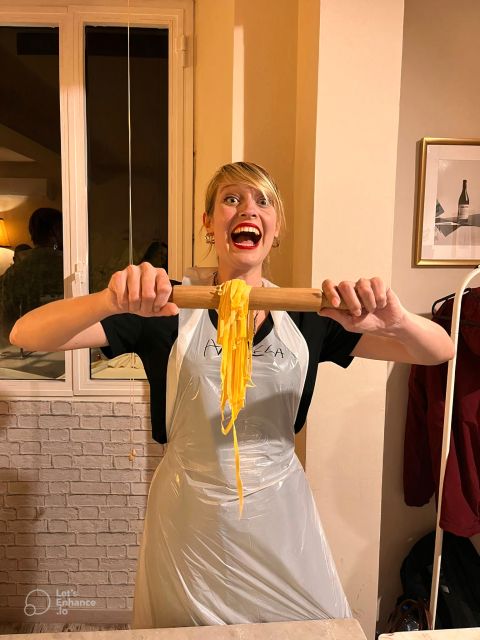
- Fettuccine: rolling, cutting, and getting that silky texture
- Cooking the pasta together: sharing a pot like home
- Wine, limoncello, and dessert: the classic finish
- The table experience: where the class becomes a memory
- Who this class is best for
- Dietary reality check: what you should confirm
- Value: why this often feels worth it in Florence
- Practical tips so you leave happy (not flour-faced)
- Should you book this Florence pasta class?
- FAQ
- How long is the pasta class experience?
- Is the instructor available in English?
- What will I make during the class?
- Do I eat the pasta I make?
- Is wine and limoncello included?
- Where is the meeting point?
- Can I reserve now and pay later, and is free cancellation available?
Key things to know before you go
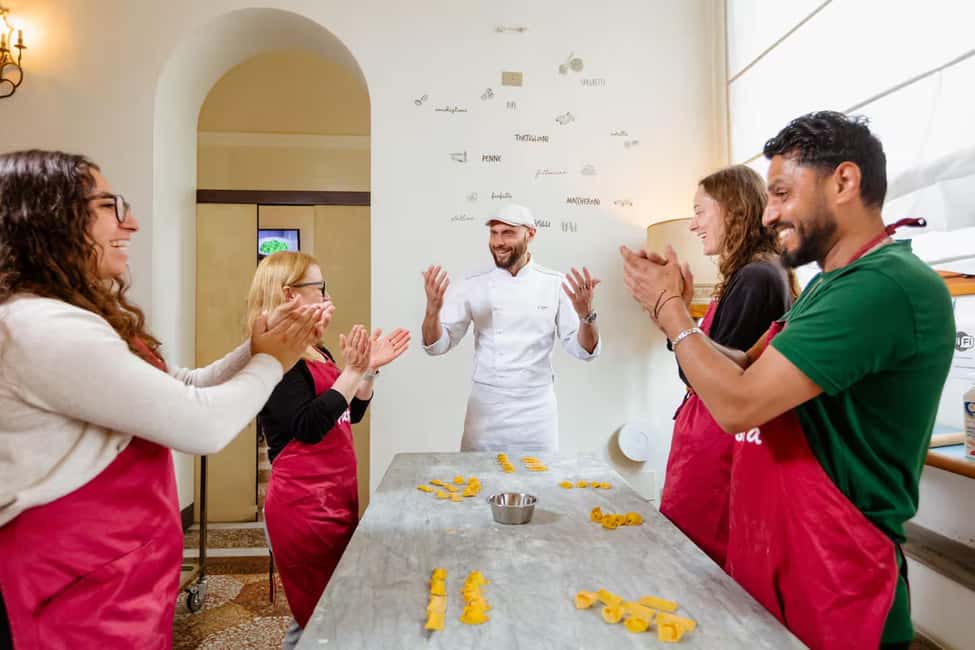
- Three pasta shapes from scratch: ravioli, tortelli and fettuccine, all formed by you
- Fresh sauces, cooked right before serving: butter and sage for ravioli and tortelli on the spot, while tomato simmers ahead
- Wine + limoncello + dessert included: organic Tuscan wine (Dalle Nostre Mani), then a limoncello shot and dessert
- Historic setting near Ponte Vecchio: Lungarno Guicciardini address, in a palace-style location
- Small-group feel: many reviews describe a relaxed size (often around 10) where instructors can get around
The setting: a Florence palace kitchen near Ponte Vecchio
The location is one of the reasons this class feels like more than a checklist activity. You meet at Lungarno Guicciardini 17r, a short walk from Ponte Vecchio, inside a historic Florence palace-style space. Even if you’ve already seen the river views, the kitchen area changes the mood: less sightseeing mode, more work-your-hands mode.
This matters because the class is built for flow. You’re not trekking across the city, and you can focus on technique instead of logistics. Plus, the setting helps explain why Italian food culture is so social—this is the kind of place where people end up talking at the table, not rushing out for the next stop.
You can also read our reviews of more tours and experiences in Florence.
- Tuscany Day Trip from Florence: Siena, San Gimignano, Pisa and Lunch at a Winery
★ 5.0 · 21,634 reviews



The warm-up moment: apron on, then a cinematic-style intro
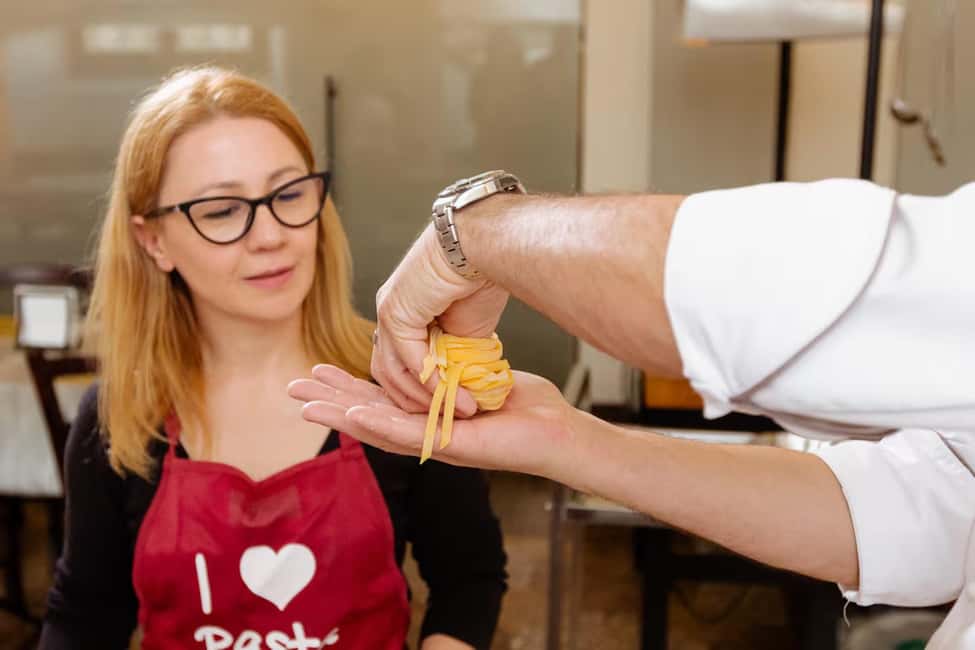
Before you touch flour, you’ll get a short orientation. The experience starts with an intro that’s been described as movie-like, giving you context for what you’re about to do and why the steps matter. You’ll also be guided to gear up—typically into an apron—and then the rolling-pin part begins.
From the reviews, I like that the teaching doesn’t assume you already know the rhythm. Instructors like Alessandra have shared that some tips come from family tradition (she talked about methods passed down from her nonna). That blend—practical technique plus lived-in “how we do it” energy—makes it easier to understand what you’re doing, not just copy it.
Making the dough: eggs and flour, and the feel that matters
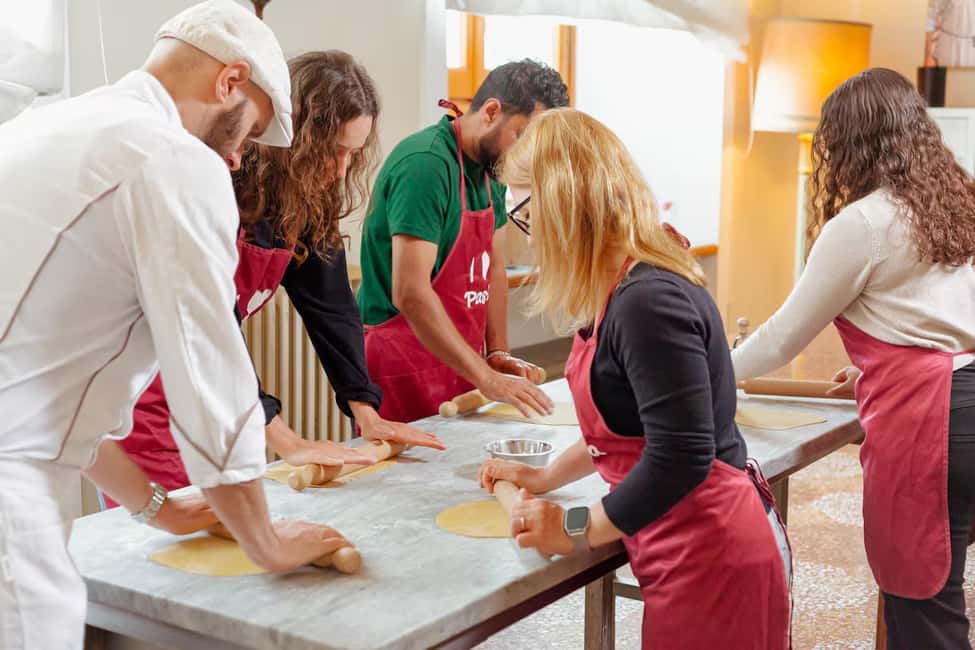
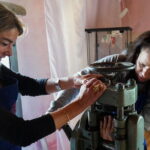
Hands-on pasta starts with a simple idea: eggs and flour. What you’re really learning here is how dough should feel as you knead—how it comes together, how it smooths out, and how you adjust without panicking. The class doesn’t treat this like a high-school science lab. It treats it like craft.
Wear comfortable clothes you don’t mind getting a little dusty or floury. The kitchen tools are provided, and the team guides you step by step so you’re not stuck staring at a lump of dough. If you’re traveling with kids or you’re nervous about cooking, this part is usually where you get your first win—because even beginners can feel the transformation quickly.
Shaping ravioli and tortelli: why the filling matters
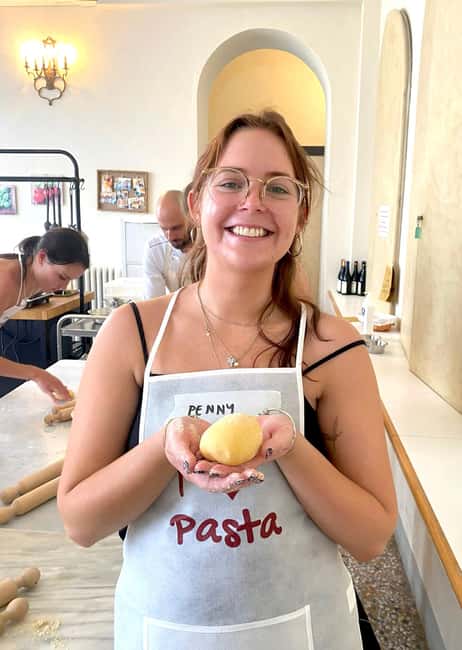
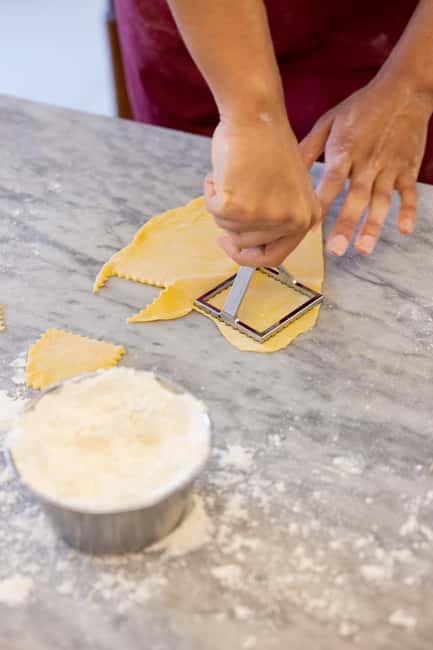
Then comes the shaping work—ravioli and tortelli—where pasta turns from dough into dinner. You’ll learn how to portion filling, how to seal properly, and how to shape so the pasta holds its form during cooking. You’re not just eating Italian comfort food; you’re learning the structure behind it.
This is also where the instructor’s pacing helps. One recurring theme in reviews is that teachers circulate and correct things early, so you don’t waste your batch. People mention that even non-cooks had an enjoyable time, including families and mixed-skill groups—often with instructors like Lucrezia, Ezgi, or Nicola keeping everyone involved.
Fettuccine: rolling, cutting, and getting that silky texture
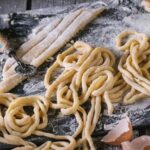
After filled pasta, you’ll move to fettuccine. That means rolling dough thinner and cutting strips with confidence. It’s a different skill than ravioli and tortelli: less sealing, more thickness control and consistency.
I like that this variety keeps the class from feeling repetitive. You get a filled pasta challenge and an unfilled pasta challenge, both of which show you how Italian cooks think about texture. And because you’ll later taste what you make, you’ll quickly learn what thickness and handling do to the final result.
- The Best tour in Florence: Renaissance & Medici Tales – guided by a STORYTELLER
★ 5.0 · 12,316 reviews





Cooking the pasta together: sharing a pot like home
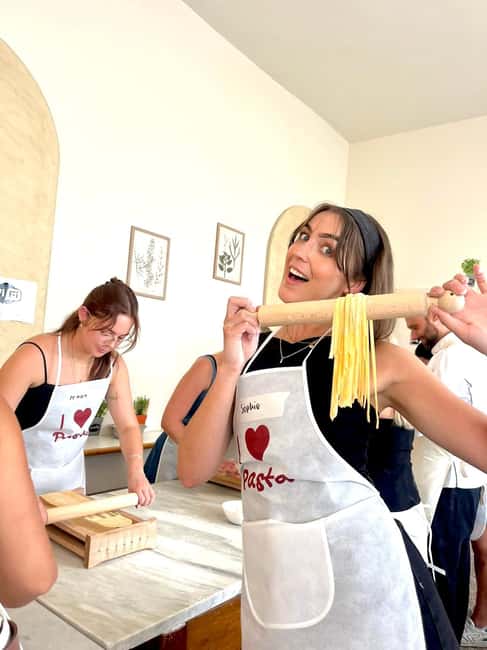
Here’s a big practical win: you don’t just watch food appear. The class is set up so you prepare your pasta, then everything gets cooked together in the same pot so you can share the meal like a real Italian home. While your signature tomato sauce simmers for hours in advance, the instructor prepares delicate butter and sage sauces right before serving for the ravioli and tortelli.
That contrast is clever. Tomato sauce teaches patience and depth—while the “right before serving” sauce teaches freshness and timing. You end up seeing how both styles work: slow comfort and fast finishing.
Wine, limoncello, and dessert: the classic finish
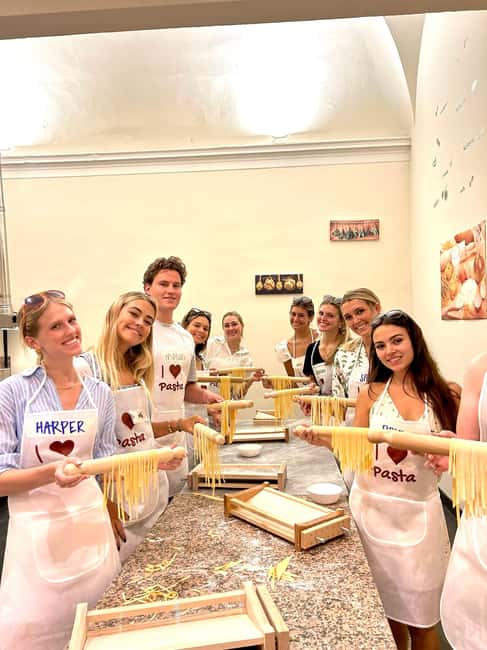
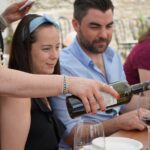
This isn’t only pasta. It’s pasta plus the good stuff Italians pair with it—wine, a limoncello shot, and dessert. The wine included is described as organic Tuscan wine from Dalle Nostre Mani, produced naturally. You’ll also taste and sip during or with the meal, depending on the flow of the class.
After the meal, limoncello comes out, plus dessert to close things out. In reviews, people also mention extra touches like prosecco at welcome, and some describe grabbing wine on the way out. Just remember alcohol is only served to participants of legal drinking age.
The table experience: where the class becomes a memory
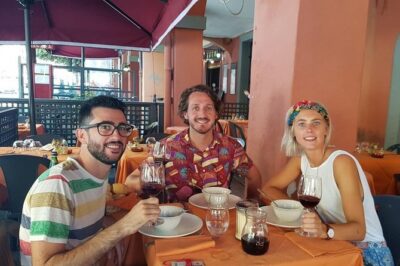
The best part for many people isn’t even the pasta technique—it’s the meal afterward. You gather around a large convivial table, eat what you made, and chat. Reviews mention laughter, conversation across nationalities, and a relaxed atmosphere where the instructor keeps the room moving.
If you’re traveling as a couple, this is a sweet date idea because you both do the work and share the payoff. If you’re with friends, it’s a great group activity because you’ll naturally compare how your ravioli closed or how your fettuccine turned out. Families can also do well here; some reviews mention kids (including ages from elementary to early teens) staying engaged the whole way.
Who this class is best for
This works best if you enjoy learning by doing and you’re okay with a hands-on kitchen setup. It’s a good fit for:
- Couples and small groups who want an experience that feels local and not staged
- Food lovers who want practical skills (not only a tasting)
- Families and mixed-skill groups where an instructor can keep everyone involved
- Team outings and student groups that want a shared activity with a meal at the end
If you have mobility impairments, plan differently. The activity is not suitable for people with mobility impairments. And if you have dietary restrictions, double-check before booking.
Dietary reality check: what you should confirm
The info you’re given includes vegetarian support, and it also says other diets are supported if you inform the provider. But it also states they cannot accommodate vegans, gluten intolerance and lactose intolerance, and it lists nut allergies as not suitable.
That contradiction is the main “read the fine print” moment. If you fall into one of those categories, message the provider before you book so you don’t arrive hoping they can adjust on the spot.
Value: why this often feels worth it in Florence
Even without a price tag here, you can judge value by what’s included. You get instructors, all equipment, ingredients, the full meal using your own pasta, dessert, a limoncello shot, and wine tasting with organic Tuscan wine. Many food experiences in Florence are either a tasting (small portion, short time) or a workshop with no meal. This is both: you work and then you eat.
Also, the class is only 3 hours. That’s important in a city where a lot of “experiences” turn into half-day time sinks. This one gives you a skill and a meal without eating your whole afternoon.
Finally, the quality of the teaching seems to matter. Reviews point to teachers who were energetic, funny, and attentive, with people calling out how instructors helped them succeed as beginners. One review even notes that a recipe book may be provided, which is a helpful bonus if you want to recreate the pasta at home.
Practical tips so you leave happy (not flour-faced)
A few things will help your day go smoothly:
- Arrive about 5 minutes early for check-in so you don’t miss the intro
- Wear comfortable clothing suitable for cooking
- If you have allergies or restrictions, inform the provider in advance
- Don’t plan a big heel-stomping museum day right after—your body will be in “stand and cook” mode for a few hours
- If you want wine, plan your pace—alcohol is included, and there’s a shot of limoncello
Smoking isn’t allowed, so don’t plan a break that involves a cigarette.
Should you book this Florence pasta class?
Book it if you want an authentic-feeling Florence experience you can take home as a skill. If you love Italian food but hate the idea of just watching someone else cook, this is built for you: you roll dough, shape pasta, then eat it at the table with wine and dessert.
Skip it (or at least pause) if you need accommodations for vegan, gluten intolerance, lactose intolerance, or nut allergies, because the provided info says they can’t support those. Also skip if mobility is an issue; it’s hands-on and not designed for that.
If you’re the type who enjoys food culture more when you’re part of the process, this is the kind of class that makes your Florence trip feel personal.
FAQ
How long is the pasta class experience?
The duration is 3 hours.
Is the instructor available in English?
Yes. Instruction is listed as English.
What will I make during the class?
You’ll make ravioli, tortelli, and fettuccine by hand.
Do I eat the pasta I make?
Yes. Lunch/dinner with the prepared pasta dishes is included, along with dessert.
Is wine and limoncello included?
Wine tasting of organic Tuscan wine is included, and limoncello is included as well. Alcohol is only served to participants of legal drinking age.
Where is the meeting point?
Meet at the cooking school at Lungarno Guicciardini, 17r, 50125 Firenze FI, Italy.
Can I reserve now and pay later, and is free cancellation available?
Yes. You can reserve now & pay later, and free cancellation is available up to 24 hours in advance for a full refund.
You Might Also Enjoy



More Tour Reviews in Florence
- Tuscany Day Trip from Florence: Siena, San Gimignano, Pisa and Lunch at a Winery
★ 5.0 · 21,634 reviews - The Best tour in Florence: Renaissance & Medici Tales – guided by a STORYTELLER
★ 5.0 · 12,316 reviews