REVIEW · FLORENCE
Florence: Premium Cooking Class for Pasta and Gelato
Book on GetYourGuide →Operated by Towns of Italy · Bookable on GetYourGuide
Flour on your hands, gelato on your mind. This Florence pasta and gelato class turns you from lunch-window spectator into the person making dough, then churning dessert in a real Italian kitchen. It’s also one of the easier ways to experience Tuscan food culture without needing fancy ingredients or restaurant reservations.
I especially love the hands-on pace: you knead, roll, and cut pasta yourself with direct help, and you also get a live gelato demonstration that explains what makes the texture work. The class also does the practical part right by pairing what you make with a proper sit-down meal and unlimited wine (soft drinks for kids). One possible drawback: it’s not suitable for celiacs, so if gluten-free is required, you’ll need to skip this one.
In This Review
- Key Points To Know Before You Go
- Why This Florence Class Works So Well for Food Lovers
- Towns of Italy Cooking School: Your Base in the Historic Center
- The Optional Premium Market Tour: Central Market With a Chef’s Eye
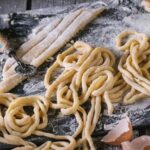
- Fresh Pasta From Scratch: Knead, Roll, Cut, Repeat
- Gelato Demo: How to Think Like a Dessert Maker
- The Meal Part: Ragù, Seasonal Pesto, and Tiramisu
- The Chefs and the Teaching Style That Get Mentioned Often
- Price and Value: What $47.83 Buys You in Florence
- Timing, Timing, Timing: When Things Happen and Why It Feels Smooth
- Who Should Book This (and Who Should Think Twice)
- What You Take Home: Certificate and Digital Recipe Booklet
- Should You Book This Pasta and Gelato Class?
- FAQ
- FAQ
- What is the duration of the Florence pasta and gelato class?
- Where do I meet for the class?
- Does this include hotel pickup and drop-off?
- What is included in the class fee?
- Is there an option for a market tour?
- Do I have to speak Italian?
- Is the class suitable for celiacs?
- Can children participate?
- Is it okay to bring large luggage?
- What do I take home after the class?
- Is there a cancellation refund available?
Key Points To Know Before You Go
- Two fresh pastas + gelato: you leave with real skills, not just a plate.
- English guidance in a welcoming school in Florence’s historic center.
- Optional premium market tour at Florence’s Central Market with ingredient tastings.
- Unlimited wine with the meal (soft drinks for children).
- You take home a certificate and digital recipe booklet so you can repeat the dishes.
Why This Florence Class Works So Well for Food Lovers
Florence can feel like a nonstop parade of art and stone. This class gives your day a different kind of rhythm: hands-on food work, a warm group meal, and a clear payoff you can taste. You’re not just learning recipes. You’re learning the logic behind them—how dough should feel, when a sauce is ready, and why gelato behaves differently than ice cream.
I like that the experience is built around craft. You start with pasta from scratch, then the gelato is taught with a demo and tips for recreating it later. That means you get both technique and confidence, which is exactly what you want if you cook at home even a little.
If you’re traveling with kids, the format often lands well. The reviews include families with very young children who were still able to watch, taste, and participate in a manageable way. That said, the activity isn’t designed for everyone. If you need mobility support, it’s not suitable for people with mobility impairments.
You can also read our reviews of more tours and experiences in Florence.
- Tuscany Day Trip from Florence: Siena, San Gimignano, Pisa and Lunch at a Winery
★ 5.0 · 21,634 reviews


Towns of Italy Cooking School: Your Base in the Historic Center
The meeting point is the Towns of Italy Cooking School, and the class ends back there. That matters more than it sounds. In Florence, the historic center is walkable but full of narrow streets, so a fixed, central start point helps you avoid getting lost halfway through your day.
Inside, you’re in a focused learning environment. You’re not trying to improvise cooking skills on a kitchen counter that isn’t yours. The setup includes an apron and cooking utensils, so you can concentrate on technique instead of hunting for tools.
One small practical note from the rules: oversize luggage and large bags aren’t allowed. So keep what you bring light. You don’t want your bag becoming the third thing you have to manage.
The Optional Premium Market Tour: Central Market With a Chef’s Eye
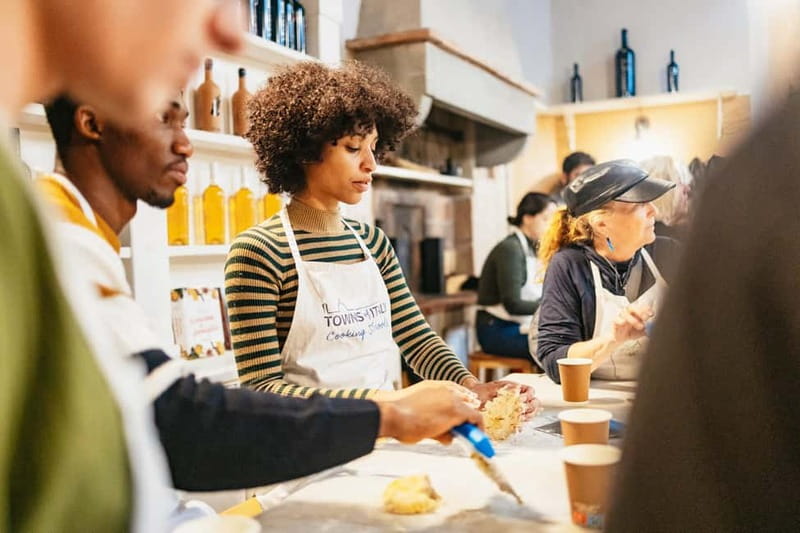
If you choose the premium option, your day begins in the morning at the Central Market of Florence. This is for ingredient-minded people—those who like to know where things come from, how to pick good items, and what’s seasonal right now.
You’ll go with your chef as a guide through market stalls and you’ll sample things like cheeses, cold cuts, and olive oils. The value here is thinking beyond the menu. A good pasta night at home depends on ingredients you actually enjoy eating: flavorful oil, the right cheese, and cured meats that taste like something.
Back in the kitchen school, that market tour has a payoff. When you later make ragù and pesto, you’re not guessing. You’ve seen the ingredient types up close and learned how they fit together.
Fresh Pasta From Scratch: Knead, Roll, Cut, Repeat
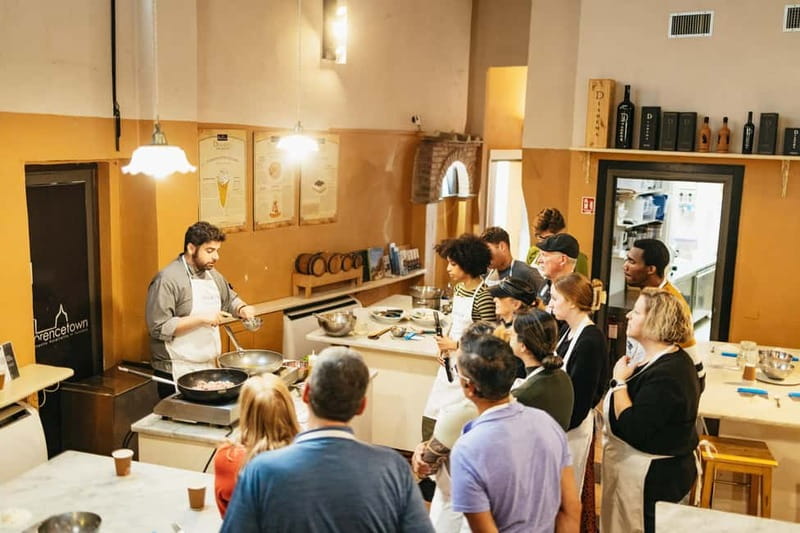
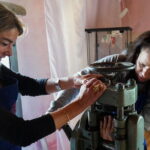
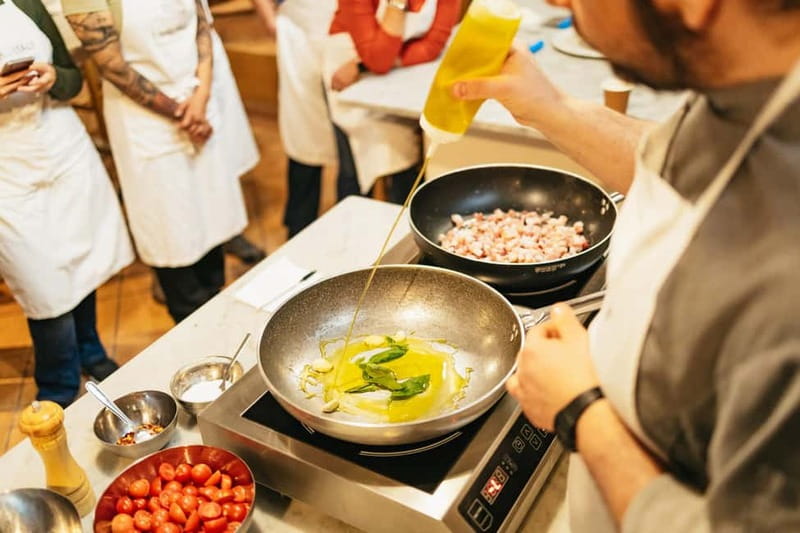
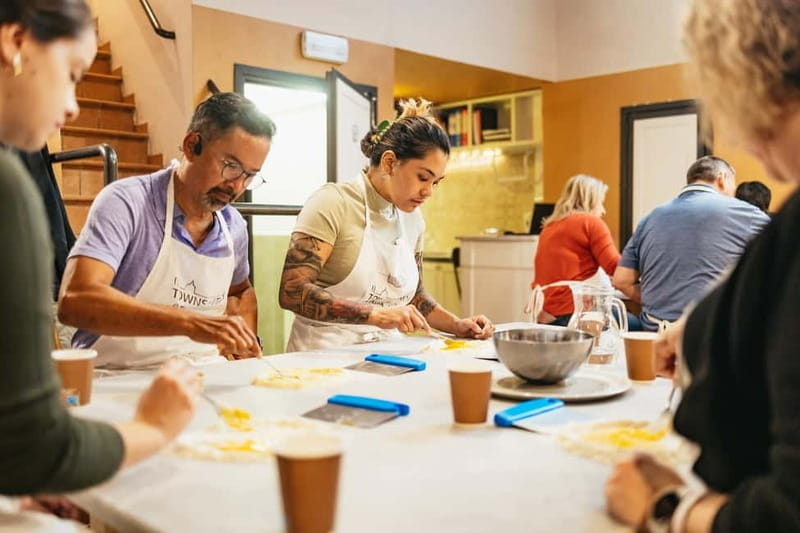
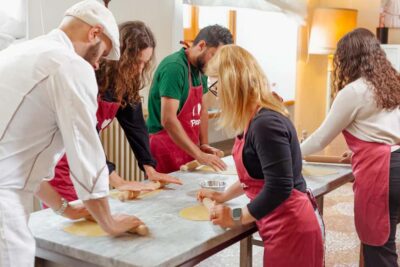
The heart of the class is the pasta work. Led by a professional chef, you learn to prepare two types of fresh pasta from scratch using time-tested Italian techniques. This isn’t a lecture where you watch from the sidelines. You’re making dough, rolling it, and cutting it as part of the process.
In the reviews, chefs like Jon, Roberta, David, John, Alice, Federico, and Victoria show up by name. Across all those accounts, the common thread is how they teach: they explain what to watch for at each step and then help you adjust when something feels off. That’s huge, because fresh pasta doesn’t forgive. If the dough is too wet or too dry, the texture changes fast.
You’ll also learn little do-and-don’t tips that make you feel confident. Examples that show up in the feedback include guidance on how the dough should be handled while rolling and advice tied to what you’re making with it. That’s the kind of know-how you can’t pull from a generic recipe.
And then the pasta itself becomes your anchor for the meal. You’re not cooking in isolation. You’re making something you’ll eat soon after, which makes the whole process more satisfying.
Gelato Demo: How to Think Like a Dessert Maker
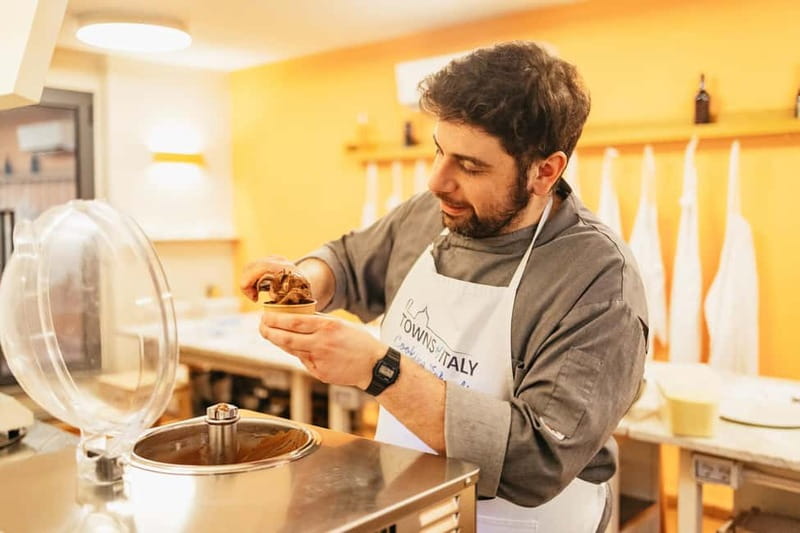
While the pasta rests, you get a live gelato-making demonstration. This is where the class shifts from savory technique to dessert logic. The chef reveals the secrets behind Italy’s beloved gelato and shares tips so you can recreate it at home.
The best part of a demo like this is that you can focus on the decision points. Gelato isn’t just about ingredients. It’s about method—how it’s churned and how it ends up smooth instead of icy. The demo format gives you a front-row view of how a pro handles the process.
In at least one review, the group enjoyed gelato vanilla as the finish, and the overall flow was praised as well planned and engaging. Also, one comment mentioned that a small group helped the instructors manage attention as people got stuck. That’s what you want when you’re learning technique, even as a watcher for part of the time.
- The Best tour in Florence: Renaissance & Medici Tales – guided by a STORYTELLER
★ 5.0 · 12,316 reviews



The Meal Part: Ragù, Seasonal Pesto, and Tiramisu
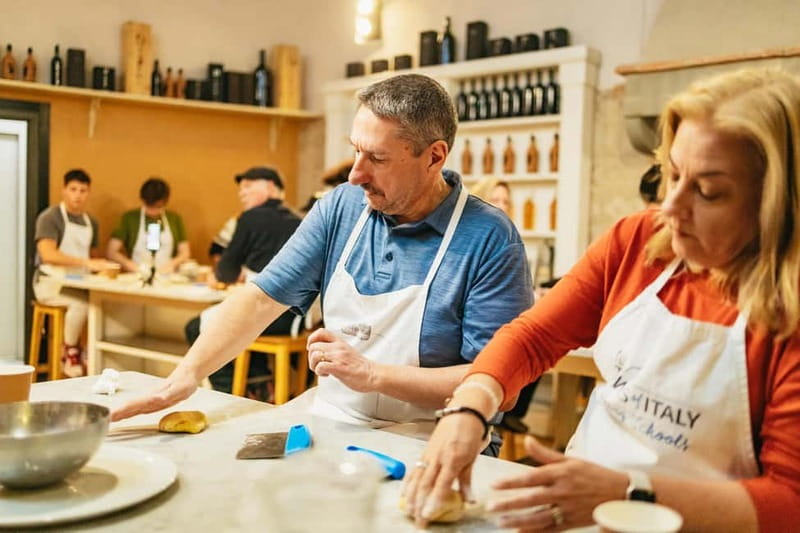
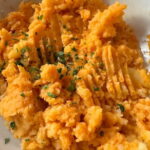
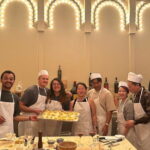
After the hands-on work, you sit down to enjoy what you made with fellow foodies. The menu includes a rich Tuscan ragù and a fragrant seasonal pesto paired with your fresh pasta work. Then, as part of the process, there’s hands-on preparation of tiramisu.
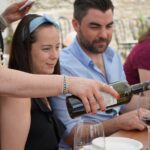
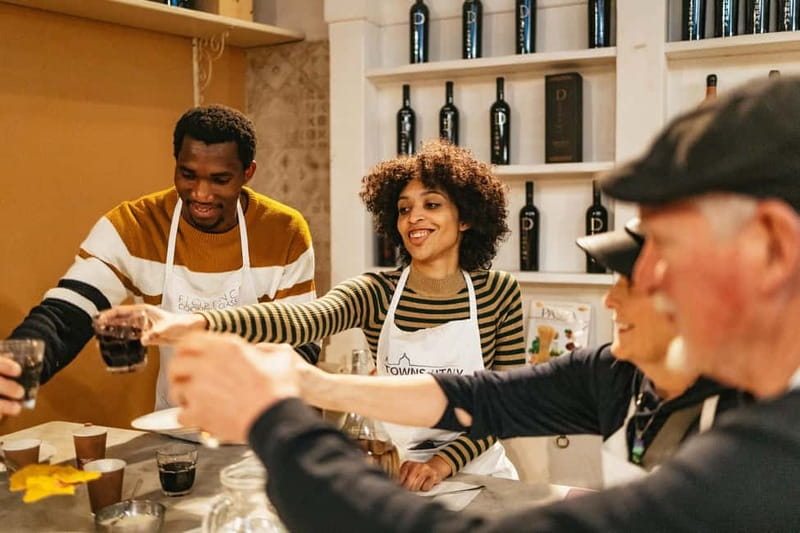
This is a classic Italian move: don’t just teach skills. Feed people with the results. The unlimited wine during the meal (with soft drinks for children) makes the social part easy. You’re tasting, comparing notes, and laughing at how different dough can be before it becomes pasta.
The tiramisu segment also adds something practical. Many cooking classes stop after the savory course. Here, you’re building a complete Italian meal experience: pasta, sauce, and dessert. That’s what makes the certificate and recipe booklet feel more useful afterward.
The Chefs and the Teaching Style That Get Mentioned Often
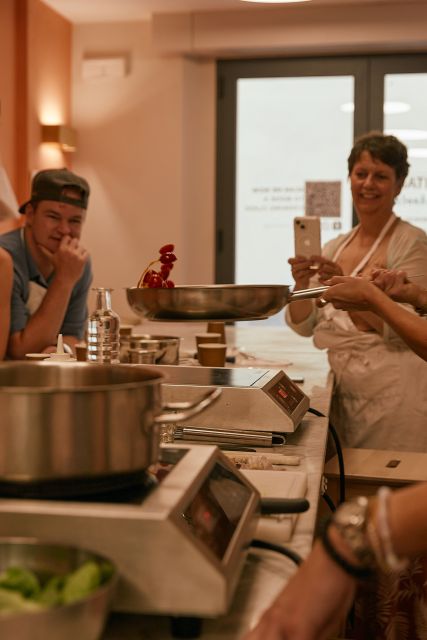
A lot of the high rating comes down to instruction quality. Multiple reviews name chefs such as Jon, Roberta, David, Federico, and pairs like John and Alice. People call out that instructors are engaging, patient, and good at keeping timing on track.
One review also noted the class had two instructors, which made the energy and pacing more dynamic. I like that setup when learning because you can get different explanations for the same technique. And when you’re kneading or rolling and something feels off, more than one teacher perspective can help you fix it faster.
Another recurring theme is how instructors give small, specific tips. One person mentioned a pesto based on radicchio that surprised them. Another mentioned flavors like pumpkin-filled ravioli with brown butter and sage. Those details matter because they show the food isn’t just generic pasta talk. It’s tied to Italian ingredient choices and real combinations.
Price and Value: What $47.83 Buys You in Florence
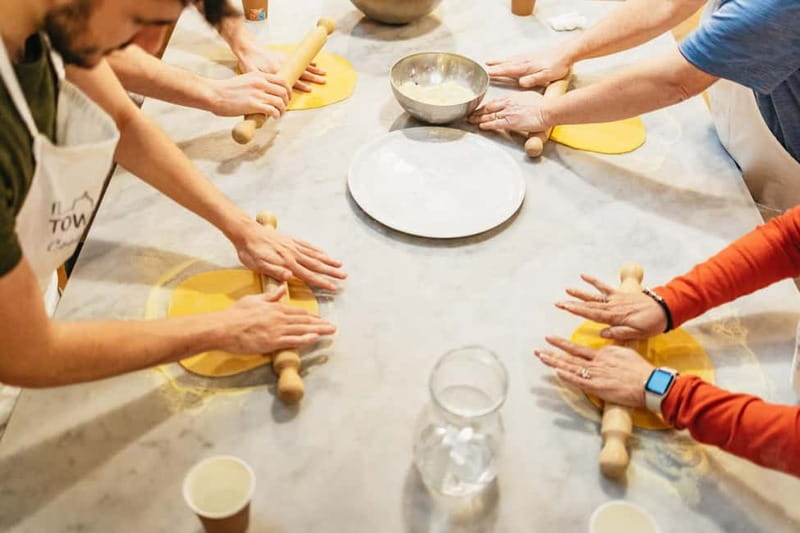
At about $47.83 per person, you’re paying for more than a cooking lesson. You’re getting ingredients, instruction, tools (apron and utensils), a gelato demonstration, a sit-down meal, and unlimited wine at that meal. You also get a certificate and a digital recipe booklet.
Here’s how I judge value on something like this: can you walk away with skills you’ll use again, and did you get a full experience instead of a quick demo? This class scores well because you make pasta yourself, you learn gelato technique via demo and tips, and you eat what you cooked.
Also, because it runs about 3 to 5 hours, it’s a meaningful block of time. That matters in Florence, where squeezing in experiences between museum lines can make everything feel rushed. This gives your day a coherent center.
If you’re comparing it to a restaurant dinner, the meal is part of the deal. If you’re comparing it to a cooking class without food, this one has the full arc: make, taste, celebrate.
Timing, Timing, Timing: When Things Happen and Why It Feels Smooth
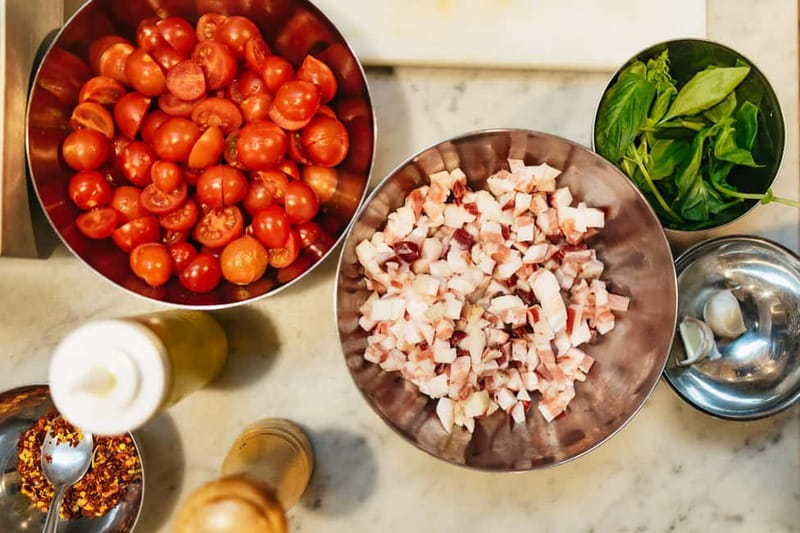
The class duration is 3 to 5 hours depending on the start time. In practice, that kind of window is often what lets instructors keep pasta moving, let dough rest, and still finish gelato and dessert without rushing the meal.
One detail worth knowing: one review said wine wasn’t served until close to two hours in, even though the meal ended with plenty of drinking. That’s not a reason to avoid the class. But it does help you set expectations if you’re counting on a drink to start the party early.
In a food class, the rhythm matters more than the clock. The best experiences keep you busy during the work and then slow down when it’s time to eat.
Who Should Book This (and Who Should Think Twice)
This is a strong fit if you:
- Want hands-on pasta practice instead of just watching a chef work
- Like Italian food enough to want the technique behind it
- Enjoy group activities that end with a meal and wine
- Want a memorable, skill-based souvenir you can repeat at home
It may not be your best match if you:
- Need a celiac-safe option (it’s not suitable for celiacs)
- Have mobility impairments (not suitable for people with mobility impairments)
- Are traveling with large luggage (oversize luggage and large bags aren’t allowed)
For families, the reviews suggest it can work even with young kids, largely because instructors are used to helping and guiding. But if you’re bringing teens under 18, they must be accompanied by at least one adult or the provider may exclude them with no refund.
What You Take Home: Certificate and Digital Recipe Booklet
You don’t leave with just photos. You get a certificate and a digital recipe booklet so you can recreate the dishes at home. That turns the experience from a one-day memory into a repeatable evening.
The digital format is helpful for travel. You don’t need to stuff paper in your bag. And recipes backed by hands-on technique are usually more useful than generic online versions, because you’ll remember what the dough felt like and what the chef told you to watch for.
If you want a fun next step at home, pick one dish to repeat first: either the pasta method or one sauce element like pesto. Then you can build from there without feeling like you need to reproduce an entire menu in one night.
Should You Book This Pasta and Gelato Class?
I’d book it if you want a Florence experience that’s practical, tasty, and taught with real attention. You get the full arc: two types of fresh pasta made by you, a gelato demonstration with tips, and a meal built from what you cooked. Add in unlimited wine with dinner and you have a pretty satisfying payoff for the time.
Skip it if you need gluten-free or if mobility is a concern, because the rules explicitly say it’s not suitable for celiacs and not suitable for people with mobility impairments. Also, if you hate hands-on cooking activities, you’ll enjoy parts of it less—this is built for rolling, kneading, cutting, and doing.
For everyone else, this is a high-value class in one of Italy’s food-strong cities. It’s the kind of thing that makes you feel like you learned something, not just something happened to you.
FAQ
FAQ
What is the duration of the Florence pasta and gelato class?
The experience lasts about 3 to 5 hours, depending on the starting time.
Where do I meet for the class?
You meet at the Towns of Italy Cooking School.
Does this include hotel pickup and drop-off?
No, hotel pickup and drop-off are not included.
What is included in the class fee?
You get chef instructors, pasta-making instruction, a gelato-making demonstration, all ingredients, apron and cooking utensils, unlimited wine (soft drinks for children), a certificate, and a digital recipe booklet.
Is there an option for a market tour?
Yes. If you select the premium option, you’ll have a morning market tour at Florence’s Central Market, including ingredient tastings.
Do I have to speak Italian?
No. The class includes a live tour guide who speaks English.
Is the class suitable for celiacs?
No. It is not suitable for celiacs.
Can children participate?
Children and teens under 18 must always be accompanied by at least one adult, or the provider may exclude them with no refund.
Is it okay to bring large luggage?
No. Oversize luggage and large bags are not allowed.
What do I take home after the class?
You’ll receive a graduation certificate and a digital recipe booklet.
Is there a cancellation refund available?
Yes. Free cancellation is available up to 24 hours in advance for a full refund.
You Might Also Enjoy

More Tour Reviews in Florence
- Tuscany Day Trip from Florence: Siena, San Gimignano, Pisa and Lunch at a Winery
★ 5.0 · 21,634 reviews - The Best tour in Florence: Renaissance & Medici Tales – guided by a STORYTELLER
★ 5.0 · 12,316 reviews