REVIEW · ROME
Rome:Palatine Hill Roman Forum Experience & Multimedia Video
Book on GetYourGuide →Operated by TICKETSTATION SRL · Bookable on GetYourGuide
A great Rome day starts with a video. Then you walk the streets that weren’t streets yet, with Roman Forum and Palatine Hill open to explore at your own pace. I especially liked the 30-minute Ancient Rome multimedia video for getting the geography right before you step into the ruins.
The one thing to keep in mind: finding the meeting spot can be a little fussy, and once you’re in, you’ll do a serious amount of walking on uneven ground.
In This Review
- Key things to know before you go
- Finding Touristation Aracoeli: the start point that matters
- The 30-minute Ancient Rome video: your fast track to context
- Roman Forum at your pace: politics, religion, and the everyday city
- A practical tip: plan for real walking time
- Palatine Hill: views, foundations, and imperial neighborhoods
- House highlights (and date quirks you should check)
- The “SUPER sites” inside Palatine you’ll actually want to stop for
- Domus Tiberiana and the Neronian cryptoporticus
- Aula Isiaca / Loggia Mattei
- Santa Maria Antiqua, the Ramp of Domitian, and the Oratory of the Forty Martyrs
- Curia Julia and “what’s open” on your date
- Colosseum views (but not entry): plan the next ticket
- The 10:00 English walking tour: Navona, Pantheon, Trevi
- Price and value: why this ticket can make sense
- Who should book this, and who might want a different option
- Should you book Rome: Palatine Hill Roman Forum Experience & Multimedia Video?
- FAQ
- What time does my booked slot refer to?
- Where do I meet for the experience?
- Is the Colosseum included?
- How long is the multimedia video?
- What sites are included on Palatine Hill?
- Are there any day-specific closures or openings?
- What is the included English walking tour and when is it?
Key things to know before you go

- 30-minute Ancient Rome multimedia video sets up the Forum and Palatine before you roam
- Skip the long main line feel by using the included entrance flow (and you get assistance to the Forum entrance)
- You get more than the basics: Palatine Museums plus several “SUPER sites” inside Palatine
- Curia Julia and House of Augustus have specific opening/closure days you should check for your date
- A separate English city walk (10:00 daily) connects big-name sights: Navona, Pantheon, Trevi
- Colosseum views are included, but Colosseum entry is not—so plan the next ticket if you want inside
Finding Touristation Aracoeli: the start point that matters
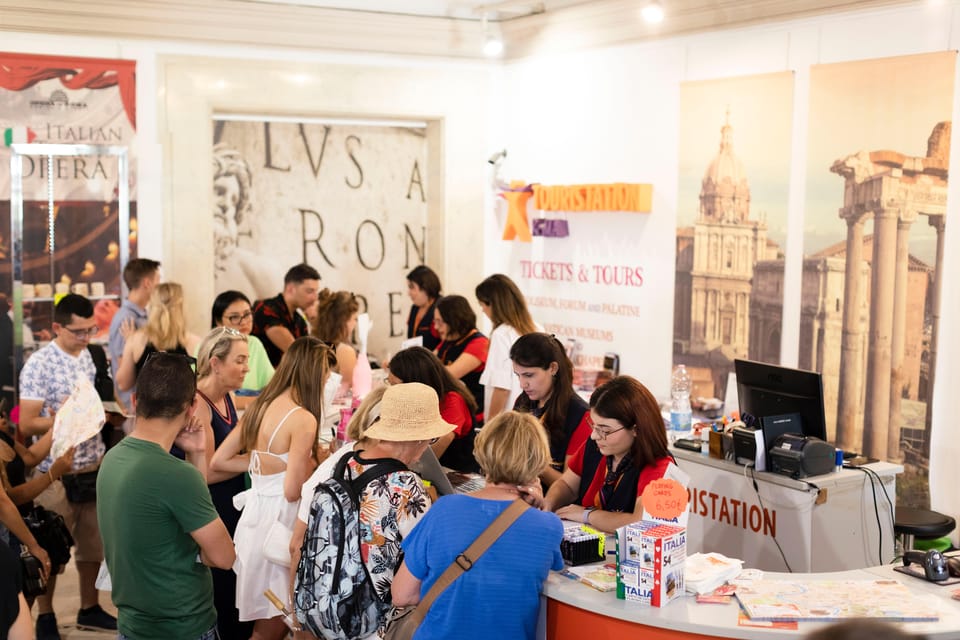
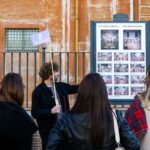
This experience begins at the Touristation Aracoeli office at Piazza d’Aracoeli, 16. Don’t head to the Roman Forum entrance first. Your selected time applies to when you exchange your voucher at the office, not when you walk into the ruins.
When you get there, look for a fountain under restoration and orange flags outside. That detail matters because Piazza d’Aracoeli can feel busy and chaotic, and the office is easy to miss if you’re scanning the wrong corner.
One more logistics note that I think saves stress: you’re not just paying for ticket access. The package includes assistance at the office and an accompaniment to the entrance of the Roman Forum, which helps you bypass that awkward moment of figuring out which gate to use.
You can also read our reviews of more tours and experiences in Rome.


The 30-minute Ancient Rome video: your fast track to context
You’ll start with a 30-minute multimedia video about ancient Rome. It’s not a random slideshow. The best part is how it helps you picture what you’re about to see, especially the way buildings and spaces relate to each other on the Forum side and up on Palatine.
In particular, the overlays that show old and new ruins are the kind of thing that makes your walking time way more meaningful. Without that primer, the Forum can feel like a pile of stones. With it, you start to understand what you’re standing in front of and why the location mattered.
This also helps if your goal is to explore independently. You’re not tethered to a guide’s script, but you do get the kind of big-picture framing that keeps you from wasting time asking, so what exactly is this spot?
Roman Forum at your pace: politics, religion, and the everyday city
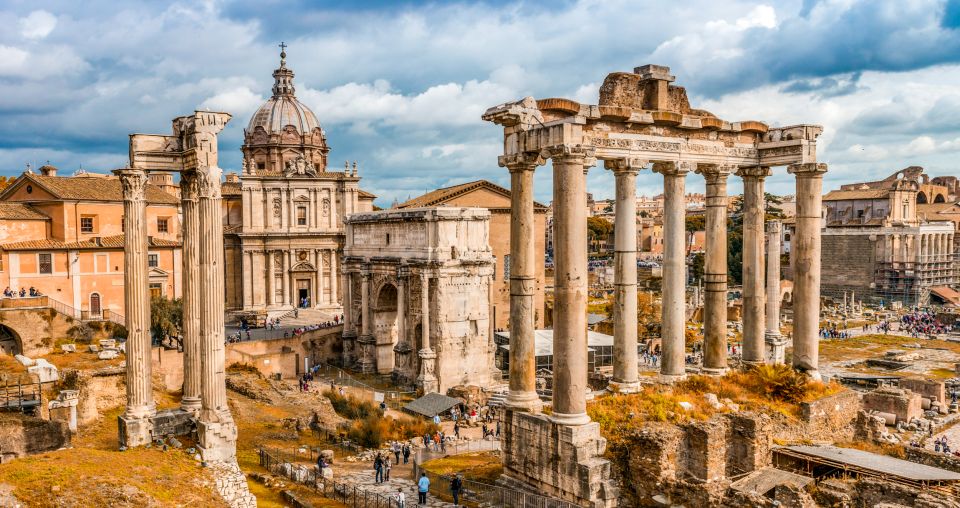
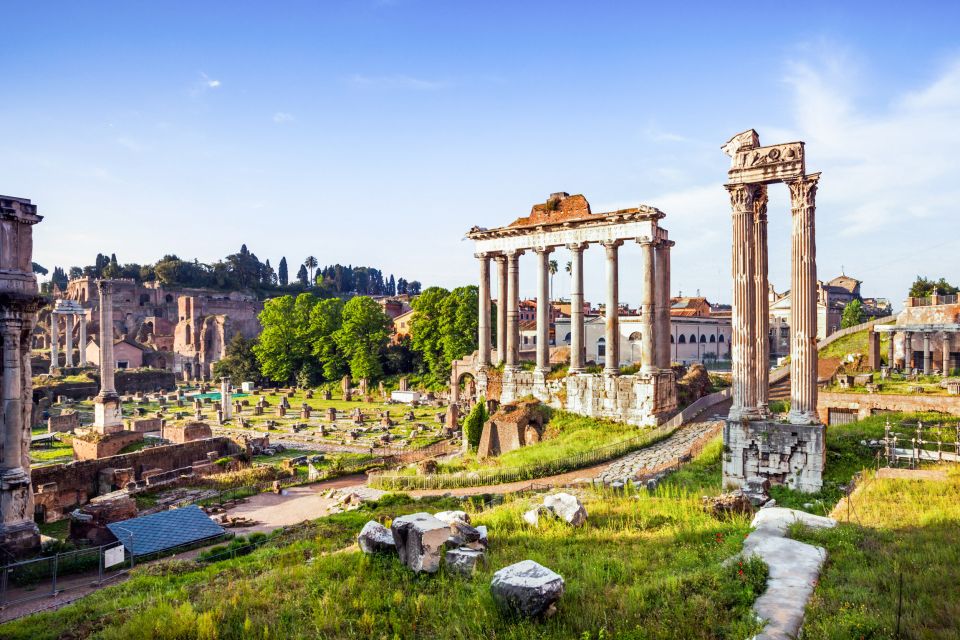
After the office check-in, you enter the Roman Forum area and explore on your own time. The Forum is where the heart of Roman public life happened—political debate, social status, and religious ceremony, all layered into the same spaces.
A highlight here is getting to visit the tomb of Julius Caesar and seeing the ruins across the Forum’s main walking zones. Even if you’ve read about Roman history before, being there in person changes the feel. The scale is smaller than you might imagine, but the density of ideas is intense. Every direction you look seems connected to another event, law, office, temple, or family story.
A practical tip: plan for real walking time
People tend to underestimate how long it takes to do the Forum properly at a calm pace. I’d plan at least a couple hours, and if you like photos or pausing to read stone-by-stone descriptions, give yourself more.
Also bring water. There are few fountains across the hill-and-ruins circuit, and the heat can sneak up on you even in a pleasant season.
Palatine Hill: views, foundations, and imperial neighborhoods
Palatine Hill is right next to the Forum, and it feels like the “inside track” version of Rome. This is the area connected to the foundation of Rome, and it’s also where important houses of emperors and kings built their power base.
You’ll visit Palatine Hill along with the Palatine Museums and several specific sites inside the hill complex. One reason this part feels worth it is that you’re not only seeing monuments—you’re tracing how elite housing and ceremonial spaces shaped the Roman skyline.
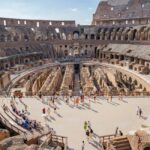
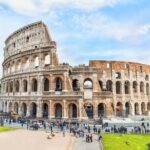
And yes, you’ll get the famous view. From Palatine, you can see panoramic angles of Rome, including the Colosseum in the distance. It’s a great visual payoff, especially if you’re planning a Colosseum visit later (note: entry to the Colosseum is not included).


House highlights (and date quirks you should check)
Your ticket includes:
- House of Augustus (but it is closed on Mondays)
- House of Livia
If your visit lands on Monday, plan your day with the House of Augustus closure in mind so you don’t feel like you’re missing the best room. The good news is that Palatine has multiple stops, so your day doesn’t collapse if one site is closed.
The “SUPER sites” inside Palatine you’ll actually want to stop for
This experience includes a set of Palatine-area highlights that can be easy to overlook if you only think of Palatine as general hill views. Here, they’re built into your admission, so you can follow the ones that catch your interest.
Domus Tiberiana and the Neronian cryptoporticus
You’ll have access to Domus Tiberiana (exhibition rooms) and the Neronian cryptoporticus. Even without getting overly technical, these spaces help you understand that Rome wasn’t just temples and open courtyards. There were also sophisticated indoor layers—passages, storage-like areas, and architectural engineering meant to support daily elite life.
Aula Isiaca / Loggia Mattei
This is one of those stops that can surprise you in a good way. It’s included in your ticket, and the fact that it’s part of your pathway means you can spend extra time there if you like details and symbolism rather than only grand outdoor ruins.
Santa Maria Antiqua, the Ramp of Domitian, and the Oratory of the Forty Martyrs
You’ll also visit:
- Santa Maria Antiqua – Ramp of Domitian – Oratory of the Forty Martyrs
This cluster is compelling because it reminds you Rome kept building over time. Instead of seeing ancient Rome as sealed in a museum box, you see how later eras layered themselves onto earlier sacred and public spaces.
Curia Julia and “what’s open” on your date
One of the biggest practical points: not everything is open every day.
Your ticket includes Curia Julia, but it’s opened only on Mondays, Saturdays, and Sundays. So if you’re visiting on a different day, don’t count on that specific Senate-room experience as part of your plan.
Same with the House of Augustus: it’s closed on Mondays. If your schedule is fixed, check your calendar before you go. It’s one of those small planning steps that protects your day from unnecessary disappointment.
Colosseum views (but not entry): plan the next ticket
From Palatine Hill, you’ll see the Colosseum in the distance. That’s a big reason Palatine feels like more than an add-on. It gives you the bigger picture: how the imperial world stacked itself vertically, from palaces and civic power down toward the arena.
But the package does not include access to the Colosseum itself. If seeing it from the hill whets your appetite, you’ll need a separate entry ticket for the inside.
A smart way to handle this is to treat Palatine as your morning or afternoon anchor, then add the Colosseum on a different time slot so you’re not rushing at the end of a long ruins day.
The 10:00 English walking tour: Navona, Pantheon, Trevi
To round out the day, your package includes an English city walking tour at 10:00 every day. The itinerary is Navona Square, Pantheon, and Trevi Fountain.
This is valuable if you want a structured overview of the city’s most famous public spaces without adding another full guided history package to your schedule. The walking route also works like a bridge between ruins Rome and postcard Rome: you get the major monuments that shaped later Rome’s identity and street plan.
Practical note: because your Palatine/Forum visit is independent, timing is important. Make sure the 10:00 tour doesn’t force you into a rushed ruins plan.
Price and value: why this ticket can make sense
The price is $32 per person for a day of access, and your ticket includes an €18 entry ticket with reservation, with the rest covering ancillary services like the video and guidance/assistance.
So what are you paying for beyond admission?
- The multimedia video (30 minutes)
- Assistance at the Touristation Aracoeli office
- Accompaniment to the Roman Forum entrance
- Access to a long list of Palatine sites (not just the core hill)
- An English walking tour around Navona, Pantheon, and Trevi
In plain terms: you’re buying convenience plus context. If you’re comfortable wandering independently and you don’t need a full-time guide walking every step, this pricing structure can be a solid deal.
Also, it can be a nice fit if you’re trying to avoid the frustrating parts of ticket logistics while keeping freedom once you’re inside.
Who should book this, and who might want a different option
This is a good match if:
- You want Forum + Palatine with independence
- You like starting with a short orientation video so the ruins make sense faster
- You want access to multiple Palatine “sub-sites,” not just a general wander
- You’re happy adding a 10:00 English city walk for big-name monuments
You might want to look elsewhere if:
- You want the Colosseum included (it’s not)
- You want a full guided tour of the Forum and Palatine with commentary at every stop (this is not positioned as that)
- Your visit depends on opening days for specific sites like House of Augustus or Curia Julia and you can’t shift your schedule
Should you book Rome: Palatine Hill Roman Forum Experience & Multimedia Video?
I’d book it if you’re the type who likes to understand a place first, then wander through it at your own speed. The combination of 30-minute video context, included Palatine sub-sites, and the helpful entry assistance makes it feel efficient without locking you into a guided script.
Skip it if your top priority is inside-the-Colosseum access or if you truly want a guided-by-a-person every step experience on the ruins. In those cases, you’ll probably get more satisfaction from a package built around those priorities.
If you do book, go in expecting walking and heat, and give yourself enough time. This is one of those Rome days where stopping to look closely is the point.
FAQ
What time does my booked slot refer to?
The time selected for your booking refers to the timing at the Touristation Office, where you exchange your voucher.
Where do I meet for the experience?
Meet at the Touristation Aracoeli office at Piazza d’Aracoeli, 16. You should exchange your voucher there and not report at the Roman Forum entrance.
Is the Colosseum included?
No. You’ll get panoramic views of the Colosseum from Palatine Hill, but Colosseum entry is not included.
How long is the multimedia video?
The multimedia video is 30 minutes.
What sites are included on Palatine Hill?
Your ticket includes Palatine Museums, House of Augustus, House of Livia, Domus Tiberiana (exhibition rooms), Neronian cryptoporticus, Aula Isiaca/Loggia Mattei, Santa Maria Antiqua, Ramp of Domitian, Oratory of the Forty Martyrs, and Curia Julia (when open).
Are there any day-specific closures or openings?
Yes. House of Augustus is closed on Mondays. Curia Julia is opened only on Mondays, Saturdays, and Sundays.
What is the included English walking tour and when is it?
The English walking tour runs every day at 10:00 and covers Navona Square, the Pantheon, and Trevi Fountain.