REVIEW · FLORENCE
Florence: Renaissance and Medici Tales Guided Walking Tour
Book on GetYourGuide →Operated by Tour-Tale · Bookable on GetYourGuide
Florence has secrets on every corner, and this walk turns them into a usable story. I love how the Medici power plays get explained through the actual buildings you’re seeing, and I love the practical local advice for where to eat, drink, and shop. The one catch: it’s a packed, outdoors-and-on-your-feet format, so you won’t get long, quiet time inside any one site.
You’ll meet at Piazza di San Lorenzo, right by the Basilica of San Lorenzo, where you can spot the mix of older Romanesque feel and Renaissance upgrades. Then you’ll work your way through the city’s big landmarks tied to the Medici, the Duomo complex, and the civic heart of Florence—before finishing outside the Uffizi Gallery.
Along the route, your guide helps you decode symbols you notice on facades and monuments. It’s also the kind of tour that sets you up fast: once the names and relationships make sense, the rest of Florence reads like it’s pointing out what matters.
In This Review
- 6 key reasons this tour works
- Why the Medici Tales Matter in Florence
- Meeting at Piazza di San Lorenzo: the Renaissance starts before you do
- San Lorenzo to Palazzo Medici Riccardi: reading power in stone
- Florence’s Duomo complex: from Giotto’s bell to Brunelleschi’s dome
- House of Dante: the Renaissance isn’t only art
- Palazzo Vecchio and Piazza della Signoria: civic Florence, not just royal vibes
- Ponte Vecchio and the approach to the Uffizi: finish with momentum
- Price and value in a 2-hour Florence intro
- Who this tour is best for (and who should skip it)
- Tips that will make the whole experience easier
- Should you book this Florence Medici Renaissance walking tour?
- FAQ
- Where do I meet the guide?
- How long is the walking tour?
- What languages are the guides?
- Does the tour run if it rains?
- What should I bring?
- Which major sights are included on the route?
- Is the tour wheelchair accessible?
- Can I pay later and cancel if my plans change?
6 key reasons this tour works
- Medici stories that connect to the streets: you’ll learn why a powerful family shaped Florence’s art and architecture
- San Lorenzo as the starting clue: Romanesque-meets-Renaissance context right at the first stop
- Duomo complex explanations you can remember: including Giotto’s Bell Tower and Brunelleschi’s Dome
- Symbols and meaning, not just dates: guidance for what to look for as you walk
- Big sights without museum fatigue: most views are exterior, so you stay oriented
- Local food, drink, and shopping tips: you finish with a short list of where to go next, courtesy of the guide
Why the Medici Tales Matter in Florence
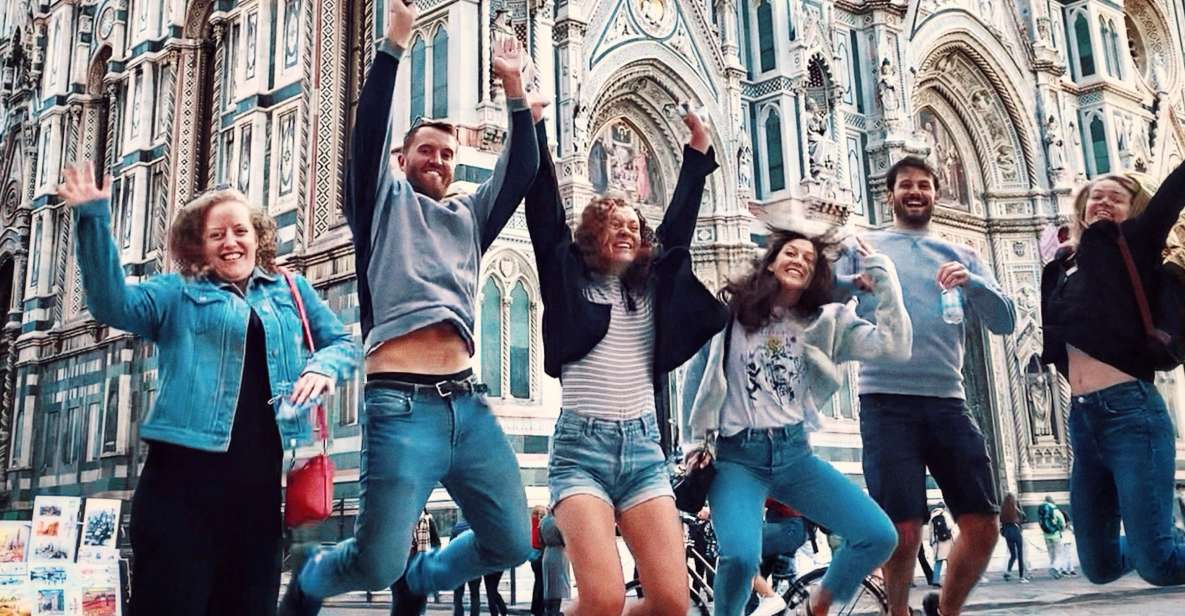
Florence can feel like one long museum street. The problem is that it’s easy to see pretty facades without understanding why they were built, who paid for them, or what message they were sending.
That’s where this tour earns its keep. The Medici weren’t just rich patrons—they were political operators using art and architecture as influence. When you understand that, you start noticing things you’d normally walk past: why certain buildings appear where they do, why particular families were displayed so loudly, and why Florence’s Renaissance didn’t happen in a vacuum.
I also like that the guides lean into storytelling. You’ll hear it in the way the tour gets structured around characters and decisions, not just a parade of monuments. Guides with names you’ll often see associated with this tour—Chiara, Michele, Glenda, Antonio, Angela, Manuel, and others—are repeatedly praised for turning history into something you can picture.
You can also read our reviews of more tours and experiences in Florence.
- Tuscany Day Trip from Florence: Siena, San Gimignano, Pisa and Lunch at a Winery
★ 5.0 · 21,634 reviews

Meeting at Piazza di San Lorenzo: the Renaissance starts before you do
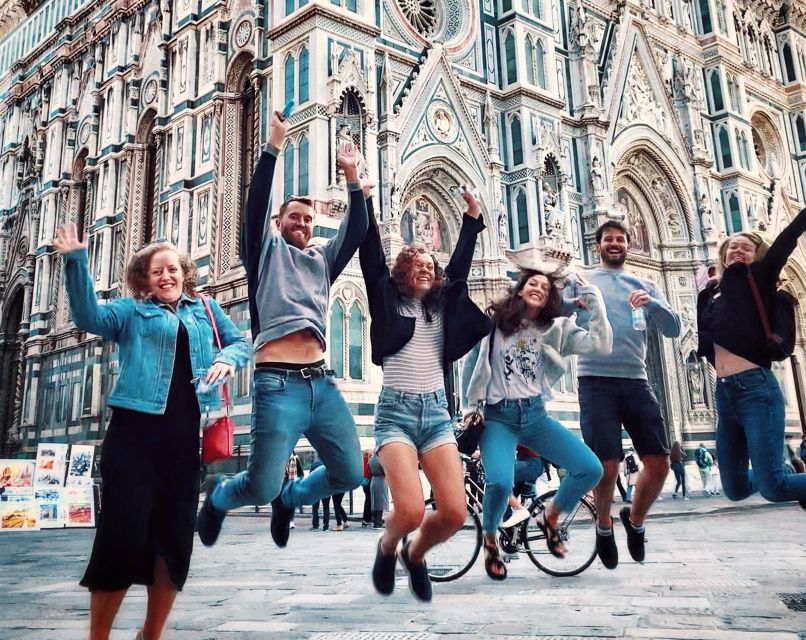
You meet in Piazza di San Lorenzo, near the Basilica of San Lorenzo. This is a smart start because it gives you an immediate “before and after” feeling. Even from the outside, you can spot how Florence layers periods of design in the same civic space.
As you gather, you’re not just waiting—you’re already building context. That matters because later you’ll be able to compare. When you hit the Duomo area and the dome story, you’ll understand why people cared so much about shape, proportion, and symbolism.
Practical note: look for the green umbrella in front of the stairs leading to the main entrance area of San Lorenzo Church. Comfortable shoes matter here. This is a walking tour, and Florence sidewalks don’t do you favors when it’s crowded.
San Lorenzo to Palazzo Medici Riccardi: reading power in stone
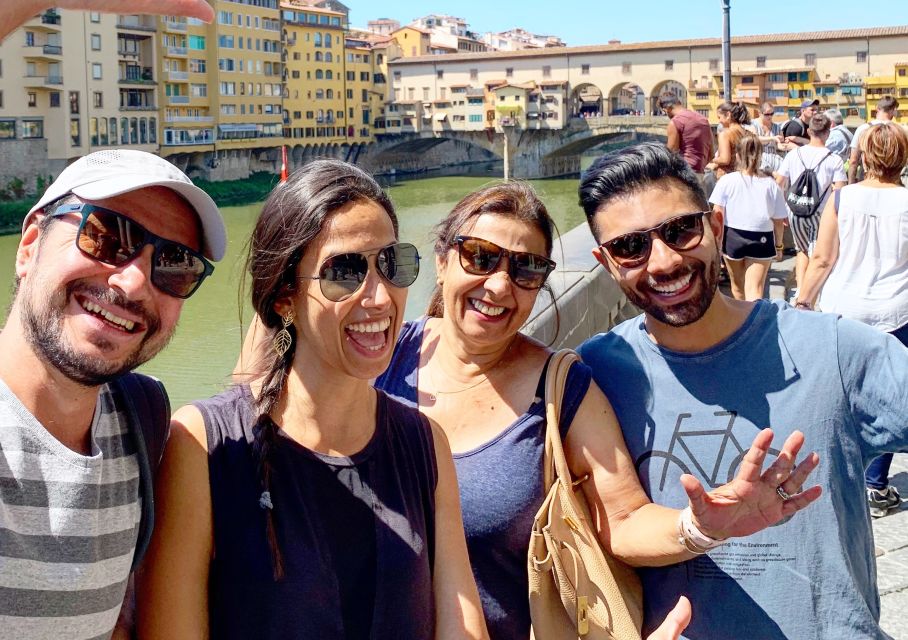
This section is where the tour’s “Medici tales” idea turns real. You start at San Lorenzo and then move toward a Medici-linked setting: Palazzo Medici Riccardi. You’re not touring the family like a textbook chapter—you’re seeing where their presence lives on in the urban fabric.
What makes this valuable is the cause-and-effect you’re getting. Florence’s Renaissance didn’t appear only because artists were talented. It also needed money, protection, and a reason for patrons to keep commissioning work. The Medici story gives you that logic.
Also, the tour is built to help you notice details without slowing down to a crawl. Instead of demanding you memorize names, it nudges you toward patterns: family identity, public visibility, and how buildings communicate authority. If you enjoy architecture that has a political backstory, this is your moment.
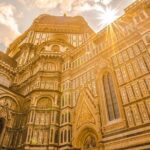
Florence’s Duomo complex: from Giotto’s bell to Brunelleschi’s dome
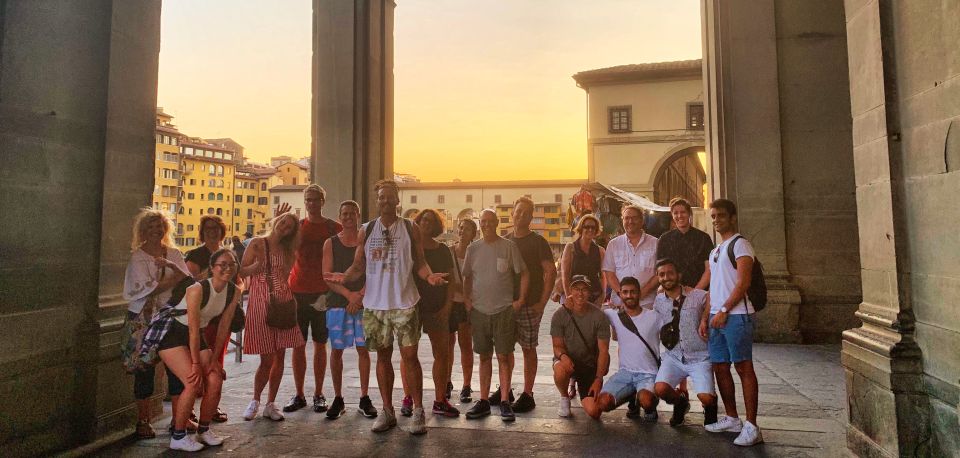
If the city has a center of gravity, it’s the Duomo complex. This tour treats it like more than a photo stop, which is exactly what you want on a short visit.
You’ll cover the essentials tied to the big symbols of Florence:
- Giotto’s Bell Tower (a skyline anchor with major Renaissance-era impact)
- Brunelleschi’s Dome (the story behind the icon you see in postcards)
- The surrounding Duomo complex exterior areas (so you can make sense of how everything sits together)
Here’s what you’ll likely feel by the end of this chunk: the dome stops being just a dome. Instead, it becomes a solved problem—geometry, ambition, and engineering wrapped in a city’s identity. Even if you don’t consider yourself “good at architecture,” the tour’s approach makes it understandable by connecting the work to the Renaissance mindset: human creativity paired with civic pride.
One consideration: this is a very popular zone. You’ll be sharing space with other groups, and the tour is still moving. If you want to linger for perfect photos, plan to do a second pass later on your own.
House of Dante: the Renaissance isn’t only art
One of the smarter choices on this route is the stop connected to Dante. Florence’s Renaissance glow isn’t just about painters and sculptors. It’s also about language, ideas, and how writers shaped culture.
The tour uses Dante as a way to broaden the story: the Renaissance was a mental shift as much as it was an artistic one. When you hear the city’s ideas framed through literature, the monuments feel less like random great works and more like parts of one culture-building project.
If you’re traveling with teens, or anyone who usually tunes out museum lectures, this is often the segment that keeps people engaged. It’s storytelling with a human center, not just stone.
- The Best tour in Florence: Renaissance & Medici Tales – guided by a STORYTELLER
★ 5.0 · 12,316 reviews




Palazzo Vecchio and Piazza della Signoria: civic Florence, not just royal vibes
This is where Florence turns from Renaissance patronage into civic identity. You’ll move through Palazzo Vecchio and end up in Piazza della Signoria and the Loggia dei Lanzi area.
What makes this stop worth your time is that it explains a different “type” of power:
- The Medici’s influence (private power and patronage)
- The city’s public power (government, decision-making, visibility)
When you stand in Piazza della Signoria, you start seeing why this place feels like a stage. The monuments, the open space, and the surrounding buildings all reinforce the idea that Florence put its authority on display.
The Loggia dei Lanzi adds another layer. It’s a space you can easily walk past if you’re only hunting for famous names. Here, it’s treated like part of the same story: art and sculpture tied to the public image of the city.
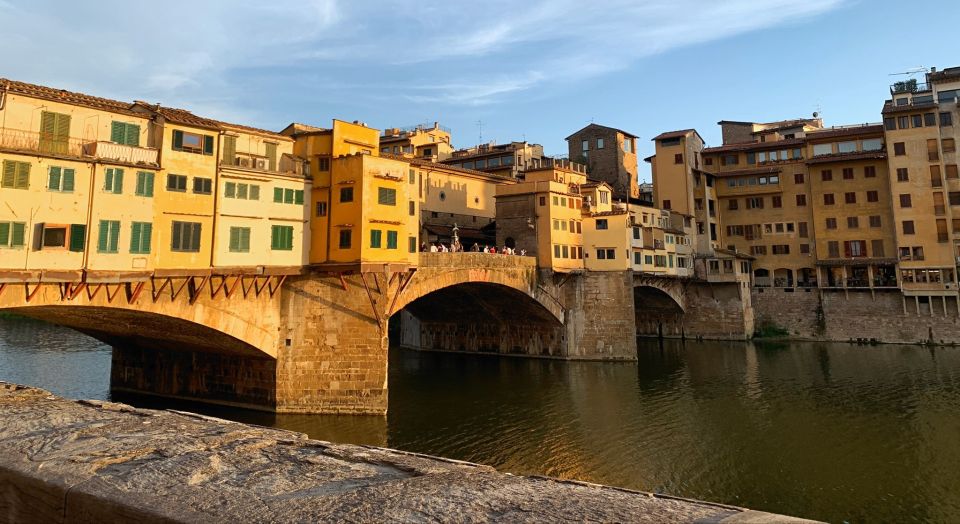
Ponte Vecchio and the approach to the Uffizi: finish with momentum
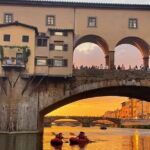
You’ll walk past Ponte Vecchio, Florence’s famous bridge scene. It’s one of those sights where you can’t help noticing it—especially if your hotel window or itinerary later crosses your path with the bridge views.
In this tour, Ponte Vecchio works as a transition. After the civic and palace-heavy focus, it shifts you back toward the everyday rhythms of the city—water, commerce, and a place that still feels lived-in even with all the tourism.
Then you finish outside the Uffizi Gallery. That ending spot is practical. You’re not ending in a random corner—you’re ending at a major destination. After a tour like this, you’ll likely approach the museum with better questions: what to look for, why certain artists mattered, and how the Renaissance culture you just heard about connects to the collections you’re about to see.
Price and value in a 2-hour Florence intro
The listed price is very low (shown as $2.36 per person), and this tour follows a free-tour model style: you reserve, then you choose what to tip based on satisfaction.
That can be a win, but it also changes how you should plan. Treat this as a starter experience, not a “museum ticket replacement.” It’s not trying to replace a guided museum inside ticketed spaces. It’s giving you orientation and story—then pointing you toward what to do next.
The best value comes when you use the tour’s final stretch of guidance. You’ll get recommendations from your local guide for where to eat, drink, and shop. In Florence, that advice can save real time. The difference between hunting for a good meal and going somewhere with local logic is huge when you only have a few days.
One review-style practical tip I’d repeat: bring some cash for tipping the guide. Even when the booking price looks tiny, the guide’s work is the product you’re supporting.
Who this tour is best for (and who should skip it)
This tour is ideal if you want:
- A first-day orientation to Florence’s Renaissance and Medici era
- A guided walk that links history to what you’ll see later (especially around the Duomo and the Uffizi)
- Story-driven explanations that keep the pace moving
It may be less ideal if you:
- Want long indoor time in one site, without being shepherded along
- Prefer deep, quiet museum study over street-level architecture context
- Get cranky when your day is partly outdoors (it runs rain or shine)
Tips that will make the whole experience easier
Bring what you already know helps in Florence, and you’ll have an easier time:
- Comfortable shoes (non-negotiable for a walking route)
- Water (especially since it’s rain or shine and you’ll still be moving)
- Camera if you want to capture the Duomo skyline and bridge views
- Weather-appropriate clothing, because you’ll be out there no matter what
If you’re sensitive to crowds, plan your expectations: the Duomo area and central sights draw a lot of foot traffic. Your guide’s job is to keep you oriented, but you’ll still feel the city’s popularity.
Some guides may use audio support so everyone can hear (one guide setup you might encounter includes a microphone and small earpieces). If you hear that’s being used on your day, it’s a welcome comfort.
Should you book this Florence Medici Renaissance walking tour?
Yes—if you’re in Florence for a short time and you want the “why” behind the skyline. This tour gives you a fast, story-led map of the city’s Renaissance rise and the Medici influence, then ends in the perfect place for your next move at the Uffizi.
You should especially book it early in your trip. Once the relationships between Medici patronage, civic power, and Renaissance ambition click, the rest of Florence feels less like random beauty and more like a coherent city.
If you already know a lot about the Renaissance, you might not learn brand-new facts every minute. But you’ll still likely appreciate the built-in orientation, the symbol-reading guidance, and the practical local recommendations at the end.
FAQ
Where do I meet the guide?
Meet at Florence Free Tour-Tale. Look for the green umbrella in front of the stairs that lead to the main entrance of San Lorenzo Church.
How long is the walking tour?
The tour runs for about 2 hours.
What languages are the guides?
Live guides are available in Spanish and English.
Does the tour run if it rains?
Yes. The tour takes place rain or shine.
What should I bring?
Bring comfortable shoes, a camera, water, and weather-appropriate clothing.
Which major sights are included on the route?
You’ll see areas connected to Basilica of San Lorenzo, Palazzo Medici Riccardi, the Florence Duomo complex (including Giotto’s Bell Tower and Brunelleschi’s Dome), House of Dante, Palazzo Vecchio, Piazza della Signoria, Loggia dei Lanzi, Ponte Vecchio, and you finish outside the Uffizi Gallery.
Is the tour wheelchair accessible?
Yes, the tour is wheelchair accessible.
Can I pay later and cancel if my plans change?
You can reserve now & pay later. Free cancellation is available up to 24 hours in advance for a full refund.
You Might Also Enjoy




More Tour Reviews in Florence
- Tuscany Day Trip from Florence: Siena, San Gimignano, Pisa and Lunch at a Winery
★ 5.0 · 21,634 reviews - The Best tour in Florence: Renaissance & Medici Tales – guided by a STORYTELLER
★ 5.0 · 12,316 reviews