REVIEW · FLORENCE
Florence: Santa Croce Church Tour with Entry Ticket
Book on GetYourGuide →Operated by StarFlorence · Bookable on GetYourGuide
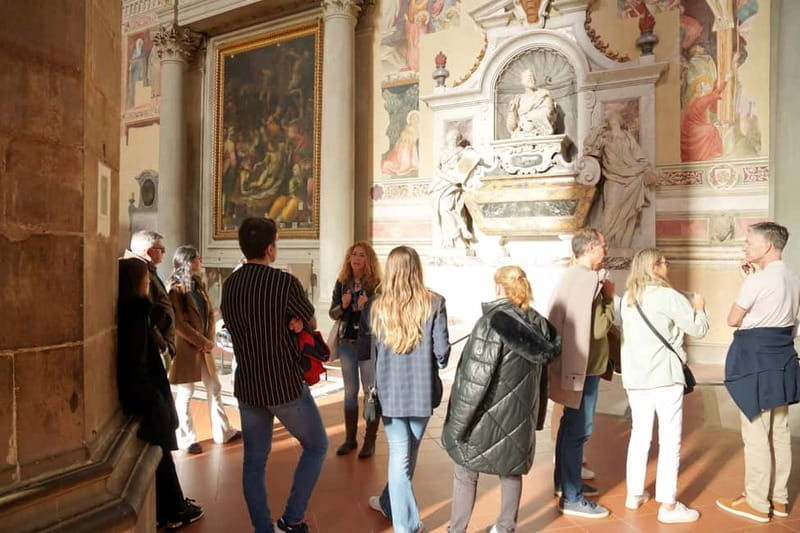
Santa Croce hits you fast. One guided walk through this Franciscan church can connect Michelangelo to everyday Florentine art. Start in the square tied to the Calcio Storico costume soccer tradition, then move inside to see frescoes, famous monuments, and chapels you’d miss if you just showed up.
What I love most is how the tour turns big-name sites into clear, human stories. You’ll get time with the church’s art highlights like Giotto frescoes and Donatello’s works, and the radio system helps you catch the details without craning your neck. The second thing I really like: the itinerary is structured, but it still gives you breathing room afterward to return to what you want (and you’ll usually want to).
One thing to plan for: Santa Croce enforces a strict dress code. Knees and shoulders must be covered, and sleeveless tops are not allowed—if entry is denied, the tour won’t be rescheduled or refunded. If you’re coming straight from a beach day or packing light, build that into your plan.
In This Review
- Key highlights you’ll feel right away
- Why Santa Croce feels different from other Florence churches
- Starting in the square: Calcio Storico and getting your bearings
- Inside Santa Croce: Giotto frescoes, Gaddi storytelling, and chapel architecture
- Donatello’s crucifix and the “Italian glories” theme
- Tombs, monuments, and why the church doubles as a public memory
- The 1966 flood damage: what you’ll actually notice during your visit
- Exterior details: polychrome marble and why it’s worth a quick look
- Bell Tower, crypt, and the 16 chapels: what this adds to your value
- Optional wine tasting with Tuscan appetizers: when it’s a smart add-on
- Price and value: what you’re really paying for
- Who this tour suits best (and who might prefer something else)
- Practical tips before you go (so nothing slows you down)
- If you care about the guide: what the best sessions feel like
- Should you book the Santa Croce church tour with entry ticket?
- FAQ
- How long is the Florence Santa Croce church tour?
- Where do I meet the guide?
- Does the tour include entrance tickets?
- What language is the guide available in?
- Is there a dress code for entering Santa Croce?
- Is wine tasting included?
Key highlights you’ll feel right away
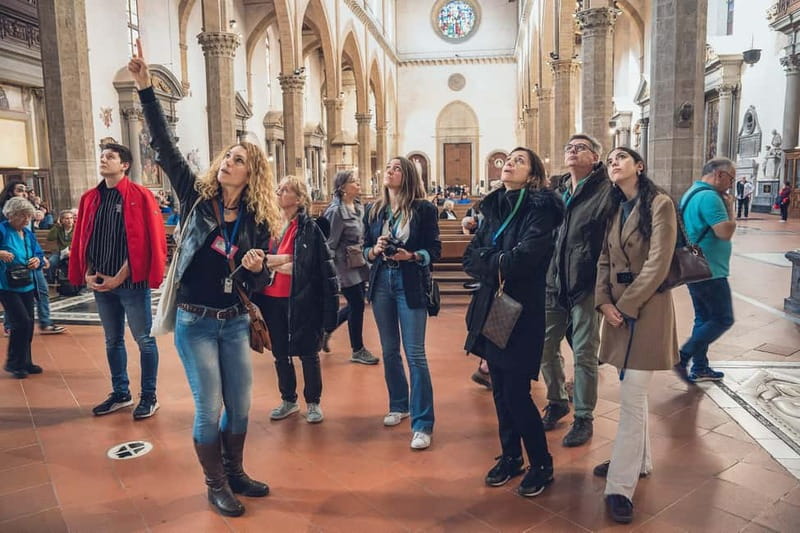
- A guided art path inside Santa Croce focused on frescoes, monuments, and chapels you can’t easily sort alone
- Reserved entry tickets with a guide and a radio system to keep the pace comfortable
- Big names in one place: Michelangelo, Machiavelli, Galileo Galilei, Dante, and more
- Giotto + Brunelleschi connections in the chapels, including the Chapel of Fools
- 1966 flood damage and restoration you can actually see, plus the monumental cemetery area
- Optional Tuscan wine tasting with appetizers if you want to slow the day down
Why Santa Croce feels different from other Florence churches
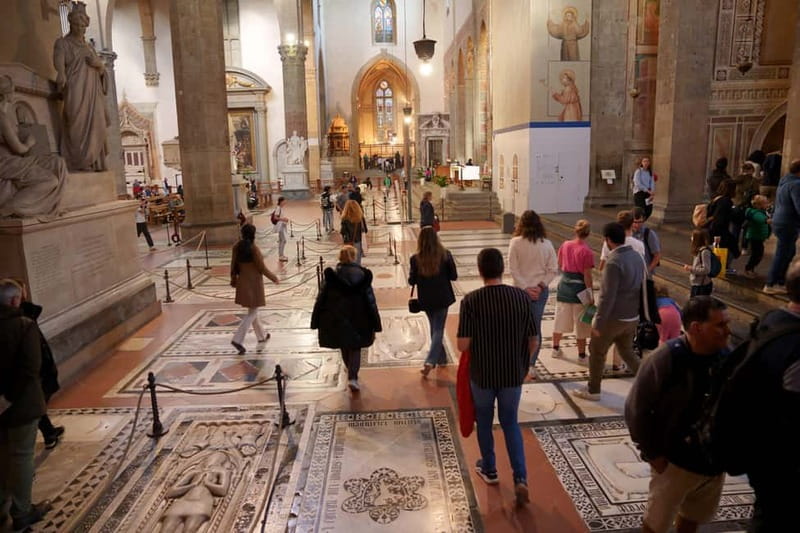
Florence has plenty of churches. Santa Croce stands out because it’s a monument to Italian creativity itself—art, ideas, and politics all layered into one complex.
The tour’s approach helps you read that layer-cake. Your guide doesn’t just point at famous works and move on. They explain why these artists and patrons mattered, and how the church became a kind of public memory bank for Florentines and Italians.
It also helps that the visit is anchored by major names. You’ll see tombs and monuments tied to Michelangelo, Machiavelli, Galileo Galilei, and Dante, so the building doesn’t feel like a museum display. It feels like a place where Florence decided to store its brainpower.
You can also read our reviews of more tours and experiences in Florence.
- Tuscany Day Trip from Florence: Siena, San Gimignano, Pisa and Lunch at a Winery
★ 5.0 · 21,634 reviews

Starting in the square: Calcio Storico and getting your bearings
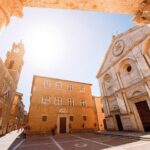
You meet at Largo Piero Bargellini, 1, near the Monument to Dante Alighieri. From there, you begin with context instead of a hard left into crowds.
This start matters. The tour begins in a square where the Calcio Storico Florentino—medieval costume soccer—takes place each June. Even if you’re not in June, it helps you understand the square as a stage. Florence loves turning history into a living performance, and Santa Croce is part of that same tradition.
Then your guide eases you into the real mission: walking you through Santa Croce’s artistic wealth. Expect a clear sense of where to look and what you’re looking for, from major chapel fresco cycles down to smaller monuments.
Inside Santa Croce: Giotto frescoes, Gaddi storytelling, and chapel architecture
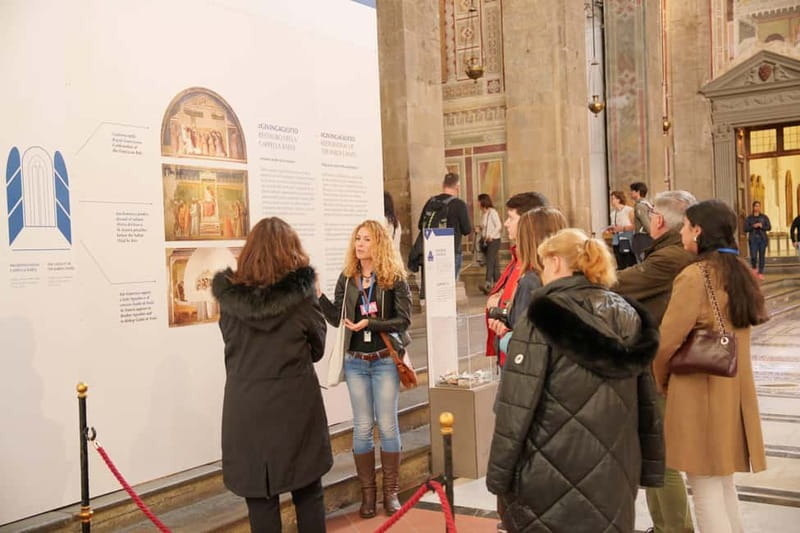
Santa Croce is famous, but the best part is how the tour breaks it into manageable chunks. The interior visit includes a circuit of major points and finishes with time to explore further on your own.
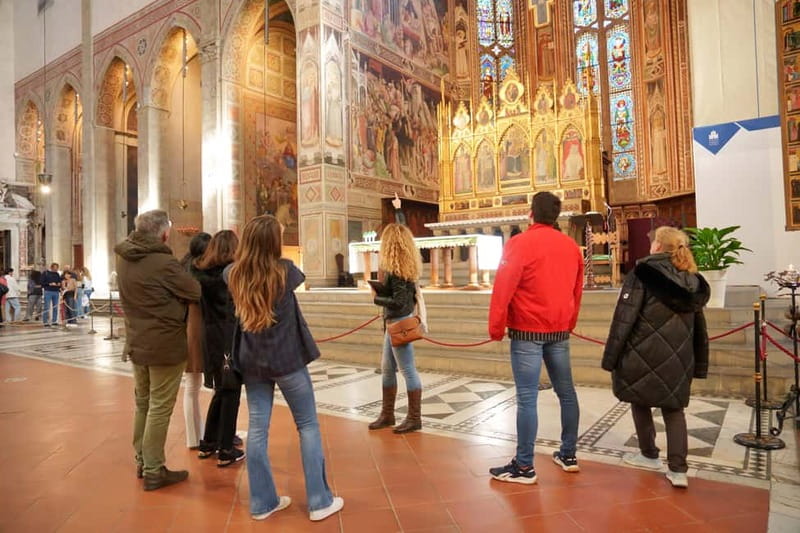
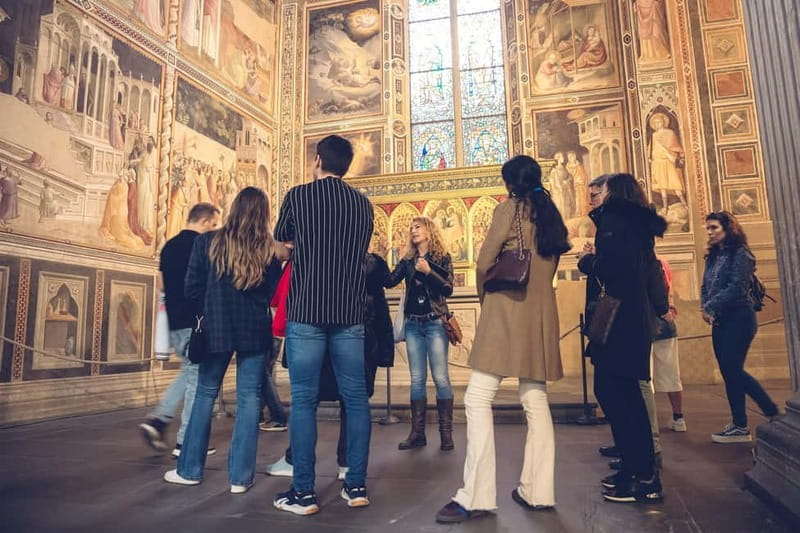
One of the big artistic anchors is the Cappella Maggiore, where your guide points out frescoes linked to Gaddi and the story connected to Santa Croce. This isn’t just decoration; it’s the church using painting as explanation, like visual theology for people walking through the space.
You’ll also spend real time with frescoes by Giotto, especially in the Bardi and Peruzzi Chapels. Your guide frames these frescoes as scenes from the life of St. Francis and St. John the Evangelist. That matters because it turns a wall of color into a sequence—so you can follow the narrative instead of guessing.
And then there’s the architectural curiosity: the chapel designed by Brunelleschi, often called the Chapel of Fools. If you’ve seen Brunelleschi’s work elsewhere, you’ll recognize the emphasis on proportion and harmony. If you haven’t, this is still a smart first stop to understand why his name matters.
Donatello’s crucifix and the “Italian glories” theme
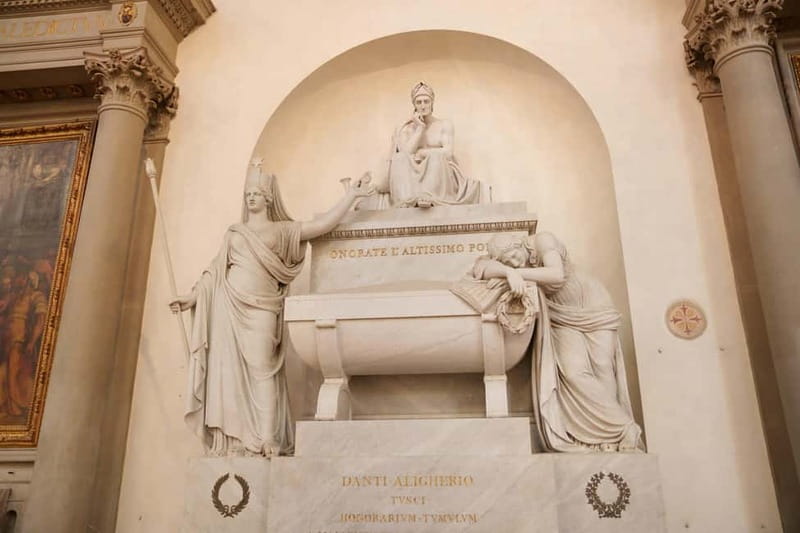
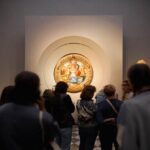
Santa Croce calls itself a temple of Italian glories, and the tour leans into that idea. You’re shown key artworks linked to Renaissance masters—not just once, but in a way that makes you notice the differences in style and purpose.
One standout is Donatello and a crucifix your guide highlights as a Renaissance jewel. You’ll likely spend more time here than you expect. That’s because the guide connects the object to the broader shift in Renaissance art: less flat symbolism, more emotional weight, more attention to human presence.
Another element that adds flavor is how the guide uses small clues as stepping-stones. For example, on the way to the entrance area, you’ll see a memorial to Giovanni Battista Niccolini, built as an inspiration for the Statue of Liberty. That’s a fun cross-connection—proof that Florence influence didn’t stay trapped inside Florence.
Tombs, monuments, and why the church doubles as a public memory
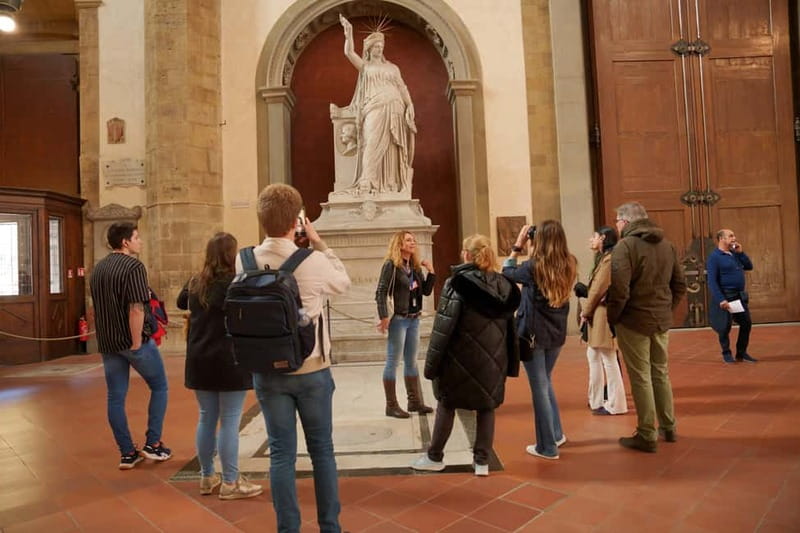
If you only care about art, Santa Croce would still be worth it. But the emotional pull is often the burial program.
The tour includes the burial places and monuments of major figures such as Michelangelo, Machiavelli, Galileo Galilei, and others. Having a guide is helpful here, because those names can turn into a quick checklist if you’re alone. With a guide, the tombs start to feel like a deliberate story Florence wanted to keep repeating.
You’ll also see the monument dedicated to Dante. Dante is one of those names that always feels “important,” but Santa Croce makes you understand why. It’s not just a famous author being honored; it’s Florence placing its literary identity in a shared sacred space.
For many people, this is the part that lingers after the tour ends. A church cemetery inside a church complex isn’t typical in every European city. Here, it turns the visit into something closer to walking through a collective biography.
- The Best tour in Florence: Renaissance & Medici Tales – guided by a STORYTELLER
★ 5.0 · 12,316 reviews



The 1966 flood damage: what you’ll actually notice during your visit
There’s a specific, sobering theme in this tour: the church’s scars from the tragic flood of 1966 and the paintings that were destroyed and later restored.
Even if you know the year, the tour helps you connect the event to visible remnants. Your guide points out the monumental cemetery area and references damaged paintings that were lost in the flood and restored afterward.
That’s one reason this tour feels practical. You’re not just seeing masterpieces; you’re seeing how disasters shape what survives. And restoration becomes part of the artwork’s story, not a footnote.
Exterior details: polychrome marble and why it’s worth a quick look
After the interior, you’ll hear about the exterior, including the polychrome marble façade. This is one of those “quick glance” details that becomes more interesting when you know what it represents.
A polychrome façade sounds like decoration until your guide explains how Santa Croce uses color and pattern to communicate importance. Florence loved branding its landmarks through materials. Here, the façade acts like a visual handshake before you step into the main rooms.
Even if your feet are starting to argue by this point, take a minute for it. The exterior is the last piece of the puzzle, and it makes the inside feel less like random rooms and more like a designed whole.
Bell Tower, crypt, and the 16 chapels: what this adds to your value
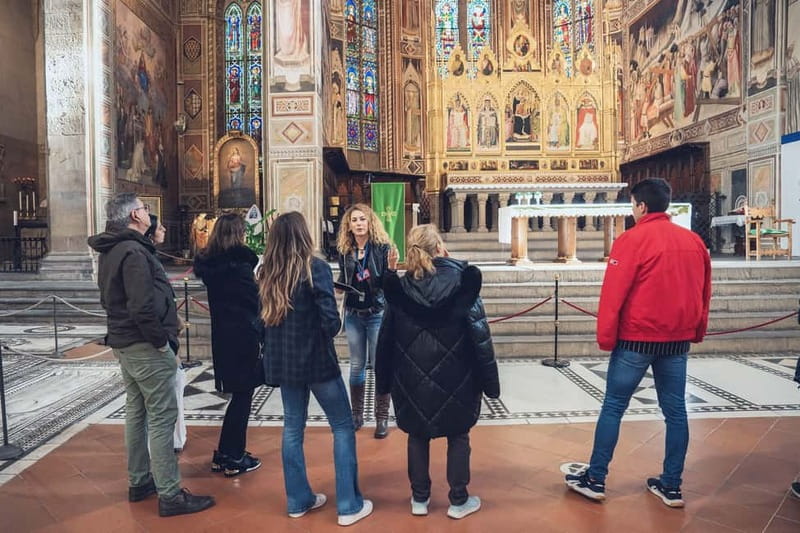
The tour doesn’t stop at the big rooms. After your main interior time, your guide also tours you around the Bell Tower, the Crypt, and the 16 chapels.
This is where the tour offers real value. You’d struggle to plan this kind of route on your own without accidentally missing something or spending too long figuring out what each chapel is. With a guide, you get a map in your head: where the key works sit, which chapels are most connected to what themes, and what to return to later.
At about one hour for the core tour inside, it’s a manageable pace. You’re not stuck in a marathon, and the group keeps moving. Then the experience ends with the chance to go back to anything you want to see again after the tour ends.
Optional wine tasting with Tuscan appetizers: when it’s a smart add-on
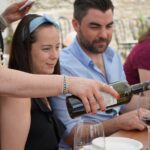
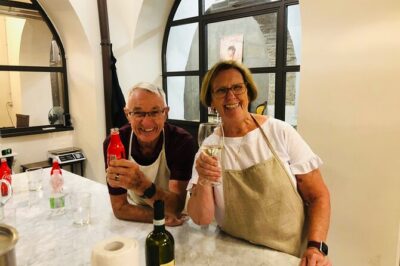
You can upgrade to a wine-tasting option. If you do, you’ll join a wine expert to taste different Tuscan wines while enjoying a platter of Tuscan appetizers.
I like this add-on when I want a slower, more social finish after standing in churches and looking at details for a while. It’s also handy if you know you’ll want a break from walking afterward. Not everyone wants to mix wine with art, but for many people in Florence, it turns the day into a complete cultural loop: history first, then taste.
If you’re the type who likes to keep your schedule strict, you might skip it. But if you’re flexible, the option is a straightforward way to add value beyond the entry ticket.
Price and value: what you’re really paying for
At $54.66 per person, this isn’t the cheapest thing you can book in Florence. But you’re paying for the full package:
- A certified guide
- Reserved entrance tickets
- A radio system so you can hear clearly
- Optional wine tasting if you choose the upgrade
That combo matters. In a busy site like Santa Croce, the time you save from waiting and the clarity you get from the radio system can feel worth more than the raw price.
Also, the duration is flexible—listed as 1 to 2.5 hours depending on starting times—so you can match it to your day. It’s long enough to make the visit feel guided and complete, but not so long that you’ll resent it halfway through.
Who this tour suits best (and who might prefer something else)
This tour is a strong match if you want:
- A clear route through Santa Croce’s highlights
- Context for the big names (Michelangelo, Machiavelli, Galileo, Dante)
- Fresco and chapel explanations you can actually follow
- The option to add wine tasting afterward
It’s especially good for first-timers who don’t want to spend their Florence time chasing signage.
If you’re the kind of visitor who likes to wander silently and read every label slowly, you might not need a guided route. But even then, the reserved entry and radio clarity can be a plus if you tend to miss details in quiet spaces.
Practical tips before you go (so nothing slows you down)
Wear comfortable shoes. You’ll be walking through the church complex, including areas like the crypt and multiple chapels, and you want your legs to cooperate.
Dress code is not optional. Santa Croce requires covered knees and shoulders for both men and women. Sleeveless shirts are forbidden. If you show up wrong, you can be refused entry, and the tour won’t be rescheduled or refunded.
Plan for all-weather operation. The tour is described as running in all weather, so bring what you’d normally bring in Florence—something for sun or drizzle.
Also note what you shouldn’t bring: pets, smoking, and luggage or large bags are not allowed. If you’re traveling with a big backpack, downsize when possible before you get to the meeting point.
If you care about the guide: what the best sessions feel like
This type of tour lives or dies on the guide’s storytelling, and the reviews you’re likely to see for this experience praise a consistent pattern: detailed explanations, strong pacing, and answers to questions.
You’ll see guide names like Lara, Marcello, Viviana, Guido, Ilaria, Elena, Marie, and Elena connected to excellent art-and-history guiding. That suggests the provider puts real effort into the quality of the experience and into keeping the tour lively without turning it into noise.
You’ll also benefit from the structure: the guide points out the specific art and the architectural harmony (like Brunelleschi’s chapel design) rather than making it a vague walk-through.
Should you book the Santa Croce church tour with entry ticket?
Book it if you want Santa Croce to make sense. With reserved tickets, a live guide, and radio support, you get more than entry—you get a route and explanations that connect frescoes, chapels, tombs, and even restoration after the 1966 flood.
Skip it only if you’re strictly budget-first, or if you prefer self-guided wandering with no guided context at all. In most Florence trips, this tour is a high-value way to see why Santa Croce matters, not just what it contains.
If you have the time, I’d treat it as a “core Florence” stop—then let the rest of your day branch out from the names and works you focused on here.
FAQ
How long is the Florence Santa Croce church tour?
The tour duration is listed as 1 to 2.5 hours, depending on the starting time you book.
Where do I meet the guide?
The meeting point is at Largo Piero Bargellini, 1, Monument to Dante Alighieri. The exact start location may vary depending on the option booked, but this is the main listed meeting location.
Does the tour include entrance tickets?
Yes. The tour includes entrance tickets with reservations, plus a guided visit to the Basilica of Santa Croce.
What language is the guide available in?
The live tour guide is offered in English, Spanish, French, German, and Italian.
Is there a dress code for entering Santa Croce?
Yes. Shorts and sleeveless tops are strictly forbidden. Knees and shoulders must be completely covered for both men and women, or you may be refused entry.
Is wine tasting included?
Wine tasting is included only if you select the wine-tasting option. If chosen, you’ll taste Tuscan wines with a platter of Tuscan appetizers.
You Might Also Enjoy
More Tour Reviews in Florence
- Tuscany Day Trip from Florence: Siena, San Gimignano, Pisa and Lunch at a Winery
★ 5.0 · 21,634 reviews - The Best tour in Florence: Renaissance & Medici Tales – guided by a STORYTELLER
★ 5.0 · 12,316 reviews