REVIEW · FLORENCE
Florence: Uffizi Gallery Small-Group Guided Tour with Ticket
Book on GetYourGuide →Operated by THINGS TO DO IN · Bookable on GetYourGuide
The Uffizi is a workout; this tour helps. I like the priority entrance that saves real time and the chance to connect the story behind The Birth of Venus instead of just snapping photos. The one drawback is math: 1.5 hours is still a sprint through a museum that’s basically a whole syllabus.
What makes this outing work is the human scale. You get a live guide plus headsets (so you don’t have to play audio roulette), and you can ask questions while still seeing the key works. You’ll start at the Nicola Pisano Statue near the Uffizi area, and you’ll be funneled through the museum in a way that keeps the day from turning into a slow-moving line experiment.
In This Review
- Quick highlights you’ll feel immediately
- Starting at Nicola Pisano: where your Uffizi day actually begins
- Priority entrance meets the metal-detector reality
- Inside the Uffizi: 90 minutes of Renaissance-to-Baroque essentials
- The building is part of the experience
- Botticelli, Leonardo, Michelangelo: the masterpieces you’ll actually remember
- Botticelli moments: Venus and Primavera energy
- Leonardo da Vinci: the Annunciation with useful visual clues
- Michelangelo: Tondo Doni and the punch of Renaissance muscle
- How the small-group setup helps you ask real questions
- Your guide can make or break the tour (and this one uses tools)
- What to do before and after: making the 1.5 hours count
- Price and value: $76 for a ticketed, guided highlight run
- Who this Uffizi small-group tour suits best
- Should you book this Uffizi tour?
- FAQ
- FAQ
- How long is the Uffizi Gallery small-group guided tour?
- Where do I meet the guide?
- Is the Uffizi ticket included, or do I buy it separately?
- Are headsets provided?
- What languages are available for the live guide?
- What rules should I know before going in?
Quick highlights you’ll feel immediately
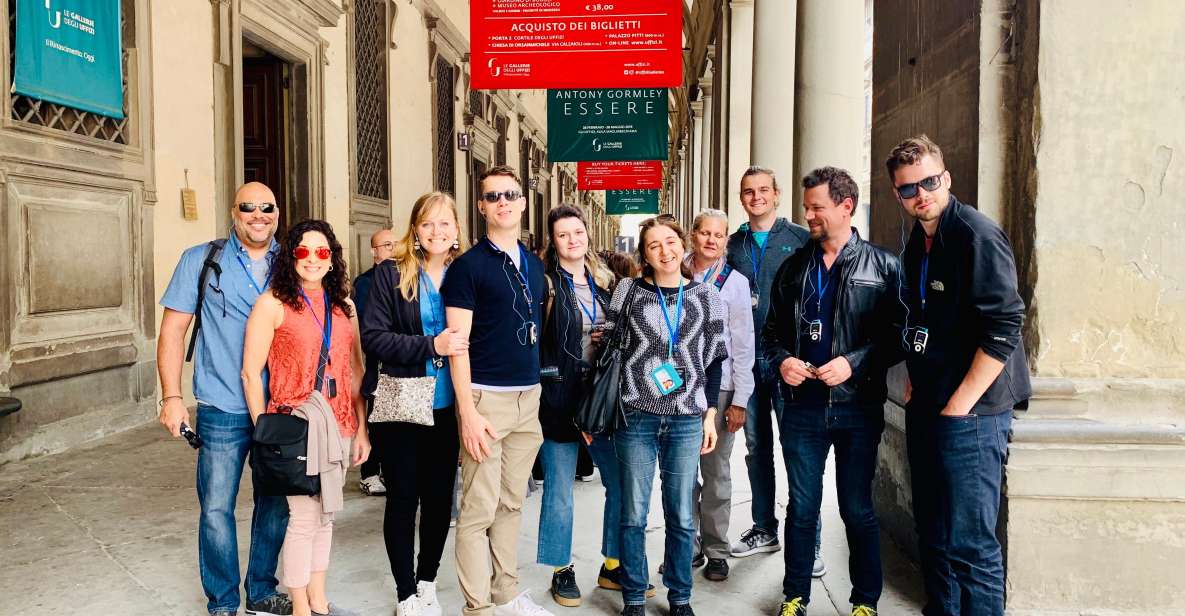
- Priority entrance and skip-the-line flow: less waiting, more looking.
- Headsets for clear storytelling: you hear the guide even when rooms are loud.
- Big-ticket masterpieces in a tight route: Botticelli, Leonardo, and Michelangelo stand out fast.
- Small-group format with real questions: fewer people, more back-and-forth.
- Focus on meaning, not only names: symbolism and techniques get explained as you go.
Starting at Nicola Pisano: where your Uffizi day actually begins
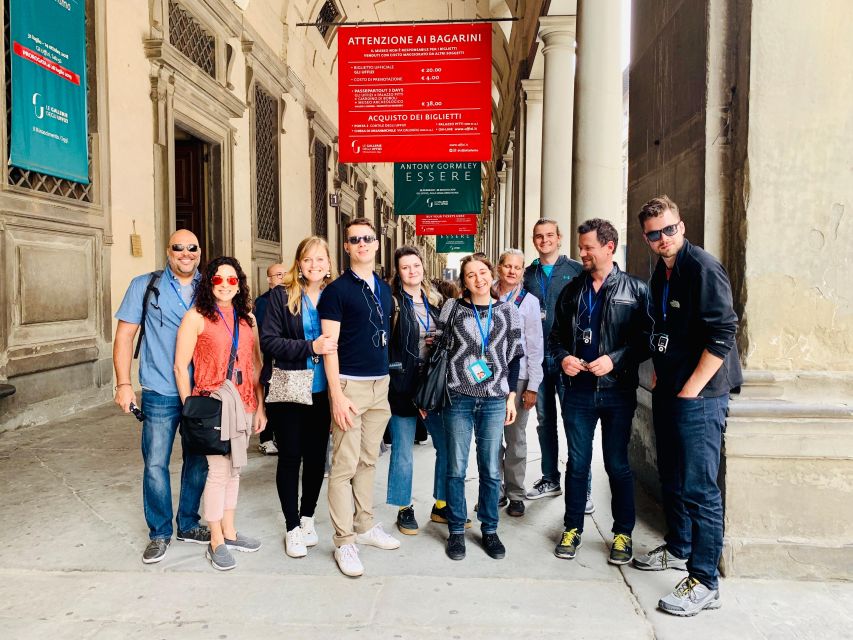
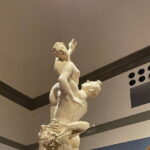
Meeting at the Nicola Pisano Statue in Piazzale Degli Uffizi (address: Piazzale Degli Uffizi, 6) is smart because it puts you right where you need to be. You also get assistance at the meeting point, which matters when you’re navigating Florence at street level and trying not to waste your best hour.
You should arrive 15 minutes early. That time buffer helps because everyone has to go through a metal detector before entering. If you’re even slightly late, you’ll feel the delay, and the whole point of paying for a guided “priority” experience starts slipping.
You can also read our reviews of more tours and experiences in Florence.
- Tuscany Day Trip from Florence: Siena, San Gimignano, Pisa and Lunch at a Winery
★ 5.0 · 21,634 reviews

Priority entrance meets the metal-detector reality
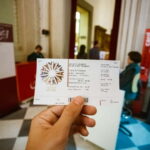
This tour includes entry tickets and is set up to skip the ticket line. In practice, that means the earliest win is getting past the part that makes you question life choices—waiting. The museum still requires security screening, so you’re not avoiding the security check, but you’re reducing the worst bottleneck.
A practical tip: wear comfortable shoes and keep your pockets tidy. No flash photography and no oversize luggage are on the rules list, and the more smoothly you pass checks, the less your guide has to stop to regroup.
Inside the Uffizi: 90 minutes of Renaissance-to-Baroque essentials
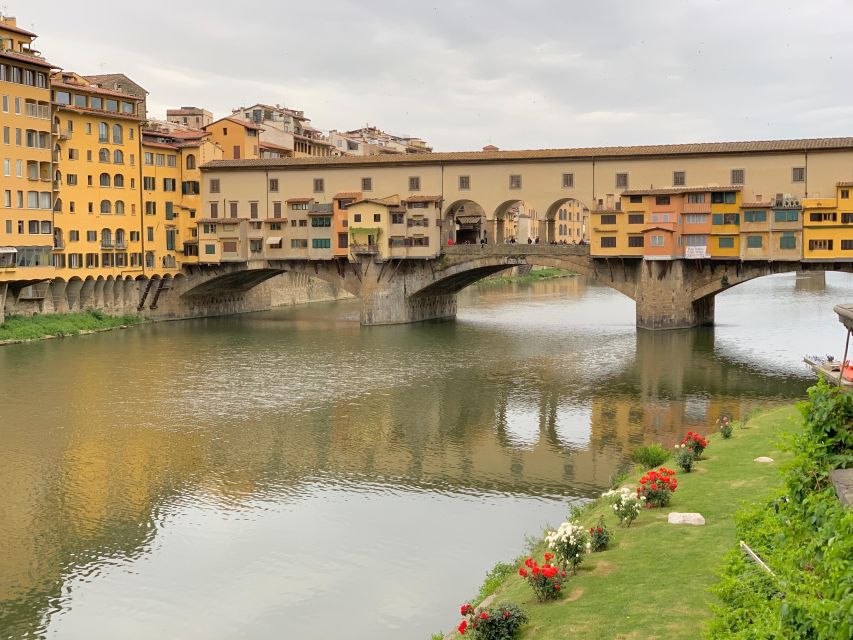
Once you’re in, the pacing is the key feature. Your guided time is 1.5 hours, which is long enough to understand themes and transitions, but not long enough to see everything. The guide’s job is to steer you toward the works that define the collection’s arc—from earlier Renaissance power to later Baroque drama—without leaving you wandering lost.
Expect a route that hits major paintings and sculptures rather than trying to cover every room. That’s not a flaw; it’s the difference between a tour that teaches you how to look and a tour that turns you into a human bookmark. If you’ve ever visited the Uffizi on your own, you already know how quickly the museum can feel like “just more rooms.” This format prevents that.
The building is part of the experience
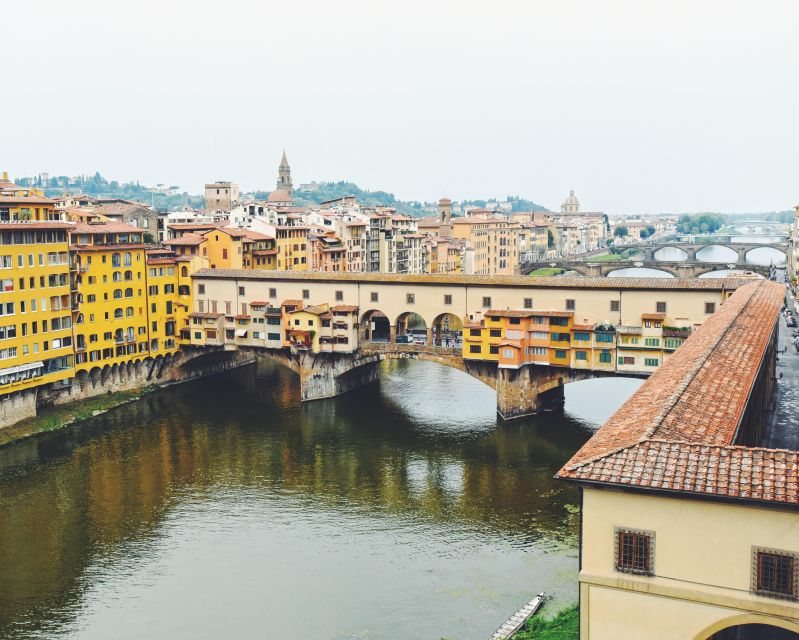
Even before you focus on individual works, the Uffizi setting helps you read what you’re seeing. You’re moving through grand corridors and ornate spaces, and the architecture sets the mood: art here isn’t just displayed—it’s staged by the building itself.
Your guide will use the space to anchor you. You’ll get help with what to notice first: subject matter, symbolism, and technique. That turns the gallery from a crowded slideshow into something closer to a guided conversation.
Botticelli, Leonardo, Michelangelo: the masterpieces you’ll actually remember
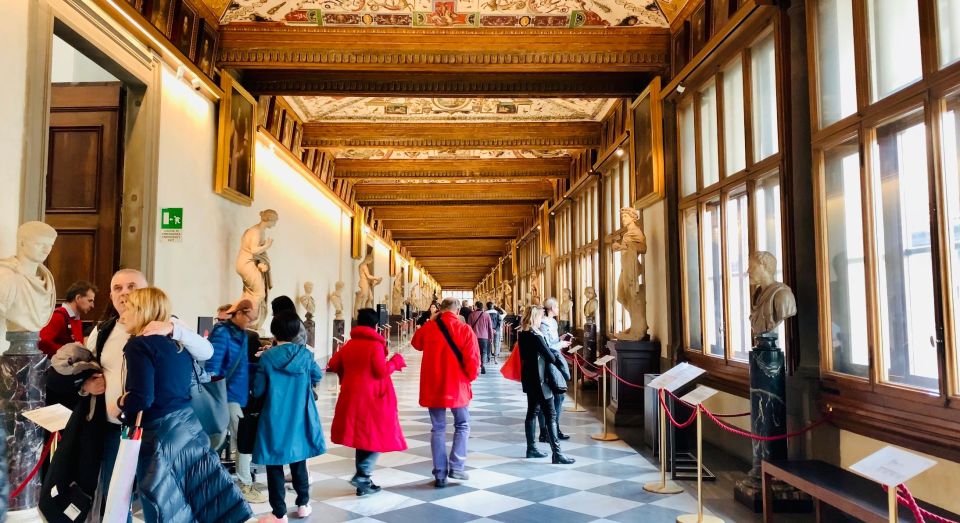
This tour is built around the Uffizi’s most recognizable names, and it’s also built around why those names matter.
- The Best tour in Florence: Renaissance & Medici Tales – guided by a STORYTELLER
★ 5.0 · 12,316 reviews



Botticelli moments: Venus and Primavera energy
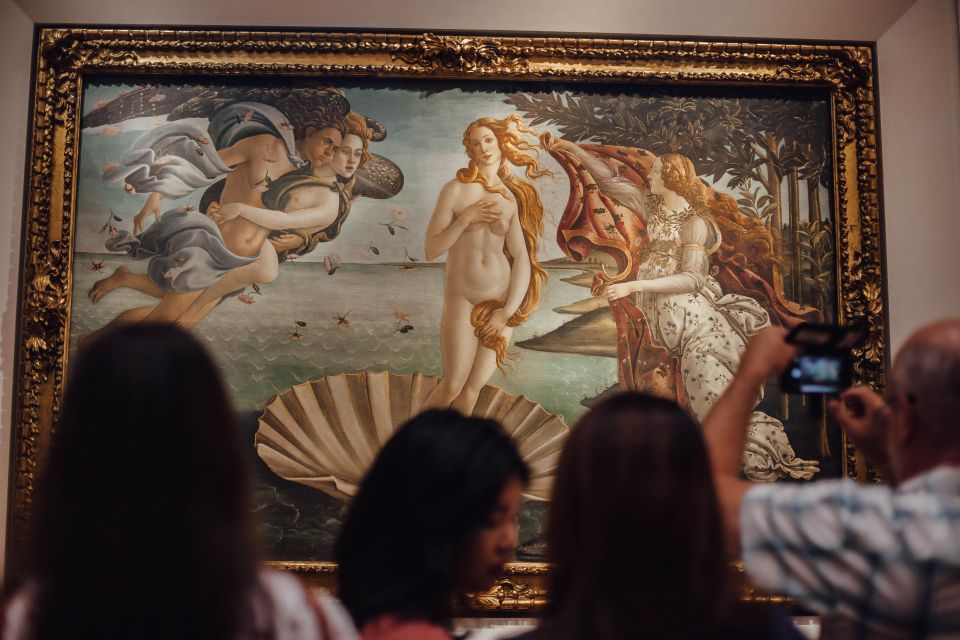
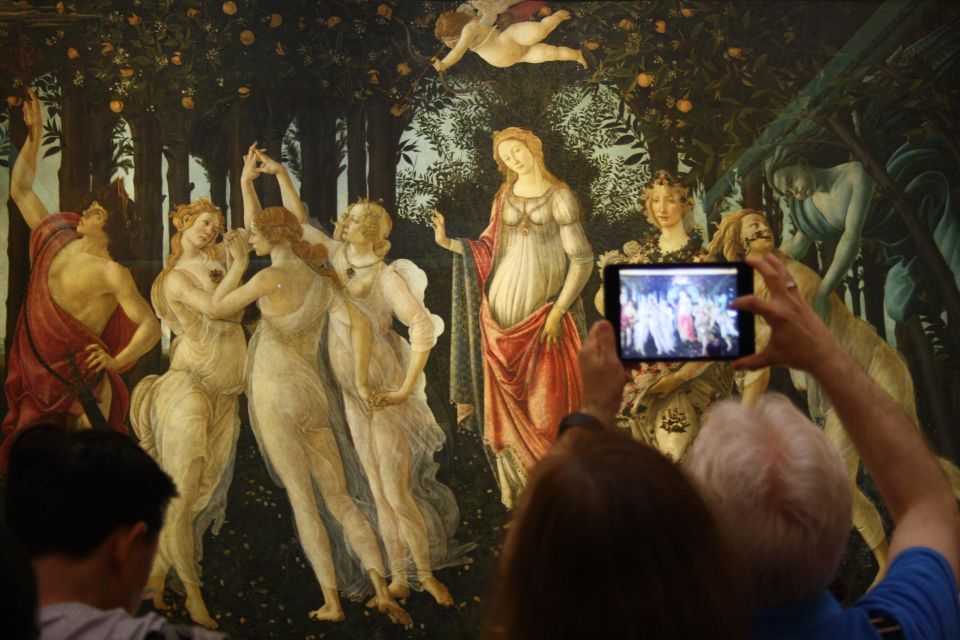
You’ll focus on Botticelli, including the headline work The Birth of Venus and also references to his famous Primavera. The value of a guided look is how the guide ties image to story—myth, patronage, and the cultural ideas circulating in Florence around these works.
If you only stop at Venus without context, it’s still stunning. But with guidance, you’ll also understand what the painting is trying to communicate and why those details feel deliberate, not decorative.
Leonardo da Vinci: the Annunciation with useful visual clues
You’ll also see key works linked to Leonardo da Vinci, including The Annunciation. Guides often help you read Leonardo’s choices: expressions, staging, and compositional logic. Even if you’re not an art expert, these explanations give you a “lens” so you can see more than just the famous subject.
Michelangelo: Tondo Doni and the punch of Renaissance muscle
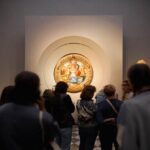
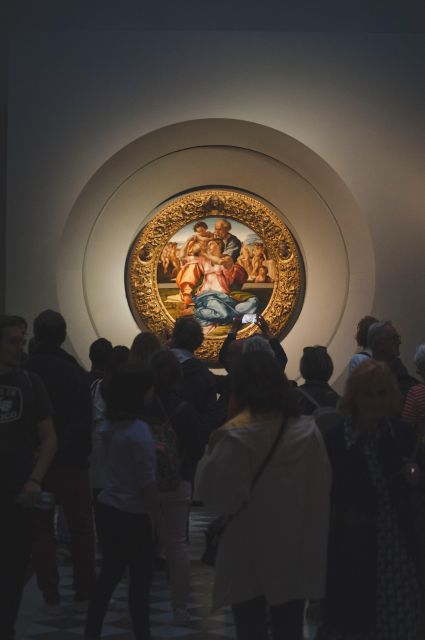
Michelangelo’s Tondo Doni is one of the big stops you can expect. The helpful part is not just who painted it, but how the guide connects Michelangelo’s style to the broader shift in Italian art. You’ll leave with a clearer sense of how Renaissance painting changed as ideas about form and emotion evolved.
How the small-group setup helps you ask real questions
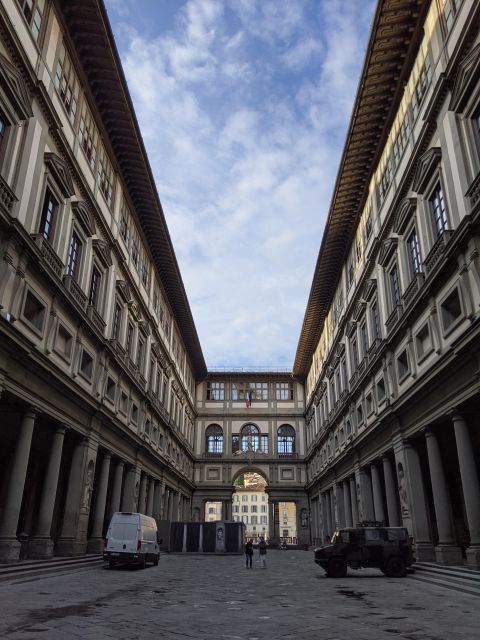
The group size is the quiet superpower here. With fewer people, you aren’t waiting for someone else to finish a question while the room cools down. You also get time to engage—questions and discussions are explicitly part of the experience.
Many guides also adapt their focus to keep you from feeling overwhelmed. Some sessions put extra emphasis on the Medici backdrop and how Florence’s power shaped what artists got commissioned and promoted. If your goal is to understand the “why” behind the artworks, this structure helps.
A good sign from the experience data: guides commonly balance stories with pacing, so you don’t feel rushed. That matters because the Uffizi is busy, and any tour that shouts through highlights without breathing room is mostly wasted money.
Your guide can make or break the tour (and this one uses tools)
You’ll have a live guide available in multiple languages: Portuguese, Spanish, English, French, Italian, German, and Russian. Headsets are included, which is a big deal in a museum like the Uffizi where rooms can get loud and echoes can turn explanations into background noise.
Guides reported in recent sessions include names like Pam, Irina, Anna, Vicky, Vittoria, Olga, Bruce, and Gaetano. Those names aren’t guarantees, but they’re a clue about the consistent quality theme: strong historical framing plus clear explanations of what you’re looking at.
If you’re the type who likes to ask why something looks the way it does—colors, composition, symbolism—this is the right kind of format. Your time is short, so you want a guide who can answer fast and keep the focus on the masterpieces that matter most.
What to do before and after: making the 1.5 hours count
This tour ends at the Uffizi Gallery, which is convenient. You’re still inside the museum afterward, so you can continue at your own pace. The best use of that free roaming time is to circle back to the works the guide highlighted and linger with fresh context.
Also, if you want more than the highlights route, plan for a second self-guided pass later. The Uffizi is huge, and even a well-run 1.5-hour tour can only hit the main attractions. Treat this guided session like a fast art-history map, then use your extra time to explore what made you stop.
Price and value: $76 for a ticketed, guided highlight run
At $76 per person for about 1.5 hours, the deal is mostly about what’s included and what it protects you from. You’re getting:
- entry tickets,
- a guided route that targets major works,
- headsets so you can hear the guide clearly,
- and priority entrance to reduce waiting time.
If you were to buy tickets separately and then “figure out what to see,” you’d spend your limited museum time making decisions instead of learning. For many people, that’s the difference between a satisfying visit and a stressful one.
The trade-off is your expectations. If your dream is to see every room in one session, this isn’t built for that. But if you want a smart highlights route with explanation and time to ask questions, it’s solid value.
Who this Uffizi small-group tour suits best
This tour fits you if:
- you want the iconic works (Botticelli, Leonardo, Michelangelo) without getting lost,
- you care about symbolism and context, not only the famous names,
- you’re visiting during peak hours and want to cut down on waiting,
- you like tours where you can ask questions and stay engaged.
It may not be the best fit if you:
- need a very slow, room-by-room pace for every artwork,
- expect the guide to cover every single work in the museum (it can’t, in 1.5 hours),
- or you prefer totally self-directed wandering with no structure.
Should you book this Uffizi tour?
I’d book it if your priority is seeing the biggest masterpieces with context and getting inside efficiently. The combination of priority entrance, headsets, and a tight 90-minute route is built for real-world museum crowds and limited time.
If you do book, come early, travel light (no oversize luggage), and commit to using your post-tour time for lingering. And if your group has mixed art interests, the small format is exactly what helps everyone feel included—one person can ask deeper questions while someone else just gets the story behind Venus.
FAQ
FAQ
How long is the Uffizi Gallery small-group guided tour?
It lasts 1.5 hours.
Where do I meet the guide?
Meet in front of the Nicola Pisano Statue at Piazzale Degli Uffizi, 6, 50122 Florence, close to the Uffizi info point. Arrive 15 minutes early.
Is the Uffizi ticket included, or do I buy it separately?
Entry tickets to the Uffizi Gallery are included, and the tour is designed to skip the ticket line.
Are headsets provided?
Yes. Headsets are included so you can hear the guide clearly.
What languages are available for the live guide?
Portuguese, Spanish, English, French, Italian, German, and Russian.
What rules should I know before going in?
Flash photography isn’t allowed. You can’t bring oversize luggage, and weapons or sharp objects are not allowed. Food and drinks are not allowed in the vehicle. You’ll also need to pass through a metal detector.
You Might Also Enjoy


More Tour Reviews in Florence
- Tuscany Day Trip from Florence: Siena, San Gimignano, Pisa and Lunch at a Winery
★ 5.0 · 21,634 reviews - The Best tour in Florence: Renaissance & Medici Tales – guided by a STORYTELLER
★ 5.0 · 12,316 reviews