REVIEW · MATERA
Matera: Caves and Rock Churches Walking Tour in English
Book on GetYourGuide →Operated by Gaetano Campanile · Bookable on GetYourGuide
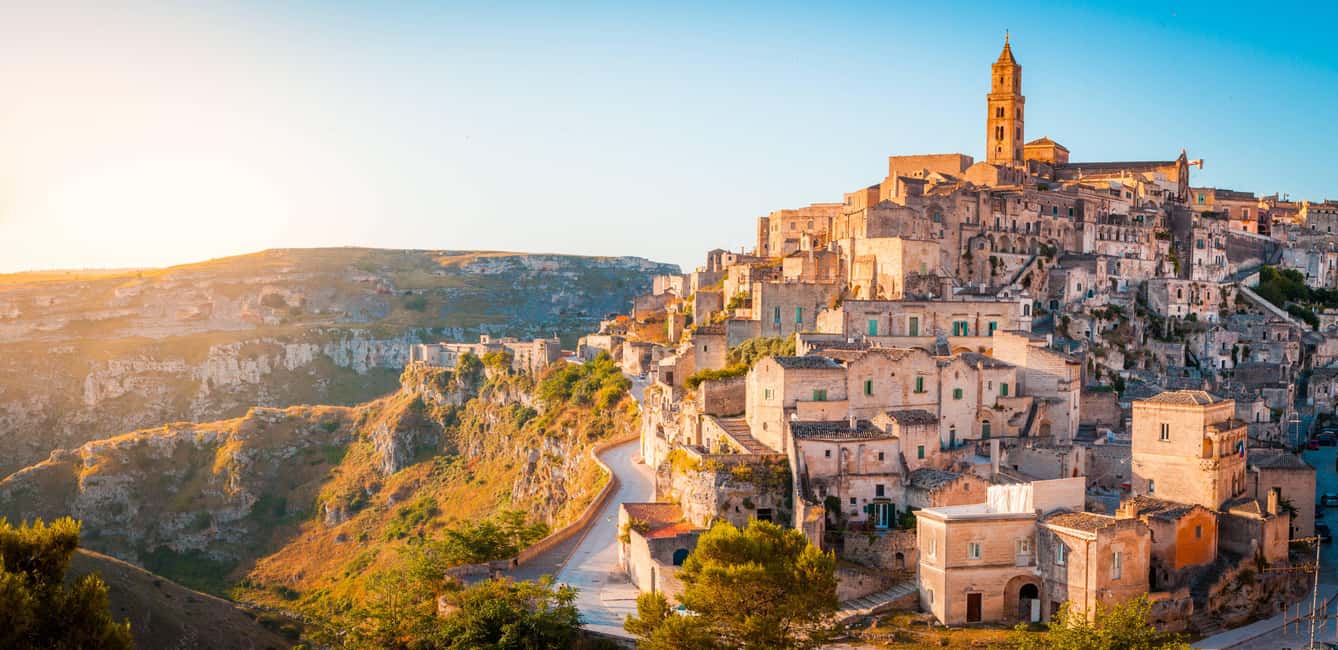
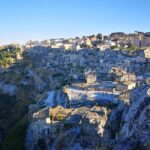
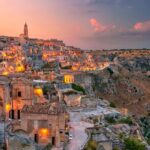
Matera does not hide its age. This 2.5-hour walking tour in English takes you from Piazza S. Pietro Caveoso into the Sassi—the ancient cave districts—where daily life once worked around stone, shade, and water. It’s the kind of place where the view alone grabs you, then the story makes it stick.
I love how the tour mixes practical human details with big-picture change, including how Matera went from the shame of Italy to a UNESCO site. I also like that you’re not wandering solo—you have a local guide, Gaetano Campanile, who explains what you’re looking at and keeps the pace easy to follow.
The main thing to consider is physical comfort: Matera sits on a hill, and you’ll climb stairways. Even with a leisurely pace, bring comfortable shoes and expect some uneven stone steps.
In This Review
- Key takeaways before you go
- Piazza S. Pietro Caveoso: Where the Sassi story starts
- Walking the Sassi: viewpoints, stairs, and the little corners you’ll miss alone
- Entering the cave houses: how families really lived in stone
- The rainwater collection system: the survival tech in the walls
- The rock church of St. Mary of Idris: religion carved into daily life
- Gaetano Campanile and the art of staying curious
- Price and value: is $28 a good deal for 2.5 hours?
- Practical tips so the tour feels easy (not stressful)
- Should you book this Matera caves and rock churches tour?
- FAQ
- Where is the meeting point for the tour?
- Where does the tour end?
- How long is the Matera caves and rock churches walking tour?
- Is the tour offered in English?
- What places will we visit during the tour?
- Is the walk difficult?
- What should I bring?
- Is there parking near the meeting point?
- Is free cancellation available?
Key takeaways before you go
- Licensed local guide: Gaetano Campanile brings the area to life in clear English.
- Cave houses inside lookouts: You’ll step into how families actually lived.
- Rainwater collection explained: You’ll learn the system that helped people survive.
- St. Mary of Idris rock church: A standout stop that adds spiritual and historical context.
- Leisurely pace, but stairs: Easy pace, still old-city steps and hills.
Piazza S. Pietro Caveoso: Where the Sassi story starts
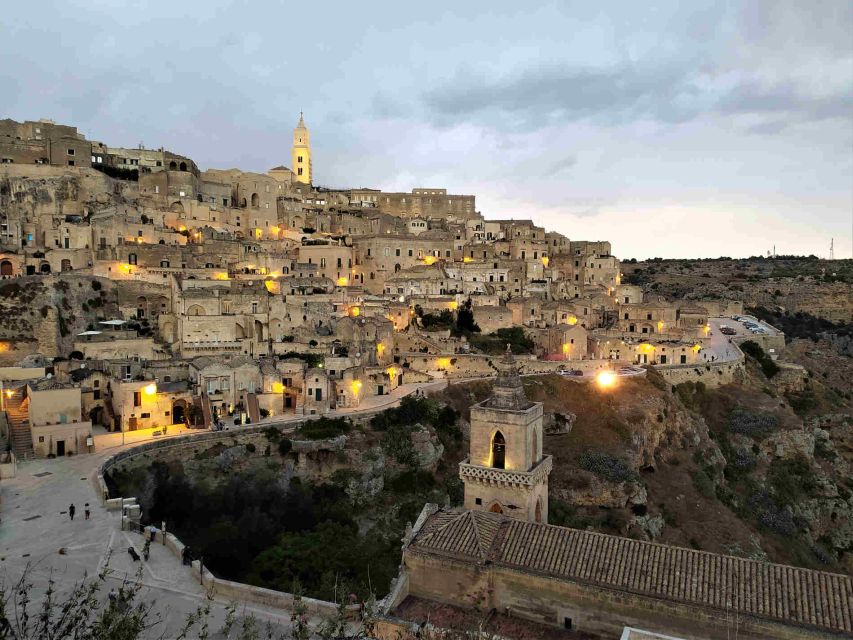
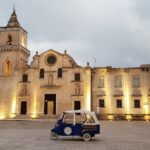
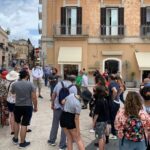
Your tour begins in Piazza S. Pietro Caveoso, in front of the church. This matters because you’re not just starting at a random landmark—you’re starting at the edge of how Matera grew, lived, and adapted to its environment.
From this starting point, the guide sets up the Sassi as more than scenery. You’ll get a sense of why the districts look the way they do and how people built their homes and routines into the rock. Think of it like getting a key before walking through a locked door.
And since it’s a short tour—about 2.5 hours—you’ll spend your time where the information pays off: in the cave areas, at key viewpoints, and at meaningful churches rather than on long stretches of sidewalk.
You can also read our reviews of more tours and experiences in Matera.
Walking the Sassi: viewpoints, stairs, and the little corners you’ll miss alone
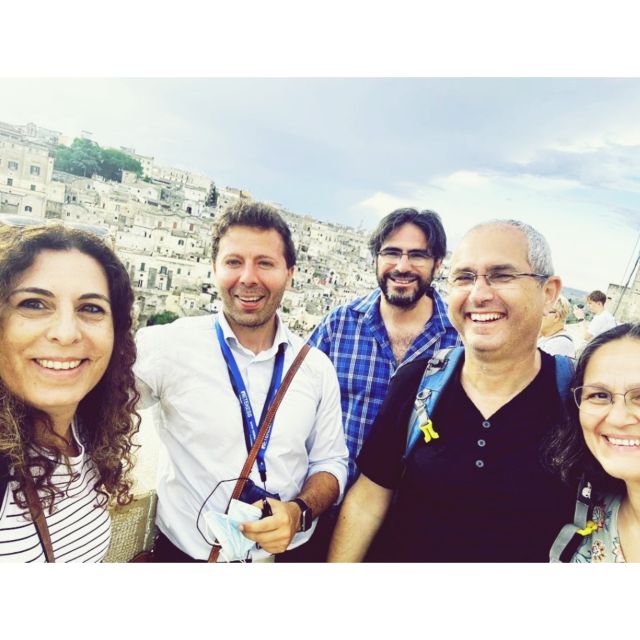
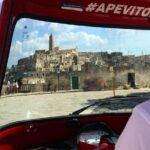
The heart of the experience is walking the Sassi, Matera’s ancient districts. You’ll move between some of the most beautiful viewpoints and also toward corners that feel quiet and tucked away—exactly the kind of places you might skip if you’re moving fast on your own.
Here’s why that walk is worth booking. Matera’s stone layout can look confusing at first glance—stairs, levels, and passageways run in ways your map won’t fully explain. A guide turns that confusion into understanding: you start to see patterns in the neighborhood design and why certain spots became social, practical, or defensive.
The pace is described as leisurely, but don’t take that to mean flat. The old city is on a hill, so you’ll climb. Wear shoes you trust and plan to stop when the guide points something out—those pauses are part of the value.
Entering the cave houses: how families really lived in stone
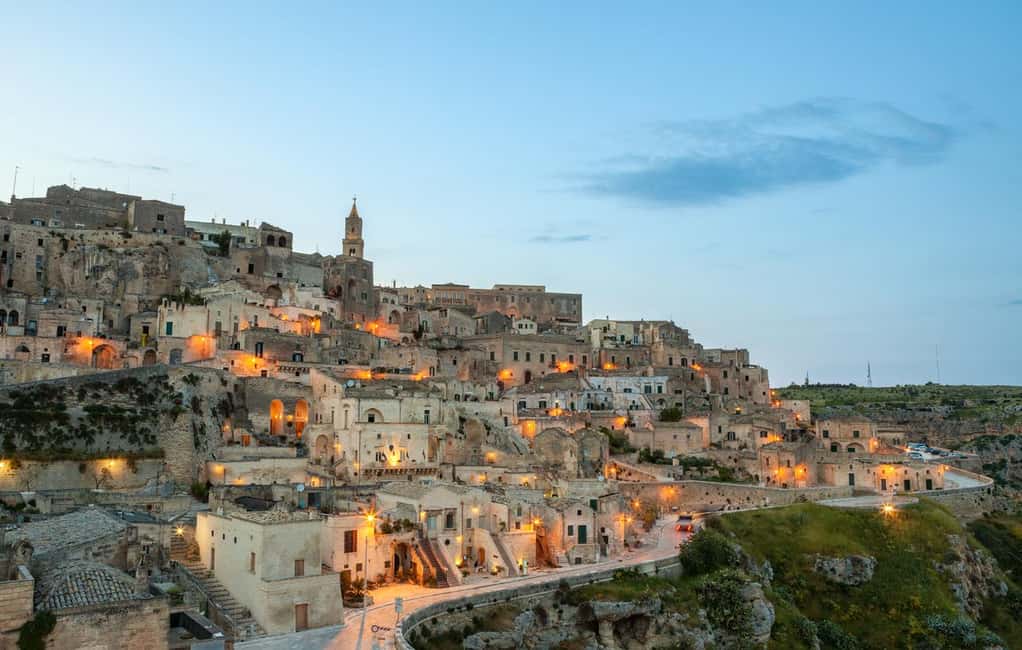
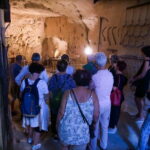
One of the biggest draws here is that you’ll enter the ancient cave houses. Seeing Matera from a viewpoint is nice, but stepping into the spaces where families once lived is a totally different level of connection.
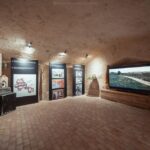
Inside, you’ll understand how people made domestic life work underground. The rooms aren’t just “old”—they’re functional spaces built around the realities of temperature, light, and water. You also start to notice how the rock shapes everyday movement: where you look, how you navigate, and why some areas feel more open or more protected.
This is where a local guide like Gaetano Campanile shines. He’s a trained historian by background and, from what you can expect during the walk, he tells the story in a way that connects dates and facts to human choices. Expect lots of explanation and plenty of room for questions.
If you’ve ever wondered how someone can survive in a place that looks harsh, this stop gives you the answer in plain terms—by showing you the setup people depended on.
The rainwater collection system: the survival tech in the walls
Matera’s caves aren’t just homes—they’re engineering. You’ll learn about an ingenious system for collecting rainwater, which the local population needed for survival.
This is the kind of detail that makes the Sassi feel real. When you understand where the water came from and how it was managed, Matera’s layout and the placement of spaces start to make more sense. It also helps you appreciate why the city developed the way it did: survival wasn’t optional, and stone architecture was the solution.
If you like history that explains daily life—food, water, routines—this part of the tour is one of the most rewarding. Even if you’re not a museum person, you’ll likely find yourself looking at surfaces and thinking about practical systems.
And because you’re learning this while you’re physically in the cave areas, it sticks. It’s not abstract. It’s tied to the exact spaces you’re standing in.
The rock church of St. Mary of Idris: religion carved into daily life
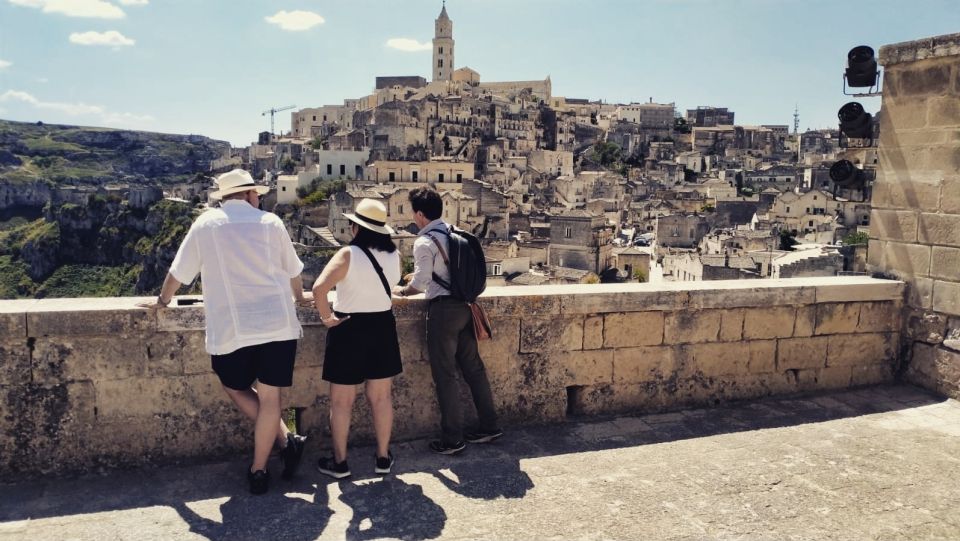
After the cave houses, you’ll visit the rock church of St. Mary of Idris. This stop changes the tone from survival and domestic life to spiritual life carved directly into the same stone world.
Rock churches in Matera are powerful because they blend faith with the same environment people used to build their homes. In other words, it’s not a separate “tourist” attraction—it’s part of the same historical logic. You’ll likely notice differences in how the space feels compared with the caves, and the guide’s explanations help you read those differences.
This is also a great moment for photos, but don’t just shoot and move on. Take a minute to listen and look at details the guide points out. That attention is what turns a quick church stop into an understanding of how the community expressed itself in stone.
Gaetano Campanile and the art of staying curious
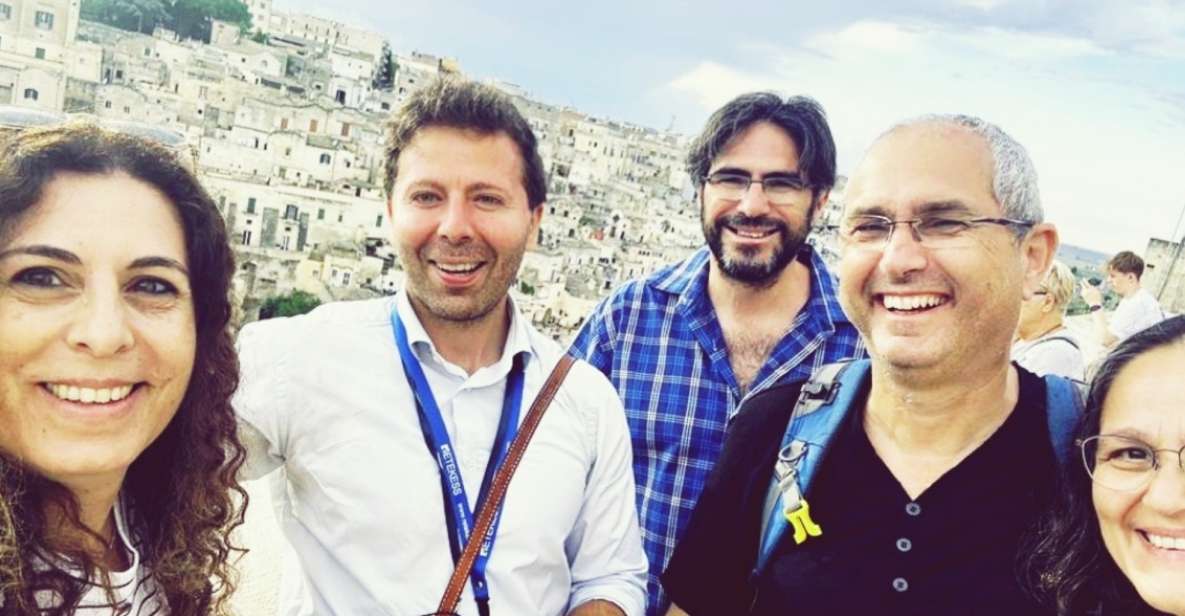
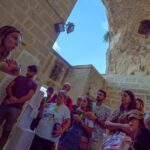
A walking tour lives or dies on the guide, and this experience is led by Gaetano Campanile. What stands out in how this tour is described is the guide’s mix of historian-level context and storytelling that keeps the group engaged.
You’ll also benefit from his flexible style. The walk is set at a leisurely pace, but you’re not stuck in a rigid script. If your questions run toward social history—how people lived day to day—you’ll get answers that connect those dots.
This tour is also built for English speakers, with the live guide giving explanations in English throughout. That’s not a small point in Matera, where even the basics can get lost if you’re trying to rely only on signage.
If you want your Matera visit to feel less like a checklist and more like you’re starting to “get” the city, the guide is the engine that makes that happen.
Price and value: is $28 a good deal for 2.5 hours?
At $28 per person, this is positioned as an accessible way to get real context fast. For the time—about 2.5 hours—you’re getting a guided walk plus entry into major parts of the Sassi experience, including cave houses and the rock church of St. Mary of Idris.
Here’s the value logic I use when deciding tours like this:
- You’re paying to save time and confusion. Matera’s old districts are easier to understand with a guide than by wandering and guessing.
- You’re paying for explanation. The rainwater collection story and the shift from hardship to UNESCO recognition are things you’d miss or misread without guidance.
- You’re paying for access. The cave-house areas are more meaningful when you can connect what you see to how people lived.
If your goal is to get your bearings quickly before exploring on your own later, this price feels like a fair match for what you get. If you hate walking and want only big indoor sites, you might find it too active. Most people, though, will appreciate the efficiency.
Practical tips so the tour feels easy (not stressful)
You don’t need special gear, just good basics. Bring comfortable shoes because you’ll be on an old-city hill with stairways. If you’re traveling with knee or mobility issues, plan on pacing yourself and letting the guide know what feels difficult—this kind of tour works best when you communicate early.
Also, arrive a few minutes early and be ready to find the guide in front of the church at Piazza S. Pietro Caveoso. The exact meeting spot is straightforward, but old towns can still add little delays if you’re parking and walking in.
If you can, treat the tour as your first “orientation layer” in Matera. Ask questions during the cave and water stops; that’s when your understanding will build fastest and make the rest of your day easier.
Finally, keep expectations realistic about pace. It’s described as leisurely, but it’s still a walking tour in historic terrain. I’d call it “comfortable with a bit of effort,” not “easy stroll.”
Should you book this Matera caves and rock churches tour?
Book it if you want the story of Matera to land in your head, not just on your camera. This is a strong choice for first-timers because it covers the Sassi, the cave-house reality, the rainwater survival system, and a major rock church—within a compact 2.5-hour format.
Skip it only if you strongly prefer to explore entirely on your own, or if stairs and uneven old-stone walking would make you miserable. In that case, you might prefer a slower plan that reduces walking in the hill sections.
If you’re here for authentic context—how people lived, how the city changed, and why UNESCO recognition happened—this guided route is a smart way to start. And with Gaetano Campanile leading in English, you’ll likely feel like Matera starts making sense by the time you’re back at the meeting point.
FAQ
Where is the meeting point for the tour?
The meeting point is at Piazza S. Pietro Caveoso. The guide will be there right in front of the church.
Where does the tour end?
The activity ends back at the meeting point.
How long is the Matera caves and rock churches walking tour?
The duration is about 2.5 hours. Starting times vary, so you’ll need to check availability.
Is the tour offered in English?
Yes, the live tour guide provides the tour in English.
What places will we visit during the tour?
You’ll explore the Sassi districts, enter the ancient cave houses, and visit the rock church of St. Mary of Idris.
Is the walk difficult?
Matera is built on a hill with stairways to climb. The walk is described as leisurely paced, but you should expect stairs and old-city uneven footing.
What should I bring?
Wear comfortable shoes.
Is there parking near the meeting point?
Yes. There are two multi-level car parks: one on Via Pasquale Vena and another on Via Rocco Scotellaro.
Is free cancellation available?
Yes. You can cancel up to 24 hours in advance for a full refund. You can also reserve and pay later.