REVIEW · SIENA
From Siena: Brunello di Montalcino Guided Wine Tour W/ Lunch
Book on GetYourGuide →Operated by Tuscan Escapes by Papilio · Bookable on GetYourGuide
Brunello day trips can feel like parties—this one works. You get a full 9-hour run through the Montalcino hill country: vineyards, cellars, three wineries, and the Abbey of Sant’Antimo, with a real lunch that matches the wine theme. It’s the kind of day that makes wine feel human, not just expensive.
What I love most is how personal the pace feels. The group stays small (max 8), and guides like Marco, Georgia, Paulo, and Manu show up with a knack for translating Brunello into plain talk—plus they still make time for the views and the wandering. I also like the structure of the tastings: you’re not just sampling—you’re shown how the wine is made, then you taste with context.
One thing to consider: it’s a long, packed day. You’ll drive a lot, and while you do get time in Montalcino, it’s still not a slow “stay all afternoon” kind of schedule.
In This Review
- Key things about this Brunello day
- From Siena to Montalcino: the minivan day that keeps moving
- Vineyard walk and cellar time: where Brunello gets real
- Three wineries in one day: tastings that compare, not just sample
- The human side: meeting producers
- Montalcino hill town: fortress views and real browsing time
- Abbey of Sant’Antimo: the quiet reset between tastings
- Lunch at a family-run winery: where the day slows just enough
- The guide makes the difference: from Marco to Georgia to Paulo
- What to taste and what to buy (without overthinking it)
- Price and value: $203.91 for a day that includes a lot
- How to plan your day: shoes, pace, and small practical choices
- Who this Brunello tour is best for
- Should you book this Brunello di Montalcino tour?
- FAQ
- Where do we meet for the tour in Siena?
- How long is the tour?
- How big is the group?
- Is the guide English-speaking?
- What does the tour include besides wine tastings?
- Do we visit three different Brunello wineries?
- Is lunch included, and what’s it like?
- How do we get from Siena to the countryside?
- Is hotel pickup included?
- What should I bring?
Key things about this Brunello day
- Small group (up to 8): easier questions at tastings and less waiting around.
- Vineyard walk + cellar time: you see the wine before you taste it.
- Three distinct winery visits: more useful than doing one “big name” and calling it a day.
- Abbey of Sant’Antimo stop: a peaceful, scenic reset between wine stops.
- Lunch at a family-run winery: Tuscan food paired with the wines from the property.
From Siena to Montalcino: the minivan day that keeps moving
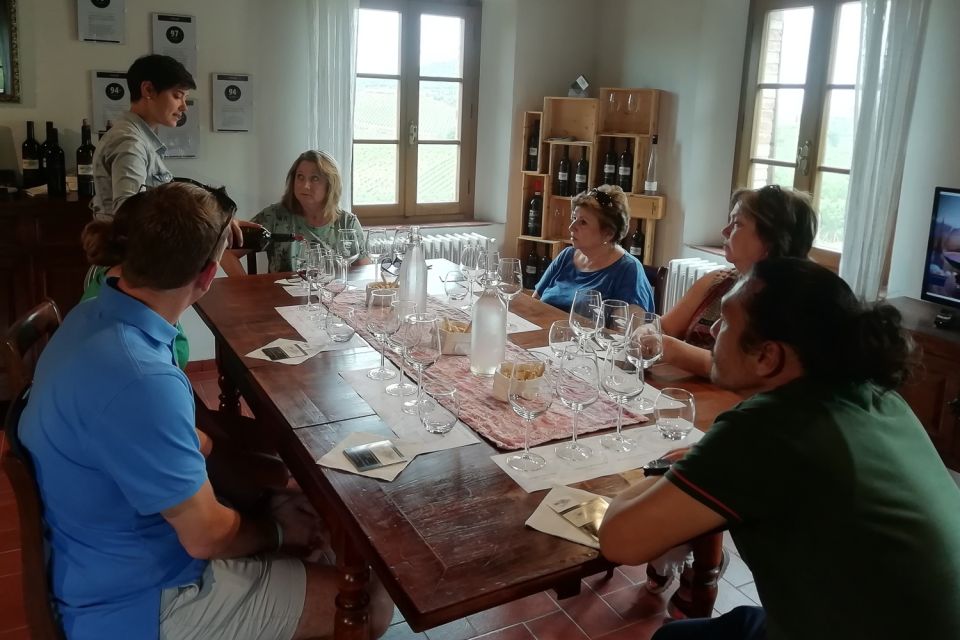
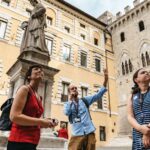
This tour starts in Siena at the Church of San Domenico, under the large tree in Piazza San Domenico (and it ends back there). Expect roundtrip transport by minivan, and yes, it means you’ll spend some time on the road. That said, the route through the Tuscan countryside is part of the point, and the guide typically uses the ride to set up what you’re about to see.
The group size matters here. With a smaller group, the driver can keep things smoother, and you’re less likely to feel like cattle herded from one stop to the next. Reviews also mention the van can feel tight for some people depending on group size, so if you’re tall or carry a larger bag, go lighter on baggage.
You can also read our reviews of more tours and experiences in Siena.
Vineyard walk and cellar time: where Brunello gets real
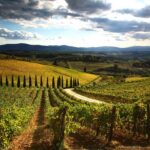
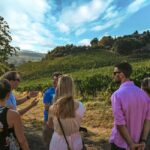
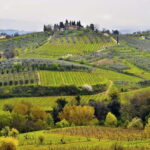
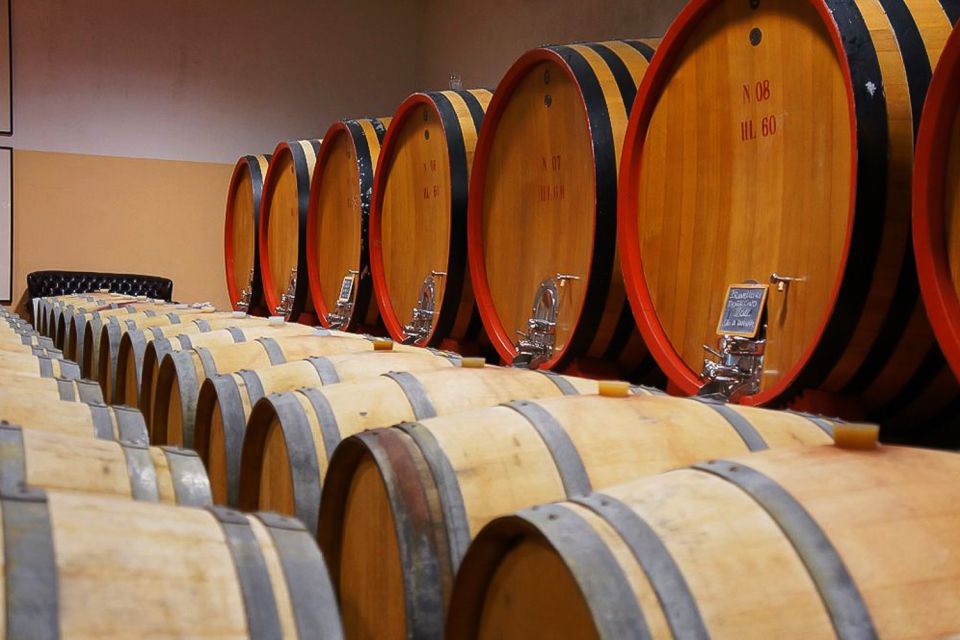
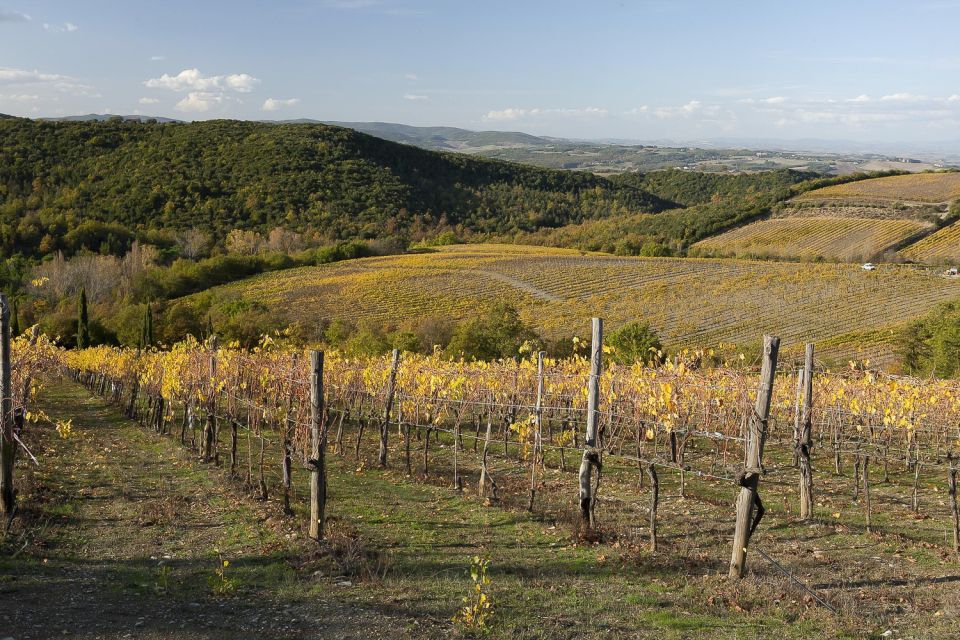
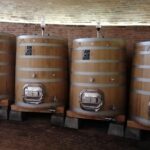
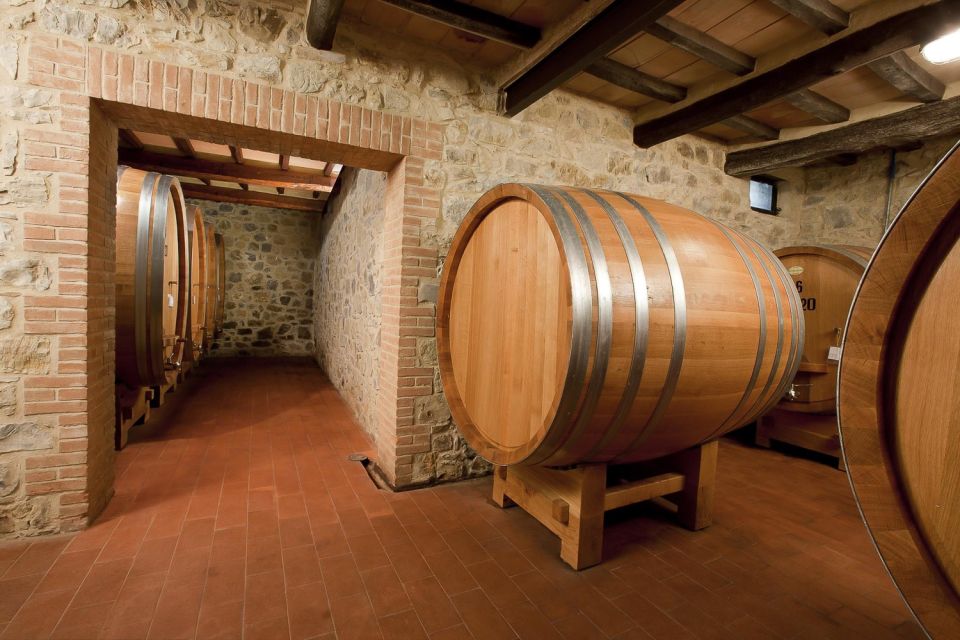
Before you hit the hill town, you’ll get out into the vines and take a look at how the landscape connects to the wine. You’ll walk among the grapes and learn what goes into making Brunello, then you’ll head into production areas and aging spaces where the wine is stored.
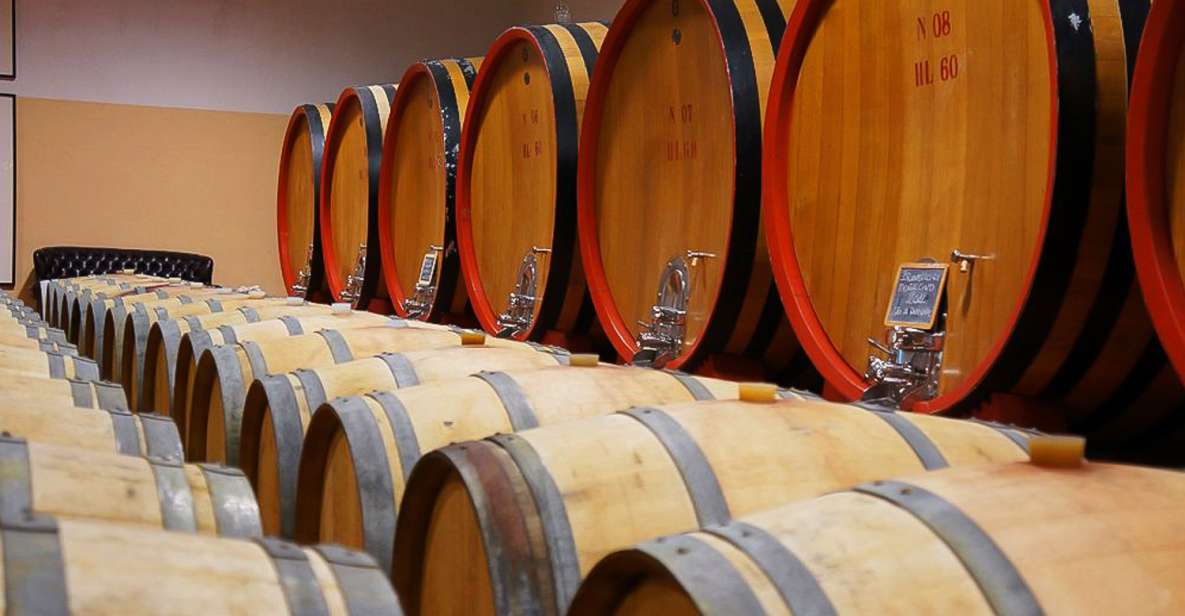
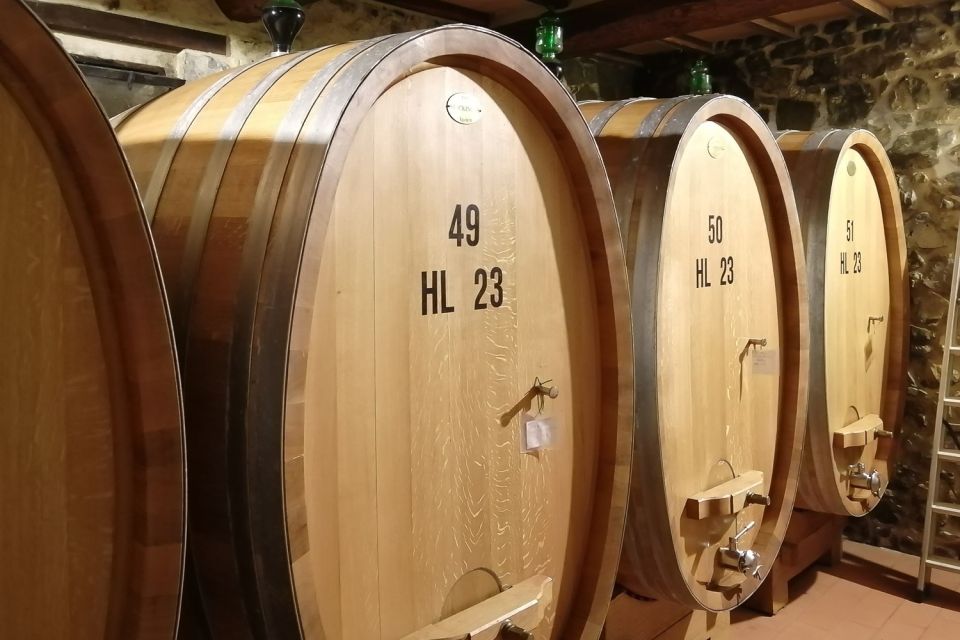
This is the part I find most valuable because it changes what tasting means. When you’ve seen where the wine aged and what the cellar setup looks like, you catch details you’d normally miss. The tour also talks about the long aging process and the role of oak barrels, so when you taste, you’re not guessing. You have a framework.
You’ll also get an introductory tasting tied to what you just toured. That makes it easier to compare what you liked later, since you’re building a mental map as the day goes on.
Three wineries in one day: tastings that compare, not just sample
The tour’s core is three Brunello winery visits with guided tastings. In past groups, the estates have included places like Fanti Vineyards, Cava D’Onice, and Poggio Dell’Aquila, among others. The exact wineries can vary, but the structure stays consistent: you meet people at the property, see the production flow, and taste multiple wines as you go.
This is where the tour earns its keep. Brunello can taste similar across producers at first sip—dark fruit, spice, that classic Tuscan confidence. But as you taste across three estates, differences become clearer: how the wine is handled in the cellar, how the style comes through, and which producer leans more traditional or more polished. That’s the kind of comparison that helps you decide what to buy later.
The human side: meeting producers
A big theme in the guide feedback is the producer interaction. People aren’t just pouring wine; they’re explaining choices and answering questions. One group highlighted that the hosts and winemakers were welcoming and informative, and another noted how different each winery felt, even when the wines all shared the same Brunello identity.
That’s exactly why this format beats the “one winery, quick tasting, move on” style.
Montalcino hill town: fortress views and real browsing time
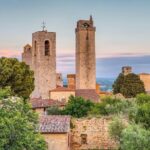
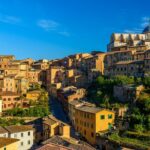
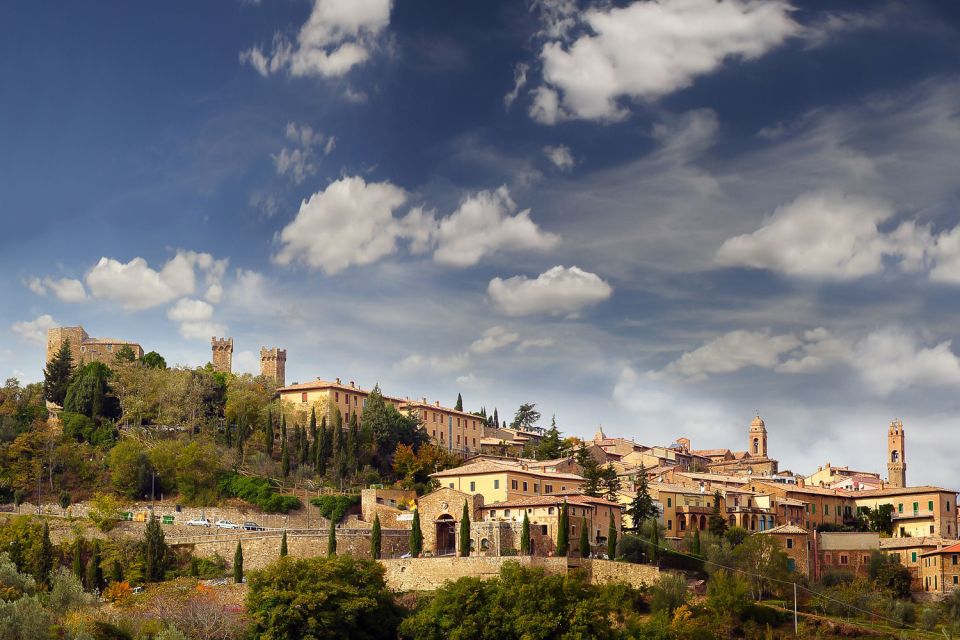
After the first winery, the tour shifts to Montalcino itself—another reason this doesn’t feel like a pure wine crawl. You’ll visit the hilltop town and spend time browsing shops and streets, with time to take in the views over the valleys and surrounding vineyards.
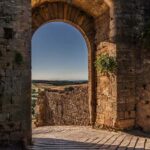
Montalcino’s medieval fortress is the standout structure. Even if you don’t go deep into ruins and museum rooms, the fortress gives you a sense of why this place matters historically: it’s built to watch the landscape. The views from up there help you connect the day’s wine story to the geography.
The tradeoff is time. You’ll get enough to wander and snap photos, but you won’t have hours and hours to shop like you might if you were staying overnight. If you love browsing, go in with a plan: pick up a couple items you truly want, not every souvenir that looks good from 10 feet away.
Abbey of Sant’Antimo: the quiet reset between tastings
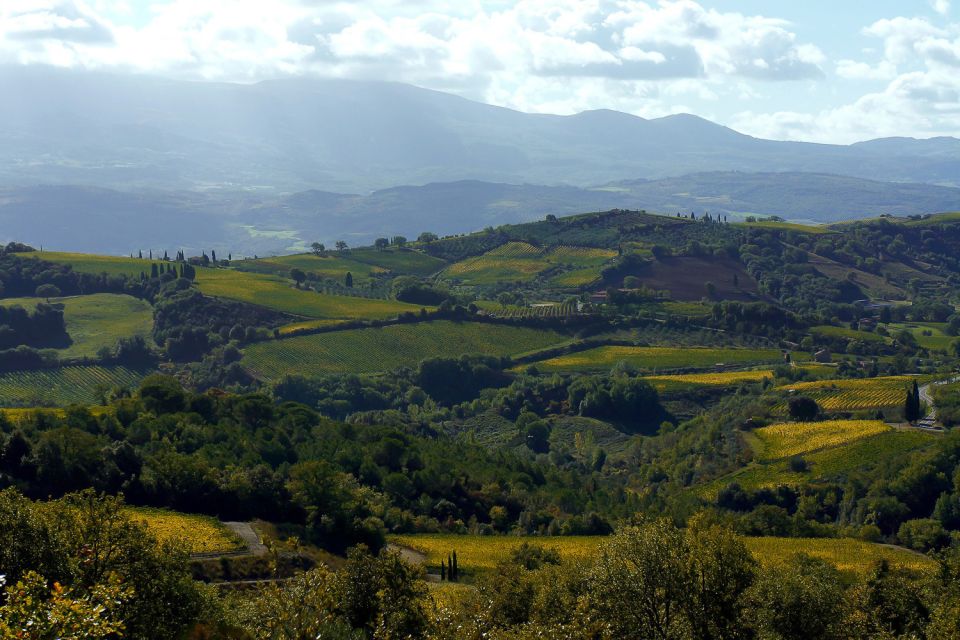
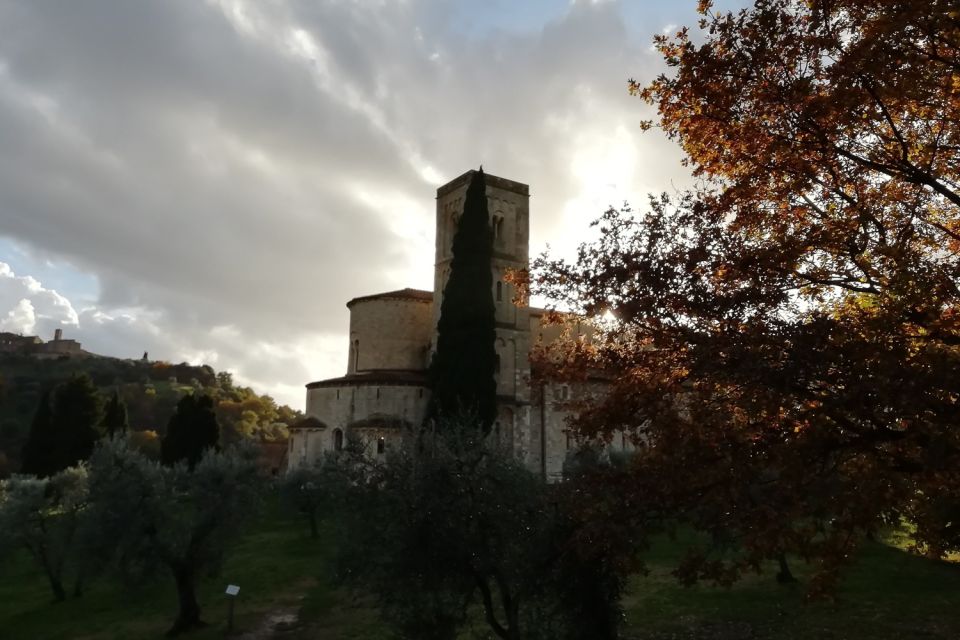
Sant’Antimo is the tour’s emotional palate cleanser. You’ll visit the ancient Benedictine Abbey of Sant’Antimo in a breathtaking landscape, and the stop is noticeably different from the winery side of the day.
This isn’t about wine. It’s about stillness, stone, and the feeling that the countryside has been here longer than any bottle. Reviews repeatedly mention how peaceful and moving this part can be—one group described it as a calm break after the busier parts of the day.
If you tend to feel “evented out” by back-to-back tastings, this stop helps your brain reset. Even if you’re not a church person, the scenery and atmosphere do the work.
Lunch at a family-run winery: where the day slows just enough
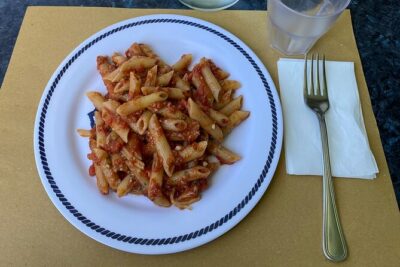
Lunch is served at a family-run winery, and it’s a key part of the value. It’s traditional Tuscan food, and it comes alongside wines produced at the facility. Reviews call out standouts like homemade pasta ragu prepared by a grandmother, meals prepared by the matriarch, and dishes like pasta, veggie meatballs, pepper and olives, plus quince cake.
That matters for two reasons. First, it keeps the day from feeling like tasting-only fatigue. Second, it forces a better pairing experience. Food texture changes how wine tastes, so you end up learning faster than you would if lunch were just a break with no context.
One practical tip: even though lunch is included, you’ll still want comfortable shoes and a steady appetite mindset. A 9-hour day means you’ll likely be hungry at the exact moment you sit down, and you’ll enjoy it more.
The guide makes the difference: from Marco to Georgia to Paulo
A recurring theme in the guide reviews is energy plus clarity. Names that show up include Marco, Georgia, Paulo, Manu, Daniele, and Mattia. One group singled out Georgia’s industry background, and another highlighted that a former vintner turned guide made the wine and place easy to understand.
You’ll notice that the best guides do two things at once: they teach you wine without making it stuffy, and they keep the group moving without rushing the important moments. If you ask questions—about aging, about styles, about what to look for in your own glasses—you’ll likely get answers that stick.
And yes, some guides are plain fun. Several reviews mention laughter, charm, and a relaxed tone that keeps the day from feeling like a classroom.
What to taste and what to buy (without overthinking it)
You’ll do tastings at each winery, including an introductory pour after the vineyard/cellar visit and a final tasting later in the day. The tour is designed for comparison across estates, so don’t treat it like a single “try the Brunello” assignment.
Instead, treat each tasting like a mini decision:
- Which one feels balanced to you right now?
- Which one feels structured in a way you understand?
- Which one seems like it would age well if you’re buying for later?
If you’re a collector, this is also a good time to talk purchasing and shipping. One review noted that bottles could be purchased at multiple vineyards and shipped conveniently back to the USA. That’s not something I’d assume for every stop, but it’s worth asking on-site if this matters to you.
Also keep expectations grounded. Wine is subjective. One review described a third winery tasting as less enjoyable for their palate, with comments about strong tannins and sulfuric notes and even gnats. That’s not the typical vibe, but it is a reminder that not every pour will match your taste.
Price and value: $203.91 for a day that includes a lot
At $203.91 per person, this is not a bargain. But the price makes more sense when you count what you actually get for the day.
You’re paying for:
- roundtrip transport from Siena
- an English-speaking guide
- three winery visits with wine tastings
- a lunch at a family-run winery with wine
- visits to Montalcino and Sant’Antimo Abbey
If you tried to replicate this on your own, you’d likely spend similar money once you added guided tastings, transportation, and the lunch experience. The small-group size (max 8) also helps. Fewer people usually means better access to hosts and more time to ask questions.
So the value call depends on your style. If you want a guided, structured day with multiple tastings and cultural stops, it’s a solid fit. If you prefer to linger in one place and skip structured tastings, you might feel the schedule is too packed for the cost.
How to plan your day: shoes, pace, and small practical choices
Wear comfortable shoes. You’ll be walking in vineyards and moving around towns and sites. Even if the terrain isn’t mountain-hard, it’s not flat-city pavement.
Go into the lunch ready to eat. It’s included and described as outstanding in multiple reviews, so treat it like the main event—not a snack between tastings.
Bring a light layer. Tuscany days can swing from warm to cool quickly, especially near stone structures like abbeys. And if you know you’ll buy bottles, plan how you’ll carry them back to your lodging. One group mentioned convenient shipping, so ask about that if you’re interested.
Finally, consider pace. Because it’s 9 hours, it’s designed for people who like a full day. If you’re easily tired or dislike rushing, you might prefer a slower self-guided approach.
Who this Brunello tour is best for
This tour is a great match if you want:
- a guided wine education without feeling overwhelmed
- multiple tastings across different producers in one day
- a mix of wine, town wandering, and a major scenic stop at Sant’Antimo
It’s also a good option for first-time Brunello drinkers. The structure helps you learn what to look for as the day goes on. And the small group means it’s easier to ask the “why does this taste different?” questions.
If you’re an advanced wine nerd who already knows exactly what you want from specific wineries, you might still enjoy the day, but you may want a more custom itinerary. For wine tourists who like culture and scenery alongside tastings, this hits the sweet spot.
Should you book this Brunello di Montalcino tour?
I’d book it if you want a guided, small-group day that covers the Brunello story end-to-end: vineyards, cellars, real producer interaction, three estates, a strong Tuscan lunch, and the calm counterweight of Sant’Antimo.
I’d think twice if you hate busy schedules or you’re looking for a slow “stay in one place” day. At this price, you’re paying for the full package, so it works best when you actually want everything on the menu.
If you’re in Siena and you want one big Brunello day that feels organized but still personal, this is a very good choice.
FAQ
Where do we meet for the tour in Siena?
You meet at the Church of San Domenico, under the large tree, in Piazza San Domenico, 53100 Siena. The tour ends back at the same meeting point.
How long is the tour?
The tour runs for 9 hours. Starting times vary, so you’ll want to check availability for the exact time offered.
How big is the group?
The group is small and limited to 8 participants.
Is the guide English-speaking?
Yes. The tour includes an English-speaking local guide.
What does the tour include besides wine tastings?
You’ll also have roundtrip transportation from Siena, a guided visit of Montalcino, and a visit to the Abbey of Sant’Antimo. Lunch at a family-run winery is included too.
Do we visit three different Brunello wineries?
Yes. The tour includes 3 Brunello winery visits with wine tastings.
Is lunch included, and what’s it like?
Lunch is included at a family-run winery and is described as a traditional Tuscan meal. It’s accompanied by wines produced at the facility.
How do we get from Siena to the countryside?
Roundtrip transportation is provided from Siena by minivan.
Is hotel pickup included?
Hotel pickup and drop-off are not included. You’ll start and finish at the meeting point in Siena.
What should I bring?
Bring comfortable shoes. You’ll be walking in vineyards and moving between stops.