REVIEW · NAPLES
Herculaneum: Skip-the-Line Entry Ticket with Audio Guide
Book on GetYourGuide →Operated by Tempio Travel Sorrento · Bookable on GetYourGuide
Herculaneum is Rome frozen in ash.
With this skip-the-line entry, you get inside the compact ruins quickly and then use an audio guide to make sense of villas, street corners, and the most haunting sea-side area. I really love how well-preserved the site feels, especially the wall paintings, statues, and even wooden door details you wouldn’t expect to survive.
I also like the freedom of this setup. You can follow the included map and hit the market area, public fountains, and theatre without being herded into a group schedule. The main drawback to plan for: the audio points can feel a bit off from what you see on the ground, so you may need a minute to get your bearings.
Key things to know before you go
- Skip-the-line entry helps you start faster, but you’ll still need to collect and activate the audio at the office area
- The audio guide is available in English, French, German, Italian, Spanish
- Herculaneum is smaller than Pompeii and easier to enjoy at a slower pace
- Expect cobblestones and some steep steps as the site climbs and curves
- Some audio cues and site numbering may not match perfectly, so use the map and signs together
In This Review
- Herculaneum’s best party trick: preservation over spectacle
- Skip-the-line entry, but don’t miss the practical steps at the office
- How to use the map and audio guide without losing your place
- The market streets: see everyday Rome, not just big monuments
- Buried villas, frescoes, and the volcanic day that froze everything
- Theatre and public spaces: where the town gathered
- Temples, gods, and a clear peek at social order
- The most moving moments: sea-side tragedy and what survives
- Terrain and timing: plan for steps, heat, and time to linger
- What you get for $15: value that comes from freedom and included interpretation
- Optional live-guide upgrades: when you want someone to steer the story
- Who this works best for (and who might want a different format)
- Should you book this Herculaneum audio ticket?
- FAQ
- Where do I show my ticket?
- Is the audio guide included, and what languages are available?
- Do I need to bring identification?
- How long is the visit?
- Is a guide included with this ticket?
- What’s the meeting point?
- What should I wear or pack?
- Can I cancel for a refund?
- Is there an option to pay later?
- Is it really a skip-the-line ticket?
Herculaneum’s best party trick: preservation over spectacle
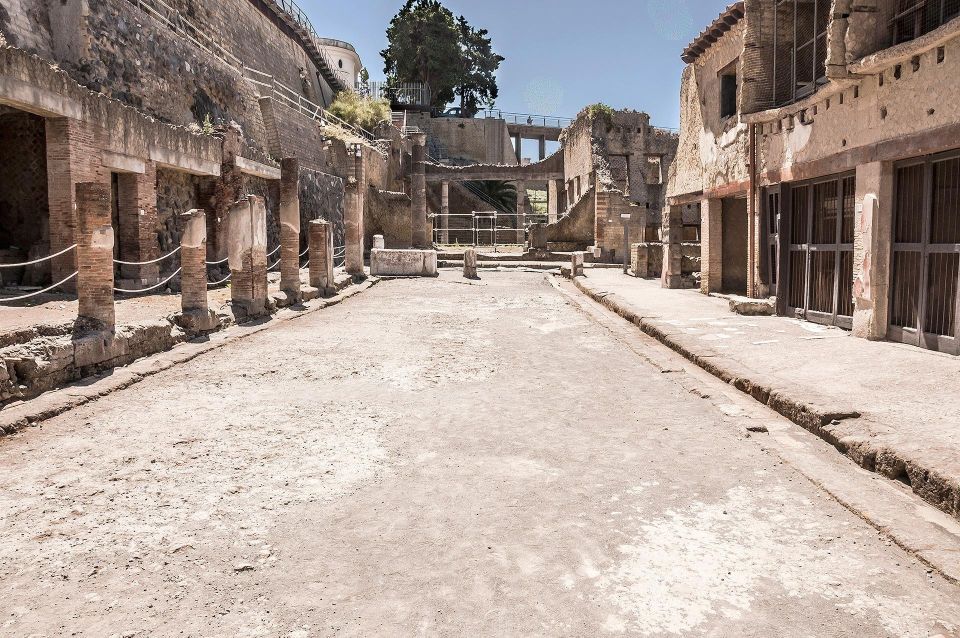
If you’ve visited Pompeii, Herculaneum will feel like a different kind of time machine. Pompeii often hits you with scale. Herculaneum hits you with closeness. It’s more compact, quieter, and—most important—so much is still readable as daily life: painted walls, statues, and building details that make the town feel lived-in rather than just excavated.
What I find especially memorable is the emotional punch. You don’t just see structures. You reach areas tied to the eruption’s human cost, including a section where people perished while hoping for rescue from the sea. That mix of art, domestic life, and tragedy makes the visit land differently than a typical ruins walk.
Skip-the-line entry, but don’t miss the practical steps at the office
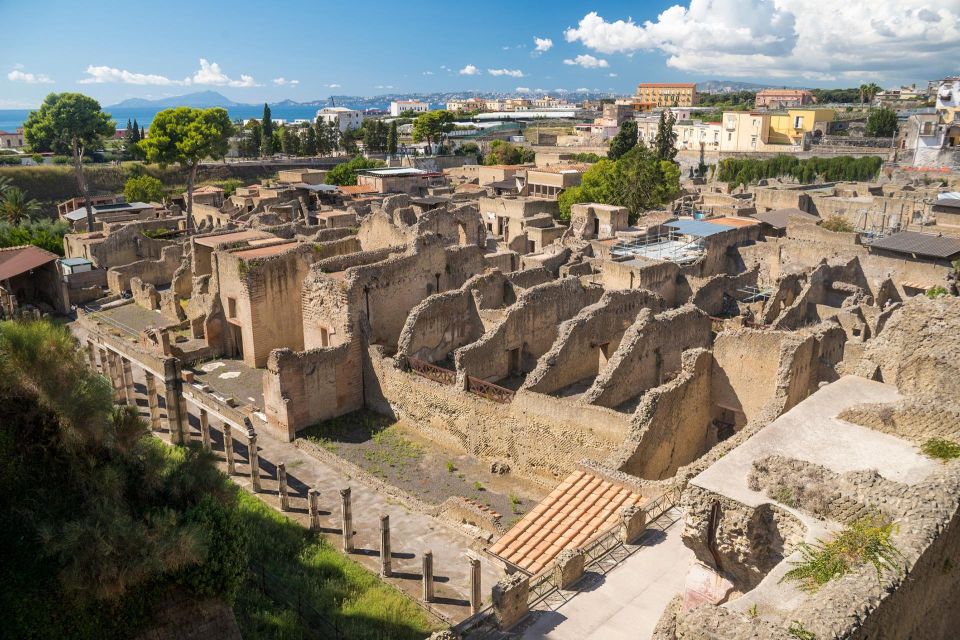
The whole experience starts at the Herculaneum ticket office. Show your ticket there, then line up for the audio portion if it’s handled separately from entry. The attraction runs a self-guided format, so the “tour” is really you + the site + the audio guide.
One thing to keep straight: this offer is the Herculaneum entry ticket plus audio guide. The listing options include an audio-only choice, so double-check your booking includes the entry ticket, not just the device. A few people ended up needing to sort tickets on arrival when they thought they’d already included everything.
In good conditions, the skip-the-line part can mean you start moving sooner—especially if you arrive early. If you’re aiming for a calmer experience, that timing matters more than you’d think. Herculaneum rewards a slow stroll.
You can also read our reviews of more tours and experiences in Naples.


How to use the map and audio guide without losing your place
The included map is your best friend, because the audio guide is built around points of interest. In practice, the system works like this: you select or follow the numbered items in the audio, then look for the corresponding feature on-site.
Now for the honest snag: some visitors report that the audio descriptions or phone/app numbers don’t always match the exact labels you see on the ground. It’s not a deal-breaker, but you should expect a little head-scratching at the start.
My advice: when you start, do a quick “orientation loop.” Use the map to learn where you are, then start the audio once you can identify a nearby anchor point. If your audio cue seems off, don’t fight it—pause, re-check the map, and move forward. The site is small enough that you can recover quickly.
Another practical note: you’ll hear stories and instructions that tell you where to look. Some descriptions can be a bit vague at first. Give yourself a few minutes, and the audio logic clicks into place.
The market streets: see everyday Rome, not just big monuments
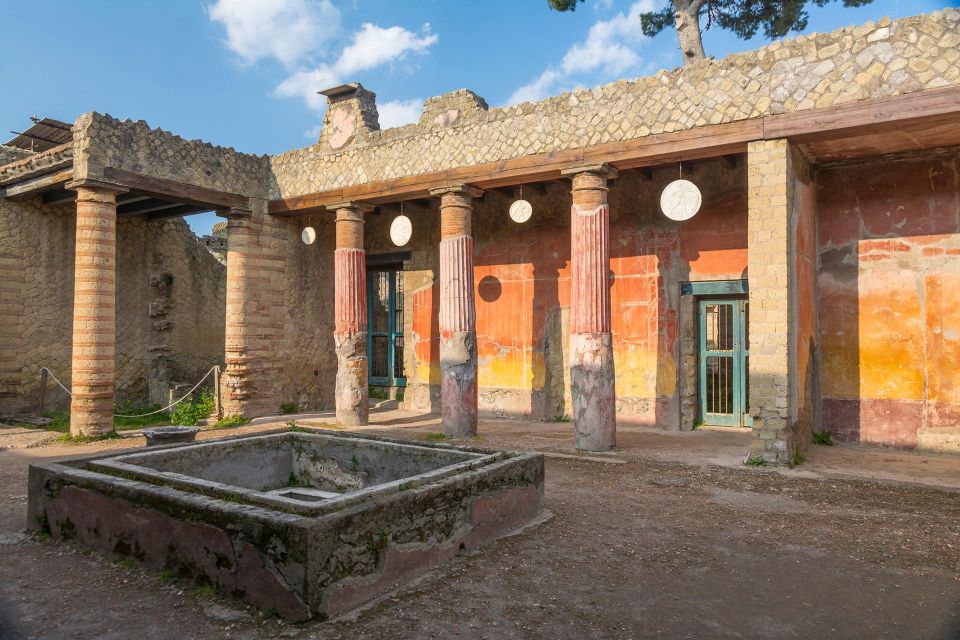
One of the best sections to aim for early is the ancient market area. This is where the ruins feel most like a working town. You’re walking through routes that would have carried daily foot traffic—shops, errands, and the rhythm of normal Roman life.
When the audio guide is working well, it does a good job connecting objects to habits: where people would gather, how spaces supported commerce, and what the layout suggests about how busy areas functioned. You don’t need a guide to get value here. You just need the audio running while you scan the structures around you.
If you like “small-scale history,” this part is a highlight. It’s not about emperors or conquest. It’s about people moving through a place they knew well.
Buried villas, frescoes, and the volcanic day that froze everything
Herculaneum’s signature selling point is preservation under volcanic ash. You’ll see villas and domestic spaces that were covered when Vesuvius erupted in 79 AD. The experience is oddly physical: you’re standing where rooms once held furniture, wall art, and everyday routines, all sealed away by disaster.
The audio guide helps you connect what you’re seeing to what it meant—paintings and statues aren’t treated like museum objects. Instead, the stories explain how these spaces were used, what you can still recognize, and why certain details survived better here than in many other sites.
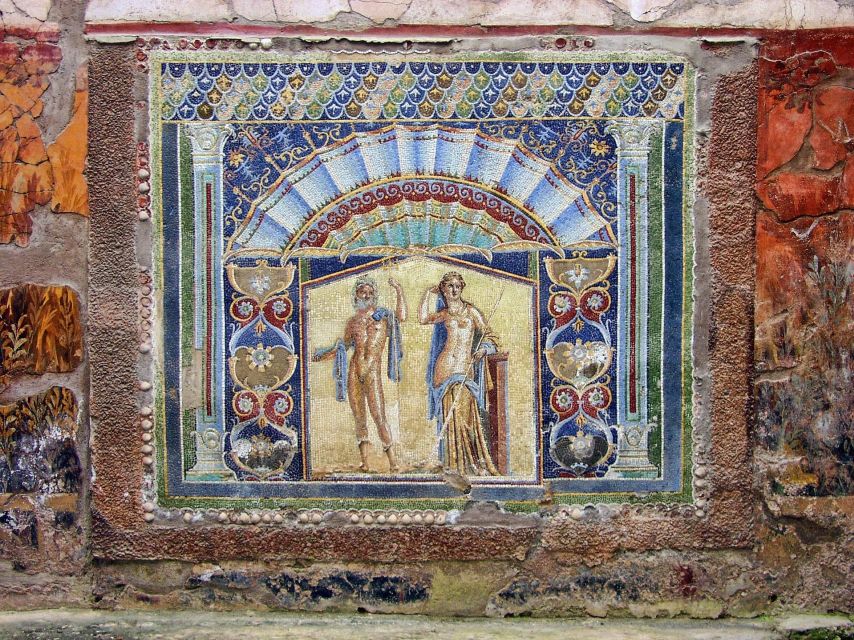
Look for painted surfaces and building components that still feel “intact.” Doors, wall decorations, and floor design are the kinds of details that make your brain do a double take. It’s one thing to read about Roman art. It’s another to stand in the room and realize it wasn’t copied later—it was there, in place, until the ash did its job.
Theatre and public spaces: where the town gathered
You can navigate the site toward the theatre and public fountains, using the map as your route planner. These spots help you understand how Herculaneum worked as a community. Markets serve the practical needs. The theatre and shared fountains hint at how people spent time and handled public life.
The audio guide tends to focus on context—how these spaces likely worked, why they mattered, and what to notice while you’re standing there. In a place this preserved, noticing is easy. You just have to slow down long enough to see the edges, not only the big center of attention.



Temples, gods, and a clear peek at social order
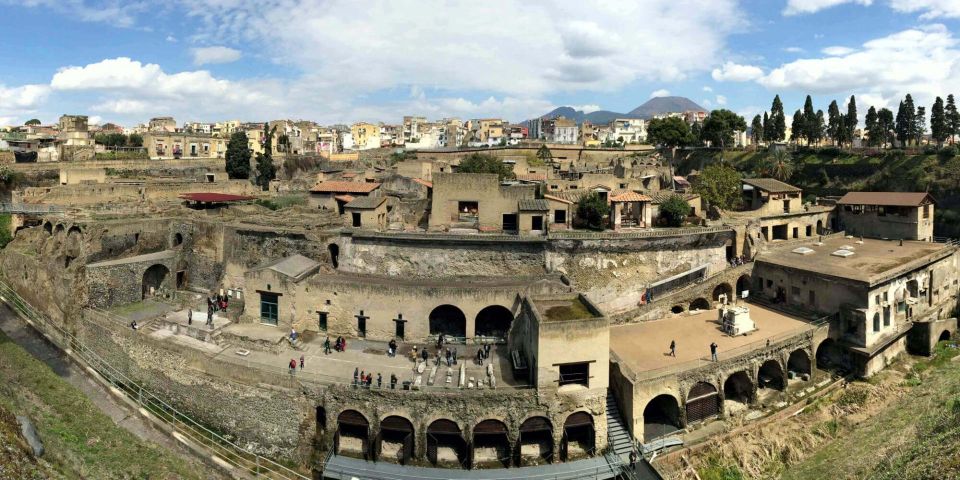
One of the most interesting parts of Herculaneum is the way the audio guide nudges you from architecture into society. You’ll reach temple areas and see depictions of ancient gods, which helps you understand the “religion in everyday life” angle without turning it into a lecture.
Then there’s the social contrast built into the town’s spaces. You can compare how slaves were housed versus the more lavish living quarters of wealthier Romans. That’s one of the value points of doing this with an audio guide: it gives you a lens to interpret what you’re walking past.
This is also where the visit shifts from “cool ruins” to “how did people actually live?” And once you start asking that question, Herculaneum gets very hard to rush.
The most moving moments: sea-side tragedy and what survives
The site includes an area tied to people who perished while hoping for rescue from the sea. When you get to sections like that, it’s worth standing longer than you think you need to. The audio can add the why behind the physical remains, which makes the experience feel less like a photo stop and more like a human story.
Near the end of the walk, you may also visit the museum near the exit/entrance, where you’ll see artifacts that add depth beyond what’s on the street level. Some visitors mention highlights like a boat display and the Antiquarium-style context, which helps connect the town to what was found and preserved after the eruption.
And yes, you might notice cats around the site. They show up often enough that people talk about it—so don’t be surprised if you share a moment with one while you catch your breath.
Terrain and timing: plan for steps, heat, and time to linger
Even though the site is smaller than Pompeii, it’s not flat. Expect cobblestones and some steep steps when you move between different areas. Comfortable shoes aren’t optional here. If your feet get cranky, your pace drops fast—which is the opposite of what you want in a place meant for slow observation.
Timing matters too. When you arrive earlier, crowds can be lighter and the experience feels more personal. Some people like to spend around 3 to 4 hours doing it at a relaxed pace, and that sounds right given how many “stop and look” moments the preservation creates.
If it’s hot, take breaks when you can. There are spots to sit and recover while you enjoy the views.
What you get for $15: value that comes from freedom and included interpretation
At about $15 per person, the value here is less about a live guide and more about buying time with context. For that price, you’re not just paying for entry. You’re paying for:
- Skip-the-line entry
- An audio guide
- A map
That trio is what turns a self-walk into an understandable story. Without the audio, you could still enjoy the ruins—but you’d miss a lot of the “why” behind the features.
Be aware of one potential frustration: the audio experience can require a little patience to match cues to what you see. If you’re the type who gets annoyed by mismatched numbering, consider building in extra time so you can troubleshoot without feeling rushed.
Also, there have been reports that some audio systems could use improvements like easier orientation and more hands-free options (think earbuds rather than holding a device close). Still, even with those quirks, the core experience is strong because the site itself is so well preserved.
Optional live-guide upgrades: when you want someone to steer the story
This specific offer is self-guided with an audio device and map. But some visitors mention upgrading to a live guide for an extra cost, and they’ve named guides such as Tony and Fabio as standouts.
I’d consider a live guide if you want someone to translate the layout into a tighter narrative, especially if it’s your first time in Roman eruption history. If you prefer independent wandering and you like reading with your eyes, the audio-only setup is usually enough.
Who this works best for (and who might want a different format)
This is a great fit if you:
- Want to visit without coordinating a group pace
- Like learning as you walk, with flexibility to stop often
- Appreciate preserved art and domestic details, not only big monuments
- Prefer a calmer alternative to the bigger, louder Pompeii day
It’s less ideal if you:
- Get easily frustrated by mismatched audio cues or imperfect orientation systems
- Need a tightly structured route every minute (because this is self-guided)
- Hate stairs and uneven cobblestones
If you fall in the first group, you’ll likely feel like you got your money’s worth quickly.
Should you book this Herculaneum audio ticket?
Yes, I think you should book it—especially if you’re pairing Herculaneum with Pompeii or you only have one solid day in the area. The site is smaller, often quieter, and so well preserved that the audio guide adds real meaning instead of acting like background noise.
Book with one mindset: plan for a bit of orientation on arrival and give yourself time to wander. If you do that, this $15 experience becomes one of the more memorable Roman ruin days in Campania.
FAQ
Where do I show my ticket?
Show your ticket at the Herculaneum ticket office.
Is the audio guide included, and what languages are available?
Yes. The audio guide is included, with languages available in English, French, German, Italian, and Spanish.
Do I need to bring identification?
Yes. Bring a passport or ID card.
How long is the visit?
The activity is listed as 1 day. You can linger and explore at your own pace with the help of the audio guide.
Is a guide included with this ticket?
No. A guide is not included. This is a self-guided experience with an audio guide and map.
What’s the meeting point?
The meeting point is the Herculaneum ticket office.
What should I wear or pack?
Bring comfortable shoes, since the site involves cobblestones and steps.
Can I cancel for a refund?
Yes. Free cancellation is available up to 24 hours in advance for a full refund.
Is there an option to pay later?
Yes. You can reserve now and pay later.
Is it really a skip-the-line ticket?
It’s described as a skip-the-line entry ticket, designed to help you get in faster, though you should still expect to handle the audio guide setup at the office area.