REVIEW · NAPLES
Naples: San Lorenzo Maggiore and Neapolis Sotterrata Ticket
Book on GetYourGuide →Operated by Complesso San Lorenzo Maggiore · Bookable on GetYourGuide
Naples has a habit of pulling you under the surface. Here, the San Lorenzo Maggiore complex and the Neapolis Sotterrata ticket let you explore Franciscan fresco halls and an ancient Roman market hidden beneath the church.
I really like how the visit gives you both art above and archaeology below, so the story of Naples feels layered rather than one-note. I also love the simple payoff for the price: for about $10 you get access to the complex plus the underground ruins. One thing to consider: the scale is smaller than some other underground attractions, and the title can sound bigger than what you actually enter.
In This Review
- Key things to know before you go
- San Lorenzo Maggiore at Piazza San Gaetano: start where ancient Naples was
- The San Lorenzo Maggiore complex: Gothic charm, cloister calm, and museum context
- A practical tip for rainy days
- Sisto V Hall: Franciscan frescoes you can actually enjoy
- Chapter Hall and Cloister: the “breather” between art and archaeology
- Neapolis Sotterrata: walking 10 meters down to the Macellum
- What the underground feels like in practice
- Museum visit: Naples from classical times to the 1800s
- Price and value: how $10 stacks up (and why €2 can be worth it)
- What kind of visitor gets the best value?
- What can disappoint you (and how to prevent it)
- Who should book this Naples ticket?
- Should you book the San Lorenzo Maggiore and Neapolis Sotterrata ticket?
- FAQ
- Where is the meeting point for the San Lorenzo Maggiore and Neapolis Sotterrata ticket?
- How much does the ticket cost?
- How long is the ticket valid?
- What’s included in the ticket?
- Is a guided tour included?
- Are there audio guides?
- Is the activity wheelchair accessible?
- What languages are available for the visit?
- What should I wear or bring?
- Is there free cancellation?
Key things to know before you go
- Two worlds in one ticket: church complex rooms above, then a 10-meter descent underground
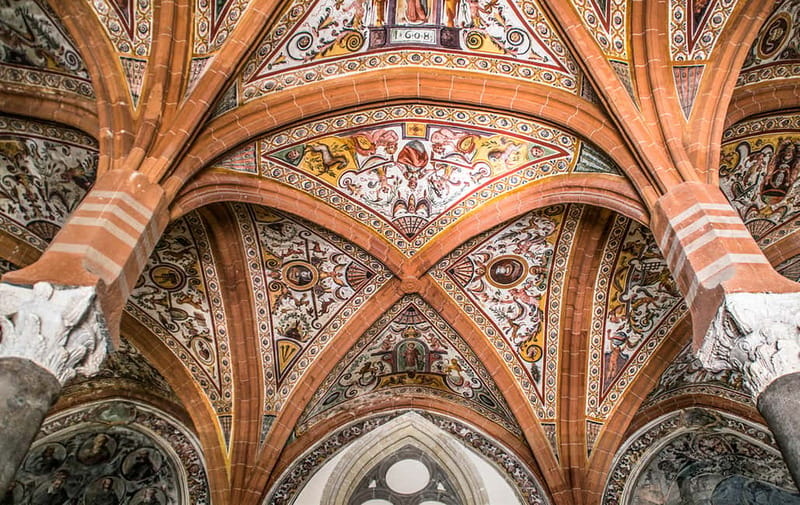
- Sisto V Hall frescoes: you’re looking at strong Franciscan artistry in a standout space
- Neapolis Sotterrata is about the market: you visit the Macellum, the commercial heart of the ancient city
- Museum adds context: a timeline view from Naples’ classical era into the nineteenth century
- Don’t skip extra help: a €2 guided tour on site can fix common audio/QR issues and add clarity
San Lorenzo Maggiore at Piazza San Gaetano: start where ancient Naples was
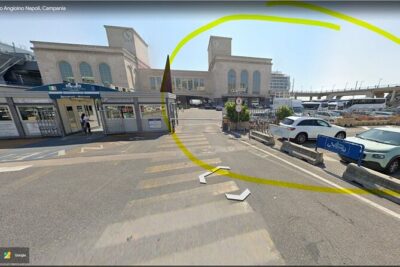
Your visit begins at the entrance to the complex on Piazza San Gaetano, 316, and it ends back there. That matters because this area is a bit maze-like, and it’s easy to get turned around if you rely on GPS.
I suggest you take a moment to get oriented before you join your slot or enter. Comfortable shoes help a lot here, because you’ll be moving between interior rooms and then stepping down into the underground site.
You can also read our reviews of more tours and experiences in Naples.



The San Lorenzo Maggiore complex: Gothic charm, cloister calm, and museum context
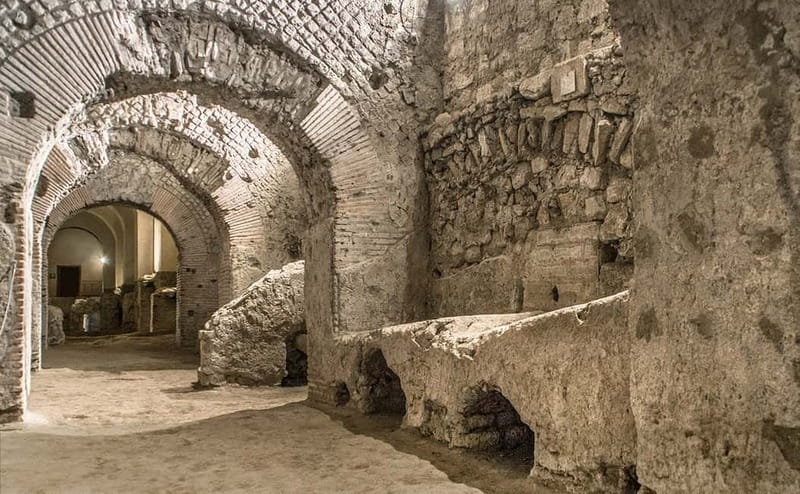
The ticket gives you access to the Cloister, Chapter Hall, Sisto V Hall, and the Museum inside the San Lorenzo Maggiore Complex. Even before you go underground, you’re already stepping into a place that feels built for long browsing: portals, hallways, and quieter corners where you can slow down.
Inside, the Chapter Hall is a highlight for its Gothic feel, including a late fourteenth-century Gothic portal. It’s the kind of detail you notice once you’re not racing. If you like architecture as much as ruins, this stop is a strong start.
The museum time is where the visit becomes more than just pretty spaces. You get a cross-section of Naples from the classical age to the nineteenth century, which helps you connect what you’ll see underground to the bigger sweep of the city.
A practical tip for rainy days
This is a great option when weather is pushing you indoors. One of the best parts of this experience is that the underground site keeps the visit cool and sheltered, so you’re not battling heat while you’re trying to read history.
Sisto V Hall: Franciscan frescoes you can actually enjoy

Then comes the art stop that many people remember: the Sisto V Hall. This is where the experience shifts from “ancient city, yes” to “wow, look at the paint and color.”
I love how this hall gives you time to look at frescoes rather than forcing you through a quick photo line. The ceiling frescoes are also mentioned as a major moment, so plan to spend a little extra attention here instead of treating it like a pass-through room.
The more you can slow down, the more you’ll get from Sisto V Hall. Even if frescoes aren’t your usual thing, the scale and placement make it easier to appreciate what you’re seeing without needing a ton of background knowledge.
Chapter Hall and Cloister: the “breather” between art and archaeology
The Chapter Hall and the Cloister act like a rhythm reset. You go from architectural beauty to a calmer space, which makes the underground descent feel even more dramatic when it finally happens.
I like that the visit doesn’t feel like a one-way sprint. Those extra rooms help you build a mental map of what you’re touring, which makes the Neapolis Sotterrata stop click better when you arrive.
If you’re the kind of person who hates being hurried through interiors, these spaces help you pace the day on your own terms.




Neapolis Sotterrata: walking 10 meters down to the Macellum
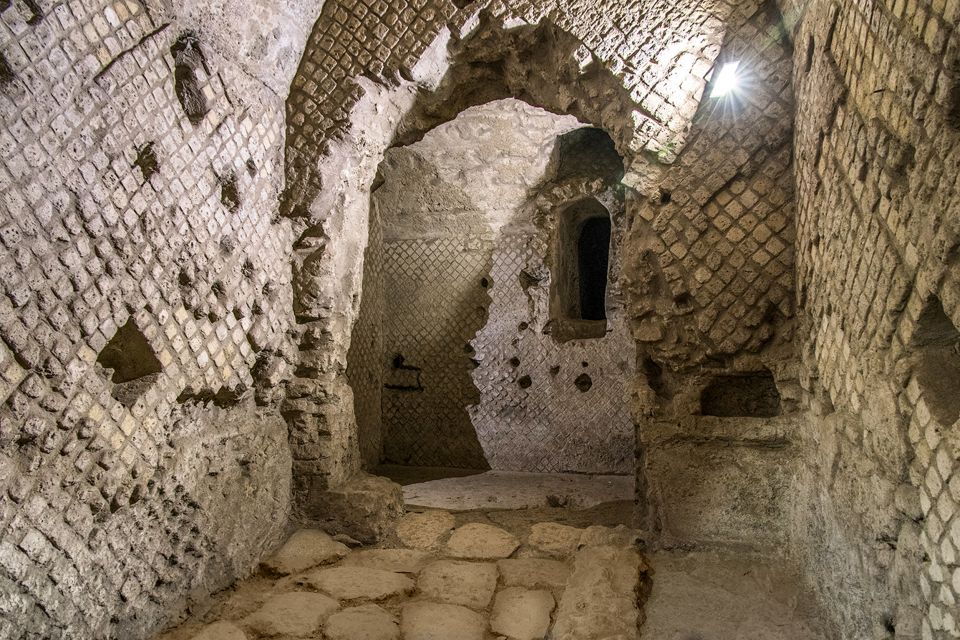
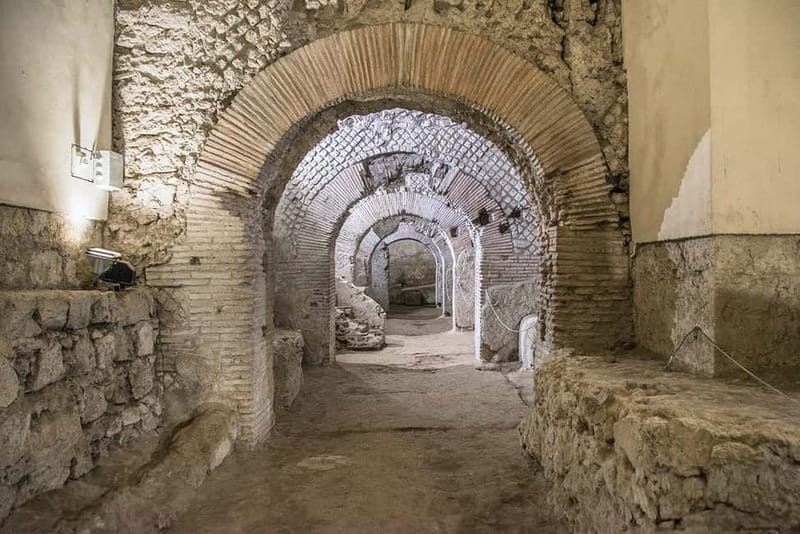
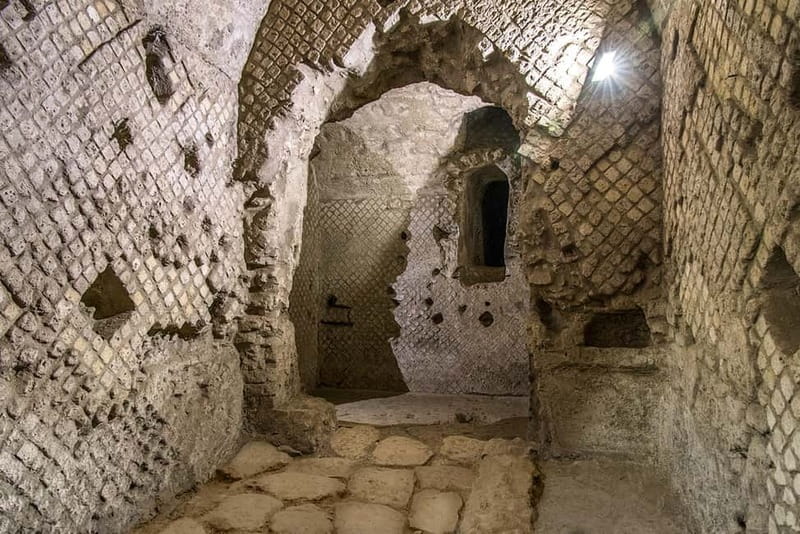
Now for the main event: you descend about 10 meters underground into Neapolis Sotterrata, the ancient Greek-Roman city founded in 470 B.C. The contrast is immediate—you’re leaving the church complex and stepping into a preserved layer of the old city.
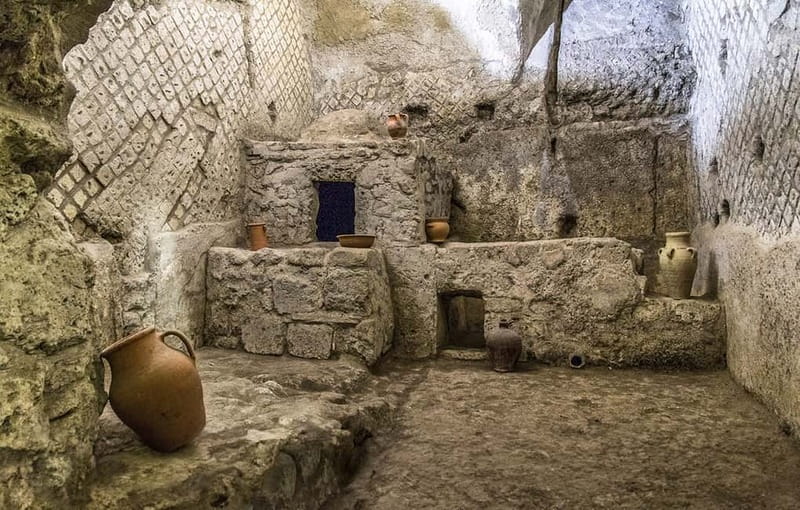
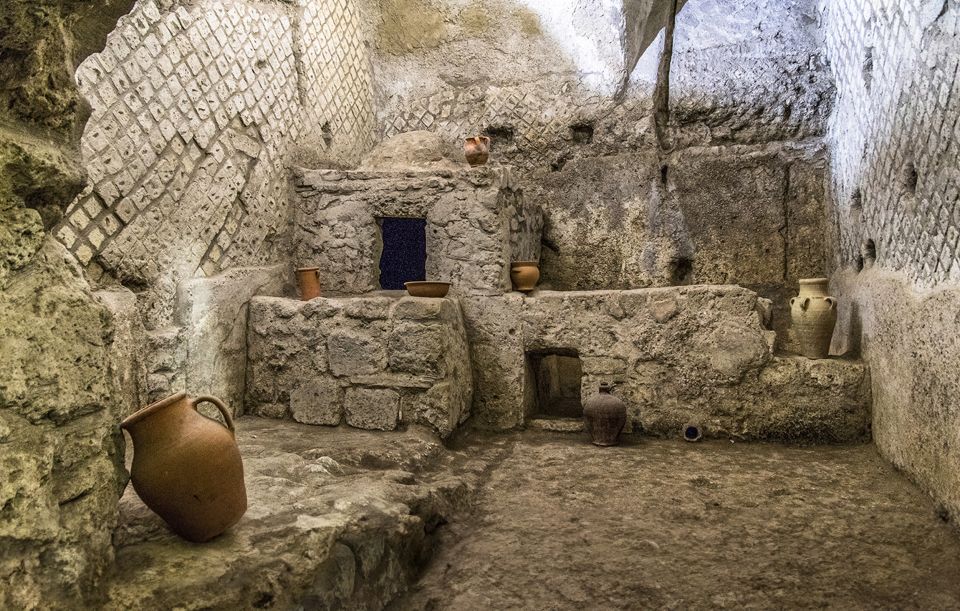
The central experience here is the Macellum, the Roman market. Instead of generic “ruins,” you’re walking along an ancient road and seeing the commercial heart of the settlement. If you want a clear storyline—people lived, worked, traded, and moved through these spaces—this market layout gives you that.
One important expectation check: this ticket is about the ruins and market beneath the church. It does not include the broader Subterranean Naples network that some people may associate with the word underground in Naples.
What the underground feels like in practice
Think of it as a walk-through archaeology site where you’re meant to look steadily. You’ll be close enough to understand the scale without needing a guide to translate everything.
Also, bring that calm, museum-style patience. If you rush, you’ll miss how special it is to see a marketplace setting preserved enough to walk within.
Museum visit: Naples from classical times to the 1800s
After the underground highlight, the museum gives you a way to stitch the story together. This is where you see a timeline view—moving from the classical age and continuing through the nineteenth century.
This part matters if you’re trying to understand Naples as more than a single era. I find it helps you place the Roman market you just saw into a larger city evolution, so the site feels less like an isolated “wow spot” and more like a chapter in Naples’ long life.
If you’re short on time, don’t completely skip this. It’s also one of those rainy-day-friendly stretches where you can keep your energy without standing in the sun.
Price and value: how $10 stacks up (and why €2 can be worth it)

The ticket price is listed at about $10 per person, and it’s valid for one day (with starting times depending on availability). For what you get—multiple halls plus the underground Neapolis Sotterrata access—this is strong value, especially compared with experiences that only focus on one type of attraction.
You should also know there’s a guided tour option for €2 available on site. I like that it’s optional because it lets you match your visit style: if you prefer structure, pay the extra; if you want to self-guide, download the audio guide.
Speaking of audio: a free audio guide is available to download on site. In real life, downloads don’t always behave perfectly. If you hit trouble with the audio or QR access, the guided tour option can rescue your experience and keep you from feeling lost.
What kind of visitor gets the best value?
This ticket is ideal if you want:
- art and archaeology in one sweep
- a clear focus on the underground market (not a giant maze)
- a visit that stays comfortable even when Naples weather turns
If you’re expecting a huge underground network with lots of separate ruins and long routes, you might feel the site is more compact than advertised.
What can disappoint you (and how to prevent it)
Here’s the balanced part. The underground portion centers on the old city ruins and the market setting beneath the church. That’s fascinating, but it isn’t the expansive Subterranean Naples experience some people associate with Naples underground tours.
Scale is another consideration. The site is intimate, which can be a plus. But if you’re hoping to see everything—like a specific type of larger public structure—your expectations may need adjusting.
Finally, plan for tech hiccups. If the audio guide doesn’t download smoothly, or a QR code doesn’t cooperate, you’ll still be able to enjoy the core stops, but your understanding may rely more on whatever help you can access on site.
Who should book this Naples ticket?
Book this if you want a practical, no-nonsense combination of frescoes above ground and the ancient marketplace beneath it. It’s also a smart choice if you like history that you can walk through, not just look at from behind glass.
I’d especially recommend it for:
- first-timers who want one strong “Naples layers” stop
- art lovers who like frescoes and church interiors
- people visiting on a rainy day who still want a real outing
If your top priority is a sprawling underground network with lots of separate large-scale ruins, you may need to temper expectations or look at other options.
Should you book the San Lorenzo Maggiore and Neapolis Sotterrata ticket?
Yes—if you’re after a focused, high-impact visit. For about $10, you get access to the San Lorenzo Maggiore complex plus the Neapolis Sotterrata underground market area, and you finish with museum context that ties it together.
If you care a lot about interpretation and you’re prone to audio/QR issues, I’d lean toward paying the small extra for the on-site guided tour. And if you’re coming in with mental images of an enormous underground system, double-check the scope so the Roman market experience is exactly what you expect it to be.
Either way, this is one of those Naples stops where the city feels close to the people who lived there—trade routes, daily life, and art all in one compact itinerary.
FAQ
Where is the meeting point for the San Lorenzo Maggiore and Neapolis Sotterrata ticket?
The entrance to the complex is at Piazza San Gaetano, 316, and the activity ends back at the same meeting point.
How much does the ticket cost?
The price is listed as $10 per person.
How long is the ticket valid?
The ticket is valid for 1 day, with starting times depending on availability.
What’s included in the ticket?
You get entrance to the Complex of San Lorenzo Maggiore (Cloister, Chapter Hall, Sisto V Hall, and Museum) and entry to Neapolis Sotterrata. The entrance to the Basilica of San Lorenzo Maggiore is free. A free audio guide is available to download on site.
Is a guided tour included?
A guided tour is not included in the base ticket, but there is a guided tour option for €2, available to book on site.
Are there audio guides?
Yes. A free audio guide is available to download on site, and the tour supports English and Italian.
Is the activity wheelchair accessible?
Yes, it is listed as wheelchair accessible.
What languages are available for the visit?
The host or greeter is listed as English and Italian, and the language options for the materials are English and Italian as well.
What should I wear or bring?
Bring comfortable shoes and comfortable clothes. The site involves both indoor halls and an underground descent.
Is there free cancellation?
You have free cancellation up to 24 hours in advance for a full refund.