REVIEW · LECCE
Lecce guided tour with underground discoveries
Book on GetYourGuide →Operated by INFOLECCE - Tourist Information · Bookable on GetYourGuide
Lecce’s baroque has a second level. This 2-hour guided walk in Apulia connects the city’s major Piazzas with the underground discoveries at the Faggiano Archaeological Museum, led by an expert guide in English or Italian. You’ll move through cobbled historic center streets and see how the city’s religious and civic architecture tells its story in stone.
I really like the way this tour turns Lecce architecture into something you can actually understand. Guides such as Fabio Grasso (and also Elena/Elenia, Ilenia, Francesca) focus on the meaning behind facades and details, and they make room for questions. I also love that the included museum ticket sends you below street level at the Faggiano site, not just to another above-ground stop.
One drawback to plan for: paid church entry tickets are not included. That means you may need extra money if you want to go inside every church the guide points out, and on windy or rainy days you’ll still spend time walking between stops.
In This Review
- Key highlights at a glance
- A 2-Hour Lecce Walk That Puts the Underground on the Map
- Piazza Duomo and Santa Croce: Where Lecce’s Baroque Faces You
- Corso Vittorio Emanuele and Piazza S. Oronzo: Street Energy, Civic Pride
- Chiese e Palazzi: Learning to Read Baroque Details (Then Choosing Your Church Stops)
- Faggiano Archaeological Museum: The Included Ticket and the Underground Discoveries
- Guide Style Matters: Fabio Grasso, Elena, Ilenia, and the Question-Friendly Pace
- Price and Value: Does $41 Make Sense for This 2-Hour Mix?
- Who This Tour Fits Best in Your Lecce and Salento Plan
- Practical Tips That Make This Tour Easier (and More Fun)
- Should You Book This Lecce Underground Discovery Tour?
- FAQ
- How long is the Lecce guided tour?
- How much does the tour cost?
- What are the main stops on the tour?
- Is the Museo Faggiano ticket included?
- Are church entry tickets included?
- What languages are offered?
- Does the tour include skip-the-ticket-line entry?
- What group size should I expect?
- Is free cancellation available?
Key highlights at a glance
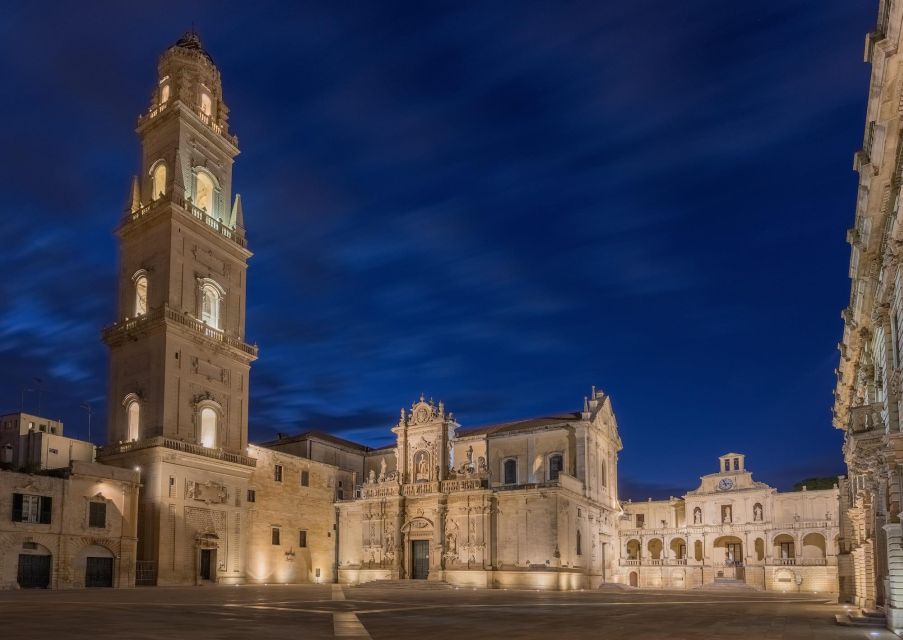
- Baroque-first route in the historic center: Piazza Duomo, Corso Vittorio Emanuele, and Piazza S. Oronzo stay at the core of the experience
- Faggiano Archaeological Museum ticket included: You get access to the site tied to the underground discoveries
- Architecture-focused guiding: Names you’ll often see include Fabio Grasso, Elena/Elenia, Ilenia, Antonella, Francesca, Fabrizio—each with strong explanation style
- Small-feeling group size: Recent groups run about 10–12, which makes Q&A easier
- A true below-ground moment: The highlight is the underground area where excavations connect to daily life
A 2-Hour Lecce Walk That Puts the Underground on the Map
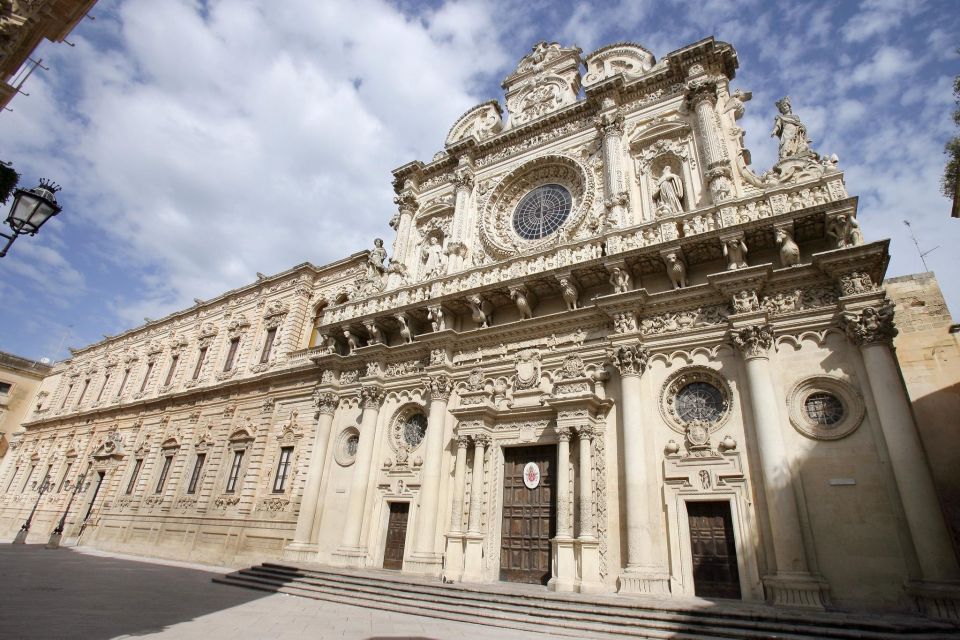
This tour is built for a simple goal: in a short amount of time, you get the big visual Lecce—the baroque facades, the main squares, the church energy—and then you get a second perspective by going underground at the Faggiano Archaeological Museum.
The pacing matters here. Two hours is enough to feel like you covered the essentials, but not so long that you’re stuck trudging for the entire day. You’ll start by walking through the historic center’s cobbled alleyways, and the guide keeps you pointed at what to notice: facades, bell towers, and the way different buildings reflect devotion and civic pride.
If you only have one or two days in Lecce, this is the kind of tour that helps you “get your bearings” fast. And if you’re the type who always wonders what’s hiding under old cities, the underground portion is the pay-off.
You can also read our reviews of more tours and experiences in Lecce.


Piazza Duomo and Santa Croce: Where Lecce’s Baroque Faces You
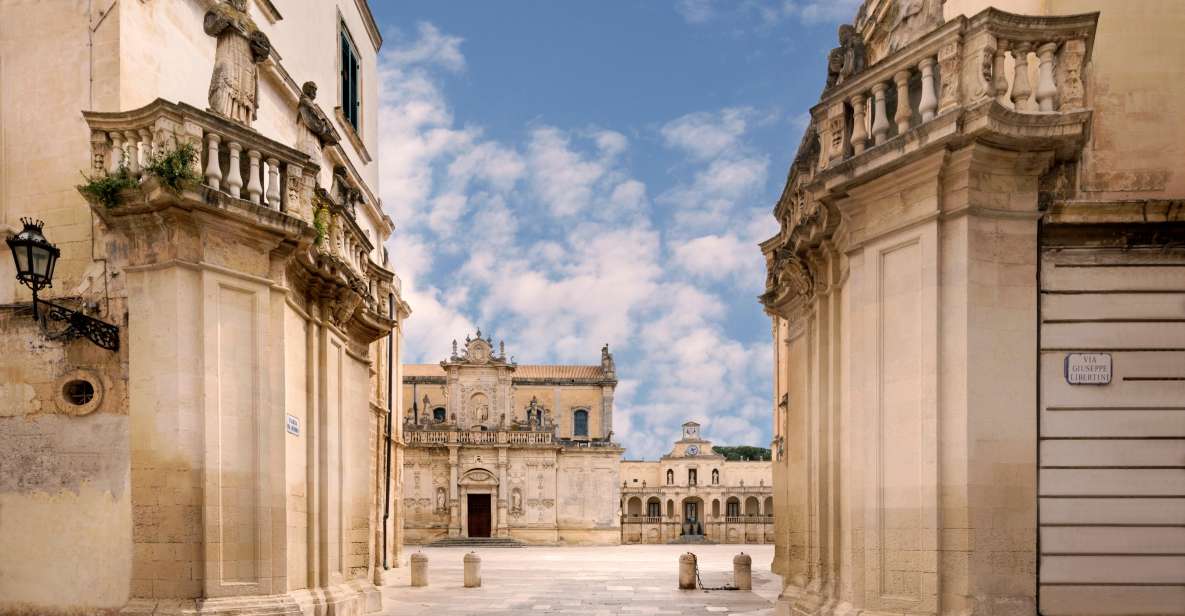
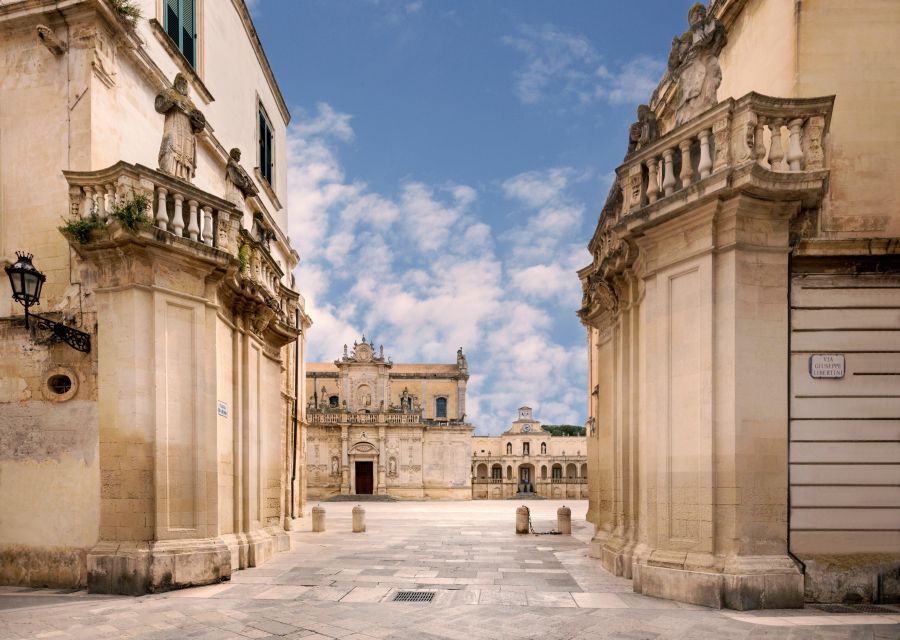
The tour’s opening hits you with scale and detail. You’ll spend time around Piazza Duomo and the Lecce Cathedral area, where the architecture is the first thing your eyes grab.
The star points here are the Basilica of Santa Croce facade and the cathedral bell tower. The guide’s job is to slow your looking down and give you a framework—so you’re not just admiring shapes, you’re learning how to read them. You’ll hear context around why these buildings look the way they do, with the theme of nobility and devotion showing up in the explanations.
What I like about starting here: it sets a tone. Once you understand what the guide is “teaching you to see,” the rest of the walk feels like a guided conversation rather than a checklist.
Practical note: Piazza Duomo is an open-air setting. If the weather is bad, you may spend a bit of time standing outside while the guide organizes the group and points out architectural features.
Corso Vittorio Emanuele and Piazza S. Oronzo: Street Energy, Civic Pride
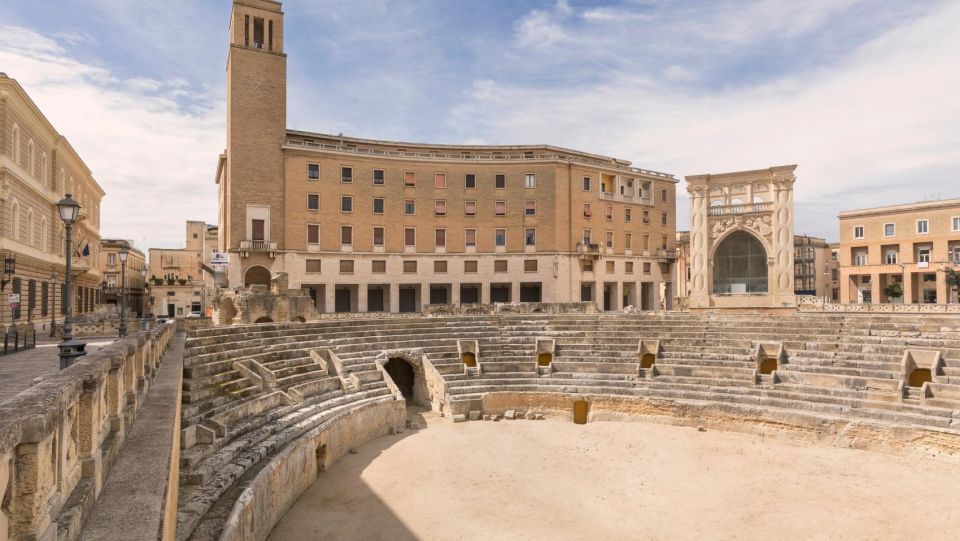
After the Cathedral area, the tour moves into the city’s walking rhythm—Corso Vittorio Emanuele and then on to Piazza S. Oronzo.
This is where Lecce shifts from landmark “photo spots” into lived-in urban space. The guide connects what you see to the city’s history and how civic and religious life shaped the architecture. In other words, you’re not only looking at pretty stone; you’re seeing why the city grew in the way it did and how the center organized attention around key public spaces.
Piazza S. Oronzo also gives you a nice change in perspective. If the cathedral area feels like the spiritual anchor, this square feels like the public heart—an easier place to absorb the city’s flow as you keep walking.
Tip: keep your camera handy here. The facades along the main street plus the square views make it easier to understand the guide’s descriptions because the buildings are framed by the streets and open space around you.
Chiese e Palazzi: Learning to Read Baroque Details (Then Choosing Your Church Stops)
This part of the walk is all about chiese e palazzi—churches and palaces—and it’s the section where the tour becomes more than sightseeing.
The guide points out the decorated frontages and explains the stories behind what’s carved and built. You’ll likely hear meanings tied to nobility, devotion, and how artistic choices reinforced that message. This is where an architecture-minded guide makes a huge difference. Many of the praised guides are specifically noted for being clear and for answering questions as you go.
Here’s the key practical thing: some church entries cost extra. The tour includes guidance through important religious and palace architecture, but paid church entry tickets are not included. So if you want inside access, budget a little more and be ready to decide on the spot.
Also, this is where you’ll benefit most from good shoes and patience. You’re on cobblestones in a historic center. It’s not brutal walking, but it’s steady, and your comfort affects how much you can enjoy the details the guide is highlighting.
Faggiano Archaeological Museum: The Included Ticket and the Underground Discoveries
Now for the reason many people book this specific tour: the Faggiano Archaeological Museum and its underground component.
You enter the museum area and then go below street level to explore the archaeological finds. The focus is on remnants and artifacts connected to earlier layers of the city—things that help you connect architecture above with human life below. The description of the experience emphasizes daily life evidence and buried traditions, with excavations revealing secrets that were literally covered over by time.
What makes this stop valuable is the contrast. Above-ground Lecce can feel like a long, decorative story. Underground, the story becomes more concrete—older corridors and chambers that bring a different kind of perspective. You’re not just seeing decoration; you’re seeing traces.
If you like museums but often find them too “static,” this is different. The underground setting gives you atmosphere, and it also changes how you think about the city. You start to realize that Lecce isn’t a single level of history—it’s layered.
One more practical plus: the museum ticket is included. So you’re not stuck handling an extra admission purchase right when you’re trying to enjoy the walk. The experience also includes skip-the-ticket-line style entry, which helps keep the tour running smoothly.



Guide Style Matters: Fabio Grasso, Elena, Ilenia, and the Question-Friendly Pace
A big theme in the positive feedback is how the guides handle explanation and communication. Names that come up often include Fabio Grasso, Elena/Elenia, Ilenia, Antonella, Francesca, and Fabrizio.
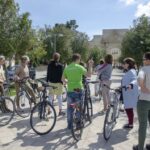
What you want from a guide on a baroque architecture tour is simple: clear points, a steady pace, and the ability to answer questions without rushing you. That’s exactly what gets praised—guides who speak clearly (including projected voices for group hearing), who can connect details to broader context, and who keep the group together.
Group size is another quiet factor. Recent experiences mention groups around 10–12 people, and that range is ideal. It’s small enough for questions, big enough to keep the atmosphere lively, and it usually prevents the guide from having to repeat instructions endlessly.
Small bonus: one guide, Elena, is noted for helping beyond the tour—like assisting with dinner reservations and street-food recommendations. That’s not something you should count on, but it’s a nice reminder that the guide can be a local resource.
Price and Value: Does $41 Make Sense for This 2-Hour Mix?
At $41 per person for about 2 hours, the value comes from what’s included.
Included items:
- Tour guide
- Ticket for the Museo Faggiano
Not included:
- Entry ticket for paid churches
For many people, the decision is whether the guided explanation plus the museum access is worth more than a self-guided walk. In this case, the museum ticket is the anchor. If you’re the type who wants the underground portion, paying for a guide also helps you understand what you’re seeing above and below ground.
The “watch out” piece is church entries. If you plan to go inside multiple churches during the walking portion, you may spend extra. If you’re happy to look from outside at some churches and only pay for a couple, your costs stay predictable.
Overall: for a short trip where you want the key sights plus the underground highlight, the pricing feels fair—especially because you get a guide who can translate Lecce’s baroque language into something you can follow in real time.
Who This Tour Fits Best in Your Lecce and Salento Plan
This tour makes the most sense if any of these sound like you:
- You have limited time in Lecce and want the main baroque sights covered in a single pass
- You love architecture and you want help reading facades and monuments instead of just snapping photos
- You’re curious about how everyday life connects to what’s preserved underground
- You prefer small-to-medium group pacing rather than huge bus tours
It’s also a good option as an opener. After this, you’ll know which areas you want to return to on your own, whether it’s the piazzas for atmosphere or the museum for another look at details.
If you dislike museums or you’re not interested in underground spaces, you might feel the tour’s highlight arrives a bit later. But if the underground discovery is what called your attention, you’re booking the right format.
Practical Tips That Make This Tour Easier (and More Fun)
You’ll enjoy this tour more if you show up ready for the realities of a historic center.
- Wear comfortable shoes. Cobblestones are a fact of life in Lecce’s old streets.
- Bring a light layer. Even in nicer weather, you can feel the wind in open squares, and you’ll be outside between stops.
- Bring a charged phone or camera. Piazza Duomo, Santa Croce, and the bell tower area are the kinds of sights you’ll want to reference later.
- Have your questions ready. The best tours are the ones where you ask one follow-up. Many guides are praised for answering clearly.
- Decide in advance how many churches you want to pay for. Paid entries aren’t included, so your plan helps you avoid last-minute surprises.
Should You Book This Lecce Underground Discovery Tour?
Yes—if you want a smart mix of baroque Lecce and the Faggiano underground in a tight time window, this is an excellent choice. The inclusion of the Museo Faggiano ticket does a lot of the heavy lifting for value, and the guide experience (especially with architecture explanation and clear communication) is a major reason people feel satisfied.
I’d hold off or adjust expectations if you’re only interested in free church visits and you hate paying for extra entries, since paid church admission is not included. And if weather tends to ruin your outdoor plans, bring layers and expect some standing between stops.
If your time in Lecce is limited and you want to leave with a clearer picture of how the city works—above and below—book it.
FAQ
How long is the Lecce guided tour?
The tour lasts 2 hours.
How much does the tour cost?
The price is $41 per person.
What are the main stops on the tour?
You’ll visit key sights in the historic center, including Piazza Duomo, Corso Vittorio Emanuele, Piazza S. Oronzo, the Faggiano Archaeological Museum with its underground discoveries, and chiese e palazzi.
Is the Museo Faggiano ticket included?
Yes. The tour includes the ticket for the Museo Faggiano.
Are church entry tickets included?
No. Entry tickets for paid churches are not included.
What languages are offered?
The live tour guide is available in English and Italian.
Does the tour include skip-the-ticket-line entry?
Yes, it includes skip-the-ticket-line for the included museum visit.
What group size should I expect?
Recent experiences mention a group size around 10–12 people, which helps keep questions manageable.
Is free cancellation available?
Yes. You can cancel up to 24 hours in advance for a full refund.