REVIEW · MILAN
Milan: Fresh Pasta and Tiramisù Class in A Historical Home
Book on GetYourGuide →Operated by Cooking Class in Italy · Bookable on GetYourGuide
Milan smells like butter and coffee. This 3-hour pasta-and-tiramisù class mixes real hands-on cooking with a museum-like setting, and I especially loved the historic art-filled home and the terrace limoncello made with lemons grown nearby. You get the full meal you make, plus a recipe booklet sent afterward, so it actually turns into a skill.
One thing to consider: you’ll be working on pasta dough for the full session, which means good energy and comfortable shoes matter more than you’d think.
In This Review
- Key Takeaways Before You Go
- Entering a 3-Hour Milan Cooking Class Near Duomo
- Via Dezza 47: A Historical Home With Real Art on the Walls
- The Pre-Dough Ritual: Limoncello and a Terrace Moment
- Cooking Tagliatelle and Ravioli From Scratch (The Skills You Actually Keep)
- Tagliatelle with tomato sauce: learn the rhythm
- Ravioli with butter and sage: where technique shows
- Tiramisù the Classic Way: More Than a Sweet Finish
- What You Eat: Wine, Water, and the Meal You Built
- The Family Tradition Feel (and the Guides You Might Meet)
- Getting Recipes by Email: Turning Class Fun Into Future Dinners
- Price and Value: Is $84.96 Worth It?
- Who Should Book This Milan Class (and Who Might Not)
- Should You Book This Milan Pasta and Tiramisù Class?
- FAQ
- How long is the class?
- What will I learn to cook?
- Is the lesson taught in English?
- What’s included with the ticket?
- Do you offer anything gluten-free?
- Where do I meet the class in Milan?
Key Takeaways Before You Go
- A house that feels like art storage in the best way: 16th-century paintings and antique furnishings from the Palladiana Palace family collection
- You make two pastas from scratch: tagliatelle with tomato sauce and ravioli with butter and sage
- Tiramisù isn’t just assembled: you learn the classic method for the real Italian result
- Limoncello before the work: you sip it during the experience, with lemons mentioned from the terrace
- You eat what you cook: wine (or soft drink), water, and a gluten-free risotto option
- Different family-led instructors: classes can be guided by people like Caterina, Luca, Federico/Fred, Francesca, Giulia, or Paolo and Bruna, depending on the day
Entering a 3-Hour Milan Cooking Class Near Duomo
This is the kind of evening that’s hard to replicate. You’re in the center of Milan, about 20 minutes on foot from Duomo Square, and you’re not racing between monuments all night—you’re learning to cook and then eating the payoff.
The class runs for 3 hours, and that length is the sweet spot. You get time to make dough, shape and fill pasta, and still finish tiramisù properly. It also means you won’t feel like you paid for a quick demo.
You can also read our reviews of more tours and experiences in Milan.



Via Dezza 47: A Historical Home With Real Art on the Walls
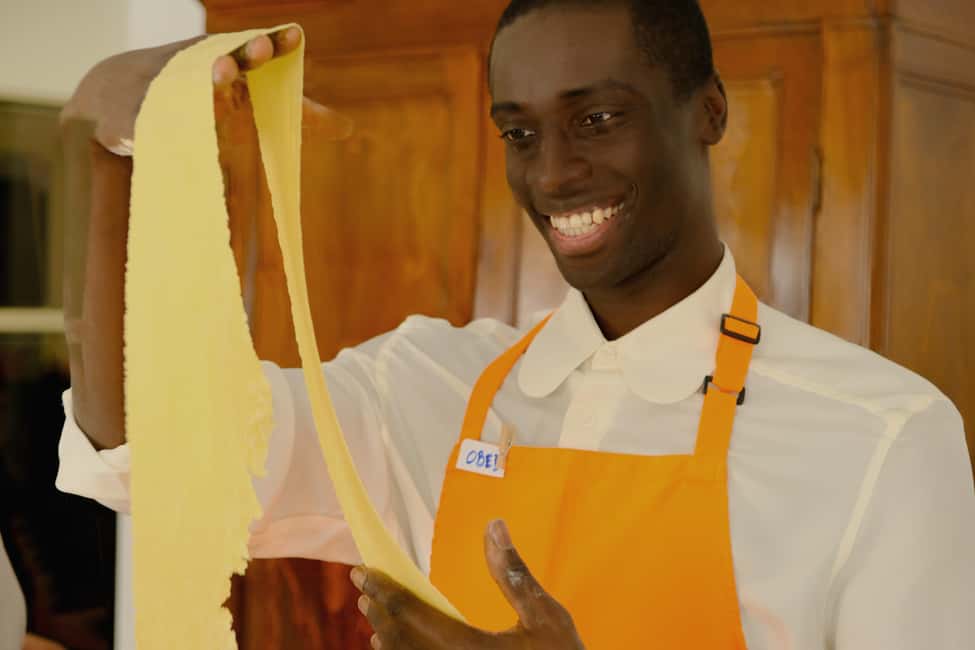
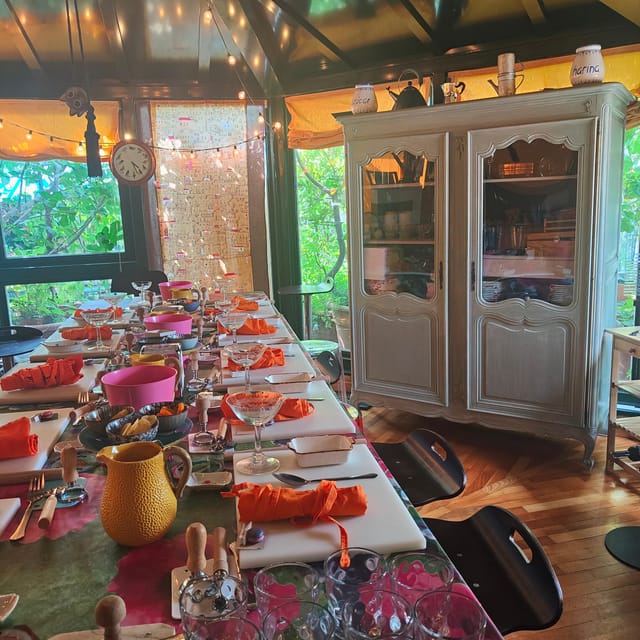
The setting is a big part of the value here. The class happens in a historical Milan home in the downtown area, and the rooms are described as full of art paintings and antique furnishings that come from the Palladiana Palace family.
This matters because it changes the whole tone of a cooking class. Instead of a studio vibe, you’re surrounded by 16th-century art and period pieces, so the evening feels like Milan, not just food content.
You’ll also appreciate the practical location. The meeting point is Via Dezza 47, Milan (not other cities). It’s easiest from the blue subway line at Coni Zugna–Via Foppa, with an escalator exit near there, and there’s another option about 500 meters away at the green line Sant’Agostino stop.
The Pre-Dough Ritual: Limoncello and a Terrace Moment
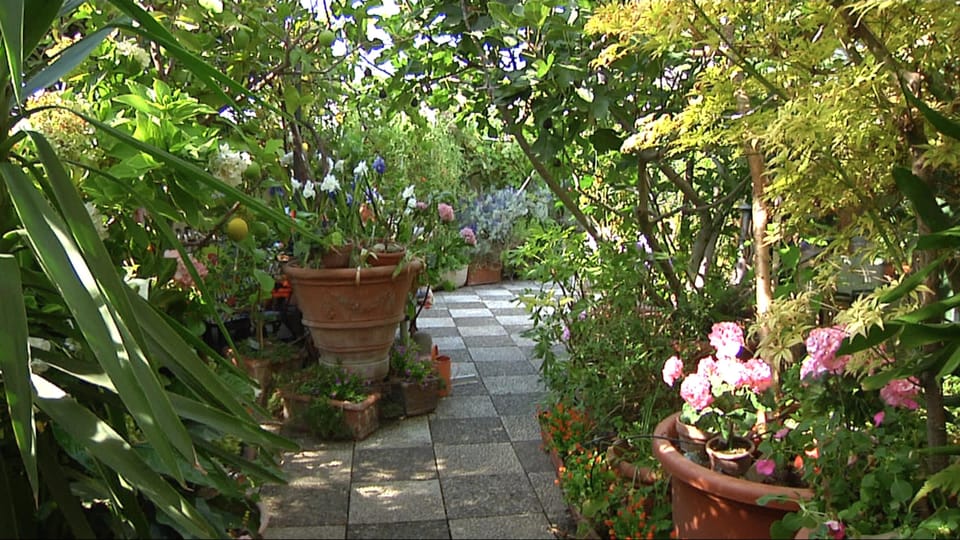
Before you start mixing anything, you sip limoncello. The highlight mentions limoncello prepared with lemons from the terrace, which makes that drink feel less like a generic add-on and more like part of the place.
It’s a small timing detail, but I like it. Starting with something local and slightly celebratory helps everyone settle in, especially in a hands-on class where you’ll be learning by doing.
Also note the class language setup. Instruction is in English, and other languages are available (English, Italian, French, Spanish, Persian, Hebrew), including upon request.
Cooking Tagliatelle and Ravioli From Scratch (The Skills You Actually Keep)
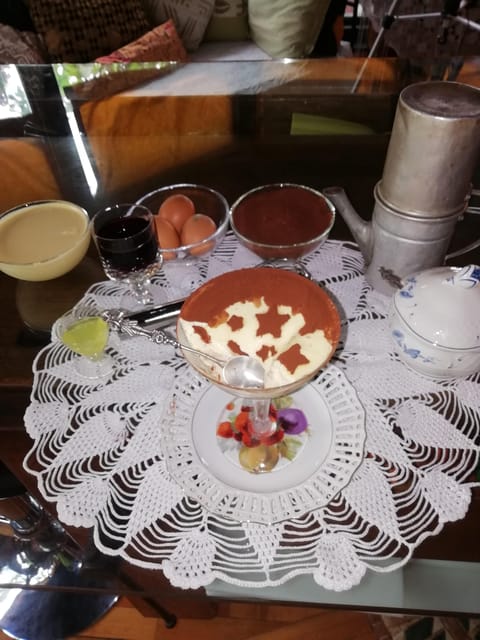
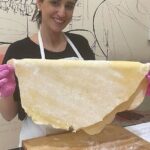
This is where the experience turns from a nice night out into a repeatable skill. You’ll learn to prepare two types of Italian pasta from scratch: tagliatelle with tomato sauce and ravioli with butter and sage.
Tagliatelle with tomato sauce: learn the rhythm
Tagliatelle is one of those pastas that looks simple but teaches you control. You’ll work the dough, then shape it, and connect the texture to how the sauce clings once you eat it.
What I like most for at-home cooking is that tagliatelle is forgiving compared with fussy showpieces. If you can learn the dough handling and a basic sauce balance in a class, you can recreate a very satisfying dinner later.






Ravioli with butter and sage: where technique shows
Ravioli are the confidence-builder. The class is designed to help you make ravioli from scratch, not just assemble them. And the pairing—butter and sage—matters, because it lets the pasta taste lead without hiding under complicated sauces.
One practical tip this kind of class usually teaches is how to get the filling sealed and how to work without tearing the dough. If you pay attention to that process, you’ll leave with a mental map for what success feels like.
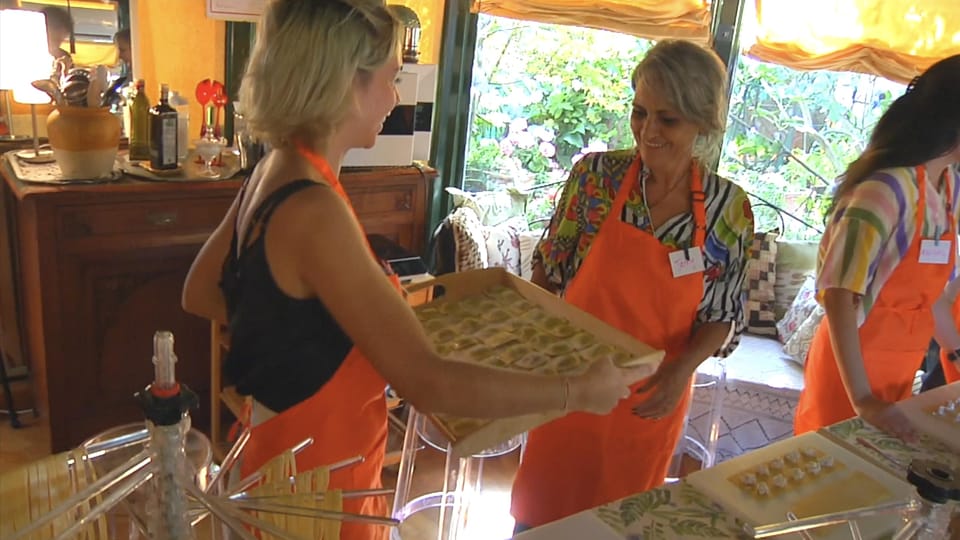
Tools and aprons are included, so you’re not showing up worrying about utensils. And in the hands-on groups I’ve seen described, everyone is set up with ingredients and tools in front of them, which helps if you’re nervous about cooking in front of others.
Tiramisù the Classic Way: More Than a Sweet Finish
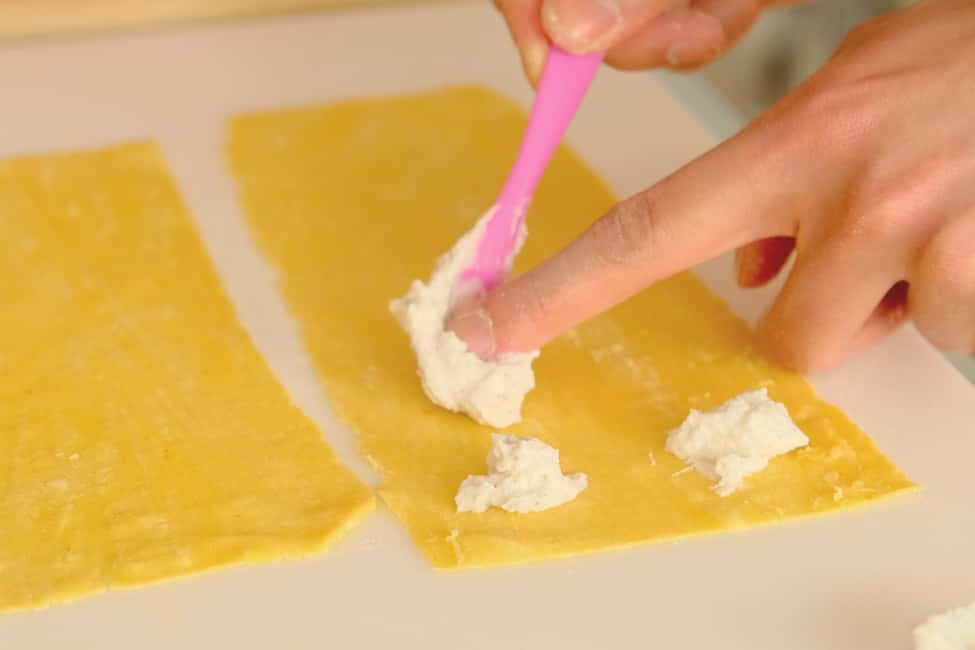
Tiramisù is often treated like a simple dessert, but this class treats it like Italian comfort food with a method. You learn how to prepare classic tiramisù as part of the 3 hours, and you’ll end up eating what you make.
In one described session flow, tiramisù is prepared early and placed in a freezer quickly so it sets and is ready by the end. Even if your class follows a slightly different timing, you can still expect the important lesson: proper assembly and timing so the dessert tastes right, not just looks pretty.
This is the kind of dessert where small details matter. If you learn the logic of layering and the texture you’re aiming for, you won’t need to guess at home.
What You Eat: Wine, Water, and the Meal You Built
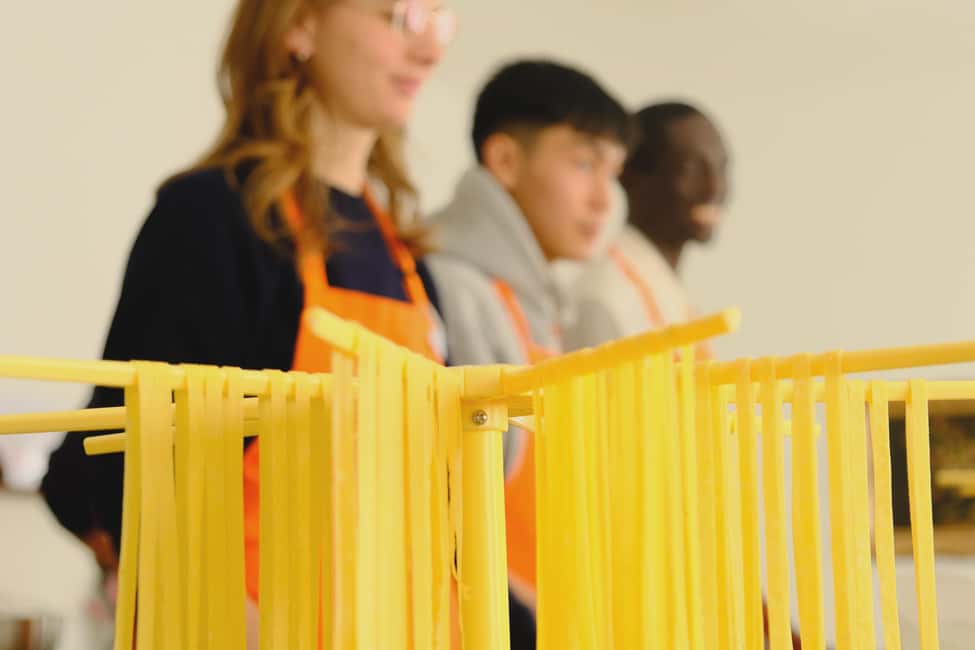
You’re not leaving after the workshop with a snack. The class includes the meal you prepare: pasta dishes and tiramisù.
The drink situation is straightforward: you get white wine, listed as 1/4 of a bottle per person, or a soft drink, plus water. That pairing makes sense because the wines are there for the savory parts of the meal, while tiramisù lands as the sweet finish.
There’s also a gluten-free option: risotto for gluten free. That’s useful because it’s clearly planned into the experience, not an afterthought.
One more practical point: in groups where there are many participants, the class is still set up so you eat together. In other words, it’s not you cooking in a corner while the rest of the class does something else.
The Family Tradition Feel (and the Guides You Might Meet)
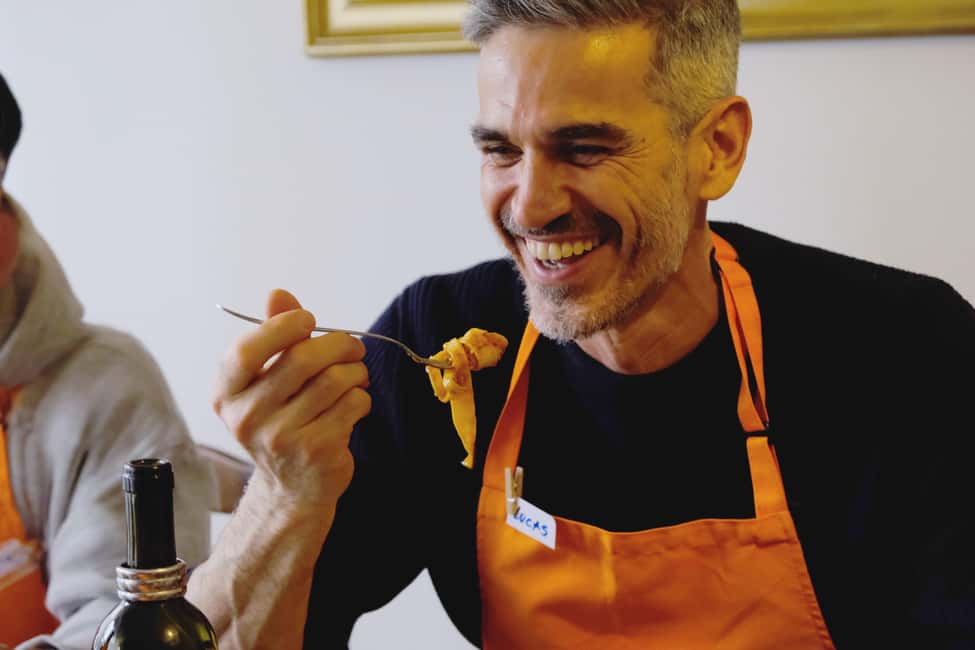
The class atmosphere has a family rhythm. Cooking is described as a family tradition, with Grandma Bruna as the anchor teacher when she has energy, and other family members stepping in when she doesn’t.
In real class examples, you might be guided by Caterina, who is described as Bruna’s granddaughter and brought high energy and humor. Federico (often referred to as Fred) is described as funny, inclusive, and good at breaking the ice with the group. Luca runs instruction with humor and can manage larger groups smoothly, with a clear, organized setup for each person.
You might also meet Francesca (English and French strong, entertaining), Giulia (well prepared and explaining in easy steps), or Paolo and Bruna together (warm, laughter-filled teaching).
The practical takeaway for you: the class isn’t trying to be stiff or overly formal. It’s designed so you feel supported while you handle dough, fill ravioli, and build tiramisù.
Getting Recipes by Email: Turning Class Fun Into Future Dinners
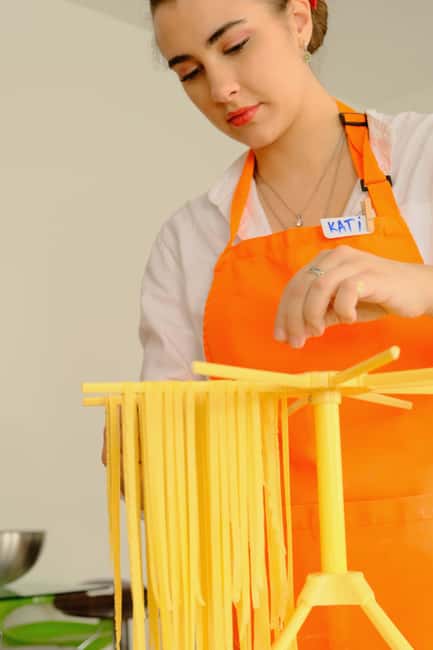
After the meal, the learning continues. You receive a booklet by email with the recipes. That’s a big deal for value because cooking classes are often forgettable a month later unless you get something to anchor the method.
This class also focuses on dishes that you can recreate without special gear. You’ll be learning dough work and classic sauce logic that you can replicate with normal home cooking tools.
If you want to impress friends back home, this is the right kind of souvenir. Not a magnet. A repeatable menu.
Price and Value: Is $84.96 Worth It?
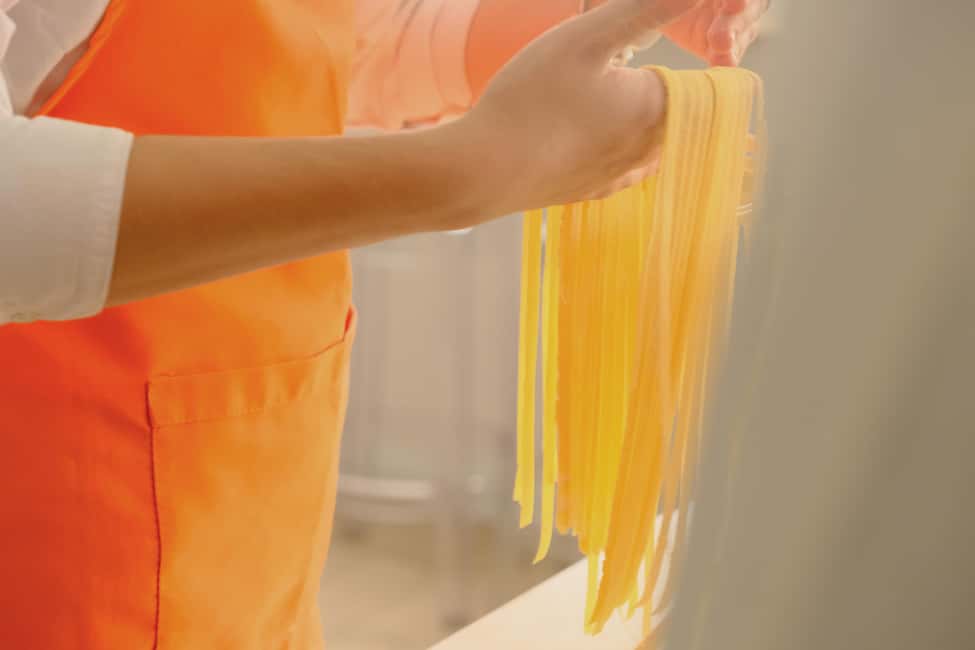
At $84.96 per person for a 3-hour class, the price looks steep if you’re only thinking about flour and sauce. But this isn’t just ingredients; it’s instruction, included meal, drinks, and a location with serious historical and artistic value.
Here’s what you’re effectively paying for:
- All tools and aprons are included
- A full meal is included (the pasta you make plus tiramisù)
- White wine is included (or soft drink) and water is included
- Limoncello is included
- Recipes are delivered by email so you can cook again
If you compare it to the cost of a nice Milan dinner plus a cooking workshop separately, the bundle starts to make sense. You’re also paying for hands-on time in a place you likely wouldn’t have access to on a standard city walk.
One caution on value: it’s best when you’re genuinely up for cooking. If you only want the meal and zero kitchen time, you’ll miss the main point.
Who Should Book This Milan Class (and Who Might Not)
This class is a strong match if you want:
- A hands-on Milan experience near Duomo that lasts about 3 hours
- Two specific pasta skills (tagliatelle and ravioli), plus classic tiramisù
- A sit-down meal where you eat what you make
- A setting with serious art and period interiors, not a modern classroom
It’s not a great fit if you’re bringing kids under 8, since it’s listed as not suitable for children under 8. And if you’re sensitive to standing, kneading, or hands-on mess, come prepared—this is cooking work.
Also plan for house rules: smoking indoors isn’t allowed, and backpacks aren’t allowed. You’ll want comfortable clothes and shoes. The class also recommends bringing a camera and biodegradable insect repellent.
Should You Book This Milan Pasta and Tiramisù Class?
I’d book it if you want a real skill, a real meal, and a memorable Milan setting in one package. The mix of pasta-making from scratch, classic tiramisù instruction, and the art-filled historical home is a rare combination.
Skip it if you’re looking for a quick tasting or you dislike hands-on cooking time. But if you like learning by doing, this is one of the better ways to spend a few hours in Milan that doesn’t feel like a ticketed attraction.
FAQ
How long is the class?
The class duration is 3 hours.
What will I learn to cook?
You’ll learn to prepare two types of Italian pasta (tagliatelle with tomato sauce and ravioli with butter and sage) and classic Italian tiramisù.
Is the lesson taught in English?
Yes, the lesson is held in English, and other languages are available (including Italian, French, Spanish, Persian, and Hebrew) upon request.
What’s included with the ticket?
Included items are all tools and aprons, the meal, white wine (1/4 of a bottle per person) or soft drink, limoncello, water, and a booklet by email with the recipes.
Do you offer anything gluten-free?
Yes. Risotto is provided for gluten-free guests.
Where do I meet the class in Milan?
The meeting point is Via Dezza 47, Milan. The easiest subway access is near Coni Zugna–Via Foppa on the blue line, and Sant’Agostino on the green line is another option about 500 meters away.