REVIEW · ROME
Rome: St. Peter’s Basilica, Papal Tombs, and Dome Climb Tour
Book on GetYourGuide →Operated by Touriks · Bookable on GetYourGuide
St. Peter’s feels huge and human. This guided walk strings together St. Peter’s Square, the Basilica you can’t ignore, a climb up to Rome’s dramatic dome views, and then a step underground into the Vatican’s older layers. I love that the tour gives you both the big wow factor (the top of the dome) and the quieter, deeper wow (the tombs and grotto frescoes). For art lovers, it’s a highlight stop; for first-timers, it helps you make sense of the place fast. One thing to keep in mind: this is not a skip-the-line experience, so security queues and the dome line can stretch your timeline.
I also like the way the guide work keeps you moving without turning it into a rushed checklist. A guide like Francesca (humor and Michaelangelo focus) or Leonora (crowd-control during busy periods) can turn long waits into understandable history, not wasted time. The one potential drawback is physical: the dome climb is a climb, and it’s not the tour for people with vertigo or claustrophobia, plus the terrace access can change in bad weather.
In This Review
- Key things to know before you go
- First stop: St. Peter’s Square and getting oriented fast
- St. Peter’s Dome: elevator up, then the payoff from the top
- Inside the Basilica: marble, ceilings, mosaics, and the stories behind them
- Papal Tombs and the original 4th-century Basilica walls
- Down below: Vatican grottoes and ancient frescoes
- What the guide actually changes for you
- The timing reality: security lines and the dome queue
- Small group vs private: which format fits your style
- Price and value: what $21.64 gets you (and what it doesn’t)
- Practical tips that make this smoother
- Who should book—and who should skip this format
- Should you book the St. Peter’s Dome, Tombs, and Grottoes tour?
- FAQ
- How long is the St. Peter’s Basilica dome and tomb tour?
- Where do I meet for the tour?
- Does this tour include the dome climb?
- Is this a skip-the-line tour?
- What sites are included, and what is not included?
- What if parts of the Basilica or the grottoes are closed?
- What should I bring and wear?
- Is the dome terrace always accessible?
Key things to know before you go
- Dome views that put Rome in scale: you can spot landmarks like the Colosseum and the Pantheon from up high.
- Basilica highlights beyond photos: expect stops for major artworks and the visual impact of marble, mosaics, and gold-toned ceilings.
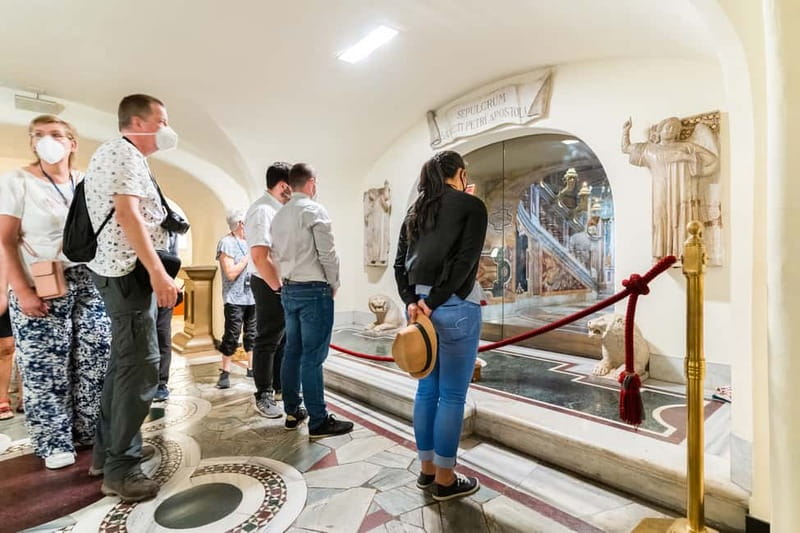
- Papal tombs with a rare touch moment: you visit St. Peter’s Tomb and can touch the original 4th-century Basilica walls.
- Underground grottoes with frescoes: the tour goes below the Basilica to historic grotto areas.
- Guide-led crowd navigation: you’ll get on-the-ground context during security and inside the Basilica.
- There’s flexibility if areas close: if grottoes or parts of the Basilica are closed, the guide adapts while keeping the overall quality and timing similar.
First stop: St. Peter’s Square and getting oriented fast
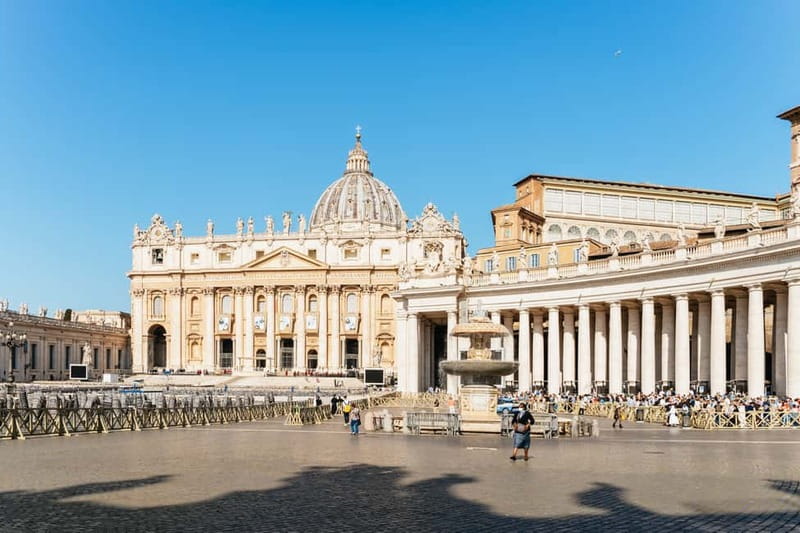
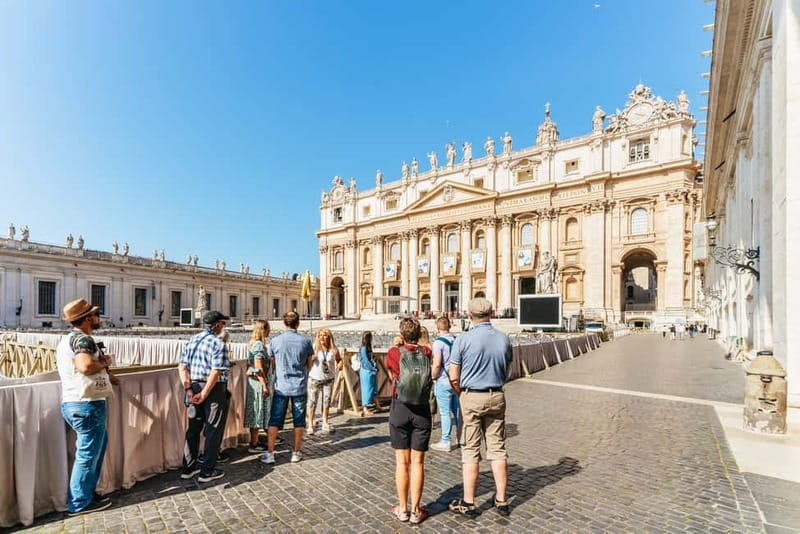
St. Peter’s Square is designed to pull you in, even if you’ve seen it a hundred times online. Meeting in the square area (often near Largo del Colonnato 5 or St. Peter’s Gallery, depending on the option) helps you start with the right vantage point instead of wandering in circles.
You’ll get an initial guided walk through the area before you go inside. That matters because the Basilica isn’t just a building; it’s a setting. Even a short introduction gives you the right framework for what you’re about to see inside—where to look first, what features to notice, and how different parts relate to each other.
You can also read our reviews of more tours and experiences in Rome.

St. Peter’s Dome: elevator up, then the payoff from the top
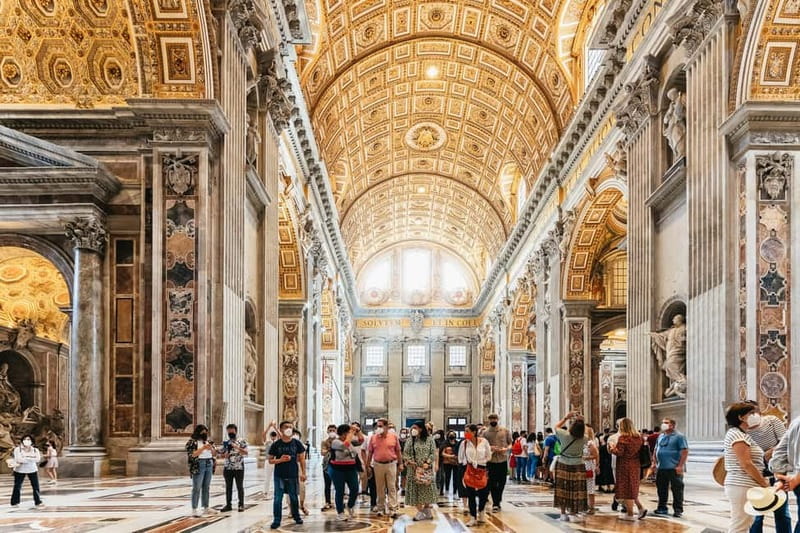
The dome experience is the emotional center of this tour for a lot of people, and I get it. You’ll head to the dome, take the elevator portion, and then continue upward to a balcony area and the top viewpoints where you can see Rome spread out.
From up there, your brain finally connects the dots. You can often spot iconic sites like the Colosseum and the Pantheon, which turns the view into more than pretty rooftops. It’s also a great place to understand why the dome became such a symbol—light, scale, and structure all make sense when you’re above the noise.
One practical point: the dome terrace might not be accessible in bad weather. If that happens, you can ask for a partial refund and visit other areas, or cancel for a full refund. In other words, plan for weather variability, but don’t panic.
Inside the Basilica: marble, ceilings, mosaics, and the stories behind them
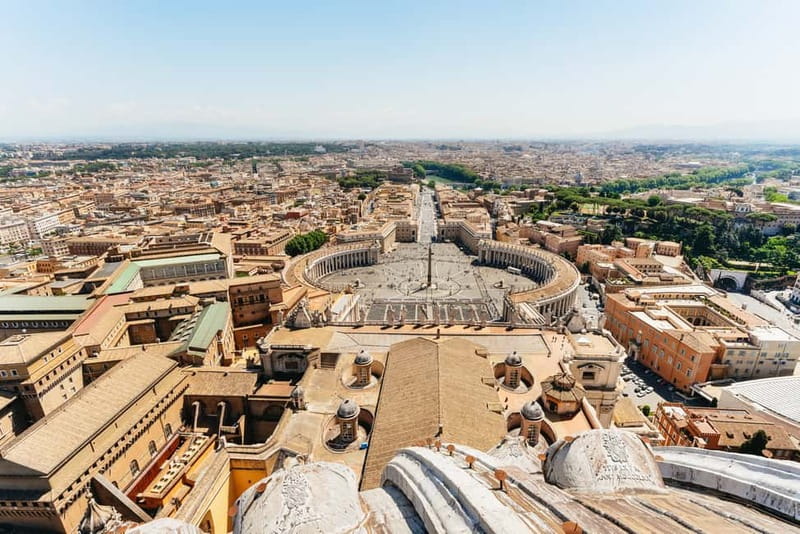
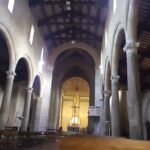
When you step into St. Peter’s Basilica, it’s the kind of space that can overwhelm you if you don’t know what to look for. This tour tackles that by guiding your attention toward the key visual and artistic elements.
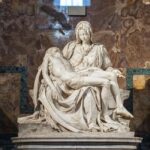
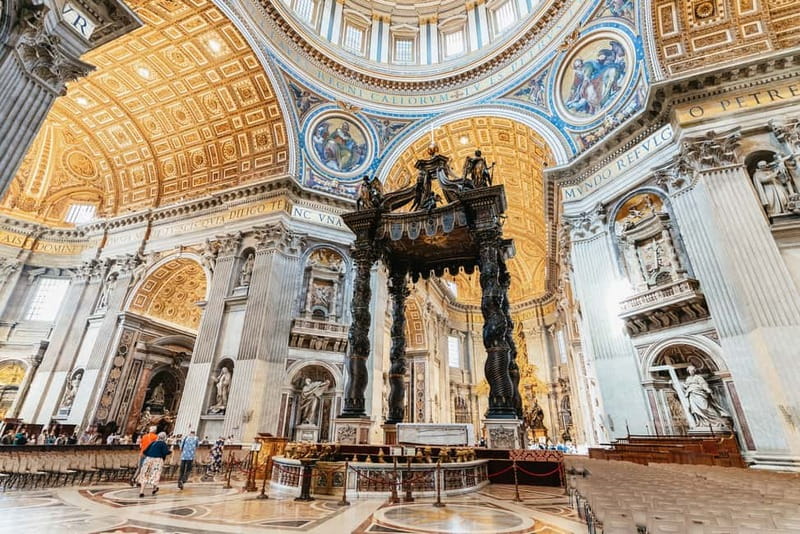
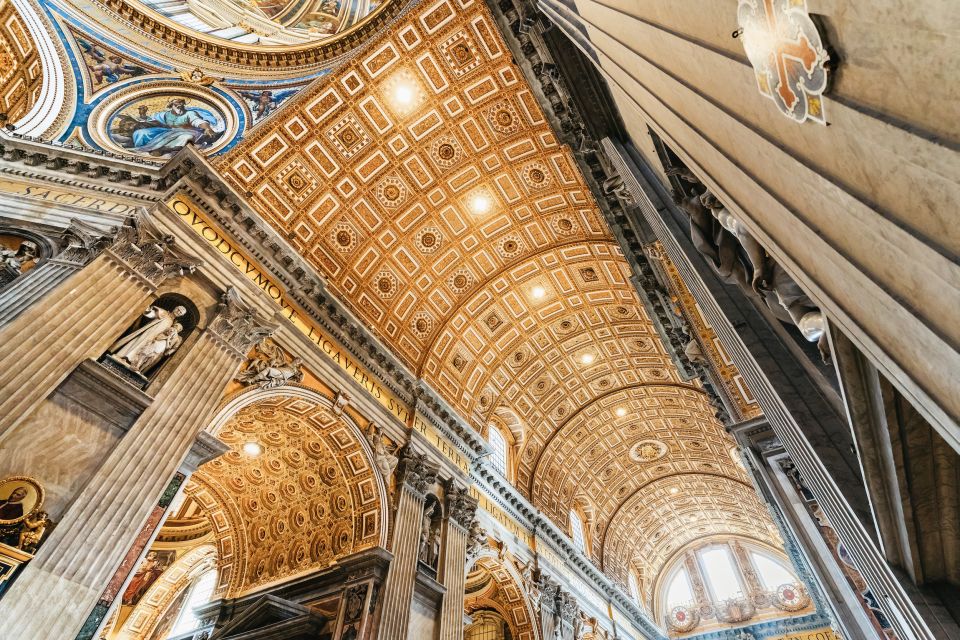
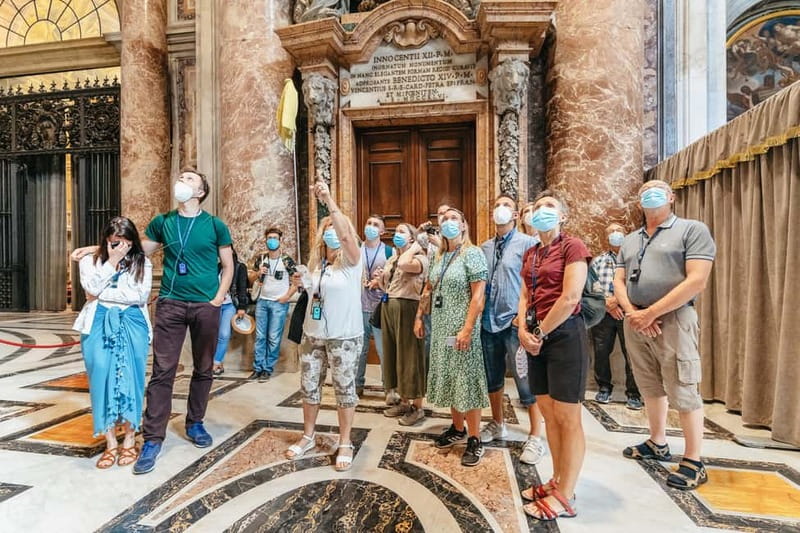
You’ll spend time on guided viewing inside the Basilica, with time for photos along the way. Expect the wow hits: marble surfaces, mosaics, and dramatic ceilings that feel like they go on forever. Michelangelo’s Pietà is specifically called out, and it’s one of those works where seeing it in person changes the experience from famous to meaningful. The guide helps you connect what you’re seeing to why it matters in the broader story of the Basilica.
You’ll also hear why construction took so long—150 years is the benchmark mentioned. That detail isn’t trivia; it explains why the Basilica can feel like multiple eras talking to each other in stone.
Papal Tombs and the original 4th-century Basilica walls
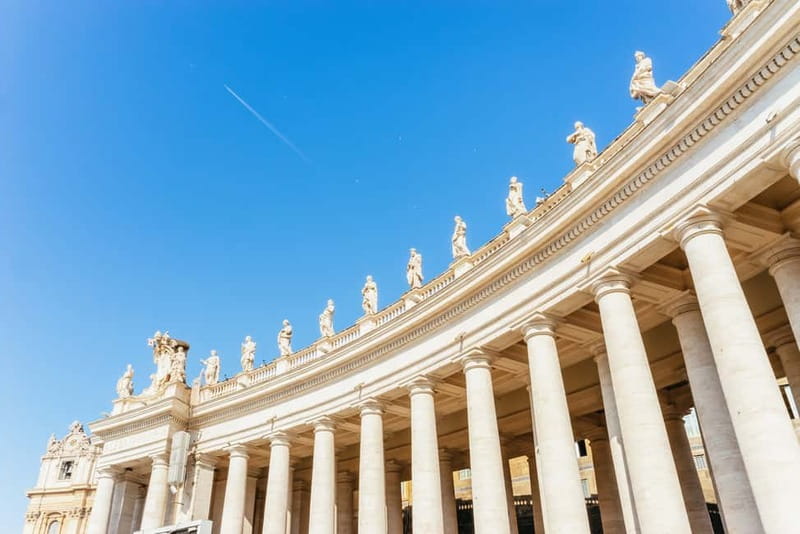
After the upper-level spectacle, the tour shifts tone in a very satisfying way: down to the tomb area connected with St. Peter’s final resting place. You’ll visit St. Peter’s Tomb and there’s a special hands-on moment—you can touch the original 4th-century Basilica walls.
That touch is exactly why this tour feels different from the usual walk-by version of St. Peter’s. It brings time down to something physical. Even if you don’t consider yourself a religious history person, the idea that you’re encountering ancient fabric of the site is powerful.
This stop is also where you start to see the Basilica as more than art and architecture. It’s also a living memorial space—serious, quiet, and strangely intimate for such a huge complex.
Down below: Vatican grottoes and ancient frescoes
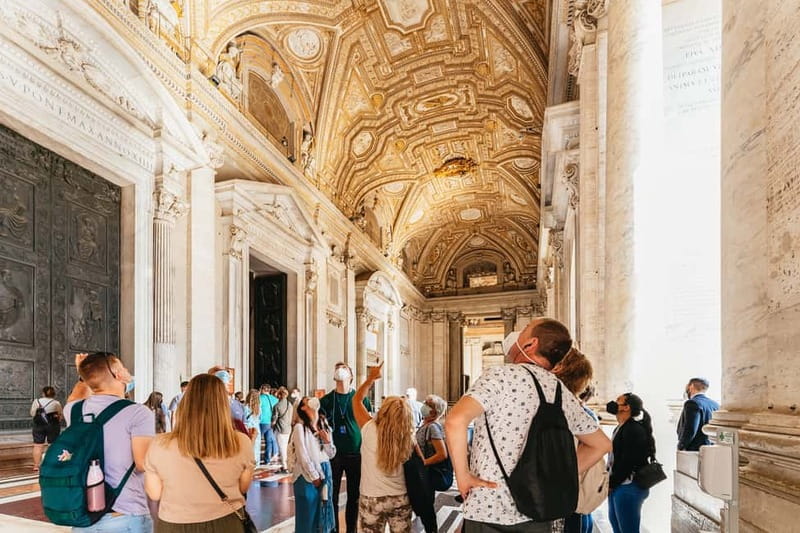
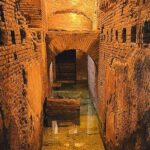
The underground part is short but memorable. You head to the Vatican Grottoes for a guided visit (the time on-site is listed as about 15 minutes), and you’ll see historic frescoes in the grotto areas.
Even in a relatively brief window, the effect is strong. Below street level, the Basilica’s scale changes. You’re surrounded by older layers, and the focus shifts from golden surfaces to texture, age, and the sense of continuity across centuries. If the grottoes—or certain areas—are closed on the day you go, your guide adapts by highlighting alternative sites and artworks inside the Basilica while keeping the overall duration and quality the same.

What the guide actually changes for you
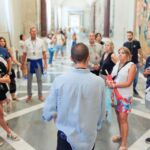
A guided format matters most in places like this, where crowd flow and interpretation can make or break your visit. A strong guide doesn’t just name things; they help you read the Basilica like a story.
You’ll also use sterilized headsets if your option includes them, which helps when lines and room acoustics make voices hard to hear. Several people mention radio/headset clarity as part of the experience, so I’d treat this as a real value point if you’re sensitive to audio issues.
Guide personalities come through in the details too. Reviews highlight that some guides—like Bogda, Ding, Patricio, Tom, Bridget, Nicoletta, and Sara—kept energy up during waits, answered lots of questions, and helped the group stay together. If you’re the type who likes context during photos (not just after-the-fact reading), that kind of guided structure is what you’re paying for.
The timing reality: security lines and the dome queue
Even with a guide, you still have to pass through metal detectors at the entrance of the square. The info provided is blunt: lines to clear security checks aren’t skippable, and they can take 15 to 120 minutes depending on conditions.
There’s also dome access timing to expect. Some periods can mean extra waiting near the end, especially if access changes. The tour structure helps, but it can’t eliminate queues.
Here’s how to plan smartly: treat the itinerary as a guide, not a stopwatch. Wear comfortable shoes, bring water if allowed on your day, and stay flexible with expectations. If you’re visiting during major busy periods, the guide’s pacing and crowd management becomes more important than ever.
Small group vs private: which format fits your style
This tour offers both private and small group options. The practical difference is attention. In a private tour, you tend to get more direct pacing and more flexibility if you want to linger on a specific artwork or take more time with the tombs and underground areas.
In small groups, you still get guide-led navigation and headset support (if your option includes it), but you’ll be moving in a shared rhythm. If you prefer meeting other people and don’t mind a steady flow through large spaces, small group is often the sweet spot.
Language options are wide—French, German, Portuguese, Spanish, English, and Italian—so you can match what you’re comfortable hearing during the dome, inside the Basilica, and underground.
Price and value: what $21.64 gets you (and what it doesn’t)
At $21.64 per person, this tour can feel like it’s priced for the sheer scale of what you’re seeing. The key value points are:
- entry into St. Peter’s Basilica
- a guided dome experience that includes elevator access to reach the dome route (if your selected option includes it)
- guided visits that cover the tomb area and the Vatican grottoes
- optional support features like fast-track access for an English small group (not a general skip-the-line promise)
What it does not include is the Vatican Museums, Sistine Chapel, and Vatican Necropolis. So if those are your primary targets, you’ll need separate tickets or tours. Also, unless you selected a qualifying fast-track option, expect that security lines are part of the day.
If you’re deciding between doing St. Peter’s casually on your own versus booking a guide, I’d lean toward booking—because the dome climb and underground stops are where interpretation matters. Stopping without context can still be impressive, but you’ll get more meaning per minute when someone helps connect the sights.
Practical tips that make this smoother
This is where small details protect your day.
Dress and what’s allowed: shorts and sleeveless shirts aren’t allowed, and you can’t bring large bags or luggage. You’ll go through security checks, so keep it simple. Pets and weapons/sharp objects are also not allowed.
What to bring: passport or ID card, comfortable shoes, and headphones (the tour can also provide headsets depending on option, but having your own can’t hurt).
Strollers: baby strollers aren’t allowed on-site, but you can leave them at the luggage deposit at the Basilica entrance.
Photo expectations: you’ll have a few photo stops in the Basilica and scenic views on the way to the dome photo area. The dome is where photos really reward you with that wide panorama.
Who should book—and who should skip this format
This tour is a strong fit if you want the essentials with structure: Basilica highlights, the dome climb up top, papal tombs, and the underground grottoes, all in one guided package.
It’s not suitable for:
- people with claustrophobia
- people with vertigo
If stairs and enclosed routes worry you, you may be better off choosing a different St. Peter’s experience that doesn’t include the dome climb and underground movement.
Should you book the St. Peter’s Dome, Tombs, and Grottoes tour?
I’d book this if you’re doing Rome’s big-ticket sights and you want St. Peter’s to feel understandable, not chaotic. The best reason is the combination: dome views up high, sacred tomb access with that 4th-century touch moment, and grotto frescoes below. That mix is hard to reproduce on your own in a way that flows naturally.
Skip or reconsider if you dislike any chance of long security lines, because lines aren’t skippable, and they can run long. Also, if you can’t handle height or enclosed spaces, this is the wrong match.
If your priority is the Basilica’s art and you want to connect it to the story behind the site, this tour is a good value move—and it’s one of the few ways to leave St. Peter’s with more than just photos.
FAQ
How long is the St. Peter’s Basilica dome and tomb tour?
The duration is listed as 1 hour to 105 minutes, depending on the starting time and conditions on the day.
Where do I meet for the tour?
Meeting points can vary by option. One listed meeting option is St. Peter’s Gallery at Largo del Colonnato, 5. The tour starts in St. Peter’s Square.
Does this tour include the dome climb?
Yes. You’ll visit St. Peter’s Basilica and then go up to the dome for scenic views, with elevator access included in the option that includes dome entry fees.
Is this a skip-the-line tour?
No. The tour notes that it is not a skip-the-line tour, and security lines at the entrance are not skippable. There is a fast-track access option only for an English small group with direct access.
What sites are included, and what is not included?
Included areas are St. Peter’s Square and Basilica, the dome, St. Peter’s Tomb, and the Vatican Grottoes. Not included are the Vatican Museums, Sistine Chapel, and Vatican Necropolis.
What if parts of the Basilica or the grottoes are closed?
If grottoes or certain areas are closed, your guide adapts the itinerary by highlighting alternative sites and artworks within the Basilica so the overall duration and quality remain unchanged.
What should I bring and wear?
Bring your passport or ID card and wear comfortable shoes. Shorts and sleeveless shirts are not allowed. You should also have headphones, and the tour may provide sterilized headsets if selected.
Is the dome terrace always accessible?
No. The dome terrace might not be accessible during bad weather. The information provided says you can ask for a partial refund and visit other areas, or cancel for a full refund.